

by Rinki Pandey January 8, 2026
The property management industry continues to evolve at breakneck speed, with 2026 representing an inflection point for property managers in terms of winning new owner clients. Growth fueled by organic referrals alone is no longer sufficient. Today’s property owners search, compare, and screen management companies online well before they reach out. They’re seeking professionalism, transparency, assurance of competency, and trust that their assets are in good hands.
Digital marketing for property managers is no longer about just “having a website” or running the occasional ad. It’s a strategic system of trust-building, value demonstration, and positioning, a property management company not just as a service provider but as a long-term partner. Owners have complex questions: How will this manager protect my income? How do they reduce vacancy? How do they handle all the issues that pop up related to legal compliance, maintenance, and tenant matters? Your digital presence has to answer those questions well before that first phone call ever happens.
By 2026, owners will be better informed about the information available to them. They are more risk-averse and more discriminating. They are also more comfortable transacting with businesses online. Clearly, there is a huge benefit for a property manager who can effectively use the online space to convey their knowledge in a clear, informative, and owner-centric way. Online marketing done right becomes a projection of what you are as a company.
In this report, we will examine how property managers can effectively leverage online marketing to attract property owners in 2026.
Digital Marketing for Property Managers in a Changing Owner Landscape
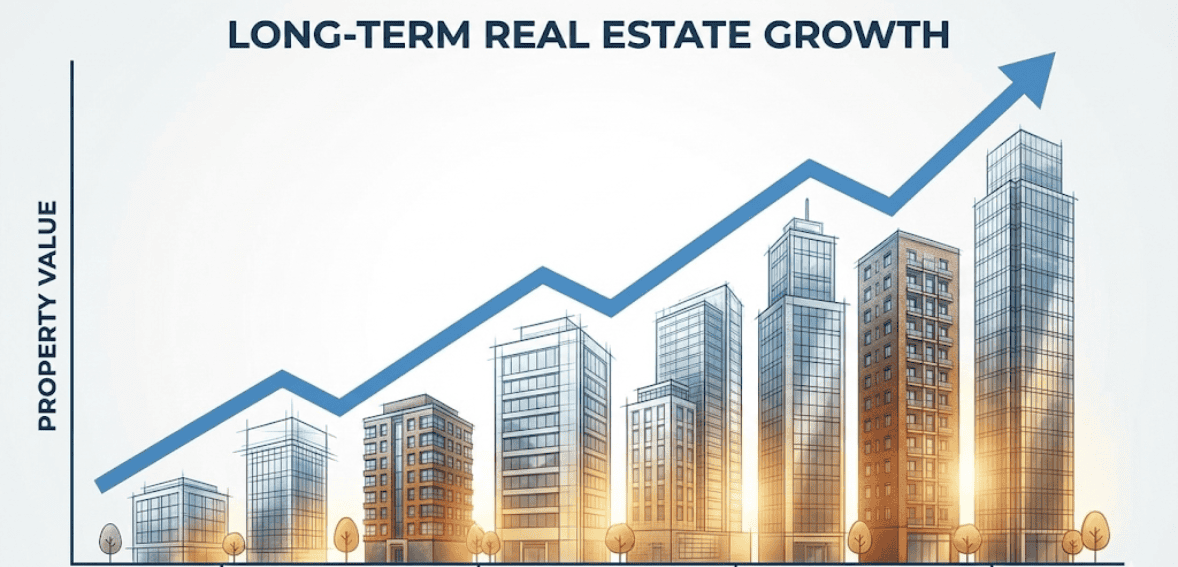
Digital marketing for property managers starts with understanding the mindsets and behaviors of today’s property owners. The property owner in the year 2026 is no longer the traditional landlord seeking a person to collect the rent. Instead, the owner is likely to be an investor seeking to diversify their portfolio or a busy professional needing easy-to-understand output and risk management.
The majority of property owners have started their search online. They thoroughly read websites, examine how service explanations are presented, assess credibility indicators, and analyze how well services are described. An ill-structured website, ambiguous service information, and outdated messages indicate that the company is operationally incompetent regardless of its actual competence. A well-developed website presupposes competence, stability, and professionalism regardless of actual performance.
Digital marketing is also where owners evaluate specialization. They will want to know whether you understand their specific condition. If it is single-family, multi-unit, long-distance, and so on. This is exactly where you must aim through digital media. Their message will not reach everyone. Messages that appeal to everyone will appeal to no one.
Another change is that the focus is put equally on the value of education and advancement. A business will appeal to the owner if it understands the processes thoroughly and provides information on regulatory concerns or market trends. Including educational information tends to boost confidence and transform the property manager into a strategic resource.
In 2026, online marketing to property managers becomes non-negotiable. It becomes the key source for first impressions, short-listing, and qualifying individuals for a call. The objective is not to sell hard but to be top-of-mind, credible, and relevant when the owner seeks advice.
Why Authority-Based Marketing Attracts Better Property Owners

To attract property owners, it is not just about numbers; it is about quality. Authority-based online marketing focuses on attracting property owners who value professionalism, processes, and long-term relationships. These are the type of property owners who are less likely to turn over, appreciate processes, and appreciate managed processes.
A reputation is created by clarity and consistency. When you have a clear website, articles, and messages that detail how properties are handled, risks are managed, and properties are protected to safeguard owner income, it demonstrates experience. The property owner is comforted by reading well-thought-out ideas instead of advertising copy.
This also relates to content. In-depth educational pages, high-quality guide content, and service descriptions effectively communicate to the owner what sets your service apart. This takes focus away from price and leads to discussions about value and results. Owners who engage with authoritative content are likely to have higher levels of questioning and expectations.
Authority marketing also helps automatically qualify leads. Owners who are not ready to invest in proper management tend to opt out early, while genuine owners proceed with confidence. This leads to better quality clients and smoother processes in the later stages.
Additionally, long-term visibility is another advantage associated with this process. Search engines are keen to display information that is considered expert, has many tiers, and is in-depth. Establishing your presence for education and simplicity brings residual benefits for months to years after posting.
In 2026, authority-based marketing for property managers is no longer about personal branding or aggressive self-promotion. It is about establishing your company as an informed operator with whom significant financial stakes are safe.
Building a Website That Speaks Directly to Property Owners
Your website will be central to your online marketing efforts. For property management companies, it needs to be more than an online brochure; it must be a decision-making tool for property owners.
The best property management websites in 2026 are organized around owner concerns, not corporate ego. Rather than promoting generic benefits, they describe how things are done: how new owners are brought on board, how reporting is handled, how maintenance is decided, and how risks of noncompliance are mitigated. Owners are interested in how things work.
Clarity is also a crucial factor. Pages should be written in simple, professional language that is neither technical nor overly technical, yet that still reflects expertise. Matters such as rent optimization, legal issues, and maintenance schedule management can be described in a composed and logical manner. This will help reassure owners that you are working in a planned way.
Trust factors are more important than ever. “A clean listing with complete contact information, good design, fresh content, and clear explanations will carry more weight,” says Gabriela. “Nothing undermines trust as quietly as an outdated blog or links that are no longer functional or explanations that are ‘vague or inscrutable.’”
Your website should also guide your owners to act seamlessly. Your website should encourage owners to learn more, have a chat, or inquire about specific information, rather than aggressive calls to action. This appeals to how modern-day owners want to interact after they have become informed.
A website in 2026 is more than a sales tool for a property manager. It is the operation’s electronic face. And owners read it, whether they say they did or not.
Content Marketing as a Trust-Building Engine
“Content marketing is one of the most effective means at a property manager’s disposal to attract owners organically. In 2026, it is no longer just publishing a lot of material online. It is a matter of publishing material that has meaning.”
Property owners will respond to content that helps them think clearly about their property assets. They will respond to content that differentiates management issues, legal matters, trends, or best practices. This establishes recognition and trust before anyone from the company reaches out.
Long-form educational content is particularly effective because it reflects how owners research. They are not searching for a tip, but information. When your content provides a solution to their inquiry, it shows you are patient, competent, and confident.
The content also enables long-term visibility on the digital platform. This is because high-quality content attracts many visitors over the long term, especially when it focuses on topics that concern the owner in perpetuity, such as regulatory issues, tenant quality, maintenance costs, and investment returns.
Another benefit of pet sitting for owners like yours will be alignment. Those who share your views will understand your philosophy.
For property managers in 2026, content marketing is not something you do on the side. It is how you establish trust discreetly, attract the right property owners, and enhance your reputation.
How Search Visibility Shapes Owner Trust in 2026
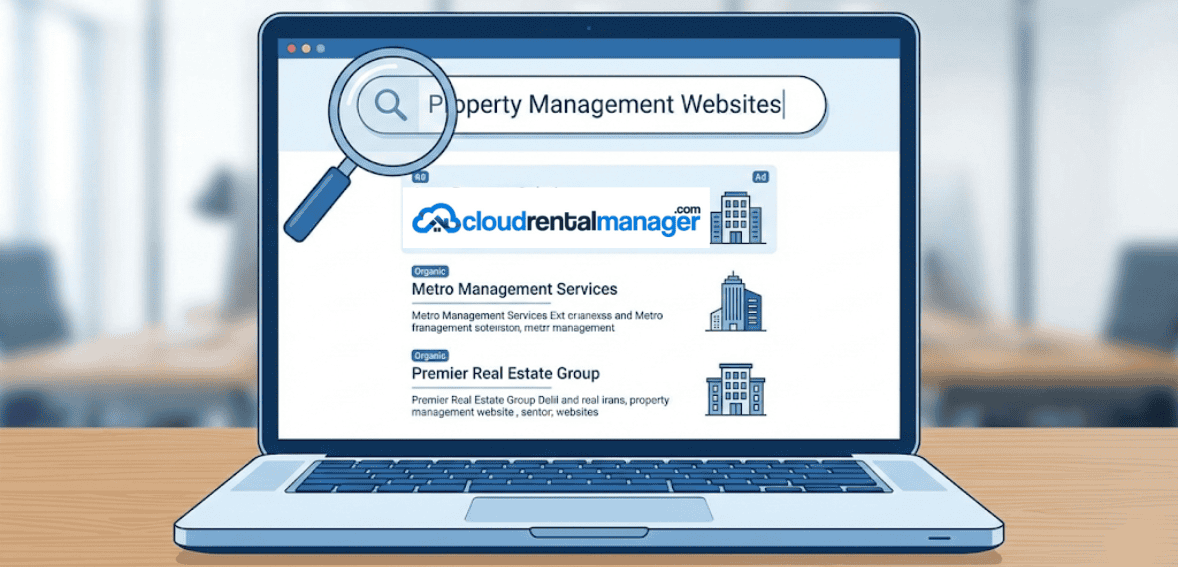
By 2026, search behavior will become one of the most robust indicators of credibility in property management. Property owners do not just search to find names; they search to validate competence. When an owner types questions about management fees, compliance risks, or vacancy reduction, the companies that appear and answer those questions clearly are perceived as more trustworthy.
Visibility in search is no longer about gaming algorithms; rather, it’s about matching intent. Homeowners looking for a property manager are very often in a state of mind to make a decision. They consider risk, cost, and long-term consequences. This means digital marketing for property managers should focus on aligning content with these concerns rather than generic promotional language.
When a property management company keeps showing up in search results for educational queries, familiarity gets built. Even if the owner didn’t contact you right away, the repeated exposure leads to recognition. By the time they are ready to engage, your brand already feels known and trustworthy.
Search visibility also reinforces authority indirectly. Owners assume companies that show up regularly must be established and credible. That perception affects trust long before a word is spoken. In 2026, being invisible online can be equated with being inexperienced or obsolete, even if it is not true.
The key is to focus on clarity, relevance, and depth. Content that explains how property management works, why certain decisions matter, and how risks are handled tends to perform better than superficial marketing copy. Search visibility becomes a byproduct of usefulness, not manipulation.
Relationship-Focused Digital Marketing Instead of Lead Chasing

One of the biggest pitfalls for property managers is treating online marketing as a way to generate leads rather than a relationship-building tool. In 2026, property owners are increasingly averse to aggressive sales methods. They like to be engaged when they feel educated and respected.
Relationship-driven digital marketing emphasizes building trust rather than immediate conversions. Here, brands develop content and messages to educate, reassure, and show process maturity. The owner wants to know you understand his concerns before you ask for his business, which is essential for effective online marketing.
This approach is also leading to a different definition of success. Instead of analyzing traffic or inquiries alone, relationship-building marketers are analyzing the quality of engagement. Are homeowners spending time reading what you have to say? Do they come back for more? Are conversations smarter and better-informed?
There is also reduced friction during onboarding. It is likely that owners who grasp your strategy will avoid questioning every procedure. Digital marketing acts as a filter, attracting owners who appreciate structure and professionalism.
In 2026, property managers who rely on relationship-based communication through digital media are more likely to achieve sustainable growth. This is because their clientele would retain longer, communicate well, and help advance their reputation through recommendations and reviews.
Also read: Marketing & Lead Management for Rentals: Integrating Property Management Software with Digital Tools
Educating Owners Without Overwhelming Them
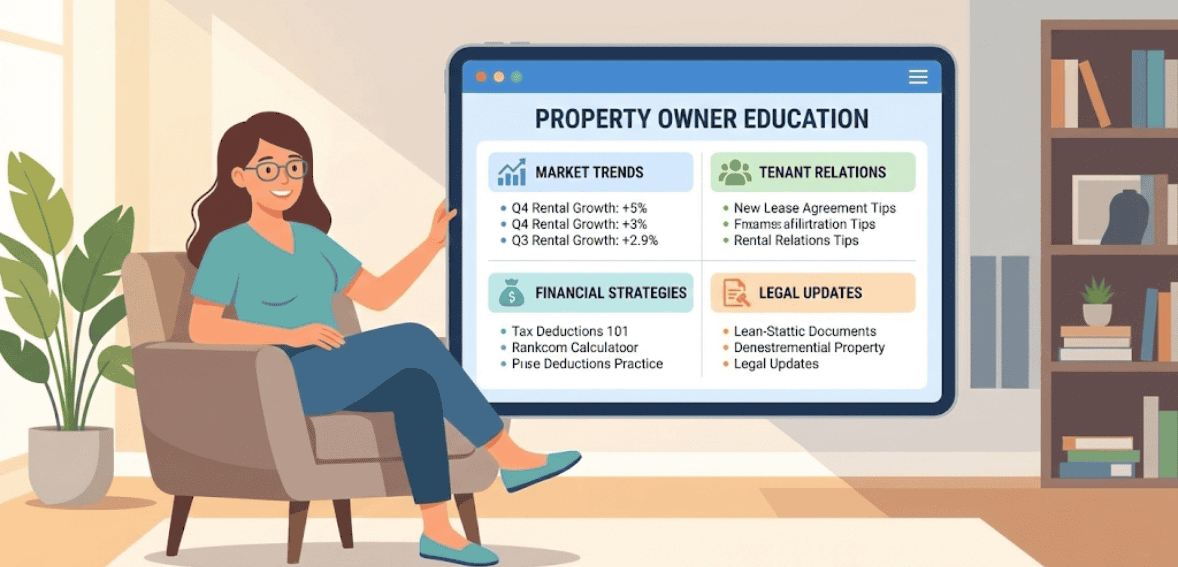
A challenge property managers face in digital marketing is balancing educational content with complexity. Property owners want simplicity. The objective is to end up on the side of enlightenment without being confusing.
“Smart” educational technology in education should emphasize outcomes and logic rather than minutiae. For instance, instead of listing all the compliance guidelines, you could describe the methods your technology uses to minimize risk and safeguard the owner. This presents risk not as something to be managed by the owner but rather by you.
Tone is important here. The information should be reassuring, organized, and polite. Fear tactics should not be used. The key to influencing the owner may be to keep the information level-headed and down-to-earth.
Another key is sequencing. Not all content has to be educational. Digital marketing is most successful when information is layered. “Introduction” pages introduce understanding, while longer “articles” introduce owners who wish to learn more.
In 2026, property managers who teach owners thoughtfully will earn trust faster. Owners will feel cared for, not sold.
Ethical Persuasion and Conversion Without Pressure
In digital marketing, conversion is not about forcing a call to action. For property managers, ethical persuasion is about helping owners make a bold decision. In 2026, owners would rather be convinced than forced.
Clarifying next steps would provide greater understanding. Pet owners need to know the process they must follow to reach out and what will be covered during the discussion. This would increase their sense of security to participate.
Transparency is an effective persuasive technique. When the owners are aware of the pricing structures, responsibilities, and limitations from the start, it is easier for them to trust you. The role of digital marketing is not to hide the complexity but to present it effectively.
“Calls to action must have a natural feel. The best persuasive language is that which invites response or clarifies or suggests exploration,” because this is better “than language that demands immediate action.” Owners desire freedom and respect.
Ethical persuasion is also good for your brand. When owners are coerced, they will eventually disengage or become troublesome owners. Online marketing strategies that value simplicity and ethics will help you become better owners.
Measuring What Actually Matters in Digital Marketing
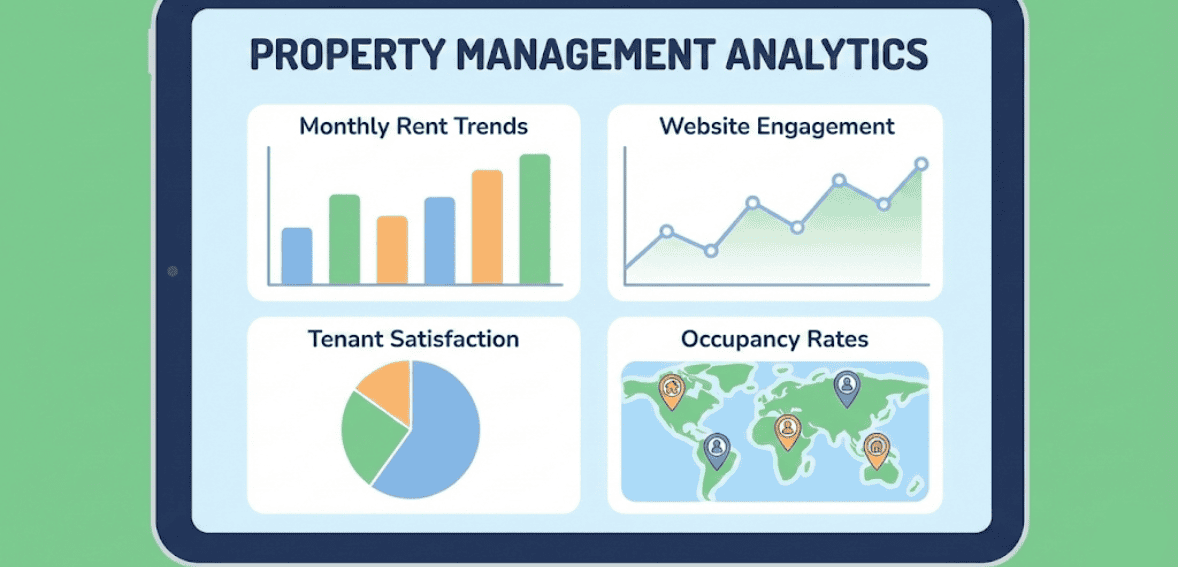
2026 will require a different mentality when measuring the success of digital marketing for property managers. While information such as page views or clicks may paint part of the picture, improved client quality ranks higher.
Important indicators include the types of questions they tend to ask, the level of preparation they bring to conversations, and the extent to which they understand your process. It is important that online marketing be educational.
Another key metric to watch is consistency. Are you attracting owners at a steady rate over time or in sporadic peaks? A steady flow of interested parties is an indication of success.
Also, feedback can be important. There can be ownership of ideas or concepts read in articles or gained before making contact. This shows that your online marketing efforts are working to prepare owners for a fruitful relationship.
Ultimately, a successful online marketing effort has to be a support function of a healthy business. In 2026, property managers who are measuring success both qualitatively and quantitatively are making better strategic decisions.
Conclusion
The digital marketing of property managers in 2026 is no longer about making a loud distinction but about making a clear one. The property owner is now more educated, more cautious, and more discerning than ever. They are seeking someone with structure, expertise, and foresight.
The most effective online marketing approaches are authority, education, and trust. They teach, they address actual concerns, and they offer opportunities to participate without obligation. The website becomes a resource for reaching decisions. Content becomes the silent trust-builder. Visibility is an indicator of trust, not buzz.
“Property managers who adopt this philosophy will attract better clients, develop better relationships, and grow their business in a healthy manner. Online marketing, when integrated with reality, becomes one of the most compelling tools any property management company has at its disposal.”
FAQs
How long does it take for digital marketing to show results for property managers?
Digital marketing is a long-term investment. Though some visibility may appear in months, owner trust and regular inquiries generally take longer to build as the content base builds authority.
Does digital marketing help small property managers?
Indeed, clear digital communication often helps small firms compete with the larger firms, indicating their expertise, responsiveness, and specialization without large advertising budgets.
Is paid advertising required to attract property owners?
Paid ads can help, but they work best when paired with strong educational content and a clear website. Organic trust-building often delivers higher-quality owner relationships.
How much content should a property manager publish?
Quality trumps quantity. A smaller number of well-crafted, owner-focused resources will outrank less frequent and shallow content any day.
What is the number one mistake property managers make online?
Emphasis on promotion, not education. Owners are best reached through clarity, transparency, and explanations that enable informed decision-making.