

by Rinki Pandey December 17, 2025
Student housing management differs from other rentals: faster pace, higher turnover, and distinct tenant expectations. Today, it’s not just about collecting rent and handling maintenance; managers must align with academic calendars, handle mass move-ins and move-outs, support new renters, and do so quickly and accurately.
As universities expand and student populations become more mobile, property managers are under pressure to maintain smooth operations while remaining profitable. This is where student housing software solutions are no longer optional. Technology has become the backbone that enables student housing managers to navigate peak turnover seasons while still operating efficiently year-round.
This article shows how technology transforms student housing management, especially during periods of intense turnover, and why adopting the right systems is critical for sustained success.
The Unique Complexity of Student Housing Management

Student housing faces challenges absent from traditional rentals. Students sign shorter, semester-based leases, so turnover is sudden and large-scale. One property might see hundreds of move-outs in a single day.
Many student renters live independently for the first time, adding administrative work answering lease questions, coordinating with parents and co-signers, and handling tight schedules for inspections, cleaning, repairs, and marketing.
Without solid systems, student housing can become chaotic. Manual processes and spreadsheets can’t keep up with the speed and scale required during academic transitions.
Managing Student Rentals Around the Academic Calendar
One of the defining characteristics of student housing is its dependence on the academic calendar. Leasing cycles, rent due dates, renewals, and turnover schedules are all dictated by school terms rather than traditional monthly rhythms.
Student housing managers must plan far in advance for predictable spikes such as summer move-outs, fall move-ins, and mid-year graduations. At the same time, they must remain flexible to accommodate unexpected changes, such as early withdrawals or late admissions.
Technology designed for managing student rentals around the academic calendar helps managers visualize these cycles clearly. Automated lease tracking, renewal reminders, and scheduled maintenance planning enable teams to plan months in advance rather than scrambling at the last minute. When academic schedules are built directly into workflows, properties operate with far fewer disruptions.
Handling High-Volume Turnover Without Operational Burnout
Turnover is the key challenge in student housing. When dozens or hundreds move out at once, inspections, repairs, cleaning, and re-leasing must be fast.
Without structure, tasks are missed. Units go vacant from delayed inspections, maintenance repeats work, and leasing struggles to track readiness.
Modern student housing software solutions centralize turnover workflows into a single system. Managers can automatically assign tasks, track unit status in real time, and ensure no step is missed. Instead of relying on memory or paper checklists, teams operate with clarity and accountability.
This organization reduces turnover stress, shortens vacancies, and protects rental income.
Streamlining Move-Ins and Move-Outs with Digital Workflows
Move-in and move-out days are critical moments in the student housing experience. These transitions shape how students perceive the property and influence whether they renew or recommend it to others.
Digital workflows, such as online checklists, real-time inspection apps, photo documentation, and automated messaging, simplify move-in and move-out processes. Students can access instructions through mobile portals, while managers get accurate records and time-stamped proof, reducing confusion and minimizing disputes for all involved.
For dorm-style and off-campus properties alike, dorm property management tech ensures that every unit follows the same standardized process. This consistency becomes invaluable during large-scale turnovers when human error is most likely to occur.
Supporting Student Tenants with Technology-First Communication
Student tenants expect fast, mobile-friendly communication. Emails, portals, and in-app notifications feel natural to them, while phone calls and paperwork often feel outdated.
With student tenant software, property managers meet communication expectations efficiently. Automated reminders keep students informed, while centralized messaging documents conversations for consistency and reduces manual follow-ups.
This technology-driven approach doesn’t remove the human element; it enhances it. Staff spend less time answering repetitive questions and more time addressing real concerns that require personal attention.
Improving Lease Compliance and Reducing Risk in Student Housing
With multiple tenants per unit, co-signers, and varying lease terms, compliance risks are higher in student housing. Missing signatures, outdated documents, or inconsistent lease clauses can quickly turn into legal or financial issues.
Digital lease management tools ensure that all documentation is complete, up to date, and easy to retrieve. Automated alerts notify managers of expiring leases or missing paperwork before problems arise.
By embedding compliance into daily workflows, student housing management becomes more secure and far less reactive.
Preparing for What Comes After Turnover
Turnover may be the most visible challenge in student housing, but success depends on what happens afterward. Once units are filled, managers must shift focus to retention, maintenance efficiency, and long-term planning.
Technology allows teams to smoothly transition from high-intensity turnover mode to stable operations. Maintenance tracking platforms speed up request processing, resident engagement tools increase student satisfaction, and analytics dashboards surface issues before they escalate, supporting continuous improvement and a better living experience.
Rather than viewing turnover as an annual crisis, technology enables student housing operators to manage it as a predictable, continuously improved process.
Strengthening Retention in Student Housing Beyond the First Lease
Student housing is often seen as short-term by default, but retention still matters more than many managers realize. Even if students stay only one or two years, renewals reduce marketing costs, stabilize occupancy, and make planning far easier. Technology plays a quiet yet powerful role in improving retention by reducing friction in daily life.
When maintenance is prompt, communication is clear, and residents feel supported, students are more likely to renew or recommend the property. Software lets managers track service response times, identify recurring issues, and spot early dissatisfaction, providing insight into what influences student decisions.
Student housing is not just luxury amenities. It’s about reliability. Systems that ensure consistent service delivery help create trust, which is often the deciding factor when students choose where to live next year.
Managing Parent and Guarantor Relationships with Confidence

Unlike traditional rentals, student housing involves a second audience: parents and guarantors. These stakeholders often care deeply about safety, billing accuracy, and transparency, even if they never set foot on the property. Handling their concerns manually can overwhelm on-site teams.
Modern student-tenant software enables managers to intelligently separate communication channels. Parents can receive financial updates or emergency notices without interfering with student-facing communication. Lease documents, payment records, and policies can be accessed digitally, reducing phone calls and misunderstandings.
This structured approach protects staff time while reassuring families. When parents feel informed and confident, disputes decrease, and relationships remain professional rather than reactive.
Using Data to Make Smarter Student Housing Decisions

Student housing generates enormous amounts of data, such as lease cycles, maintenance patterns, occupancy rates, turnover timelines, and more. Without proper systems, that data stays buried and unused. With the right technology, it becomes a strategic advantage.
Student housing management platforms allow managers to analyze trends over multiple academic years. Patterns such as recurring maintenance issues after move-in, peak service request periods, or frequent lease disputes become visible. This insight helps managers refine processes and allocate resources more effectively.
Data-driven decisions reduce guesswork. Instead of reacting to problems as they occur, managers can anticipate challenges and address them proactively, improving both efficiency and resident satisfaction.
Scaling Student Housing Operations Without Losing Control
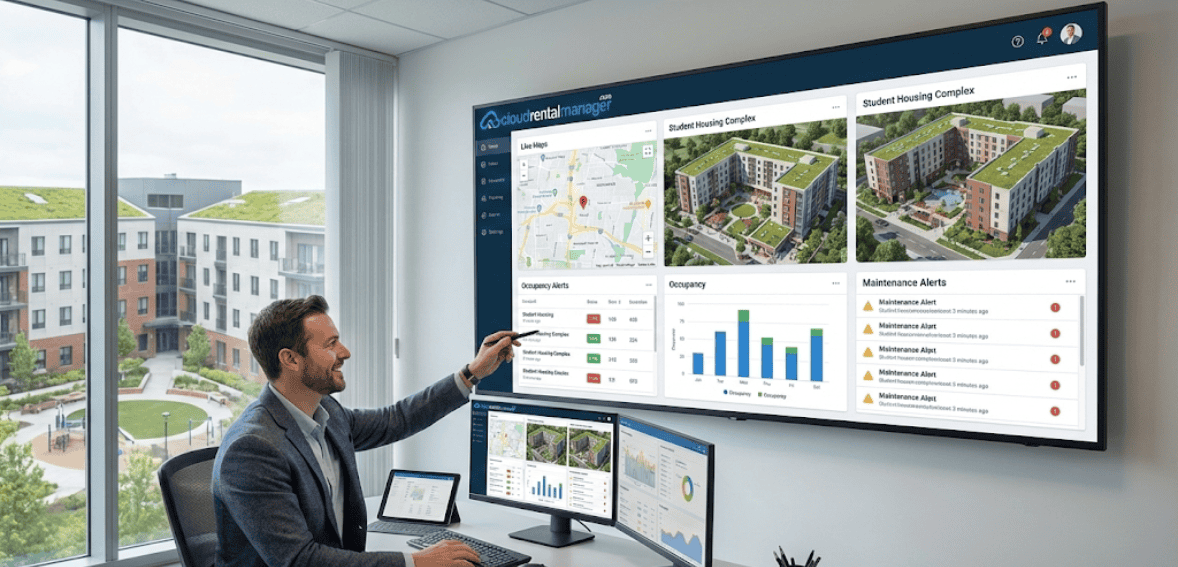
As student housing portfolios grow, complexity increases rapidly. Managing one building is very different from managing several properties across multiple campuses. Without scalable systems, growth often leads to inconsistency and burnout.
Technology provides the structure needed to scale responsibly. Centralized dashboards allow leadership to monitor performance across properties while still empowering on-site teams to act independently. Standardized workflows ensure that policies are applied consistently, even as teams expand.
For operators managing multiple student housing communities, software becomes the glue that holds everything together. It ensures that growth does not come at the cost of quality or compliance.
Enhancing Maintenance Efficiency in Student-Focused Properties

Maintenance in student housing is uniquely demanding. High occupancy density, frequent wear and limited access windows require precise coordination. Missed repairs or delayed responses can quickly escalate into reputation issues.
Property management technology streamlines maintenance by prioritizing requests, tracking response times, and documenting work performed. This clarity helps teams move faster while reducing repeat visits and miscommunication.
More importantly, transparent maintenance systems improve trust with residents. When students can see progress updates instead of waiting in uncertainty, frustration drops significantly.
Preparing for Compliance and Risk Management in Student Rentals

Student housing must follow local housing laws, safety regulations, and fair housing requirements, often under intense scrutiny due to the age and vulnerability of residents. Managing compliance manually increases the risk of oversight.
Digital systems reduce this risk by enforcing standardized documentation, tracking inspections, and maintaining audit-ready records. Whether it’s fire safety checks, occupancy limits, or lease disclosures, technology ensures that nothing is overlooked.
This proactive approach protects both residents and operators, transforming compliance from a stress point into a controlled process.
The Future of Student Housing Management
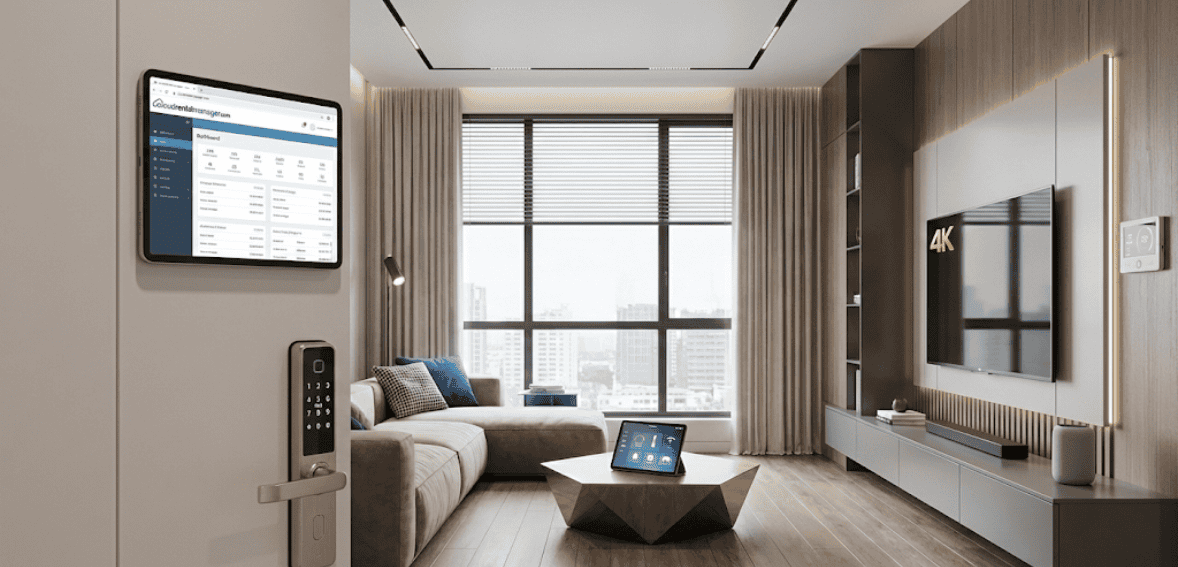
Student housing continues to evolve. Students expect digital-first experiences, faster responses, and greater transparency. Properties that rely on outdated systems will struggle to meet these expectations.
The future of student housing management lies in integrated platforms that support the entire lifecycle from leasing and turnover to maintenance and renewal. Technology will not replace human judgment, but it will amplify it by removing unnecessary friction and administrative burden.
Managers who embrace these tools position themselves not just to survive turnover seasons, but to lead their markets with confidence.
Conclusion: Turning Turnover into Opportunity
Student housing will always involve high turnover. That reality isn’t changing. What can change is how managers experience it. With the right technology, turnover becomes a planned process rather than a crisis.
By adopting modern student housing software solutions, managers gain control over complexity, improve resident satisfaction, and build resilient operations year after year. Technology doesn’t eliminate challenges, but it transforms how effectively they’re handled.
In today’s student housing landscape, success belongs to those who manage proactively, communicate clearly, and use technology as a strategic partner rather than an afterthought.
FAQs
What makes student housing management different from traditional rentals?
Student housing revolves around academic calendars, high turnover, and younger tenants, which create faster cycles and higher operational pressure than in standard residential properties.
How does student housing software help during turnover season?
It centralizes inspections, maintenance, leasing, and communication into one system, allowing teams to coordinate tasks quickly and reduce vacancy time.
Can technology improve student tenant satisfaction?
Yes. Faster maintenance responses, clear communication, and digital convenience significantly improve the student living experience.
Is student housing software only useful for large portfolios?
No. Even small student housing operators benefit from automation, especially during move-in and move-out periods.
Does using technology reduce the need for on-site staff?
Technology doesn’t replace staff; it allows them to focus on meaningful interactions rather than repetitive administrative tasks.