

by Rinki Pandey December 18, 2025
Property management has never been simple, but in today’s environment, it has become significantly more demanding. Owners and managers are expected to juggle tenant expectations, regulatory requirements, financial accuracy, maintenance coordination, and communication, often across multiple properties, while keeping costs under control. These property management challenges are not new, but the scale and speed at which they occur today make traditional, manual approaches increasingly ineffective.
Many landlords and property managers still depend on spreadsheets, emails, and paper files. While useful at a small scale, these tools introduce errors and delays as portfolios grow. Missed rent payments, late maintenance, tenant dissatisfaction, and compliance risks signal systems that can’t keep up.
Technology is changing that equation. Modern tech solutions for landlords are designed to address the most persistent property management pain points directly, not by adding complexity, but by simplifying workflows, improving visibility, and reducing reliance on human memory. This article explores the most common rental management challenges that technology solves and explains how property managers can shift from reactive problem-solving to proactive, scalable operations.
The Growing Complexity of Property Management Challenges
Property management requires consistency: collect rent on time, address maintenance promptly, maintain accurate records, and support tenants. Each responsibility affects the others. Delays lower satisfaction and retention. Poor records cause compliance issues. Communication failures turn small issues into major disputes.
As portfolios expand, challenges multiply. Managing five units is not just five times harder than managing one; the overlap of information, tasks, and timelines makes coordination exponentially more difficult. Without centralized systems, property managers end up reacting to late payments, chasing documents, or resolving preventable conflicts.
This is where technology becomes more than a convenience. It becomes an operational necessity. By automating routine tasks, such as rent collection, document storage, and issue tracking, and centralizing information, technology helps property managers regain control over complexity instead of being overwhelmed by it.
Rent Collection Delays and Payment Tracking Issues
One of the most persistent property management challenges is inconsistent rent collection. Late payments, partial payments, and unclear payment records create cash flow uncertainty and administrative strain. When rent tracking relies on manual entries or separate bank statements, it becomes difficult to see who has paid, who has not, and what follow-up actions are required.
From the tenant’s perspective, unclear payment processes can also lead to frustration. If tenants are unsure whether a payment was received or how much they owe, disputes can arise even when both parties intend to comply.
Technology directly addresses this problem by introducing structured, automated rent collection systems. Digital payment platforms allow tenants to pay online through familiar methods, while property managers receive real-time confirmation of payments. Automated ledgers update instantly, removing the need for manual reconciliation and reducing the risk of errors. Alerts and reminders help both tenants and managers stay on schedule, increasing consistency and cash flow reliability.
More importantly, these systems create transparency. Both landlords and tenants can clearly see payment histories, outstanding balances, and due dates. This visibility reduces misunderstandings and allows managers to focus on strategic decisions rather than administrative follow-up. In this way, technology transforms rent collection from a recurring pain point into a predictable, manageable process.
Maintenance Coordination and Slow Response Times

Maintenance issues are unavoidable in rental properties, but how they are handled makes a significant difference in tenant satisfaction and long-term property value. One of the most common property management pain points is delayed maintenance response times, often caused by disorganized request handling and poor communication among tenants, managers, and vendors.
When maintenance requests are submitted by phone, email, or handwritten note, they can easily be overlooked or lost. Tracking the status of each request becomes difficult, and tenants may feel ignored if they do not receive updates. Over time, this erodes trust and increases turnover.
Technology helps property managers solve this challenge by centralizing maintenance workflows. Digital maintenance portals allow tenants to submit requests with clear descriptions and photos, ensuring issues are documented accurately from the start. Property managers can then assign tasks to appropriate vendors, track progress with automated updates, and communicate status to tenants promptly, resulting in faster, more reliable maintenance coordination.
Beyond efficiency, this approach improves accountability. Each maintenance request has a recorded timeline, making it easier to evaluate vendor performance and identify recurring issues. By using technology to streamline maintenance coordination, landlords not only improve response times but also protect their assets and strengthen tenant relationships.
Poor Communication with Tenants and Vendors
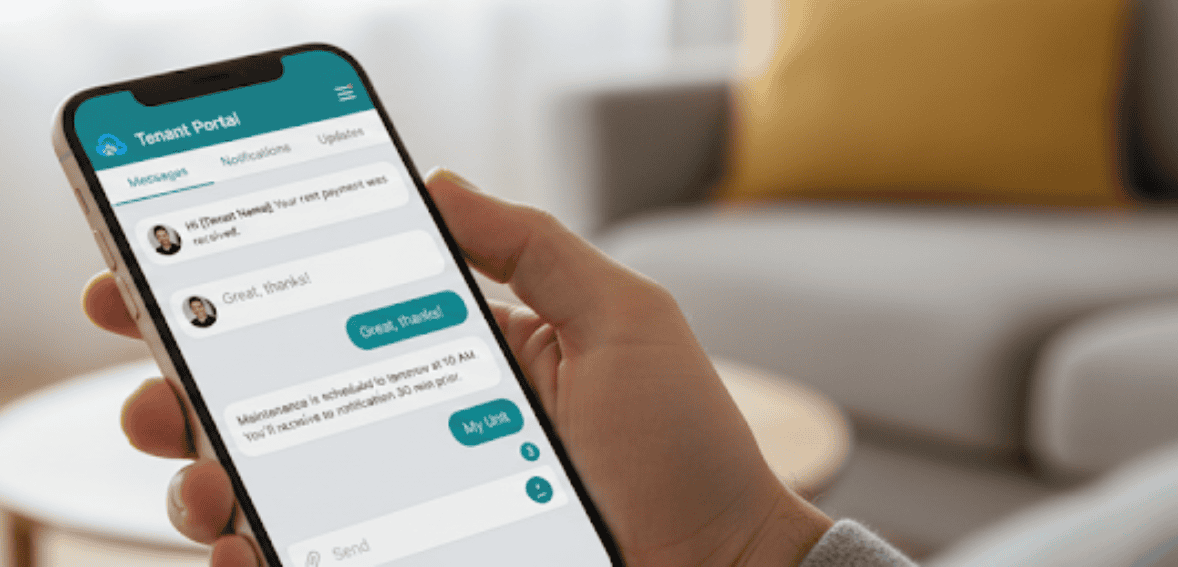
Communication failures are central to many rental management difficulties. Tenants want timely updates, clear expectations, and easy ways to reach management. Vendors need accurate instructions, access to property details, and prompt approvals. When communication channels are fragmented, misunderstandings become inevitable.
Traditional communication methods often rely heavily on individual emails or phone calls, which are difficult to track and easy to forget. Important messages may be buried in inboxes, and there may be no record of who said what and when. This creates risk during disputes and increases the likelihood of repeated questions or missed commitments.
Technology offers a structured alternative. Centralized communication tools allow all messages related to a property, tenant, or maintenance task to be stored in a single location. Automated notifications ensure tenants receive updates about rent, maintenance, or policy changes without requiring manual outreach for each message.
For property managers, this creates consistency. Instead of responding reactively to incoming calls, they can communicate proactively and at scale. Over time, this improves tenant satisfaction and reduces the emotional labor associated with constant back-and-forth communication.
Administrative Overload and Time-Consuming Manual Tasks
Many property managers enter the field to oversee properties, not to spend hours on repetitive administrative work. Yet manual data entry, document management, and reporting often consume disproportionate time. These tasks not only reduce productivity but also increase the risk of human error.
Administrative overload is one of the most underestimated challenges in property management. It creeps in gradually as portfolios grow, leaving managers feeling constantly busy but rarely effective. This can lead to burnout and make it difficult to focus on higher-value activities such as portfolio growth or tenant retention strategies.
Technology addresses this issue by automating routine processes. Lease renewals, reminders, document storage, and reporting can all be handled through centralized systems that reduce duplication and enforce consistency. Automatic alerts, digital templates, and electronic signatures further reduce manual effort, freeing up time and reducing errors.
The result is not just time savings, but mental clarity. When administrative burdens are reduced, managers can make better decisions, respond more thoughtfully to issues, and operate with confidence rather than stress.
Compliance Risks and Documentation Gaps
One of the most stressful property management challenges is staying compliant with ever-changing laws and regulations. Fair housing rules, local rental ordinances, safety requirements, and documentation standards vary by location and can change without much notice. Missing a deadline, losing a document, or applying policies inconsistently can lead to fines, legal disputes, or reputational damage.
Many compliance issues are not caused by intentional mistakes but by disorganization. Paper files, email attachments, and locally stored documents make it difficult to confirm whether records are complete, up to date, and accessible when needed. During audits or disputes, scrambling for paperwork becomes both time-consuming and risky.
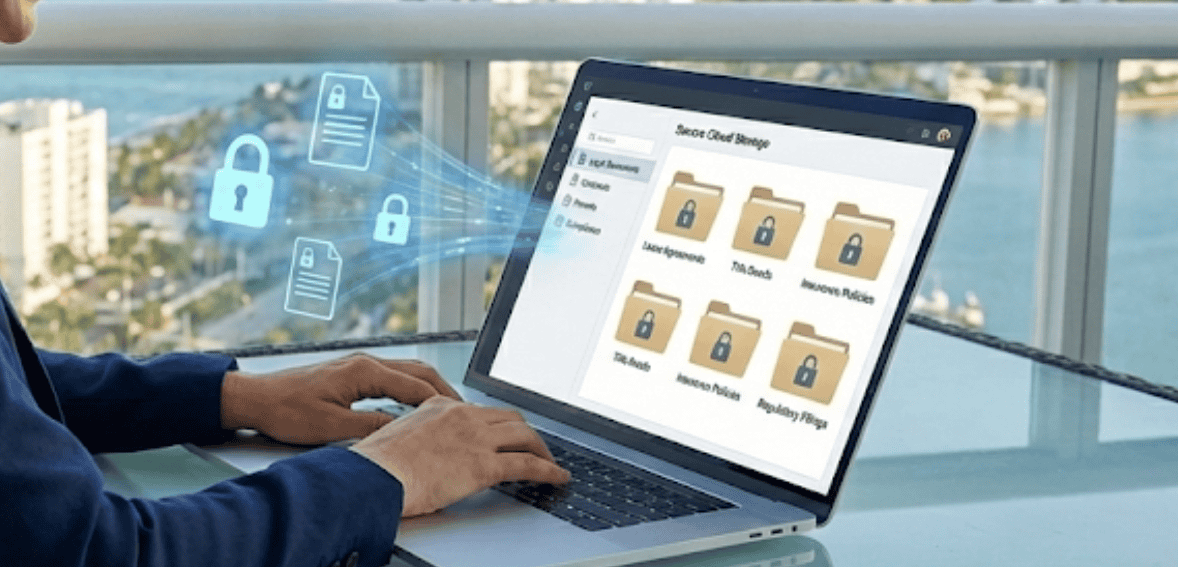
Technology helps solve these compliance challenges by centralizing all compliance-related documentation and standardizing workflows to ensure consistent processes. Digital recordkeeping ensures that leases, notices, inspection reports, and certifications are stored securely and properly indexed for easy retrieval during audits. Automated reminders proactively reduce the likelihood of missed deadlines, while role-based access controls safeguard sensitive information.
By using technology to support compliance, property managers move from a reactive posture, responding only when issues arise, to a proactive one in which compliance becomes part of daily operations rather than a constant source of anxiety.
Scaling Operations Without Losing Control
Growth is often seen as a success indicator, but for property managers, growth can expose weaknesses in existing systems. What worked for a small portfolio may fail when managing dozens or hundreds of units. Scaling introduces new layers of complexity, from increased maintenance volume to more tenant communication and financial tracking.
Without the right systems, growth can feel chaotic. Managers may struggle to maintain service quality, leading to slower response times and declining tenant satisfaction. Decision-making becomes harder when data is spread across multiple tools or locations.
Technology enables scalable operations by creating a single source of truth. Instead of adding more manual processes or staff just to keep up, managers can use centralized platforms that handle increased volume without proportional increases in workload. Automated workflows ensure consistency, while dashboards provide visibility across the portfolio.
This ability to scale efficiently is one of the most significant ways technology helps property managers move beyond survival mode and into strategic growth.
Lack of Visibility and Data-Driven Decision Making
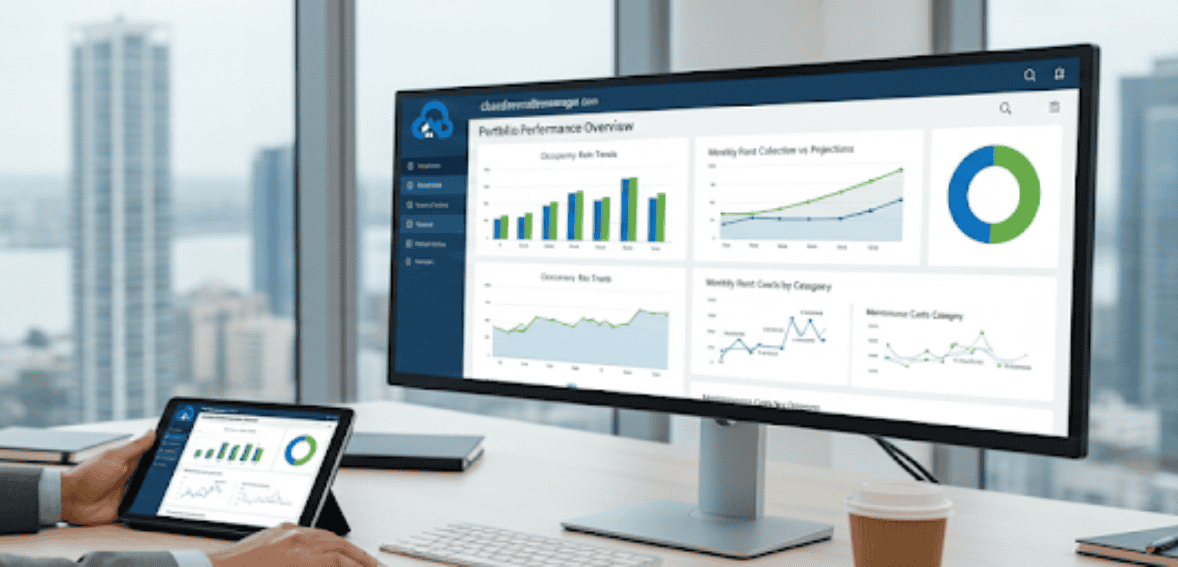
Another common property management pain point is the inability to see the entire picture. When data is fragmented across spreadsheets, emails, and bank accounts, it becomes difficult to answer basic questions. Are vacancies increasing? Which properties generate the highest maintenance costs? Are rent increases aligned with market conditions?
Operating without clear data forces managers to rely on intuition rather than insight. While experience is valuable, it cannot replace accurate, timely information when managing complex portfolios.
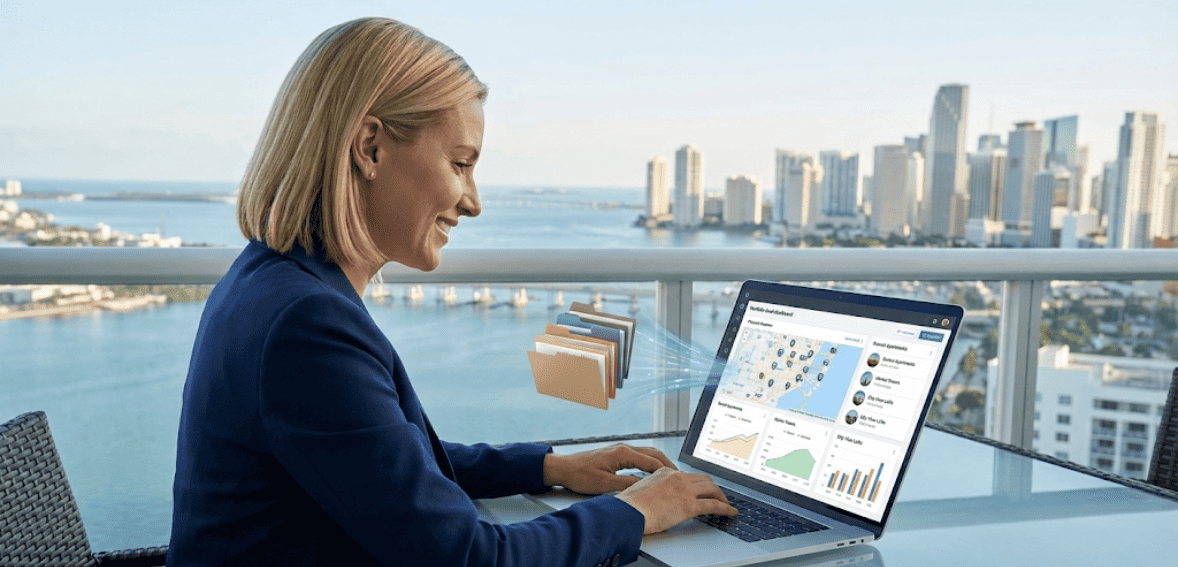
Technology addresses this challenge by aggregating data into clear, actionable reports. Financial performance, occupancy trends, maintenance metrics, and tenant behavior can all be viewed in one place. This visibility allows managers to identify patterns, anticipate issues, and make informed decisions.
Over time, data-driven management leads to better outcomes. Instead of reacting to problems after they occur, property managers can intervene early, allocate resources more effectively, and align their strategies with long-term goals.
How Technology Brings All Solutions Together
Each of these challenges, including rent collection, maintenance, communication, administration, compliance, scalability, and visibility, may seem distinct, but they are deeply interconnected. Technology works best when it addresses them holistically rather than isolated.
Modern tech solutions for landlords are designed to integrate workflows rather than replace them piecemeal. When systems communicate, information flows naturally across departments and tasks. A maintenance request can automatically trigger communication updates, vendor assignments, and cost tracking. A lease renewal can update financial projections and compliance records simultaneously.
This integration reduces friction and allows property managers to operate with confidence. Instead of juggling tools and processes, they oversee a cohesive system that supports their work rather than complicates it.
Conclusion: Turning Property Management Challenges into Opportunities
Property management will always involve complexity, but complexity does not have to mean chaos. The most common property management challenges persist not because they are unsolvable, but because outdated tools and processes make them harder than they need to be.
Technology offers a practical path forward. By addressing pain points systematically from rent collection and maintenance to compliance and decision-making, property managers can shift from reactive problem-solving to proactive leadership. The goal is not to remove the human element from property management, but to support it with systems that enhance clarity, consistency, and control.
In an increasingly competitive and regulated environment, embracing technology is no longer optional. It is the foundation for sustainable, professional property management that benefits landlords, tenants, and managers alike.
FAQs
How does technology help solve property management challenges?
Technology centralizes data, automates repetitive tasks, and improves visibility, making it easier to manage rent, maintenance, communication, and compliance efficiently.
Are tech solutions only useful for large property portfolios?
No. Even small landlords benefit from automation and organization, and technology becomes more valuable as portfolios grow.
Can technology really improve tenant satisfaction?
Yes. Faster maintenance responses, clear communication, and transparent billing directly improve the tenant experience and reduce turnover.
Is adopting new technology difficult for property managers?
Most modern systems are designed to be user-friendly, and the long-term time savings typically outweigh the initial learning curve.
What is the biggest risk of not using technology in property management?
Relying on manual processes increases the risk of errors, missed deadlines, poor visibility, and burnout as operational demands grow.