
by Rinki Pandey December 22, 2025
Managing property maintenance has always been one of the most demanding responsibilities in property management. From responding to tenant repair requests to coordinating vendors and tracking costs, maintenance can quickly become chaotic without the right systems. As portfolios grow, manual processes like emails, phone calls, spreadsheets, and paperwork orders begin to break down, leading to delays, miscommunication, and rising operational costs.
Cloud-based maintenance management software is transforming how requests are handled by bringing structure, visibility, and accountability to property operations. With these solutions, property managers can shift from reactive repairs to organized, data-driven workflows.
This article explores how cloud software streamlines maintenance and vendor coordination, reduces operational friction, and creates better experiences for property managers, vendors, and residents alike.
Why Maintenance and Vendor Management Are Persistent Pain Points
Maintenance is not a single task; it is an ecosystem of moving parts. A single work order can involve tenant communication, internal approval, vendor scheduling, follow-ups, invoicing, and compliance documentation. When these steps are handled manually, mistakes are inevitable.
Without centralized work-order-tracking rental systems, requests may be lost, delayed, or duplicated. Vendors may receive incomplete information, show up unprepared, or miss appointments entirely. Property managers spend hours following up by phone and email, while tenants become frustrated by the lack of updates.
Vendor management adds another layer of complexity. Managing contractors across multiple properties means tracking insurance documents, licenses, rates, availability, and performance history. Without proper tools, this information often lives in scattered files or in someone’s inbox, making it difficult to ensure consistency and compliance.
Cloud software addresses these challenges by consolidating maintenance and vendor management into a single, real-time system.
Centralizing Maintenance Requests with a Cloud Based Maintenance Request System
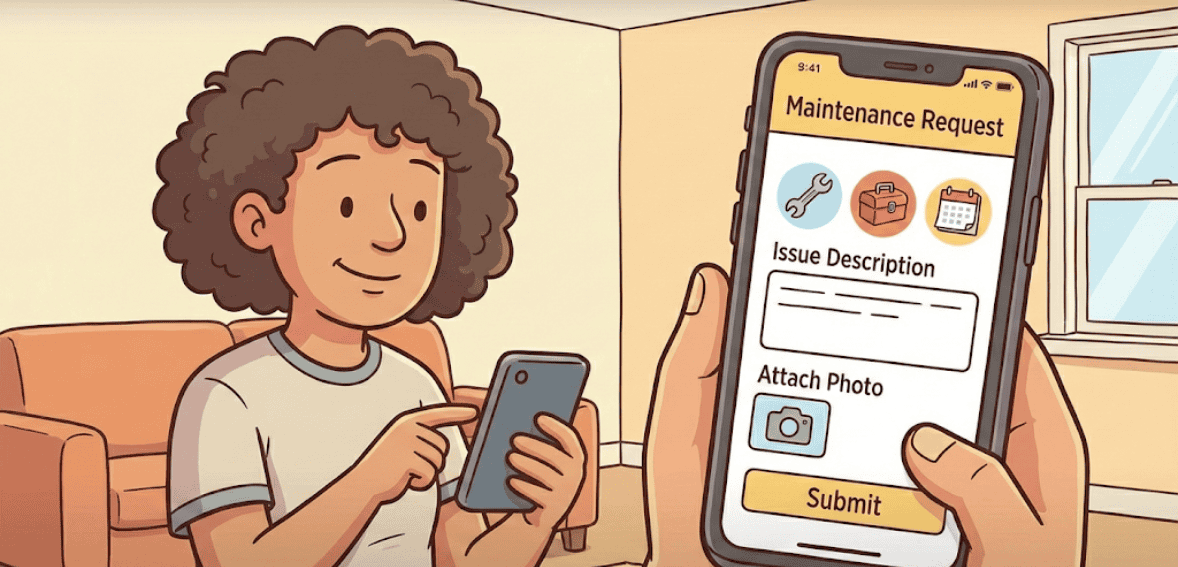
At the core of modern maintenance operations is a centralized maintenance request system. Instead of tenants calling, texting, or emailing issues, cloud platforms allow residents to submit requests through a portal or app. Each request is automatically logged, timestamped, categorized, and routed into a structured workflow.
This shift alone dramatically reduces chaos. Property managers no longer need to interpret vague emails or rely on memory to prioritize repairs. Requests are visible on a single dashboard, making it easy to assess urgency, assign tasks, and track progress.
For tenants, the experience also improves. They receive confirmation that their request has been received, along with updates as the issue moves through the process. Transparency replaces uncertainty, strengthening trust.
From an operational standpoint, centralized requests create valuable data. Managers can identify recurring issues, spot aging infrastructure, and plan preventive maintenance rather than react to recurring emergencies.
Improving Work Order Tracking and Accountability
Once a maintenance request is submitted, it becomes a work order that must be executed efficiently and documented accurately. Cloud-based work-order-tracking rental systems ensure that every step of the process is visible and traceable.
Work orders can be assigned internally or dispatched to vendors with clear instructions, photos, and access details. Status updates such as “assigned,” “in progress,” or “completed” are updated in real time, eliminating the need for constant follow-up.
Accountability improves because nothing disappears into a black hole. Managers can see which tasks are overdue, which vendors are delayed, and where bottlenecks occur. This visibility allows for quicker intervention and better decision-making.
Over time, detailed work order histories also support budgeting and capital planning. Managers can analyze maintenance frequency and costs by unit, building, or vendor, creating a stronger foundation for long-term asset management.
Streamlining Property Maintenance Scheduling with Automation
One of the biggest inefficiencies in traditional maintenance workflows is scheduling. Coordinating availability between tenants, staff, and vendors often involves multiple back-and-forth messages that waste time and lead to errors.
Cloud-Managers assign work based on vendor availability, location, skill set, and priority. Automated notifications keep everyone informed, minimizing manual outreach. Recurring maintenance tasks, such as HVAC servicing, inspections, or seasonal upkeep, become even more valuable when automated. Schedules can be set in advance, ensuring preventive maintenance is performed consistently and on time.
This proactive approach reduces emergency repairs, extends asset life, and improves tenant satisfaction by minimizing disruptions.
Simplifying Vendor Coordination and Contractor Management

Vendor management and maintenance are closely connected. Cloud platforms embed vendor profiles into maintenance workflows to improve efficiency. modern vendor management property management tools, each contractor has a centralized profile containing contact information, service categories, pricing agreements, insurance documents, and compliance status. This eliminates guesswork and ensures that only approved vendors are assigned to jobs.
When a work order is created, managers can quickly select the appropriate contractor based on expertise and availability. Vendors receive all job details in one place, reducing miscommunication and incomplete work.
Over time, performance data such as response times, completion rates, and costs can be tracked automatically. This allows property managers to evaluate vendors objectively and make informed decisions about long-term partnerships.
Enhancing Communication Between Managers, Vendors, and Tenants
Communication breakdowns are a major source of maintenance delays and dissatisfaction. Cloud software replaces fragmented communication with centralized, role-based messaging.
Instead of juggling calls, texts, and emails, all communication related to a work order happens within the platform. Vendors can ask clarifying questions, upload photos, and mark tasks complete. Tenants receive updates without needing to follow up repeatedly. Managers maintain oversight without micromanaging.
This structured communication reduces misunderstandings and creates a documented trail of interactions. If disputes arise, records are readily available, protecting all parties involved.
Clear communication also strengthens relationships. Vendors appreciate organized workflows, and tenants feel respected when they are kept informed.
Controlling Maintenance Costs with Better Visibility and Data
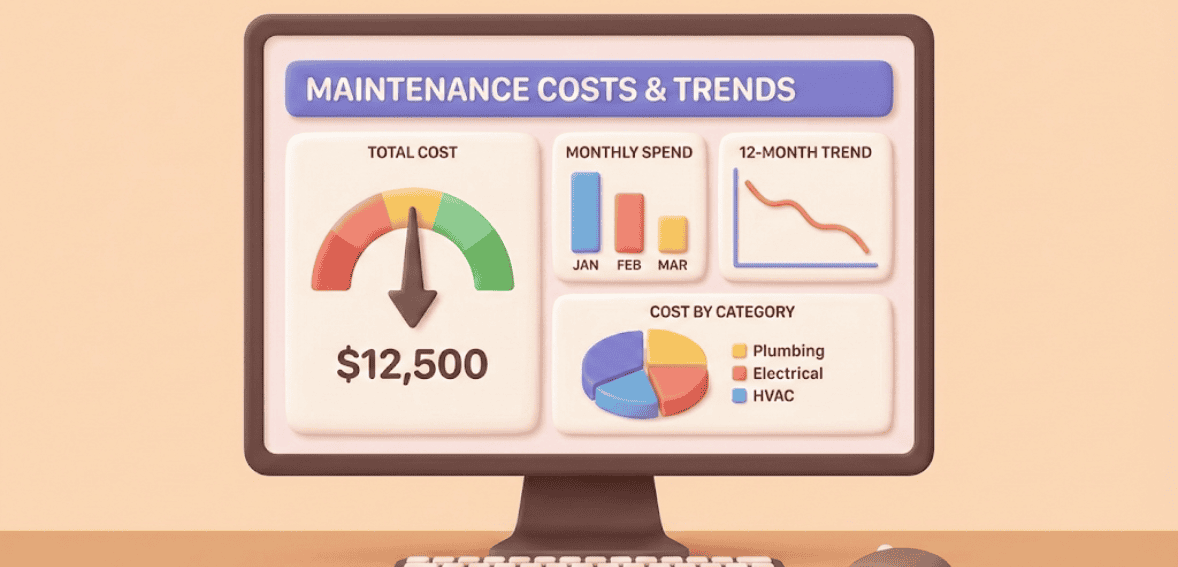
One of the most overlooked advantages of cloud-based maintenance management software is cost control. Maintenance expenses tend to creep upward quietly, small repairs here, emergency calls there, until budgets are suddenly blown. When maintenance is tracked manually, it’s nearly impossible to see patterns early enough to intervene.
The Cloud software records every work order, vendor invoice, and labor cost in real time. This transparency enables property managers to quickly spot cost overruns and act early. For example, if plumbing repairs are repeatedly occurring in the same building, the data may reveal that a capital improvement is more cost-effective than endless patchwork repairs. Without centralized tracking, these insights remain hidden. Cloud platforms turn maintenance from a reactive expense into a managed investment.
Shifting from Reactive Repairs to Preventive Maintenance
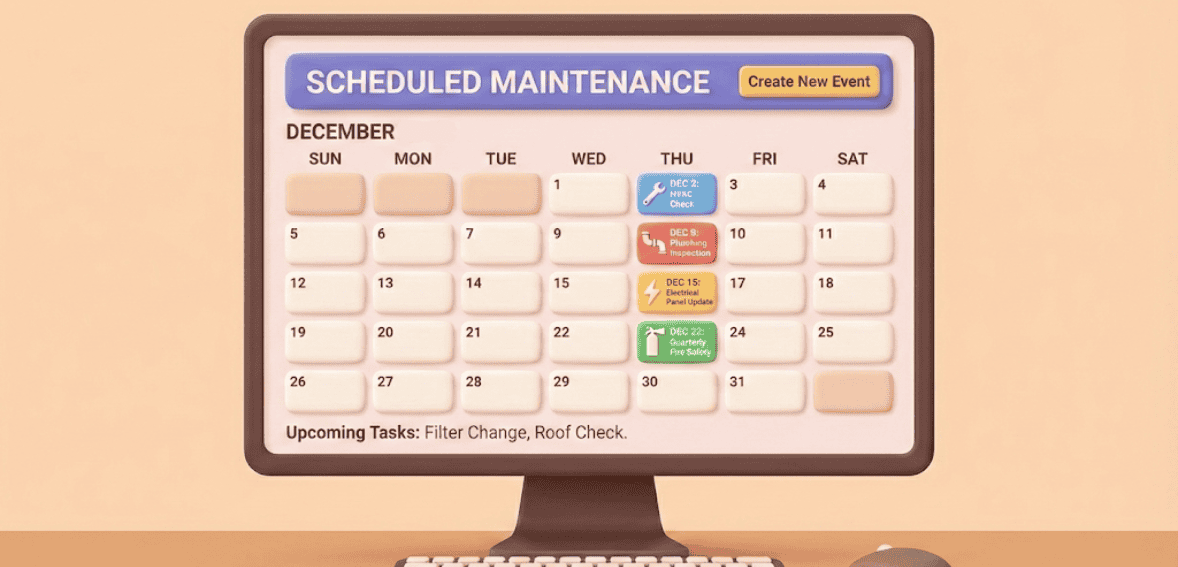
Reactive maintenance is expensive. Emergency repairs cost more, disrupt tenants, and often cause collateral damage. Cloud software makes it far easier to shift toward preventive maintenance, which protects assets and reduces long-term costs.
Using maintenance management software, managers can automatically schedule recurring inspections, servicing, and system checks. HVAC systems, elevators, fire alarms, and plumbing infrastructure can all be monitored through scheduled workflows rather than waiting for failures.
This proactive approach reduces downtime and extends the lifespan of major building systems. Tenants benefit from fewer disruptions, while owners benefit from smoother budgeting and lower emergency spending. Over time, preventive maintenance becomes one of the strongest arguments for investing in modern property technology.
Ensuring Compliance, Documentation, and Risk Reduction

Maintenance isn’t just about fixing things; it’s also about compliance. From safety inspections to habitability standards, property managers must document that issues are addressed properly and on time. Manual record-keeping often leaves gaps that can become liabilities during audits or legal disputes.
Cloud-based systems automatically document every maintenance action. Time stamps, photos, technician notes, and completion records are stored securely and easily retrievable. This documentation becomes invaluable when responding to tenant complaints, insurance claims, or regulatory inquiries.
Vendor compliance is also easier to manage. Licenses, insurance certificates, and expiration dates can be tracked within vendor profiles, with automated alerts when updates are needed. This reduces legal risk and ensures that only qualified contractors are working on properties.
Scaling Maintenance Operations Across Growing Portfolios
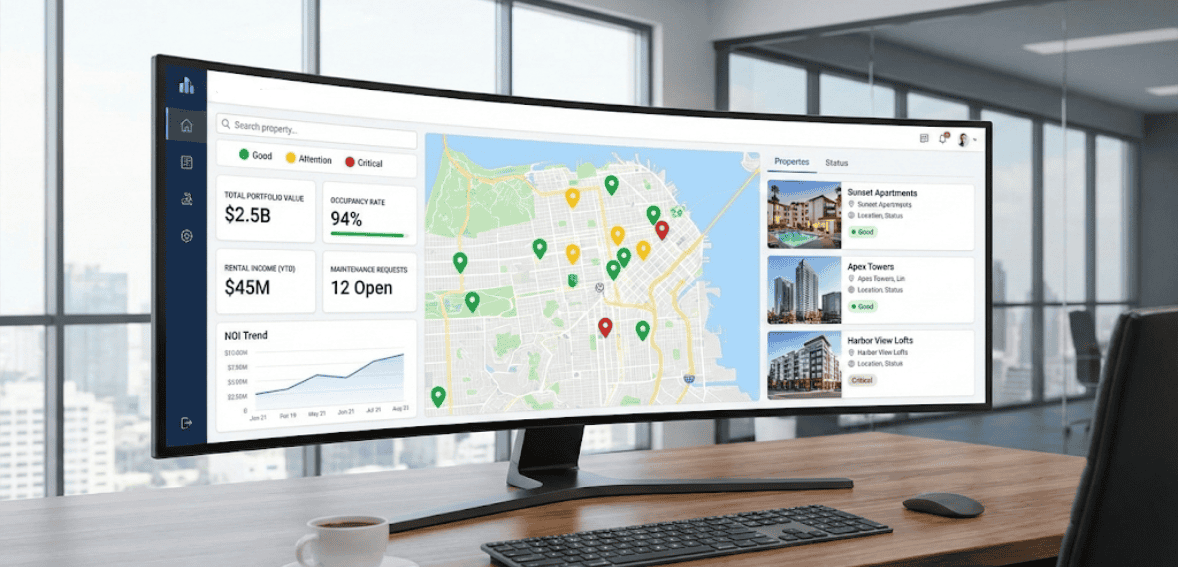
As property portfolios grow, maintenance complexity increases exponentially. What works for ten units quickly breaks down at fifty or a hundred. Cloud software is designed to scale, allowing managers to maintain consistency across properties without increasing administrative burden.
Maintenance requests, vendor assignments, and scheduling rules can be standardized across locations while still allowing flexibility for local needs. Managers gain portfolio-wide visibility without losing property-level control.
This scalability is especially important for companies managing properties in multiple regions. Cloud platforms enable centralized oversight while empowering on-site teams with localized access. Growth becomes manageable rather than overwhelming.
Improving Tenant Satisfaction Through Faster, Transparent Service
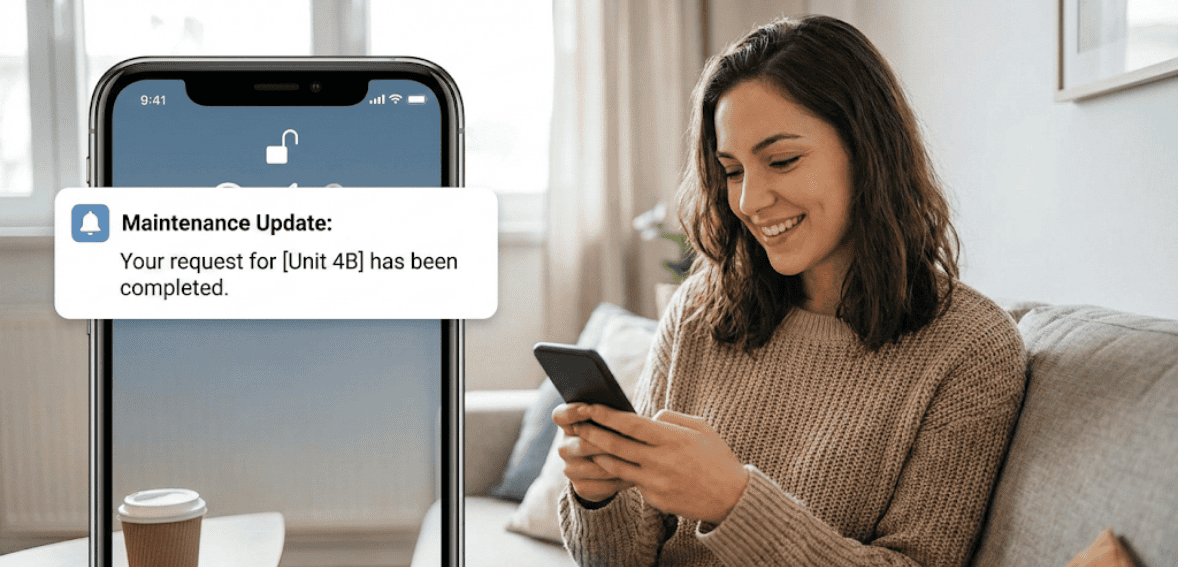
Tenant experience is closely tied to maintenance responsiveness. When residents feel ignored or uninformed, trust erodes quickly. Cloud-based maintenance systems dramatically improve this experience by introducing transparency and accountability.
Tenants know their requests are logged, prioritized, and actively managed. Automated updates eliminate uncertainty, and faster resolution builds confidence in management. Even when repairs take time, communication makes the difference between frustration and understanding.
Satisfied tenants are more likely to renew leases, submit fewer complaints, and treat properties with care. In competitive rental markets, maintenance efficiency becomes a differentiator not just an operational function.
Reducing Administrative Workload for Property Teams
Property managers and staff often spend excessive time coordinating maintenance rather than focusing on higher-value tasks. Cloud software reduces this burden by automating routine processes.
Work order creation, assignment, follow-ups, and documentation no longer require manual intervention. Vendor invoices can be automatically matched to completed work orders, reducing reconciliation time. Reporting that once took hours can be generated in seconds.
This efficiency frees up teams to focus on strategic priorities such as resident engagement, asset planning, and portfolio optimization. Burnout decreases, and job satisfaction improves across the organization.
Why Cloud Software Is Now Essential for Modern Maintenance Management
Maintenance and vendor coordination are no longer back-office functions; they are core drivers of operational success. Cloud-based maintenance management software brings structure, visibility, and intelligence to processes that were once fragmented and reactive.
By centralizing requests, automating scheduling, tracking vendors, controlling costs, and improving communication, property managers gain control over one of the most challenging aspects of their role. The result is not just efficiency, but confidence that nothing is falling through the cracks.
As properties become more complex and tenant expectations rise, cloud software is no longer optional. It is the foundation for sustainable, scalable, and professional property management.
Conclusion
Streamlining maintenance and vendor management with cloud software transforms chaos into clarity. What was once a reactive, labor-intensive process becomes an organized, data-driven operation that benefits everyone involved. Property managers gain visibility and control, vendors work more efficiently, and tenants experience faster, more transparent service.
In an industry where small inefficiencies compound quickly, cloud maintenance platforms provide the structure needed to operate at scale without sacrificing quality. For modern property management, they are not just tools; they are strategic assets.
FAQs
How does maintenance management software improve response times?
By centralizing requests and automating assignments, software eliminates delays caused by manual coordination and miscommunication.
Can cloud software help manage multiple vendors efficiently?
Yes. Vendor profiles, compliance tracking, and performance data make it easier to assign the right contractor to the right job.
Is cloud maintenance software suitable for small portfolios?
Absolutely. Even small property managers benefit from automation, organization, and reduced administrative workload.
Does maintenance software help reduce costs?
Over time, yes. Better tracking, preventive maintenance, and vendor accountability significantly lower long-term expenses.