

by Rinki Pandey December 26, 2025
Remote property management has evolved from a niche approach to a core operating model. Modern landlords and property managers now rely on remote management. Whether rentals span state lines, involve vacation properties, or require more flexibility, a remote model is practical and scalable. Technology has changed oversight, communication, compliance, and daily tasks, enabling managers to remain effective even when absent.
The traditional belief that property management requires on-site supervision is steadily fading. Today, landlords can approve tenants, coordinate maintenance, track finances, and maintain tenant relationships from anywhere. This shift is not just about convenience; it is about operational resilience, cost efficiency, and long-term growth. Remote property management enables portfolio expansion without geographic limits while maintaining professional standards and accountability.
However, success in managing properties remotely depends on structure, discipline, and the right use of digital tools. Without systems in place, distance can quickly lead to miscommunication, delayed responses, and compliance risks. This article explores how remote property management works in practice, the challenges it solves, and the strategies that allow long-distance landlords to operate with confidence and control.
Managing Properties Remotely Starts With a Digital-First Mindset
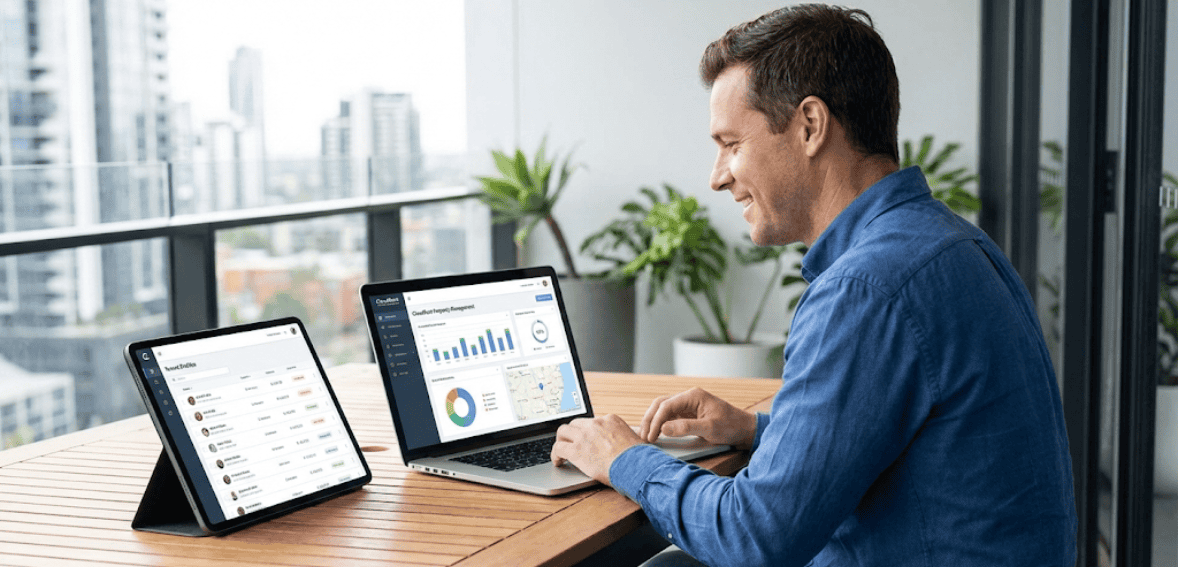
Managing properties remotely requires more than using a few online tools; it demands a digital-first operating mindset. Every process that once relied on in-person interaction must be redesigned to function efficiently through technology. Leasing, rent collection, maintenance coordination, inspections, and reporting all need clear workflows that do not depend on physical presence.
A digital-first mindset means assuming that documentation, communication, and approvals happen online by default. Lease agreements are signed electronically. Maintenance requests are submitted through portals rather than by phone. Financial records are stored securely in cloud-based systems rather than local spreadsheets. This shift reduces friction and ensures continuity even when teams are distributed across locations.
Remote property management also requires consistency. When processes vary from property to property or depend on individual habits, distance amplifies errors. Standardized workflows help ensure that every tenant receives the same level of service regardless of location. This consistency is essential for managing properties remotely at scale, especially in out-of-state rental management, where local nuances must still be respected.
Leasing and Tenant Placement Without Being On-Site
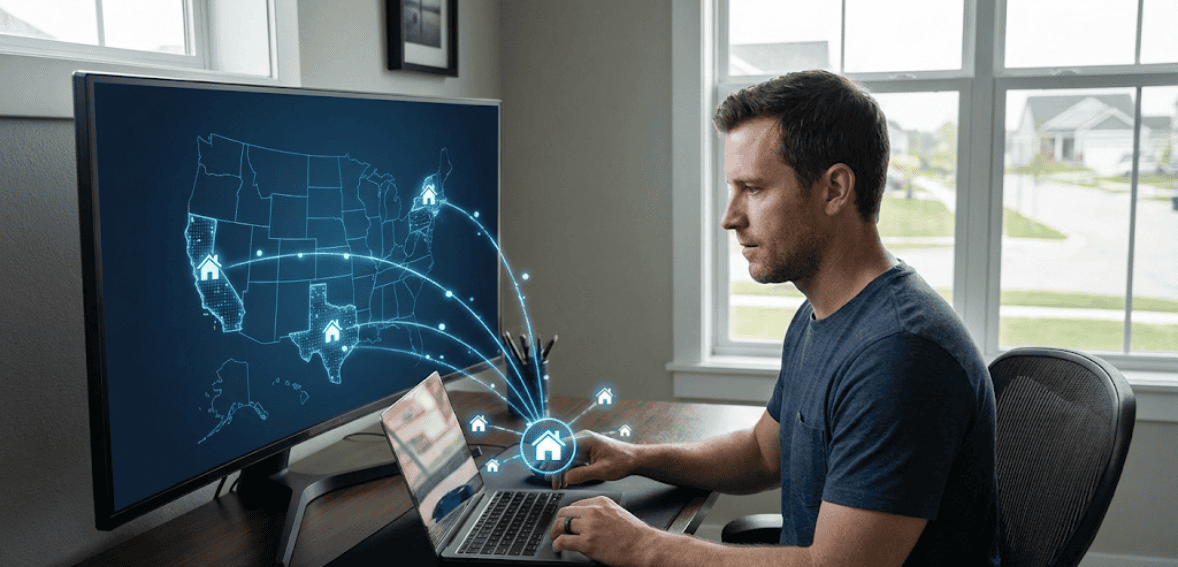
One of the most common concerns about remote property management is tenant placement. Many landlords worry that leasing without physical presence increases risk. In reality, properly structured virtual leasing can be just as effective as in-person leasing.
Digital listings, virtual tours, and online applications let prospects evaluate properties without multiple site visits. Video walkthroughs provide transparency. Standardized application workflows ensure fair and consistent screening. Managing properties remotely does not skip due diligence. Instead, it means using documented, repeatable processes.
Tenant screening is especially important in out-of-state rental management. Use clear criteria, verified documentation, and consistent evaluation methods to reduce the need for subjective decisions. Communication during leasing should be proactive and professional to set expectations early. Tenants who understand processes and responsibilities are more likely to succeed, even if the landlord is not nearby.
Remote leasing also benefits property managers by expanding the applicant pool. Instead of relying solely on local foot traffic, listings reach broader audiences. This often leads to better-qualified tenants and reduced vacancy periods, reinforcing the business case for remote property management.
Rent Collection and Financial Oversight From Anywhere
Rent collection is a strong argument for managing properties remotely. Digital payment systems remove the need for checks, manual deposits, and in-person transactions. Automated rent reminders, recurring payments, and real-time tracking ensure steady cash flow. These tools reduce the need for constant follow-up.
Remote property management uses centralized financial dashboards. These show rent status, late payments, expenses, and net income for all properties. This visibility lets managers spot issues early and respond before they escalate. Financial clarity is essential for long-distance landlords. Small delays can compound quickly when oversight is limited.
Managing properties remotely also means tracking operating expenses, maintenance costs, and reserve balances. Cloud-based accounting integrations reduce errors and increase accuracy. Financial records are always audit-ready. Achieving this level of control is difficult with manual methods, especially across many locations.
Digital financial oversight builds trust with property owners and investors. Transparent reporting shows professionalism and accountability. This reinforces confidence in remote property management as a long-term strategy.
Maintenance Coordination Without Physical Presence
Maintenance is often seen as the biggest challenge in remote property management. But technology has made maintenance one of the most manageable parts with the right setup.
Centralized maintenance systems let tenants report issues with photos, videos, and details. This reduces guesswork and allows quicker decision-making. Managers can triage requests, prioritize emergencies, and assign work without visiting the property.
Vendor relationships are critical in out-of-state rental management. Remote managers rely on trusted local contractors who understand expectations, pricing, and response times. Clear documentation, service-level agreements, and communication logs keep everyone accountable—even from a distance.
Managing properties remotely also benefits from preventive maintenance scheduling. Routine inspections, seasonal servicing, and compliance checks can be planned in advance, reducing the need for emergency repairs. By shifting maintenance from reactive to proactive, remote property management becomes more predictable and cost-effective.
Communication Systems That Bridge the Distance
Good communication is vital for remote property management. Distance increases the impact of delays, misunderstandings, and unclear expectations. Communication systems must be structured, documented, and reliable to succeed.
Tenant communication should use portals or designated channels. Avoid spreading it across emails, texts, and calls. This ensures all interactions are logged and accessible. Consistent communication builds tenant confidence and reduces frustration when managing properties remotely.
Internal communication with vendors, assistants, and property owners is also critical. Remote property management relies on shared visibility into tasks, timelines, and roles. When everyone can access the same information, decisions are faster and more accurate.
Clear communication protocols also protect against burnout. Remote managers who reply to unstructured messages risk losing focus. Set defined response times, use automated updates, and provide self-service options. These steps keep managers responsive without being overwhelmed.
Inspections and Oversight Without Being On-Site
Property inspections in remote property management have changed a lot. While being present still matters, technology allows effective oversight from afar.
Move-in and move-out inspections can be documented with detailed photos and video reports. These should be timestamped and stored securely. Local professionals can conduct periodic inspections using standard checklists. These reports serve as evidence for compliance, maintenance, and dispute resolution.
In remote property management, inspection data becomes part of a broader oversight system. Patterns in maintenance requests, recurring issues, and tenant feedback all contribute to understanding property conditions over time. This data-driven approach often provides more insight than occasional in-person visits.
Remote inspections also support scalability. As portfolios grow, constant physical inspections become impractical. Technology helps managers maintain standards across locations without constant travel. This approach makes remote management sustainable.
Legal and Compliance Responsibilities in Remote Property Management
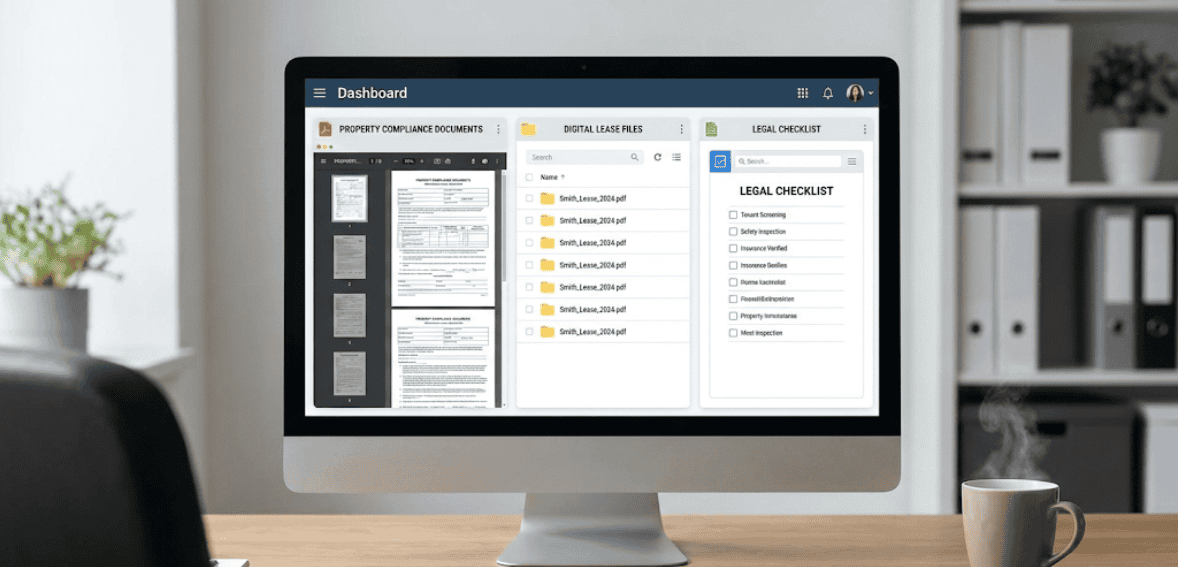
One of the most critical aspects of remote property management is staying compliant with local, state, and federal regulations, especially when managing properties across state lines. Laws governing landlord-tenant relationships vary significantly by location, and distance does not reduce responsibility. In fact, managing properties remotely increases the importance of systems that prevent missed deadlines, incorrect notices, or noncompliant practices.
Remote property management works best when compliance is built into daily workflows. Lease templates must reflect state-specific requirements, notice periods should be automated, and documentation should be stored securely for easy retrieval. Managing properties remotely without these safeguards exposes landlords to unnecessary legal risk.
Out-of-state rental management often involves navigating unfamiliar regulations, including varying security deposit rules, eviction timelines, habitability standards, and fair housing enforcement. Technology helps bridge this gap by centralizing compliance calendars, storing standardized forms, and prompting required actions before deadlines pass. This proactive approach is essential for avoiding costly mistakes that can occur when relying on memory or manual tracking.
Just as important is documentation. Remote property management relies heavily on digital records to demonstrate compliance. When disputes arise, having time-stamped communications, inspection reports, and transaction histories provides clarity and protection. Distance becomes less relevant when documentation is thorough and accessible.
Risk Management and Fraud Prevention From a Distance
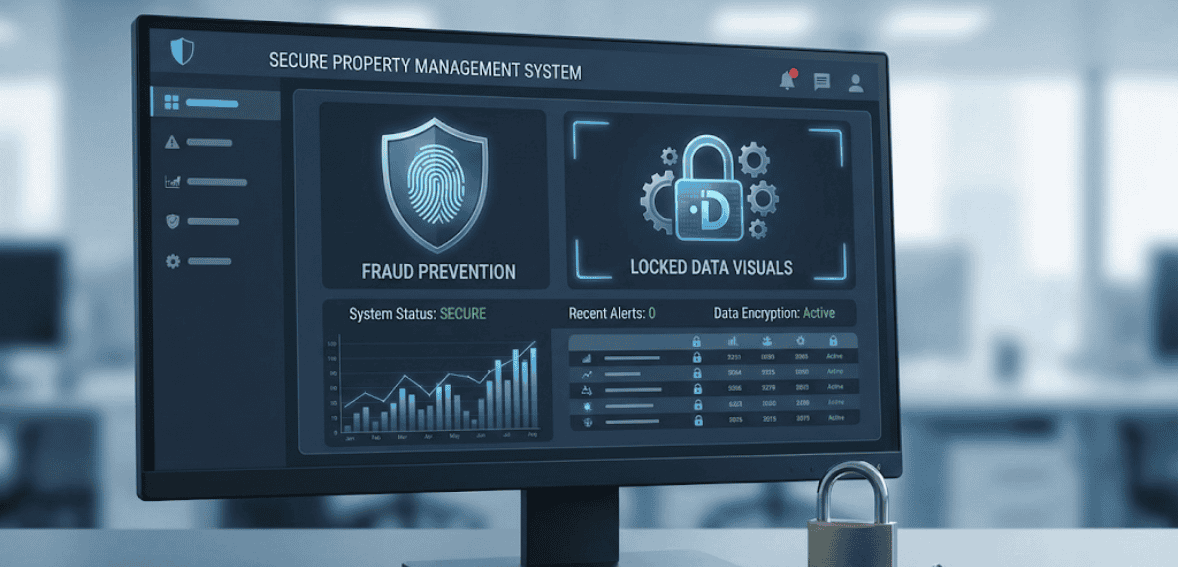
Managing properties remotely introduces new risks, particularly fraud, misrepresentation, and unauthorized activity. Without physical presence, landlords must rely on verification processes and transparency to maintain control. This is where structured systems become indispensable.
Tenant screening processes must be consistent and verifiable. Identity checks, income verification, and rental history reviews should follow the same criteria regardless of location. Managing properties remotely does not mean lowering standards; it means enforcing them systematically. Clear records reduce exposure to discrimination claims while protecting property performance.
Vendor fraud is another concern in remote property management. Without oversight, inflated invoices, unnecessary repairs, or incomplete work can go unnoticed. To mitigate this risk, managers should use documented work orders, require photo or video proof of completion, and compare vendor performance over time. Transparency and accountability discourage misconduct and build trust.
Cybersecurity is also part of risk management when managing properties remotely. Sensitive tenant and financial data must be protected through secure systems, role-based access, and regular audits. Remote property management depends on digital access, making data security a core operational responsibility rather than a technical afterthought.
Building Local Support Without Being Local
A common misconception about managing properties remotely is that it requires constant travel or local presence. In reality, successful remote property management relies on building strong local support networks rather than being physically present.
Local vendors, maintenance professionals, inspectors, and legal advisors form the backbone of effective out-of-state rental management. These relationships allow remote managers to act quickly when issues arise while maintaining professional standards. The key is consistency, working with the same trusted partners whenever possible, rather than constantly rotating providers.
Clear expectations are essential when managing properties remotely. Vendors should understand response times, communication protocols, documentation requirements, and quality standards. Written agreements and performance reviews reinforce accountability and reduce misunderstandings.
Technology supports these relationships by centralizing communication and tracking outcomes. When vendors know their work is documented and reviewed, performance improves. This structure allows remote property management to operate smoothly without micromanagement.
Scaling Remote Property Management Without Losing Control
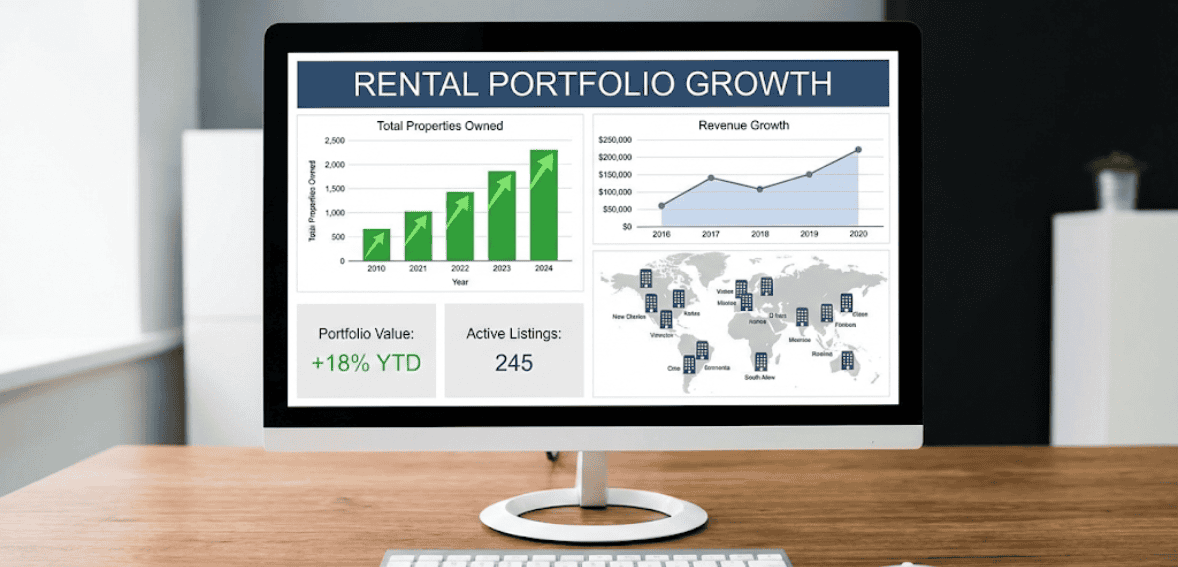
One of the greatest advantages of remote property management is scalability. Without geographic constraints, landlords and management companies can expand portfolios across regions without opening new offices. However, growth introduces complexity that must be managed carefully.
Scaling successfully requires standardized processes that do not depend on individual knowledge or habits. Every new property should follow the same onboarding checklist, documentation standards, and communication workflows. Managing properties remotely becomes significantly easier when systems are repeatable and predictable.
Data visibility is crucial at scale. Dashboards that summarize occupancy, maintenance trends, rent performance, and compliance status help managers stay informed without having to constantly review individual records. This high-level visibility allows strategic decision-making while preserving operational detail when needed.
Out-of-state rental management at scale also benefits from delegation. Administrative tasks, tenant communications, and vendor coordination can be distributed among team members without losing oversight, as long as systems provide transparency. Remote property management succeeds when control is maintained through structure rather than proximity.
Tenant Experience in a Remote Management Model
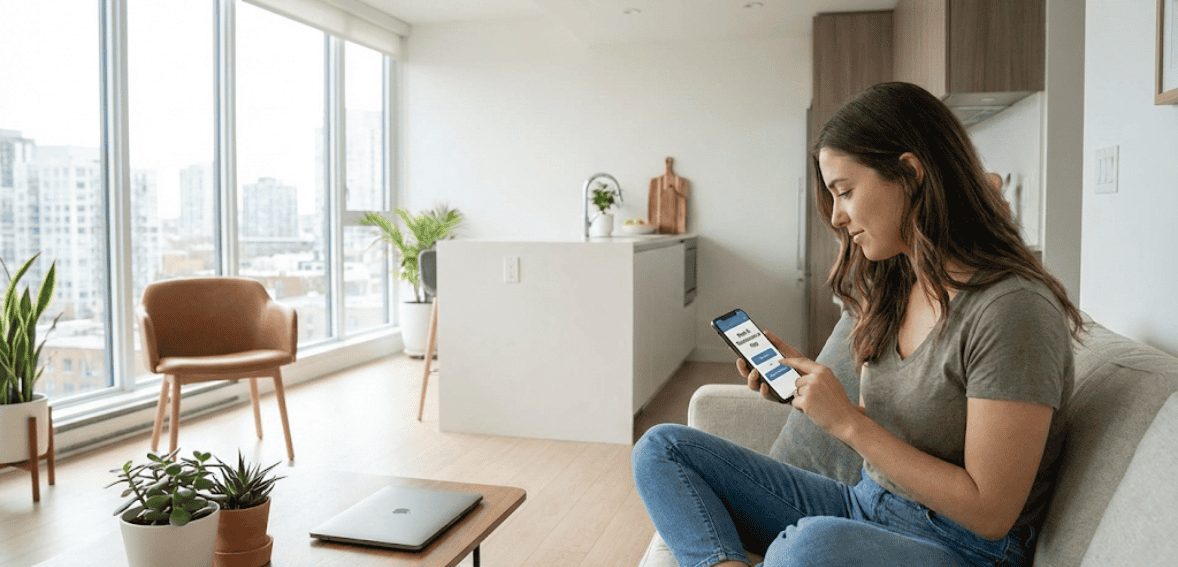
Some landlords worry that managing properties remotely may reduce tenant satisfaction. In practice, the opposite is often true. When systems are well-designed, tenants experience faster responses, clearer communication, and more consistent service.
Remote property management encourages self-service options that empower tenants. Online portals for rent payments, maintenance requests, and document access reduce friction and frustration. Tenants value convenience more than physical proximity, especially when issues are resolved efficiently.
Clear expectations are essential for managing properties remotely. Tenants should understand how to communicate, when to expect responses, and which processes apply to different situations. This clarity builds trust and reduces conflict.
Importantly, remote property management does not eliminate personal interaction; it refocuses it. Managers spend less time on administrative tasks and more time addressing meaningful issues, resulting in higher-quality engagement even from a distance.
Technology as the Backbone of Virtual Property Management
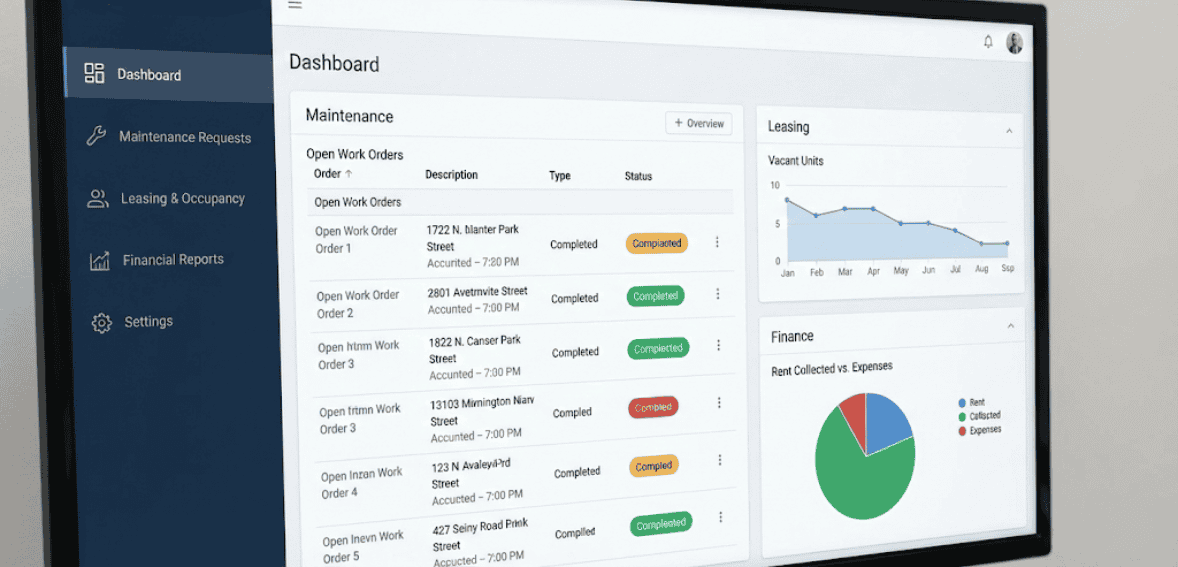
Remote property management is fundamentally enabled by technology, but success depends on how that technology is used. Tools should support workflows rather than dictate them. Overcomplication leads to resistance, while thoughtful implementation enhances efficiency.
The most effective virtual property management setups integrate leasing, accounting, maintenance, communication, and reporting into a cohesive system. Fragmented tools increase the risk of missed information and inconsistent service. Managing properties remotely becomes simpler when data flows seamlessly across functions.
Automation plays a supporting role, not a replacement for judgment. Reminders, alerts, and reporting reduce mental load, allowing managers to focus on decisions rather than tracking tasks. This balance is essential for sustainable remote property management.
As technology evolves, remote management capabilities will continue to expand. However, the core principles—structure, accountability, transparency, and communication remain constant regardless of tools used.
The Future of Managing Properties Remotely
Remote property management is no longer a temporary adaptation; it is a permanent shift in how the industry operates. Advances in virtual inspections, digital leasing, and real-time reporting are redefining how property is managed effectively.
Out-of-state rental management will continue to grow as investors seek diversification and scalability. Those who embrace remote models early gain operational advantages that traditional approaches struggle to match. Flexibility, resilience, and data-driven decision-making are becoming standard expectations rather than optional benefits.
The role of the property manager is also evolving. Managers are becoming system designers and experience coordinators rather than on-site administrators. This evolution supports better outcomes for tenants, owners and operators.
Conclusion: Distance Is No Longer a Barrier
Remote property management has turned from convenience to competitive advantage. With the right systems, processes, and mindset, managing properties remotely can deliver control, efficiency, and tenant satisfaction that are equal to or greater than those in traditional models.
Distance no longer limits growth, oversight, or service quality. Instead, it challenges managers to operate with clarity, discipline, and intentional design. Those who rise to that challenge are positioned to thrive in a more connected, flexible property management landscape.
FAQs
Can remote property management work for small landlords?
Yes. Even landlords with a few units benefit from managing properties remotely through digital rent collection, maintenance tracking, and centralized documentation.
Is out-of-state rental management risky?
It can be done without systems. With proper compliance tracking, vendor networks, and documentation, risks are manageable and often lower than manual approaches.
Do tenants prefer local landlords?
Most tenants value responsiveness and convenience over physical proximity. Clear communication and efficient service matter more than location.
How often should remote managers visit properties?
There is no fixed rule. Some managers visit annually or during major transitions, while others rely on inspections and local professionals.
What is the biggest mistake in managing properties remotely?
Lack of structure. Without standardized workflows and documentation, distance magnifies small issues into larger problems.