
by Rinki Pandey January 20, 2026
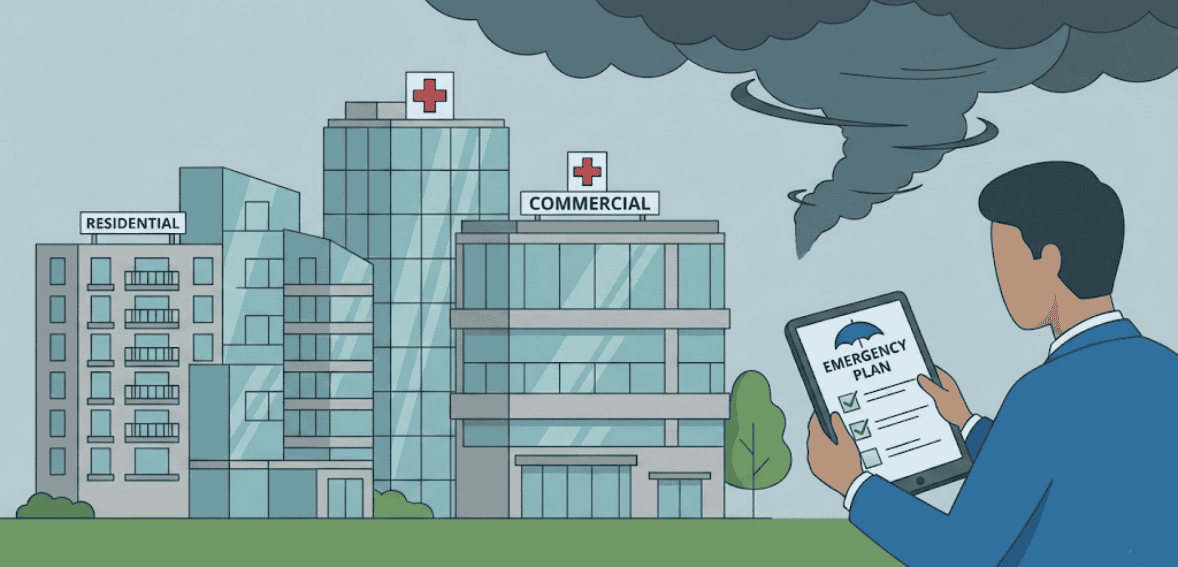
Emergency preparedness for properties used to feel like something you worried about only after something bad happened. A flood hits, a fire breaks out, a storm damages the roof, and then suddenly everyone is asking questions. What went wrong? Why wasn’t there a plan? Who was responsible? In 2026, that reactive mindset no longer works. Disasters are happening more often, the weather is more unpredictable, and property owners expect managers to be ready, not surprised.
Disaster-proofing properties is not about panic or fear. It is about realism. Buildings face risks every year. Power outages, fires, floods, earthquakes, extreme heat, and even cyber disruptions affect how properties operate. Emergency preparedness for properties is about accepting that things will go wrong at some point and deciding in advance how you will respond when they do.
Many property managers think emergency planning means writing a document and filing it away. That is not how real resilience works. True disaster resilience is built into daily operations, maintenance decisions, communication systems, and even tenant relationships. It is about knowing your risks, reducing them where possible, and being ready to act fast when something happens.
This article is written for people who actually manage properties, not just talk about them. We are going to look at emergency preparedness for properties in a practical way. Not perfect words, not fancy theories. Just clear thinking about how to protect buildings, people, and income during emergencies. In this first part, we will focus on understanding risks, building the foundation of emergency planning, and strengthening properties before disaster strikes.
Emergency Preparedness for Properties Starts With Knowing the Real Risks
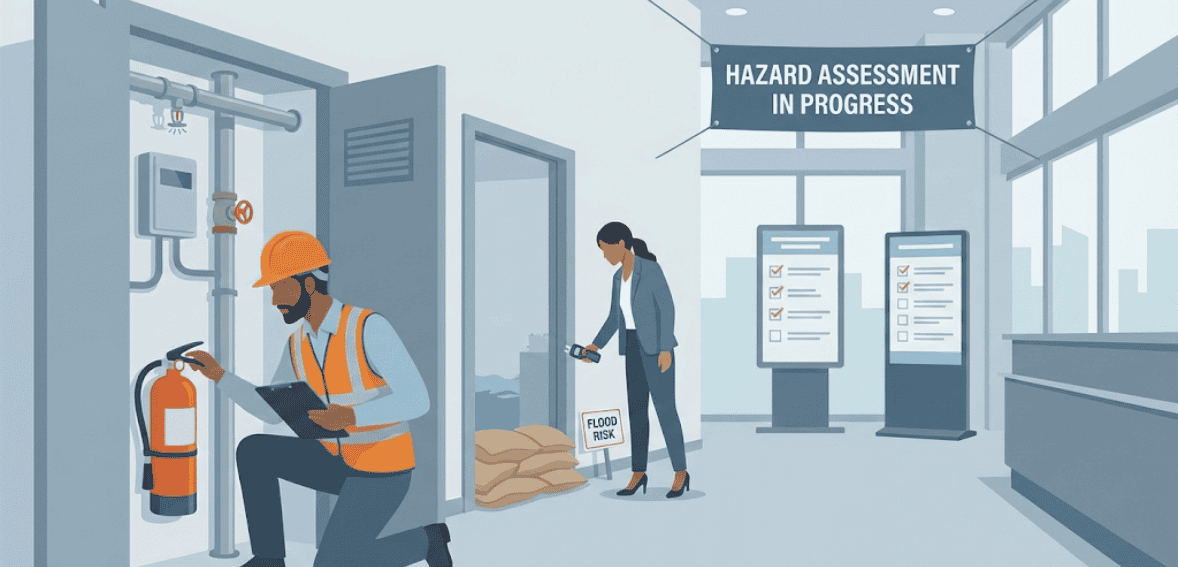
Emergency preparedness for properties does not begin with alarms or evacuation plans. It starts with understanding what could realistically go wrong. Every property faces different risks depending on location, building type, age, and usage. A coastal building worries about floods and storms. An urban high-rise worries about fires and power failures. An older property may face structural risks that newer buildings do not.
Property management means asking uncomfortable but necessary questions. What happens if power is lost for days? What if the water supply is disrupted? What if access roads are blocked? These are not rare scenarios anymore. They are events that property managers are dealing with more often than they want to admit.
Many properties already show warning signs. Old electrical systems, poor drainage, outdated fire safety equipment, or a lack of backup power. Emergency preparedness for properties means recognizing these weak points early, rather than hoping they never become problems.
Risk awareness also includes people. Tenants may not know emergency procedures. Staff may not be trained to respond under pressure. Vendors may not be reachable during disasters. Disaster resilience depends on both physical systems and human behavior working together.
When property managers clearly understand real risks, emergency planning becomes focused rather than generic. You stop planning everything and start preparing for what actually matters.
Why Emergency Planning Must Be Built Into Daily Property Management
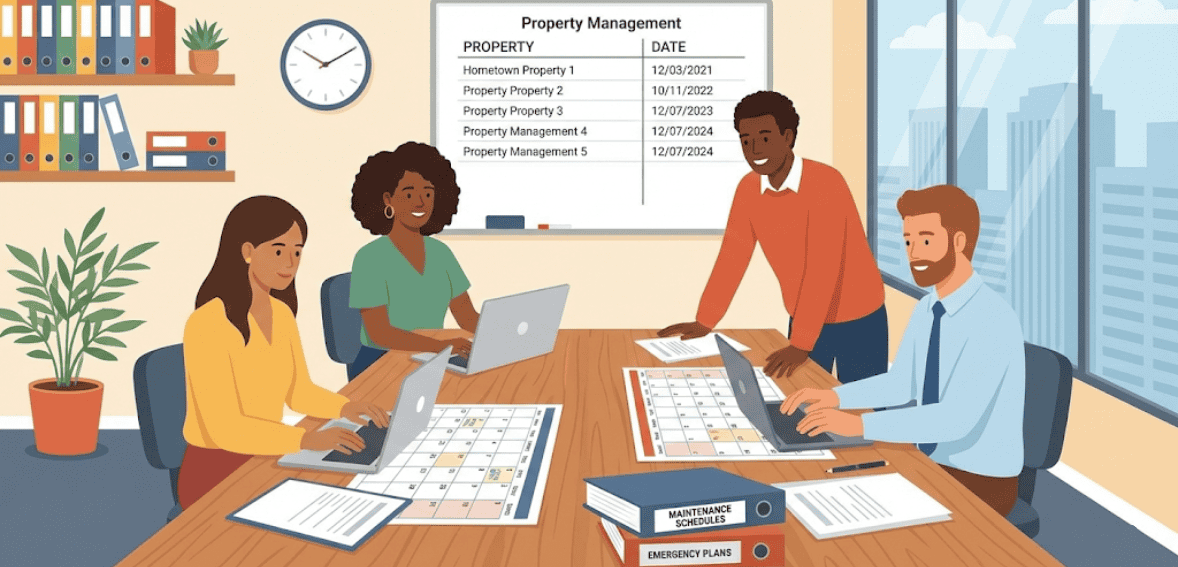
Emergency planning fails when it only exists on paper. Emergency preparedness for properties works best when it is woven into daily routines. Maintenance schedules, inspections, vendor relationships, and communication systems all play a role in how a property responds during a crisis.
For example, regular maintenance is not just comfort. It is about resilience. A well-maintained roof handles storms better. Clean drainage systems reduce flood damage. Updated electrical systems reduce fire risk. Emergency preparedness for properties turns daily maintenance into disaster prevention.
Communication is another daily habit that matters. During emergencies, confusion causes panic. Tenants need clear instructions. Staff need clear roles. Emergency planning should define who will communicate, how messages will be sent, and what information will be shared. In 2026, relying on a single communication method is risky. Redundancy matters.
Property risk management also includes documentation. Updated floor plans, utility shut-off locations, emergency contacts, and insurance details should be easily accessible. During disasters, time is limited. Searching for information wastes precious minutes.
When emergency preparedness for properties becomes part of daily operations, responses feel more natural. People know what to do because they have practiced awareness through routine systems.
Building Disaster Resilience Through Property Design and Upgrades
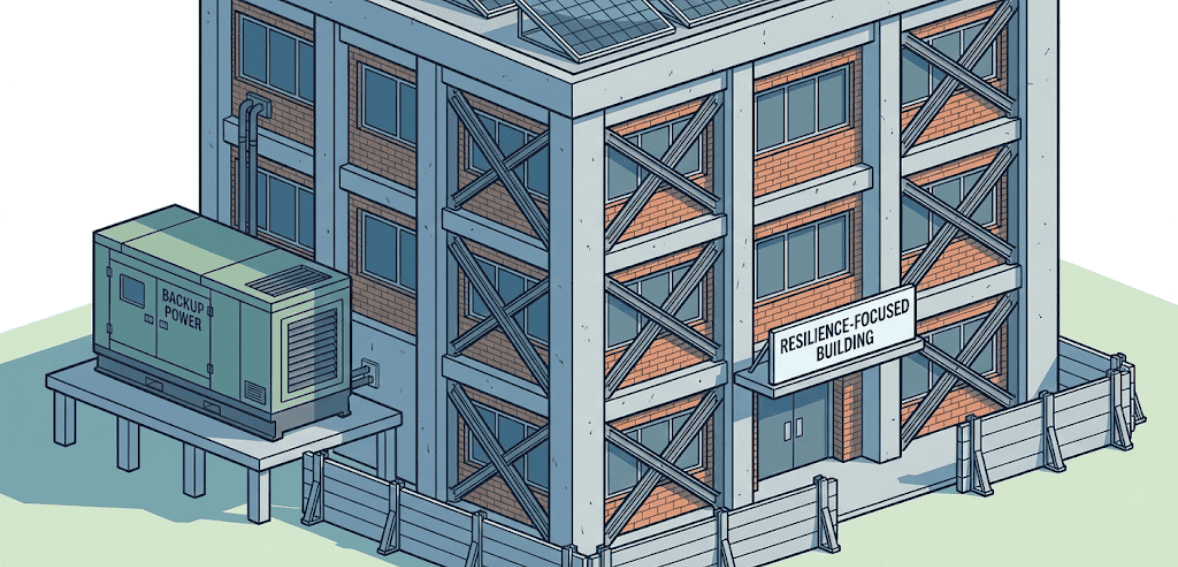
Disaster resilience is not only about response. It is also about strength. Properties designed or upgraded with resilience in mind sustain less damage and recover faster. Emergency preparedness for properties includes making smart choices about materials, systems, and layout.
Simple upgrades can make a big difference. Backup power systems keep essential services running. Fire-resistant materials slow damage. Flood barriers protect lower levels. Smart monitoring systems alert managers to problems early. None of these eliminates risk completely, but they reduce impact.
Many property managers hesitate to invest in resilience upgrades because of cost. But emergency preparedness for properties views costs differently. It asks how much damage, downtime, and lost income will cost if nothing is done. In many cases, resilience investments pay for themselves over time.
Disaster resilience also improves property value. Buildings that can operate during emergencies attract better tenants and insurance terms. Owners see stability instead of volatility. Emergency preparedness for properties becomes part of long-term asset protection.
Upgrades do not need to happen all at once. Resilience planning works step by step. Prioritize critical systems first. Power, water, fire protection, and structural safety are usually prioritized over comfort upgrades. Over time, these decisions create stronger, safer properties.
Emergency Preparedness for Properties Protects Income and Operations
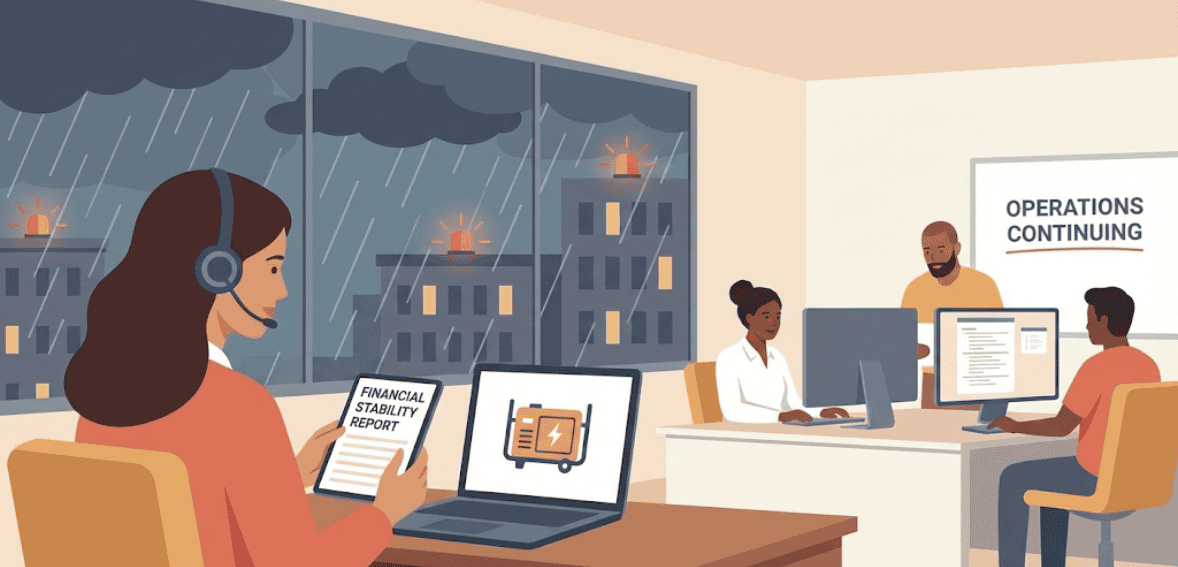
One of the biggest misunderstandings about emergency preparedness for properties is that it only protects lives, not revenue. In reality, income protection is a major reason emergency planning matters. Disasters disrupt rent collection, operations, and tenant retention. Properties that cannot function quickly lose trust.
When buildings remain operational during emergencies, even at reduced capacity, financial damage is lower. Tenants are more likely to stay. Insurance claims are easier to manage. Repairs begin faster. Emergency preparedness for properties helps keep businesses running rather than shutting down completely.
Property risk management also includes recovery planning. How quickly can operations resume? Who handles repairs? How are tenants informed? These decisions affect how long income disruption lasts. Disaster resilience is not just about surviving the event, but about recovering efficiently afterward.
In 2026, owners expect property managers to think so. Emergency preparedness for properties is no longer optional planning. It is a core part of professional management and long-term profitability.
Emergency Preparedness for Properties Depends on Clear Roles and Responsibilities
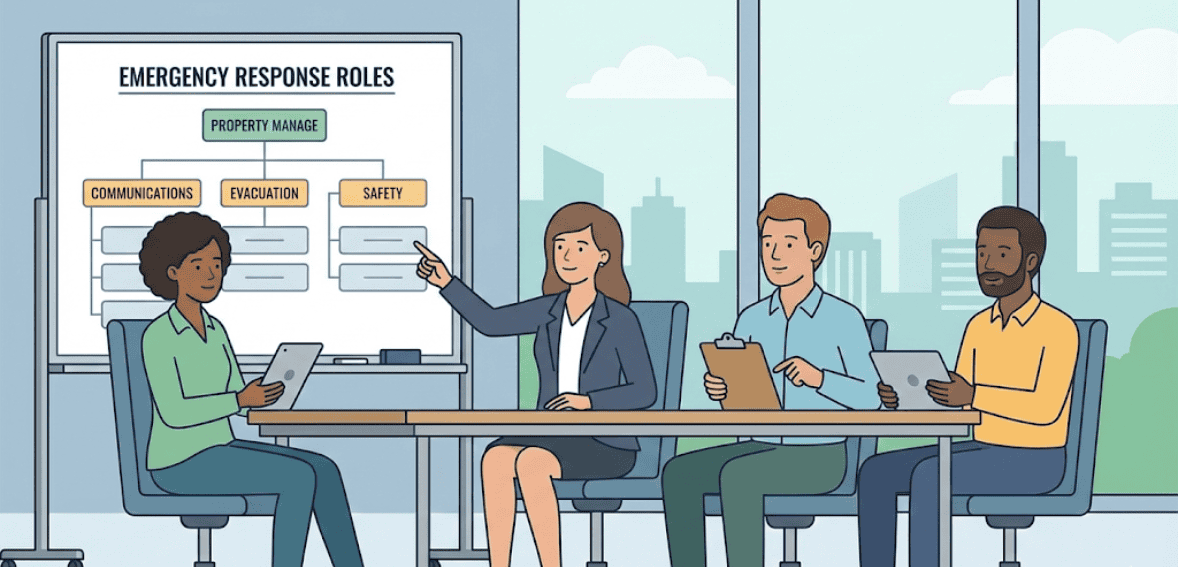
When disasters happen, confusion is often more damaging than the event itself. Emergency preparedness for properties breaks down quickly when no one knows who is supposed to do what. Everyone looks at everyone else, time passes, and small problems grow into big ones.
Clear roles are the backbone of emergency planning. Someone must be responsible for decision-making. Someone needs to handle tenant communication. Someone needs to coordinate vendors and emergency services. Emergency preparedness for properties works best when these roles are defined well in advance of anything going wrong.
This does not mean creating complicated chains of command. It means clarity. Staff should know their responsibilities during different types of emergencies. Property managers should know when to escalate issues to owners. Vendors should know how to respond quickly when contacted.
Training also plays a role. People do not perform well under stress if they are unsure of expectations. Emergency preparedness for properties includes walking through scenarios, even informally, so responses become instinctive rather than panicked.
When roles are clear, response time improves. Decisions happen faster. Tenants feel safer. Emergencies feel more controlled instead of chaotic.
How Communication Shapes Emergency Preparedness for Properties
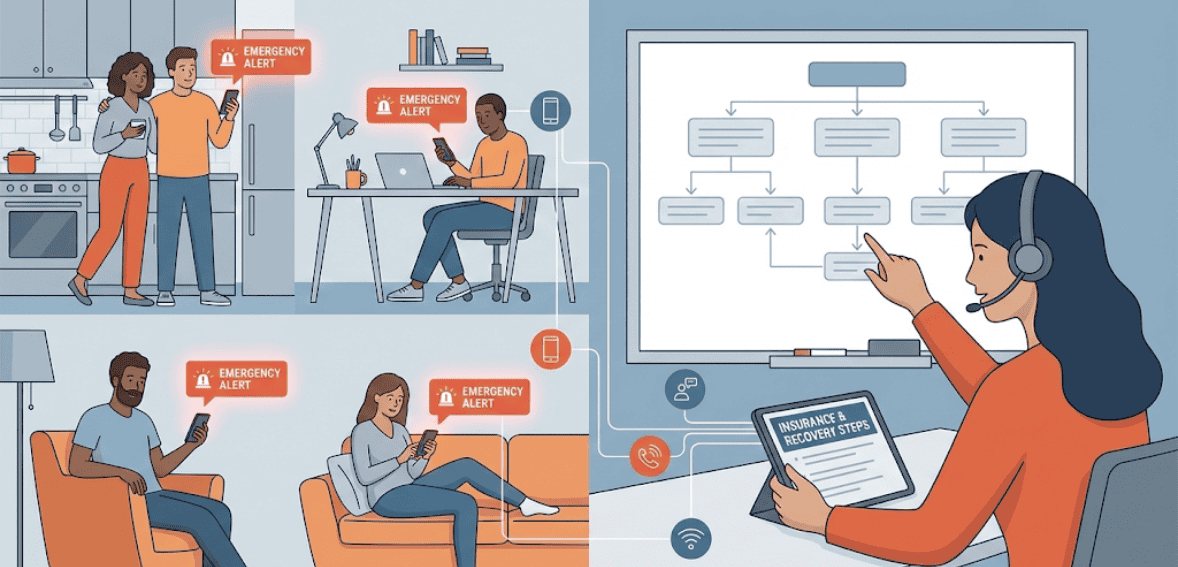
Communication is one of the most fragile parts of emergency preparedness for properties. When systems fail, people feel isolated. Rumors spread. Anxiety rises. Clear communication reduces fear and helps people cooperate.
Emergency planning should clearly answer basic questions. How will tenants receive updates? How often will information be shared? What channels will be used if power or the internet is down? Relying on one method is risky. Emergency preparedness for properties depends on backup communication options.
Messages should be simple and direct. During emergencies, people do not want long explanations. They want to know what is happening, what they should do, and when they will hear more. Confusing messages create more problems than silence.
Property managers also need communication plans for owners, vendors, and emergency responders. Everyone involved should receive the right information at the right time. Emergency preparedness for properties becomes much stronger when communication flows smoothly in all directions.
Emergency Preparedness for Properties and Insurance Readiness
Insurance is often treated as something you deal with after a disaster. But emergency preparedness for properties includes being ready for insurance processes before anything happens. Delays in claims can slow recovery and increase losses.
Property managers should know exactly which policies cover and which do not. They should know reporting timelines, documentation requirements, and contact points. During emergencies, missing paperwork or unclear coverage can become major obstacles.
Documentation matters. Photos of property conditions, maintenance records, and inventory lists make insurance claims easier to process. Emergency preparedness for properties includes keeping these records up to date and accessible.
Insurance readiness is part of disaster resilience. Properties that recover faster do so because claims are processed quickly and repairs begin sooner. Preparation here saves weeks or even months during recovery.
Also read: Sustainable Property Management in 2026 – Green and Profitable
Why Emergency Preparedness for Properties Must Evolve Over Time
One of the biggest mistakes in emergency planning is assuming that once a plan exists, it is done. Emergency preparedness for properties must evolve. Building age. Tenants change. Climate patterns shift. Technology improves. Risks today may not match risks from five years ago.
Plans should be reviewed regularly. Not obsessively, but intentionally. What worked last year may not work next year. Emergency preparedness for properties improves when lessons from small incidents are used to reinforce future responses.
Disaster resilience grows through experience. Minor blackouts, leaks or system failures offer valuable insights. Ignoring them wastes opportunities to improve.
In 2026, resilience is not perfection. It is about adaptability. Emergency preparedness for properties means staying alert, learning continuously, and adjusting plans as conditions change.
Conclusion
Emergency preparedness for properties is no longer about checking a box. It is about protecting people, income, and long-term value in an unpredictable world. By understanding real risks, building resilience into daily operations, strengthening communication, and planning for recovery, properties become better able to handle whatever comes next. Disaster resilience is not created in the moment of crisis. It is built quietly, over time, through thoughtful property risk management and practical emergency planning.
FAQs
What is the first step in emergency preparedness for properties?
It starts with identifying realistic risks based on location, building condition, and use, not generic assumptions.
Does emergency preparedness for properties require expensive upgrades?
Not always. Many improvements come from better planning, maintenance, and communication rather than major spending.
How often should emergency plans be reviewed?
At least once a year or after any incident that reveals weaknesses in the current plan.
Why is communication important in emergencies?
Clear communication reduces panic, keeps tenants informed, and helps everyone respond more effectively.
How does emergency preparedness for properties support long-term value?
Prepared properties recover faster, retain tenants better, and experience less financial disruption after disasters.