

by Rinki Pandey March 25, 2026
Property managers today require rental registration for their properties as a result of changes in urban development laws. Housing registries, rental licensing inspections, and periodic reporting of rental operations are all established under local government law in major metropolitan areas throughout the United States.
Inability to meet due dates or to comprehend particular requirements will create financial penalties, increase your risk of litigation, and restrict your ability to run your rental business. Property managers must now develop and operate their companies with strong compliance systems to comply with these new regulations. This requires implementing effective tracking systems for monitoring and maintaining their legal obligations.
Although there are many differences regarding registration duties for rental properties in different U.S. cities, they all have many similarities in terms of requirements that must be met at specific times. Therefore, the most efficient manner to manage rental registration duties in multiple cities is to develop a compliance calendar for each city.
A compliance calendar will ensure all deadlines are met, schedules are organized for inspections, and documentation remains current. The guidebook provides steps for developing a complete rental registration process between cities, listing primary requirements for each city, explaining procedures for conducting business, and providing guidelines for maintaining compliance.
Understanding Rental Registration and Why It Matters for Compliance
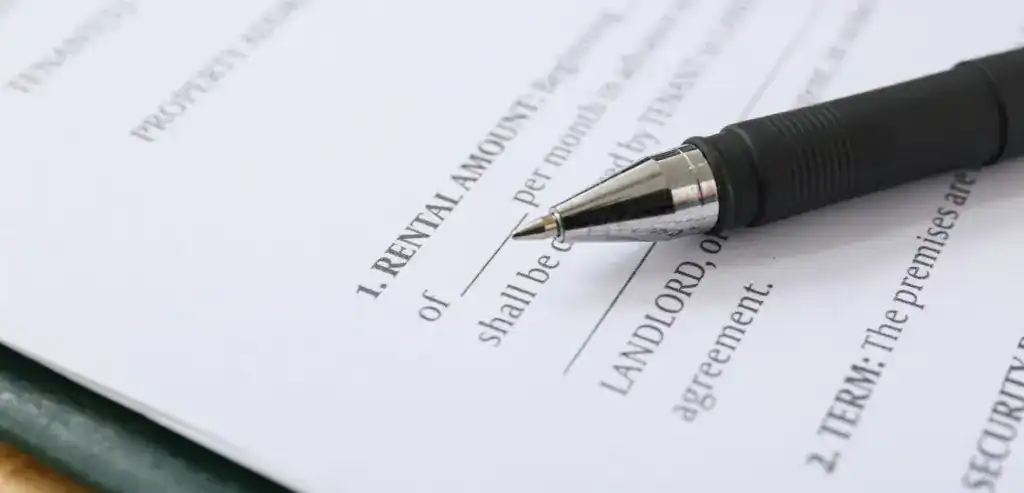
Rental registration is the process by which a property owner registers their residential rental property with the appropriate local agency. This registration ensures that the property complies with all of the necessary safety, legal, and operational requirements. It also establishes a system where municipalities can monitor their available rental properties, as well as enforce any rental rules and regulations effectively.
Property managers have to complete the task that include multiple renewals, inspections, and reporting requirements. If a property manager fails to comply with any of the above-mentioned requirements, they face financial or legal consequences.
Further, there are often specific types of information that must be provided by a property manager during registration. Recognizing the magnitude of the rental registration process helps property managers place a priority on their compliance initiatives. It also emphasizes the importance of having structured systems. Without this, the compliance process is more difficult, especially as the number of residential rental opportunities increases within the property manager’s portfolio.
Key Differences in Rental Property Registration Across Major Cities
Different cities handle rental registration by using different enforcement methods based on how property managers operate in their respective jurisdictions. For instance, the New York City rental property registration requires property owners to file an annual report and tenant occupancy information.
Washington DC’s regulatory scheme requires that rental property management obtain a basic business license before renting out any units, and a thorough inspection before leasing it. In comparison, the registration process in New York City has a different set of rules than the Washington DC system.
These rent-stabilization deadlines create additional challenges for property managers, as they must meet all deadlines associated with the annual registration deadlines. The fact that each city has its own unique characteristics. Using only one method of compliance would likely result in missing critical pieces of information.
Rental Property Registration NYC Requirements and Annual Obligations
The most comprehensive rental property registration program in the US exists in New York City. All residential buildings in New York are registered with the appropriate housing authority on an annual basis. This process allows the housing authority to maintain up-to-date information regarding the property owner and its management.
In addition to providing all of the property management information, the registration process requires information about their property ownership, construction details, the number of tenants, and their company.
Every organization is required to submit any operational changes to the housing authorities by a certain date if the organization wants to remain in compliance. Failure to submit all operational changes results in both financial penalties and regulatory enforcement issues for the organization.
Organizations are responsible for monitoring multiple deadlines. Therefore, making sure that all documentation is submitted on time in order to ensure that the organization operates as efficiently as possible.
Housing Registry Landlord Responsibilities and Data Accuracy Requirements

Housing registry landlord obligations extend beyond initial registration. Property managers must maintain accurate, up-to-date information in municipal registries. This includes ownership details, contact information, and unit occupancy status.
Accuracy is critical as municipalities rely on registry data for enforcement and communication. Incorrect or outdated information can lead to missed notices, compliance violations, or inspection delays. Property managers must implement processes to regularly verify and update data.
Additionally, some cities require periodic confirmations or renewals of registry information. These updates may coincide with rental registration deadlines independently. Tracking these requirements manually becomes complex without a structured system.
From an operational perspective, maintaining registry accuracy requires coordination across teams. Leasing, maintenance, and administrative staff must communicate changes effectively. Prioritizing data accuracy, property managers can reduce compliance risks and improve operational efficiency.
Basic Business License Rental Property Inspection DC Explained
In Washington, DC, rental registration is closely tied to licensing requirements. Property managers must obtain a basic business license and a rental property inspection in DC before legally leasing residential units. This process ensures that properties meet safety and habitability standards.
The inspection process involves reviewing building conditions, safety systems, and compliance with housing codes. Properties must pass inspection before a license is issued. Any deficiencies must be corrected promptly to avoid delays.
Additionally, licenses must be renewed periodically, requiring ongoing compliance with inspection standards. This creates a recurring operational requirement that property managers must track carefully.
Unlike NYC’s registration-focused system, DC emphasizes licensing and inspections as core components of Rental Registration. This difference highlights the need for city-specific compliance strategies.
Integrating inspection schedules and license renewals into a compliance calendar ensures that deadlines are met. It also helps property managers avoid interruptions in leasing operations.
Rent Stabilized Registration Deadline and Its Operational Impact

The rent stabilized registration deadline is a critical component of Rental Registration in regulated markets. Property managers must file annual registrations for rent-stabilized units, including rent amounts and tenant information. These filings ensure compliance with rent control regulations. New York City’s HPD Annual Property Registration is a city registration for certain residential buildings, with an annual deadline of September 1. New York State’s HCR rent registration is a separate process for rent-stabilized apartments, with an annual deadline of July 31.
Missing deadlines can result in significant penalties and restrictions on rent increases. This directly impacts revenue and operational planning. Therefore, tracking these deadlines is essential for maintaining financial stability.
Additionally, rent-stabilized properties often require detailed documentation and record-keeping. Property managers must ensure that all data is accurate and submitted on time. This adds complexity to compliance workflows.
From an operational perspective, integrating the rent-stabilized registration deadline tracking into a compliance calendar is essential. Automated reminders and centralized tracking systems can help prevent missed deadlines.
By effectively managing these requirements, property managers can maintain compliance and protect revenue streams.
Building a City-by-City Compliance Calendar for Rental Registration
Creating a city-by-city compliance calendar is the most effective way to manage Rental Registration obligations. This calendar centralizes all deadlines, inspections, and reporting requirements across jurisdictions.
A well-structured compliance calendar should include:
- Annual Rental Registration deadlines for each city
- Inspection schedules and licensing renewal dates
- Rent stabilized registration deadline tracking, where applicable.
- Housing registry landlord update requirements
- Documentation submission timelines and renewal cycles
Each entry should include detailed instructions and responsible parties. This ensures accountability and reduces the risk of missed deadlines. Property managers should also include buffer periods to allow for unexpected delays.
Additionally, digital tools can enhance calendar management. Automated reminders and task tracking systems improve efficiency and accuracy. These tools are especially valuable for multi-city portfolios.
By implementing a centralized compliance calendar, property managers can streamline operations and maintain consistent compliance.
Integrating Compliance Workflows Into Property Management Operations
A compliance calendar is only effective when integrated into daily operations. Property managers must align Rental Registration workflows with existing processes to ensure consistency and accountability.
This integration involves assigning responsibilities to specific team members. Each compliance task should have a designated owner accountable for its completion. Clear role definition reduces confusion and improves execution.
Additionally, workflows should include verification steps to ensure accuracy. For example, registry updates should be reviewed before submission. This reduces the risk of errors and compliance violations.
Technology can play a key role in workflow integration. Property management systems can automate task assignments and track progress. This improves visibility and ensures that deadlines are met.
By embedding compliance workflows into operations, property managers can create a proactive approach to Rental Registration management.
Leveraging Technology for Multi-City Rental Registration Tracking
Technology is essential for managing Rental Registration across multiple jurisdictions. Manual tracking methods are prone to errors and inefficiencies, especially for large portfolios.
Modern property management platforms offer features such as automated reminders, document storage, and compliance tracking. These tools centralize information and improve accessibility for teams.
Key technological capabilities include:
- Automated deadline tracking for Rental Registration and inspections
- Centralized document management for licenses and registrations
- Integration with leasing and maintenance systems
- Real-time reporting and compliance dashboards
These tools enable property managers to monitor compliance status across all properties. They also reduce administrative workload and improve accuracy. Additionally, cloud-based systems ensure that information is accessible from anywhere.
This is particularly important for teams managing properties in multiple cities. By leveraging technology, property managers can streamline Rental Registration processes and improve operational efficiency.
Common Compliance Risks and How to Avoid Registration Violations
There are many potential risks related to rental registration compliance that might occur if there are no systems in place to mitigate them. By understanding what the risk factors are, property managers can put into place measures to prevent these types of issues from occurring.
Some of the common risk areas that exist when it comes to rental registration compliance include:
- Tracking registration or renewal deadlines improperly.
- Inaccurate or outdated data for property owners renting units.
- Missing the timeframes for scheduling necessary inspections.
- Failing deadlines for completing registrations for renting units for local rent stabilization.
- Misunderstanding the city’s specific regulations related to rentals based on where the rental property is located.
To mitigate the risks of rental registration compliance issues, property management should develop proactive plans and then audit them on a regular basis. Property managers should also train their personnel concerning the process for renting properties in order to reduce non-compliance.
In this way, property managers will reduce their exposure to violations and minimize the penalties associated with failure to comply with rental registration compliance requirements.
Creating Standard Operating Procedures for Registration and Inspections
There is no particular order to follow the standard operating procedures while managing rental registration and inspections. Therefore, consistently documenting these processes will help reduce the dependency on people’s experience.
An effective SOP will typically contain:
- Step-by-step instructions for completing Rental Registration-related tasks.
- A description of the documentation that needs to be provided, along with submission methods and procedures.
- The process of preparing for and conducting inspections, as well as following up after an inspection is completed.
- The roles and responsibilities of the various parties involved in performing compliance-related tasks.
The SOPs should be documented thoroughly and made available to all relevant staff members. Any updates made to maintain compliance with changing regulations should happen regularly so that the SOPs remain compliant.
The training program should reinforce the procedures in the SOPs to ensure they are being carried out consistently. This is especially critical for new employees.
Implementing SOPs allows property managers to have a consistent approach to compliance issues and become more efficient in operating their businesses.
Scaling Compliance Strategies Across Growing Property Portfolios
The registration process for rental properties becomes increasingly challenging as property owners expand their rental property holdings. A system has been developed to monitor the rapid growth of rental registration requirements and regulatory changes that exist for businesses.
The property management compliance strategy requires centralization to support its development efforts. The organization achieves better compliance monitoring as it utilizes a single system to handle its entire portfolio requirements, decreasing duplicate work efforts.
The agencies achieve uniform implementation of their property policies through the establishment of standardized operating procedures. The entire portfolio uses primary operating procedures and compliance calendars that implement city-specific regulations without any exemptions.
The staffing model for property management operations adjusts according to the number of units managed. Property management maintains control over its rental registration operations through the successful execution of its scaling strategies.
Conclusion
Property management companies must carry out rental registration procedures which they need to fulfill their primary obligation to remain compliant with regulations. Property managers must conduct their operations according to the various rules that each city establishes for its jurisdiction. Property managers need to develop specific systems that enable them to fulfill the operational requirements established by different cities.
The process involves updating landlord details and conducting initial business license inspections for rental properties. Establishing a compliance calendar system in a structured method helps manage duty-to-comply requirements. The calendar system enables organizations to track their compliance deadlines together with inspections while making sure they keep accurate records.
Property managers use simple tools to establish ongoing compliance across their entire property portfolio. The guide explains the rental registration process, which organizations need to complete for their regulatory compliance requirements. with precision and confidence.
FAQs
1. How do property management companies register their rental properties?
Registration with local authorities is a method to ensure that the property has all ordinances and codes associated with it, rather than being listed. The registration also provides a basis for maintenance, safety, legal, and operational issues of the property to be compliant with regulations.
2. How does the NYC registration process differ from other cities for rental properties?
The NYC registration requires the landlord to submit yearly reports to the NYC Department of Housing regarding the condition of their tenants’ rental property. Many other areas use state law to ensure compliance when renting to their tenants, such as requiring inspections and licenses for rental properties.
3. What does a landlord need to do to add their property information to the housing registry?
Each landlord must provide their actual property information to the local authority and the ownership documents to the housing registry database maintained by the local authority. All landlords should ensure that their contact and tenancy documents are current, accurate, and regularly maintained.
4. What does the basic business license include when rental property inspections are done?
The property inspection reviews each building to determine whether the property complies with available safety and health standards. Factors inspected include the current property condition, compliance with all applicable governing ordinances & any building permits obtained by the landlord.
5. Why is it important to track the rent stabilization registration deadline?
Tracking the rent stabilization registration deadline gives the company a way for us to guarantee that we comply with all rent control laws. If the owner fails to timely submit the rent stabilization registration in two consecutive years, then there are penalties associated with rent control restrictions.