
by Rinki Pandey December 5, 2025
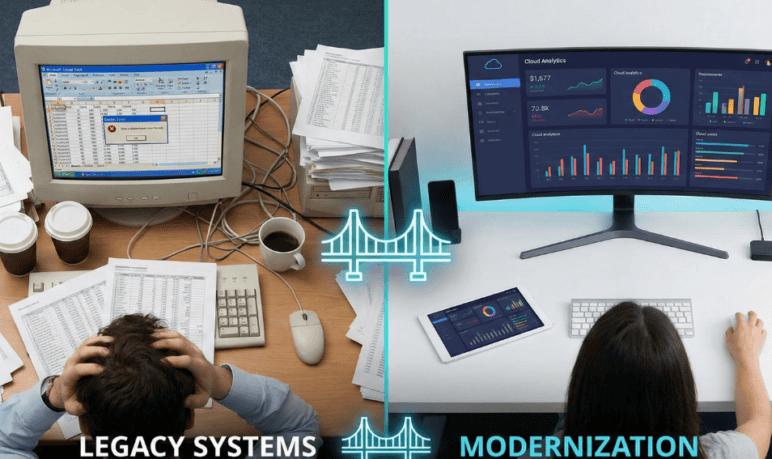
Managing rental properties often begins with simple tools: a spreadsheet for rent tracking, a folder for leases, notes on maintenance calls, and a calendar reminder for renewals. For many small landlords or early-stage property managers, spreadsheets feel comfortable. They’re familiar, flexible, and appear to cost nothing. But as soon as the business grows more tenants, more units, more service calls spreadsheets quickly become the weakest link in the entire operation. What once worked for three units fails dramatically at thirty, and the consequences can be expensive: late fees not posted, missed renewal dates, duplicate entries, incorrect totals, or confusion when multiple people try to update the same sheet.
This is precisely where the modern shift toward cloud property management software is transforming the industry. Property managers are discovering that upgrading from spreadsheets to cloud-based platforms is not simply a matter of convenience, it is a wise financial decision and the only scalable path forward. The difference between manual updates and automated systems is like the difference between handwritten ledgers and online banking. One struggles to keep up; the other enables you to run faster, smarter, and with complete control.
Modern software enables managers to automate repetitive tasks, grant full-team access, securely store vital records, communicate instantly, and operate on real-time data rather than static numbers on a grid. The shift is not about abandoning spreadsheets because they’re outdated, it’s about recognizing that the risks, inefficiencies, and hidden costs they create outweigh the comfort of using them. And as more property businesses adopt digital tools, the competitive advantage is becoming unmistakable.
The Hidden Limitations of Spreadsheets

Spreadsheets look simply, but managing property operations within them requires constant manual effort. Every update, formula, and number depends on human accuracy. A single typo in a payment ledger or a missed renewal reminder can lead to financial losses in an instant. Many managers have experienced the sinking feeling of discovering a spreadsheet formula that had broken months earlier or realizing too late that a tenant’s lease had expired unnoticed and the unit had sat vacant longer than necessary.
Spreadsheets do not automatically generate alerts for rent due, late fees, inspections, expiring agreements, or maintenance follow-ups. They do not automatically connect communication records or store documents. They also lack built-in protections against accidental overwriting or deletion a small mistake can ripple across an entire workbook. And as tenants or units increase, spreadsheets multiply like weeds: a separate sheet for leases, accounting, deposits, maintenance, utilities, and communication notes. The more sheets required, the more fragile everything becomes.
Version control is another problem. Teams frequently struggle to determine which file is final: “Master file v2,” “Updated copy sent Tuesday,” or “Original Backup.” When several people need to update information, tracking the latest version becomes nearly impossible without risking conflicts or duplicate entries. Spreadsheets were not designed to be real-time operational systems.
For small landlords, these inefficiencies may initially appear manageable. But as soon as growth begins more rental units, more maintenance requests, more turnover, or more staff spreadsheets turn into a bottleneck. They slow progress, increase stress, and eventually create avoidable financial damage.
The Efficiency Gains of Cloud Property Management Tools

Cloud-based software changes the business landscape. Instead of manually entering data, calculating totals, or sending follow-up reminders, the system performs much of that work automatically. Tasks that once took hours now take seconds, eliminating repetitive work that drains productivity.
When a tenant pays rent, the system records it automatically in real time. When rent is late, the platform can schedule late fee rules or send automated reminders, removing emotional stress and manual effort. When maintenance is needed, the tenant submits a request digitally, the system logs it, assigns it, updates timelines, and tracks progress all without retyping the same information across multiple spreadsheets. No more copying numbers and hoping they match.
Automation is the backbone of modern property management. Instead of manually updating ledgers and occupancy records, the system continuously synchronizes data across the entire portfolio. This means fewer errors, fewer misunderstandings, and a dramatically faster workflow. What once required long weekends with spreadsheets becomes a smooth operation that allows managers to invest time in growth rather than repair work.
Cloud systems also reduce reliance on individual memory or personal habits. The platform becomes the central source of truth, keeping everyone aligned with reliable, up-to-date information. Rather than hunting for a tab or old file, answers appear immediately: current tenant balance, open maintenance requests, upcoming renewals, or performance summaries.
Scaling Management Operations Beyond Basic Tools

A spreadsheet might be fine for tracking a handful of tenants, but once a portfolio expands, the structure collapses. Multiple buildings, dozens of leases on different renewal schedules, increasing maintenance activity, and growing communication demand create a level of complexity that spreadsheets cannot sustain.
Cloud property management platforms are explicitly built for scaling. They support multi-user access, meaning multiple team members can work simultaneously leasing agents, accountants, maintenance coordinators, and property managers all updating and viewing information without conflict. Every change is instantly reflected across the system, reducing the risk that one person’s offline edits overwrite someone else’s updates.
With spreadsheets, scaling requires improvisation and patchwork fixes adding tabs, building formulas, linking sheets complexity increases exponentially and eventually becomes unmanageable. With cloud systems, scaling is seamless because the infrastructure is already designed for it.
Even solo landlords benefit from scalability, not because they need a large team but because they need to avoid being the only person who understands the system. A spreadsheet requires personal oversight and intimate knowledge of its formatting; if the file is lost or the owner becomes unavailable, operations crash. Cloud systems eliminate single points of failure and ensure continuity.
Managing a growing business requires tools that keep pace with the company itself. Spreadsheets slow growth; cloud software supports it.
Data Integrity, Accuracy, and Security

Data stored in spreadsheets is vulnerable. Files can be deleted, corrupted, or overwritten. Local hard drives can fail. Computers can be stolen or lost. Password protections are basic at best. And when copies of files start floating around email chains, security disappears completely.
Cloud property management software solves these issues by automatically performing secure, encrypted backups without any effort from the manager. Data redundancy ensures that if a device is damaged or lost, the information remains protected and immediately accessible from any device.
Another significant advantage is data validation. Cloud systems enforce required fields and structured formatting, preventing broken formulas or blank entries. Numbers line up correctly, dates remain consistent, and records stay organized. Instead of relying on memory, the system ensures accuracy. Spreadsheets, in contrast, allow anyone to type anything anywhere, leading to inconsistencies that can derail financial reports and auditing.
Compliance becomes easier, too. Documentation, communication history, approvals, and timestamps are automatically recorded rather than manually typed. This reduces liability and provides an audit trail in disputes.
As data becomes increasingly essential to property operations, spreadsheets expose risk, while cloud systems help protect against it.
Integrations and Business Intelligence
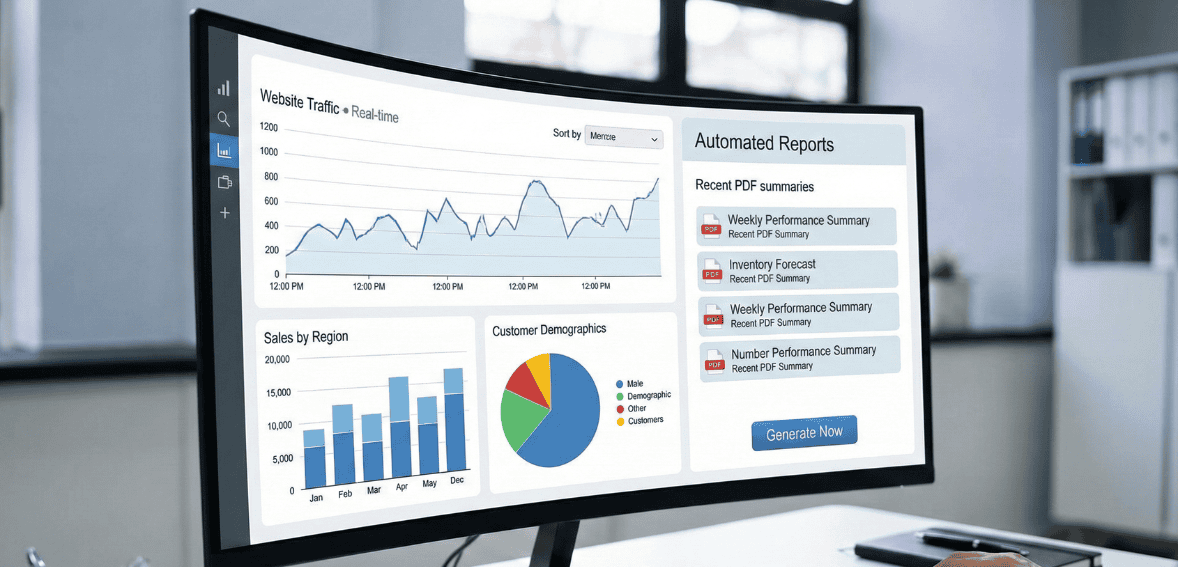
Modern property management software connects seamlessly with accounting systems, marketing platforms, payment processors, maintenance vendors, and banking tools. This eliminates duplicate data entry and merges operational data with financial reporting, reducing workload and increasing visibility.
Spreadsheets operate in isolation; every connection must be done manually. Cloud systems allow decision-makers to pull up real-time performance dashboards, occupancy tracking, expense summaries, or maintenance analysis instantly. Instead of building reports line by line, managers gain insights automatically.
Such integrated visibility transforms decision-making. Instead of reacting to problems after they occur, managers can forecast needs, identify emerging issues, and strategically allocate resources based on real numbers rather than guesswork. When data works together, the entire organization improves.
Collaborative Workflows Without the Confusion
One of the most significant weaknesses of spreadsheets is that they are not designed for true team collaboration. If multiple people attempt to edit the same file, conflicts arise, and changes are easily lost. Even using collaborative tools like online shared sheets does not fully solve this problem, because everyone is working in an unstructured document where mistakes are easy to make and hard to find. When someone accidentally deletes a column or breaks a formula, there is no automated tracking or responsibility trail.
Cloud property management systems transform collaboration by turning every workflow into a structured, trackable process. Leasing agents, maintenance staff, accountants, and managers can work simultaneously without stepping on each other’s work. Each interaction is timestamped, organized, and stored within specific modules leases, payments, maintenance tasks, or financial reports so nothing is misplaced and everyone stays aligned.
Communication also becomes smoother. Instead of sending emails or text messages to share updates, team members communicate directly on the platform by attaching notes, photos, or task assignments. This creates an organized record of every decision and interaction, preventing misunderstandings and improving accountability. When someone joins or leaves the team, nothing is lost because no one holds operational memory.
For businesses that want to grow, collaboration is not optional. Cloud systems make teamwork intuitive and reliable. Spreadsheets isolate information and require workarounds that waste time and increase risk.
Making the Transition from Spreadsheets to Cloud Software Smoothly

One concern property managers often express is the fear of transitioning. They worry that migrating data from spreadsheets into a software platform will be complicated or disruptive. In reality, most modern property management platforms are built to accept spreadsheet imports and guide users through onboarding step by step. The transition does not require rebuilding everything from scratch; it simply organizes and automates what already exists.
The most innovative approach to switching systems is gradual rather than trying to change everything overnight. Many property managers start by importing tenant and lease records, then gradually adopt digital rent payments, maintenance workflows, and financial reporting as they grow comfortable. The surprising discovery for most users is how quickly the benefits become noticeable. Tasks that used to take hours disappear, and the simple relief of not worrying about missing a deadline or losing data builds confidence in the new system.
Training is another part of the transition that is often easier than expected. Modern cloud platforms are designed to be user-friendly, with clean dashboards and intuitive menus. Instead of needing spreadsheet formulas or manual calculations, managers click through guided workflows, select options from dropdowns, and use automated templates. Even those who feel uncomfortable with technology quickly adapt when they realize that the software reduces workload rather than increasing it.
In the end, modernization is not about abandoning what worked in the past, it’s about making space for growth and removing unnecessary complications. Cloud tools turn the management process into a predictable, efficient system instead of a stressful juggling act.
The Financial ROI of Upgrading from Spreadsheets

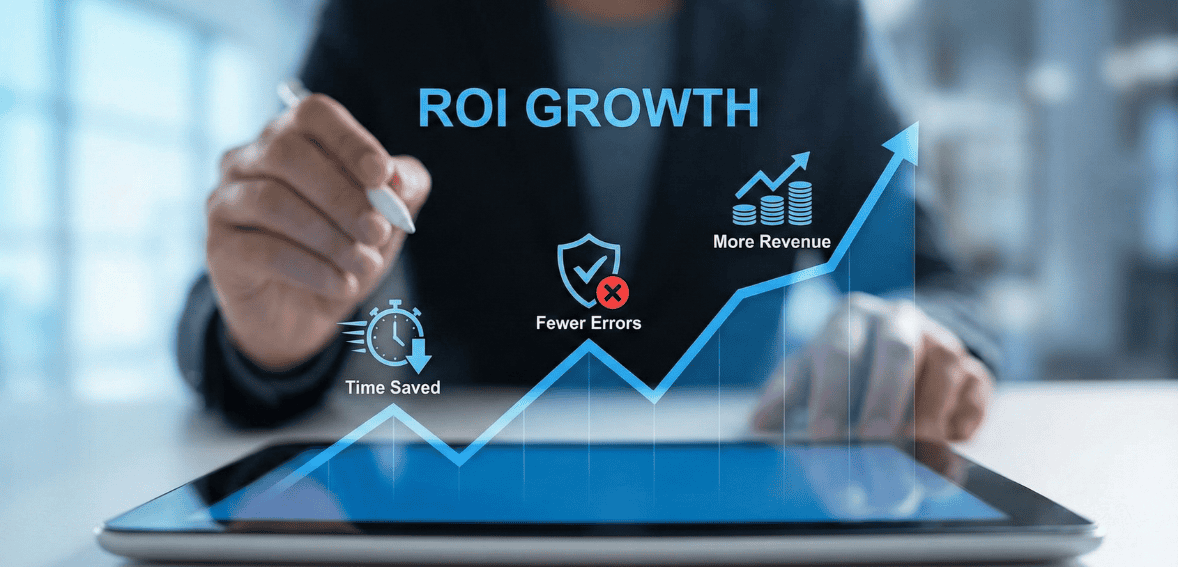
At first glance, spreadsheets appear cost-free. But the hidden costs of time spent manually updating records, correcting mistakes, tracking missing information, sending payment reminders, and reconciling ledgers are significant. When property managers start calculating the value of time saved, the return on investment for cloud software becomes clear.
For example, automating rent reminders eliminates hours of manual outreach. Automated late fee postings reduce emotional strain and ensure consistency. Maintenance request management prevents repeat issues and lost paperwork. Instant reporting saves hours of assembling financial summaries. Faster turnover processing shortens vacancy time, directly increasing revenue. And digital payment options accelerate cash flow rather than waiting weeks for mailed checks.
When measured realistically, the cost of maintaining spreadsheet systems often exceeds the price of software subscriptions. The value lies not only in time saved but in preventing expensive mistakes, wrong balances, missed leases, or compliance failures that can cost far more than a software license.
With cloud platforms, returns continue to grow over time. As the portfolio expands, the time and effort required to manage it do not increase at the same rate. Instead of adding more staff or more spreadsheets, the system absorbs the workload through automation. That creates true scalability. A business can double or triple its units without doubling its operational burden.
Future Proofing Property Management
The rental industry is going digital every year. Tenants expect online payments, instant communication, digital lease signing, and access to information without making phone calls. Property managers who continue to depend on spreadsheets risk appearing outdated and losing tenants to more modern competitors. The shift toward cloud technology is not a passing trend. It is an industry standard forming around efficiency, transparency, and improved tenant experience.
Cloud systems prepare businesses for the future rather than forcing them to react. As new integrations and capabilities emerge predictive analytics, digital inspections, AI-assisted screening software users are already well positioned to adopt them. Spreadsheets, by contrast, remain static and require more manual effort as the business grows.
Property management is evolving, and the question is no longer whether to modernize, but how long a business can delay before falling behind. The companies thriving today are those that recognized early that modernization is not an expense, it is a competitive advantage.
Conclusion
Spreadsheets helped many property managers get started, but they were never designed to handle the complexity and scale of modern property operations. They lack automation, collaborative tools, real-time data, and security features necessary for professional management. Cloud property management software is not simply a technological upgrade. It is a foundation for business growth, risk reduction, operational clarity, and long-term financial stability.
Modernizing operations frees managers from manual tasks, enabling them to focus on strategy, customer experience, and expansion. The ability to streamline workflows, automate routine work, collaborate from anywhere, and make decisions based on accurate real-time data transforms property management from reactive to proactive. The businesses that invest in software now will be the ones that outperform competitors in efficiency, customer satisfaction, and profitability.
Moving beyond spreadsheets is not about abandoning a familiar tool, it is about building a system that supports the future.
FAQs
How do I know if it’s time to move beyond spreadsheets?
If you’re spending significant time updating files manually, struggling to track lease dates and maintenance requests, or worried about errors and lost information, it’s time to upgrade. Growth becomes nearly impossible to sustain in spreadsheets, and cloud tools immediately relieve that burden.
Will cloud software be complicated for my team to learn?
Modern systems are built for ease of use with intuitive navigation and onboarding support. Once users experience how much time automation saves, adoption becomes natural. Training investment is small compared to the long-term value gained.
Is cloud software secure for sensitive tenant and financial data?
Yes. Cloud platforms use encryption, controlled access, and automatic backup to protect data far more effectively than spreadsheets stored on personal devices or shared via email.
How does cloud software help improve operational accuracy?
Automated validation rules prevent common spreadsheet errors, real-time syncing prevents conflicting edits, and built-in alerts ensure deadlines aren’t missed. Accuracy improves because processes are structured rather than manually improvised.
Is the software investment worth it?
Absolutely. Time savings, improved cash flow, reduced errors, streamlined operations, and scalable growth quickly deliver financial returns. Many managers find the software pays for itself within the first operational cycle.