

by Rinki Pandey December 4, 2025
The real estate world is transforming faster than ever, and 2026 is shaping up to be one of the most innovative years for the industry. Property managers who once relied on paper files, spreadsheets, and reactive management strategies are now adapting to robust digital tools that streamline workflows, reduce operating costs, and enhance the tenant experience. The shift isn’t just a convenience; technology has become the strategic foundation of modern property management. From AI-powered automation to IoT-driven smart buildings, the latest PropTech innovations are redefining what efficiency, profitability, and service mean.
Today’s renters, investors, and owners expect immediacy, transparency, and digital convenience. They want faster responses, remote access, accurate real-time information, and seamless end-to-end leasing processes. Meanwhile, rising operational costs, competitive rental markets, and sustainability regulations are pressuring property managers to work smarter, not harder. This is where PropTech 2026 enters the picture bringing solutions that transform data into decisions, buildings into intelligent ecosystems, and management into proactive science.
This article explores the most essential property management technology trends for 2026, how they’re changing the industry, and why adopting them now can future-proof your portfolio. Instead of abstract predictions, we’ll break down real applications and practical benefits so property managers can prepare strategically rather than reactively.
AI and Automation: The Heart of Property Management Efficiency
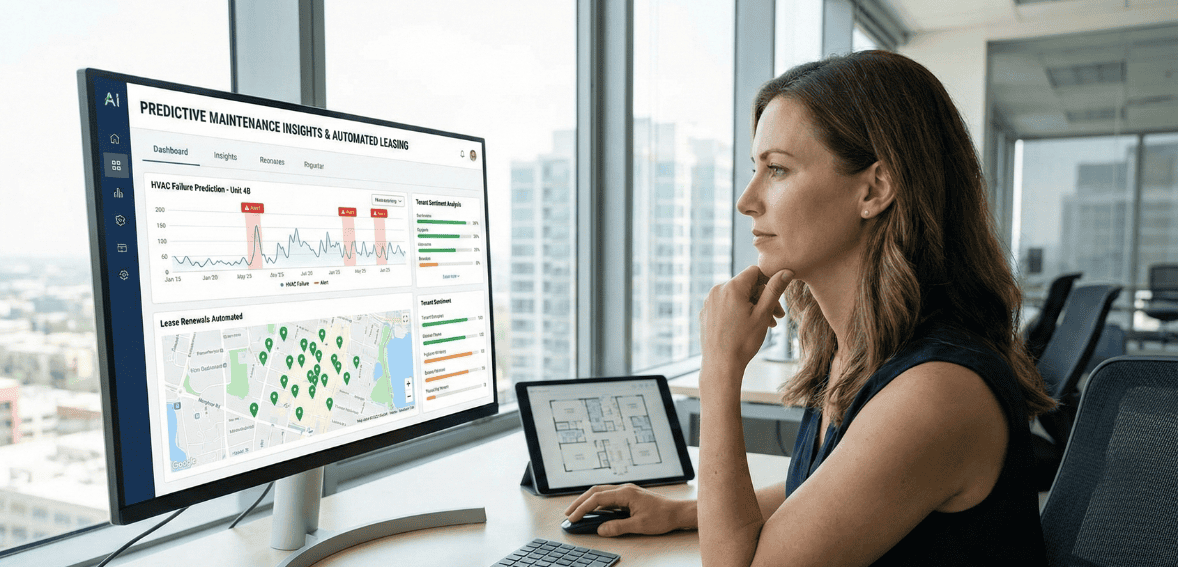
Artificial intelligence has shifted from futuristic speculation to everyday operational necessity. In 2026, AI is becoming the foundation of property management technology trends, powering everything from tenant screening to revenue optimization. Instead of humans manually filtering hundreds of applications or responding to repetitive inquiries, AI systems can handle initial screening, verify information, detect inconsistencies, and even predict renter reliability based on historical patterns. Automation reduces human error and dramatically speeds up decision-making.
One of the most transformative uses of AI is lease automation and chatbot support. Rather than renters waiting for emails or phone calls, AI leasing assistants can instantly answer questions about pricing, availability, amenities, policies, and scheduling property tours 24/7. They can guide an applicant through the process from first inquiry to completed digital lease, dramatically shortening the leasing cycle.
Maintenance forecasting is another revolutionary development. AI systems analyze equipment history, service logs, environmental data, and usage patterns to identify when something is likely to fail before it breaks. Instead of unpredictable emergency repairs and frustrated tenants, property teams receive alerts early enough to schedule preventive work that avoids expensive breakdowns.
This shift in AI doesn’t replace humans; it elevates them. Instead of drowning in tasks like follow-ups, reminders, appointment scheduling, rent late notices, and utility tracking, property managers can focus on higher-value work strategic planning, growth decisions, and improving tenant relationships. In 2026, efficiency will no longer be defined by working harder but by building systems that work intelligently.
IoT and Smart Buildings: Turning Properties Into Connected Systems
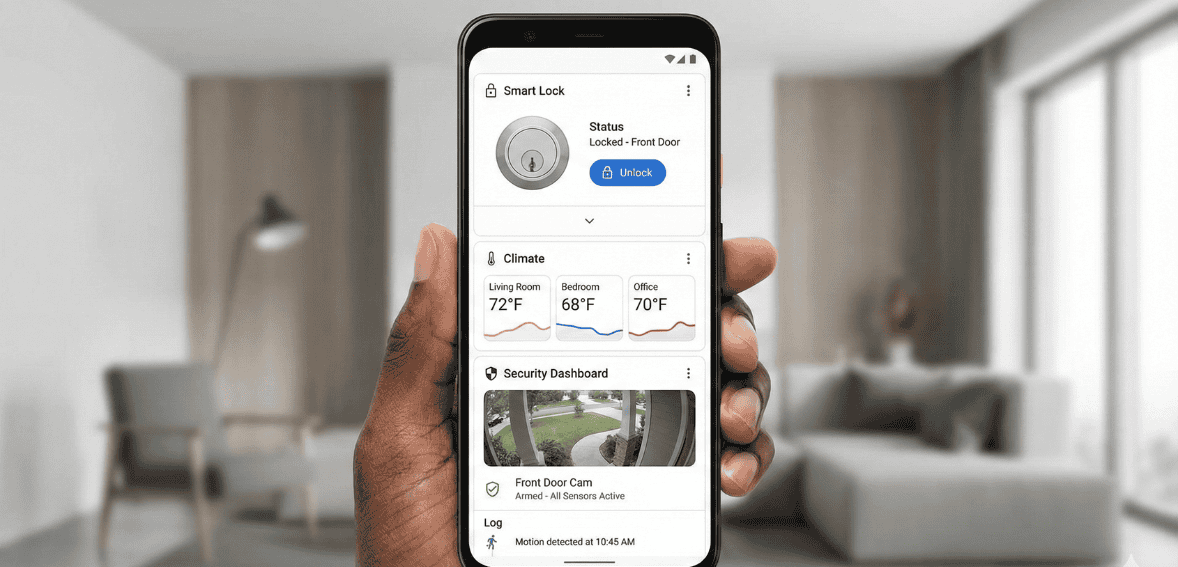
The Internet of Things (IoT) is set to be one of the strongest PropTech trends in 2026. Smart building devices are becoming standard rather than luxury features, turning rental units into connected environments that optimize comfort, security, and energy use. This shift benefits both owners and tenants, creating safer homes and more profitable portfolios.
Smart locks, for example, allow secure keyless entry, temporary access codes for contractors or guests, remote unlocking, and time-stamped logs eliminating the headaches of lost keys and rekeying costs. Smart sensors track leaks, CO2 levels, temperature changes, or unauthorized access in real time, preventing significant property damage and reducing insurance risk. Intelligent HVAC and lighting systems automatically adjust usage based on occupancy, saving operational expenses month after month.
More advanced IoT integrations include predictive maintenance sensors attached to plumbing lines, elevators, or mechanical systems. They send automated alerts before a problem becomes catastrophic, significantly extending equipment lifespan. IoT also promotes environmental sustainability, an area that regulators and tenants increasingly prioritize. Properties with innovative energy systems appeal more strongly to younger generations who value eco-friendly living.
For property managers, IoT means fewer emergency calls, fewer inspections, and greater visibility across every unit without being physically present. In 2026, smart buildings will become essential for competitive advantage, leaving traditional buildings feeling outdated and inefficient.
Data Driven Management and Analytics for Smarter Decisions
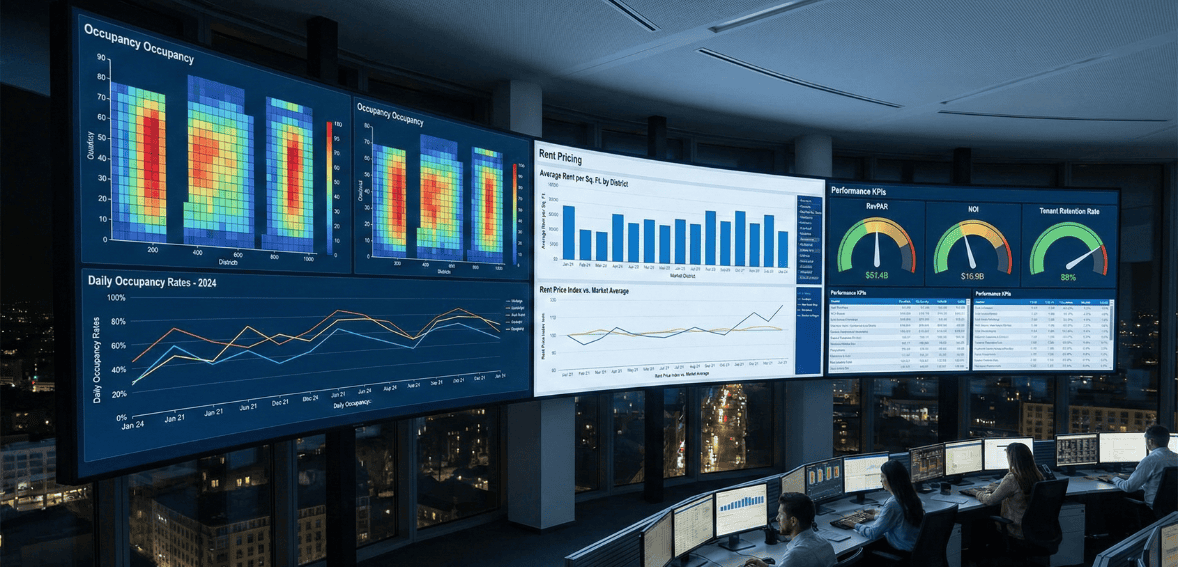
In the past, property management decisions often relied on gut instinct or scattered data. Today, modern platforms integrate real-time analytics that convert raw information into clear action plans. Big data and performance dashboards are transforming every aspect of portfolio management from pricing strategy to maintenance forecasting to marketing performance.
Using data analytics, managers can see trends like:
- Which units are at risk of late renewals
- When should rent pricing adjust based on demand patterns?
- Which marketing channels convert the most leads
- Average time to complete maintenance requests
- Scheduling efficiencies for staffing
Instead of guessing what tenants want, analytics show patterns such as which amenities drive faster lease signings or which building improvements increase NOI. Predictive analytics will allow properties to model revenue outcomes before making decisions, giving managers a strategic advantage.
For financial planning, dashboards offer immediate visibility into collection performance, vacancy rates, operating costs, and projected cash flow. Managers can drill into details, property by property, or analyze entire portfolios. This real-time clarity empowers better budgeting, reduces risk, and improves returns.
A KPI Key Performance Indicator is not just a number. It’s a measurement that tells a story about how efficiently a property is being run, how profitably it’s operating, and where improvements could be made. KPIs turn uncertainty into clarity. Instead of guessing whether turnover is too high, whether maintenance costs are rising, or whether cash flow is healthy, landlords can look at complex data and see the reality. This shift toward data-driven property management is transforming how rental businesses operate.
In 2026, wealth managers who thrive will be those who treat data as a strategic asset instead of a spreadsheet headache.
Green & Sustainable Tech: Efficiency and Responsibility Working Together
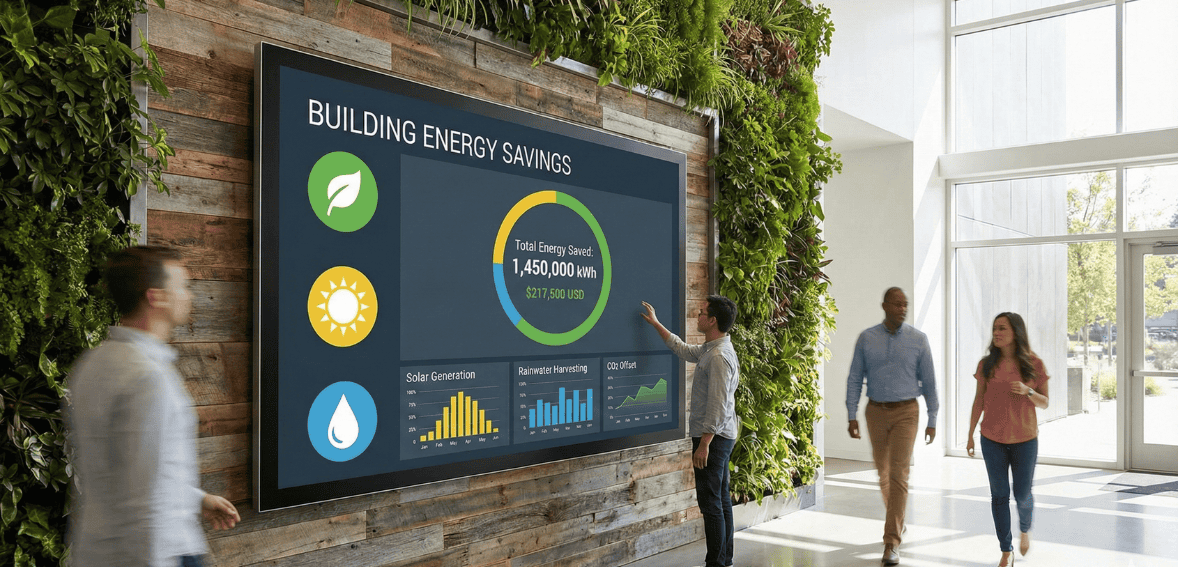
Sustainability has gone from trend to requirement. Regulations are evolving, energy costs continue to rise, and modern renters are increasingly environmentally conscious. PropTech 2026 will continue accelerating green technology adoption, helping property managers balance regulatory responsibilities with operational savings.
Energy monitoring tools track real-time electricity and water usage, enabling automated adjustments that reduce waste. Smart thermostats and lighting systems reduce consumption when units are vacant or common areas are unused. Water-saving technologies proactively detect leaks, reducing utility costs and preventing structural damage.
Even waste management is becoming tech-enabled, with systems that analyze disposal patterns and optimize service frequency. Remote energy audits also replace manual site visits, leading to more accurate operational performance monitoring.
Sustainable buildings are not merely a marketing advantage; they directly increase NOI. Lower utility use means reduced operating expenses, and eco-friendly properties typically experience faster leasing and higher tenant satisfaction, which naturally improves retention.
By 2026, sustainability technology will be viewed as a financial investment rather than a compliance obligation.
Virtual & Remote Capabilities: The New Standard for Convenience
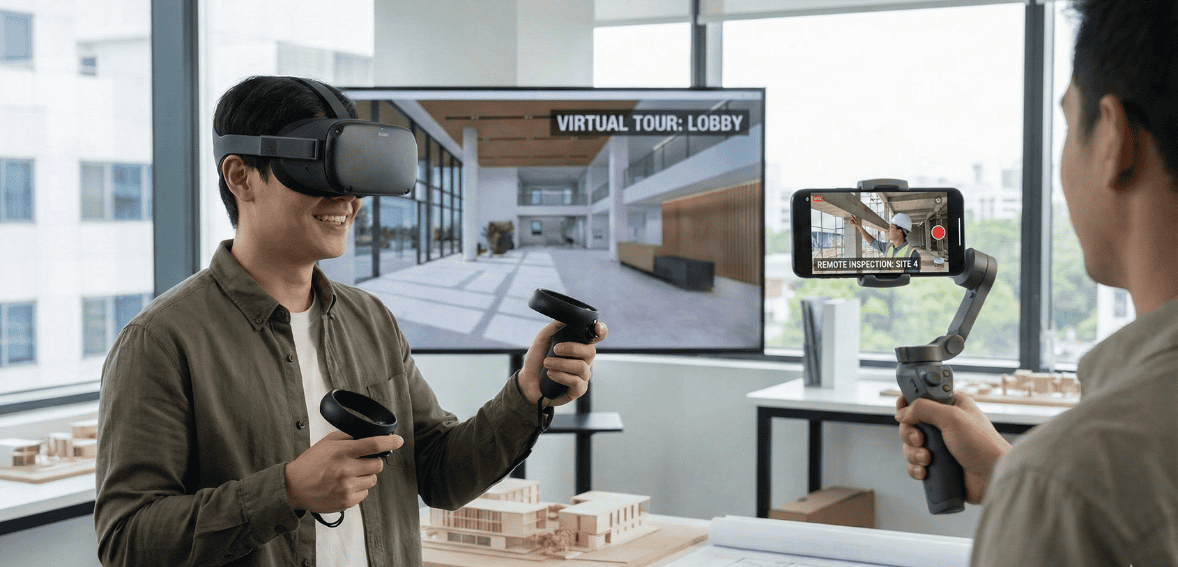
One of the most significant shifts shaping PropTech in 2026 is the move toward fully virtual and remote property experiences. Years ago, remote services were considered optional add-ons. Today, they are a core expectation especially among digital-native renters who value convenience and speed over traditional in-person processes. Virtual leasing, remote inspections, digital signatures, and video walk-throughs have evolved from temporary workarounds into permanent best practices.
Virtual tours, for example, allow prospective tenants to explore properties from anywhere in the world. Rather than waiting days for a showing appointment or traveling across town only to find that the unit isn’t what they expected, prospects can view immersive 3D walkthroughs and interactive floor plans instantly. For property managers, this means fewer wasted showings and higher-quality leads who are serious before they ever schedule an in-person visit.
Remote inspections are becoming equally transformative. Instead of coordinating schedules, driving across multiple buildings, and spending hours documenting conditions manually, managers can now use video tools, guided resident recordings, or even drone footage to perform move-in and move-out inspections with clarity and time savings. This reduces disputes and speeds turnover decisions.
Digital leasing complete with e-signatures, online ID verification, and remote notarization eliminates the need for in-person meetings. Applications are processed faster, approvals happen in real time, and tenants can finalize agreements from anywhere. This shift doesn’t only streamline operations it opens the door to a larger applicant pool, including renters moving across states or countries.
In 2026, remote-first experiences will no longer be a differentiator; they will be the baseline expectation. Property managers who embrace virtual convenience will accelerate leasing cycles, reduce vacancy days, and stand out in competitive rental markets.
Cybersecurity and Data Protection Become Mission Critical

As PropTech expands, so does the responsibility of protecting digital information. Security isn’t just an IT concern anymore it’s a core part of the property management role. With everything from rental applications to financial records and smart building controls living online, cybersecurity has become one of the most essential property management technology trends heading into 2026.
Today’s renters are increasingly aware of privacy and data safety. They want reassurance that their personal information, identity documents, payment records, banking details are handled securely. Property managers now rely on encrypted cloud systems, secure access controls, and advanced authentication methods such as two-factor authentication and identity verification to protect their digital environments.
Cyberattacks across industries have highlighted the risks of weak security data breaches can cause financial penalties, lawsuits, damaged reputations, and broken trust that takes years to rebuild. In real estate, where confidential documents are essential to daily operations, the stakes are even higher.
Beyond tenant information, cybersecurity in 2026 will also apply to building systems. With IoT smart devices controlling door locks, thermostats, cameras, and sensors, protecting access to those systems is crucial. Managers must ensure security standards are met, regularly update firmware, monitor access permissions, and follow regulatory requirements.
Cybersecurity is no longer optional; it is a necessary foundation for every PropTech solution. Without trust, no technology strategy can succeed.
Integrated Platforms and Unified Digital Ecosystems
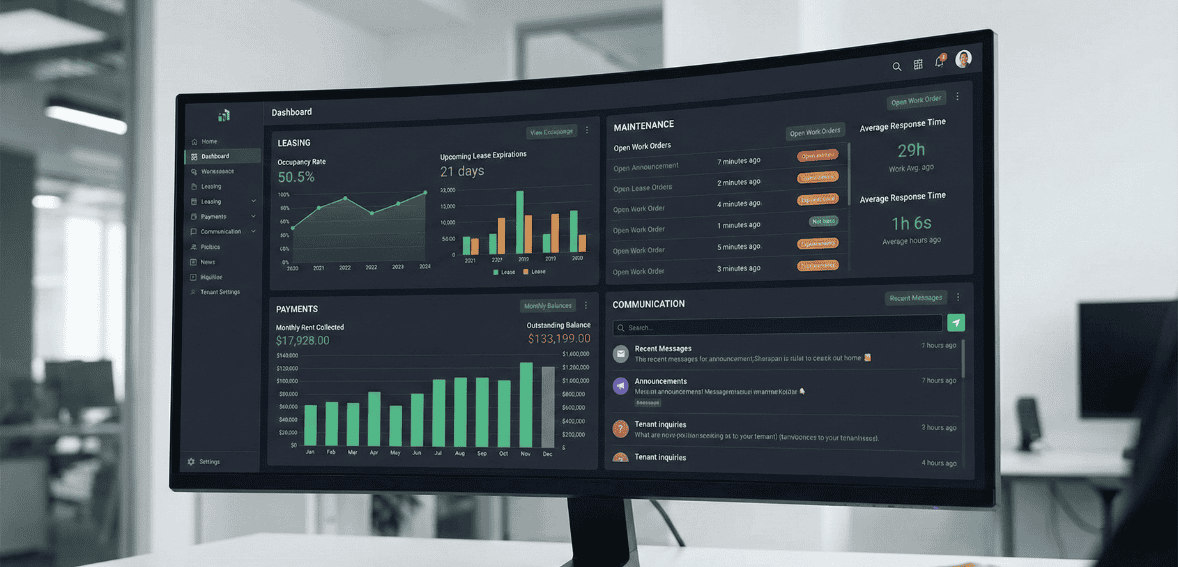
One of the biggest frustrations historically faced by property managers has been juggling multiple disconnected systems: one platform for accounting, another for maintenance, another for leasing, another for communication. Switching among them creates confusion, duplicated work, and inconsistencies in data.
PropTech 2026 marks a shift toward unified, all-in-one ecosystems that integrate every workflow into a single place. Instead of managing information across half a dozen tools, managers can use a single system to handle applications, rent collection, inspections, maintenance, accounting, communications, and reporting. This eliminates fragmentation and increases accuracy.
The value of unified platforms is more than convenience it’s clarity. When everything is connected, data is synced automatically. Reports update in real time. Management decisions become faster and more confident. Teams operate with shared visibility rather than relying on scattered spreadsheets or long email chains.
For owners and investors, integrated platforms offer portfolio-wide insights instantly, enabling strategic planning across multiple assets. For tenants, it means everything they need from paying rent to submitting maintenance requests is available through one seamless experience.
The long-term direction of PropTech property management is clear: systems that replace overload with simplification.
Human Centric Technology and Tenant Experience Innovation

While technology is transforming property operations, the heart of real estate has always been people. PropTech 2026 is increasingly focused on enhancing the tenant experience rather than replacing human connection. Tools that improve responsiveness, transparency, communication, and convenience are becoming essential pillars of retention and community building.
Tenant experience platforms are emerging that include everything from mobile self-service portals to real-time maintenance tracking updates, digital community engagement tools, amenity booking systems, and personalized feedback cycles. These features build trust by giving renters visibility into their housing experience, rather than leaving them in the dark.
Technology also allows for greater personalization. Automated messaging platforms can send reminders, updates, renewal notifications, and follow-ups while still feeling thoughtful and conversational. Maintenance tools provide clear timelines so tenants know what to expect. Digital communication reduces misunderstandings and conflict while promoting professionalism and clarity.
At its core, tenant experience technology reinforces a simple truth: people stay where they feel respected, informed, and supported. In a competitive rental market, great service is as important as price and amenities. Technology is the engine that makes that level of service scalable and consistent.
Conclusion: Preparing for a Tech Powered Future
The evolution of PropTech isn’t slowing down, it’s accelerating. The real estate industry in 2026 will reward property managers who embrace innovation early, adapt to changing expectations, and leverage technology as a strategic advantage. The shift is clear: reactive management is giving way to predictive, data-driven, automated, remote-ready, and experience-focused operations.
Those who resist change will struggle to compete with owners and managers who use technology to reduce costs, scale portfolios, and elevate tenant satisfaction. Those who lean into PropTech trends now will lead the future of real estate.
The message is simple: innovation is not about replacing people, it’s about empowering them to perform better than ever.
FAQs
What is PropTech and why is it important for property managers?
PropTech refers to digital innovations that improve how real estate is managed, leased, marketed, and serviced. It matters because technology streamlines operations, automates repetitive work, improves tenant satisfaction, and increases profitability through more intelligent decision-making.
How will AI change property management by 2026?
AI is expected to drive automation in leasing, tenant communication, maintenance forecasting, and pricing analytics. It reduces manual labor, minimizes human error, and enables property teams to operate faster and more efficiently while providing better service.
Can small property managers benefit from new PropTech tools?
Absolutely. Many modern platforms offer scalable pricing and modular features suitable for small landlords and independent managers. Even basic tools like smart locks or automated rent reminders can deliver significant time and cost savings.
Is cybersecurity a genuine concern with modern PropTech solutions?
Yes, protecting tenants and financial data is critical. As more systems become cloud-based and IoT-operated, managers must adopt secure digital environments with encryption, strong authentication, and regular monitoring to defend against cyber risks.
What trend should property managers prioritize if starting with limited resources?
A strong starting point is adopting an integrated property management platform that automates leasing, payments, maintenance, and communication. With a solid digital foundation, additional technologies can be added easily over time.