
From Landlord to Experience Manager: How Tech Is Redefining the Property Manager’s Role
by Rinki Pandey December 11, 2025
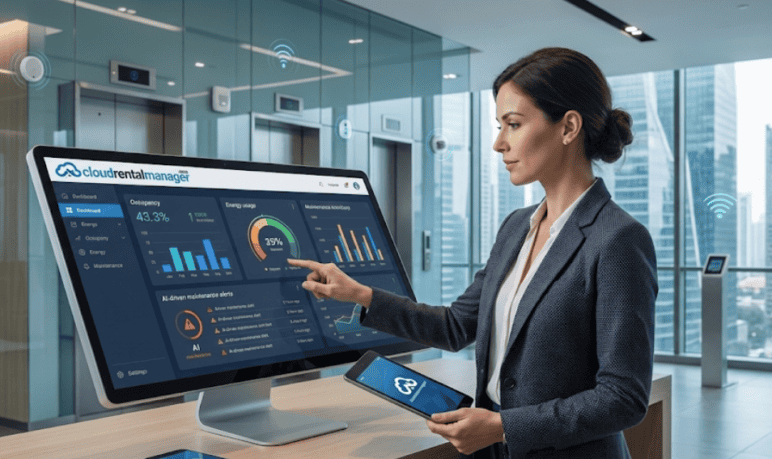
The future of property management is defined by an expanded set of roles. No longer limited to spreadsheets or rent collection, property managers now integrate hospitality, operations, technology, compliance, marketing, and community leadership. Their responsibilities have evolved beyond those of traditional landlords. Technology has transformed their work, shifting them from gatekeepers of buildings to managers of resident experience and strategic operators leveraging data and digital tools to deliver higher-quality living environments. This evolution positions them as central drivers of value and satisfaction for both property owners and residents.
This shift didn’t happen overnight. As tenants became more digitally oriented and buildings smarter, workflows grew too complex to manage manually. Automation, AI, and cloud platforms are now the foundation on which modern property managers rely. As a result, today’s property technology is deeply intertwined with people skills, business insight, and the delivery of seamless tenant experiences.
The Evolution from Operations Manager to Experience Manager
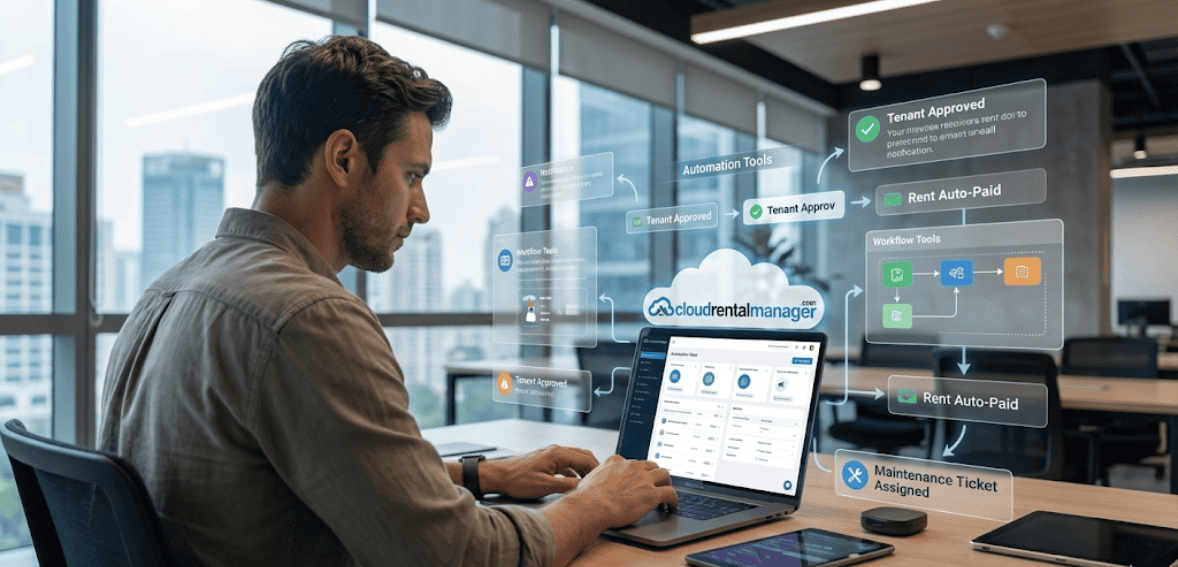
The biggest transformation in property management is shifting expectations. Tenants no longer want a landlord who responds only when something breaks. They want proactive service, clear communication, digital convenience, smooth move-ins, and a sense of community. The property manager of the future is judged not just by building functionality but by resident experience.
Technology makes this shift possible. Automated notifications, mobile maintenance requests, digital leasing experiences, and centralized communication portals change how managers and tenants interact.
Instead of long phone calls and paperwork, tenants now expect mobile-first interactions. This places the property manager in a new role: the designer of a resident journey. Every touchpoint from touring to paying rent to renewing a lease becomes an opportunity to build trust and deliver value.
In this new model, property managers are no longer behind the scenes. They’re the calm, professional anchor of the resident experience, supported by systems that help them anticipate needs rather than react to them.
Automation as the Backbone of the Modern Property Manager’s Workday
Automation has radically changed the rhythm of property management. Traditionally, large chunks of the job involved repetitive tasks, reminders about late payments, renewal notices, maintenance follow-ups, document collection, and manual bookkeeping.
These tasks drained time and made it difficult for managers to focus on residents or strategic planning.
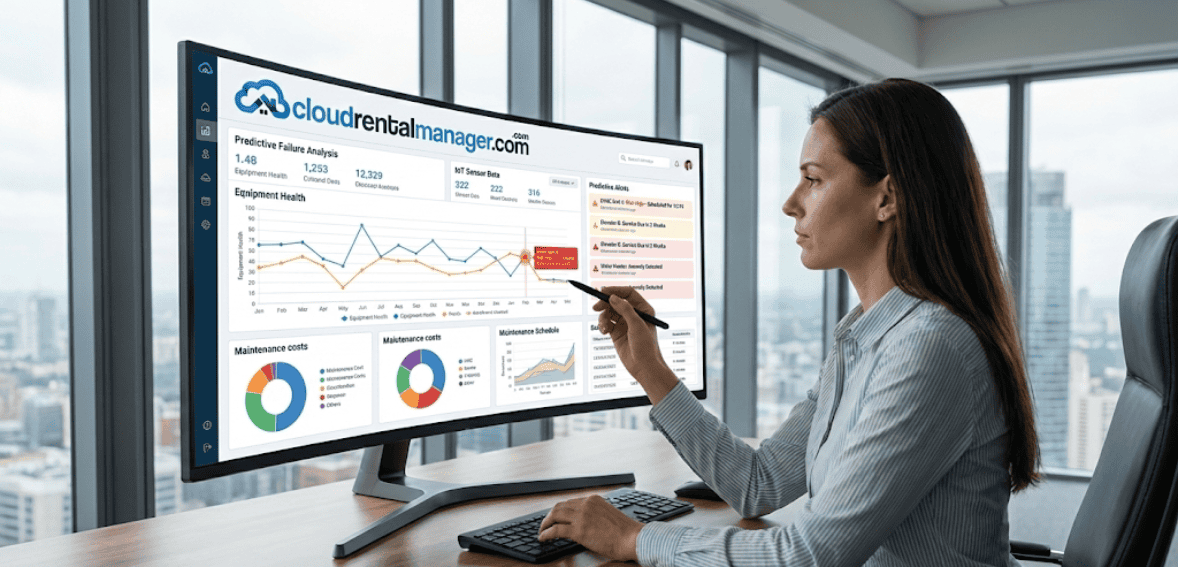
Now, automation handles those operational foundations. Late fee postings, rent reminders, lease expiration alerts, renewal workflows, and even maintenance triage can be automated through cloud platforms.
This isn’t replacing property managers; it’s elevating them. By removing the repetitive, manual layers, technology gives managers more time to focus on relationship-building, preventative planning, and higher-level oversight.
When residents receive timely reminders, when maintenance is logged and assigned instantly, and when renewals are triggered automatically, the entire ecosystem becomes more reliable. The property manager becomes the conductor rather than the performer of every task.
Tech Driven Communication Is Replacing Traditional Touchpoints
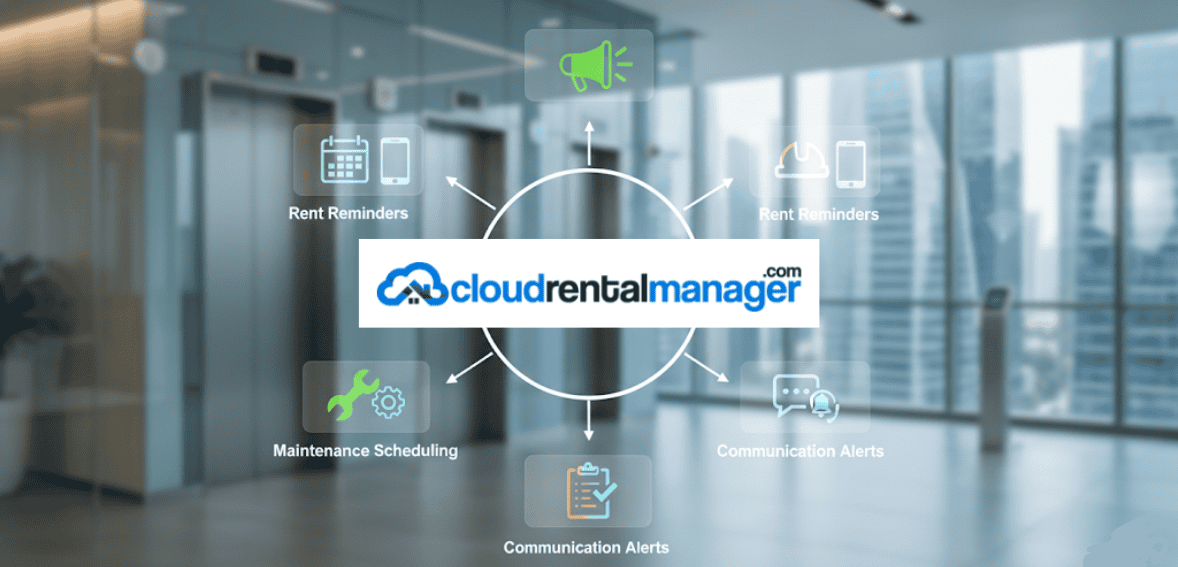
Communication has always been at the center of property management, but technology is redefining how it happens. Phone calls and doorbells are now secondary to digital communication. Modern residents expect speed, clarity, and transparency. They want updates delivered to their devices, not buried in physical mail.
This shift has strengthened the property manager’s role in technology, helping avoid misunderstandings and delays. Unified communication platforms mean every message, whether a maintenance update, a policy change, or a community announcement, lives in one place. Residents can view the history, reference details, and respond without friction. Managers see fewer missed messages, fewer repeated questions, and faster response times.
This digital communication layer also opens the door to personalized interactions. With routine announcements handled by automation, managers can focus their human energy where it counts, resolving sensitive issues, guiding new residents, and building rapport. AI and Data Analytics Are Turning Property Managers into Strategists
This is one of the deepest shifts. The future of property management is increasingly data-driven. AI tools analyze patterns in rent trends, maintenance issues, resident behavior, and market dynamics. Instead of relying solely on intuition, property managers can now make intelligent, proactive decisions.
Data can reveal which units are at risk of turnover, which residents may need outreach, which maintenance issues are about to escalate, or whether pricing needs to adjust.
Predictive maintenance cuts costs and reduces emergency calls. Market analytics help managers position properties competitively. Even leasing decisions, such as pricing promotions, renewal strategies, or applicant screening, can now be informed by data rather than guesswork. As a result, technology transforms property managers into operational strategists who can see risks before they materialize and opportunities before they’re obvious. This analytical capacity wasn’t accessible to traditional landlords, and it marks one of the defining differences between past and future.
Digital Leasing Has Become the Standard, Not the Upgrade
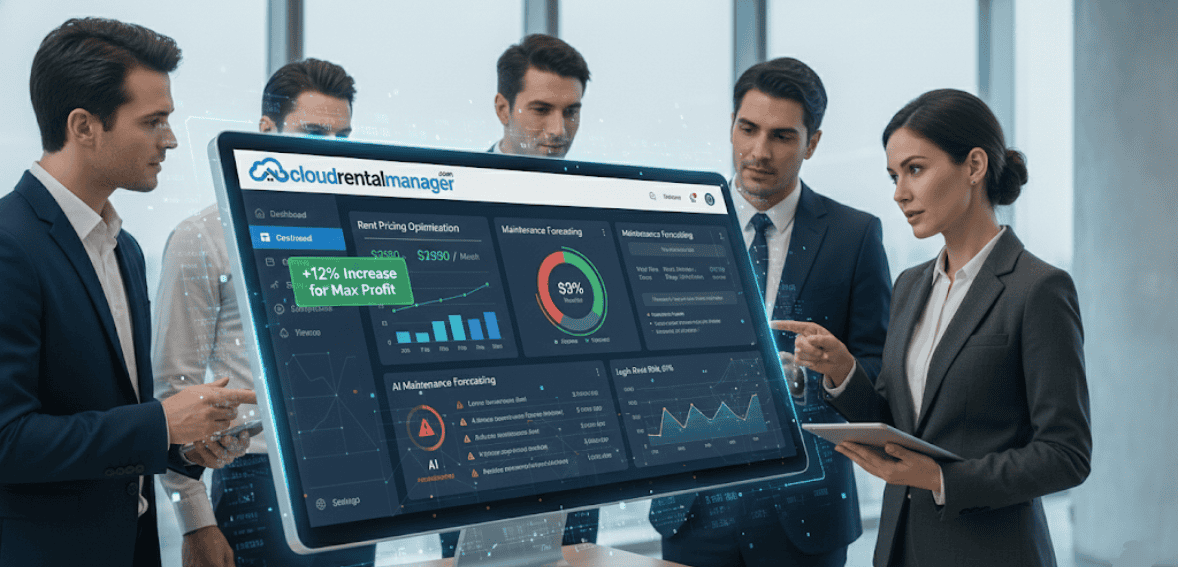
Online applications, e-signatures, automated screenings, and virtual tours are no longer special features; they’re expectations. Tenants want leasing to be fast, transparent, and mobile-first. That means property managers must master intuitive, integrated digital leasing workflows.
Technology enables managers to quickly approve or decline applications, reduce paperwork errors, and improve compliance. Virtual and self-guided tours have also changed how prospects experience ownership. These tools enable managers to reach more applicants and provide immediate access to information.
Digital leasing also drives better resident satisfaction by eliminating friction from the very start of the tenant relationship. It sets the tone for a modern, well-managed living environment.
Smart Buildings Are Expanding the Property Manager’s Responsibilities
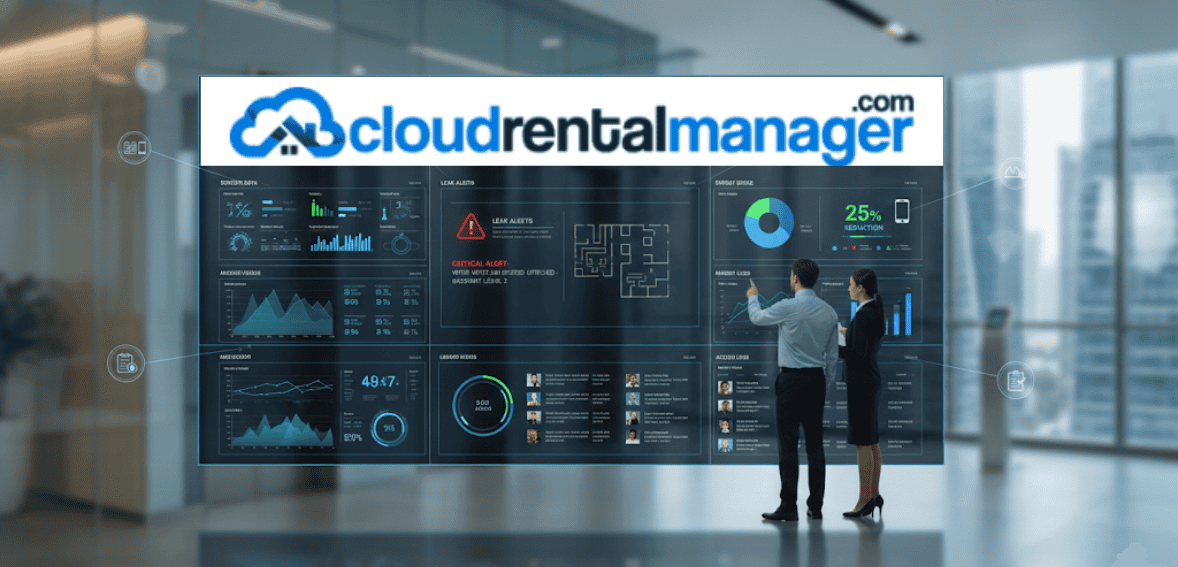
Another significant shift in the future of property management is the rise of connected technology-enabled buildings. Smart locks, thermostats, leak sensors, access-control systems, HVAC automation, and energy-monitoring tools are no longer elite, high-end luxuries. They’re becoming standard expectations. This pushes property managers into a blended role that crosses into light technical oversight and digital facility management.
Smart buildings change everything from how maintenance is handled to how residents enter their units. When a leak sensor sends an alert at 2 AM or when energy usage spikes in a building wing, the manager is now equipped to act proactively rather than reactively. That responsiveness not only reduces costly damage or downtime but also builds trust with tenants who see the building as safer, more modern, and more attentive to their well-being.
For the manager, these tools reduce guesswork. Instead of doing physical inspections to determine comfort levels or system performance, they receive a continuous feed of actionable data. The job becomes more about interpreting information, coordinating quick responses, and setting the building up for long-term sustainability. In many ways, smart technology elevates property management into a technical stewardship role, one where digital infrastructure is just as important as physical structure.
Compliance Is Moving from Manual Checklists to Automated Safeguards
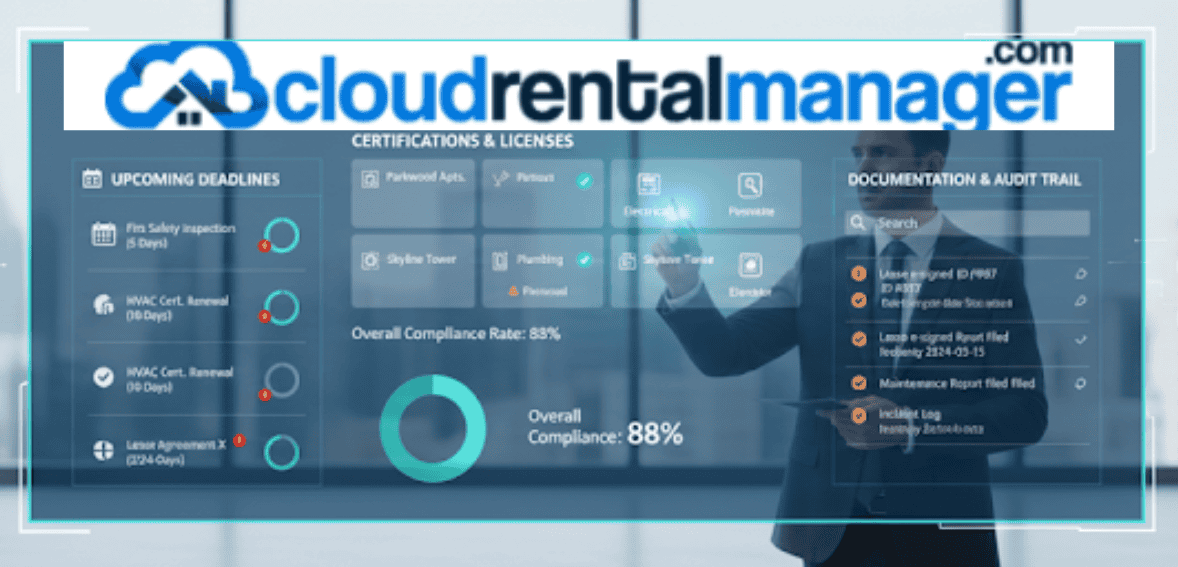
Compliance has always been a burden for property managers, with fair housing rules, lease regulations, documentation requirements, privacy protocols, and inspection deadlines. Traditionally, staying compliant meant sticky notes, calendar reminders, filing cabinets, and hope. But technology is taking that burden and replacing it with built-in safeguards.
Modern platforms automatically track critical dates, organize required documents, and ensure that tenant files follow legal standards. Screening systems help avoid bias and maintain fairness. Communication logs are stored automatically to protect managers from disputes. Digital forms reduce mistakes and create consistent processes. Instead of worrying about missing something, managers rely on systems that maintain order in the background.
This automated compliance layer is becoming a defining part of the property manager role, influenced by technology. It frees managers from administrative anxiety and lets them focus on the human elements: clear communication, transparent policies, and treating residents with the care they deserve. As the amount of regulation increases each year, property managers who embrace automated compliance are not just safer, they’re more confident and effective.
The Property Manager as a Community Builder, Not Just a Rule Enforcer
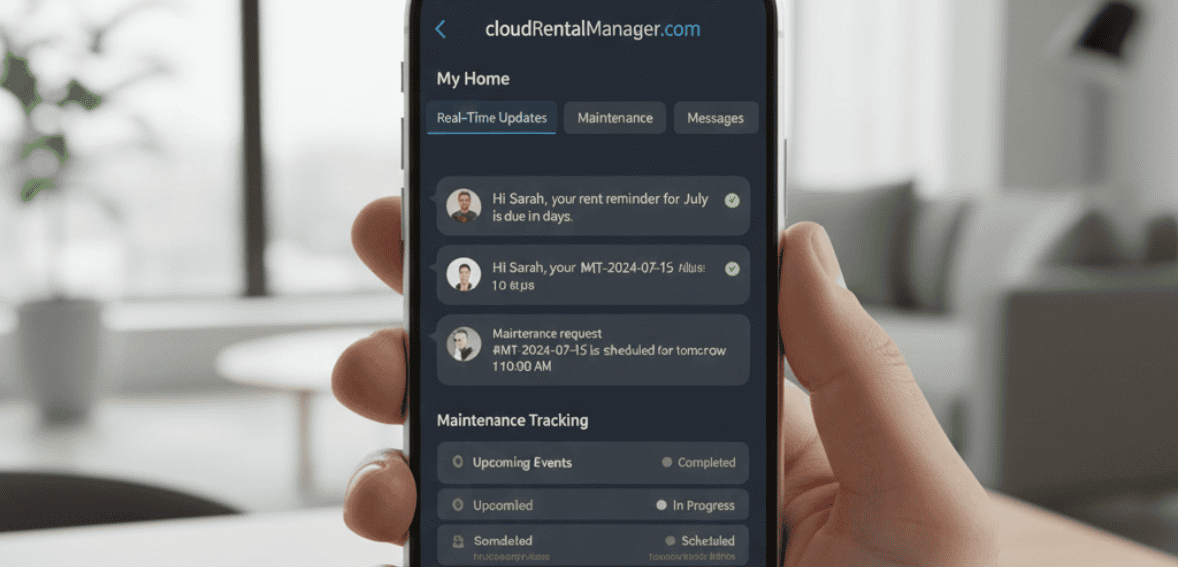
One of the most unexpected developments in the future of property management is the way managers are becoming community leaders. Technology may streamline operations, but it also frees up time for managers to focus on something that has always been important but often been neglected: resident relationships.
A great community doesn’t happen accidentally. It is shaped by communication, organization, and consistent engagement. Digital tools help managers coordinate events, send announcements, gather feedback, and make residents feel included and informed. Instead of being the “person who enforces rules,” the manager becomes the connector, the person who helps people feel at home.
This doesn’t mean hosting elaborate events. Even small gestures, such as a welcome email, a monthly update, or a simple survey, signal that the manager values residents as people, not just leases. Technology amplifies these gestures by making them scalable and timely. As a result, resident satisfaction grows, turnover decreases, and the community becomes a living reflection of good management.
This shift also demands emotional intelligence. As automation takes over administrative work, human skills, such as patience, empathy, and communication, become even more central to success.
Preparing for a Hybrid Future Where Tech and Human Service Coexist
The future won’t eliminate the property manager’s role; it will redefine it. Automation will still handle repeatable tasks. AI will continue predicting needs. Smart buildings will get smarter. Residents will expect faster, clearer, personalized communication. But technology will never replace the relationship-driven heart of the industry.
This means the property manager of the future must embrace a hybrid identity. Part of the job requires digital fluency and comfort using software, dashboards, smart building systems, and automation tools. The other part requires human nuance conflict resolution, service-oriented communication, and the ability to guide people through emotionally charged moments like move-outs, disputes, or financial hardship.
Managers growing with this hybrid future will find themselves more empowered than ever. Instead of fighting fires, they will guide stable, efficient communities. Instead of drowning in paperwork, they will have space to elevate their role into something far more meaningful: a leadership position that shapes resident experience, portfolio stability, and long-term property performance.
Conclusion: The Role Is Changing, But Its Purpose Is Stronger Than Ever
Technology hasn’t removed the need for property managers; it has crystallized their importance. The future of property management is not about replacing people with platforms. It is about empowering them to operate at their highest level. With automation handling routine workflows and smart systems delivering real-time insights, property managers can become true experience managers, leaders who create thriving communities, deliver exceptional service, and operate buildings with clarity and confidence.
As tenant expectations evolve and buildings become digitally enhanced, the managers who embrace new tools will find themselves ahead of the curve. Those who resist may feel increasingly overwhelmed. The path forward is clear: technology is the foundation, but the human element is the soul. Together, they create the future of the profession.
FAQs
How is technology changing the role of property managers?
Technology shifts managers from task executors to experienced leaders. Automation handles everyday workflows, freeing managers to focus on tenant satisfaction, strategic planning, and proactive maintenance.
Will AI replace property managers in the future?
No. AI will assist with data-driven insights and repetitive tasks, but human judgment, empathy, and conflict resolution will always be essential parts of the job.
What skills will property managers need going forward?
Digital literacy, communication, analytical thinking, and community-building skills are becoming essential as the industry blends technology with personal engagement.
How does technology help improve tenant satisfaction?
Faster responses, clearer communication, digital convenience, and proactive maintenance, all supported by modern tools, create a smoother, more reliable living experience.
Why is the role shifting from landlord to “experience manager”?
Tenants now expect service, convenience, transparency, and digital support. The modern manager creates these experiences, supported by technology that enhances every stage of the resident journey.