
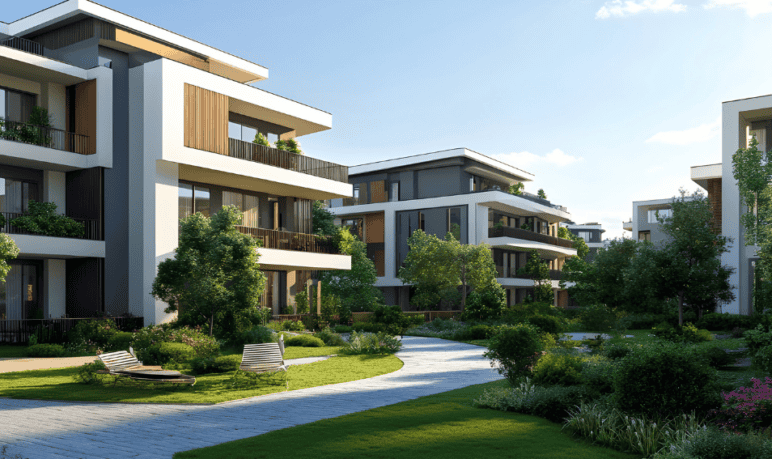
Green Property Management: Sustainability Practices that Cut Costs (and Carbon)
by Rinki Pandey March 12, 2026
In the quickly changing real estate market of today, green practices and sustainability have become essential components of project management. In real estate project management, sustainability is now a crucial element rather than an optional extra. It encompasses a range of practices designed to reduce environmental impact, conserve resources, and enhance the quality of life for occupants. In addition to supporting international initiatives to tackle climate change, implementing these ideas has real advantages for communities, developers, and investors.
A few years ago, “green property management” sounded like something meant for luxury buildings or glossy brochures; it felt expensive, complicated, and honestly… optional. That’s not how it looks anymore.
Today, sustainability has become a part of regular property management, whether people want to call it so or not. Energy costs keep climbing, water bills sneak up every month, and tenants ask questions they didn’t ask before. Therefore, older buildings that waste resources are getting harder to manage without feeling the pressure.
What’s interesting is that most green changes are not about saving the planet in some abstract way. They are about cutting waste and cutting waste almost always means cutting costs.
Why Property Managers Are Paying Attention Now
Running a property today costs more than it used to. Electricity prices don’t stay still, water is not cheap, and maintenance adds up. When systems run all day, every day, even when no one is around, the bills tell the story.
At the same time, tenants are more aware. They notice drafty units, high utility bills, poor air circulation, and buildings that feel uncomfortable for no obvious reason. They may not say “this building lacks sustainability,” but they will say things like:
“Why is my electric bill so high?”
“Why does it feel freezing in winter and hot in summer?”
“Why does everything break so often?”
Green property management addresses those exact problems.
Energy Efficiency: Where the Real Savings Start
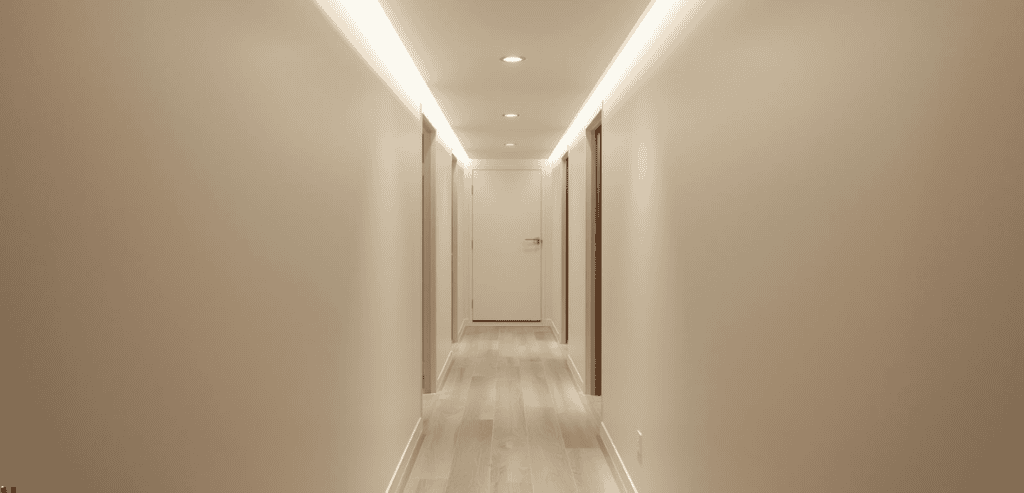
If there’s one area where small changes make a big difference, it is energy use. Lighting alone can quietly drain money without anyone noticing.
Switching to LED lighting is one of the easiest upgrades out there. LEDs last longer, use less electricity, and do not need constant replacing. Once they are installed, you mostly forget about them, and that is kind of the point.
Then there is lighting in common areas such as hallways, parking garages, and stairwells. Lights do not need to be on all night when no one is there. Motion sensors and timers take care of that without bothering tenants. Heating and cooling are another big one. Buildings lose energy through poorly sealed windows, doors, and roofs. Warm air escapes in winter and cool air leaks out in summer. The HVAC system works harder than it should, and the bill goes up. Sealing gaps and improving insulation is not flashy, but it works.
Water Use: The Costs People Overlook
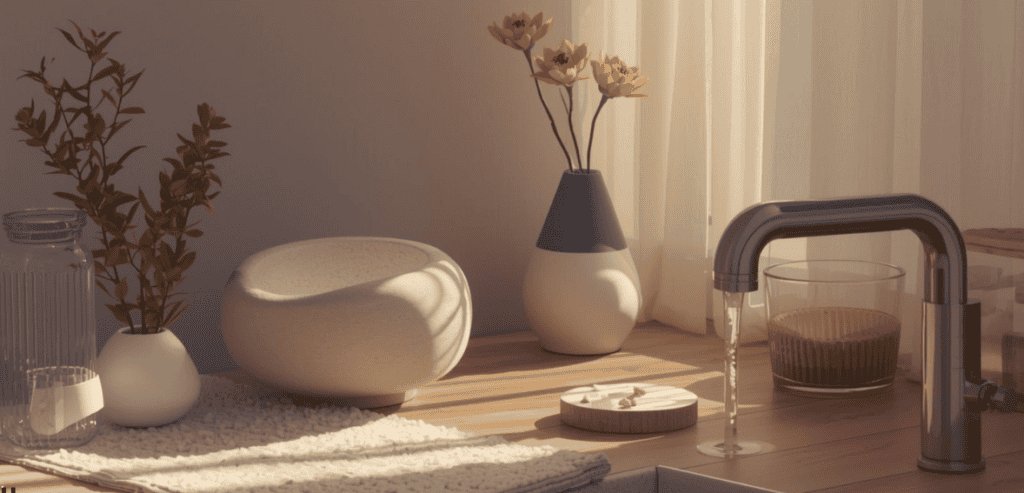
The reason is that water waste does not get attention like electricity because it’s not that apparent; it does, however, cost a hefty amount after some time.
Older faucets, toilets, and showerheads use much more water than they need to. Swapping those out with low-flow alternatives reduces usage without a change in the way things feel day to day. Most tenants would not even notice the difference, except when their bills are lower.
Leaks present another quiet problem. A small leak behind a wall can go for many months before being noticed. Then, it will not be just a water bill problem, but damage. Leak detection systems and periodic inspections catch problems early in their existence when they are much easier to handle.
Outdoor water use can add up as well. Landscaping does not need daily watering, especially after rainfall. Smart irrigation systems adjust automatically, preventing overwatering.
Less waste = Healthier plants = Lower costs.
Waste Reduction Isn’t Just About Recycling
Virtually all buildings and homes have recycling bins now. However, the topic of waste reduction extends beyond just this. It costs money to have trash removed. The more waste produced, the more is paid.
Simple measures, such as better signage, clear recycling rules, and even the provision of composting facilities, help reduce landfill waste. Some cities even offer incentives for responsible waste management.
Materials likewise play an important role in making repairs and upgrades. Cheap materials, for example, have a short lifespan and may need frequent replacement. Such frequent replacement is expensive in the long term, while flooring, fixtures, and finishes of higher quality would be more durable.
This is not about being perfect. This is about avoiding constant replacement.
Solar and Renewable Energy: Not Just for Show
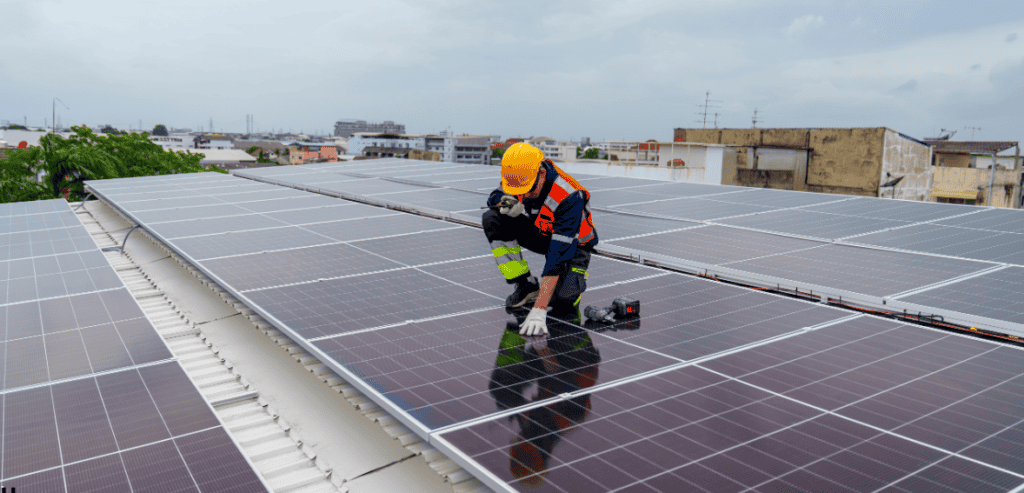
Solar was once considered out of reach for many properties. Not anymore, particularly for larger properties. It can be used to power common areas, lighting, and other things. In the long run, solar can help minimize dependence on the grid while protecting against growing electricity prices. Of course, the cost is still a factor, but so is the reward.
Some systems also incorporate battery storage, which stores excess energy for use during peak hours. That is a long-term play.
Renewable energy is not a quick fix. It is a steady fix.
Smart Technology That Actually Helps
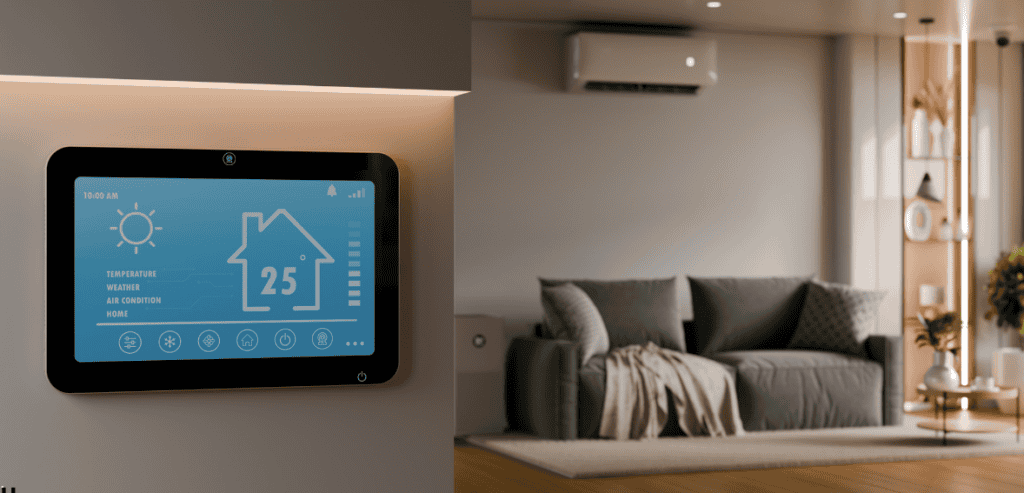
However, smart tech gets a bad reputation when it is overdone, but when done correctly, it really just makes your life easier.
Smart meters show where the energy and water are being used. If there is a spike in use where there shouldn’t be one, it’s immediately apparent. With the right systems in buildings, managers can be alerted when things are not working as well as they should be. It is always cheaper to fix things as soon as they happen rather than later.
The objective is not replacement. The objective is to avoid waste and missed problems.
Better Buildings Keep Tenants Longer
One of the side effects of sustainability upgrades is better living standards. Buildings feel cozier, temperatures are maintained, air quality improves, and sounds are at their lowest.
Tenants do not discuss sustainability, but they certainly discuss how comfortable your property is. And a comfortable tenant is a long-term tenant. Long-term tenants reduce vacancy costs, turnover costs, and advertising costs. You might not always be able to quantify all these cost savings on a spreadsheet, but trust me, it’s real, and it’s valuable.
Property Value and Long-Term Stability
As environmental standards change, inefficient buildings are becoming liabilities. Retrofitting later is usually more expensive than improving gradually over time.
Energy-efficient buildings age better. Investors look at operating costs, not just purchase prices. Lower monthly expenses make a property more attractive long-term.
Sustainability is not about trends. It is about staying competitive.
The Myth That Green Always Costs More
This idea still hangs around, but it does not hold up in practice. Many green upgrades pay for themselves faster than expected. LEDs, insulation, leak fixes, smart controls aren’t luxury changes. The mistake people make is thinking sustainability has to happen all at once, whereas it does not.
One improvement leads to savings, which fund the next improvement. Over time, the property runs better and costs less to operate.
Starting Without Overthinking It
You do not need a full sustainability plan on day one. Start with what is obvious.
Where is energy being wasted?
Where is water being lost?
What breaks too often?
An energy audit helps. So does simply paying attention to monthly bills and patterns.
The Real Truth About Green Property Management
At its core, green property management is not about labels or certifications. It is about running buildings responsibly. Using less, wasting less, fixing problems early. Thinking long term instead of reacting month to month.
That mindset naturally leads to lower costs and lower environmental impact.
Final Thought
At the end of the day, green property management isn’t really about being “green” in the trendy, touchy-feely way that lots of people think it is. It’s about being better at property management, period. Being better means being smarter, being quieter, and being less wasteful. There aren’t big changes, no announcements needed.
A tighter window seal. A leak fixed when it was easy. Lights that turn off when nobody is using them. Materials that lastes longer than the cheap stuff. None of these things, on their own, feels particularly revolutionary. But the accumulation of them makes the place work or at least makes the cost work.
And quite honestly, the people who rent the space feel the same way. They may not discuss ‘sustainability’ or ‘carbon footprint,’ but they sense when a space is comfortable, when the bills go up for no good reason, when things don’t fall apart as easily. There is a sense of trust within those moments, a sense of trust that makes people stay longer.
The environmental part of that debate, to some degree, matters, of course; saving resources is good for the larger picture. But for many people, the actual turning point may be the practical one of spending less, wasting less, and fixing less.
Sustainability, in the real world, is not about perfection. Sustainability is not about making something a few degrees better than before, and then, the next time, making it slightly better still.