
by Rinki Pandey December 9, 2025
Affordable housing property management is one of the most challenging real estate sectors. Not because the work is inherently complex, but because strict compliance, documentation, income rules, and government reporting leave no room for error. A missed verification, outdated income limit, or incorrect subsidy calculation can jeopardize funding, delay payments, or trigger lengthy audits. Thus, HUD compliance software and management systems are more essential than ever.
Recently, technology has become vital for housing authorities, nonprofit operators, and private owners running subsidized, LIHTC, or mixed-income housing. Modern platforms automate compliance processes, centralize documentation for easy access and retrieval, ethically manage waitlists to promote fairness, and enhance the resident experience by reducing administrative burdens all of which increase operational efficiency, improve regulatory compliance, and enhance housing stability for those served.
For a property manager overseeing affordable housing, success means more than collecting rent and resolving maintenance issues. It means staying audit-ready every day, maintaining compliance, and ensuring tenants receive the correct subsidy amounts. With strong systems, you gain predictable operations, greater transparency, and increased efficiency. So even the most organized manager avoids overwhelm by switching to the right digital tools.
The Complexity of Compliance in Affordable Housing Programs
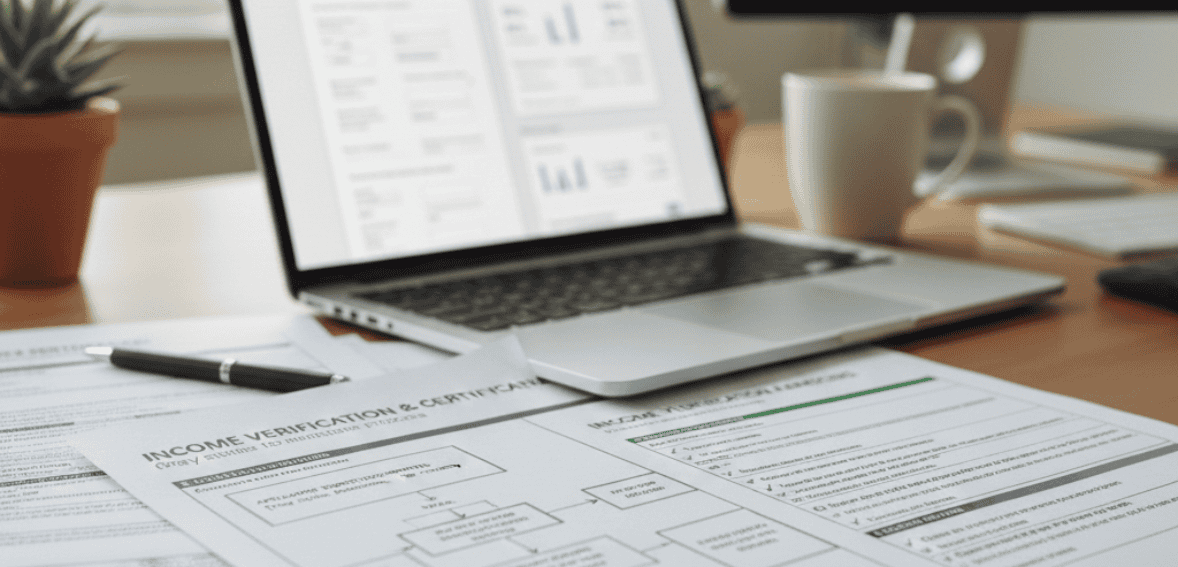
Managing subsidized housing means handling evolving rules and requirements. Each program Section 8, HUD, local vouchers, LIHTC, or state-funded has unique eligibility, documentation, rent calculation, and audit standards.
Unlike market-rate apartments, where a lease and credit check usually suffice, affordable housing requires ongoing verification. Managers must track annual and interim recertifications, verify employment and assets, calculate adjusted income, keep detailed documentation for every decision, and retain all forms. Even a simple update, such as a change in wages or household composition, can trigger a full review and rent recalculation.
The pressure is constant because the stakes are high. If a unit falls out of LIHTC compliance or a Section 8 file lacks required documentation, the financial consequences can be severe. A missed deadline can delay property subsidy payments. A recordkeeping mistake may trigger audit findings that take months to resolve. Even a minor error can make a unit temporarily noncompliant with an outcome no manager wants.
This is why many operators realize that manual tracking paper files, sticky notes, or spreadsheets isn’t sustainable. HUD compliance software turns these obligations into workflows that catch issues early and ensure every step is documented as auditors expect.
How HUD Compliance Software Supports Affordable Housing Property Management
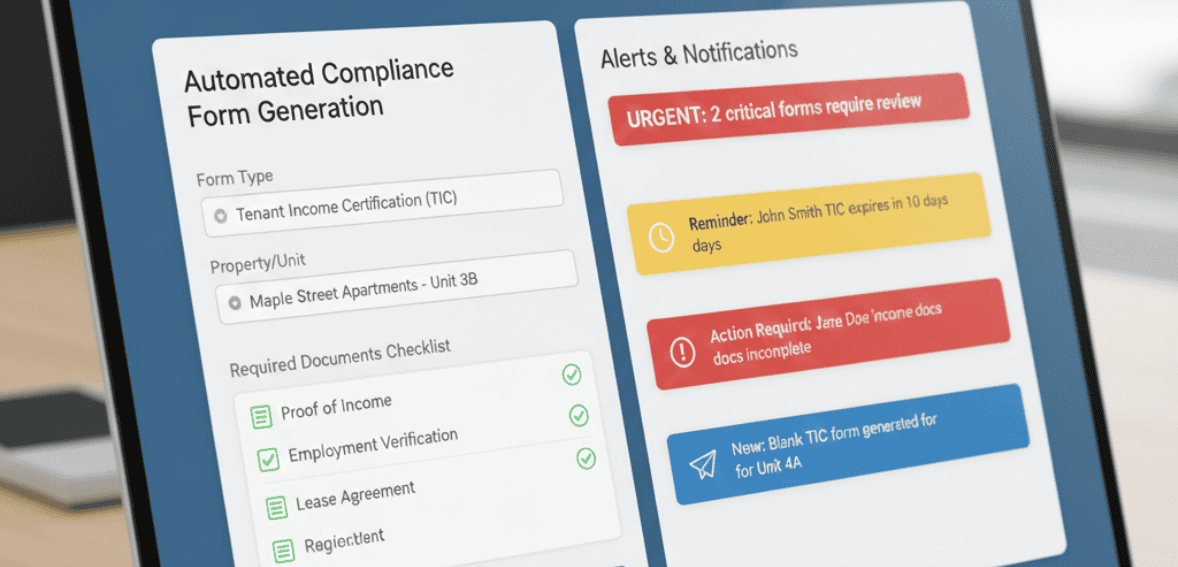
The main reason organizations adopt specialized platforms is clear: managing affordable housing without automation is nearly impossible at scale. HUD compliance software does more than organize information. It guides property managers through every compliance stage with built-in intelligence for subsidized programs.
These tools confirm tenant eligibility, calculate income-based rent by current guidelines, and validate information per agency rules. Many systems include electronic HUD and LIHTC forms that auto-fill with data from the tenant file. Instead of re-typing information, the software pulls from a single, accurate source.
Even better, the software can perform internal checks to flag inconsistencies. For example, it might catch an income value that doesn’t align with household size or a missing asset verification page. When something is out of place, managers know before an auditor does. That proactive advantage is invaluable for risk prevention.
Advanced systems integrate with subsidy agency portals, enabling the automatic generation and uploading of TRACS files to HUD. This saves hours of repetitive work and dramatically reduces manual entry errors.
The best HUD compliance software acts as a digital safety net catching mistakes before they become costly, enforcing program guidelines step by step, and letting housing teams focus on helping residents instead of paperwork.
Managing Affordable Housing Waitlists and Fair Application Processing
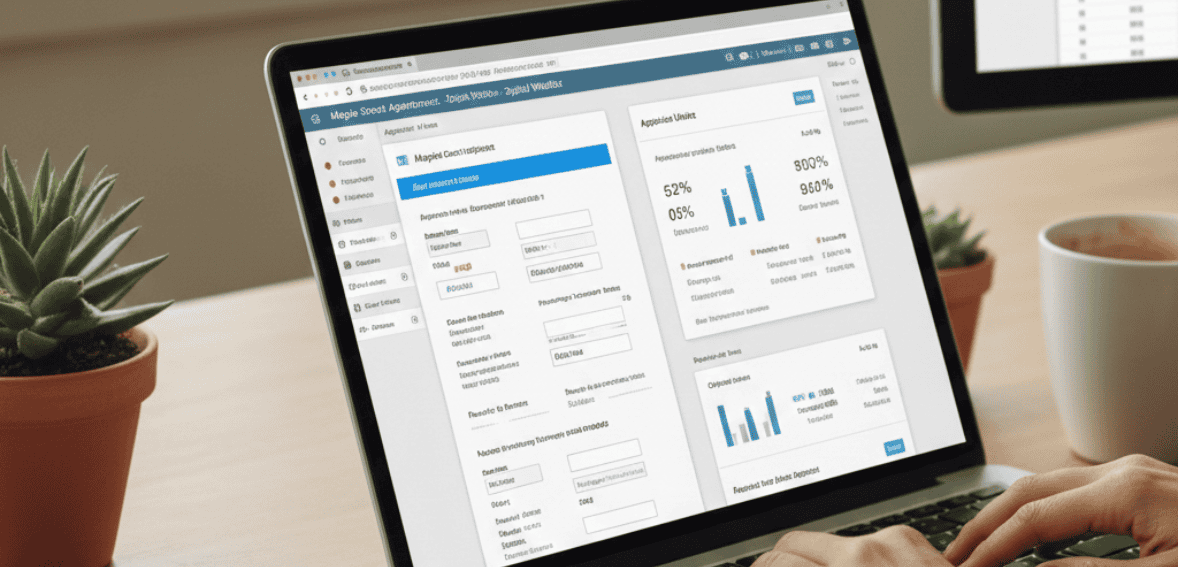
A unique aspect of affordable housing management is handling demand far beyond supply. Many communities have lengthy waitlists. Ensuring fairness, transparency, and proper documentation is critical both ethically and legally.
Manual waitlist management quickly becomes unmanageable. Without precise timestamp tracking or proof of applicant selection, it’s difficult to prove Fair Housing compliance during audits. Even basic questions such as when an applicant joined or why one was chosen over another require clear answers.
Affordable housing property management software includes built-in waitlist management that organizes applicants, timestamps entries, and applies required preferences or local priority rules. For communities supporting veterans, individuals with disabilities, or local workforce set-asides, the software maintains documentation to support every decision.
Messages, applicant updates, document uploads, and eligibility verifications are all recorded in a single digital timeline, providing transparency that manual tools cannot match. When a unit is available, the system identifies the next eligible household and guides them efficiently through onboarding, keeping the process audit-ready.
In affordable housing, waitlist integrity is compliance integrity, and the right software protects both.
Integration With Government Reporting Systems
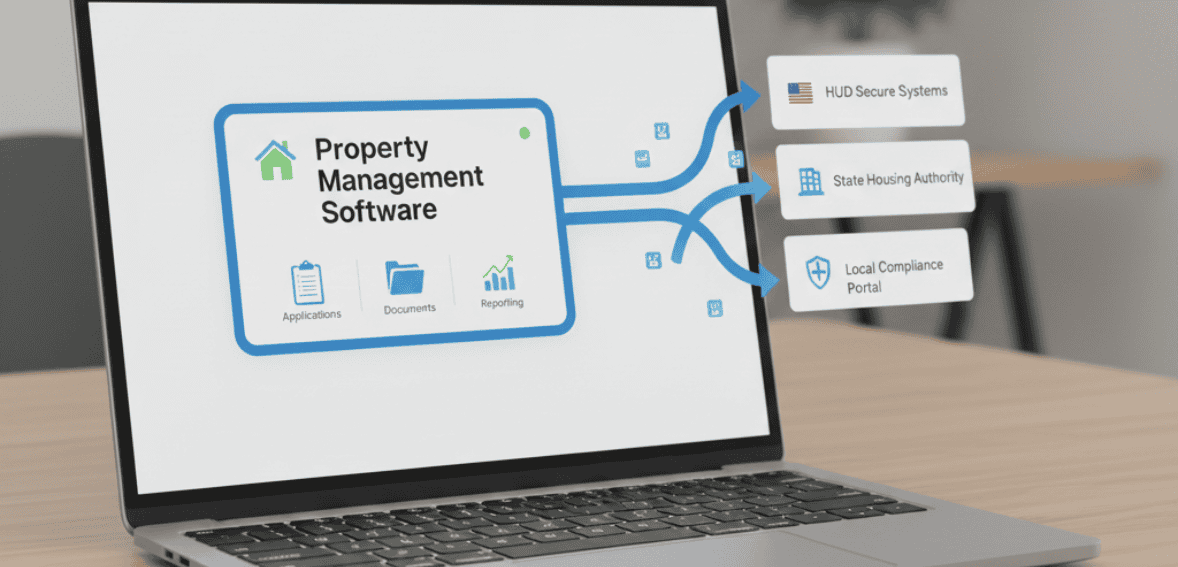
Affordable housing management involves constant coordination with agencies and frequent reporting of detailed financial and tenant data. Traditionally, this meant hours of manual portal entry, during which small mistakes could lead to resubmissions.
HUD compliance software addresses this need. Modern platforms let property managers generate files exactly to agency requirements. With a few clicks, managers submit TRACS files for HUD payments or export LIHTC reports for state housing authorities. Rather than re-entering data, the system compiles information directly from tenant profiles. The level of integration reduces human error, speeds up reporting cycles, strengthens accountability, and ensures consistency across every touchpoint from unit inspections to subsidy billing.
For organizations managing multiple affordable housing communities, these tools are indispensable. Instead of juggling spreadsheets and filing cabinets, everything flows through a single, secure system that tracks and reports portfolio performance with confidence and clarity.
Day to Day Efficiency Beyond Compliance Requirements
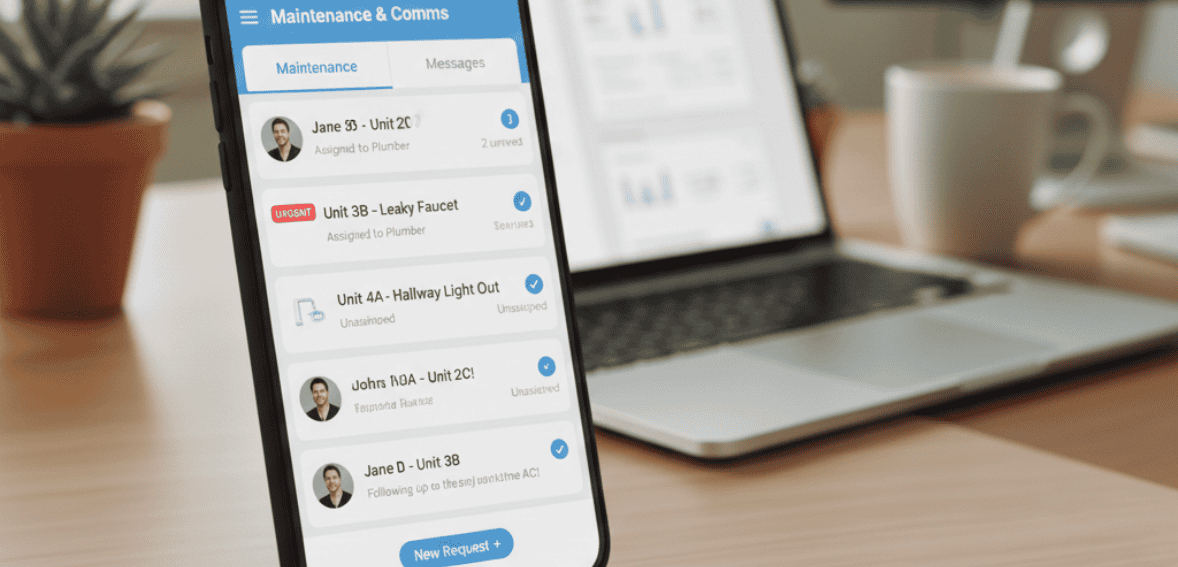
When people think about affordable housing property management, they often picture the compliance paperwork first. But the truth is that daily operations are just as demanding. Work orders still need to be completed, residents still need service, rent must be collected, and building upkeep never stops. If the property team is drowning in manual compliance tasks, everyday responsibilities can easily start slipping.
This is another area where affordable housing property management software proves its value. Instead of juggling separate systems one for maintenance, another for accounting, another for resident communication everything operates under a single, coordinated structure. A maintenance request submitted through a resident portal automatically becomes a work order, assigned to the correct technician, and tracked through completion. A rent adjustment automatically updates the tenant ledger, eliminating the need for manual corrections.
It might sound small, but eliminating dozens of micro-tasks each day changes everything. When software handles routine processes, managers finally have time to build relationships with residents, coach their teams, and focus on preventive maintenance rather than crisis control.
Affordable housing should never feel like a constant emergency. With the right system in place, property managers can shift from reactive to proactive, stabilizing operations and protecting the experience of the people who call these communities home.
Creating Better Resident Experiences Through Organized Systems

Compliance keeps funding secure but resident experience determines whether a community thrives. For families living in affordable housing, stability matters. They want to feel heard, respected, and supported. When maintenance requests disappear into an inbox or paperwork is misplaced, trust deteriorates quickly. But when communication is organized and transparent, residents feel valued.
Affordable housing property management software helps build that trust. A resident portal gives tenants a place to submit questions, track request status, download documents, and receive updates without visiting the office during work hours. People don’t need to repeat information multiple times or feel ignored.
Even something as simple as a follow-up message after work is done can change the tone of a community. Technology doesn’t replace empathy, it empowers it. When managers aren’t overwhelmed by paperwork, they can show up more fully for the people they’re serving.
And in the end, the mission of affordable housing extends beyond rent and regulations. It’s about providing safe, reliable homes and treating residents with dignity. Software becomes a tool that protects the mission rather than diverting attention from it.
Why Integrated Systems Reduce Risk and Protect Audit Readiness
Every affordable housing manager knows the pressure of preparing for an audit. The weeks leading up to it feel like stacking loose papers into a tower and praying they don’t fall. When records live in filing cabinets, personal computers, or dozens of spreadsheets, confidence is fragile at best.
The strength of affordable housing property management software lies in its ability to maintain constant audit readiness. Instead of scrambling once a year, documentation is structured, validated, timestamped, and stored securely in real time. If an auditor requests a file, it takes seconds not hours to retrieve it. Every decision has a transparent record, every note is traceable, and every action is supported by evidence.
The confidence this provides cannot be overstated. When a manager knows their records are organized and compliant, they can lead calmly, support their team, and focus on long-term improvements instead of emergency repairs. The reduction in stress alone makes the software investment worthwhile, even before considering labor savings or operational improvements.
The Financial Impact of Software in Affordable Housing Communities
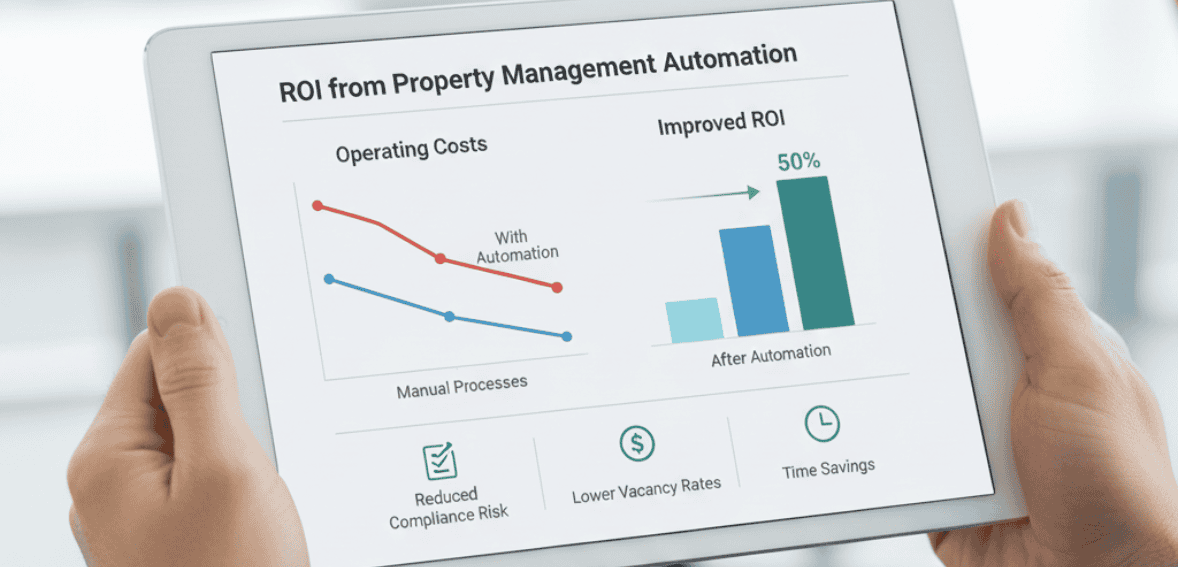
While the mission of affordable housing centers on people and access, these communities must still operate financial structures that are tight, transparent, and efficient. Miscalculations, delayed subsidy submissions, or incorrect resident charges can directly impact revenue.
By automating calculations, generating accurate billing, preventing manual entry errors, and ensuring subsidy requests are submitted on time, software protects the financial stability of entire properties. Improved rent accuracy means fewer disputes. Transparent ledgers minimize misunderstandings. And automated reporting ensures payments flow seamlessly.
This is where technology proves its power. It transforms compliance from a cost center into a performance advantage. Instead of draining time, it enables growth. Instead of causing risk, it prevents it. Instead of overwhelming staff, it supports them.
In an industry where margins are tight and responsibilities are heavy, that difference matters.
Conclusion
Affordable housing property management is one of the most demanding and meaningful areas of real estate. It requires precision, compassion, organization, and deep commitment. But no manager, no matter how talented, should be expected to navigate endless documentation, complex income calculations, government reporting, waitlist fairness, and daily operations without support.
HUD compliance software and affordable housing property management systems create a structure where chaos once lived. They ensure every detail is recorded, every rule is followed, every resident is treated fairly, and every property remains positioned for long-term success.
Technology doesn’t replace the heart behind affordable housing, it protects it.
It frees teams to focus on people rather than paperwork.
It strengthens operations instead of stretching them thin.
And ultimately, it turns compliance from a burden into a system that builds stability, trust, and community.
FAQs
Why is affordable housing property management so complex compared to market-rate housing?
Affordable housing requires strict documentation, ongoing tenant income certifications, subsidy calculations, and compliance reporting to government agencies. Market-rate housing typically involves simpler leasing processes and fewer regulatory deadlines, resulting in a lighter administrative load.
How does HUD compliance software protect against errors and audit risk?
It guides users through required steps, auto-generates accurate forms, validates tenant eligibility, and stores all documentation digitally with timestamps. This prevents oversights and ensures every decision can be verified during an audit.
Can this software improve communication with residents?
Yes. Most platforms include resident portals that allow maintenance requests, document uploads, and automated notifications. This transparency improves satisfaction and reduces misunderstandings.
Is the software difficult to implement or learn?
Modern systems are built to be intuitive and designed for property teams without a technical background. With training and onboarding support, even small organizations adopt the tools quickly and see immediate benefits.
Affordable housing software supports waitlist management and fair housing compliance?
Absolutely. Software tracks timestamped applications, priorities, and selection records to maintain transparent and fair waitlist processing that meets compliance standards.