

Navigating Rent Control and Tenant Protection Laws in 2026
by Rinki Pandey December 31, 2025
The rental housing landscape in the United States is continuing to shift in 2026, shaped by evolving economic pressures, housing shortages, and a renewed focus on tenant stability. For property owners and managers, understanding rent control compliance and tenant protection laws in 2026 is no longer optional; it is essential to operating legally, protecting revenue, and avoiding costly disputes.
Across many states and cities, lawmakers are refining rent stabilization rules, tightening eviction requirements, and expanding tenant protections. These changes directly affect how rents are increased, how leases are enforced, and how tenant relationships are managed. Property managers who rely on outdated assumptions or past practices risk compliance violations, fines, and reputational damage.
This article explores the realities of property management legal updates in 2026, focusing on how rent control policies and tenant protection laws are reshaping everyday operations. Rather than offering surface-level summaries, this guide explains what these laws mean in practice, how they affect decision-making, and how property managers can adapt responsibly.
Understanding Rent Control Compliance in 2026
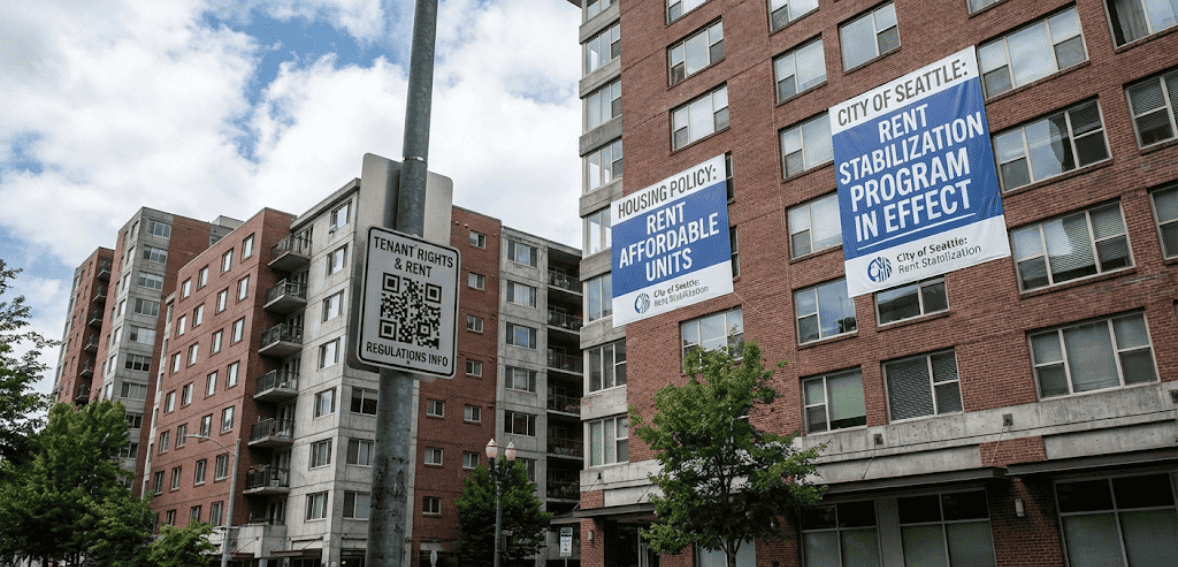
Rent control compliance in 2026 remains highly localized, but its influence is expanding. While there is no single federal rent control law, state and municipal governments continue to enact rent stabilization frameworks that regulate how much and how often rent can be increased.
In practical terms, rent control compliance requires property managers to track permissible increases carefully and apply them consistently. Many jurisdictions now define annual rent caps based on inflation indexes or fixed percentages, meaning landlords must justify increases within strict boundaries. Failure to comply can cause rent rollbacks, tenant refunds, or legal penalties.
What makes rent control compliance more complex in 2026 is enforcement. Tenants are more informed, advocacy groups are more active, and reporting mechanisms are easier to access. This environment demands precise documentation, transparent communication, and proactive compliance strategies rather than reactive fixes.
Also read: Regulatory Compliance: Service and ESA Verification in Residential Settings
The Expansion of Tenant Protection Laws in 2026

Tenant protection laws in 2026 go beyond rent amounts. They increasingly address housing stability, fairness, and due process. Legislators are focusing on protecting tenants from sudden displacement, unfair treatment, and opaque lease practices.
One major trend is increased notice requirements. Many jurisdictions now require longer notice periods for rent increases, lease terminations, or non-renewals. These extended timelines give tenants more opportunity to plan, but also require property managers to forecast decisions further in advance.
Another shift involves enhanced anti-retaliation protections. Actions such as raising rent or issuing notices after a tenant files a complaint can now trigger heightened scrutiny. Property managers must be able to demonstrate legitimate, documented reasons for decisions that affect tenancy.
Rent Increase Limits and What They Mean for Property Managers

Rent increase limits in 2026 are a central concern for anyone managing rental properties. These limits are often expressed as a percentage cap per year, sometimes tied to consumer price indexes or regional economic indicators.
From an operational standpoint, rent increase limits require accurate tracking of tenancy timelines, prior increases, and exemption status. Some properties, such as newly constructed units or owner-occupied buildings, may be exempt under certain laws but exemptions often come with conditions and documentation requirements.
Property managers must also understand that applying a legal rent increase incorrectly can invalidate the entire increase. Even small calculation errors can lead to disputes, forcing refunds or regulatory intervention. As a result, rent increase planning must be deliberate, well-documented, and communicated clearly to tenants.
Just Cause Eviction Laws and Changing Enforcement Standards
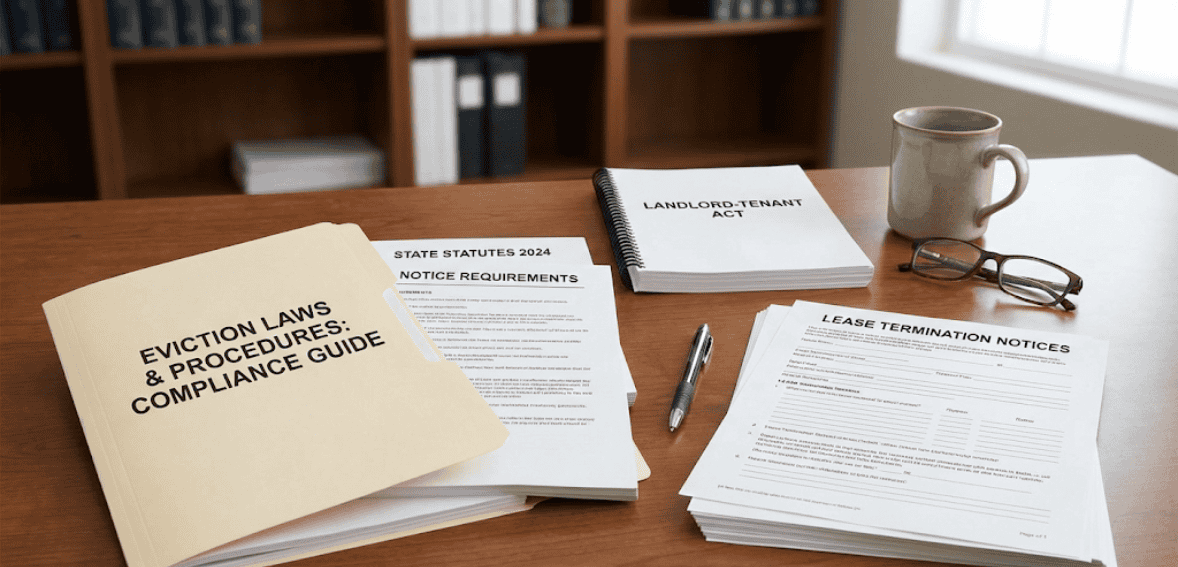
Just cause eviction laws are another defining feature of tenant protection laws in 2026. These laws limit the circumstances under which a tenant can be removed from a property, even after a lease expires.
Under just cause eviction frameworks, landlords must provide legally acceptable reasons for termination, such as nonpayment, lease violations, or owner move-in scenarios. In many areas, these reasons must be supported by evidence and accompanied by specific notice formats and timelines.
For property managers, just cause eviction laws require a shift in mindset. Eviction is no longer a routine administrative action; it is a regulated legal process with heightened oversight. Improper handling can lead to dismissed cases, financial penalties, or restrictions on future rent increases.
Eviction Moratorium Updates and Residual Impacts
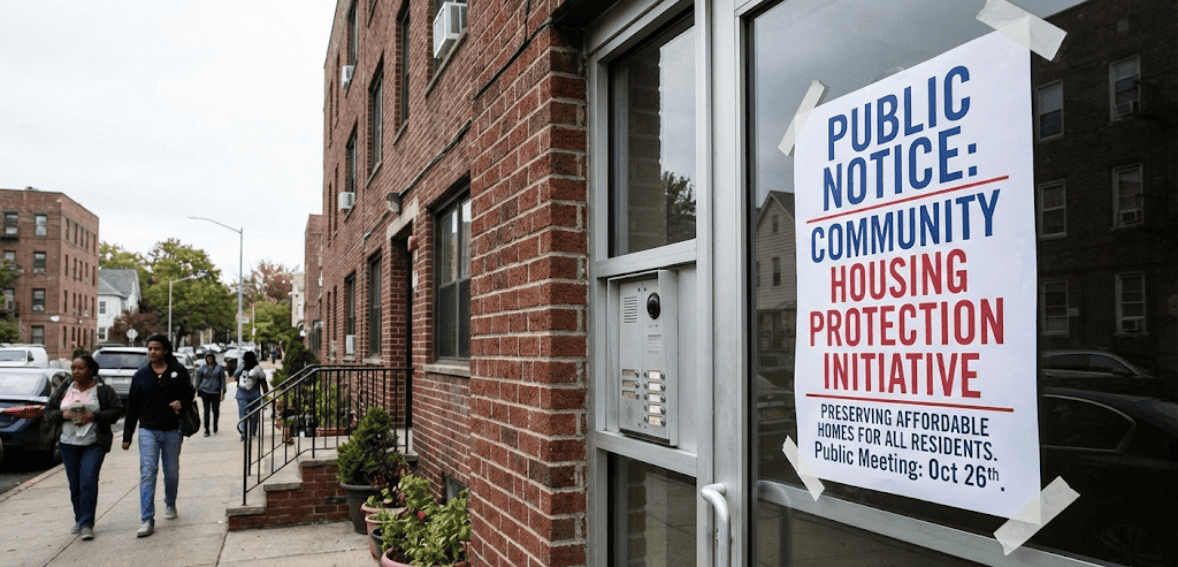
Although emergency eviction moratoriums introduced in prior years have largely expired, eviction moratorium updates still influence housing policy in 2026. Some states and cities maintain conditional protections tied to economic hardship, public health considerations, or extreme weather events.
These residual moratorium frameworks mean that eviction eligibility can change quickly based on local declarations or emergency orders. Property managers must stay informed and flexible, adjusting enforcement strategies as conditions evolve.
The key operational takeaway is preparedness. Managers should have clear internal procedures for monitoring moratorium updates and communicating changes to owners and tenants without escalating conflict.
New Landlord-Tenant Laws Affecting Daily Operations

New landlord-tenant laws in 2026 increasingly focus on transparency, equity, and procedural fairness. These laws often regulate application screening, fee disclosures, and lease language clarity.
For property managers, compliance extends beyond rent and eviction. It includes ensuring that policies are applied consistently across tenants, documentation is accessible, and communication is free from ambiguity. Even well-intentioned practices can violate updated laws if they lack standardized processes.
Staying compliant means reviewing lease templates, notice forms, and internal workflows regularly to align with current legal standards.
The Role of Documentation and Policy Consistency
Across all rent control compliance and tenant protection laws in 2026, one theme is consistent: documentation matters. Regulators and courts increasingly rely on written records to determine compliance and intent.
Property managers who maintain clear records of rent calculations, notices, tenant communications, and policy enforcement are better positioned to resolve disputes efficiently. Consistency in applying rules across properties and tenants is equally critical, as selective enforcement can raise legal red flags.
Adapting Property Management Operations for Legal Compliance
As rent control compliance and tenant protection laws in 2026 grow more complex, property managers can no longer rely on informal processes or memory-based decision-making. Compliance today is operational, not just legal. Every rent adjustment, lease action, and tenant communication must be supported by systems and workflows that reduce human error.
This means property management teams must plan further ahead. Rent increases need to be scheduled months in advance to meet notice requirements. Lease renewals and non-renewals must be evaluated carefully to ensure they align with just cause eviction laws where applicable. Reactive management increases risk; proactive planning reduces it.
Successful operators in 2026 treat compliance as part of daily operations rather than a once-a-year legal review.
Financial Planning Under Rent Control Constraints
Rent control compliance directly affects revenue forecasting. In markets with strict rent increase limits, property managers must rethink how income growth is achieved. Instead of relying on aggressive rent hikes, profitability increasingly depends on reducing vacancy, improving retention, and managing operating costs efficiently.
Budgeting under rent control requires realistic assumptions. Property owners must understand that annual revenue growth may be capped by law, even as expenses such as insurance, utilities, and maintenance continue to rise. Transparent communication with owners is critical to avoid unrealistic expectations.
Smart financial planning in 2026 focuses on long-term stability rather than short-term rent optimization.
Reducing Legal Risk Through Proactive Tenant Communication
The 2026 tenant protection laws emphasize fairness and transparency. How information is communicated can be as important as what actions are taken. Clear, written explanations of rent increases, policy changes, or lease decisions help prevent misunderstandings before they escalate into disputes.
Property managers who explain legal requirements calmly and consistently often experience fewer conflicts. When tenants understand that decisions are law-driven rather than arbitrary, trust improves even in difficult situations like rent increases or lease terminations.
Proactive communication is not just good customer service; it is a legal risk management strategy.
Managing Owner Expectations in a Regulated Environment
One of the most challenging aspects of rent control compliance is managing property owner expectations. Many owners are unfamiliar with evolving tenant protection laws and may expect unrestricted control over rent and occupancy decisions.
In 2026, property managers play a critical advisory role. Owners must be educated about rent increase limits, just cause eviction rules, and notice requirements before decisions are made. When owners understand the legal landscape, they are more likely to support compliant strategies.
Clear reporting, documented guidance, and consistent messaging help align owners with lawful operations.
Handling Disputes and Enforcement Actions Effectively
Despite best efforts, disputes may still arise. Tenant protection laws in 2026 give tenants expanded avenues for complaints and enforcement. Property managers must respond calmly, professionally, and with documentation.
The goal in dispute resolution is not simply to “win,” but to demonstrate compliance. Well-organized records, consistent policy enforcement, and clear timelines often resolve disputes before they reach formal hearings.
When enforcement actions occur, cooperation and transparency typically lead to better outcomes than defensiveness or delay.
Staying Ahead of Property Management Legal Updates

One of 2026’s defining challenges is the pace of legal change. Rent control compliance and tenant protection laws continue to evolve locally, sometimes with little notice.
Property managers must develop habits of ongoing education. Regular policy reviews, staff training, and legal updates are essential. Waiting until a violation occurs is no longer acceptable in a regulatory environment that prioritizes tenant protections.
Staying informed is not optional; it is a core management responsibility.
Balancing Compliance With Business Sustainability
While tenant protection laws in 2026 aim to promote housing stability, property managers must still ensure operational sustainability. Compliance does not mean sacrificing professionalism, efficiency, or financial health.
Well-managed properties that follow the law, communicate clearly, and plan strategically continue to thrive even in regulated markets. The key is adapting business models to reflect modern legal realities rather than resisting them.
Compliance and success are not opposites; they are increasingly connected.
Conclusion
Navigating rent control compliance and tenant protection laws in 2026 requires more than basic legal awareness. It demands structured operations, thoughtful communication, disciplined documentation, and long-term planning.
Property managers who embrace these changes position themselves as trusted professionals, not only protecting owners from risk but also creating stable, legally sound housing environments. As regulations continue to evolve, adaptability and professionalism will define success.
In 2026, compliance is not just about following rules it is about managing responsibly in a changing world.
FAQs
How often do rent control laws change?
Rent control laws can change annually or even more frequently locally. Property managers should monitor updates regularly and adjust policies as needed.
Can I raise rent if my costs increase?
Only if the increase falls within legal limits. Rising expenses alone do not override rent control compliance requirements.
Are all properties subject to rent control?
No. Some properties may be exempt, but exemptions vary by jurisdiction and often require documentation and disclosures.
What if I violate tenant protection laws?
Violations can cause fines, forced refunds, legal action, or restrictions on future rent increases.
Do tenant protection laws apply to lease renewals?
In many areas, yes. Just cause eviction and notice rules often apply even when leases expire.