

Office-to-Residential Conversions: The Property Manager’s Operational Transition Checklist
by Rinki Pandey March 25, 2026
Major market areas are undergoing rapid transformation in their urban real estate strategies amid advancing office-to-residential conversions. Property managers handle complex operational shifts because office vacancies rise while housing demand increases. The redevelopment projects have become essential to property management, which uses adaptive reuse techniques in its core operations.
Current industry research shows that office space conversions and demolitions now exceed new office construction, indicating a permanent change in property use patterns. The challenge for property managers extends beyond the construction phase.
Office-to-residential conversion operations require a fundamentally different management approach than traditional commercial properties. The introduction of a transition plan helps organizations gain control over their operational processes, such as risk management and compliance activities.
The guide presents property managers with an extensive checklist for their office-to-residential conversion projects. This contains requirements for building systems, transition checklists, procedures for conversion lease-up operations, and ongoing management activities.
Property managers who implement an operational framework achieve lower risks and faster lease-up results while maintaining their assets’ performance throughout their entire life cycle.
Understanding the Operational Shift in Office-to-Residential Conversions
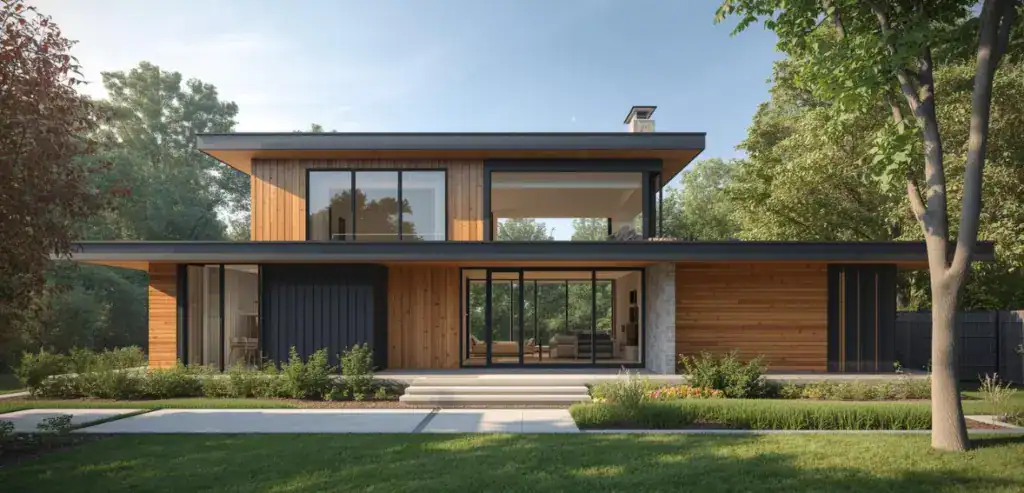
Changing the type of property being operated is a major shift in how properties are run. Office structures do not engage with tenants on an ongoing basis, nor do they provide continuous service options in these types of properties. Understanding how operations differ by occupancy helps adaptive reuse property managers plan well in advance for the adaptive reuse transformation.
Additionally, forward-thinking property managers prioritize long-term operational efficiencies over short-term financial savings when making decisions. The most obvious example is that office hours are fixed, whereas residential properties require support and security 24/7. This results in substantially more frequent needs for maintenance personnel and service workflows to engage tenants day to day.
Adaptive reuse properties must be operated in compliance with the local building and residential codes, which differ from commercial standards. Consequently, all systems and procedures need to be developed in accordance with the residential compliance framework to facilitate that compliance for adaptive reuse properties.
Evaluating Building Infrastructure Before Office-to-Residential Conversion
Before making operational changes, property managers should fully evaluate whether the building is suitable for conversion based on its infrastructure. Office buildings were not originally designed for residential use. They can present challenges that need to be addressed as part of the transition.
Key areas to consider when evaluating a building’s infrastructure include plumbing, electrical, HVAC configuration, and vertical transportation. Often, a tremendous amount of additional plumbing is required in kitchen and bathroom areas compared to office buildings.
Electrical systems need to be modified to meet the higher load and metering requirements of each residential unit. The residential tenants expect separate utility bills and an uninterrupted power supply. Hence, avoiding the operational practices related to the conversion of the building after it is completed.
Developing a Building Systems Transition Checklist for Residential Use
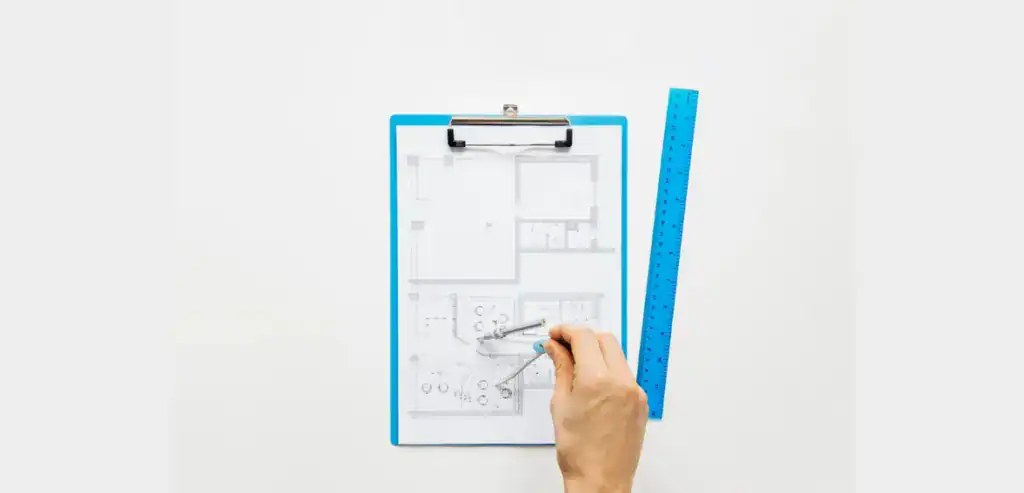
The process of changing building systems stands as the most important element in office-to-residential conversions. The checklist for building the systems transition process must follow the structured guidelines to ensure that all operational requirements are met.
- Conversion of centralized HVAC systems into unit-level or zoned configurations.
- Installation of residential-grade plumbing systems for kitchens and bathrooms.
- Implementation of individual utility metering systems.
- Residential fire safety system upgrades to meet occupancy regulation requirements.
- Integration of access control systems suitable for residential security needs.
Before occupants move in, all systems need to undergo testing, which simulates their expected residential use. Office systems are often designed for intermittent use, while residential systems operate continuously. The difference between these two systems creates performance problems that require proactive solutions.
Property managers need to work together with engineering teams throughout this process. The documentation process creates clear guidelines that enable configurations after the office-to-residential conversion while delivering dependable system performance over time.
Navigating Compliance and Regulatory Requirements for Residential Occupancy
One of the most important considerations is the conversion from office to residential use. Property managers navigate a complex environment of building codes, zoning laws, and safety requirements that differ greatly from those of commercial buildings. The requirements for residential occupancy place more stringent demands on fire safety, egress, ventilation, and accessibility than those for office use.
Therefore, property managers need to ensure that all changes to the building comply with local and federal regulations. Failing to comply can result in delays to the occupancy process, as well as fines or legal issues.
Property managers of adaptive reuse properties often have to coordinate the activities of multiple government agencies involved in the approval process. These include, but are not limited to: the city planning department, the fire department or fire marshal, and the housing authority.
Additional considerations include environmental issues. Research has shown the sustainability benefits of conversions, especially in reducing lifecycle carbon emissions.
Designing Effective Conversion Lease-Up Operations Strategies
The project enters its next phase after construction and compliance work are fully completed. The property reaches financial success when this phase determines how fast it reaches its full occupancy. Apartment leasing requires more tenants and thus more advertising efforts than office space leasing.
The best property-leasing strategies during the lease-up period include the following:
- Pre-leasing of units before construction ends.
- The use of digital marketing methods together with online leasing systems.
- Staff members should develop flexible lease terms that attract different types of tenants.
- The company offers moving incentives, including rent discounts and move-in bonuses.
Leasing agents need training in residential sales techniques to distinguish them from commercial leasing processes, which require longer negotiation times. The property owners who start their phase planning before their competitors establish an advantage in highly competitive multi-family housing markets.
Transitioning Security and Access Control Systems Effectively
Transitioning from office-to-residential conversion brings with it a unique set of security requirements, depending on how each category uses a particular building. Systems in commercial buildings are typically centralized, whereas residential properties are intended to provide residents with an individualized yet secure way to access their units.
To achieve this, property managers must implement an access control system that will enhance resident privacy and convenience. Security protocols must also account for the fact that residential buildings usually have 24/7 occupancy. Therefore, unlike commercial buildings, residential buildings require continuous monitoring while hiring a security force or integrating a CCTV surveillance system.
Emergency response protocols must be revised to reflect occupancy patterns in residential buildings rather than in commercial buildings. Implementing a comprehensive security transition relies on well-planned execution, maintaining safety as a resident, and building trust with tenants, ultimately adding value to the property itself.
Adapting Maintenance and Facility Management Operations
The office-to-residential conversion creates fundamentally different maintenance operations compared to office-only buildings. Unlike offices, many people stay in residential units for long periods of time, which can cause significant wear-and-tear on those spaces, or due to varied and unknown usage, the probability of wear-and-tear is much greater.
In addition, property managers must have proactive maintenance schedules tailored to the unique systems found in residential properties, including regular inspections of plumbing, heating/air conditioning (HVAC), and electrical systems. A quick response to maintenance requests is very important in keeping tenants happy.
Finally, maintenance teams must be trained to handle the unique issues of residential properties. This includes repairing appliances, maintaining systems in-unit, and responding to tenant service requests. This is different from an office, where maintenance is generally centralized.
Facility Management must also take into account common areas where tenants use or share amenities, such as gyms, lounges, and other common areas. Each of these areas needs to be maintained on an ongoing basis, as their performance expectations will vary with tenant use.
By effectively managing maintenance, property managers can enhance long-term asset performance and limit operational disruptions.
Managing Financial and Operational Performance Post-Conversion
The process of financial management becomes more complicated as office-to-residential conversions reach completion. This transition from permanent commercial lease agreements to temporary residential contracts leads to more frequent tenant turnover.
Property managers require systems that enable them to collect rent, track expenses, and generate financial reports. Compared to office properties, residential properties require billing more often and require property managers to contact tenants more frequently.
The business will experience rising operational expenses due to increased maintenance work and the need for additional staff. To achieve profitability, property managers need to control expenses while managing their rental revenue.
The organization needs to embed its performance metrics into its operations. By monitoring their financial data and operational metrics, property managers enhance their returns while maintaining sustainable asset management practices.
Leveraging Technology to Streamline Office-to-Residential Conversion Operations
Technological solutions enable office-to-residential conversion management, meeting operational requirements for running successful leasing operations. A property management software system enables management staff to manage all operational functions from a single database.
The system manages rent payments, collects rents, maintenance requests, and provides reporting to assist with management decision-making. The system uses automation for administrative purposes, enabling facility managers to streamline operational accuracy. Smart building technologies improve residents’ overall property experience.
Hence, by combining digital marketing platforms and virtual tours, office-to-residential conversion management companies can communicate more effectively with prospective tenants.
Addressing Sustainability and Long-Term Asset Value Considerations
Office-to-residential conversion space is a primary concern for sustainability. Adaptive reuse of a building protects its environmental benefits and is superior to constructing new space.
Generally, reusing a building results in lower carbon emissions over its life than constructing a new one from scratch. Property managers should therefore install their lighting and HVAC systems, providing adequate insulation efficiency standards.
Sustainability can increase the property owner’s value and attract tenants with similar sustainability interests. Additionally, improving energy efficiency through new technologies results in higher rents and lower operating costs. Implementing these methods enables property managers to meet current market requirements while increasing future returns on investment.
Avoiding Common Operational Pitfalls in Conversion Projects
The office-to-residential conversion poses multiple challenges, as it requires precise execution to avoid major operational difficulties. The property manager prevents costly errors by identifying frequent mistakes made during management operations. Property managers face three common pitfalls during building transitions:
- Underestimating the complexity of the transition checklist for the building systems.
- Failing to adjust the property’s staffing model to support the new residential operations.
- Delaying the implementation of marketing efforts during the property’s resident lease-up period.
- Not complying with applicable regulations during the management of the adaptive reuse property.
- Failure to consider tenant experience during the early stages of the property’s operation.
To prevent these issues, property managers must implement their duties through persistent active monitoring. The office-to-residential conversion requires continuous management as it extends beyond a single conversion project. Property managers can detect problems through property inspections and fix them before they escalate into critical situations. Therefore, improving operational efficiency through effective issue resolution leads to successful property conversions.
Conclusion
The real estate market is changing rapidly due to the conversion of office buildings to residential use. These conversions represent new opportunities for building owners, property managers, and the commercial property management industry as a whole. As long as they are executed, the new residential use of the property focuses on the construction phase.
Property managers are challenged by the complexities of transitioning an office building into a residential property. Utilizing a comprehensive transition checklist for building systems, an effective lease-up plan, and generating revenue support the new residential use of the building.
Implementing tools to streamline management processes will support the tenant experience and increase operating income. Furthermore, property managers will need to avoid common mistakes that delay the conversion and create additional operational risk.
In conclusion, office-to-residential conversion requires a holistic and comprehensive view of the operation and transition. This helps the property managers to adopt a structured transition list to position their assets for long-term success in this real estate market.
FAQs
1. In property management, what is an office-to-residential conversion?
An office-to-residential conversion is a change in use of the property from a commercial office to a residential property through architectural modifications. Property managers oversee the overall operation of the property, leasing, ongoing maintenance, and compliance.
2. What components should be included in your building systems transition checklist?
The building systems transition checklist includes all upgrades for the HVAC, plumbing, electrical, fire safety, and all modifications to accommodate residential occupancy.
3. How are conversion lease-up operations different from office lease transactions?
Conversion lease-up operations will generally use a great deal of marketing to attract prospective tenants for the property. They will have more lease-up time than traditional offices and involve fewer corporate tenants for longer periods.
4. Why is adaptive reuse property management critical for conversions?
Adaptive reuse property management supports proper conversion processes and enables effective building conversions. This process reduces the overall ecological impact of buildings and provides new ways to create opportunities for residential space.
5. What types of obstacles are typically found in office-to-residential conversion operations?
Many obstacles may be encountered throughout the process, including obtaining all necessary approvals and meeting all regulatory expectations. It also includes modernizing outdated infrastructure, adjusting existing staff, managing lengthy delays, and providing a consistent tenant experience during the initial operational period.