

by Christopher Hayes June 10, 2026
Most landlords are very lax about parking, lease management, and storage spaces, but are very insistent about what happens with lease agreements and apartment payments. This is a bad practice. Parking and storage spaces can generate significant additional income if managed correctly. The traditional agreements usually put parking spaces under a “handshake agreement” and write it down on a “sticky note,” leaving a lot of income uncollected and causing disputes.
Owner reports quickly become guesswork. This guide offers a professional method for parking space management, taking you step by step and teaching you how to make the agreements more formal and ways to collect and track the additional income your portfolio can earn.
Why Parking and Storage Add-Ons Deserve Their Own Workflow
Property management focuses heavily on lease compliance and monitoring security deposits. Other offerings, such as parking, storage, and garage add-ons, are very different and proprietary. Their pricing, renewals, and disputes are outside the standard lease agreements.
For example, a client’s parking space can actually be occupied by a subtenant, a new roommate, or even a neighbor across the hall if they want. This typically won’t be seen in a security deposit. It doesn’t mean a lease violation has occurred. You will see this when a tenant comes to you and complains that someone is in their spot.
Being able to treat parking and storage as individual business processes, rather than just lease line items, is what differentiates management from reacting to crises.
Documenting Parking as a Separate Addendum

One of the most consequential decisions in parking lease management is whether to bundle parking into the base lease or include it in a separate addendum. Both approaches are legally valid in most US states, but they carry very different operational consequences.
Simplifying the front-end with bundled parking comes with a trade-off: inflexibility down the line. A bundled lease means you cannot alter parking fees without renegotiating the lease. If a tenant suddenly wants to give up their parking space for any reason, completely unbundling the lease to allow for this can be a hassle. When parking is bundled, it becomes even more difficult to isolate parking revenue to assess annual net operating income, which is important for evaluating a property’s income potential.
Offering parking and/or storage as an individual addendum provides a lot more flexibility. This addendum outlines the specific parking space and/or storage unit, the monthly parking/storage fee, the due date, the length of time the fee is payable, and the specific terms for early termination of the addendum as well as the permitted uses of the space/unit (e.g., no vehicle repairs, no subletting, no hazardous materials).
This parking/storage addendum is signed with the lease but is independent of the lease for renewal and fees. This means you can incorporate flexible parking pricing while keeping the base rent the same, which in turn provides an accurate rent pricing strategy.
For portfolios with multiple property types — surface lots, structured garages, covered carports, and interior storage units — each category should have its own addendum template. The legal language for a ground-floor storage unit is materially different from a gated parking stall in a secured garage.
Handling Disputes When a Space Is Used by the Wrong Tenant
Unauthorized space usage is one of the most common and most frustrating problems in multi-unit residential parking. It typically falls into one of three patterns: a tenant using a space that was never assigned to them, a tenant allowing a guest or subtenant to park in their assigned space, or a previous tenant failing to fully vacate a storage unit after move-out.
Documents are the starting place for all paths to resolution, as each framework has its own resolution template. If a signed addendum doesn’t exist, you are trying to negotiate without any power. This explains the addendum-first approach before a dispute arises.
If an incorrect tenant is occupying space, first check the assignment in your records, then serve a written notice (not a phone call) to the violating tenant. In the written notice, cite the violation and provide a deadline to remedy the notice. Avoid threatening to terminate the lease on the first notice, unless your lease requires it, as most tenants will remedy an unauthorized lease violation once they realize it is documented.
For disputes involving a storage unit, your move-out inspection checklist should include a storage unit check. Take a photo of the unit before and after the inspection. If a storage unit is not empty after the lease end date, you must follow your state’s abandoned property procedures. There is no remedy for a missed step in this procedure, even when the tenant is clearly in the wrong.
If parking disputes become a pattern at a specific property, that’s a signal to revisit your signage, your tenant onboarding process, or both. Tenants who aren’t clearly shown their assigned space at move-in are far more likely to park in the wrong spot simply out of confusion.
Tracking Add-On Revenue Separately for Owner Reporting and Vacancy Analysis
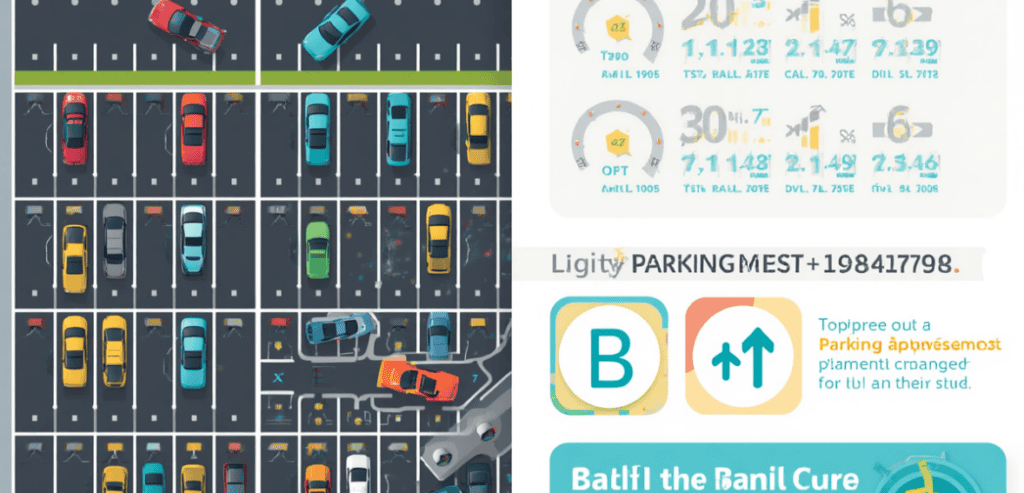
Here’s where parking lease management connects directly to portfolio performance. If parking and storage fees are lumped into a single “rent” line item, you lose the ability to understand your actual vacancy exposure and your true ancillary income potential.
This is a 40-unit building with 30 rental parking spaces at $125/month. The potential monthly revenue for the parking spaces is $3,750. If five spaces are occupied, sold, or rented informally without contracts, there is a $625/month loss. If that money is lost due to occupancy, you would most likely not be aware of the revenue potential or loss, since it would be pooled with other income.
For your parking, garage, and storage room income, separate line items will be needed in your property management system. A separate line item is needed for each type of income and addendum. A monthly reconciliation should be performed to match every signed addendum and to verify fees collected. An item will be considered a revenue leak, a reconciliation discrepancy, or a documentation discrepancy if it has missing or unsigned addenda.
For owner reports, separating this income and analyzing the data shows that the base rent is at 96% occupancy, while parking is at only 78% occupancy. It explains how pricing for parking is at the optimal price, or there is potential demand for a parking space price increase.
While parking revenue may need to be addressed, revenue from storage and other amenities would help fund construction to expand those amenities.
Software and Tools for Parking Lease Management
AppFolio Property Manager
AppFolio enables property managers to create distinct charge codes for parking and storage fees and track them separately. They can also incorporate parking and storage fees as separate line items in owner statements. With the lease addendum workflows, users can attach custom documents to the base lease. This makes addendum-first workflows easy to implement. AppFolio provides a customizable view of the charge codes for each property in the management portfolio.
Buildium
Buildium offers recurring charges to track ancillary fees. Parking and storage fees can be assigned at the unit and tenant level. Fees can be set up with unique billing cycles and separate reporting. Owner reports can be customized to show ancillary income. For portfolios that prioritize transparency to owners, Buildium should be considered for its reporting flexibility. More information about recurring charges and reports is available on Buildium’s features page.
Propertyware
Propertyware suits operators of single-family rentals, small portfolios, and properties with dedicated garages or separate storage units. Propertyware’s custom field feature lets managers label each unit, making it easier to identify available parking and storage and match them appropriately. Propertyware’s property management software page also highlights the platform’s flexibility and extensibility of its features.
Creating Consistent Tools for Parking Lease Management
The single best way to prevent parking and storage disputes — and revenue gaps — is a consistent move-in process that applies the same rigor to add-on amenities as to the lease itself.
During move-in, escort each tenant to their designated parking space and storage unit. While there, verify the space number or unit ID against what’s on the signed addendum. Additionally, take a photo of the tenant next to the unit sign as part of the move-in documentation. This only takes two minutes, and helps avoid a large amount of confusion and disputes over documentation later.
Include a parking and storage policy in the tenant’s move-in packet. This should explain guest parking rules, loss of access cards and remotes, how to give up their unit, and who to contact regarding a parking issue. Tenants that know the rules are far less likely to cause issues.
Conclusion
A good rental portfolio does not treat parking spaces, garages, and storage units as unimportant things. If managed properly, they can generate income, create tenant disputes and generate additional tenant contacts, and serve as a performance indicator. Good parking lease management starts with documentation. Develop a clear tracking system that prevents revenue gaps, a separate file for each add-on, and clear allocation of each space. Make the process consistent for owners and develop a disciplined reporting system. What used to be a problem is now a competitive advantage.
Frequently Asked Questions
Can a landlord charge separately for parking in addition to rent?
Yes, in most US states, landlords can charge a separate parking fee as long as it is clearly disclosed in a written agreement. It is best practice to document this in a separate parking addendum rather than burying it in the base lease.
What happens if a tenant parks in the wrong space?
Issue a written notice identifying the violation with a clear deadline to correct it. Your ability to act quickly depends entirely on having a signed addendum that confirms the correct space assignment. Without that documentation, resolving the dispute becomes significantly harder.
Should parking fees be included in the security deposit calculation?
This depends on your state’s security deposit laws. In many states, the security deposit cap is calculated as a multiple of monthly rent. If parking is a separate line item, it may or may not be included in that calculation. Consult a local real estate attorney to confirm how your state treats ancillary fees in deposit calculations.
How often should parking and storage rates be reviewed?
At minimum, review ancillary rates annually at lease renewal. In high-demand urban markets, parking rates can shift significantly year over year. Tracking your parking vacancy rate month to month will tell you whether your pricing is aligned with local demand.