
by Rinki Pandey January 20, 2026
Sustainable property management is no longer a niche idea reserved for luxury buildings or eco-obsessed owners. In 2026, it has become a very real part of running properties in a smart, practical way. And no, this is not just about saving the planet or looking good on marketing brochures. This is about money, efficiency, long-term value, and survival in a changing market.
Property managers today are under pressure from all sides. Owners want better returns. Tenants want lower utility bills and healthier living spaces. Governments want compliance with environmental rules. And maintenance costs keep going up. Sustainable property management sits right in the middle of all this. When done right, it helps reduce costs, increase tenant satisfaction, and preserve the property’s value over time.
The biggest misunderstanding is that sustainable property management is expensive and only makes sense for big buildings. That idea is outdated. In 2026, sustainability is not just about fancy systems. It is about smarter decisions, better planning, and using resources in a way that makes financial sense. Green buildings today are often more profitable than traditional ones, not less.
This article won’t lecture you or use fancy sustainability buzzwords. We are going to talk like real property managers talk. About bills, repairs, tenant complaints, and owner expectations. We will look at how sustainable property management actually works on the ground and why it has become one of the strongest strategies for profitable property management going forward.
Sustainable Property Management Starts With Smarter Building Operations
Sustainable property management begins with how a building is operated every single day. Not with big promises, but with small decisions that add up over time. Lighting schedules, water usage, maintenance routines, and equipment choices all play a role here.
In many properties, energy is wasted simply because systems are outdated or poorly managed. Lights stay on when no one is around. Heating and cooling systems run longer than needed. Water leaks go unnoticed until the bill arrives. Sustainable property management focuses on tightening these gaps.
Energy efficiency is one of the biggest wins here. When buildings use energy more efficiently, operating costs go down. That is not a theory. That is math. Lower utility bills mean higher net income for owners. This is why green buildings are becoming more attractive from a business perspective.
Another part of smarter operations is preventive maintenance. Instead of waiting for things to break, sustainable property management focuses on regular checks and early fixes. This reduces emergency repairs, which are always more expensive and disruptive. Over time, this approach saves money and extends the life of building systems.
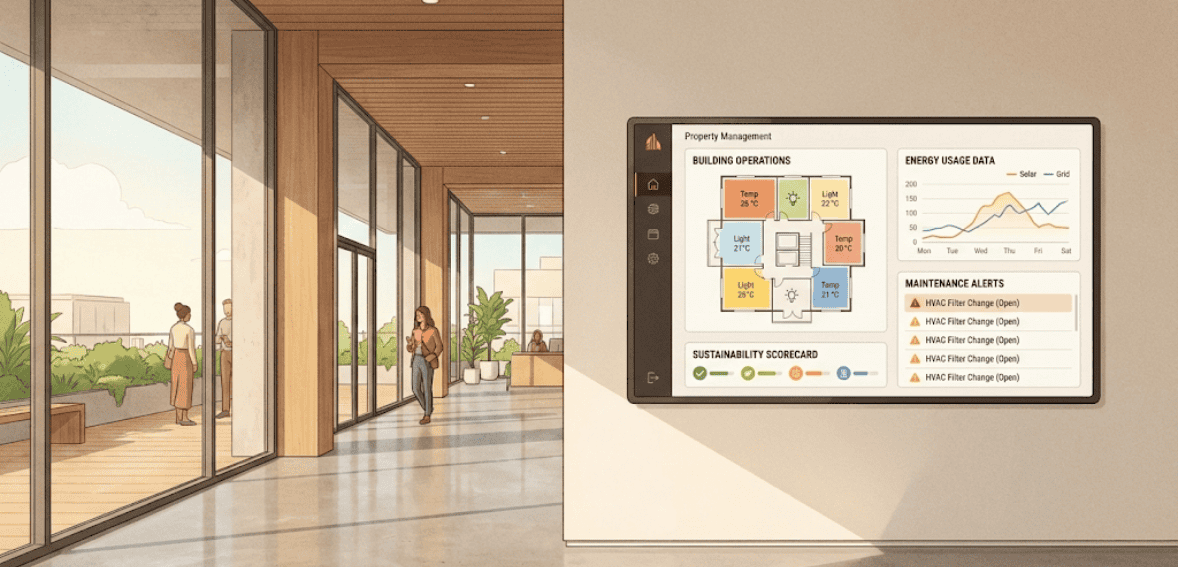
Sustainable property management is also about using data. In 2026, many buildings track energy and water usage in real time. This helps property managers spot unusual spikes and fix problems early. You no longer need a massive budget to do this. Many tools are affordable and easy to use.
Why Green Buildings Are More Valuable in 2026
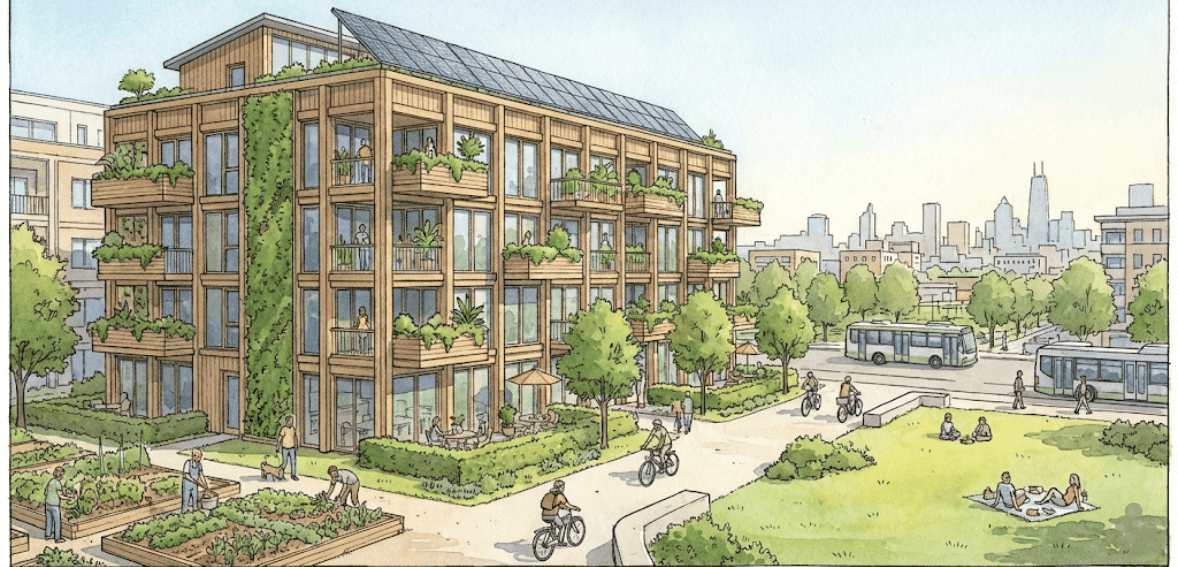
Green buildings are no longer just about environmental certifications. In 2026, they are about market value. Properties that are designed and managed sustainably tend to attract better tenants, retain them longer, and command stronger rents.
Tenants today care about how much they pay every month, not just for rent, but for utilities too. When a building is energy efficient, tenants feel the difference. Lower electricity and water bills make a property more attractive, even if the rent is slightly higher.
From an owner’s perspective, green buildings also hold value better over time. Regulations are getting stricter, not looser. Buildings that already meet higher environmental standards are less likely to need costly upgrades later. Sustainable property management helps future-proof assets.
There is also the reputation factor. Buildings known for being well-managed and environmentally responsible tend to stand out in crowded markets. This helps with leasing and reduces vacancy periods. Fewer vacancies mean more stable income, a key factor in profitable property management.
In many cases, investors are actively looking for green buildings. They see sustainability as a sign of good management and as a way to lower long-term risk. This makes sustainable property management a selling point, not just an operational choice.
Energy Efficiency Is the Core of Sustainable Property Management
If there is one area where sustainable property management delivers fast results, it is energy efficiency. Heating, cooling, lighting, and appliances account for a large part of operating costs in most properties. Improving efficiency in these areas directly impacts the bottom line.
Energy efficiency does not always mean replacing everything at once. In reality, sustainable property management often works step by step. Switching to efficient lighting, improving insulation, upgrading controls, and maintaining equipment properly can make a big difference.
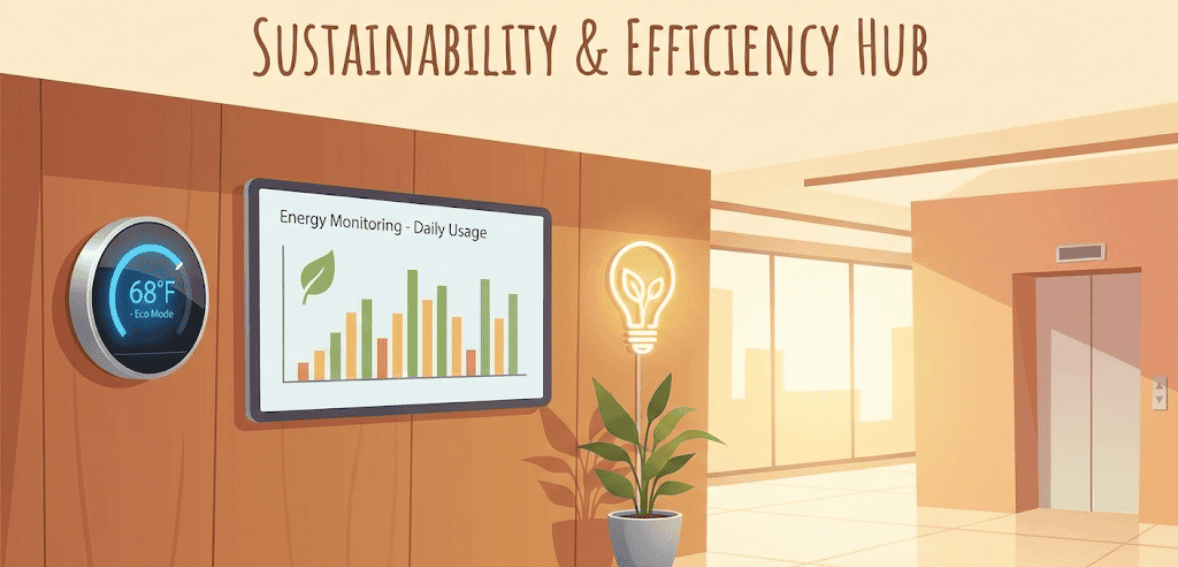
In 2026, technology plays a huge role here. Smart thermostats, automated lighting systems, and energy-monitoring tools help buildings use energy only when needed. These tools also provide data that helps property managers make better decisions.
What makes energy efficiency so important is that it benefits everyone. Owners see lower expenses. Tenants see lower bills. And the property becomes easier to market. That is why energy efficiency is at the heart of sustainable property management strategies today.
How Sustainable Property Management Reduces Long-Term Costs
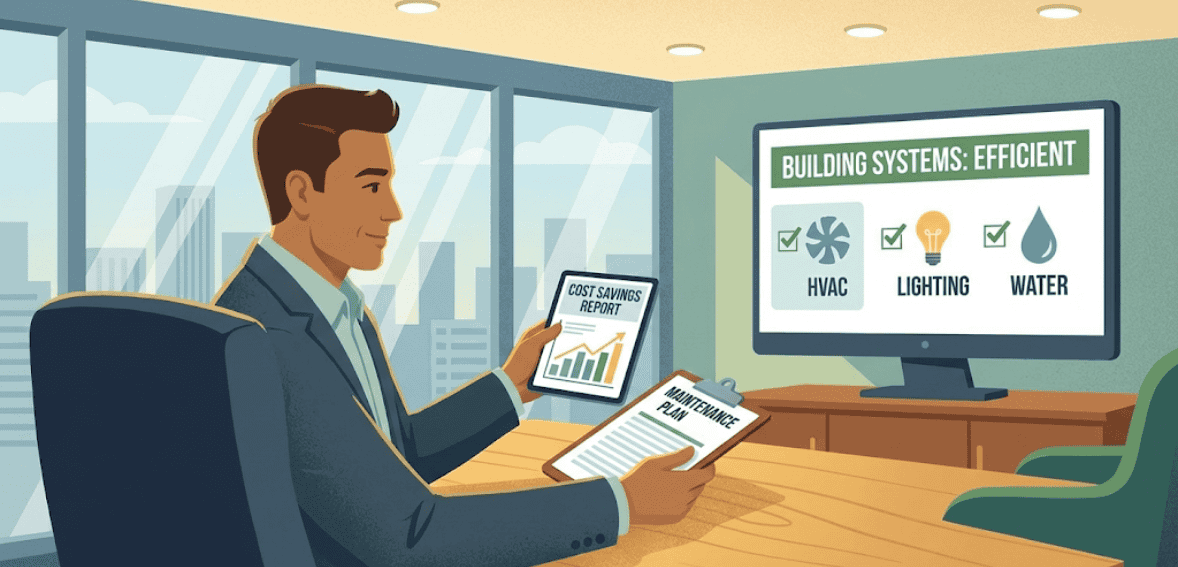
One of the strongest arguments for sustainable property management is the long-term cost control it enables. While some upgrades may require upfront investment, the savings over time often outweigh the initial costs.
Efficient systems last longer because they are not constantly overworked. Preventive maintenance reduces breakdowns. Water-saving fixtures reduce the risk of leaks and associated damage. All of this adds up to fewer surprises and more predictable expenses.
This stability is crucial for profitable property management. Owners want consistent returns, not sudden spikes in costs. Sustainable property management creates a more controlled environment, making expenses easier to forecast.
It also reduces risk. Buildings that are poorly maintained and inefficient are more likely to face compliance issues, tenant complaints, and emergency repairs. By focusing on sustainability, property managers reduce these risks and create a stronger foundation for the future.
Sustainable Property Management Improves Tenant Satisfaction and Retention
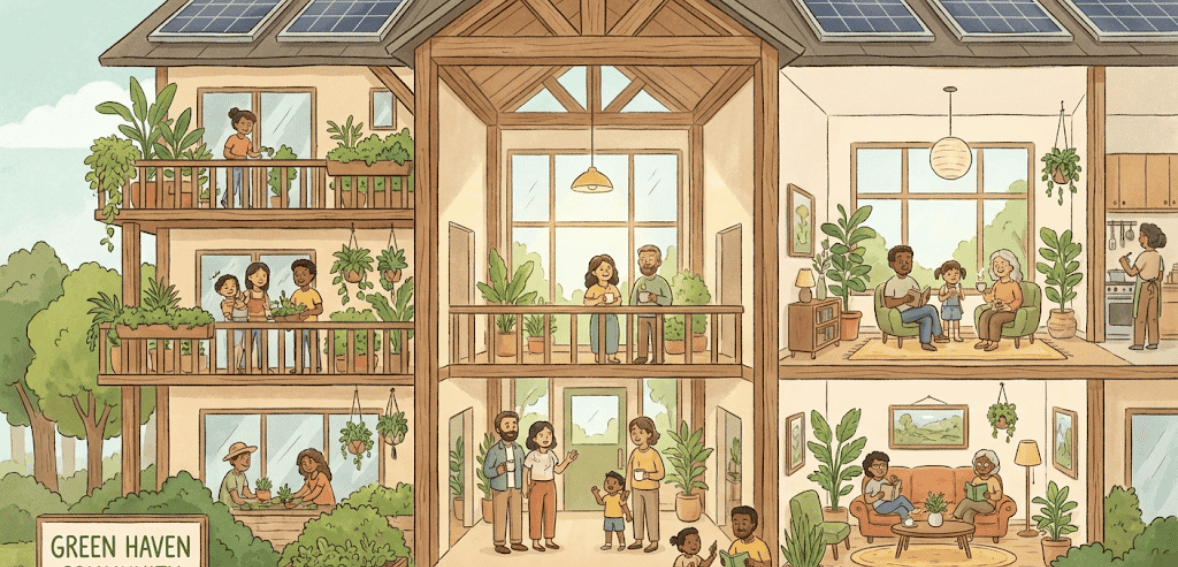
One thing that often gets overlooked in sustainable property management is how much it affects tenants on a daily basis. When a building is managed sustainably, tenants feel it even if they do not know the technical details behind it. The air feels better. Temperatures are more stable. Water pressure is consistent. Bills are more predictable. All of this adds up to a better living or working experience.
In 2026, tenants are more informed than ever. They ask questions about energy usage, waste management, and overall building efficiency. They also talk to each other online. Properties that ignore these concerns risk higher turnover. Sustainable property management helps reduce that churn.
Retention matters because finding new tenants is expensive. Vacancies and marketing cost money. Turnovers lead to wear and tear. When tenants stay longer, owners save money, and income becomes more stable. This directly supports profitable property management.
There is also a trust factor. When tenants see that a property is managed responsibly, they are more likely to report issues early and cooperate with building policies. That makes daily management smoother and less stressful.
The Role of Technology in Sustainable Property Management
Technology has become one of the strongest tools in sustainable property management. In 2026, managing properties without digital systems puts you at a disadvantage. Technology helps track energy use, water consumption, maintenance schedules, and even tenant behavior patterns.
Smart systems enable property managers to identify problems before they escalate. A sudden increase in water usage might signal a leak. Unusual energy spikes might point to faulty equipment. Sustainable property management uses this data to act early, not after damage is done.
Technology also helps with reporting. Owners want to see results. They want proof that sustainability efforts are working. Clear data on reduced costs, lower energy use, and improved efficiency helps build confidence and justify decisions.
For green buildings, technology is not optional. It is what keeps systems running efficiently and ensures that sustainability goals align with financial goals. When technology and management work together, sustainable property management becomes much easier to maintain.
Sustainable Property Management and Regulatory Compliance in 2026
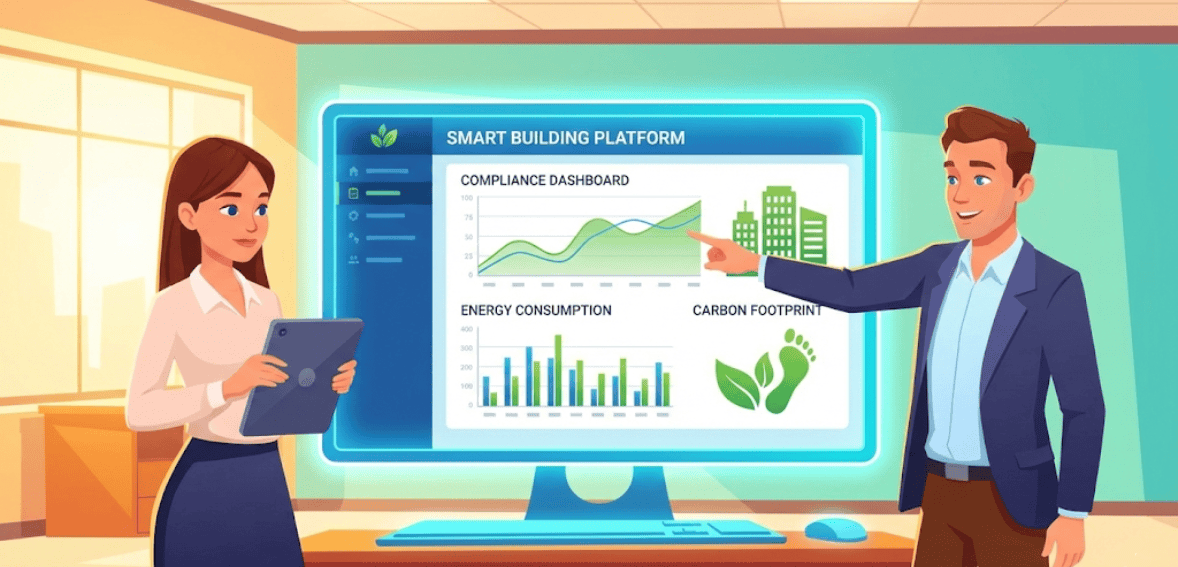
Regulations around buildings are becoming stricter every year. Energy standards, water usage rules, and environmental reporting requirements are expanding. Sustainable property management helps property managers stay ahead rather than constantly react.
Buildings that are already energy efficient and well-maintained face fewer compliance surprises. They require fewer rushed upgrades and fewer last-minute fixes. This saves money and reduces stress.
In many markets, incentives and rebates are available for properties that meet certain sustainability standards. Sustainable property management helps identify and capitalize on these opportunities. Over time, these benefits can significantly improve returns.
Compliance is not just about avoiding penalties. It is about positioning properties for the future. Green buildings that already meet higher standards are easier to sell, refinance, and insure. This strengthens long-term value and supports profitable property management.
Why Sustainable Property Management Is a Smart Business Strategy
At its core, sustainable property management is about running properties in a way that makes sense in the long term. It balances cost control, tenant needs, and asset value. In 2026, this balance is no longer optional. It is expected.
Owners who focus only on short-term savings often end up paying more later. Deferred maintenance, inefficient systems, and unhappy tenants create bigger problems down the line. Sustainable property management takes a different approach. It looks at the full lifecycle of the property.
This approach leads to steadier cash flow, lower risk, and stronger market positioning. That is why sustainable property management and profitable property management are no longer opposites. They work together.
Conclusion
Sustainable property management in 2026 is about more than being green. It is about being smart. By focusing on green buildings, improving energy efficiency, and managing resources responsibly, property managers can reduce costs, keep tenants satisfied, and protect long-term value. When done right, sustainable property management is not just good for the environment. It is good for business.
FAQs
Is sustainable property management only for large properties?
No, even small residential and commercial properties can benefit from better energy efficiency and smarter operations.
Does sustainable property management increase costs?
While some upgrades require upfront investment, long-term savings usually outweigh those costs through lower utility and maintenance costs.
How do green buildings support profitable property management?
They attract better tenants, reduce operating expenses, and hold value longer, which improves overall returns.
What role does energy efficiency play in sustainability?
Energy efficiency reduces operating costs and environmental impact while improving tenant comfort.
Is sustainable property management required by law in 2026?
Requirements vary by location, but regulations are increasing, making sustainable practices more important than ever.