

by Rinki Pandey January 21, 2026
Tenant retention strategies matter more in 2026 than they ever did before. Finding new tenants is expensive, time-consuming, and honestly exhausting. Listings, showings, screenings, cleaning units, offering move-in incentives, and dealing with vacancy gaps all eat into profits. Most property owners already know this. What they often underestimate is how much easier it is to keep a good resident than to replace them.
In 2026, tenants have more options, more information, and higher expectations. They compare properties online. They read reviews. They talk in community groups. If something feels off, they move. This is why tenant retention strategies are no longer just a “nice to have.” They are a core part of smart property management.
Keeping great residents longer is not about offering discounts all the time. It is about how people feel living in your property. Do they feel heard? Do repairs get handled quickly? Do rules feel fair? Does the place feel like home or just a temporary stop?
This article is written for people who actually deal with tenants every day. Not theory, not fluffy ideas. Real tenant retention strategies that focus on resident satisfaction, smoother lease renewals, and long-term stability. In this first part, we will focus on the foundation. The things that quietly decide whether a tenant stays or starts looking somewhere else.
Tenant Retention Strategies Start with Resident Satisfaction, Not Discounts

One of the biggest mistakes in tenant retention strategies is thinking money is the main reason people leave. Sometimes it is, but most of the time it is not the full story. Tenants usually leave because they feel ignored, frustrated, or undervalued long before rent becomes the issue.
Resident satisfaction starts with the basics. Does management respond when something breaks? Are the common areas clean? Are problems handled respectfully? These things sound small, but they shape daily experience. A tenant who feels comfortable reaching out is far more likely to stay than one who feels like a burden.
In property management, silence is dangerous. When tenants stop reporting issues, it does not mean everything is fine. It often means they have given up. Good tenant retention strategies focus on keeping communication open so small problems do not turn into reasons to move out.
Another part of resident satisfaction is consistency. Rules should be enforced fairly. Promises should be kept. If one tenant gets special treatment and others notice, trust breaks fast. In 2026, word spreads quickly, especially online.
Tenant retention strategies that focus on resident satisfaction create stability. When tenants feel respected and comfortable, lease renewals feel natural instead of forced.
Why Proactive Property Management Keeps Tenants Longer
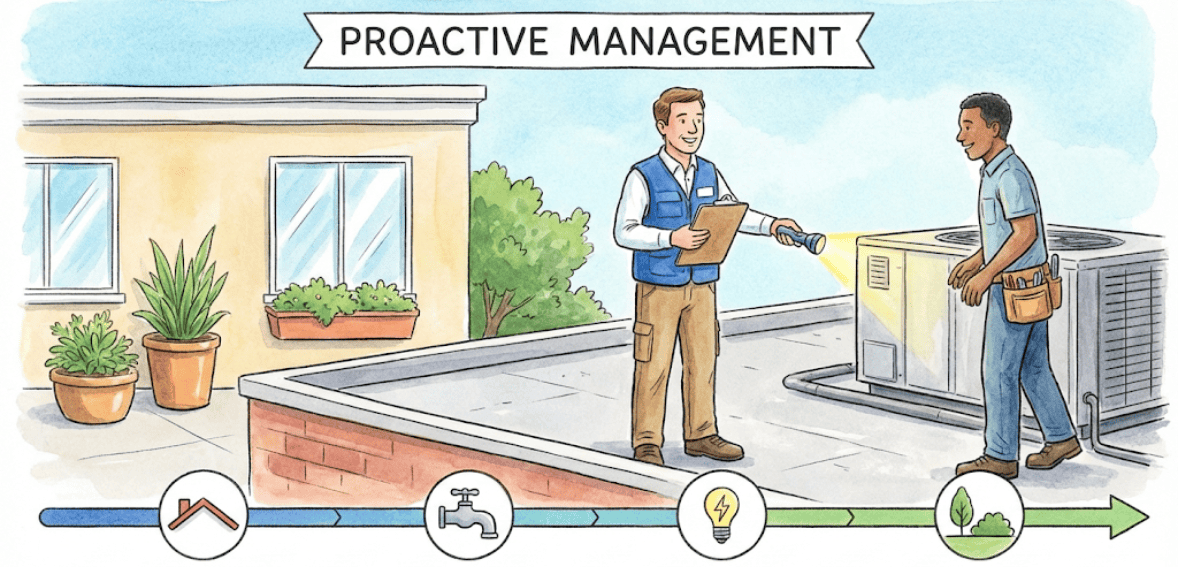
Reactive property management is one of the biggest reasons tenants leave. When management only responds after problems escalate, residents feel like they are constantly fighting to get basic needs met. Tenant retention strategies work better when management is proactive instead of reactive.
Proactive property management means anticipating issues before tenants complain. Scheduling regular inspections. Addressing wear and tear early. Checking in occasionally instead of only sending notices when rent is due. These actions build trust over time.
In 2026, tenants expect speed. Waiting days or weeks for simple repairs feels unacceptable to many residents. It is not just about the repair itself. It is about feeling ignored. Tenant retention strategies that prioritize quick response times show tenants they matter.
Proactive management also means clarity. Clear communication about policies, maintenance schedules, and changes reduces frustration. Tenants do not like surprises, especially negative ones. When people know what to expect, they are more likely to stay.
Property management that stays ahead of problems creates a calmer living environment. Calm tenants are long-term tenants.
Tenant Retention Strategies Depend on Trust and Communication
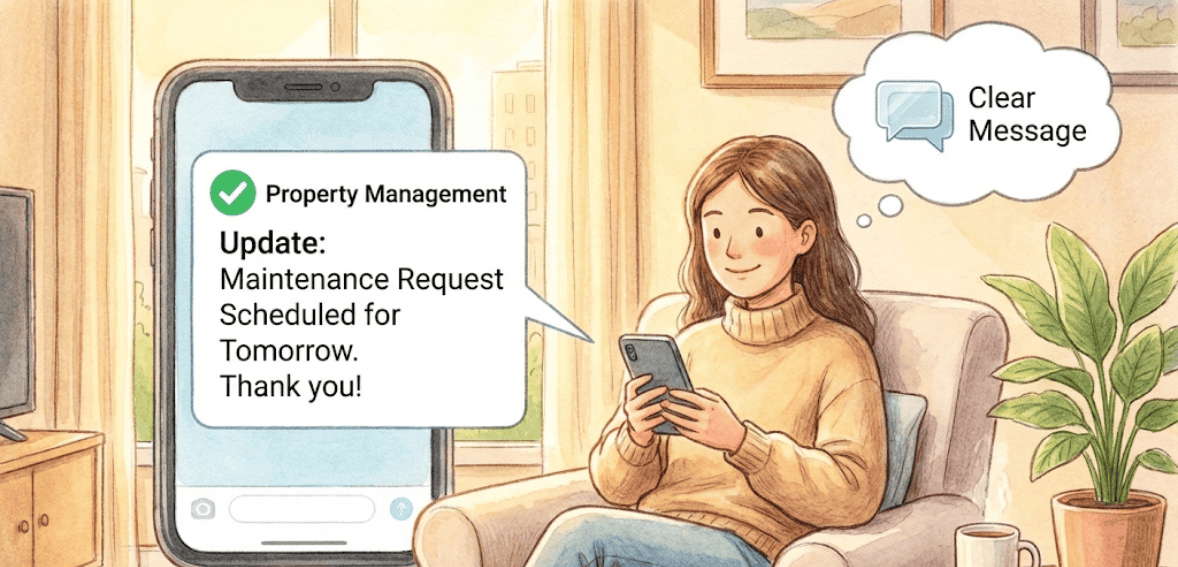
Trust is the quiet backbone of tenant retention strategies. Without trust, even small issues feel bigger than they are. With trust, tenants are more forgiving when problems happen, because they believe management is trying to fix things.
Communication builds that trust. Not constant messages, but honest and timely ones. Letting tenants know when repairs will take time. Explaining the reasons behind changes. Acknowledging mistakes when they happen. These moments shape how tenants feel about staying.
In many properties, communication only flows one way. Notices go out. Rules are enforced. Rent reminders are sent. But tenant retention strategies work better when communication flows both ways. When tenants feel heard, they feel invested.
Technology helps, but tone still matters. Automated systems are fine, but cold messages make people feel like numbers. In 2026, tenants expect efficiency and humanity simultaneously.
Strong communication reduces misunderstandings. Fewer misunderstandings mean fewer conflicts. And fewer conflicts mean higher lease renewals.
How Maintenance Quality Impacts Lease Renewals
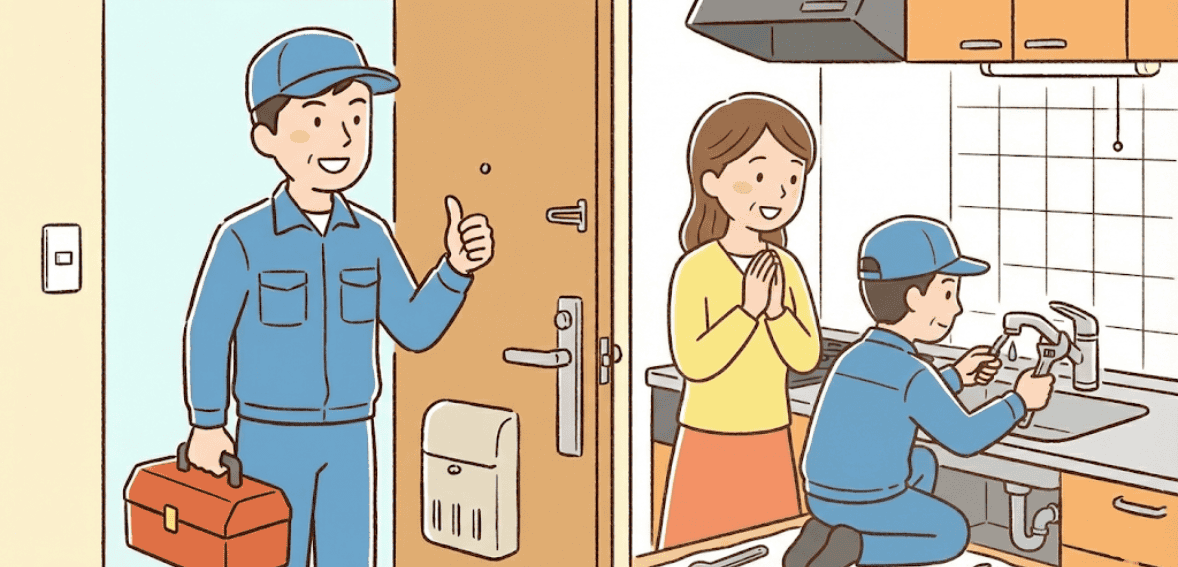
Maintenance is one of the strongest drivers behind lease renewals, even more than rent increases in many cases. Tenants can accept paying a bit more if they feel their home is well cared for. They struggle to accept poor maintenance at any price.
Tenant retention strategies treat maintenance as a long-term investment rather than a cost to minimize. Quick fixes that fail later frustrate tenants more than delayed but permanent solutions. Quality matters.
Response time also matters. Even if a repair takes time, acknowledging the issue quickly helps. Silence creates anxiety. Tenants start imagining worst-case scenarios. Property management that communicates clearly during maintenance builds confidence.
Preventive maintenance plays a role, too. When tenants see management taking care of things before they break, it signals professionalism. That feeling carries weight when lease renewal time comes.
In 2026, tenants expect their homes to function smoothly. When maintenance supports that expectation, tenant retention strategies become much easier to execute.
Tenant Retention Strategies Improve When Lease Renewals Feel Easy, Not Stressful

Lease renewals are a moment of truth. Everything a tenant has experienced during their stay shows up right here. If the renewal process feels rushed, confusing, or cold, even happy tenants start thinking about leaving. Tenant retention strategies work best when renewals feel natural and respectful, not like a pressure tactic.
In 2026, tenants expect clarity. They want to know renewal terms early, not at the last minute. Surprising tenants with short deadlines or sudden rent changes creates stress, and stressed tenants look for exits. Good property management treats lease renewals as a conversation, not a demand.
How renewals are communicated matters. A simple message acknowledging the tenant’s time on the property goes a long way. When residents feel appreciated, they are more open to staying, even if rent changes slightly.
Tenant retention strategies also involve flexibility where possible. Longer lease options, small adjustments, or timing considerations can make renewals easier without hurting long-term goals. The key is making tenants feel like partners, not placeholders.
Why Community and Belonging Matter in Tenant Retention Strategies

People do not just rent spaces. They live in them. Tenant retention strategies that ignore emotional connection miss a big opportunity. According to Cove, when tenants feel heard, informed, and respected, they are much more likely to renew their lease, and fostering a sense of community does not require frequent events or large budgets. Sometimes it is as simple as friendly interactions, well-maintained shared spaces, and respectful communication. Small efforts create familiarity, and familiarity creates comfort.
In 2026, many tenants will work from home or spend more time in their living spaces. This makes the environment even more important. Noise issues, cleanliness, and shared responsibility affect daily life. Property management that actively maintains a positive atmosphere naturally supports resident satisfaction.
Tenants who feel connected are also more forgiving. Minor issues feel manageable when people feel like they belong. That emotional layer strengthens tenant retention strategies more than discounts ever could.
Tenant Retention Strategies Benefit From Fair and Transparent Pricing
Pricing plays a role in tenant retention strategies, but fairness matters more than being the cheapest option. Tenants understand that costs rise. What they struggle with is sudden or unexplained increases.
Transparency builds trust. When tenants understand why prices change, they are less likely to feel taken advantage of. Property management that communicates openly about costs strengthens long-term relationships.
In 2026, tenants can easily compare prices. They know market rates. Trying to push unreasonable increases often backfires. Tenant retention strategies focus on balance. Reasonable pricing combined with strong resident satisfaction keeps turnover low.
Fair pricing also signals respect. When tenants feel treated fairly, they are more likely to stay even when budgets tighten. Trust and fairness work together here.
Also read: Gamifying Tenant Engagement: Innovative Strategies to Boost Retention and On-Time Rent
Why Tenant Retention Strategies Must Adapt in 2026
Tenant expectations are not static. What worked five years ago may not work today. Tenant retention strategies must evolve alongside changing lifestyles, technology, and economic conditions.
In 2026, tenants expect faster responses, clearer communication, and more transparency. They value convenience but still want human interaction. Property management that adapts to these expectations stays competitive.
Adaptation also means listening. Feedback, complaints, and even move-out reasons offer valuable insight. Tenant retention strategies improve when lessons are applied instead of ignored.
Retention is not about perfection. It is about responsiveness. When tenants see that management is willing to improve, they are more likely to stay and renew their leases.
Conclusion
Tenant retention strategies in 2026 are built on experience, not gimmicks. When resident satisfaction is prioritized, property management becomes proactive, communication stays open, and lease renewals feel fair; tenants stay longer. Keeping great residents is not about doing everything perfectly. It is about doing the important things consistently and with care. Strong tenant retention strategies create stability, reduce turnover costs, and build healthier properties over time.
FAQs
Why is tenant retention more important than finding new tenants?
Keeping good tenants costs less and creates a more stable income than constantly filling vacancies.
Do tenant retention strategies always involve lowering rent?
No, most retention comes from better service, communication, and overall experience, not discounts.
When should lease renewal conversations start?
Ideally, several months before the lease ends, so tenants have time to decide without pressure.
How does maintenance affect tenant retention?
Fast, quality maintenance makes tenants feel cared for and increases the chances of lease renewals.
Can small properties effectively use tenant retention strategies?
Yes, small properties often retain tenants better because personal attention is easier to provide.