

by Rinki Pandey March 17, 2026
Property maintenance costs account for the largest share of operational expenses for real estate managers to maintain their properties. Property owners and managers adopt a reactive approach to solve the problems that emerge when HVAC systems malfunction. Preventive maintenance planning operates as an essential requirement for this situation. It combines scheduled equipment inspections with routine maintenance tasks.
Property managers use a proactive solution to extend their assets and cut down the maintenance cost through better handling of unexpected breakdowns. Implementing structured property management and preventive maintenance programs helps safeguard residential and commercial properties.
The article dives into the financial advantages of preventive and proactive maintenance through management tools that assist in developing scalable maintenance programs.
What Is Preventive Maintenance Planning?
The process of scheduling routine inspections, servicing, minor repairs, and property deterioration is called preventive maintenance planning. It serves as the opposite of reactive maintenance (performing repairs only after a failure). The following preventive maintenance focuses on anticipating problems before they develop into costly emergencies:
- HVAC system servicing.
- Plumbing inspections.
- Roof and gutter repairs.
- Electrical system repairs.
- Appliances servicing.
- Safety systems testing.
Having a well-defined preventive maintenance checklist and property management plan ensures maintenance at scheduled intervals. Hence, this allows the property manager to detect problems early and keep the systems well-maintained.
Why Preventive Maintenance Saves Money?

Preventive maintenance planning is one of its best features because it reduces costs. Unplanned or emergency repairs tend to be more costly than the regular maintenance schedule due to factors such as:
- Urgent service call.
- Over time, labor costs.
- Replacement of large repairs.
- Downtime of your property or rental interruptions.
To the contrary, proactive maintenance helps fix small issues before they become larger ones.
Cost Comparison Example
Reactive Approach:
- No regular maintenance.
- Compressor breaks.
- Fully replacing all components of the HVAC system.
- Cost $5,000-$10,000
Preventive Approach:
- Preventive seasonal checks.
- Limited parts replaced.
- The lifetime of the system increased.
- Costs $200-$500 annually.
Long-term preventive planning reduces overall maintenance costs while increasing property value.
Benefits of Property Management: Preventive Maintenance
Implementing well-defined preventive maintenance planning for property management yields operational and financial benefits.
1. Lower Long-Term Repair Costs
Regular servicing of mechanical systems and other building elements keeps them in good working order. This reduces the probability of small issues from becoming problems that require extensive repairs to the structure of the building.
2. Extended Equipment Lifespan
A properly completed preventive service plan for mechanical systems will last longer than one that is less well-maintained. Preventive maintenance prolongs the use of mechanical systems while reducing the wear on assets, and allowing them to operate more efficiently.
3. Improved Tenant Satisfaction
Safe, comfortable, and well-maintained buildings are desirable to tenants. A preventive approach to property maintenance has a greater chance of having problems addressed in priority basis. This leads to:
- Higher tenant retention.
- Fewer complaints
- Lower vacancy rates with no preventive maintenance planning.
4. Reduced Emergency Maintenance
Emergency maintenance work is costly and disruptive. Developing a scheduled structure for the completion of maintenance work on rental properties reduces the likelihood of an unexpected failure. It also schedules necessary repairs at a time convenient for both management and the tenant.
5. Better Property Value Protection
Real estate is generally considered a long-term investment. If a property is not properly maintained, it will deteriorate quickly. Thus, the property suffers from a reduction in the market value and an increase in the cost required for any renovations. The complete preventive maintenance planning protects the structure and the long-term value of the building.
Key Components of Preventive Maintenance Planning
Creating a preventative maintenance plan successfully requires the following basic components.
- Asset Inventory
The initial step in preventive maintenance planning includes taking inventory of all the essential systems and components of your facility. The essential building systems include:
- Heating, ventilating & air conditioning systems
- Plumbing
- Electrical system
- Appliances
- Roofs
- Elevators (for larger facilities)
- Fire life safety equipment
Maintaining a complete unit of measure and model number, property managers manage servicing and maintaining the systems on time.
- Maintenance Scheduling
After determining the assets, managers need to set up a schedule for maintaining rental properties. Types of schedules would be as follows:
Monthly
- Security alarm inspections.
- Lighting in common areas.
- Piping and plumbing fixtures
Quarterly
- Changing out the HVAC filter.
- Pest control inspections.
- Check for safety equipment.
Seasonally
- HVAC system servicing.
- Cleaning gutters.
- Inspect the roof.
Annually
- Flush the water heater.
- Inspecting the electrical system.
- Inspect for structural integrity.
A structured schedule forms the backbone of preventive maintenance planning.
Preventive Maintenance Checklists
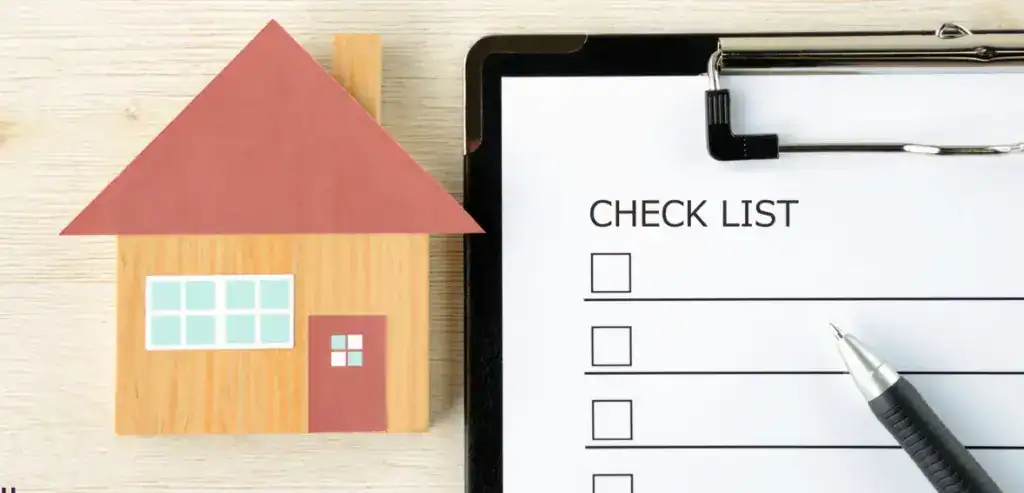
Checklists make sure that property owners consistently complete the general and ongoing maintenance projects. Some of the typical preventive maintenance checklists for property management include the following items:
1. HVAC Maintenance
- Replace air filters.
- Inspect ductwork.
- Clean condenser coils.
- Test thermostat operation
2. Plumbing Maintenance
- Check for leaks.
- Inspect water pressure.
- Test shutoff valves.
- Inspect water heater performance.
3. Electrical Maintenance
- Inspect wiring connections.
- Test circuit breakers.
- Check lighting fixtures.
- Inspect electrical panels.
4. Exterior Property Maintenance
- Inspect roofing materials.
- Clean gutters and drains.
- Check siding and exterior paint.
- Inspect landscaping and drainage.
Maintenance Documentation
Proper documentation supports effective preventive maintenance planning. The property managers need to keep the following records:
- History of all maintenance performed.
- Service records from all vendors.
- All inspection reports have been performed.
- Any costs associated with repairs.
- Property equipment that needs to be replaced in the future.
Keeping accurate records can help identify issues that repeat constantly and help determine how to best allocate funds into maintenance budgets.
Creating a Proactive Property Maintenance Strategy
The preventative maintenance planning is much broader than just planning repairs. It is establishing a management system for property maintenance, becoming a part of ongoing operational functions. This carries the following steps:
Step 1: Evaluate the Condition of the Property.
A thorough inspection is included in this assessment. The inspection will enable you to identify:
- Older infrastructure.
- Equipment at greatest risk.
- Characteristics of having to maintain or repair regularly.
Knowing the condition of the property allows the property managers to make educated decisions regarding the priority of maintenance completion.
Step 2: Establish Maintenance Priorities
All maintenance tasks have varying degrees of urgency. The following guides the property managers in determining the order of priority:
- Safety systems.
- Critical infrastructure such as HVAC, plumbing, and electrical.
- Structural components.
- Tenant-facing amenities.
This methodology allows property managers to focus the majority of their time and energy on the maintenance of critical systems.
Step 3: Develop Vendor Partnerships
In order to successfully manage properties and maintain them with preventive maintenance, it requires reliable vendors. Building rapport with vendors that are trusted, to receive the following:
- Quality of service that is consistent.
- Maintenance costs that remain predictable.
- Quicker response times.
Many property managers establish a long-term service contract for routine inspections and maintenance.
Step 4: Automate Maintenance Management
The essential function of technology has grown throughout the process of developing preventive maintenance schedules. Property management software can automate:
- Maintenance scheduling.
- Tenant maintenance requests.
- Vendor coordination.
- Inspection tracking.
The use of automation allows property managers to handle their extensive property holdings with greater efficiency.
Common Preventive Maintenance Mistakes
Maintenance programs are designed to succeed, but they fail when the performance is inadequate. The following list shows the main errors that people should not make:
- Ignoring Small Repairs
Small issues, such as minor leaks or cracked seals, develop into major structural problems when people choose to ignore them. The main goal of preventive maintenance planning requires organizations to initially detect small problems.
- Inconsistent Maintenance Scheduling
Failing to perform routine maintenance on equipment leads to system failures. Having a scheduled and regular maintenance program for rental properties ensures the regular care and maintenance of systems.
- Lack of Documentation
Property managers need proper records to track their maintenance work and find maintenance patterns. The process of maintaining facilities needs accurate documentation to achieve optimal results in the future.
- Delaying Equipment Replacement
Preventative maintenance planning helps to extend the life of the equipment, but eventually, it will reach its end of life. The delay in replacing equipment will incur expensive emergency repair costs.
Technology Tools for Preventive Maintenance
Modern property management platforms enable organizations to create preventive maintenance planning that is executed through expanded operational capacity. The software provides various features:
- Automatic systems for scheduling maintenance.
- Checklists are used in conducting inspections.
- Systems for tracking maintenance requests.
- Systems used to manage vendors.
- Reports that detail maintenance expenses.
Property managers use these functions to operate extensive property collections while reducing their work activities.
The Long-Term Financial Impact of Preventive Maintenance Planning
A strong, proactive property maintenance program provides long-term financial savings. Some of these financial savings include:
- Lower costs associated with unplanned repairs or preventive maintenance.
- Extended time frames for the replacement of equipment.
- Less turnover of tenants.
- Increased property values.
- Predictable property management budget for maintenance activities.
Property managers who oversee large portfolios generate significant savings through moderate reductions in the cost of property maintenance.
For example, a reduction of just 20% in emergency maintenance incidents across a portfolio of 200 units can yield substantial savings, equal to $10,000 of a year.
This illustrates why developing a preventive maintenance plan is not only an operational approach, but also a strategic financial strategy.
Conclusion
Property managers who implement effective preventive maintenance planning achieve the benefits of decreased operational expenses and increased property value maintenance. They achieve cost savings through decreased emergency repairs and enhance tenant satisfaction. Preventive maintenance requires organizations to implement early equipment repairs, which develop sustainable systems that maintain asset value.
The property management system needs to include proactive upkeep to decrease the maintenance expenses of a property manager. Modern property management should adopt a maintenance approach as a core requirement for property management operations.
FAQs
What is meant by preventive maintenance planning in property management?
The process of preventive maintenance planning involves creating a schedule for regular inspections and maintenance work to stop equipment and property damage.
How does preventive maintenance reduce costs?
The implementation of preventive maintenance programs helps organizations to decrease expenses through discovering minor problems at an early stage and avoiding costly emergency repairs.
What should be included in a preventive maintenance checklist?
The property management plan requires a preventive maintenance checklist, which includes HVAC servicing requirements, plumbing inspection needs, electrical system assessment procedures, roof assessment methods, and safety equipment evaluation processes.
How often should rental property maintenance be scheduled?
The schedule for maintaining rental properties depends on their specific systems, yet most software programs provide monthly, quarterly, seasonal, and annual property inspections.
Why is preventive maintenance important for property managers?
The practice of preventive maintenance in property management enhances tenant satisfaction, decreases emergency repair needs, and supports consistent management of operational expenses.