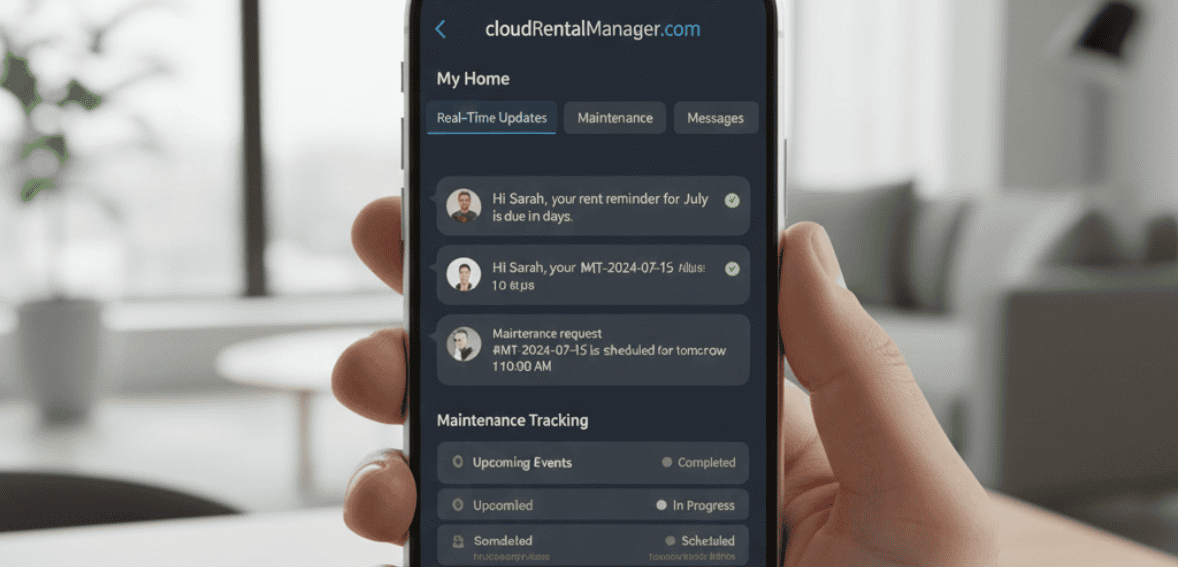
Author Archives: Rinki Pandey

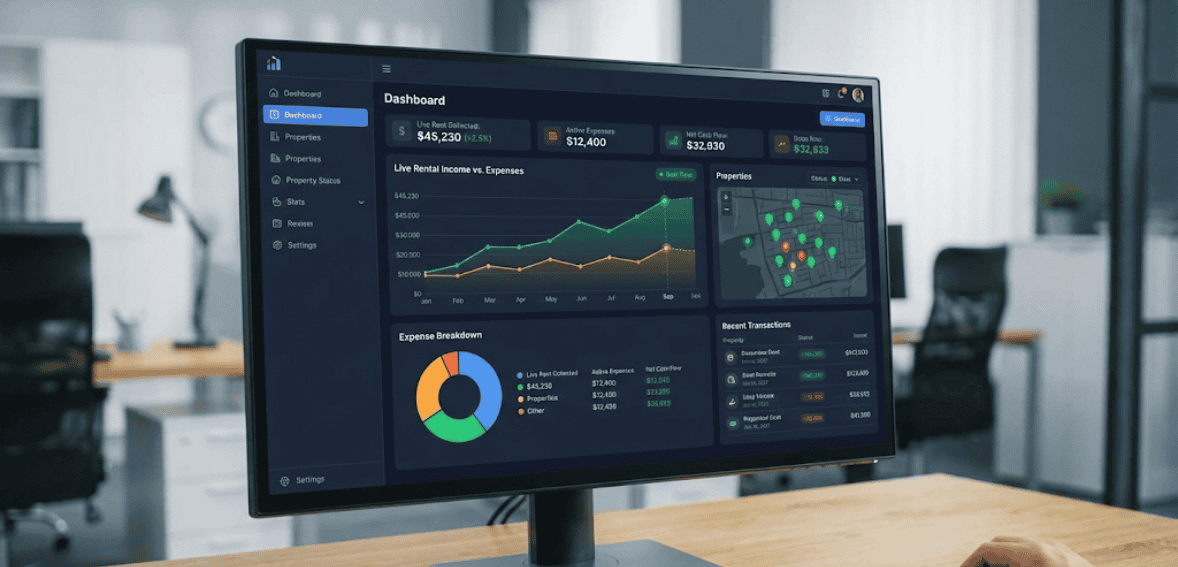
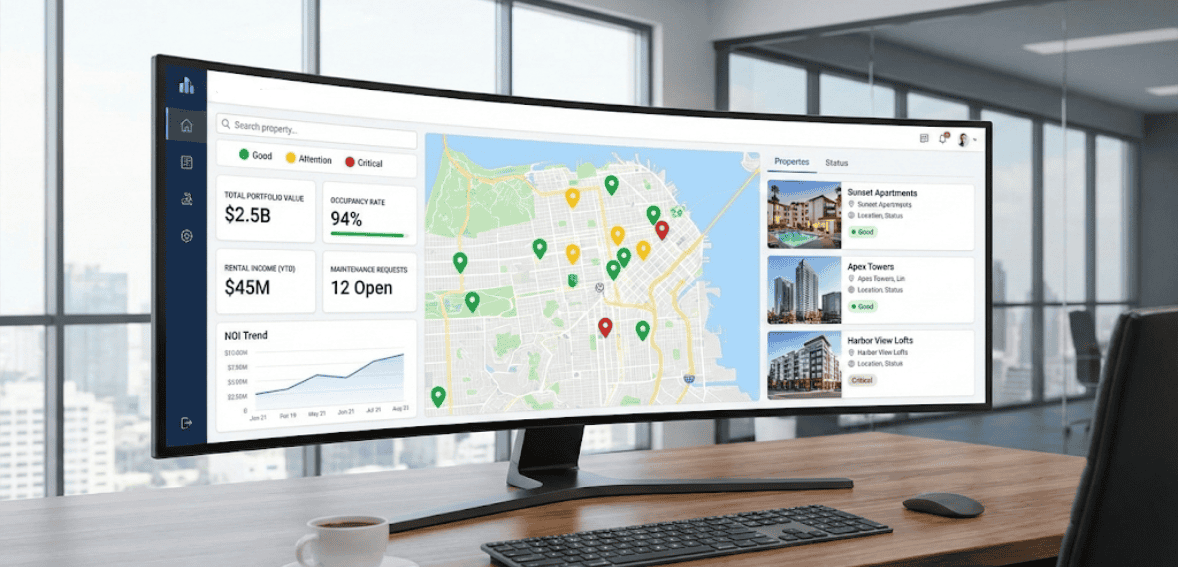
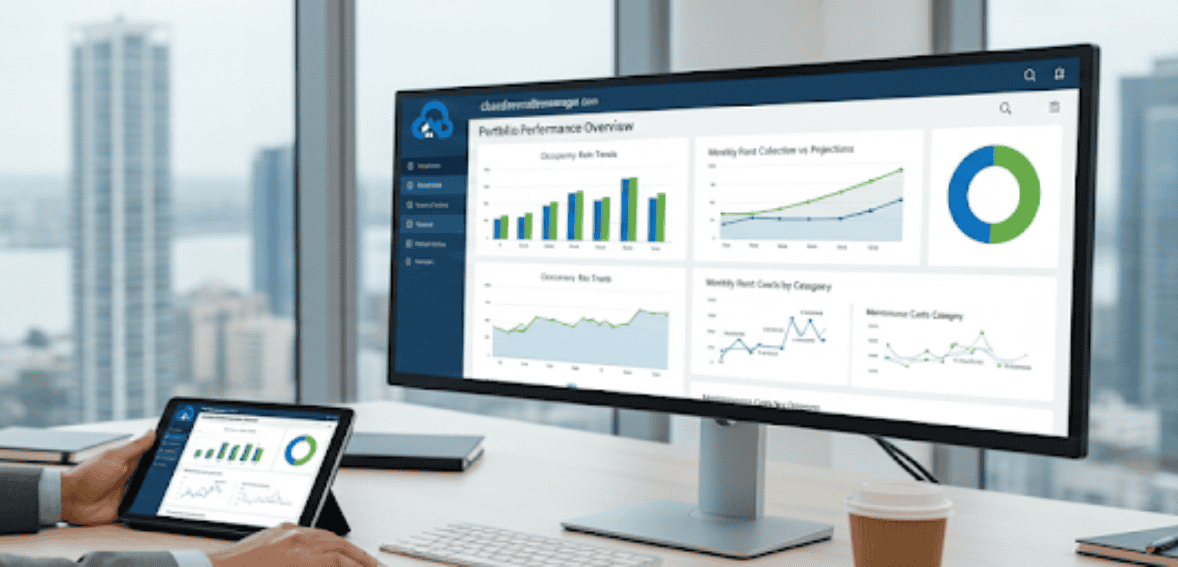
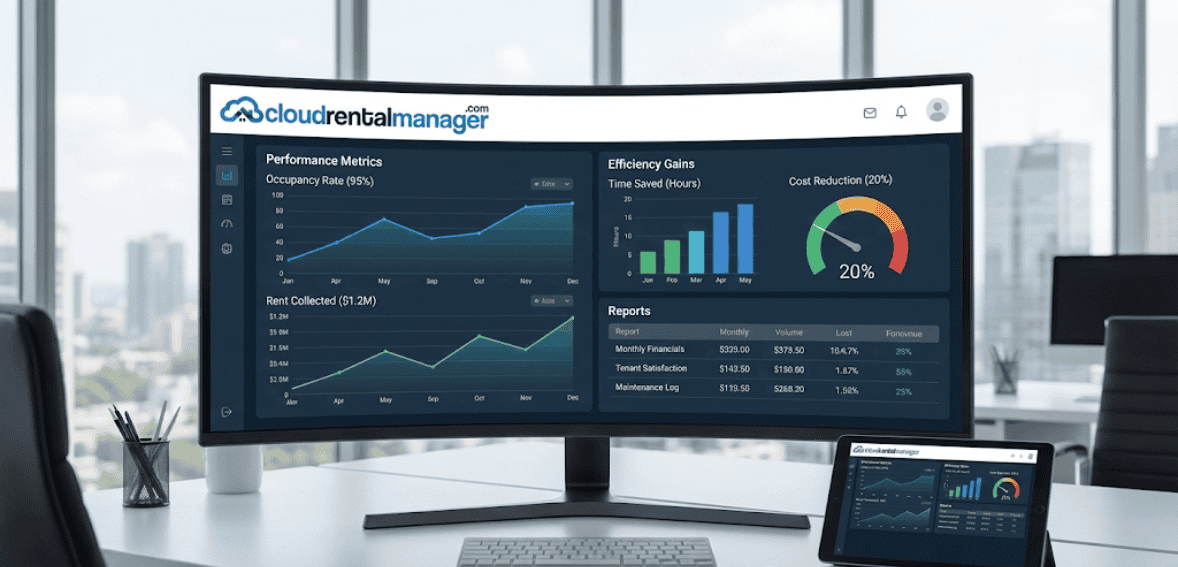
property management growth strategies dashboard showing business expansion

Scaling Up: Strategies to Scale Your Property Management Business in 2025

Growing a property management company in 2025 is more than adding units and hoping systems adapt. The industry has matured. Owners expect transparency, speedy service, better communication, and professional reports. Meanwhile, competition has increased, margins are slimmer, and inefficiencies become apparent more quickly as portfolios grow. To succeed, companies must pursue deliberate strategy, operational discipline, and controlled growth.

Many property managers reach a point where growth feels harder than expected. Adding doors starts to create stress instead of profit. Emails pile up, maintenance coordination becomes reactive, owners demand more visibility, and teams feel stretched. This is usually not a people problem; it’s a systems-and-strategy problem. Scaling successfully means building a business that can grow predictably, sustainably, and profitably without relying on constant firefighting.

This guide covers growth strategies that work in 2025. It explains how leading companies scale operations, expand their portfolios, and open new doors while maintaining service and financial clarity. The goal is not just growth, but controlled, confident expansion.

Understanding Property Management Growth Strategies in 2025

scaling property management business with structured systems and processes

Effective property management growth strategies begin with a clear understanding of what “scaling” really means. Scaling is not the same as growth. Growth is adding more doors. Scaling is adding more doors without proportionally increasing cost, chaos, or risk. In 2025, the difference between companies that stall and those that scale lies in how intentionally they approach this distinction.

Key takeaways: Property managers must shift from relationship-based, manual practices to scalable, standardized models that rely on repeatable processes, clear service packages, and data-driven decisions to meet rising owner expectations and tighter service benchmarks.

Another key shift is owner behavior. Investors increasingly compare management companies based on professionalism, reporting quality, responsiveness, and operational sophistication. They expect scalable partners who can grow with their portfolios. Companies that cannot demonstrate operational readiness for scale often miss out on opportunities that competitors can seize.

Scaling in 2025 also means choosing the right kind of growth. Not all doors are equal. Adding poorly performing properties, difficult owners, or non-standard asset types can slow growth rather than accelerate it. Strategic growth focuses on alignment, matching your systems, team strengths, and market positioning with the properties you manage.

Before expanding, successful companies evaluate their current operations honestly. They ask whether their processes are documented, whether tasks rely too heavily on specific individuals, and whether service quality can remain stable as volume increases. These self-assessments are foundational to scaling responsibly.

Building a Scalable Operational Foundation Before Expanding

One of the most overlooked steps in scaling a property management business is strengthening the operational foundation before adding new doors. Many companies pursue expansion prematurely, only to realize later that weak internal systems create bottlenecks, burnout, and owner dissatisfaction. True scalability starts internally. Takeaway: Operational readiness is the foundation for stress-free expansion.

A scalable operation relies on clearly defined workflows. Every recurring task, including leasing, rent collection, maintenance coordination, owner reporting, renewals, and move-outs, should follow a documented process. This ensures consistency and reduces dependence on tribal knowledge. When tasks are standardized, new team members can be onboarded faster, and service quality remains consistent as volume grows.

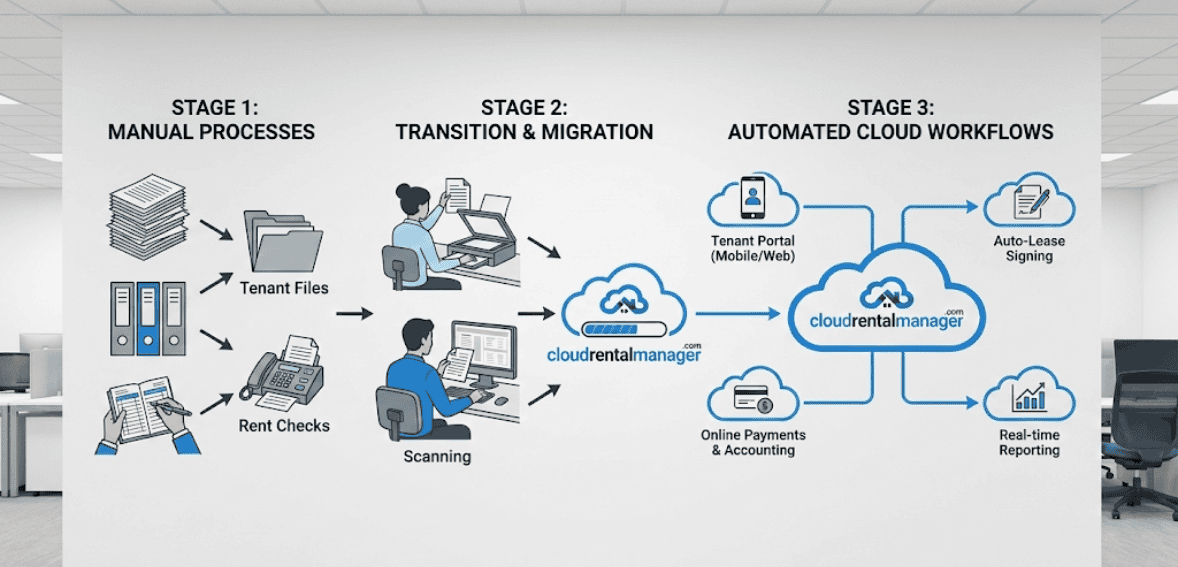
Technology plays a central role in this foundation. Manual tracking systems, spreadsheets, and disconnected tools may work at a small scale but quickly break down as portfolios expand. Scalable businesses centralize data, automate repetitive tasks, and ensure real-time visibility across teams. This reduces errors and allows managers to focus on oversight rather than execution.

Role clarity is equally important. As companies grow, responsibilities must be defined. Scaling companies avoid role overlap and accountability gaps. Roles are designed around workflows, so each task has a clear owner and an escalation path, which is crucial as teams and coverage expand.

Another pillar is service standardization. This doesn’t mean generic service; it means clear client expectations at each tier. Well-defined packages enable consistent value and prevent scope creep. They also clarify pricing and make growth profitable instead of reactive.

Companies that invest time in operational readiness find that growth becomes smoother and less stressful. Expansion no longer feels like juggling more work; it feels like plugging new properties into an existing system that already works.

Expanding Your Rental Portfolio Without Losing Control
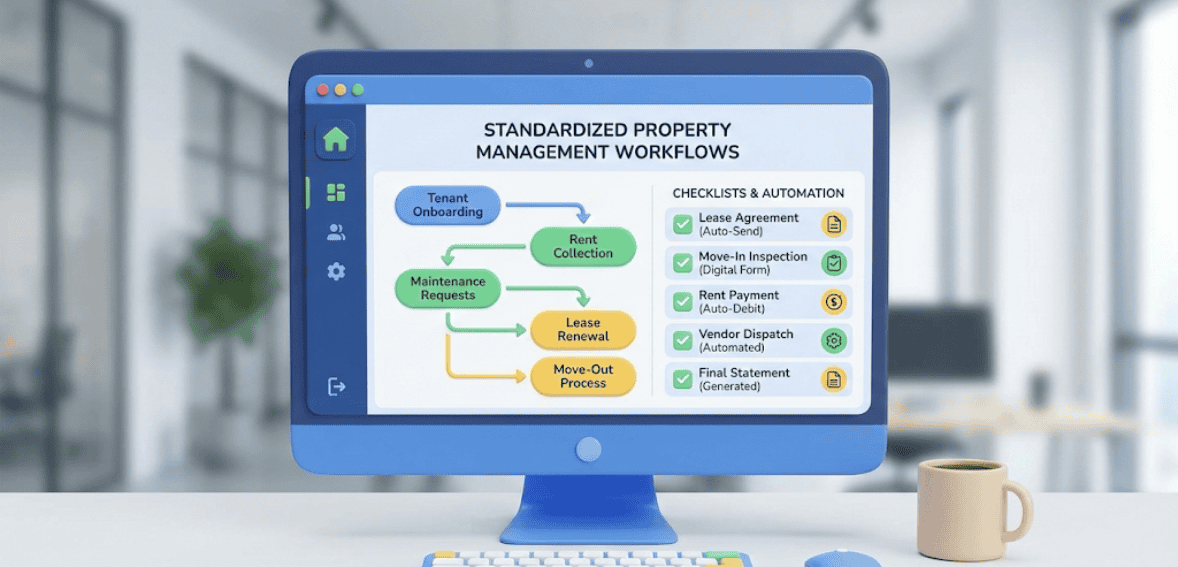
property management expansion tips using standardized operational workflows

Expanding a rental portfolio is a visible sign of growth, but it is also where many property managers lose control. Growing too quickly without operational readiness can strain teams, reduce service quality, and damage owner relationships. Effective property management strategies focus on controlled expansion rather than rapid accumulation.

The first step is defining an ideal property profile. This includes property type, size, condition, owner expectations, and geographic location. Companies that grow sustainably are selective. They understand which properties align with their systems and expertise and which introduce unnecessary complexity. Saying no to misaligned opportunities is often what protects long-term growth.

Geographic expansion requires special attention. Managing properties across wide areas can increase travel time, maintenance costs, and response delays. Scalable companies expand geographically only when they can support it operationally, often by clustering properties or establishing regional support structures. This keeps service levels consistent while controlling costs.

Onboarding is another critical factor. A structured onboarding process ensures new properties are integrated smoothly into systems, with clear documentation, owner expectations set upfront, and maintenance baselines established early. Poor onboarding often leads to long-term inefficiencies and owner dissatisfaction that are difficult to reverse.

Owner communication during expansion is vital. As portfolios grow, owners expect proactive updates, clear reporting, and transparency. Scaling companies use strong communication frameworks so owners feel supported as volume increases.

Expanding a rental portfolio should be intentional, not chaotic. Aligned systems, teams, and communication turn growth into business enhancement, not strain.

Positioning Your Business to Increase Doors Under Management Strategically

Increasing the number of doors under management is a common growth goal, but the most successful companies focus on strategic growth rather than numerical targets alone. In 2025, adding doors is as much about positioning and reputation as it is about marketing.

Strategic positioning starts with clarity. Property managers must clearly articulate what makes their business different. This could be operational excellence, superior reporting, technology-driven transparency, or specialized expertise in certain asset types. Owners are more likely to choose companies that communicate a clear value proposition rather than generic service claims.

Referral growth plays a major role here. Satisfied owners, real estate professionals, and investors become powerful growth channels when service quality is consistent. Scaling companies invest in systems that make it easy for clients to refer others and for teams to onboard new properties seamlessly when referrals arrive.

Credibility matters. Owners considering switching look for professionalism and stability. Solid processes, branding, and communication build trust. Growth accelerates when prospects trust the company can add doors without losing quality.

Pricing strategy also affects door growth. Companies that scale well price their services to sustainably support margins, allowing reinvestment in staff, systems, and service quality. Underpricing may attract new doors, but it often undermines long-term growth.

Increasing the number of doors under management is not about chasing every opportunity. It is about attracting the right opportunities through strong positioning, consistent service delivery, and operational confidence.

Structuring Your Team for Scalable Property Management Growth

scaling property management business with the right team structure

As a company grows, people, not properties, often become the biggest bottleneck. One of the most important property management growth strategies in 2025 is building a team structure that supports scale rather than resisting it. Many businesses struggle here because they grow reactively, adding staff only when things feel overwhelming. By then inefficiencies are already baked in.

Scalable companies think about team design early. They separate strategic oversight from day-to-day execution. Instead of relying on a single “do-everything” manager, they define roles by function, including leasing coordination, maintenance oversight, owner communication, and financial reporting. This functional clarity prevents burnout and ensures accountability as the portfolio expands.

Hiring for scale also means hiring for systems. Employees who thrive in scalable environments are comfortable following documented processes, using software consistently, and communicating clearly within defined frameworks. While experience is valuable, adaptability and process discipline are often more important as businesses grow.

Training is another important component. Scaling companies invest in structured onboarding and ongoing training to help new hires become productive quickly. This reduces dependence on senior staff and allows leadership to focus on growth rather than constant supervision. Over time, this approach creates a team that can absorb growth smoothly without sacrificing service quality.

Using Data and Performance Metrics to Guide Expansion
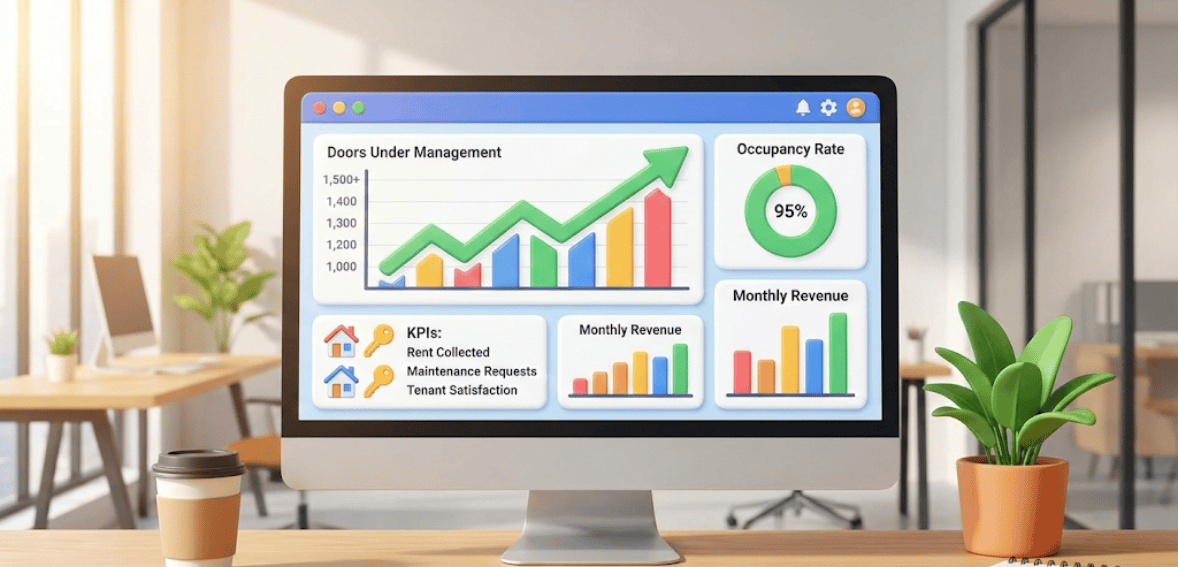
property management growth strategies driven by data and performance metrics

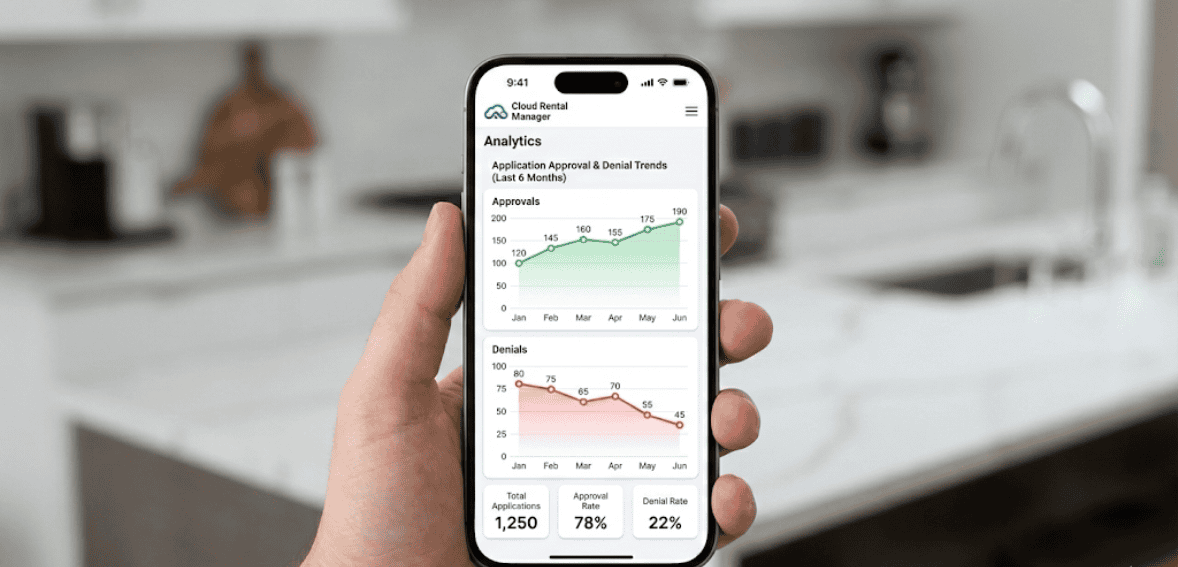
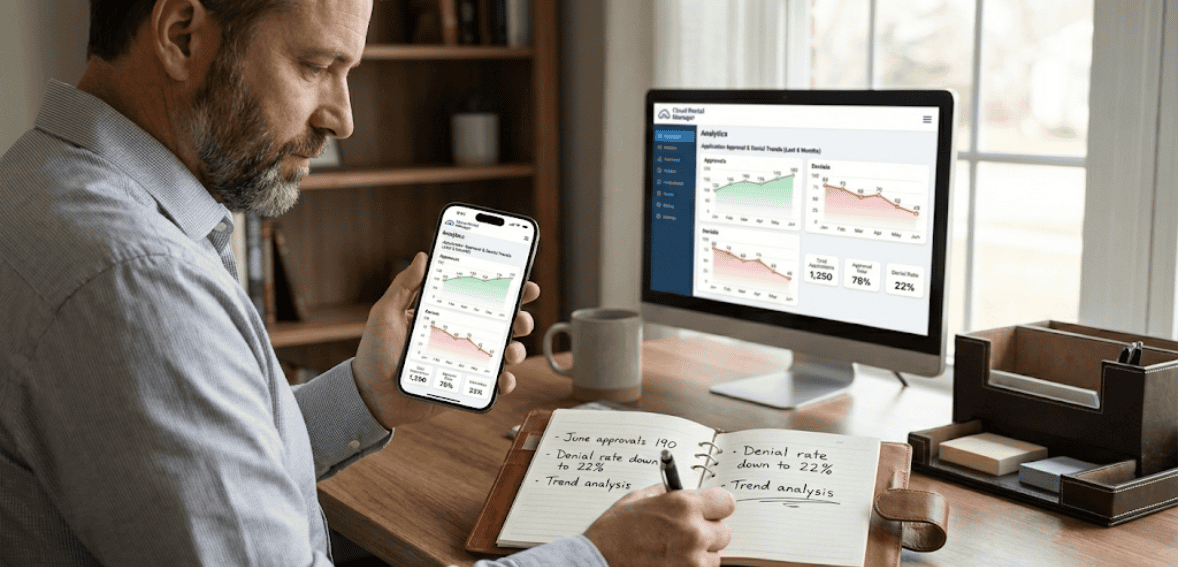
In 2025, scaling without data is a gamble. Successful companies rely on performance metrics to inform every major growth decision. Data reveals where growth is sustainable, where margins are strong, and where operational strain is emerging.

Key indicators such as response times, maintenance resolution speed, owner satisfaction trends, and portfolio profitability help leaders understand whether systems are holding up under increased volume. Rather than waiting for complaints or crises, data-driven companies identify pressure points early and proactively address them.

Metrics also guide hiring decisions. Instead of reacting emotionally to workload stress, leaders can see when service levels dip or when workloads exceed capacity. This allows for timely staffing adjustments that support growth rather than hinder it.

Financial data plays an equally important role. Scaling requires capital, whether for hiring, technology, or market expansion. Companies that track unit-level profitability and cost trends are better positioned to grow responsibly. They know which doors contribute to healthy margins and which introduce disproportionate risk or workload.

Data transforms scaling from guesswork into strategy. It provides clarity, confidence, and control qualities that separate growing companies from struggling ones.

Expanding into New Markets Without Overextending

expanding rental portfolio into new markets strategically

Geographic expansion is a common goal for property managers seeking growth, but it carries unique risks. Entering new markets without preparation can strain teams, dilute service quality, and increase operational complexity. Smart scaling property management business strategies approach market expansion cautiously and methodically.

Successful companies expand into markets that share operational similarities with their existing portfolio. This might include comparable property types, owner expectations, or regulatory environments. Familiarity reduces the learning curve and helps maintain service consistency across locations.

Another key factor is infrastructure. Expanding geographically requires systems that support remote oversight, standardized communication, and centralized reporting. Without these, distance quickly becomes a liability. Scalable companies ensure their operational backbone can support growth before expanding across geographic boundaries.

Local partnerships also matter. Reliable maintenance vendors, inspectors, and service providers help maintain response times and quality in new markets. Building these relationships early reduces friction and protects service standards during expansion.

Market expansion should feel like extending a proven model, not reinventing operations. When done strategically, it becomes a powerful growth lever rather than a source of instability.

Managing Risk While Scaling Your Property Management Business
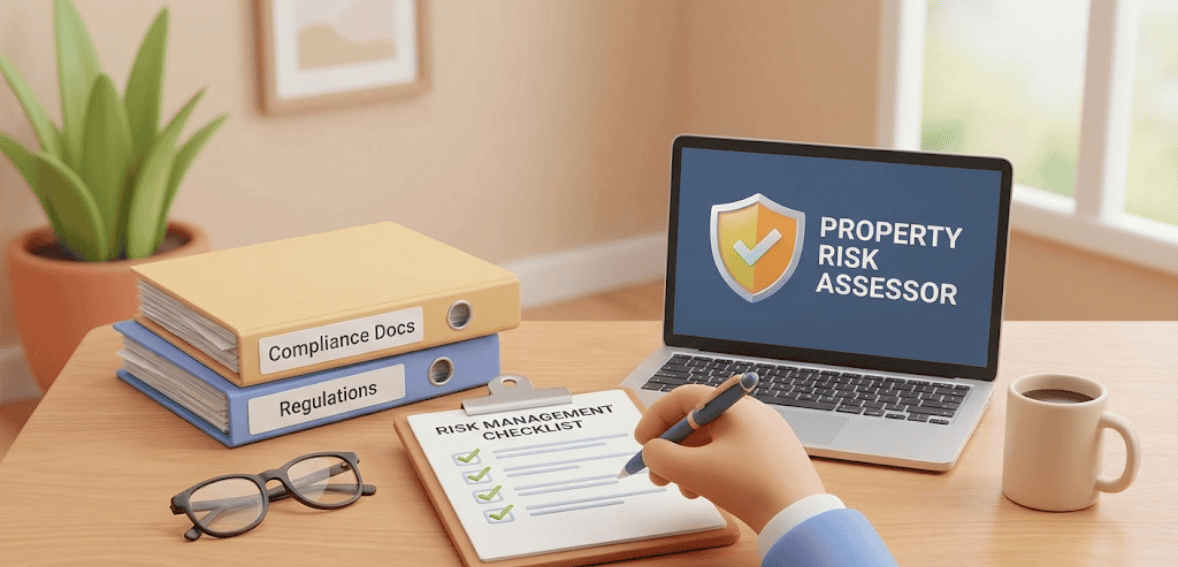
scaling property management business while managing operational risk

Growth inevitably introduces risk. More doors mean more owners, more tenants, more maintenance issues, and more regulatory exposure. One of the most important property management growth strategies is learning how to manage these risks proactively rather than reactively.

Standardization is the first line of defense. Documented policies, consistent lease templates, and uniform communication practices reduce errors and legal exposure. When everyone follows the same playbook, risk becomes easier to control.

Insurance, compliance checks, and vendor vetting also become more critical as portfolios expand. Scaling companies review these safeguards regularly to ensure they evolve alongside growth. What worked for a small portfolio may not be sufficient at a larger scale.

Equally important is communication. Transparent communication with owners builds trust and reduces conflict when issues arise. As businesses grow, maintaining this transparency requires systems that deliver consistent, timely updates without manual effort.

Risk management is not about avoiding growth; it’s about creating guardrails that allow growth to happen safely and sustainably.

Sustaining Long-Term Growth Beyond 2025

long-term property management growth strategies beyond 2025

True success in scaling property management is not measured by how fast a company grows, but by how well it sustains that growth. The most resilient businesses view scaling as an ongoing process rather than a one-time milestone.

Sustainability comes from balance. Companies must continuously reinvest in people, systems, and service quality as they expand their portfolios. Neglecting any of these eventually undermines the others.

Leadership mindset also matters. Growth-focused leaders remain adaptable, open to change, and willing to refine strategies as markets evolve. They recognize that scaling is dynamic and requires ongoing evaluation rather than rigid adherence to past practices.

Ultimately, the companies that thrive in 2025 and beyond are those that treat growth as a discipline. They build intentionally, measure continuously, and prioritize operational excellence alongside expansion.

Conclusion

Scaling a property management business in 2025 is both an opportunity and a challenge. The market rewards companies that combine strategic growth with operational discipline, strong teams, and data-driven decision making. By focusing on sustainable property management growth strategies, managers can expand their portfolios, increase doors under management, and strengthen profitability without sacrificing service quality.

Growth done right feels controlled, confident, and repeatable. It transforms property management from a reactive service into a scalable, resilient business built for the future.

FAQs

How fast should I scale my property management business?

Growth should match your operational capacity. Scaling too quickly without systems in place often leads to service breakdowns, while steady, controlled growth tends to be more profitable long term.

Is technology necessary to scale property management in 2025?

Yes. Modern portfolios require centralized data, automation, and real-time visibility. Without these tools, scaling becomes inefficient and error-prone.

What’s the biggest mistake companies make when expanding?

Chasing doors without evaluating fit. Taking on misaligned properties or owners often creates more problems than revenue.

Should I expand geographically or deepen my current market first?

Deepening your existing market is usually safer. Geographic expansion works best once systems and teams can support distance without sacrificing service.

How do I know if my business is ready to scale?

If your workflows are documented, performance metrics are stable, and service quality remains consistent as volume increases, you’re likely ready to scale.


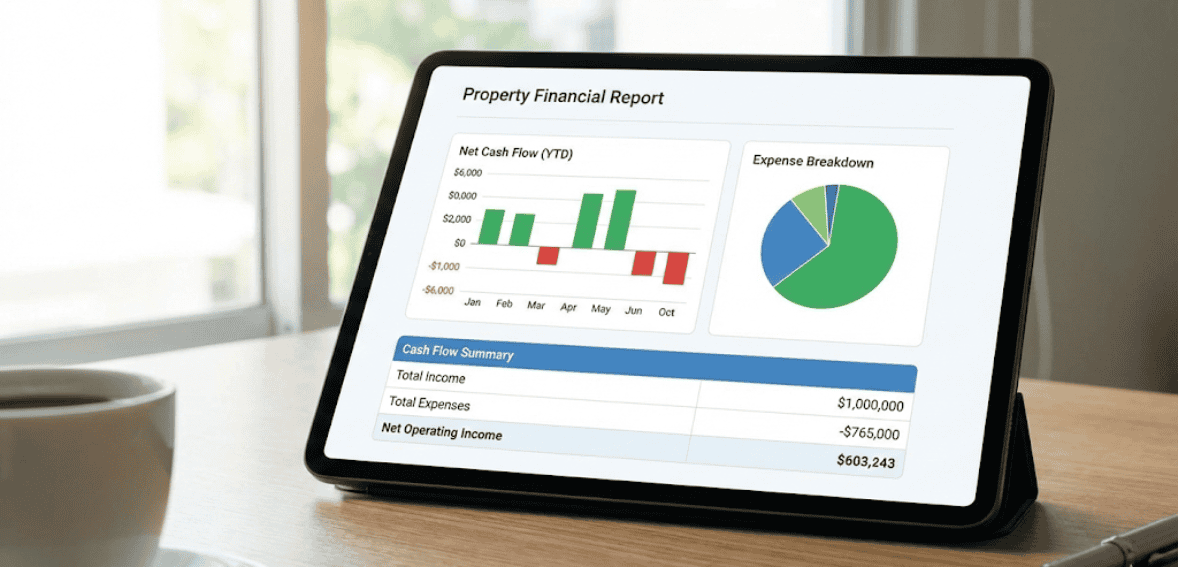
owner portal property management property owner reporting software

Transparent Property Management: How Owner Portals & Reports Keep Owners Happy

Property ownership has changed. Owners today don’t just want quarterly summaries or occasional updates; they want visibility, clarity, and confidence that their assets are being managed with care. This is where owner portal property management tools and property owner reporting software have become essential. Transparency is no longer a “nice-to-have”; it’s a core expectation.

In the past, property managers relied on emails, spreadsheets, and PDF statements to keep owners informed. While those methods worked at a basic level, they often left gaps, such as delayed updates, missed questions, and confusion about performance numbers. Modern owner portals close those gaps by giving owners real-time access to financials, documents, and performance data in one secure place. When owners can see what’s happening without having to ask, trust grows naturally.

This article shows how owner portals and reporting tools boost transparency, strengthen relationships, and reduce friction between managers and owners. Next, we explain how these tools work, why they matter, and how they change expectations in modern property management.

Why Transparency Matters More Than Ever in Property Management

owner portal property management

property owner reporting software

Transparency is the foundation of every successful owner manager relationship. Property owners are making significant financial decisions, and they rely on accurate information to assess performance, plan investments, and feel confident in their management team. When reporting is unclear or delayed, even good results can feel questionable.

Lack of transparency creates needless tension. Owners may question rising expenses, late rent, or vacant units. Without quick answers, they must email or call, adding to managers’ workload and owners’ frustration. Over time, trust fades.

Property management transparency addresses this by shifting information access from reactive to proactive. Owners can log in to view rent rolls, income statements, maintenance costs, and historical trends at their convenience. This openness reassures owners that their property is handled professionally.

Setting expectations is another key role of transparency. When owners understand how numbers fluctuate seasonally or why certain expenses are necessary, they’re more likely to view management decisions as strategic rather than careless. Clear reporting transforms conversations from defensive explanations into collaborative planning. Next, let’s look at what owner portals actually provide and what they don’t.

What an Owner Portal Really Is (and What It Isn’t)

owner portal property management

property owner reporting software

An owner portal is not just a digital folder or a place to download statements. At its core, an owner portal property management system is a centralized, secure dashboard designed specifically for property owners. It gives them direct access to the information they care about most, without needing to go through a property manager for every update.

A well-designed portal typically includes financial summaries, monthly and annual reports, transaction histories, maintenance records, and important documents such as management agreements or tax statements. Everything is organized logically, updated automatically, and available anytime. Owners don’t have to search through emails or request files; they know exactly where to go.

What an owner portal is not is a replacement for communication. Instead, it enhances communication by removing repetitive questions and allowing discussions to focus on strategy rather than basic data retrieval. When owners already have the facts in front of them, conversations become more productive and forward-looking.

The portal also acts as a single source of truth. Everyone sees the same numbers, documents, and timelines. This eliminates confusion caused by outdated spreadsheets or mismatched reports, reinforcing confidence in the management process.

How Property Owner Reporting Software Builds Confidence

Numbers tell a story, but only when they’re presented clearly. Property owner reporting software converts raw data into understandable insights. Instead of dense spreadsheets of line items, modern reports highlight performance trends, income versus expenses, and key indicators relevant to owners.

Good reporting answers the questions owners are already asking. Is cash flow improving? Are expenses under control? How does this month compare to last year? When reports are structured intuitively, owners don’t have to interpret data themselves or worry that something is being overlooked.

Consistency is another major benefit. Automated reporting ensures that owners receive the same type of report, in the same format, on a predictable schedule. This reliability builds trust. Owners know when to expect updates and feel reassured that their property is continuously monitored, not sporadically.

Beyond improved perspective, clear reports reduce emotional reactions. When owners can see long-term trends rather than isolated numbers, they’re less likely to overreact to a single high expense or temporary vacancy. Transparency through reporting encourages a more rational, data-driven perspective. Now, let’s consider how financial clarity, especially through owner statements software, further builds trust.

Owner Statements Software and Financial Clarity

owner portal property management

property owner reporting software

Financial transparency is often the most sensitive area of property management. Owners want to know exactly where their money is going and how their property is financially. Owner statements software plays a critical role in delivering that clarity.

Well-structured owner statements break down income, expenses, fees, and net results in a way that’s easy to follow. Instead of overwhelming owners with excessive detail, they provide enough context to understand performance while still allowing deeper exploration when needed.

Accuracy is crucial here. Automated systems reduce the risk of human error that can occur with manual calculations or spreadsheet updates. When owners trust that the numbers are correct, they’re far more comfortable with management fees, maintenance costs, and operational decisions.

Timeliness is as important as accuracy. Late statements create doubt, even if performance is strong. Owner portals ensure statements are available as soon as they’re ready, reinforcing professionalism and reliability.

Reducing Owner-Manager Friction Through Self-Service Access

A major benefit of owner portals is the friction they remove from daily operations. With self-service access, the relationship shifts from reactive support to a strategic partnership.

Instead of answering the same questions repeatedly about rent collection, invoices, or maintenance, property managers can focus on higher-value work, such as optimizing operations, improving tenant retention, or advising owners on growth opportunities. Owners, meanwhile, feel empowered rather than dependent.

This doesn’t mean owners stop communicating. It means communication becomes more meaningful. Discussions move away from “Can you send me the report?” and toward “What do these numbers mean for next quarter?” That’s a healthier, more professional dynamic for both sides.

Self-service access also respects owners’ time. They can check their schedule without waiting for office hours or email responses. That convenience goes a long way in maintaining satisfaction and loyalty.

How Owner Portals Strengthen Long-Term Owner Relationships

owner portal property management

property owner reporting software

Strong relationships between property managers and owners rely on consistent visibility, not just promises. When owners can easily check how their property is doing without asking for updates, their confidence grows. An owner portal quietly helps build this trust.

Rather than communicating only during problems, owners remain connected to their investment’s health. They see incoming rent, paid expenses, and resolved issues. This steady information flow reassures owners that their property isn’t neglected, even when running smoothly.

With time, this transparency helps reduce suspicion and second-guessing. Owners no longer wonder if they’re getting the full story, because they already have all the details. As a result, they’re more likely to renew agreements, recommend their manager, and trust advice about pricing, renovations, or growing their portfolio.

Owner portals also make the management process more personal. When owners can view activity logs, maintenance timelines, and notes about decisions, they see the work involved in managing properties. This understanding helps build patience and respect, even during difficult times like vacancies or surprise repairs.

Presenting Reports Owners Actually Read and Understand

owner portal property management

property owner reporting software

Transparency is only effective when information is easy to understand. A common mistake is giving owners reports that are too detailed or badly organized. Even accurate data isn’t helpful if it’s confusing or tiring to read.

Good reporting software puts clarity first. Reports should highlight key results, income, expenses, cash flow, and trends before showing extra details. When owners can quickly see how things are going, they’re more likely to pay attention to the data.

How information is organized also matters. Clean layouts, clear categories, and consistent formatting help owners get used to the reports. Over time, they know where to find answers, which reduces frustration and increases confidence in the process.

Context is important too. Numbers alone don’t tell the whole story. If reports include notes or explanations with the financial data, owners understand why things changed, not just what changed. This reduces extra questions and keeps conversations productive.

Avoiding Common Transparency Mistakes That Frustrate Owners

owner portal property management

property owner reporting software

Even with good tools, transparency can fall short if not managed carefully. A common mistake is only sharing good news and hiding problems. Owners care more about honesty than perfection, and they quickly notice when something is missing.

Inconsistency is another problem. If reports come at random times or the format keeps changing, owners have to keep relearning how to read them. This causes frustration and hurts trust. Being consistent shows professionalism and reliability, which are as important as numbers.

Delays in reporting are also a big issue. When owners get old information, they feel out of touch with their investment. Modern owner portals solve this by providing real-time or almost real-time updates, so owners always feel up to date.

Poor reporting communication can negate the benefits of transparency. Reports should encourage questions, not cause confusion. When owners feel comfortable asking and get clear answers, the relationship strengthens.

How Transparency Improves Owner Retention and Loyalty

owner portal property management

property owner reporting software

Retention isn’t just about performance; it’s about perception. Owners Keeping owners isn’t just about results; it’s also about how they feel. Owners might accept short-term drops in performance if they trust their manager, but they don’t like feeling unsure. Transparency removes uncertainty and builds understanding. They don’t need to check in constantly or compare services. Their current setup gives them what they want: clarity, access, and peace of mind.

Transparency also helps owners see their manager as a partner, not just someone providing a service. They start to view management as something that adds value and helps their investment grow. This change in thinking leads to long-term loyalty.

In competitive markets, transparency sets managers apart. Many offer similar services, but not everyone provides the same level of visibility. Owner portals and clear reports can be what keeps owners loyal year after year.

The Strategic Value of Owner Portals for Property Managers.

owner portal property management

property owner reporting software

Owner portals help both owners and property managers. By keeping information in one place and automating reports, managers spend less time on admin tasks and can respond faster to owners. These efficiencies lead to better service and make it easier to grow.

This efficiency lets managers grow their business without losing service quality. As portfolios get bigger, the portal keeps up, offering the same transparency for many properties. Without this technology, growth can lead to confusion and burnout.

Owner portals also protect managers if there’s a dispute. With clear records, timestamps, and documented actions, managers can show what decisions were made and why. This helps prevent misunderstandings and keeps both sides accountable.

In the end, owner portals help create stronger, more professional relationships based on data, clarity, and trust instead of guesswork. Still, it’s important to remember that owner portals have some limits. Technology issues, data security, or how much owners use the portal can affect how well it works. Being aware of these challenges helps managers understand both the value and the limits of owner portals in property management.

Conclusion: Transparency Is the New Standard in Property Management

Today’s property owners want more than just basic updates. They expect visibility, accuracy, and control. Owner portals and reporting tools provide these benefits, changing how owners experience property management.

By using owner portals and strong reporting tools, property managers can remove friction, build trust, and show they are transparent and reliable partners. This leads to happier owners, longer relationships, and a more sustainable business.

Transparency isn’t just sharing information; it’s about building confidence. In today’s property management, trust matters.

FAQs

How does an owner portal improve communication with property owners?

An owner portal gives owners instant access to financials, documents, and updates, reducing back-and-forth emails. This keeps communication focused on strategy rather than basic information requests.

What should property owners expect to see in an owner portal?

Owners typically expect financial reports, owner statements, maintenance records, and important documents, all updated regularly and accessible in one secure place.

Does transparent reporting reduce owner complaints?

Yes. When owners understand performance and expenses clearly, they’re less likely to question decisions or feel uneasy about management actions.

Are owner portals suitable for small property portfolios?

Absolutely. Even owners with a few properties benefit from organized, on-demand access to accurate information and reports.

How does transparency impact long-term owner retention?

Transparency builds trust, reduces uncertainty, and makes owners feel confident in their management team, which directly improves retention and loyalty.

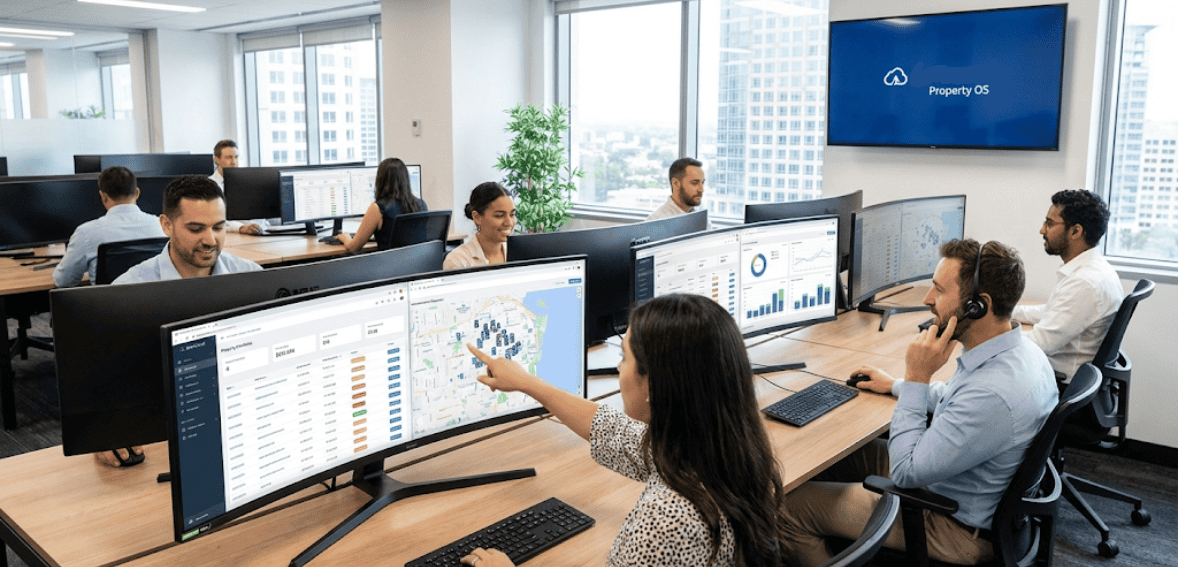
Maintenance management software dashboard for property managers

Streamlining Maintenance and Vendor Management with Cloud Software

Managing property maintenance has always been one of the most demanding responsibilities in property management. From responding to tenant repair requests to coordinating vendors and tracking costs, maintenance can quickly become chaotic without the right systems. As portfolios grow, manual processes like emails, phone calls, spreadsheets, and paperwork orders begin to break down, leading to delays, miscommunication, and rising operational costs.

Cloud-based maintenance management software is transforming how requests are handled by bringing structure, visibility, and accountability to property operations. With these solutions, property managers can shift from reactive repairs to organized, data-driven workflows.

This article explores how cloud software streamlines maintenance and vendor coordination, reduces operational friction, and creates better experiences for property managers, vendors, and residents alike.

Why Maintenance and Vendor Management Are Persistent Pain Points

Maintenance is not a single task; it is an ecosystem of moving parts. A single work order can involve tenant communication, internal approval, vendor scheduling, follow-ups, invoicing, and compliance documentation. When these steps are handled manually, mistakes are inevitable.

Without centralized work-order-tracking rental systems, requests may be lost, delayed, or duplicated. Vendors may receive incomplete information, show up unprepared, or miss appointments entirely. Property managers spend hours following up by phone and email, while tenants become frustrated by the lack of updates.

Vendor management adds another layer of complexity. Managing contractors across multiple properties means tracking insurance documents, licenses, rates, availability, and performance history. Without proper tools, this information often lives in scattered files or in someone’s inbox, making it difficult to ensure consistency and compliance.

Cloud software addresses these challenges by consolidating maintenance and vendor management into a single, real-time system.

Centralizing Maintenance Requests with a Cloud Based Maintenance Request System

Cloud-based maintenance request system for rental properties

At the core of modern maintenance operations is a centralized maintenance request system. Instead of tenants calling, texting, or emailing issues, cloud platforms allow residents to submit requests through a portal or app. Each request is automatically logged, timestamped, categorized, and routed into a structured workflow.

This shift alone dramatically reduces chaos. Property managers no longer need to interpret vague emails or rely on memory to prioritize repairs. Requests are visible on a single dashboard, making it easy to assess urgency, assign tasks, and track progress.

For tenants, the experience also improves. They receive confirmation that their request has been received, along with updates as the issue moves through the process. Transparency replaces uncertainty, strengthening trust.

From an operational standpoint, centralized requests create valuable data. Managers can identify recurring issues, spot aging infrastructure, and plan preventive maintenance rather than react to recurring emergencies.

Improving Work Order Tracking and Accountability

Once a maintenance request is submitted, it becomes a work order that must be executed efficiently and documented accurately. Cloud-based work-order-tracking rental systems ensure that every step of the process is visible and traceable.

Work orders can be assigned internally or dispatched to vendors with clear instructions, photos, and access details. Status updates such as “assigned,” “in progress,” or “completed” are updated in real time, eliminating the need for constant follow-up.

Accountability improves because nothing disappears into a black hole. Managers can see which tasks are overdue, which vendors are delayed, and where bottlenecks occur. This visibility allows for quicker intervention and better decision-making.

Over time, detailed work order histories also support budgeting and capital planning. Managers can analyze maintenance frequency and costs by unit, building, or vendor, creating a stronger foundation for long-term asset management.

Streamlining Property Maintenance Scheduling with Automation

One of the biggest inefficiencies in traditional maintenance workflows is scheduling. Coordinating availability between tenants, staff, and vendors often involves multiple back-and-forth messages that waste time and lead to errors.

Cloud-Managers assign work based on vendor availability, location, skill set, and priority. Automated notifications keep everyone informed, minimizing manual outreach. Recurring maintenance tasks, such as HVAC servicing, inspections, or seasonal upkeep, become even more valuable when automated. Schedules can be set in advance, ensuring preventive maintenance is performed consistently and on time.

This proactive approach reduces emergency repairs, extends asset life, and improves tenant satisfaction by minimizing disruptions.

Simplifying Vendor Coordination and Contractor Management

Vendor management property software with digital work orders

Vendor management and maintenance are closely connected. Cloud platforms embed vendor profiles into maintenance workflows to improve efficiency. modern vendor management property management tools, each contractor has a centralized profile containing contact information, service categories, pricing agreements, insurance documents, and compliance status. This eliminates guesswork and ensures that only approved vendors are assigned to jobs.

When a work order is created, managers can quickly select the appropriate contractor based on expertise and availability. Vendors receive all job details in one place, reducing miscommunication and incomplete work.

Over time, performance data such as response times, completion rates, and costs can be tracked automatically. This allows property managers to evaluate vendors objectively and make informed decisions about long-term partnerships.

Enhancing Communication Between Managers, Vendors, and Tenants

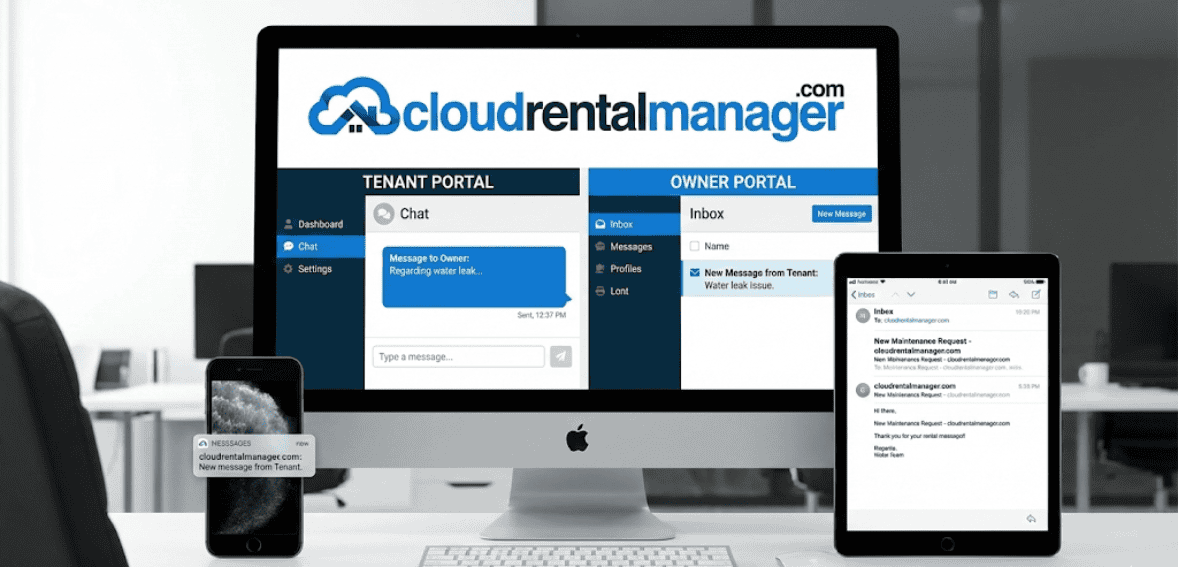
Communication breakdowns are a major source of maintenance delays and dissatisfaction. Cloud software replaces fragmented communication with centralized, role-based messaging.

Instead of juggling calls, texts, and emails, all communication related to a work order happens within the platform. Vendors can ask clarifying questions, upload photos, and mark tasks complete. Tenants receive updates without needing to follow up repeatedly. Managers maintain oversight without micromanaging.

This structured communication reduces misunderstandings and creates a documented trail of interactions. If disputes arise, records are readily available, protecting all parties involved.

Clear communication also strengthens relationships. Vendors appreciate organized workflows, and tenants feel respected when they are kept informed.

Controlling Maintenance Costs with Better Visibility and Data

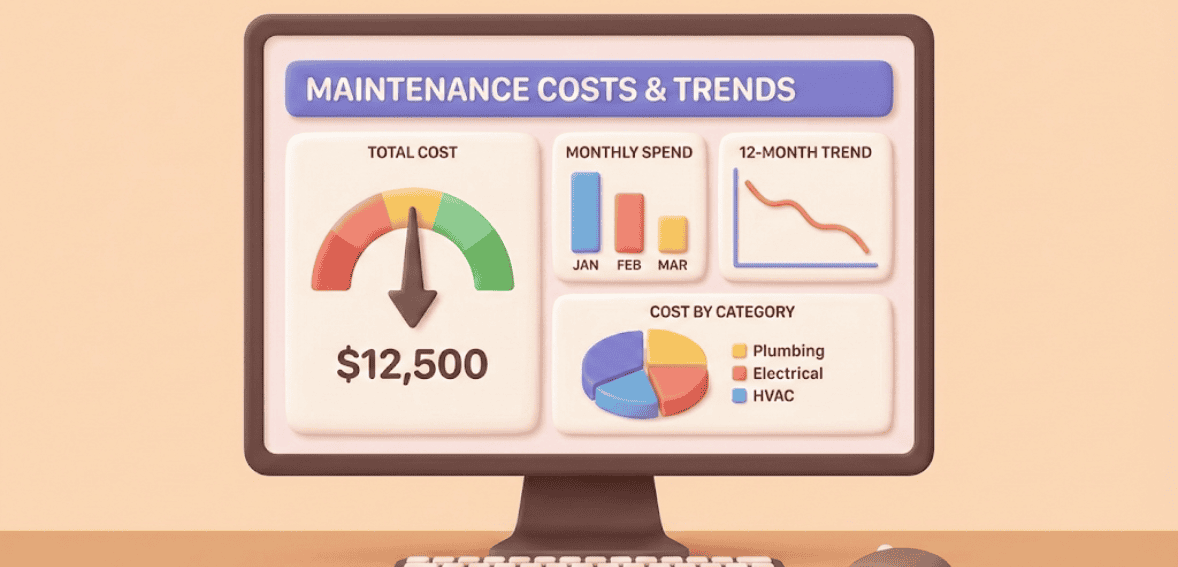
Property maintenance cost tracking using management software

One of the most overlooked advantages of cloud-based maintenance management software is cost control. Maintenance expenses tend to creep upward quietly, small repairs here, emergency calls there, until budgets are suddenly blown. When maintenance is tracked manually, it’s nearly impossible to see patterns early enough to intervene.

The Cloud software records every work order, vendor invoice, and labor cost in real time. This transparency enables property managers to quickly spot cost overruns and act early. For  example, if plumbing repairs are repeatedly occurring in the same building, the data may reveal that a capital improvement is more cost-effective than endless patchwork repairs. Without centralized tracking, these insights remain hidden. Cloud platforms turn maintenance from a reactive expense into a managed investment.

Shifting from Reactive Repairs to Preventive Maintenance

Preventive maintenance scheduling in property management software

Reactive maintenance is expensive. Emergency repairs cost more, disrupt tenants, and often cause collateral damage. Cloud software makes it far easier to shift toward preventive maintenance, which protects assets and reduces long-term costs.

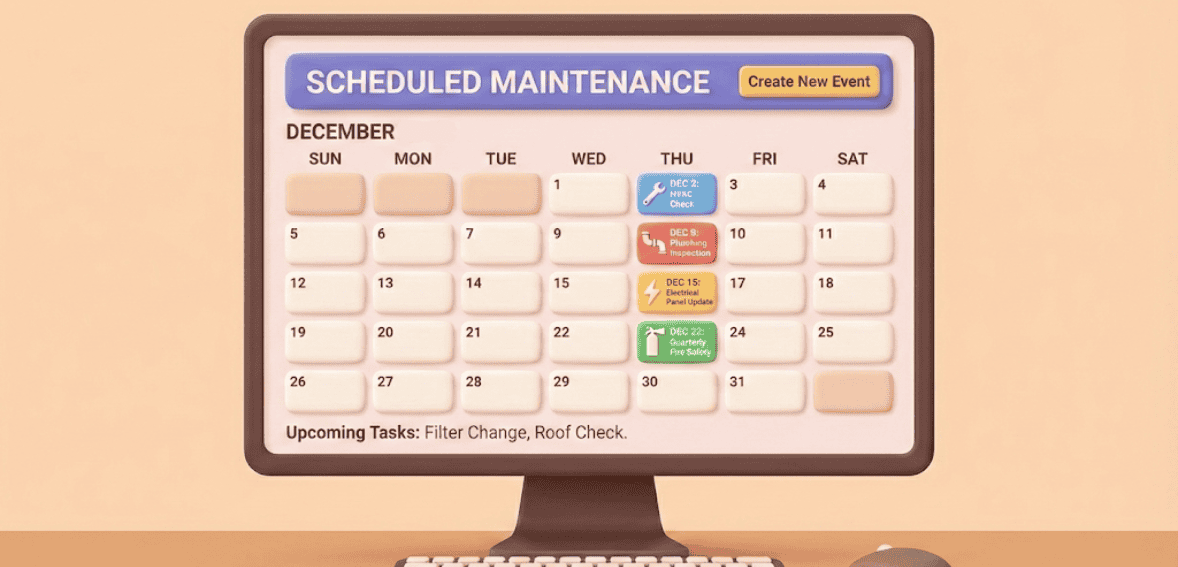
Using maintenance management software, managers can automatically schedule recurring inspections, servicing, and system checks. HVAC systems, elevators, fire alarms, and plumbing infrastructure can all be monitored through scheduled workflows rather than waiting for failures.

This proactive approach reduces downtime and extends the lifespan of major building systems. Tenants benefit from fewer disruptions, while owners benefit from smoother budgeting and lower emergency spending. Over time, preventive maintenance becomes one of the strongest arguments for investing in modern property technology.

Ensuring Compliance, Documentation, and Risk Reduction

Maintenance compliance documentation in cloud property software

Maintenance isn’t just about fixing things; it’s also about compliance. From safety inspections to habitability standards, property managers must document that issues are addressed properly and on time. Manual record-keeping often leaves gaps that can become liabilities during audits or legal disputes.

Cloud-based systems automatically document every maintenance action. Time stamps, photos, technician notes, and completion records are stored securely and easily retrievable. This documentation becomes invaluable when responding to tenant complaints, insurance claims, or regulatory inquiries.

Vendor compliance is also easier to manage. Licenses, insurance certificates, and expiration dates can be tracked within vendor profiles, with automated alerts when updates are needed. This reduces legal risk and ensures that only qualified contractors are working on properties.

Scaling Maintenance Operations Across Growing Portfolios

Scalable maintenance management software for multiple properties

As property portfolios grow, maintenance complexity increases exponentially. What works for ten units quickly breaks down at fifty or a hundred. Cloud software is designed to scale, allowing managers to maintain consistency across properties without increasing administrative burden.

Maintenance requests, vendor assignments, and scheduling rules can be standardized across locations while still allowing flexibility for local needs. Managers gain portfolio-wide visibility without losing property-level control.

This scalability is especially important for companies managing properties in multiple regions. Cloud platforms enable centralized oversight while empowering on-site teams with localized access. Growth becomes manageable rather than overwhelming.

Improving Tenant Satisfaction Through Faster, Transparent Service

Tenant maintenance communication through property management system

Tenant experience is closely tied to maintenance responsiveness. When residents feel ignored or uninformed, trust erodes quickly. Cloud-based maintenance systems dramatically improve this experience by introducing transparency and accountability.

Tenants know their requests are logged, prioritized, and actively managed. Automated updates eliminate uncertainty, and faster resolution builds confidence in management. Even when repairs take time, communication makes the difference between frustration and understanding.

Satisfied tenants are more likely to renew leases, submit fewer complaints, and treat properties with care. In competitive rental markets, maintenance efficiency becomes a differentiator not just an operational function.

Reducing Administrative Workload for Property Teams

Property managers and staff often spend excessive time coordinating maintenance rather than focusing on higher-value tasks. Cloud software reduces this burden by automating routine processes.

Work order creation, assignment, follow-ups, and documentation no longer require manual intervention. Vendor invoices can be automatically matched to completed work orders, reducing reconciliation time. Reporting that once took hours can be generated in seconds.

This efficiency frees up teams to focus on strategic priorities such as resident engagement, asset planning, and portfolio optimization. Burnout decreases, and job satisfaction improves across the organization.

Why Cloud Software Is Now Essential for Modern Maintenance Management

Maintenance and vendor coordination are no longer back-office functions; they are core drivers of operational success. Cloud-based maintenance management software brings structure, visibility, and intelligence to processes that were once fragmented and reactive.

By centralizing requests, automating scheduling, tracking vendors, controlling costs, and improving communication, property managers gain control over one of the most challenging aspects of their role. The result is not just efficiency, but confidence that nothing is falling through the cracks.

As properties become more complex and tenant expectations rise, cloud software is no longer optional. It is the foundation for sustainable, scalable, and professional property management.

Conclusion

Streamlining maintenance and vendor management with cloud software transforms chaos into clarity. What was once a reactive, labor-intensive process becomes an organized, data-driven operation that benefits everyone involved. Property managers gain visibility and control, vendors work more efficiently, and tenants experience faster, more transparent service.

In an industry where small inefficiencies compound quickly, cloud maintenance platforms provide the structure needed to operate at scale without sacrificing quality. For modern property management, they are not just tools; they are strategic assets.

FAQs

How does maintenance management software improve response times?

By centralizing requests and automating assignments, software eliminates delays caused by manual coordination and miscommunication.

Can cloud software help manage multiple vendors efficiently?

Yes. Vendor profiles, compliance tracking, and performance data make it easier to assign the right contractor to the right job.

Is cloud maintenance software suitable for small portfolios?

Absolutely. Even small property managers benefit from automation, organization, and reduced administrative workload.

Does maintenance software help reduce costs?

Over time, yes. Better tracking, preventive maintenance, and vendor accountability significantly lower long-term expenses.

Rent optimization software dashboard showing data-driven rental pricing insights

Maximizing Rental Income with Data-Driven Pricing: The Power of Predictive Analytics

For decades, rental pricing relied on instinct, habit, and rough comparisons. Owners checked nearby listings, added a small annual increase, and hoped the market cooperated. This worked in slower, more predictable markets. Today’s rental landscape is more dynamic. Demand shifts quickly. Tenant behavior depends on economic signals. Competition is visible for every online listing, not just the building next door.

Rent optimization software and dynamic pricing rentals now maximize income, maintain occupancy, and enable managers to use real-time data, trends, and analytics. Pricing decisions become proactive, letting managers anticipate rather than react to market changes.

Predictive analytics strengthens property management decision-making by clarifying how pricing affects demand, retention, and revenue. Used properly, data-driven pricing balances profitability and fairness for both owners and residents.

Why Traditional Rental Pricing Leaves Money on the Table

Many rental properties still use fixed pricing strategies that change little throughout the year. Rents are set at lease-up and adjusted annually, regardless of seasonal demand, vacancy, or competition. While this seems safe, it leads to missed revenue opportunities.

Static pricing ignores rental demand fluctuations. Some months see strong leasing activity; others, slower. Without adjustment, properties underprice during peak demand or overprice during slower periods, leading to vacancies.

Another problem with traditional pricing is slow reaction. By the time a manager notices increased vacancy or slower leasing, the damage is done. Rent cuts become reactive rather than strategic. Predictive analytics enables preemptive price changes using early signals—not just visible losses.

Dynamic pricing rentals are now essential in competitive markets. They enable rents to respond to actual conditions, ensuring income potential is not lost to outdated methods.

Understanding Predictive Analytics in Property Management

Predictive analytics uses historical and real-time data to forecast outcomes. Instead of asking “What happened last year?” it asks “What is likely to happen next?” This focus is crucial for pricing accuracy.

Predictive analytics looks for patterns across different data points. These include leasing velocity, vacancy duration, renewal rates, changes in market supply, and renter behavior. By analyzing these variables, the system estimates optimal rent levels for each unit at a given time.

Predictive analytics adapts as demand shifts. Pricing recommendations adjust accordingly, whether responding to market entrants or economic changes, to maintain occupancy.

This approach allows property managers to confidently make pricing decisions. The key benefits are more precise pricing, reduced revenue volatility, and improved portfolio performance, all grounded in evidence rather than guesswork.

How Rent Optimization Software Transforms Pricing Strategy

Data-driven rental pricing analysis using predictive analytics in property management

Rent optimization software is the operational engine for data-driven pricing. It collects, processes, and interprets rental market analytics. Managing this data manually would be nearly impossible. Instead of spreadsheets and scattered reports, pricing insights are centralized and actionable.

One of the most powerful aspects of this software is its ability to evaluate unit-level performance, which yields several benefits: identifying differences between units, recommending more accurate pricing, and avoiding blanket increases.

The software tracks tenant response to pricing changes. If a price adjustment slows inquiries or accelerates lease signings, the system learns and refines its models. Managers can balance rent growth and occupancy, giving owners more confidence in long-term revenue planning.

The Role of Rental Market Analytics in Smarter Pricing

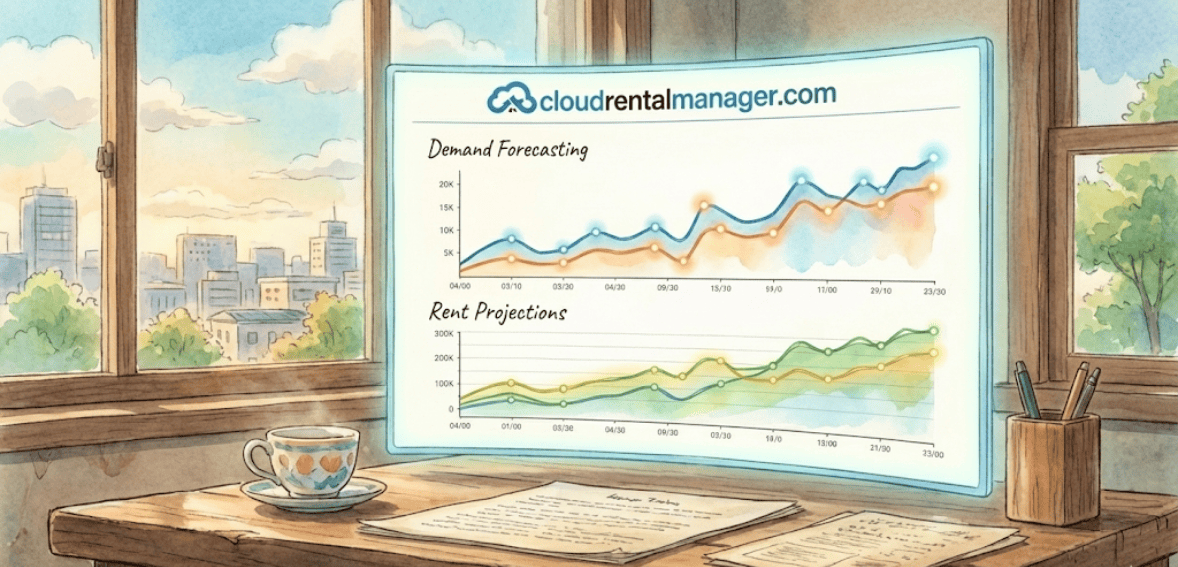
Predictive analytics forecasting rental demand and pricing decisions

Rental pricing does not exist in isolation. It is influenced by broader market forces, including employment trends, housing supply, interest rates, and migration patterns. Rental market analytics bring these external factors into pricing decisions.

By analyzing comparable properties, market absorption rates, and regional demand trends, managers gain a clearer picture of pricing. This prevents over-reliance on internal data alone. Internal data can be misleading without market context.

Market analytics also reveal competitive positioning. If similar properties are leasing faster at slightly different price points, pricing strategies can be adjusted proactively. This ensures rental income growth does not come at the cost of prolonged vacancies.

Combined with predictive analytics, market data produces several key benefits. It makes pricing decisions forward-looking, allows managers to anticipate demand, and helps maintain competitiveness.

Dynamic Pricing Rentals and Occupancy Balance

One common concern with dynamic pricing is the fear of destabilizing tenant relationships. However, when implemented thoughtfully, dynamic pricing for rentals actually supports long-term occupancy rather than threatens it.

Predictive analytics considers tenant sensitivity along with revenue goals. Pricing recommendations account for renewal probability to minimize unnecessary turnover. Instead of pushing rents everywhere, the system identifies where increases are sustainable and where stability is more valuable.

This balance is critical. High rents mean little if vacancy increases and leasing costs rise. Dynamic pricing helps avoid this trap by optimizing rent levels. The goal is to maximize net revenue, not just headline pricing. Over time, properties using dynamic pricing enjoy smoother cash flow, fewer disruptive vacancies, and a more predictable income stream, key advantages for long-term operational stability.

Setting Rent Prices Using Data Instead of Assumptions

One of the most impactful shifts in modern property management is moving away from assumption-based pricing. Data-driven management systems evaluate how long units stay vacant at different price points. They track how quickly leases are signed and how renewals respond to increases.

Managers set precise rents based on outcomes, not guesses.

Predictive analytics also accounts for timing. The benefits here include automatically adapting pricing to cycles, optimizing income, minimizing vacancies, and keeping offerings competitive year-round. This results in a pricing strategy that keeps pace with the market and maximizes income.

Revenue Management in Multifamily Portfolios

For large portfolios, multifamily revenue management is essential. Managing pricing for many units needs consistency, not uniformity. Predictive analytics allows portfolio-wide optimization while respecting unit-level differences.

By identifying patterns, managers tailor pricing strategies to each property. Some focus on occupancy, others on rent growth. Predictive analytics supports both, improving forecasting and investor confidence.

Long-Term Income Growth Versus Short-Term Rent Spikes

Long-term rental income growth using predictive analytics and dynamic pricing

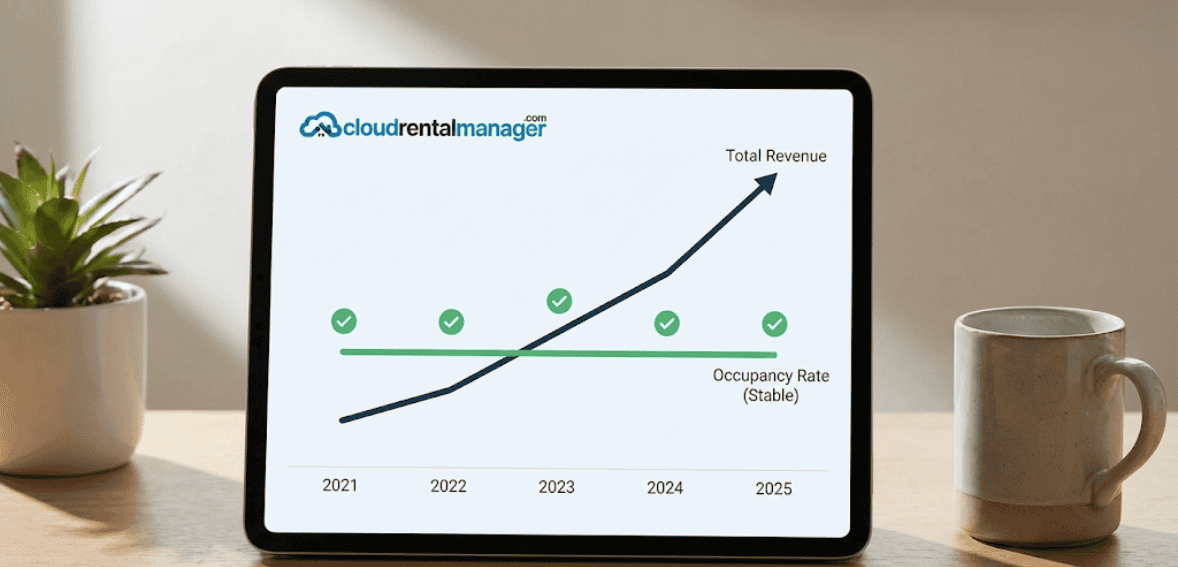
One misconception about data-driven pricing is that it only raises rents as quickly as possible. In reality, good rent optimization software targets sustainable income growth, not short-term spikes that damage occupancy and tenant trust.

Short-term rent spikes often look good on paper but carry hidden costs. Higher turnover means vacancy losses, more marketing expenses, unit attrition and administrative overhead. Predictive analytics helps property managers see these effects before making pricing decisions.

By analyzing renewal likelihood and tenant patterns, data-driven pricing often suggests modest, strategic increases to preserve long-term value. This prioritizes lifetime tenant value over aggressive pricing, ensuring stable revenue and strong tenant relationships. Predictive analytics optimizes the system, not just the next lease.

How Predictive Analytics Improves Lease Renewal Outcomes

Predictive pricing improving lease renewals and tenant retention

Lease renewals drive profitability but are often overlooked in pricing. Predictive analytics integrates renewal behavior into recommendations, helping avoid unnecessary turnover.

Rather than applying uniform increases, the system evaluates each tenant’s likelihood of renewing. It looks at payment history, length of tenancy, unit type, and market alternatives. If data shows that a tenant is price-sensitive but stable, the system may suggest a moderate increase or a flat renewal rate.

This approach reduces friction at renewal time. Tenants feel treated fairly, not exploited by arbitrary increases. In turn, renewal acceptance rates improve, vacancy downtime shrinks, and overall revenue stability increases.

Dynamic rental pricing is not about charging the maximum rent. It is about charging the right rent for each situation.

Avoiding Common Mistakes in Data-Driven Pricing

Avoiding rental pricing mistakes using predictive analytics software

While predictive analytics is powerful, it is not foolproof when used incorrectly. One common mistake is over-reliance on automation without human oversight. Data should inform decisions, not replace judgment.

Another mistake is focusing solely on competitor pricing without understanding demand signals. Matching or undercutting nearby properties may seem logical, but it ignores differences in amenities, tenant demographics, and operational efficiency.

Some managers also fail to consider communication. Sudden rent changes without explanation can confuse tenants and damage trust. Even when pricing is data-backed, transparency matters. Clear communication about renewal terms and market conditions helps maintain positive relationships.

The most successful pricing strategies blend analytics with experience, using data as a guide rather than a rigid rulebook.

Ethical and Fair Pricing in a Data-Driven World

As pricing becomes more sophisticated, ethical considerations become increasingly important. Predictive analytics must be used responsibly, especially in residential housing where affordability and fairness matter.

Ethical pricing avoids discriminatory outcomes and respects local regulations. Data-driven systems should focus on market conditions and unit attributes, rather than personal tenant characteristics. Responsible use ensures compliance while maintaining public trust.

Fair pricing also supports long-term business health. Tenants who feel respected are more likely to renew, refer others, and maintain their units well. Predictive analytics, when applied ethically, strengthens the relationship between profitability and fairness rather than creating tension between them.

Implementing Predictive Pricing Without Disrupting Operations

Transitioning to data-driven pricing does not require an overnight overhaul. Successful implementation happens gradually, with clear goals and measured adoption.

Most managers start with analytics for insights rather than automatic changes. This allows teams to compare recommended pricing against existing strategies and build confidence in the system. Over time, as accuracy is proven, automation can increase.

Training is also essential. Teams need to understand how pricing recommendations are generated and how to explain them to tenants and owners. When staff trust the system, adoption becomes smoother and resistance fades.

Implementation works best when pricing analytics are integrated into daily workflows rather than treated as a separate process.

Using Predictive Analytics to Plan for Market Shifts

Markets do not change overnight, but they do change quickly. Predictive analytics excels at detecting early signals of shifting demand, allowing managers to adapt before problems appear.

For example, rising vacancy trends in a submarket may signal oversupply. Analytics can recommend proactive pricing adjustments to maintain occupancy. Conversely, increasing inquiry volume may indicate an opportunity for strategic rent growth.

This forward-looking capability transforms pricing from a reactive task into a strategic planning tool. Managers gain the ability to forecast performance and adjust course early, protecting revenue during uncertain conditions.

The Competitive Advantage of Data-Driven Pricing

In today’s rental market, competitive advantage rarely comes from location alone. It comes from operational intelligence. Properties that use predictive analytics consistently outperform those that rely on manual pricing methods.

Data-driven pricing improves leasing speed, reduces vacancy loss, stabilizes renewals, and enhances owner confidence. Over time, these advantages compound, creating stronger portfolios that are better positioned to weather market volatility.

Predictive analytics does not eliminate risk, but it significantly reduces uncertainty. For property managers and owners focused on long-term success, that clarity is invaluable.

Conclusion

Maximizing rental income is no longer about guessing what the market will tolerate. It is about understanding what the market is signaling and responding accurately. Rent optimization software and dynamic pricing for rentals, powered by predictive analytics, offer a smarter, more sustainable approach to pricing.

By combining rental market analytics with real-time performance data, property managers can set rents that balance income growth with occupancy stability. Predictive analytics replaces reactive decision-making with strategic foresight, helping properties thrive in competitive, fluctuating markets.

Ultimately, data-driven pricing is not about charging more; it is about charging better. When pricing aligns with demand, tenant behavior, and long-term goals, rental. Ultimately, data-driven pricing is not about charging more; it is about charging better.

Rent optimization software uses data and predictive analytics to recommend rental prices that maximize revenue while maintaining healthy occupancy levels.

FAQs

How does dynamic pricing for rentals work?

Dynamic pricing adjusts rent based on real-time market conditions, demand patterns, and unit performance rather than fixed annual increases.

Is predictive analytics only for large properties?

No. Predictive analytics can benefit properties of all sizes by improving pricing accuracy and reducing vacancy-related losses.

Does data-driven pricing increase tenant turnover?

When used correctly, it often reduces turnover by aligning rent increases with tenant sensitivity and renewal likelihood.

How often should rental prices be adjusted?

Pricing frequency depends on market volatility, but predictive systems continuously monitor conditions and recommend changes when needed.

property management challenges solved with technology

Solving the Top Property Management Challenges with Technology

Property management has never been simple, but in today’s environment, it has become significantly more demanding. Owners and managers are expected to juggle tenant expectations, regulatory requirements, financial accuracy, maintenance coordination, and communication, often across multiple properties, while keeping costs under control. These property management challenges are not new, but the scale and speed at which they occur today make traditional, manual approaches increasingly ineffective.

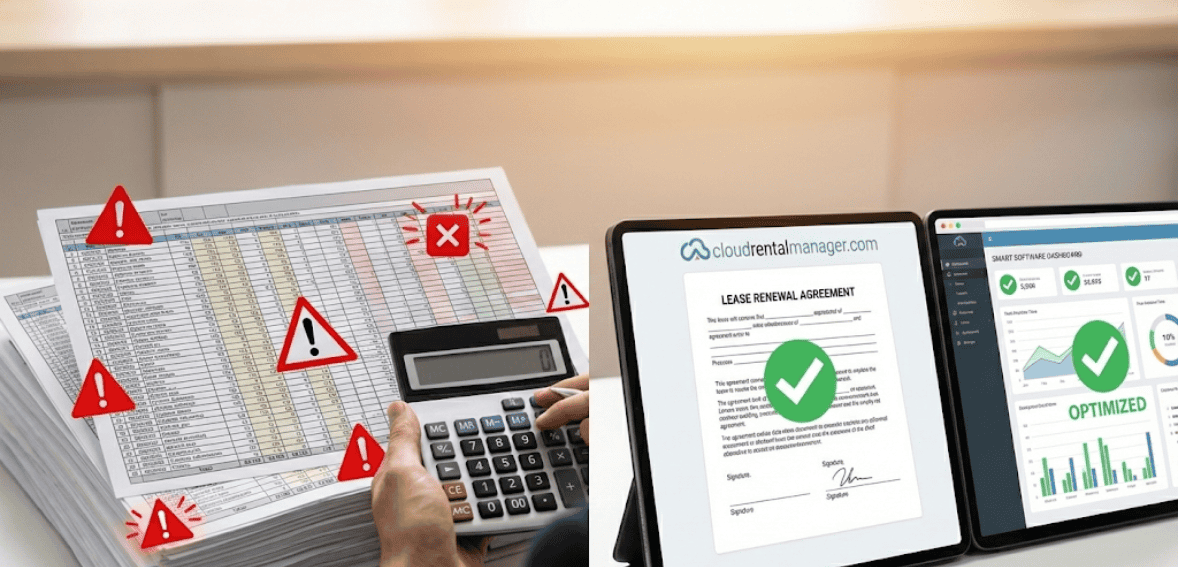
Many landlords and property managers still depend on spreadsheets, emails, and paper files. While useful at a small scale, these tools introduce errors and delays as portfolios grow. Missed rent payments, late maintenance, tenant dissatisfaction, and compliance risks signal systems that can’t keep up.

Technology is changing that equation. Modern tech solutions for landlords are designed to address the most persistent property management pain points directly, not by adding complexity, but by simplifying workflows, improving visibility, and reducing reliance on human memory. This article explores the most common rental management challenges that technology solves and explains how property managers can shift from reactive problem-solving to proactive, scalable operations.

The Growing Complexity of Property Management Challenges

Property management requires consistency: collect rent on time, address maintenance promptly, maintain accurate records, and support tenants. Each responsibility affects the others. Delays lower satisfaction and retention. Poor records cause compliance issues. Communication failures turn small issues into major disputes.

As portfolios expand, challenges multiply. Managing five units is not just five times harder than managing one; the overlap of information, tasks, and timelines makes coordination exponentially more difficult. Without centralized systems, property managers end up reacting to late payments, chasing documents, or resolving preventable conflicts.

This is where technology becomes more than a convenience. It becomes an operational necessity. By automating routine tasks, such as rent collection, document storage, and issue tracking, and centralizing information, technology helps property managers regain control over complexity instead of being overwhelmed by it.

Rent Collection Delays and Payment Tracking Issues

One of the most persistent property management challenges is inconsistent rent collection. Late payments, partial payments, and unclear payment records create cash flow uncertainty and administrative strain. When rent tracking relies on manual entries or separate bank statements, it becomes difficult to see who has paid, who has not, and what follow-up actions are required.

From the tenant’s perspective, unclear payment processes can also lead to frustration. If tenants are unsure whether a payment was received or how much they owe, disputes can arise even when both parties intend to comply.

Technology directly addresses this problem by introducing structured, automated rent collection systems. Digital payment platforms allow tenants to pay online through familiar methods, while property managers receive real-time confirmation of payments. Automated ledgers update instantly, removing the need for manual reconciliation and reducing the risk of errors. Alerts and reminders help both tenants and managers stay on schedule, increasing consistency and cash flow reliability.

More importantly, these systems create transparency. Both landlords and tenants can clearly see payment histories, outstanding balances, and due dates. This visibility reduces misunderstandings and allows managers to focus on strategic decisions rather than administrative follow-up. In this way, technology transforms rent collection from a recurring pain point into a predictable, manageable process.

Maintenance Coordination and Slow Response Times

tech solutions for landlords managing maintenance requests

Maintenance issues are unavoidable in rental properties, but how they are handled makes a significant difference in tenant satisfaction and long-term property value. One of the most common property management pain points is delayed maintenance response times, often caused by disorganized request handling and poor communication among tenants, managers, and vendors.

When maintenance requests are submitted by phone, email, or handwritten note, they can easily be overlooked or lost. Tracking the status of each request becomes difficult, and tenants may feel ignored if they do not receive updates. Over time, this erodes trust and increases turnover.

Technology helps property managers solve this challenge by centralizing maintenance workflows. Digital maintenance portals allow tenants to submit requests with clear descriptions and photos, ensuring issues are documented accurately from the start. Property managers can then assign tasks to appropriate vendors, track progress with automated updates, and communicate status to tenants promptly, resulting in faster, more reliable maintenance coordination.

Beyond efficiency, this approach improves accountability. Each maintenance request has a recorded timeline, making it easier to evaluate vendor performance and identify recurring issues. By using technology to streamline maintenance coordination, landlords not only improve response times but also protect their assets and strengthen tenant relationships.

Poor Communication with Tenants and Vendors

property management communication challenges solved by technology

Communication failures are central to many rental management difficulties. Tenants want timely updates, clear expectations, and easy ways to reach management. Vendors need accurate instructions, access to property details, and prompt approvals. When communication channels are fragmented, misunderstandings become inevitable.

Traditional communication methods often rely heavily on individual emails or phone calls, which are difficult to track and easy to forget. Important messages may be buried in inboxes, and there may be no record of who said what and when. This creates risk during disputes and increases the likelihood of repeated questions or missed commitments.

Technology offers a structured alternative. Centralized communication tools allow all messages related to a property, tenant, or maintenance task to be stored in a single location. Automated notifications ensure tenants receive updates about rent, maintenance, or policy changes without requiring manual outreach for each message.

For property managers, this creates consistency. Instead of responding reactively to incoming calls, they can communicate proactively and at scale. Over time, this improves tenant satisfaction and reduces the emotional labor associated with constant back-and-forth communication.

Administrative Overload and Time-Consuming Manual Tasks

property management pain points caused by manual processes

Many property managers enter the field to oversee properties, not to spend hours on repetitive administrative work. Yet manual data entry, document management, and reporting often consume disproportionate time. These tasks not only reduce productivity but also increase the risk of human error.

Administrative overload is one of the most underestimated challenges in property management. It creeps in gradually as portfolios grow, leaving managers feeling constantly busy but rarely effective. This can lead to burnout and make it difficult to focus on higher-value activities such as portfolio growth or tenant retention strategies.

Technology addresses this issue by automating routine processes. Lease renewals, reminders, document storage, and reporting can all be handled through centralized systems that reduce duplication and enforce consistency. Automatic alerts, digital templates, and electronic signatures further reduce manual effort, freeing up time and reducing errors.

The result is not just time savings, but mental clarity. When administrative burdens are reduced, managers can make better decisions, respond more thoughtfully to issues, and operate with confidence rather than stress.

Compliance Risks and Documentation Gaps

tech solutions for landlords handling compliance requirements

One of the most stressful property management challenges is staying compliant with ever-changing laws and regulations. Fair housing rules, local rental ordinances, safety requirements, and documentation standards vary by location and can change without much notice. Missing a deadline, losing a document, or applying policies inconsistently can lead to fines, legal disputes, or reputational damage.

Many compliance issues are not caused by intentional mistakes but by disorganization. Paper files, email attachments, and locally stored documents make it difficult to confirm whether records are complete, up to date, and accessible when needed. During audits or disputes, scrambling for paperwork becomes both time-consuming and risky.

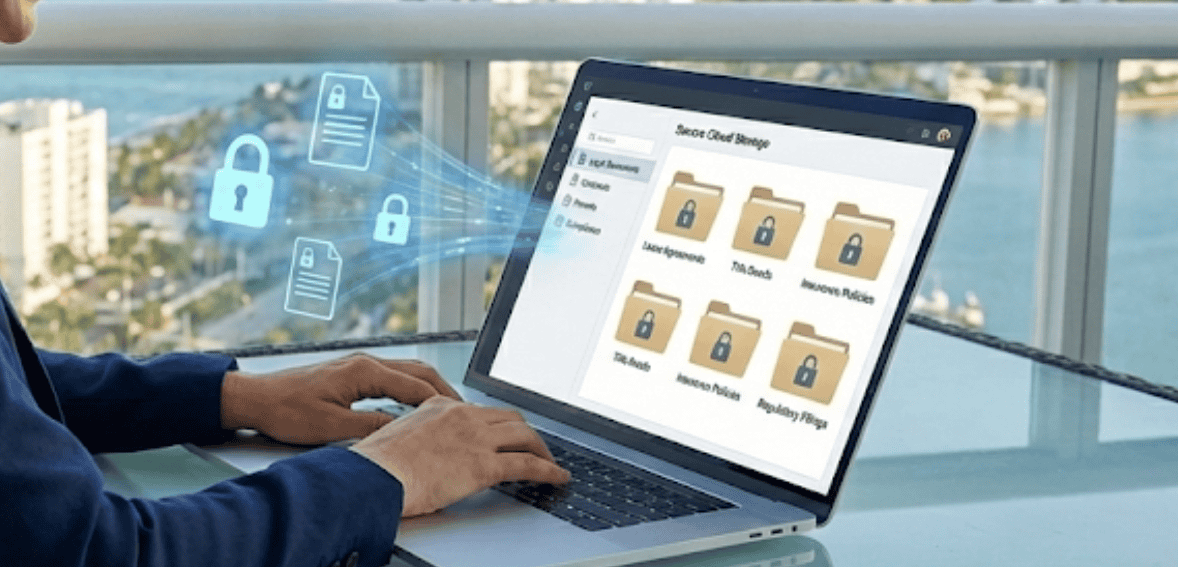
Technology helps solve these compliance challenges by centralizing all compliance-related documentation and standardizing workflows to ensure consistent processes. Digital recordkeeping ensures that leases, notices, inspection reports, and certifications are stored securely and properly indexed for easy retrieval during audits. Automated reminders proactively reduce the likelihood of missed deadlines, while role-based access controls safeguard sensitive information.

By using technology to support compliance, property managers move from a reactive posture, responding only when issues arise, to a proactive one in which compliance becomes part of daily operations rather than a constant source of anxiety.

Scaling Operations Without Losing Control

technology helping property managers scale operations

Growth is often seen as a success indicator, but for property managers, growth can expose weaknesses in existing systems. What worked for a small portfolio may fail when managing dozens or hundreds of units. Scaling introduces new layers of complexity, from increased maintenance volume to more tenant communication and financial tracking.

Without the right systems, growth can feel chaotic. Managers may struggle to maintain service quality, leading to slower response times and declining tenant satisfaction. Decision-making becomes harder when data is spread across multiple tools or locations.

Technology enables scalable operations by creating a single source of truth. Instead of adding more manual processes or staff just to keep up, managers can use centralized platforms that handle increased volume without proportional increases in workload. Automated workflows ensure consistency, while dashboards provide visibility across the portfolio.

This ability to scale efficiently is one of the most significant ways technology helps property managers move beyond survival mode and into strategic growth.

Lack of Visibility and Data-Driven Decision Making

how technology helps property managers make data driven decisions

Another common property management pain point is the inability to see the entire picture. When data is fragmented across spreadsheets, emails, and bank accounts, it becomes difficult to answer basic questions. Are vacancies increasing? Which properties generate the highest maintenance costs? Are rent increases aligned with market conditions?

Operating without clear data forces managers to rely on intuition rather than insight. While experience is valuable, it cannot replace accurate, timely information when managing complex portfolios.

Technology addresses this challenge by aggregating data into clear, actionable reports. Financial performance, occupancy trends, maintenance metrics, and tenant behavior can all be viewed in one place. This visibility allows managers to identify patterns, anticipate issues, and make informed decisions.

Over time, data-driven management leads to better outcomes. Instead of reacting to problems after they occur, property managers can intervene early, allocate resources more effectively, and align their strategies with long-term goals.

How Technology Brings All Solutions Together

Each of these challenges, including rent collection, maintenance, communication, administration, compliance, scalability, and visibility, may seem distinct, but they are deeply interconnected. Technology works best when it addresses them holistically rather than isolated.

Modern tech solutions for landlords are designed to integrate workflows rather than replace them piecemeal. When systems communicate, information flows naturally across departments and tasks. A maintenance request can automatically trigger communication updates, vendor assignments, and cost tracking. A lease renewal can update financial projections and compliance records simultaneously.

This integration reduces friction and allows property managers to operate with confidence. Instead of juggling tools and processes, they oversee a cohesive system that supports their work rather than complicates it.

Conclusion: Turning Property Management Challenges into Opportunities

Property management will always involve complexity, but complexity does not have to mean chaos. The most common property management challenges persist not because they are unsolvable, but because outdated tools and processes make them harder than they need to be.

Technology offers a practical path forward. By addressing pain points systematically from rent collection and maintenance to compliance and decision-making, property managers can shift from reactive problem-solving to proactive leadership. The goal is not to remove the human element from property management, but to support it with systems that enhance clarity, consistency, and control.

In an increasingly competitive and regulated environment, embracing technology is no longer optional. It is the foundation for sustainable, professional property management that benefits landlords, tenants, and managers alike.

FAQs

How does technology help solve property management challenges?

Technology centralizes data, automates repetitive tasks, and improves visibility, making it easier to manage rent, maintenance, communication, and compliance efficiently.

Are tech solutions only useful for large property portfolios?

No. Even small landlords benefit from automation and organization, and technology becomes more valuable as portfolios grow.

Can technology really improve tenant satisfaction?

Yes. Faster maintenance responses, clear communication, and transparent billing directly improve the tenant experience and reduce turnover.

Is adopting new technology difficult for property managers?

Most modern systems are designed to be user-friendly, and the long-term time savings typically outweigh the initial learning curve.

What is the biggest risk of not using technology in property management?

Relying on manual processes increases the risk of errors, missed deadlines, poor visibility, and burnout as operational demands grow.

student housing management with modern technology

Mastering Student Housing Management: Tech Solutions for Turnover and Beyond

Student housing management differs from other rentals: faster pace, higher turnover, and distinct tenant expectations. Today, it’s not just about collecting rent and handling maintenance; managers must align with academic calendars, handle mass move-ins and move-outs, support new renters, and do so quickly and accurately.

As universities expand and student populations become more mobile, property managers are under pressure to maintain smooth operations while remaining profitable. This is where student housing software solutions are no longer optional. Technology has become the backbone that enables student housing managers to navigate peak turnover seasons while still operating efficiently year-round.

This article shows how technology transforms student housing management, especially during periods of intense turnover, and why adopting the right systems is critical for sustained success.

The Unique Complexity of Student Housing Management

student housing retention through better management

Student housing faces challenges absent from traditional rentals. Students sign shorter, semester-based leases, so turnover is sudden and large-scale. One property might see hundreds of move-outs in a single day.
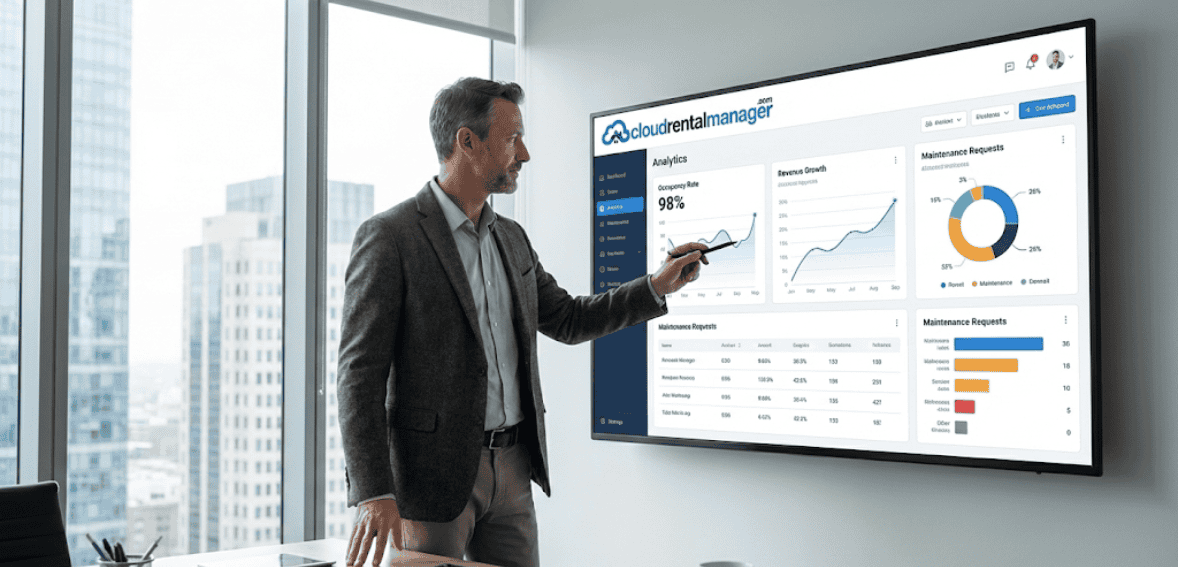
Many student renters live independently for the first time, adding administrative work answering lease questions, coordinating with parents and co-signers, and handling tight schedules for inspections, cleaning, repairs, and marketing.

Without solid systems, student housing can become chaotic. Manual processes and spreadsheets can’t keep up with the speed and scale required during academic transitions.

Managing Student Rentals Around the Academic Calendar

One of the defining characteristics of student housing is its dependence on the academic calendar. Leasing cycles, rent due dates, renewals, and turnover schedules are all dictated by school terms rather than traditional monthly rhythms.

Student housing managers must plan far in advance for predictable spikes such as summer move-outs, fall move-ins, and mid-year graduations. At the same time, they must remain flexible to accommodate unexpected changes, such as early withdrawals or late admissions.

Technology designed for managing student rentals around the academic calendar helps managers visualize these cycles clearly. Automated lease tracking, renewal reminders, and scheduled maintenance planning enable teams to plan months in advance rather than scrambling at the last minute. When academic schedules are built directly into workflows, properties operate with far fewer disruptions.

Handling High-Volume Turnover Without Operational Burnout

Turnover is the key challenge in student housing. When dozens or hundreds move out at once, inspections, repairs, cleaning, and re-leasing must be fast.

Without structure, tasks are missed. Units go vacant from delayed inspections, maintenance repeats work, and leasing struggles to track readiness.

Modern student housing software solutions centralize turnover workflows into a single system. Managers can automatically assign tasks, track unit status in real time, and ensure no step is missed. Instead of relying on memory or paper checklists, teams operate with clarity and accountability.

This organization reduces turnover stress, shortens vacancies, and protects rental income.

Streamlining Move-Ins and Move-Outs with Digital Workflows

Move-in and move-out days are critical moments in the student housing experience. These transitions shape how students perceive the property and influence whether they renew or recommend it to others.

Digital workflows, such as online checklists, real-time inspection apps, photo documentation, and automated messaging, simplify move-in and move-out processes. Students can access instructions through mobile portals, while managers get accurate records and time-stamped proof, reducing confusion and minimizing disputes for all involved.

For dorm-style and off-campus properties alike, dorm property management tech ensures that every unit follows the same standardized process. This consistency becomes invaluable during large-scale turnovers when human error is most likely to occur.

Supporting Student Tenants with Technology-First Communication

Student tenants expect fast, mobile-friendly communication. Emails, portals, and in-app notifications feel natural to them, while phone calls and paperwork often feel outdated.

With student tenant software, property managers meet communication expectations efficiently. Automated reminders keep students informed, while centralized messaging documents conversations for consistency and reduces manual follow-ups.

This technology-driven approach doesn’t remove the human element; it enhances it. Staff spend less time answering repetitive questions and more time addressing real concerns that require personal attention.

Improving Lease Compliance and Reducing Risk in Student Housing

With multiple tenants per unit, co-signers, and varying lease terms, compliance risks are higher in student housing. Missing signatures, outdated documents, or inconsistent lease clauses can quickly turn into legal or financial issues.

Digital lease management tools ensure that all documentation is complete, up to date, and easy to retrieve. Automated alerts notify managers of expiring leases or missing paperwork before problems arise.

By embedding compliance into daily workflows, student housing management becomes more secure and far less reactive.

Preparing for What Comes After Turnover

Turnover may be the most visible challenge in student housing, but success depends on what happens afterward. Once units are filled, managers must shift focus to retention, maintenance efficiency, and long-term planning.

Technology allows teams to smoothly transition from high-intensity turnover mode to stable operations. Maintenance tracking platforms speed up request processing, resident engagement tools increase student satisfaction, and analytics dashboards surface issues before they escalate, supporting continuous improvement and a better living experience.

Rather than viewing turnover as an annual crisis, technology enables student housing operators to manage it as a predictable, continuously improved process.

Strengthening Retention in Student Housing Beyond the First Lease

Student housing is often seen as short-term by default, but retention still matters more than many managers realize. Even if students stay only one or two years, renewals reduce marketing costs, stabilize occupancy, and make planning far easier. Technology plays a quiet yet powerful role in improving retention by reducing friction in daily life.

When maintenance is prompt, communication is clear, and residents feel supported, students are more likely to renew or recommend the property. Software lets managers track service response times, identify recurring issues, and spot early dissatisfaction, providing insight into what influences student decisions.

Student housing is not just luxury amenities. It’s about reliability. Systems that ensure consistent service delivery help create trust, which is often the deciding factor when students choose where to live next year.

Managing Parent and Guarantor Relationships with Confidence

parent and guarantor communication in student housing

Unlike traditional rentals, student housing involves a second audience: parents and guarantors. These stakeholders often care deeply about safety, billing accuracy, and transparency, even if they never set foot on the property. Handling their concerns manually can overwhelm on-site teams.

Modern student-tenant software enables managers to intelligently separate communication channels. Parents can receive financial updates or emergency notices without interfering with student-facing communication. Lease documents, payment records, and policies can be accessed digitally, reducing phone calls and misunderstandings.

This structured approach protects staff time while reassuring families. When parents feel informed and confident, disputes decrease, and relationships remain professional rather than reactive.

Using Data to Make Smarter Student Housing Decisions

data driven student housing management software

Student housing generates enormous amounts of data, such as lease cycles, maintenance patterns, occupancy rates, turnover timelines, and more. Without proper systems, that data stays buried and unused. With the right technology, it becomes a strategic advantage.

Student housing management platforms allow managers to analyze trends over multiple academic years. Patterns such as recurring maintenance issues after move-in, peak service request periods, or frequent lease disputes become visible. This insight helps managers refine processes and allocate resources more effectively.

Data-driven decisions reduce guesswork. Instead of reacting to problems as they occur, managers can anticipate challenges and address them proactively, improving both efficiency and resident satisfaction.

Scaling Student Housing Operations Without Losing Control

scaling student housing management with software

As student housing portfolios grow, complexity increases rapidly. Managing one building is very different from managing several properties across multiple campuses. Without scalable systems, growth often leads to inconsistency and burnout.

Technology provides the structure needed to scale responsibly. Centralized dashboards allow leadership to monitor performance across properties while still empowering on-site teams to act independently. Standardized workflows ensure that policies are applied consistently, even as teams expand.

For operators managing multiple student housing communities, software becomes the glue that holds everything together. It ensures that growth does not come at the cost of quality or compliance.
Enhancing Maintenance Efficiency in Student-Focused Properties

student housing maintenance management technology

Maintenance in student housing is uniquely demanding. High occupancy density, frequent wear and limited access windows require precise coordination. Missed repairs or delayed responses can quickly escalate into reputation issues.

Property management technology streamlines maintenance by prioritizing requests, tracking response times, and documenting work performed. This clarity helps teams move faster while reducing repeat visits and miscommunication.

More importantly, transparent maintenance systems improve trust with residents. When students can see progress updates instead of waiting in uncertainty, frustration drops significantly.

Preparing for Compliance and Risk Management in Student Rentals

student housing compliance and risk management

Student housing must follow local housing laws, safety regulations, and fair housing requirements, often under intense scrutiny due to the age and vulnerability of residents. Managing compliance manually increases the risk of oversight.

Digital systems reduce this risk by enforcing standardized documentation, tracking inspections, and maintaining audit-ready records. Whether it’s fire safety checks, occupancy limits, or lease disclosures, technology ensures that nothing is overlooked.

This proactive approach protects both residents and operators, transforming compliance from a stress point into a controlled process.

The Future of Student Housing Management

future of student housing management technology

Student housing continues to evolve. Students expect digital-first experiences, faster responses, and greater transparency. Properties that rely on outdated systems will struggle to meet these expectations.

The future of student housing management lies in integrated platforms that support the entire lifecycle from leasing and turnover to maintenance and renewal. Technology will not replace human judgment, but it will amplify it by removing unnecessary friction and administrative burden.

Managers who embrace these tools position themselves not just to survive turnover seasons, but to lead their markets with confidence.

Conclusion: Turning Turnover into Opportunity

Student housing will always involve high turnover. That reality isn’t changing. What can change is how managers experience it. With the right technology, turnover becomes a planned process rather than a crisis.

By adopting modern student housing software solutions, managers gain control over complexity, improve resident satisfaction, and build resilient operations year after year. Technology doesn’t eliminate challenges, but it transforms how effectively they’re handled.

In today’s student housing landscape, success belongs to those who manage proactively, communicate clearly, and use technology as a strategic partner rather than an afterthought.

FAQs

What makes student housing management different from traditional rentals?

Student housing revolves around academic calendars, high turnover, and younger tenants, which create faster cycles and higher operational pressure than in standard residential properties.

How does student housing software help during turnover season?

It centralizes inspections, maintenance, leasing, and communication into one system, allowing teams to coordinate tasks quickly and reduce vacancy time.

Can technology improve student tenant satisfaction?

Yes. Faster maintenance responses, clear communication, and digital convenience significantly improve the student living experience.

Is student housing software only useful for large portfolios?

No. Even small student housing operators benefit from automation, especially during move-in and move-out periods.

Does using technology reduce the need for on-site staff?

Technology doesn’t replace staff; it allows them to focus on meaningful interactions rather than repetitive administrative tasks.

Property management software migration process with cloud-based system implementation

Switching Systems Smoothly: A Guide to Property Management Software Migration

For many property managers, the idea of changing systems is stressful. You’ve built workflows over the years: leases tracked one way, rent logged in familiar spreadsheets, maintenance handled by email or legacy tools. Moving that data to a new platform can seem risky, time-consuming, and disruptive.

But the reality is: most migrations fail due to poor planning, not poor software. With careful preparation, migrating property management systems doesn’t disrupt operations; it improves them. Cleaner data, smoother workflows, better visibility, and less friction become the new standard.

In this guide, we’ll walk through how to switch property management systems smoothly, without losing data, frustrating staff, or disrupting tenants. You’ll learn practical steps to ensure a successful transition for your team and portfolio.

Understanding When It’s Time for Migration

Validating data accuracy after property management software migration

Most property managers don’t wake up one morning and decide to migrate software. The decision usually comes after months or years of small frustrations piling up. Reports take too long to generate. Lease renewals get missed. Team members double-enter data. Owners ask for insights you can’t easily provide.

These problems aren’t always obvious signs of failure, but they are signals of stagnation. As portfolios grow, systems that once worked well begin to show cracks. Manual processes become bottlenecks. Data lives in too many places. Accountability becomes harder to enforce.

Recognizing that your current system is limiting growth is the first step toward successfully implementing new property software. Migration isn’t about chasing shiny tools; it’s about removing friction that slows down people and decisions.

Preparing for Property Management Software Migration the Right Way

Before working with data or signing contracts, preparation is paramount. A smooth migration requires clarity about goals, data, and internal processes.

Many teams rush through this phase, mistaking migration for a simple move. Instead, treat it as an opportunity to document current workflows and future goals to prevent confusion later.

Preparation means knowing what data you truly need, what can be archived, and what should be corrected before migration begins. Old tenant records, duplicate vendor entries, and outdated lease terms these issues don’t disappear on their own. Migration simply exposes them.

When done thoughtfully, data migration rental software becomes a reset button rather than a risk. The right approach lets you start fresh, free of past data issues.

Cleaning and Organizing Your Data Before Migration

One of the biggest mistakes during switching property management systems is transferring messy data directly into a new platform. This is like moving into a new house without decluttering. You bring old problems into a new space.

Audit your data before migration tenant records, lease dates, payment histories, owner accounts, vendor lists, maintenance logs. You’ll often find inconsistencies that were previously addressed by manual workarounds.

Cleaning data isn’t perfection; it’s accuracy. Correct lease end dates, standardize naming, and remove inactive records not needed for operations or compliance. This step alone often boosts reporting quality before the new system launches.

A clean foundation makes onboarding new property management software dramatically easier for everyone involved. Well-organized data makes every future process smoother.

Choosing the Right Migration Strategy for Your Portfolio

Successful property management operations after software migration

Migrations don’t have to happen all at once. Gradual transitions are often more successful than abrupt switches, and the right approach depends on your portfolio.

Managers may choose to migrate property by property or start with core data, such as leases and tenants. The goal: minimize disruption and maintain continuity.

A thoughtful implementation plan allows teams to build confidence in the new system while keeping day-to-day tasks running smoothly. This reduces stress and resistance, especially among staff who are less tech-comfortable.

Migration isn’t a race. It’s a controlled transition designed to protect accuracy, trust, and productivity. Success comes from careful planning and gradual implementation.

Modern property management software, combined with workflow automation and data analytics, brings structure to complexity by centralizing operations, providing visibility across a portfolio, improving decision-making, and ultimately supporting better financial outcomes. With technology now redefining property management, understanding the tools and strategies shaping the digital era is essential for every commercial property manager aiming to stay competitive.

Managing Team Expectations During System Changes

Technology changes affect people before they affect processes. Even the best software will struggle if teams feel overwhelmed, excluded, or unprepared.

Clear communication is essential. Explain why changes are happening, what problems are solved, and how daily work benefits. When people understand the purpose, engagement increases.

Training should focus on workflows, not features. Staff don’t need to know every button; they need to know how to complete their tasks efficiently. Hands-on guidance, realistic timelines, and patience during the adjustment period go a long way.

Successful onboarding of new property management software is as much about emotional readiness as it is about technical readiness.

Avoiding Downtime and Operational Disruptions

One of the biggest fears during migration is operational downtime, missed rent postings, delayed maintenance requests, or confusion during lease renewals. While these risks are real, they are manageable with proper sequencing.

Maintaining temporary overlap between old and new systems can help teams verify accuracy before fully switching over. This validation phase ensures confidence without pressure. It also allows quick correction of errors before they impact tenants or owners.

Downtime is rarely caused by software itself; it’s caused by rushed timelines and unclear responsibilities. To minimize disruption, plan carefully and assign clear roles throughout rollout.

Validating Data After Migration: Trust but Always Verify

Once your property management software migration is technically complete, the real work begins. This stage is often underestimated, but it’s where long-term success is decided. Validation is not about mistrust; it’s about confidence. You want to be absolutely sure that what lived in your old system now lives correctly, completely, and cleanly in the new one.

Start with the most critical data first. Lease records, tenant balances, rent schedules, and owner statements should be reviewed carefully. Compare a sample set of records between the old and new systems. Do balances match? Are lease dates aligned? Are recurring charges showing up correctly? These checks catch issues early, before they impact real-world operations.

Validation should involve the people actually using the data. Accountants, leasing staff, and maintenance coordinators each see data differently. Their perspective helps surface inconsistencies that a technical check might miss. This shared review process also builds trust in the new platform and reduces anxiety around the transition.

Migration isn’t finished when data moves. It’s finished when people trust what they see on the screen. Always verify data and build user confidence to ensure long-term success.

Adjusting Workflows to Fit the New System (Not Forcing Old Habits)

Updating property management workflows after switching software systems

One of the biggest mistakes teams make after switching property management systems is trying to recreate old workflows exactly as they were. While familiarity feels comfortable, it often defeats the purpose of upgrading.

Modern platforms are designed around automation, integration, and visibility. They expect processes to flow differently. Instead of bending the software to mimic old habits, take time to understand how tasks are meant to be completed in the new environment.

For example, manual rent posting may be replaced by automated schedules. Email-based maintenance tracking may shift to centralized request portals. The owner reports that what once took hours may now be generated instantly. These changes require mindset shifts, not just clicks.

This phase is where efficiency gains truly appear. Teams that embrace updated workflows often realize they were doing extra work for years without realizing it. Letting go of outdated processes is uncomfortable, but it’s also liberating. Embrace new workflows for lasting benefits.

Training for Confidence, Not Just Competence

Training staff during onboarding of new property management software

Training should never be treated as a one-time event. True onboarding of new property management software happens in stages, as people encounter real scenarios in their daily work.

Initial training introduces the system. Follow-up training builds confidence. Refresher sessions reinforce best practices. The goal isn’t mastery, it’s comfort. When users feel comfortable, adoption sticks.

Encourage questions. Normalize mistakes. Create simple internal guides based on your actual workflows rather than generic documentation. When team members know where to go for help, they experiment more and rely less on workarounds.

Strong training cultures turn software from a tool into an ally. Ongoing learning helps staff adapt, troubleshoot, and get the most value from new systems.

Managing Tenant and Owner Communication During Transition

Tenant and owner communication during property management software implementation

While much of migration happens behind the scenes, tenants and owners may still notice changes. Payment portals, statement formats, and maintenance workflows can raise questions if not communicated properly.

Transparency matters. Simple messages explaining what’s changing, when it’s happening, and how it benefits them reduce confusion and build trust. Most stakeholders don’t mind changing their mind surprises. Proactive communication reassures and retains stakeholder confidence during transitions.

For tenants, clarity around payment methods and maintenance requests is especially important. For owners, reporting timelines and access credentials should be communicated early. Proactive communication prevents support overload and reinforces professionalism.

Technology upgrades are opportunities to strengthen relationships, not strain them.

Measuring Success After Implementation

Measuring ROI and performance after property management software migration

Once the dust settles, it’s important to evaluate whether the migration delivered on its promise. Success isn’t just technical, it’s operational.

Look at measurable improvements. Are tasks taking less time? Are errors reduced? Are reports easier to generate? Are team members less reliant on spreadsheets and manual tracking? These indicators reveal real return on effort.

Equally important are qualitative signals. Is the team less stressed during peak periods? Is onboarding new hires easier? Are owners more satisfied with visibility and reporting? These human outcomes matter as much as efficiency metrics.

Implementing new property software should make work smoother, not just different.

Continuous Optimization: Migration Is the Beginning, Not the End

Continuous optimization of property management software after migration

Many teams treat migration as a finish line. In reality, it’s a starting point. Once the system is stable, optimization begins.

Over time, gradually explore advanced features. Automations, integrations, and reporting tools should be layered thoughtfully rather than implemented all at once. As confidence grows, so does capability.

Regularly revisit workflows. Ask what still feels manual, repetitive, or unclear. Modern platforms evolve, and your use of them should evolve too. Continuous improvement ensures the system grows alongside your portfolio.

Property management software migration isn’t about changing systems; it’s about building better operations over time.

Common Mistakes to Avoid When Switching Systems

Common mistakes during property management system migration

The most frequent migration failures are rarely technical. They’re behavioral.

Rushing timelines leads to overlooked data issues. Skipping training creates resistance. Migrating messy data compounds old problems. Under-communicating creates fear and frustration. Trying to replicate outdated workflows limits growth.

Avoiding these mistakes doesn’t require perfection; it just requires patience and planning. Successful teams move deliberately, listen actively, and adapt continuously.

Migration rewards those who treat it as a process, not a project.

Conclusion: Turning Migration Into Momentum

Switching property management systems is one of the most impactful decisions a property manager can make. When handled with care, it reduces chaos, improves clarity, and unlocks scalability that manual systems can’t.

Property management software migration is not about abandoning the past; it’s about building a stronger future. A future where data is reliable, workflows are efficient, teams are confident, and growth feels manageable rather than overwhelming.

Handled thoughtfully, migration doesn’t disrupt your business. It elevates it.

FAQs

How long does a property management software migration usually take?

It depends on portfolio size and data complexity, but most migrations take several weeks from planning to full adoption. Rushing the process often causes more delays later.

Is data loss common during migration?

Data loss is rare when migration is planned properly and validation steps are followed. Most issues come from unclean source data, not the migration itself.

Can small property managers benefit from migrating systems?

Absolutely. Smaller portfolios often see faster gains because automation quickly replaces manual work, freeing up time and reducing errors early.

Do I need technical expertise to manage a migration?

No. While technical support helps, successful migration relies more on process clarity, communication, and training than technical skill.

When should I start optimizing after migration?

Once core workflows are stable and users are comfortable, it is usually within a few weeks. Optimization should be gradual and continuous.

tenant screening software fair housing

Fair Housing in the Digital Age: Modern Tenant Screening and Compliance

Tenant screening has shifted from manual paper applications and personal judgments to digital applications, automated background checks, and algorithm-driven tools. While this provides efficiency and consistency for managers and landlords in property management, it raises concerns about fairness, transparency, and access for tenants.

Fair housing laws prevent discrimination and require that housing decisions be based on legitimate, unbiased criteria. In the digital age, these protections extend to tenant screening software and AI-driven systems. The main challenge is ensuring technology aligns with fair housing principles, not just its use in screening.

This article explores fair housing in the digital age, focusing on how tenant screening software and AI-driven tools can support, rather than undermine, compliance. We’ll examine how modern screening works, where risks arise, and how property managers can confidently use technology while avoiding discriminatory practices.

The Evolution of Tenant Screening in a Digital World

modern tenant screening software

Tenant screening has always existed, but the methods have evolved alongside technology. Historically, screening relied heavily on manual processes: landlords reviewed paper applications, called references, and made decisions based on limited information. While slower, these methods placed decision-making squarely in human hands.

Modern tenant screening software has largely replaced this manual effort. Today’s rental application screening tools can instantly evaluate credit history, criminal records, eviction filings, income verification, and identity checks. Some systems go further, using artificial intelligence to score applicants or flag “risk” based on large datasets.

From an operational standpoint, this evolution is a major improvement. Digital screening reduces processing time, improves record-keeping, and creates consistent workflows. However, consistency alone does not guarantee fairness. When technology automates decisions, it also amplifies any biases embedded in the data or logic behind the system.

Given these technological advances, it’s crucial to revisit the legal requirements that shape fair housing practices in tenant screening.

Understanding Fair Housing Obligations in Tenant Screening

Fair housing laws prohibit discrimination based on protected characteristics such as race, color, religion, sex, national origin, disability, and familial status. These protections apply at every stage of the rental process, including advertising, applications, screening, approvals, and denials.

These legal standards apply whether a human or an automated platform does screening. Property managers must ensure screening criteria are applied equally, with no protected group excluded without legitimate, business-related reasons.

One common misconception is that automation eliminates bias simply because decisions are not made by humans. In reality, algorithms are built by humans and trained on historical data. If past housing decisions reflected inequality or systemic bias, those patterns can be unintentionally carried forward into modern screening tools.

Property managers must understand both what their screening software does and how it functions.

Tenant Screening Software and Fair Housing Compliance

Tenant screening software can be a powerful ally in fair housing compliance when used correctly. The most effective systems are designed to standardize evaluation criteria and reduce subjective decision-making.

Consistent income verification, clear credit standards, and set rental history benchmarks help ensure all applicants are measured equally. Documenting and applying these rules evenly strengthens compliance.

However, problems arise when software outputs are treated as unquestionable decisions rather than decision-support tools. Automatically rejecting applicants without understanding the underlying reasons can pose risks, especially if the criteria disproportionately affect protected classes.

Best practice is to treat screening results as informational, not absolute. Property managers should retain oversight, review edge cases, and ensure that decisions are defensible based on legitimate business needs, such as the ability to pay rent or a history of lease compliance.

AI Tenant Screening Regulations and Emerging Concerns

AI tenant screening regulations

Artificial intelligence has introduced new efficiencies and new complexities into tenant screening. AI-powered systems may evaluate applicants using predictive models that assess risk beyond traditional metrics like credit score or income ratio.

While these tools can improve accuracy in some areas, they also raise serious regulatory and ethical concerns. AI tenant screening regulations are still evolving, but regulators increasingly emphasize transparency, explainability, and accountability.

One major concern is opacity. If a system cannot clearly explain why an applicant was flagged or denied, it becomes difficult for property managers to ensure compliance with fair housing requirements. Another concern is proxy discrimination, where seemingly neutral factors (such as ZIP codes or employment patterns) indirectly correlate with protected characteristics.

As AI becomes more prevalent, property managers must ensure their screening tools align with fair housing requirements and withstand regulatory scrutiny.

Fair Housing and Algorithms: Where Risk Often Appears

Algorithms do not discriminate intentionally, but they can still produce discriminatory outcomes. This often happens in subtle ways that are difficult to detect without careful review.

Heavy emphasis on credit history can affect younger or unbanked applicants. Automated criminal checks may overlook the nature or timing of offenses, leading to unfair exclusions.

Fair housing and algorithms intersect most critically when screening tools lack flexibility or fail to allow contextual review. Systems that support individualized assessments, exception documentation, and human review are generally better aligned with compliance principles.

Property managers should avoid tools that promise “fully automated decisions” if those tools lack transparency or manual override options.

Avoiding Discrimination in Screening Through Policy and Process

avoiding discrimination in tenant screening

Technology alone cannot ensure fair housing compliance. Strong internal policies and procedures remain essential, especially in a digital screening environment.

Clear written screening criteria should define acceptable income thresholds, rental history requirements, and credit standards. To stay compliant, apply these criteria uniformly to all applicants. Regularly review these standards to ensure they remain reasonable, up to date, and non-discriminatory.

Documentation is equally important. Use digital screening tools that enable secure record retention. Keep records of all screening decisions to demonstrate consistent application of criteria. When you deny applicants, provide accurate adverse action notices as part of your compliance process.

By combining consistent policies with well-configured technology, property managers can significantly reduce compliance risk while improving operational efficiency.

The Role of Transparency in Modern Tenant Screening

Transparency is a cornerstone of fair housing compliance in the digital age. Applicants increasingly expect to understand how decisions are made, especially when technology is involved.

Clear communication about screening criteria, application steps, and decision timelines builds trust and reduces confusion. When applicants know what standards they are being evaluated against, they are less likely to perceive bias or unfair treatment.

To best navigate these new challenges, property managers should actively review and refine their tenant screening processes. Evaluate current technologies for compliance, promote transparency in applicant interactions, and ensure staff are trained on both fair housing law and digital screening practices. By proactively prioritizing these actions, you can uphold compliance and foster trust in a rapidly changing digital landscape.

HUD Guidance and Regulatory Expectations for Digital Screening

HUD guidance AI screening

As tenant screening tools become more sophisticated, regulators have made it clear that technology does not replace legal responsibility. In the United States, housing authorities consistently emphasize that fair housing laws apply whether people or software make decisions. This principle is especially relevant as artificial intelligence and automated screening systems become more common.

Regulatory guidance increasingly focuses on outcomes rather than intent. Even if a screening process is neutral on its face, it may still violate fair housing standards if it disproportionately excludes protected classes without a strong, legitimate business justification. This is why housing authorities encourage property managers to regularly review screening criteria and evaluate how technology-driven decisions affect applicants in practice.

Another key expectation is documentation. Digital tools must support recordkeeping that allows managers to demonstrate compliance. If a screening decision is challenged, the ability to demonstrate consistent application of criteria and clear reasoning for approvals or denials becomes critical. Technology should make this easier, not harder.

Managing Adverse Action Notices in a Digital Workflow

rental application screening tools

One area where compliance risk often arises is in the handling of adverse action notices. When an applicant is denied or approved with conditions based on screening results, certain disclosures are required by law. These notices explain why the decision was made and inform applicants of their rights to dispute inaccurate information.

Modern tenant screening software can automate parts of this process, but automation must be carefully configured. Notices must be accurate, timely, and aligned with the specific screening factors used. Generic or incomplete notices can create confusion and expose property managers to legal risk.

A compliant digital workflow ensures that adverse action notices are triggered correctly, include the appropriate disclosures, and are delivered in a reliable format. Equally important is ensuring that staff understand the process. Automation should support compliance, not obscure accountability.

Auditing Tenant Screening Systems for Fair Housing Alignment

fair housing and algorithms

One of the most effective ways to reduce risk in digital screening is through regular audits. Auditing does not require advanced technical expertise, but it does require intention and consistency.

An audit begins with reviewing screening criteria. Are income thresholds reasonable and consistently applied? Are credit standards aligned with legitimate business needs rather than arbitrary cutoffs? Are criminal background checks evaluated in the context of time elapsed and relevance to tenancy?

Beyond the criteria, audits should examine outcomes. If certain groups are being disproportionately screened out, it may signal a need to adjust criteria or introduce additional review steps. This is especially important when using AI-driven tools, where patterns may not be immediately obvious.

Audits also help reinforce accountability. They remind teams that technology is a tool, not a decision-maker, and that fair housing responsibility always rests with the property manager.

Balancing Efficiency and Individualized Review

tenant screening compliance review

One of the main advantages of digital screening is efficiency. Applications are processed faster, documentation is centralized, and decisions can be made faster. However, efficiency should never come at the expense of fairness.

Individualized review is a core concept in fair housing compliance. This means considering the full context of an applicant’s situation rather than relying solely on automated scores or flags. For example, a single negative mark on a credit report may not accurately reflect an applicant’s current ability to pay rent.

The best tenant screening software supports this balance by allowing manual review, notes, and exceptions where appropriate. This flexibility helps ensure that decisions remain fair, defensible, and aligned with housing laws.

Avoiding Over-Reliance on Risk Scores and Automation

Many modern screening platforms present results as risk scores or recommendation labels. While these tools can be helpful, they should never replace judgment.

Over-reliance on risk scores can create compliance issues, especially if the underlying methodology is unclear. Property managers should understand what factors contribute to these scores and how they align with established screening policies.

A strong compliance posture treats risk scores as one data point among many. Decisions should always be tied back to documented criteria and supported by clear reasoning that can be explained to applicants, regulators, or legal counsel if needed.

Training Teams for Fair Housing in a Tech-Driven Environment

fair housing compliance technology

Even the best technology cannot compensate for inadequate training. Staff members who handle applications, screening results, or applicant communication must understand fair housing principles and how they apply in a digital context.

Training should cover more than legal basics. Teams should understand how screening software works, its limitations, and when human review is required. They should also be trained on consistent communication, proper documentation, and respectful interactions with applicants.

Ongoing training is particularly important as software evolves. New features, AI enhancements, or workflow changes can introduce unintended compliance risks if teams are not prepared to use them correctly.

Choosing Tenant Screening Software with Compliance in Mind

Not all screening tools are equal. When evaluating tenant screening software, property managers should look beyond speed and cost to assess the software’s support for compliance.

Strong compliance-oriented platforms offer transparency into screening logic, flexibility in criteria configuration, and robust documentation capabilities. They support individualized reviews, maintain audit trails, and automatically generate compliant notices.

Equally important is vendor accountability. Providers should be willing to explain how their systems work and how they address fair housing concerns. While responsibility ultimately rests with the property manager, choosing the right technology partner makes compliance significantly easier.

The Future of Fair Housing in a Technology-First Industry

As digital screening continues to evolve, fair housing compliance will remain a dynamic challenge. Artificial intelligence, predictive analytics, and data-driven decision-making will likely become more sophisticated, not less.

The future of fair housing in the digital age will depend on thoughtful integration of technology with human oversight. Property managers who prioritize transparency, documentation, and regular review will be better positioned to navigate this landscape confidently.

Rather than viewing compliance as a burden, forward-thinking managers will see it as a framework that strengthens trust, reduces risk, and supports long-term success in an increasingly competitive rental market.

Conclusion: Technology as a Tool, Not a Decision Maker

Fair housing in the digital age is not about rejecting technology; it’s about using it responsibly. Tenant screening software and AI-driven tools can enhance efficiency, consistency, and recordkeeping when implemented thoughtfully.

Compliance requires more than automation. It demands clear policies, regular audits, staff training, and a commitment to fairness at every stage of the screening process. By keeping humans in the loop and maintaining transparency, property managers can confidently embrace digital screening while honoring the core principles of fair housing.

Technology should elevate decision-making, not replace accountability. When used correctly, it becomes a powerful ally in building fair, inclusive, and compliant rental communities.

FAQs

How does tenant screening software affect fair housing compliance?

Tenant screening software can support compliance by applying consistent criteria, but it must be configured carefully. Property managers remain responsible for ensuring outcomes do not unfairly impact protected groups.

Are AI-driven screening tools allowed under fair housing laws?

Yes, but they must follow fair housing requirements. Decisions must be explainable, non-discriminatory, and based on legitimate business criteria.

What is the biggest risk with automated tenant screening?

Over-reliance on automated decisions without human review. Algorithms can unintentionally replicate bias if not properly monitored.

Do fair housing rules apply to online rental applications?

Absolutely. Fair housing laws apply to all application methods, including digital and automated systems.

How can property managers reduce compliance risk with technology?

By using transparent screening criteria, conducting regular audits, training staff, and ensuring human oversight remains part of the decision-making process.

IoT property management system visualizing smart building devices and real-time data

Smart Buildings Meet Smart Management: Integrating IoT Devices with Property Management Systems

The property management industry is undergoing a major transformation, led by IoT technology. Connected devices, once limited to luxury or futuristic buildings, are now common in rentals, multifamily housing, commercial spaces, and single-family homes. Smart locks, leak sensors, HVAC monitors, occupancy trackers, air-quality sensors, and energy tools are quickly becoming standard features.

Yet the true value of smart apartment technology isn’t in the devices. It lies in how these devices connect to property management and streamline operations. A smart lock alone is useful, but one integrated with leasing and maintenance workflows is transformative. A leak detector is helpful, but one that automatically creates work orders, notifies the right technician, and logs incidents, prevents losses and reduces liability. The property manager’s role is evolving, with digital tools, automation, and real-time data supporting, not replacing, good judgment and customer care. This article discusses how smart buildings and IoT tools are reshaping property operations, boosting tenant satisfaction, improving energy efficiency, and changing how managers work.

Understanding IoT in Property Management: The Foundation of Smart Building Operations

IoT property management devices connected through a centralized smart building system

Before discussing advanced integrations, it’s key to define IoT property management. IoT, or the Internet of Things, refers to connected devices communicating with each other and software. In property settings, these devices collect data or automate actions, such as thermostats adjusting temperature, sensors detecting moisture, locks recording entries, or lights responding to occupancy.

For property managers, shifting from traditional to IoT-driven workflows transforms decision-making. Rather than relying on tenant reports, routine inspections, or building performance assumptions, managers gain real-time property insights. Buildings become more transparent, predictable, and controllable.

Historically, property management has been reactive: managers respond to breakdowns, complaints, or cost spikes. IoT enables a proactive approach, preventing issues, optimizing energy use, and anticipating maintenance needs before they escalate. Integrated IoT and software form the backbone of modern building performance.

Smart Apartment Technology Integration: Moving From Devices to Ecosystems

IoT property management smart lock and mobile access control system

Many buildings use smart devices as standalone tools: a thermostat not synced with turnover workflows, a smart lock managed manually, or a sensor sending alerts to just one staffer instead of routing information system-wide.

True smart operations mean integrating devices into a single platform. This turns independent tools into an ecosystem where data flows into leasing, maintenance, vendor management, and reporting.

For example, consider the unit turnover workflow. With IoT integration:

  • The property manager can remotely revoke old passcodes once the lease ends.
  • A cleaning vendor receives automated temporary access credentials through the smart lock system.
  • HVAC runtimes, utility usage, and environmental conditions are automatically recorded.
  • If the water sensor detects moisture during cleaning, a maintenance task is created instantly.

Automated coordination reduces manual steps, ensures accountability, and speeds up unit readiness. It moves property managers from reactive roles to strategic oversight supported by technology.

Streamlining Maintenance Operations With IoT Sensors and Automated Alerts

IoT property management sensors for leak detection and predictive maintenance

Maintenance benefits most from IoT advancements. Traditional maintenance relies on tenant reports or inspections, which may miss issues. IoT sensors let buildings self-monitor and spot problems early.

Water leak sensors detect early moisture, preventing mold and structural damage. HVAC sensors monitor airflow, temperature changes, or compressor strain, warning before outages. Smart meters track energy anomalies indicating failing equipment. Occupancy sensors reveal inefficient lighting schedules. Air-quality monitors alert staff to ventilation issues before tenant comfort is affected.

The key benefit is integration with property management systems. Instead of manually forwarding alerts, the system auto-creates work orders, assigns technicians, updates logs, and documents incidents. This closed-loop process eliminates bottlenecks and prevents issues from slipping through.

Over time, data from these sensors reveals trends in recurring HVAC issues, high-humidity areas, or fast-responding vendors, enabling better decisions about upgrades, contracts, maintenance, and capital planning.

Smart Locks and Access Control: Security, Convenience, and Operational Efficiency

IoT property management security measures protecting tenant data and building systems

Smart locks are the most common IoT tool in property management for good reason. They offer keyless entry, temporary codes, and app-based control, increasing tenant convenience. For property managers, benefits extend far beyond tenant satisfaction.

When smart locks are fully integrated with property management software, access control becomes a powerful operational tool. Managers can automatically generate access codes for showings, maintenance visits, cleaning services, and vendor appointments. This eliminates the need for physical key exchanges, reduces lockouts, and increases security by logging and tracing every access event.

During leasing, self-guided tours become effortless. Prospective tenants receive a time-bound code that allows them to view the unit without a leasing agent present. This increases tour availability and often results in faster lease-ups. For maintenance teams, access control ensures that technicians enter only when authorized and provides a clear digital record for accountability.

In emergencies such as fires, leaks, or gas incidents, smart locks grant first responders’ temporary access, improving safety and response time. As more IoT and smart devices connect to management systems, locks become key nodes in the operational network.

Energy Efficiency and Cost Savings Through Smart Building Automation

IoT property management tools optimizing HVAC and smart energy usage

Energy consumption has always been a major operating expense for property managers, especially in larger buildings or mixed-use portfolios. Traditional utility management relies heavily on estimated usage patterns and manual adjustments, leaving a significant margin for waste. IoT property management transforms this by giving managers real-time control over energy systems.

Smart thermostats, occupancy sensors, lighting automation, and HVAC monitoring tools create an environment in which buildings respond dynamically to how they’re actually used. A vacant hallway no longer stays illuminated for hours. A unit that sits empty between tenants no longer runs at full capacity for heating or cooling. Common areas with fluctuating foot traffic can automatically adjust temperature and airflow to maintain comfort without overspending.

When all these devices integrate with the property management system, the data becomes even more powerful. A manager can see building-level energy consumption trends, track unit-specific anomalies, and identify long-term inefficiencies. This can lead to smarter capital planning decisions, such as replacing older HVAC systems earlier if the data shows increasing strain or inconsistent output.

Smart building automation doesn’t just reduce utility bills; it also aligns with the growing demand for sustainability. Tenants increasingly value eco-friendly living, and property managers who embrace IoT tools can demonstrate measurable environmental performance. This can become a differentiator in competitive markets, especially in multifamily buildings or commercial spaces where sustainability may influence tenant retention or leasing decisions.

Turning Data Into Decisions: IoT Analytics as a Core Property Management Tool

IoT property management analytics dashboard showing real-time building insights

As smart devices collect thousands of data points daily, the real transformation comes from how that data gets interpreted. Property managers once made decisions based on experience, instinct, and limited historical records. Today, IoT-enabled analytics dashboards give managers a full picture of how their buildings operate.

This transition from anecdotal management to data-driven strategy is one of the defining characteristics of modern property operations. Managers can identify which unit types experience more maintenance issues, which floors use the most energy, which vendors perform most reliably, and which amenities are underused.

Smart apartment technology integration also helps managers plan and optimize long-term strategies. For instance, data from water sensors might show that certain plumbing systems need preventive replacement. Temperature data might reveal insulation weaknesses in older buildings. Access logs might show that amenity spaces are underutilized during the week, suggesting opportunities to repurpose the space or offer new services.

The property manager’s role becomes much more analytical. Instead of reacting to maintenance requests or complaints, managers can forecast needs, allocate budgets more effectively, and present owners with quantifiable insights. This elevates the profession and turns property managers into strategic partners rather than simply operational overseers.

Tenant Experience in a Smart Building: Convenience, Comfort, and Trust

IoT property management smart apartment features enhancing tenant experience

Modern renters expect technology to simplify their lives, and IoT property management aligns perfectly with those expectations. Smart locks allow tenants to grant temporary access to guests or service providers. Smart thermostats let you remotely control temperature. Sensors maintain better indoor air quality, detect issues faster, and ensure a more comfortable environment.

For tenants, IoT isn’t just about gadgets; it’s about living in a building that feels responsive. Detecting a leak early prevents damage to personal belongings. Automatically adjusting lighting enhances safety in hallways and parking garages. Buildings that maintain stable temperatures create a more consistent living experience.

When these smart devices integrate with the tenant portal in the property management system, the experience becomes even more seamless. Tenants can monitor their utility usage, receive alerts about package deliveries, request services, or manage access permissions from a single interface.

This creates a stronger sense of trust. Tenants feel their building is being actively managed, not just maintained. In competitive markets where renters have many choices, a cohesive smart building experience can significantly improve retention rates. A tenant who feels cared for and who sees the tangible benefits of smart technology is far more likely to renew.

Preparing for the Future: How IoT Is Redefining the Property Manager’s Role

IoT property management tools preparing managers for future smart building operations

The integration of IoT property management tools is not just changing workflows; it’s reshaping the role of the property manager at a fundamental level. Managers are no longer simply responsible for collecting rent, coordinating repairs, and enforcing lease terms. They are becoming technology interpreters, data analysts, automation strategists, and tenant experience designers.

As IoT becomes standard in residential and commercial spaces, managers must understand how connected devices interact with software platforms, how data informs operations, and how technology can improve resident satisfaction. This doesn’t mean managers need to become engineers, but it does mean they need to embrace a more digital-first mindset.

Instead of spending hours on repetitive administrative tasks, managers will increasingly rely on automation to handle scheduling, alerts, access control, and reporting. This frees them to focus on high-value tasks like tenant relationships, owner communication, and strategic planning.

The industry is moving toward a world where property managers act more like experienced managers. They design tech-driven services, analyze building performance data, implement sustainability goals, and coordinate smart upgrades. IoT is not eliminating the human side of property management; it’s enhancing it by allowing managers to focus their energy where human judgment truly matters.

Conclusion: Smart Buildings Are Here, and Smart Management Is the Future

The rise of IoT property management has ushered in a new era of building operations. Smart locks, sensors, thermostats, access systems, and automation workflows are no longer fringe technologies; they are becoming foundational tools for delivering better service, reducing operational risk, enhancing building performance, and elevating the tenant experience.

When integrated with a property management system, these devices transform buildings into intelligent ecosystems where maintenance is proactive, energy use is optimized, access is controlled seamlessly, and data supports every strategic decision.

Property managers embracing this shift are positioning themselves for long-term success. They are moving beyond traditional roles and into a future where their work is more efficient, more impactful, and more aligned with the expectations of modern renters and building owners.

Smart buildings need smart management, and IoT is the bridge connecting the two.

FAQs

What is IoT in property management?

IoT refers to connected devices like smart locks, thermostats, and sensors that gather data and automate building operations. When integrated with property management software, they streamline workflows and improve real-time decision-making.

How do smart devices improve maintenance?

Sensors detect issues early, such as leaks or HVAC strain, and automatically trigger work orders. This prevents expensive damage, reduces emergency repairs, and keeps buildings more reliable.

Are smart locks secure for rental properties?

Yes. Smart locks use encrypted, time-bound access codes and maintain digital entry logs. They are safer than physical keys and provide better control for managers and tenants.

Does IoT reduce energy costs?

Smart thermostats, occupancy sensors, and automated building controls reduce unnecessary energy consumption. Over time, this significantly reduces utility expenses and improves efficiency.

Do property managers need advanced tech skills to use IoT?

Not at all. Modern systems are designed for non-technical users. Property managers mainly interpret alerts and use dashboards. The platform handles the heavy technical work.

future of property management with technology tools and digital dashboards

From Landlord to Experience Manager: How Tech Is Redefining the Property Manager’s Role

The future of property management is defined by an expanded set of roles. No longer limited to spreadsheets or rent collection, property managers now integrate hospitality, operations, technology, compliance, marketing, and community leadership. Their responsibilities have evolved beyond those of traditional landlords. Technology has transformed their work, shifting them from gatekeepers of buildings to managers of resident experience and strategic operators leveraging data and digital tools to deliver higher-quality living environments. This evolution positions them as central drivers of value and satisfaction for both property owners and residents.

This shift didn’t happen overnight. As tenants became more digitally oriented and buildings smarter, workflows grew too complex to manage manually. Automation, AI, and cloud platforms are now the foundation on which modern property managers rely. As a result, today’s property technology is deeply intertwined with people skills, business insight, and the delivery of seamless tenant experiences.

The Evolution from Operations Manager to Experience Manager

technology redefining property management roles through automation and digital tools

The biggest transformation in property management is shifting expectations. Tenants no longer want a landlord who responds only when something breaks. They want proactive service, clear communication, digital convenience, smooth move-ins, and a sense of community. The property manager of the future is judged not just by building functionality but by resident experience.

Technology makes this shift possible. Automated notifications, mobile maintenance requests, digital leasing experiences, and centralized communication portals change how managers and tenants interact.

Instead of long phone calls and paperwork, tenants now expect mobile-first interactions. This places the property manager in a new role: the designer of a resident journey. Every touchpoint from touring to paying rent to renewing a lease becomes an opportunity to build trust and deliver value.

In this new model, property managers are no longer behind the scenes. They’re the calm, professional anchor of the resident experience, supported by systems that help them anticipate needs rather than react to them.

Automation as the Backbone of the Modern Property Manager’s Workday

property manager using predictive analytics and cloud dashboards for decision-making

Automation has radically changed the rhythm of property management. Traditionally, large chunks of the job involved repetitive tasks, reminders about late payments, renewal notices, maintenance follow-ups, document collection, and manual bookkeeping.

These tasks drained time and made it difficult for managers to focus on residents or strategic planning.

Now, automation handles those operational foundations. Late fee postings, rent reminders, lease expiration alerts, renewal workflows, and even maintenance triage can be automated through cloud platforms.

This isn’t replacing property managers; it’s elevating them. By removing the repetitive, manual layers, technology gives managers more time to focus on relationship-building, preventative planning, and higher-level oversight.

When residents receive timely reminders, when maintenance is logged and assigned instantly, and when renewals are triggered automatically, the entire ecosystem becomes more reliable. The property manager becomes the conductor rather than the performer of every task.

Tech Driven Communication Is Replacing Traditional Touchpoints

automation tools handling repetitive property management tasks to support managers

Communication has always been at the center of property management, but technology is redefining how it happens. Phone calls and doorbells are now secondary to digital communication. Modern residents expect speed, clarity, and transparency. They want updates delivered to their devices, not buried in physical mail.

This shift has strengthened the property manager’s role in technology, helping avoid misunderstandings and delays. Unified communication platforms mean every message, whether a maintenance update, a policy change, or a community announcement, lives in one place. Residents can view the history, reference details, and respond without friction. Managers see fewer missed messages, fewer repeated questions, and faster response times.

This digital communication layer also opens the door to personalized interactions. With routine announcements handled by automation, managers can focus their human energy where it counts, resolving sensitive issues, guiding new residents, and building rapport. AI and Data Analytics Are Turning Property Managers into Strategists

This is one of the deepest shifts. The future of property management is increasingly data-driven. AI tools analyze patterns in rent trends, maintenance issues, resident behavior, and market dynamics. Instead of relying solely on intuition, property managers can now make intelligent, proactive decisions.

Data can reveal which units are at risk of turnover, which residents may need outreach, which maintenance issues are about to escalate, or whether pricing needs to adjust.

Predictive maintenance cuts costs and reduces emergency calls. Market analytics help managers position properties competitively. Even leasing decisions, such as pricing promotions, renewal strategies, or applicant screening, can now be informed by data rather than guesswork. As a result, technology transforms property managers into operational strategists who can see risks before they materialize and opportunities before they’re obvious. This analytical capacity wasn’t accessible to traditional landlords, and it marks one of the defining differences between past and future.

Digital Leasing Has Become the Standard, Not the Upgrade

AI tools for property managers predicting rent pricing and maintenance needs

Online applications, e-signatures, automated screenings, and virtual tours are no longer special features; they’re expectations. Tenants want leasing to be fast, transparent, and mobile-first. That means property managers must master intuitive, integrated digital leasing workflows.

Technology enables managers to quickly approve or decline applications, reduce paperwork errors, and improve compliance. Virtual and self-guided tours have also changed how prospects experience ownership. These tools enable managers to reach more applicants and provide immediate access to information.

Digital leasing also drives better resident satisfaction by eliminating friction from the very start of the tenant relationship. It sets the tone for a modern, well-managed living environment.

Smart Buildings Are Expanding the Property Manager’s Responsibilities

smart building technology supporting property managers with real-time sensor data

Another significant shift in the future of property management is the rise of connected technology-enabled buildings. Smart locks, thermostats, leak sensors, access-control systems, HVAC automation, and energy-monitoring tools are no longer elite, high-end luxuries. They’re becoming standard expectations. This pushes property managers into a blended role that crosses into light technical oversight and digital facility management.

Smart buildings change everything from how maintenance is handled to how residents enter their units. When a leak sensor sends an alert at 2 AM or when energy usage spikes in a building wing, the manager is now equipped to act proactively rather than reactively. That responsiveness not only reduces costly damage or downtime but also builds trust with tenants who see the building as safer, more modern, and more attentive to their well-being.

For the manager, these tools reduce guesswork. Instead of doing physical inspections to determine comfort levels or system performance, they receive a continuous feed of actionable data. The job becomes more about interpreting information, coordinating quick responses, and setting the building up for long-term sustainability. In many ways, smart technology elevates property management into a technical stewardship role, one where digital infrastructure is just as important as physical structure.

Compliance Is Moving from Manual Checklists to Automated Safeguards

automated compliance tracking for property managers using digital tools

Compliance has always been a burden for property managers, with fair housing rules, lease regulations, documentation requirements, privacy protocols, and inspection deadlines. Traditionally, staying compliant meant sticky notes, calendar reminders, filing cabinets, and hope. But technology is taking that burden and replacing it with built-in safeguards.

Modern platforms automatically track critical dates, organize required documents, and ensure that tenant files follow legal standards. Screening systems help avoid bias and maintain fairness. Communication logs are stored automatically to protect managers from disputes. Digital forms reduce mistakes and create consistent processes. Instead of worrying about missing something, managers rely on systems that maintain order in the background.

This automated compliance layer is becoming a defining part of the property manager role, influenced by technology. It frees managers from administrative anxiety and lets them focus on the human elements: clear communication, transparent policies, and treating residents with the care they deserve. As the amount of regulation increases each year, property managers who embrace automated compliance are not just safer, they’re more confident and effective.

The Property Manager as a Community Builder, Not Just a Rule Enforcer

property managers improving tenant experience through digital communication tools

One of the most unexpected developments in the future of property management is the way managers are becoming community leaders. Technology may streamline operations, but it also frees up time for managers to focus on something that has always been important but often been neglected: resident relationships.

A great community doesn’t happen accidentally. It is shaped by communication, organization, and consistent engagement. Digital tools help managers coordinate events, send announcements, gather feedback, and make residents feel included and informed. Instead of being the “person who enforces rules,” the manager becomes the connector, the person who helps people feel at home.

This doesn’t mean hosting elaborate events. Even small gestures, such as a welcome email, a monthly update, or a simple survey, signal that the manager values residents as people, not just leases. Technology amplifies these gestures by making them scalable and timely. As a result, resident satisfaction grows, turnover decreases, and the community becomes a living reflection of good management.

This shift also demands emotional intelligence. As automation takes over administrative work, human skills, such as patience, empathy, and communication, become even more central to success.

Preparing for a Hybrid Future Where Tech and Human Service Coexist

The future won’t eliminate the property manager’s role; it will redefine it. Automation will still handle repeatable tasks. AI will continue predicting needs. Smart buildings will get smarter. Residents will expect faster, clearer, personalized communication. But technology will never replace the relationship-driven heart of the industry.

This means the property manager of the future must embrace a hybrid identity. Part of the job requires digital fluency and comfort using software, dashboards, smart building systems, and automation tools. The other part requires human nuance conflict resolution, service-oriented communication, and the ability to guide people through emotionally charged moments like move-outs, disputes, or financial hardship.

Managers growing with this hybrid future will find themselves more empowered than ever. Instead of fighting fires, they will guide stable, efficient communities. Instead of drowning in paperwork, they will have space to elevate their role into something far more meaningful: a leadership position that shapes resident experience, portfolio stability, and long-term property performance.

Conclusion: The Role Is Changing, But Its Purpose Is Stronger Than Ever

Technology hasn’t removed the need for property managers; it has crystallized their importance. The future of property management is not about replacing people with platforms. It is about empowering them to operate at their highest level. With automation handling routine workflows and smart systems delivering real-time insights, property managers can become true experience managers, leaders who create thriving communities, deliver exceptional service, and operate buildings with clarity and confidence.

As tenant expectations evolve and buildings become digitally enhanced, the managers who embrace new tools will find themselves ahead of the curve. Those who resist may feel increasingly overwhelmed. The path forward is clear: technology is the foundation, but the human element is the soul. Together, they create the future of the profession.

FAQs

How is technology changing the role of property managers?

Technology shifts managers from task executors to experienced leaders. Automation handles everyday workflows, freeing managers to focus on tenant satisfaction, strategic planning, and proactive maintenance.

Will AI replace property managers in the future?

No. AI will assist with data-driven insights and repetitive tasks, but human judgment, empathy, and conflict resolution will always be essential parts of the job.

What skills will property managers need going forward?

Digital literacy, communication, analytical thinking, and community-building skills are becoming essential as the industry blends technology with personal engagement.

How does technology help improve tenant satisfaction?

Faster responses, clearer communication, digital convenience, and proactive maintenance, all supported by modern tools, create a smoother, more reliable living experience.

Why is the role shifting from landlord to “experience manager”?

Tenants now expect service, convenience, transparency, and digital support. The modern manager creates these experiences, supported by technology that enhances every stage of the resident journey.