
by Rinki Pandey December 30, 2025
Property management has become a technology-driven business. Lease agreements are signed online, rent is collected digitally, maintenance requests flow through portals, and sensitive tenant records live in software platforms rather than filing cabinets. This shift has brought enormous efficiency, but it has also created a new responsibility that property managers cannot afford to ignore property management cybersecurity and tenant data privacy.
Every property manager, whether handling ten units or ten thousand, now functions as a custodian of highly sensitive information. Social Security numbers, bank account details, employment records, background checks, and personal identification documents are routinely collected and stored. A single data breach can expose tenants to identity theft, damage a management company’s reputation, and trigger legal consequences that linger for years.
Cybersecurity is no longer an “IT problem.” It is an operational, legal, and trust issue. Tenants expect their information to be protected as carefully as their physical safety. Owners expect managers to reduce risk. Regulators increasingly demand accountability. This article explores how property managers can approach cybersecurity and tenant data privacy with clarity and confidence, focusing on practical safeguards, modern risks, and long-term best practices.
Why Property Management Cybersecurity Matters More Than Ever
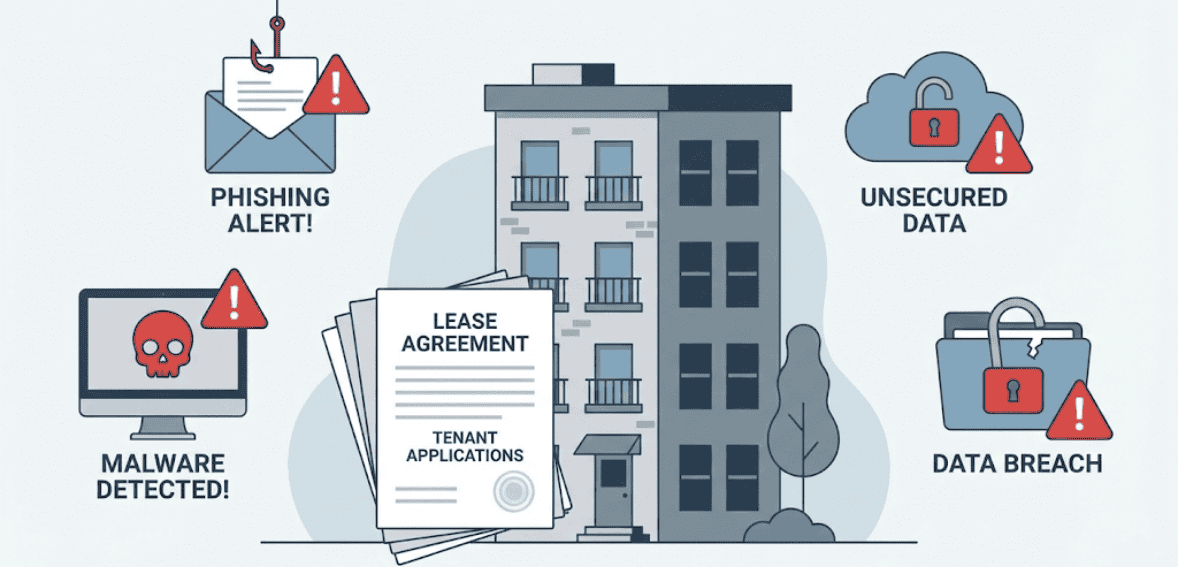
Property management cybersecurity is now essential because the industry is an attractive target for cybercriminals. Rental businesses handle sensitive financial and personal identity data, making them more appealing to attackers. Many property management firms have historically lacked formal security programs, making them easier targets.
Modern property managers manage large volumes of tenant data across multiple systems. Breaches can impact tenants’ lives, enabling identity fraud or impersonation. Damaged trust is difficult to repair.
Cyber incidents also disrupt business continuity. Ransomware attacks can lock managers out of their systems, freeze rent collection, and delay maintenance coordination. Even short outages can create chaos across properties. The financial impact of downtime, recovery costs, and legal exposure often far exceeds the cost of preventative security measures.
For these reasons, cybersecurity must be a core business function. Protecting tenant information maintains credibility and supports business growth.
Understanding the Types of Tenant Data at Risk
Tenant data privacy begins with understanding what information is actually being collected and stored. Many property managers underestimate the volume of sensitive data that flows through their systems daily. Tenant files typically include personally identifiable information such as full legal names, dates of birth, government-issued identification numbers, and current and previous addresses.
Financial data is another major risk area. Bank account numbers for ACH payments, credit card details, payment histories, and income verification documents are common targets of cybercrime. Employment records, pay stubs, and background screening reports further increase exposure.
Even seemingly harmless data can be dangerous when aggregated. Maintenance request histories, access codes, unit layouts, and communication logs can be exploited for social engineering or physical security breaches. When attackers combine multiple data points, they can impersonate tenants or property staff with alarming accuracy.
Protecting tenant information requires treating all collected data as potentially sensitive and applying safeguards consistently, not selectively.
Common Cyber Threats Facing Property Managers
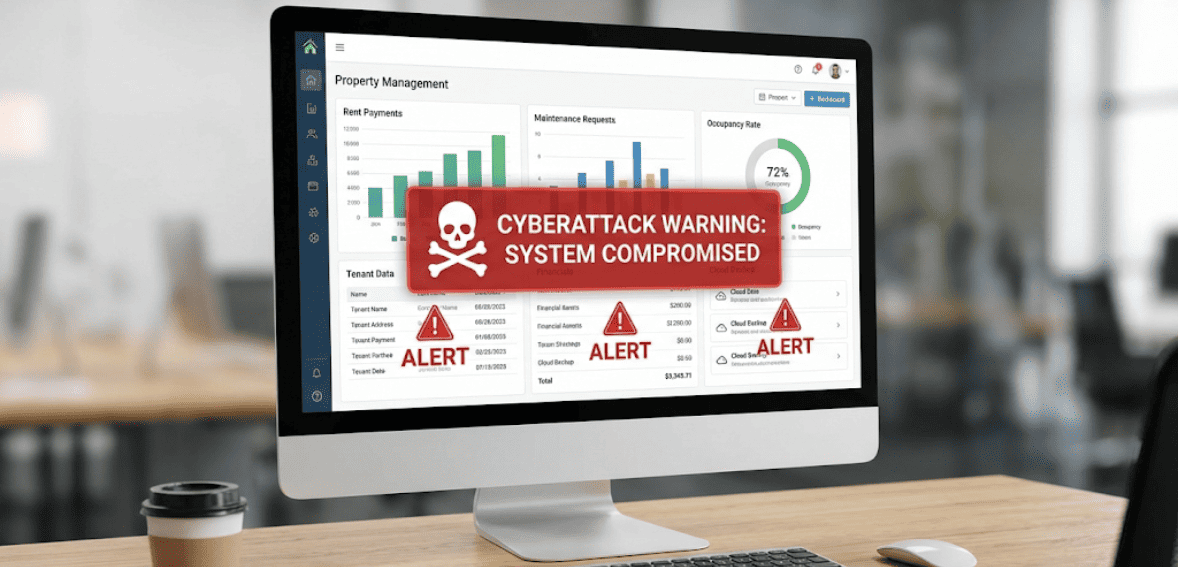
Cyber threats in property management often come from predictable sources, but their impact can be devastating. Phishing attacks remain one of the most common entry points. Staff members receive emails that appear to be from vendors, tenants, or ownership groups, asking them to click links or reset passwords. One mistaken click can compromise an entire system.
Weak passwords are another major vulnerability. Reused credentials across platforms allow attackers to move laterally once they gain access. If a single employee account is compromised, attackers may gain access to accounting systems, tenant portals, or owner dashboards.
Ransomware attacks are increasingly targeting small and mid-sized property management firms. These attacks encrypt data and demand payment to restore it. Even if backups exist, recovery can be slow and costly, disrupting rent collection and tenant services.
Third-party software vulnerabilities also pose risks. Property managers rely heavily on vendors for accounting, leasing, and maintenance tools. If those platforms lack strong security controls or fail to update regularly, they can become indirect attack vectors.
Understanding these threats is the first step toward building effective defenses.
Tenant Data Privacy as a Legal and Ethical Responsibility
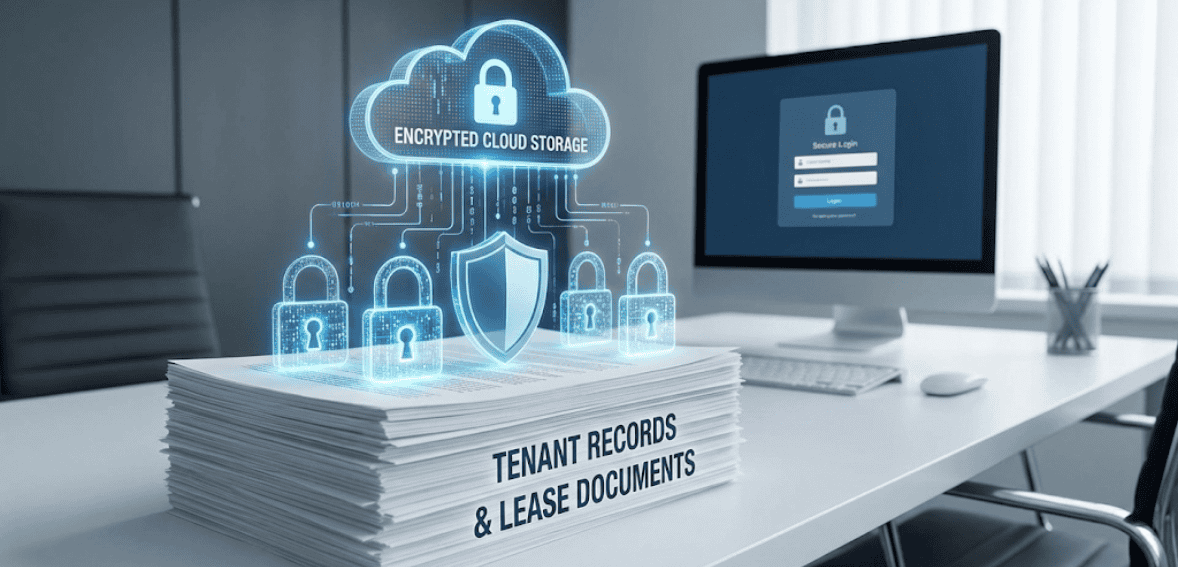
Tenant data privacy is not just a technical issue; it is a legal and ethical obligation. Tenants trust property managers with deeply personal information because they have no alternative if they want housing. That imbalance of power creates a duty of care that goes beyond basic compliance.
Privacy regulations increasingly hold businesses accountable for how they collect, store, and share personal data. Property managers must be transparent about what information they collect, why they collect it, and how long they retain it. Tenants have growing expectations around consent, access, and correction of their data.
Beyond legal requirements, ethical data stewardship strengthens tenant relationships. When residents believe their information is handled responsibly, they are more likely to use online portals, pay digitally, and communicate openly. This trust improves operational efficiency while reducing friction.
A strong privacy posture signals professionalism and maturity, distinguishing reputable property managers from less disciplined competitors.
Also read: Best Practices for Data Security in Property Management Software
How Property Management Software Security Impacts Risk
Property management software security plays a central role in protecting tenant data. Modern platforms centralize leasing, accounting, maintenance, and communication into unified systems. While this improves efficiency, it also concentrates risk if security controls are weak.
Secure software platforms use encryption to protect data both at rest and in transit. This ensures that even if information is intercepted or accessed without authorization, it cannot be easily read or exploited. Role-based access controls further limit exposure by ensuring employees only see data relevant to their responsibilities.
Audit logs are another critical feature. They create a record of who accessed or modified data and when. This not only deters internal misuse but also supports investigations in the event of incidents.
Choosing secure software is not just about convenience or features; it is a foundational decision that shapes a property management business’s cybersecurity posture.
Human Error: The Weakest Link in Data Security
Even the safest systems can be undermined by human behavior. Many data breaches in property management originate from simple mistakes rather than sophisticated hacking. Employees may share passwords, leave devices unlocked, or download files from unverified sources.
Remote work and mobile access have increased these risks. Staff members access systems from personal devices, public Wi-Fi networks, or shared environments. Without proper training and safeguards, these practices create vulnerabilities that attackers exploit.
Cybersecurity awareness training is essential. Employees must understand how phishing works, why password hygiene matters, and how to report suspicious activity. Security policies should be practical and reinforced regularly, not buried in unread manuals.
Creating a culture of security is as important as investing in technology. When staff members understand that protecting tenant data is part of their professional responsibility, security becomes proactive rather than reactive.
Building a Cybersecurity-First Mindset in Property Management
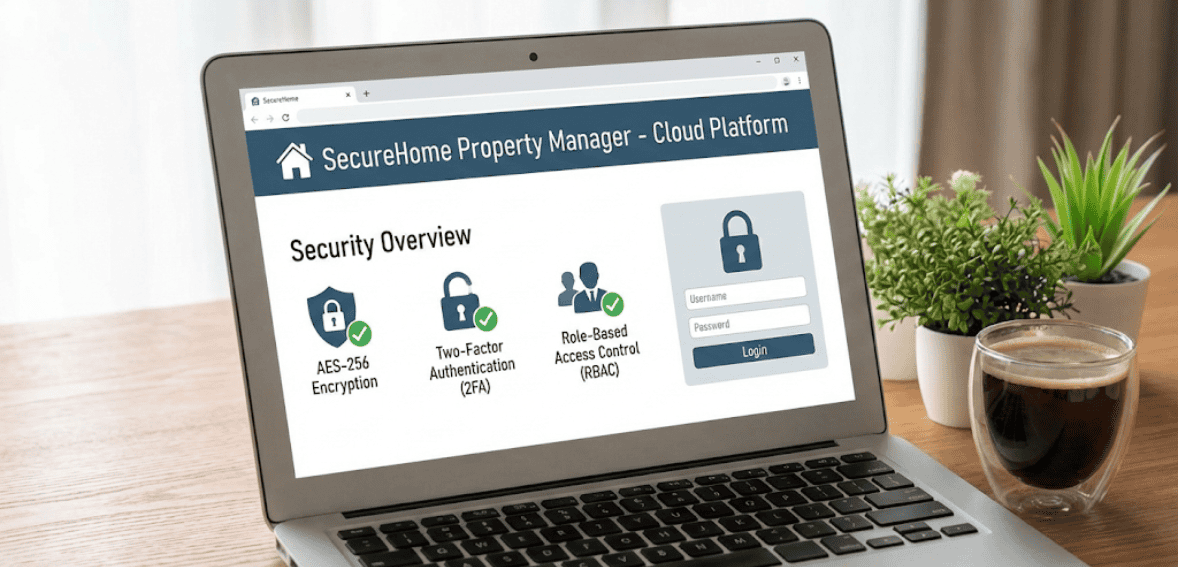
Property management cybersecurity works best when it is embedded in everyday operations rather than treated as an occasional project. This mindset shift starts with leadership. Owners and managers must prioritize security alongside revenue, occupancy, and maintenance metrics.
Cybersecurity planning should align with business growth. As portfolios expand, systems scale, and teams grow, security controls must evolve accordingly. Regular risk assessments help identify new vulnerabilities before they are exploited.
Clear policies around data access, device usage, password management, and incident response provide structure and consistency. These policies should be documented, communicated, and reviewed periodically.
By viewing cybersecurity and tenant data privacy as long-term investments rather than expenses, property managers protect not only their tenants but also the future of their business.
Practical Data Security Best Practices for Property Managers
Strong cybersecurity for property managers is built on everyday habits, not just advanced tools. The most effective protection strategies are often simple, repeatable practices applied consistently across teams and systems. One of the most important steps is limiting data access. Not every employee needs full visibility into tenant records. Leasing staff may require application details, while maintenance teams typically do not. Restricting access reduces exposure if an account is compromised.
Password management is another foundational practice. Each system should require unique, strong passwords combined with multi-factor authentication whenever possible. This single step dramatically reduces the likelihood of unauthorized access, even if login credentials are leaked elsewhere.
Regular software updates also matter more than many managers realize. Updates often include security patches that close known vulnerabilities. Delaying updates leaves systems exposed to threats that attackers already understand. Establishing a routine update schedule ensures that security improvements are applied without disruption.
Finally, secure backups are essential. Data should be backed up automatically and stored separately from live systems. In the event of ransomware or accidental deletion, backups allow operations to resume without paying attackers or rebuilding from scratch.
Protecting Tenant Information Across Teams and Vendors
Tenant data rarely stays confined to a single system or team. Property managers routinely share information with screening providers, maintenance vendors, accountants, legal advisors, and ownership groups. Each connection introduces potential risk if security expectations are unclear.
Vendor relationships should include clear data protection standards. Property managers must ensure that third parties handling tenant information follow comparable security practices. This includes encryption, limited access, and secure data disposal policies. Sharing information should always be purposeful and minimal, not automatic.
Internally, teams should follow consistent data handling procedures. Sensitive documents should not be emailed casually or stored on personal devices. Centralized platforms reduce the temptation to create workarounds that weaken security.
Clear guidelines about what can be shared, how it should be transmitted, and where it should be stored prevent confusion and accidental exposure. When everyone follows the same rules, protecting tenant data becomes a shared responsibility rather than an individual burden.
Incident Response Planning: Being Ready Before Something Goes Wrong
No cybersecurity strategy is complete without an incident response plan. Even well-protected organizations can experience breaches, and the difference between minor disruption and major damage often comes down to preparation.
An effective response plan outlines exactly what to do when suspicious activity is detected. This includes who should be notified, how systems should be secured, and how affected tenants and owners should be informed. Quick, decisive action can prevent further data loss and demonstrate professionalism.
Documentation is critical during incidents. Recording what happened, when it was discovered, and how it was handled supports recovery efforts and compliance requirements. Transparency builds trust, even in difficult situations.
Regularly reviewing and practicing incident response procedures ensures teams do not improvise under pressure. Preparedness reduces panic, limits mistakes, and speeds recovery.
Compliance Without Complexity: Making Privacy Manageable
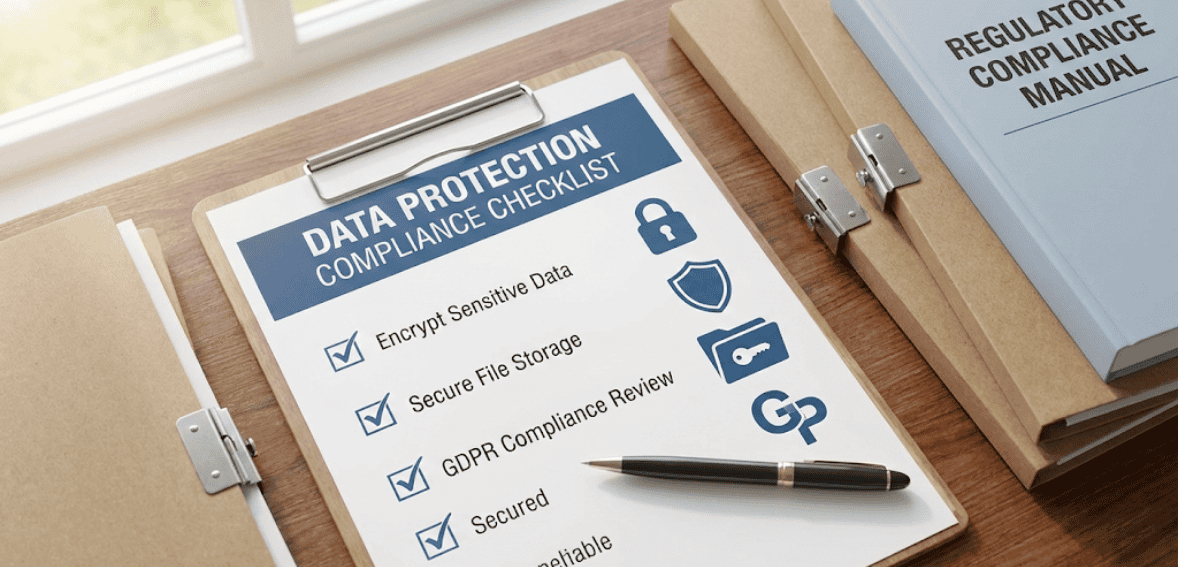
Data privacy compliance can feel intimidating, especially for smaller property management firms. However, compliance does not require legal expertise or complex systems. It begins with basic principles: collect only what you need, protect it properly, and dispose of it responsibly.
Retention policies are particularly important. Tenant data should not be stored indefinitely “just in case.” Clear timelines for retention and deletion reduce exposure and simplify audits. When data is no longer needed for operational or legal reasons, it should be securely removed.
Transparency with tenants also matters. Clear privacy notices explain how information is used and protected, reinforcing trust while meeting regulatory expectations. Tenants who understand how their data is handled are less likely to feel anxious or suspicious.
Approaching compliance as part of good business hygiene rather than a regulatory burden makes it easier to sustain over time.
The Role of Technology in Future-Proofing Data Security
As property management technology evolves, cybersecurity tools are becoming more accessible and more integrated. Automated monitoring, anomaly detection, and real-time alerts help identify threats before they escalate.
Cloud-based systems increasingly offer built-in security features that smaller firms could not afford independently in the past. This levels the playing field, allowing even modest portfolios to maintain strong protection.
However, technology alone is not enough. Security tools must be configured correctly and used consistently. Human judgment remains essential in deciding how data is shared, accessed, and protected.
Future-ready property managers view cybersecurity as an ongoing process rather than a one-time setup. Continuous improvement keeps pace with both technological advancement and emerging threats.
Balancing Security with Tenant Convenience
Strong cybersecurity does not have to come at the expense of tenant experience. In fact, secure systems often improve convenience by enabling confident use of digital tools. Tenants are more willing to pay rent online, submit requests through portals, and communicate digitally when they trust the system.
Clear communication about security measures reassures tenants without overwhelming them. Simple explanations about encrypted payments or secure portals demonstrate professionalism and care.
The goal is not to restrict access unnecessarily but to enable safe, efficient interactions. When security and convenience work together, both tenants and managers benefit.
Cybersecurity as a Competitive Advantage
In an increasingly digital rental market, cybersecurity can differentiate property managers. Owners want assurance that their assets and tenant relationships are protected. Tenants want confidence that their personal information is safe.
Managers who demonstrate strong data protection practices position themselves as reliable, modern professionals. This credibility supports growth, referrals, and long-term partnerships.
Rather than viewing cybersecurity as an invisible cost, forward-thinking property managers recognize it as a visible commitment to quality and trust.
Conclusion
Cybersecurity and tenant data privacy are now central responsibilities in property management. As digital tools become standard, the risks associated with data exposure grow alongside the benefits of efficiency. Protecting tenant information is not just about avoiding breaches; it is about maintaining trust, ensuring compliance, and sustaining business continuity.
By understanding the types of data at risk, addressing common threats, adopting secure software practices, and fostering a culture of accountability, property managers can navigate the digital landscape with confidence. Cybersecurity is not a destination but a discipline that evolves with technology and business growth.
Property managers who invest in security today protect not only their tenants but also the future resilience of their operations.
FAQs
Why is cybersecurity especially important for property managers?
Property managers handle sensitive personal and financial data. A breach can harm tenants, disrupt operations, and damage long-term trust and reputation.
How can small property management firms improve data security?
By using secure software, limiting access, enabling multi-factor authentication, and training staff on basic cybersecurity awareness.
What is the biggest cybersecurity risk in property management?
Human error, such as phishing attacks or weak passwords, remains the most common entry point for data breaches.
Does stronger security reduce tenant convenience?
No. When implemented correctly, security measures often improve confidence in online payments, portals, and digital communication.
Is cybersecurity a one-time setup?
No. It requires ongoing attention, regular updates, and continuous education to stay effective against evolving threats.