
by Christopher Hayes April 20, 2026
Every vacant unit is a cost. No more rent. Possible utility costs. Increased pressure for marketing. Staff are rushed. Owners start looking for answers. In the multi-family and rental property management space, slow property turnover is not just an operational issue. It’s a profitability issue.
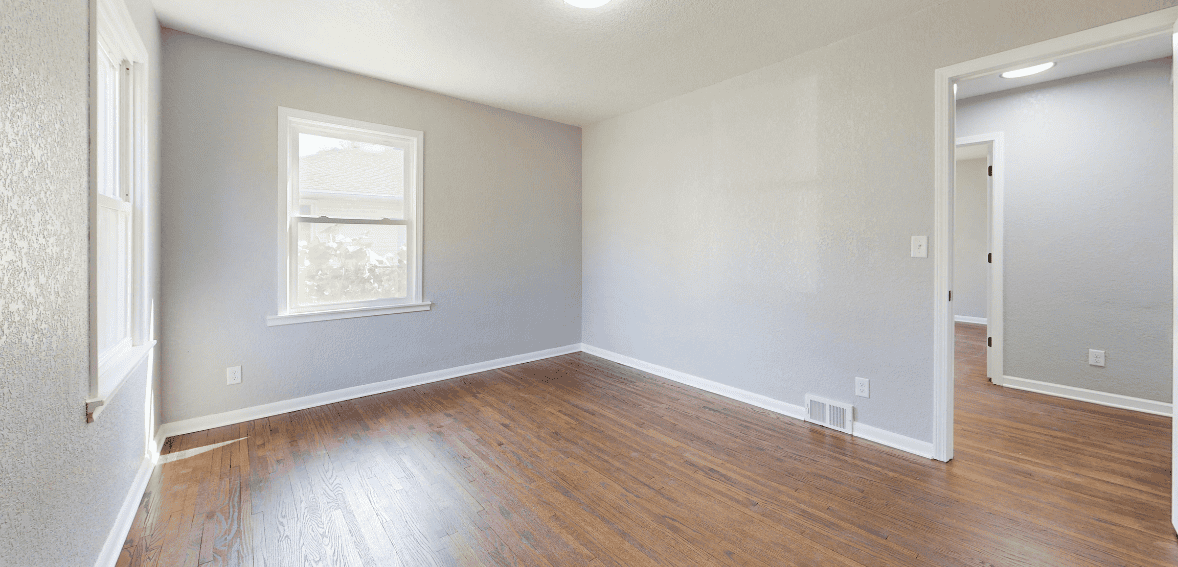
Make-readies are a large part of the turnover process. When done quickly and efficiently, property managers can minimize vacancy loss and maintain resident satisfaction. Maintaining the asset’s value is also important to property owners. For maintenance, leasing, and new residents, a smooth turnover process is a great start. When a unit is turned over on time and in great shape, everyone is happy.
There are many places to break down in a turnover. Inspections are late. There is an order with the vendors. Supplies are forgotten. Communications are sporadic. All of these things are small delays. Small delays can turn a three-day make-ready into a seven-day vacancy. Lost time with a turnover is lost revenue.
There are many ways to keep a turnover process agile. With the right systems in place, a property can reduce the time required for make-ready without sacrificing work quality. This article will describe ways to improve turnover speed for apartment units, reduce vacancy, and create a sustainable, reliable make-ready process that supports performance for years to come.
Importance of Quick Turnovers in Property Management

Turnover creates vacancy, which is among the most expensive gaps in rental property operations. Once potential rental income is lost, it can’t be recovered later. In a competitive market, long turnover times can hurt leasing momentum. Prospective renters will move on to the next property, rather than wait for a recently vacated unit to be available.
Effective unit turnover can help create positive resident experiences. New residents will notice details right away. Whether appliances work, paint is neat, floors are clean, and whether repairs are made will be extremely visible. A unit’s condition can help build trust or damage it before the lease even begins. On the other hand, an apartment that is well-prepared for move-in will support better retention and create a positive first impression.
Your team will function better. Clear turnover processes help set standards for maintenance technicians and give leasing teams confidence. Managers benefit from more accurate forecasting and operational predictability, especially during high-peak turnover volumes.
Operational efficiency and resident experience are both key contributors to a multi-family portfolio’s performance, according to the National Apartment Association. Efficient make-ready is operational efficiency and resident experience, and is therefore at the center of both.
What a Make-Ready Process Really Includes
Make-readies are not just simple cleanings! Make-ready is the complete process to prepare a vacant rental unit for the next resident. It involves inspection, trash removal, maintenance, repairs, painting, cleaning, flooring work, appliance, safety checks, quality control, and even light upgrades or preventive maintenance checks in some properties.
Make-ready processes start even before a resident moves out. Good property managers plan ahead. This includes preparing for a resident to give notice of a vacancy. Solid Property Managers use the notice-to-vacate period to schedule inspections, predict repairs, and line up vendors beforehand. This involves a great deal of planning and preparation, which makes the process quick and efficient and minimizes surprises.
Turnover speed depends on a particular outcome, and that is what is meant by strong make-ready processes. There are many things regarding the unit that need to be determined. If some technicians believe the unit is complete and another technician sees there are five unfinished tasks, that consistently slows turnover speed.
The Biggest Causes of Property Turnover Delays

Operational gaps are important to consider. Let’s take a unit that needs painting, for example. If the unit needs painting but maintenance needs to be completed first, the painter will not know. A cleaner arrives too early before the debris removal is done. A replacement part is out of stock. The final inspection is completed a day late. All of these situations are entirely minor, but collectively they extend the vacancy time longer than what is expected.
The most common cause of avoidable turnover delays is a failure of these teams to communicate. If leasing, maintenance, and vendors do not share a common timeframe, the process becomes very reactive. That usually means more rescheduling, more backtracking, and more labor waste.
Another very common issue is inconsistent unit condition assessment. Without a detailed pre-move-out inspection, teams cannot accurately estimate the time and materials needed to complete a turn. This often leads to missed deadlines and poor quality as work is rushed to completion.
Also, discipline regarding the supply chain is important. Properties that maintain stocks of make-ready supplies turn units much more quickly than teams that continually run out of supplies. Before work begins, supplies such as paint, filters, blinds, bulbs, outlet covers, and standard building materials should be on hand. Having materials available allows work to be done more quickly. IREM guidelines emphasize that planners should be proactive in their use of controls to optimize property management in their operational planning.
How to Reduce Vacancy With Efficient Make-Readies
The fastest turnovers start with repeatable work patterns. Every team member should be able to communicate the process that begins with a notice and ends with a final inspection. That process should include timelines for each major objective. For example, inspection should happen within 24 hrs post-move out, maintenance within 48 hrs, painting immediately after repairs, cleaning last, and leasing should take photos only after quality control passes. When the process is fixed and documented, work moves faster.
One of the best ways to reduce the time needed to prepare apartments for rent is to conduct pre-inspections. Where lease terms and local law allow, managers can conduct move-out walkthroughs to identify damage requiring correction, assess the associated costs, and prepare contractors. An outgoing resident can make corrections, reducing repair time and the likelihood of charge disputes.
Equally important to a Cross-Function Team is knowing a unit’s realistic availability. The expected target move-in dates should be known. Contractors should be given specific scopes of work, not vague ones. Working from the same schedule is paramount to a cross-functional team. The use of shared calendars, property management software, and mobile maintenance apps can simplify this.
Another great example of how to improve operational efficiency is standardizing the finishes in the apartment turnover process. True, a consistent look in apartments is nice, but the operational efficiency gained from standardizing paint color, flooring, or fixtures is tremendous. This is not just about ordering and inventory management.
Building a High-Performance Make-Ready Checklist

It is a given that a make-ready checklist is needed for every property. However, not every checklist is created equally, and the best ones are precise and tangible, with a goal of attaining a defined standard of quality. High-priority items on the list should be verified, then proceed to function, and finally to appearance. The checklist should cover smoke detectors, locks, leaks, electrical outlets, appliances, plumbing fixtures, and windows before moving on to cosmetic approval.
Checklists should represent the actual process involved. Make sure the checklist matches the process and order in which work is done. With digital checklists, managers can track their progress in real time and even attach photos to confirm completion.
Checklists should protect against turnover that is done in a rush. When teams are under pressure to get units ready quickly, small mistakes tend to happen. A checklist serves as a documented inspection and helps ensure the work is done correctly before the unit is released.
When it comes to rental operations and maintenance, the U.S. Department of Housing and Urban Development provides insight to help establish quality standards. You can also find them here.
Why Vendor Management Can Make or Break Turn Speed
Many properties hire outside help for painting, flooring, cleaning, hauling, and specialized repairs, and the time taken to complete these tasks adds to vacancy days. If vendors are unreliable, respond slowly, or are unclear, then turnover timelines are unclear.
The issue here is not hiring more vendors, but establishing a vendor management system. Clear and reliable vendors start with clear expectations of service, deadlines, communication, and pricing. Vendors should know exactly who is responsible for signing off on the job, what work is expected to be completed, and when they are expected to be on site.
Evaluating your vendors based on cycle time, quality, and callback rate helps your bottom line. If a vendor adds more vacancy days due to rework, the lowest bid is not the lowest cost. All things being equal, taking a bid from a vendor you have a solid relationship with will make things easier, especially during peak turnover times when labor is more difficult to obtain.
Using Technology to Speed Up Apartment Turnovers
There is a limit to what technology can do to reduce friction in a broken process. Property management software that consolidates tracking of notices, work orders, inspections, vendor assignments, and turnover dates can help. Timely updates from field technicians help managers monitor the status of each unit.
Automated communication helps reduce friction, too. Instead of scattered emails, texts, and updates, a system-based scratch pad can help with the deployment and synchronization of work. For example, cleaning isn’t assigned until painting is done, and painting isn’t assigned until maintenance is done. This is called minimizing idle time and maximizing throughput.
There is also the matter of data. If management doesn’t track turn time, they can’t improve it. Measuring cycle time by each unit helps to direct corrective actions. Some units are just old and need to be updated. Other times, the hold up may be approvals. Measurement turns unsubstantiated complaints into action.
Balancing Speed and Quality During Turnovers
Prioritizing a quick turnover policy is essential. However, a poor-quality turnover policy will only compound the problem. Resident requests increase when repairs are left unfinished, and cleaning is hasty. Residents may leave poor reviews, and management may face a greater workload, all of which could have been completely avoided.
Turnover strategies that neglect quality standards in favor of a quick service are poor strategies. Implementing quality service standards means setting clear standards, conducting inspections, and establishing expectations for quality work. It is just as important not to over-renovate. Renovations are not required for every turnover. It is important to distinguish between turnover, heavy make-ready, and any necessary capital improvements.
Experienced managers understand that the value of a turnover policy lies in how well it balances the speed of vacancy filling and service quality. Fast lease-up, staff turnover in the segment, and resident satisfaction are the best long-term predictive factors for maintenance service.
Training Teams for Faster, Better Make-Readies

Quick-turnover services rely far more on well-trained staff than just well-defined services. Managers should have clear unit-standard service and time expectations, clear repair standards, and effective documentation. It is important for new staff to understand the entire turnover service, not just a single stage. Each stage should aim to maximize time and resources to increase leasing and revenue.
Training should also contain constructive criticism. If units repeatedly fail final inspections for the same issues, that trend should be corrected. If a specific group or vendor consistently completes units more quickly and with fewer callbacks, they should be evaluated, and their methods documented and disseminated. Continuous improvement in make-ready operations is important because even small improvements can lead to significant gains across multiple units, particularly when turnover occurs dozens or hundreds of times a year.
Accountability improves the outcome as well. When goals are clearly defined and results are documented, teams perform better. A property that can reduce a unit’s average vacancy by just 1 or 2 days can realize a significant increase in annual revenue.
Conclusion
Protecting income and creating a less stressful on-site experience are valuable outcomes of improving turnover efficiency. Unfortunately, improvements do not result from simply hastening the process. Instead, the focus should be on creating a well-planned, standardized, measurable, and repeatable system.
The properties that achieve the highest turnover speed also focus on doing those same areas well. They prepare materials in advance of the move-out, set clear standards and adjust expectations, coordinate teams, vendors, and staff, perform thorough inspections, and consistently use data to improve their processes. These habits make-readies into a competitive advantage.
Every day that an apartment unit remains vacant is a loss. Being able to turnover an apartment efficiently adds value and allows those units to be utilized quickly, benefiting owners and staff and keeping residents happy as they step into a home that is ready to be lived in.
Frequently Asked Questions
What does make ready mean in property management?
Make-ready is the preparation of an empty rental unit for the next resident. This can include inspections, repairs, cleaning, painting, safety checks, and final approvals before the new resident moves in.
What strategies can property managers use to reduce vacancy loss?
Be proactive and make a turnover plan before a vacancy. Use pre-move-out inspections to standardize unit materials. Better coordination with vendors and tracking to make ready timelines can also help reduce vacancy loss.
What is the ideal time frame for apartment make-readies?
Many variables affect the time it takes a unit to make ready. A well-run property with everything available should be able to have a standard apartment ready in a few days. This time frame is longer for units that need upgrades or have significant damage.
What are some reasons that make-readies can be delayed?
There are lots of reasons that can delay. Poor communication, late inspections, missed supplies, unclear vendor scheduling, and inconsistent turnover standards can all lead to delays.