Category Archives: Uncategorized

Efficient student housing turnover during the academic leasing cycle.

Mastering Student Housing Turnover: Student Housing Turnover Strategies for the Academic Year

Turnover in student housing isn’t like turnover in typical residential rentals. It arrives suddenly, in massive waves, compressed into short, intense windows where hundreds of things have to happen at once. One week, a building is complete and noisy with finals-season energy, and the next, the halls are empty, and every unit has to be cleaned, repaired, inspected, repainted, and prepared for the next set of tenants arriving almost immediately. In a regular rental business, turnover comes one tenant at a time. In student housing, turnover is immediate.

Understanding this rhythm of the academic cycle is the foundation for effectively managing student housing. It shapes everything: when leases should end, when advertising should begin, how maintenance should be scheduled, and when your team needs to double or triple its pace. Anyone who has worked in student housing knows that timing drives business, not the other way around.

What makes the academic year so distinct is that turnover doesn’t scatter across seasons. Most move-ins and move-outs cluster around late spring and summer. Even mid-year exits tend to follow the same predictable timeline. And while predictable is good, it also means you need structure, because when everything hits at once, even experienced teams can feel overwhelmed.

The Academic Leasing Cycle: Where Everything Starts

Planning student housing turnover around the academic leasing cycle.

To master student housing turnover, you first have to grasp the academic leasing cycle as its own ecosystem. Traditional rentals might have leases ending throughout the year, but student housing rental patterns follow the school calendar almost exactly. The timeline is precise.

Most students move into their rentals shortly before the fall semester begins, usually late July or August, and sometimes early September, depending on the school. Then, the cycle flips in late spring or early summer when they leave. This creates two intense periods where everything needs to happen fast, especially if you manage multiple units.

The most significant difficulty is that move-outs do not spread themselves out. They pile up over a few weeks, often even a few days. And unlike conventional rentals, you don’t get much breathing room before the next move-in. Students leave with finals still fresh on their minds, and new students arrive in waves not long after, sometimes with their parents in tow, ready to check in and expecting everything to look spotless.

Because of this compressed schedule, aligning lease dates with the academic calendar becomes essential. Many communities use:

  • Fixed-term leases that match semesters
  • Twelve-month leases that lock in consistency
  • Staggered end dates to reduce pressure
  • Subletting options in off-season months

Even staggering leases slightly one floor ending a week earlier, another a week later, can make a massive difference for operations. It doesn’t eliminate pressure, but it breaks up the tsunami of tasks into something a team can realistically manage.

And one thing becomes clear the longer you work in student housing: the academic year never changes to accommodate you. You adjust to it.

When Everything Happens at Once: The Reality of Mass Turnover

Student housing turnover challenges during peak move-out periods.

If you’ve ever walked through a student housing complex the day after spring move-out, you know precisely what “mass turnover” means. The list of tasks is long and unforgiving: trash removal, deep cleaning, repainting, touch-ups to flooring, broken blinds, missing screens, loose hinges, appliance checks, and always several surprise repairs no one saw coming.

What makes this more challenging is the relentless pace. Everything has to be done before the next round of tenants arrives, which might be days away. You can’t spread turnover across multiple weeks. You have a tight window, and the number of units involved multiplies the intensity.

That’s why managers specializing in student housing often plan months in advance. The turnover prep doesn’t start at move-out; it begins during the spring semester. Property managers walk units early. They track damages. They plan material orders. They confirm vendor schedules. They check staffing levels. They begin mapping out what the “turn” will look like long before keys are returned.

This is also the moment when the reality of student housing turnover becomes clearer: it’s less about the chaos of the move-out day and more about how well you’ve prepared before that day arrives.

Turnover Planning & Staffing: The Backbone of a Smooth Season
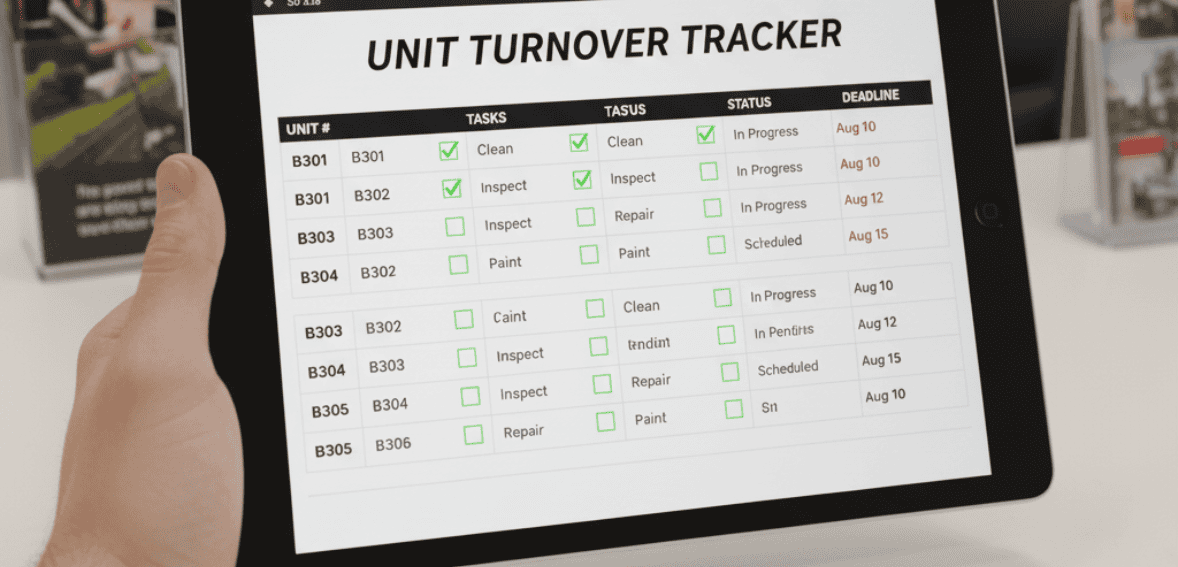
Turnover planning and staffing strategies for student housing management.

If the academic year is predictable, turnover should be planned accordingly. The busiest operations often function with a written, detailed “turn checklist” that guides every move. Not because teams don’t know what they’re doing, but because the volume of work is so large and the deadlines so tight that even experienced staff need structure.

Turnover planning usually starts months ahead, divided into stages:

  • Early inspections
  • Identifying upcoming repairs
  • Ordering supplies
  • Booking cleaning crews
  • Planning Maintenance Processes
  • Preparing temporary staff if needed

Some teams use digital systems to assign and log tasks room by room or unit by unit. Instead of juggling paper notes, work orders get recorded and updated instantly. Larger portfolios use maintenance coordination tools to track what’s completed and what still needs attention.

Staffing is just as necessary. During the “turn” period, many operations bring in seasonal workers or temporary teams to handle cleaning, repairs, painting, and inspections. The demand is too high for the regular staff to manage alone. And bringing in extra help isn’t a sign of weakness; it’s a recognition of how intense the season really is.

A smart turnover season depends on having the correct number of hands, the right tools, and a clear structure that prevents minor issues from slipping through. Without that, the work piles up faster than it can be addressed, and new tenants walk into unfinished units, something student housing cannot afford.

Using Tools to Track Turnover Tasks Without Losing Control
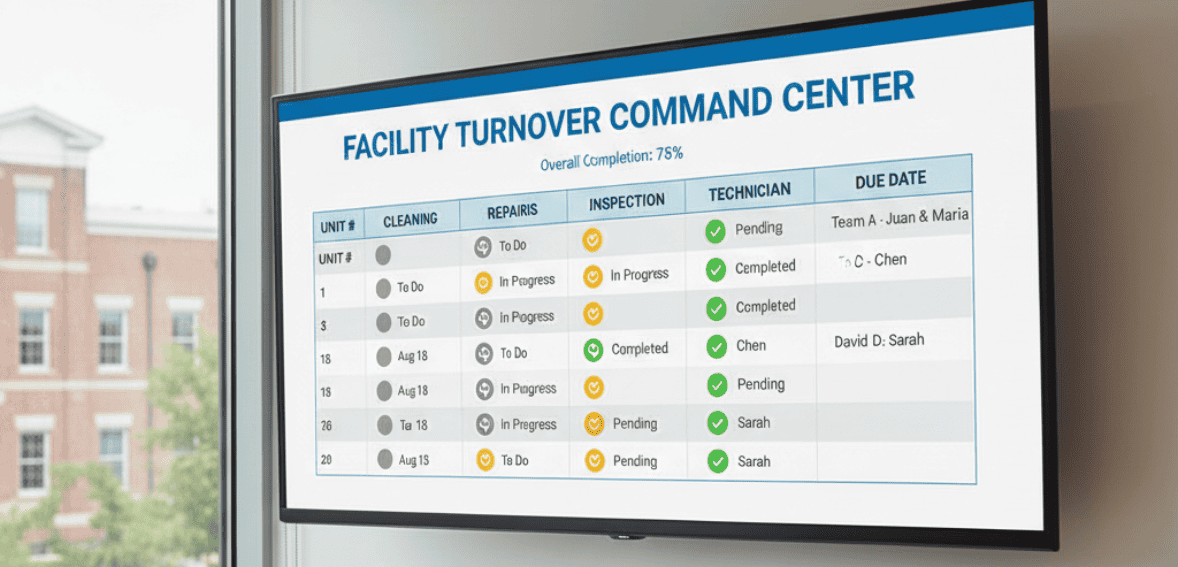
Using student housing management tools to track turnover tasks efficiently.

Student housing turnover generates a staggering amount of information. Every unit has its own list of maintenance needs, cleaning requirements, repair notes, inspection results, and move-in preparation. And all of it has to be tracked, assigned, and completed within a narrow timeframe.

Digital tools play a significant supporting role here, not as promotional products but as practical methods to handle the workload.

Teams need a place to:

  • Store unit-specific checklists
  • Record inspection results
  • Upload photos
  • Assign tasks to staff
  • Monitor progress in real time
  • Group units by priority or building

This structure replaces the scattered paper notes and hallway conversations that often cause delays. When everything is clearly logged, it becomes easier for supervisors to see which buildings need immediate attention and which are ready for final inspection.

It’s not about technology replacing workers; it’s about reducing confusion so the team can move faster with fewer mistakes.

Retention & Re-Leasing: Reducing Turnover Before It Starts

Student rental turnover tips focused on renewal and re-leasing strategies.

One of the best strategies in student housing has nothing to do with cleaning or repairing; it’s about reducing the number of units that turn over in the first place.

Lease renewals in student rentals may not be as standard as in traditional housing, but they do happen. And every renewal means one less unit to prepare during the busiest time of the year. Offering renewal incentives or simple, early reminders can make a bigger impact than many operators expect.

Some communities begin renewal outreach months before finals. Others use early-bird pricing or small bonuses (like discounted fees, upgraded Wi-Fi, or new amenities) to encourage students to stay. The key is timing: students need reminders before they make plans with roommates for the following year.

Releasing is another area where timing matters. Advertising three or four months before term ends helps capture students who like to plan early. Parents also often research housing in advance, which means the earlier your listings are visible, the more stable your occupancy becomes.

A predictable leasing cycle strengthens everything else in the business. When you know occupancy will be high, you can plan staffing, supplies, and schedules more accurately. And with fewer units, the workload becomes more realistic for your team.

Why Predictability Doesn’t Make Turnover Easier – It Just Makes It Possible

One thing people outside of student housing often misunderstand is the idea of “predictability.” They assume that since turnover happens at the same time every year, it must be easier to manage. But predictability only means you can plan for it, not that the work becomes lighter.

The truth is, the predictable nature of the academic leasing cycle is precisely what makes the pressure so intense. You know the move-out rush is coming. You know hundreds of repairs are waiting. You know every missed detail will be visible on move-in day. And because everyone in the market uses the same calendar, vendors get booked quickly, supplies run low, and staffing becomes competitive.

Predictability means you have no excuses, no surprises to blame, no buffer. You either prepare well, or you fall behind.

Most student housing managers eventually develop a muscle memory for the cycle. They know when emails need to go out, when reminders should be posted, when to walk units, when to stock materials, and when to confirm contracts. But even with that experience, every year brings its own challenges: delayed move-outs, sudden damages, last-minute roommate changes, unfinished vendor jobs, early arrivals, you name it.

This is why turnover can’t be approached casually. Even the most seasoned teams treat it like a project with dozens of moving parts. Respecting the cycle is the only way to stay ahead.

Early Inspections: The Quiet Strategy That Saves Days of Chaos

If there’s one habit that separates calm turnovers from frantic ones, it’s early inspections. Walking units weeks before move-out gives managers a head start that most people underestimate. It’s the chance to spot the issues that could slow everything down later: broken appliances, stained carpet, peeling paint, water leaks, loose doorframes, anything that needs parts ordered or vendor scheduling.

The mistake some operators make is waiting until the last tenant leaves before identifying what needs attention. By then, the clock is working against you, not you.

Early-unit walks don’t solve everything. Students tend to leave their rooms in a state that’s hard to predict, but they remove enough unknowns that the overall plan becomes cleaner. You know what work requires outside contractors. You know what materials you need to stock up on. You know whether a particular building will require more time.

And because student housing turnover tends to bring similar damages every year, inspections help create patterns you can plan around. Certain buildings age differently. Certain unit layouts may accumulate specific issues. Early visibility brings clarity, and clarity reduces turnover-related chaos.

The Real Scope of Turn Work: More Than Just Cleaning

People often imagine student turnover as a big cleaning marathon. But cleaning is only one piece of it. The real workload stretches across inspections, repairs, deep maintenance, safety checks, compliance updates, and final walkthroughs.

Turnover is exhausting, not because of one task, but because so many tasks have to be coordinated in the correct order:

  • Repairs before cleaning
  • Painting before deep cleaning
  • Carpet work after painting
  • Inspections before final touches

Mistiming any of these slows down entire buildings. One unit waiting on paint can delay cleaning. One unit waiting on a vendor can delay a whole floor.

Student housing teams learn quickly that turnover isn’t “linear.” It’s a puzzle with pieces that interact with one another. A late vendor can put pressure on staff. A missing appliance part can delay a unit. A late move-out can throw off an entire building’s timeline.

This is why many managers avoid over-promising. They give realistic timelines based on previous years, not optimistic guesses. And they document everything, because turnover rarely leaves room for improvisation.

Coordinating Maintenance & Cleaning Crews: The Heart of the Turn Process

Maintenance and cleaning crews are the lifeline of student housing turnover. Their work determines whether units are move-in-ready on time. But coordinating them requires more than planning.

Crews need:

  • A clear order of operations
  • Unit-specific instructions
  • Access to the right equipment
  • Enough time to complete work correctly
  • Someone is tracking their progress

During the turn season, these teams don’t have the luxury of slow days. The timeline is unforgiving, and every delay affects the next task. That’s why many student housing managers use checklists that break each unit into manageable steps, not as a rigid formula, but as a way to keep dozens or hundreds of tasks from blending.

Some operations divide staff into specialized teams: one for painting, one for repairs, one for deep cleaning, and another for inspections. Others send the same crew through each stage of the unit. There’s no single best method, only what works with the staff you have.

What matters is clarity. When crews know exactly where they need to be and what they need to do, turnover becomes orderly instead of overwhelming. Even a simple shared task log can prevent several days of delays.

Why Digital Tracking Helps Without Becoming “Tech-Heavy”

Student housing turn season produces enormous amounts of communication, staff updates, repair notes, work orders, inspection results, supply lists, and more. Trying to handle this with sticky notes, group chats, or memory alone creates gaps that slow down the entire flow.

Digital tracking doesn’t need to be promotional or fancy. It’s a way to avoid losing control over the volume of information.

It helps teams:

  • Assign repairs to the right people
  • Update progress instantly
  • Organize photos of damage
  • See which units are behind
  • Track room-by-room completion
  • Coordinate cleaning and maintenance without confusion

Turnover isn’t the moment to rely on scattered communication. A clear, centralized place for updates means no one wastes time hunting down others to confirm what’s been done or what still needs attention.

This becomes especially important when buildings have high densities or quick turnaround times. You can’t afford to guess whether a room is finished.

Lease Renewals: The Underestimated Way to Reduce Turnover Pressure

One of the most innovative strategies in student housing is reducing turnover before it happens. When students renew leases, you skip the entire turn process for that unit: no deep clean, no repainting, no repairs beyond routine work. Even a modest increase in renewals can dramatically reduce workloads.

But students don’t renew the same way long-term renters do. They think in semesters. Roommate plans change. Graduation schedules affect everything. Future housing decisions are often made months before the current lease ends.

That means renewal outreach can’t be last-minute. It must start early, long before students are packing.

Some communities begin the renewal season in late winter. Others aim for early spring. The key is to catch students before they lock in new roommates or sign a lease elsewhere.

Renewal incentives can help not extravagant perks, but reasonable ones:

  • Small rate freezes
  • Waived admin fees
  • Early-bird pricing
  • Simple re-signing processes
  • Modest unit upgrades

Each renewal is a unit you don’t have to turn in. And in student housing, that alone can save dozens of hours of work.

Early Marketing & The Advantage of Getting Ahead of Competing Properties
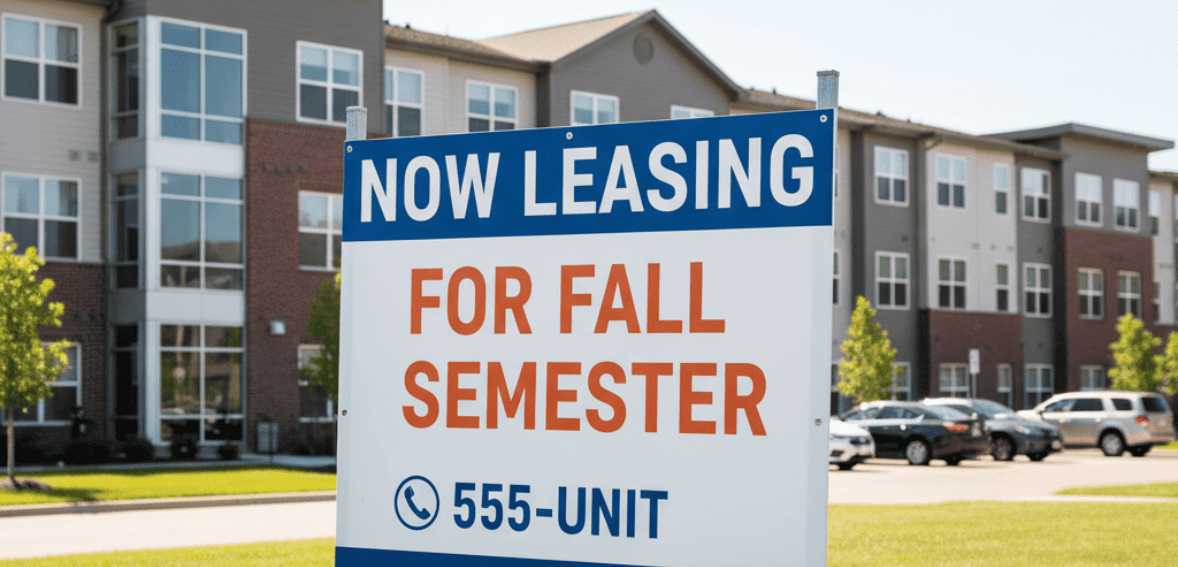
Early marketing strategies for the academic leasing cycle in student housing.

Releasing in student housing is its own race, not in a rushed way, but in a timing-is-everything way. Students begin housing searches earlier than many managers expect. Parents often start even earlier, especially for first-year students transitioning off campus.

Advertising units three or four months before term end aren’t ambitious; they’re standard in competitive markets. Listings that go up early capture the students who want to secure housing before finals season. This reduces vacancies and helps forecast occupancy long before move-in.

Early marketing also supports turnover planning. The more quickly you know which units will be filled, the easier it becomes to plan repairs, allocate staff, and manage supplies. Now days social media isn’t just for personal updates – it has become a powerful digital marketing tool for property managers and landlords.

Student housing isn’t just about managing units; it’s about managing time. And time favors the operators who plan.

Why Turnover Efficiency Impacts the Entire Academic Year

Move-in-ready unit prepared through effective student housing turnover planning.

The success of the academic leasing cycle isn’t just decided during the turn season. It affects the entire school year. Smooth turnover leads to:

  • Fewer maintenance emergencies
  • Fewer early complaints
  • Better student satisfaction
  • Higher renewal rates
  • More predictable schedules
  • Stronger occupancy numbers

Rushed work during turnover often resurfaces as mid-semester issues: leaky faucets, unaddressed damages, and incomplete repairs. Those issues shift pressure into months when staff should be focusing on operations, not fixing turn-season leftovers.

A clean, organized turnover doesn’t just prepare units for move-in; it also prepares units for move-in. It lays the foundation for a stable year ahead.

Conclusion

Student housing turnover is demanding not because it’s unpredictable, but because it’s so concentrated and unforgiving. Everything happens at once. Everything is needed quickly. And every detail is visible to students and parents who arrive expecting a unit that looks fresh, safe, and ready to live in for the next academic year.

Managing this cycle well means respecting its intensity. It means preparing months in advance, coordinating teams with clarity, tracking work to keep everyone aligned, and renewing leases wherever possible to lighten the load. The school year shapes the business. Managers succeed when they understand that shape and work with it, not against it.

Scaling, planning, staffing, re-leasing, inspection routines, and early marketing aren’t just operational steps. They are the tools that turn turnover from chaos into a controlled, predictable process. Student housing turnover will always be demanding, but with structure and foresight, it becomes manageable. And in a market defined by cycles, being ready for the next one is what keeps occupancy strong and operations steady.

FAQs:

Why is turnover so high in student housing?      

Turnover follows the academic year. Most students move in late summer and leave in spring, so nearly every lease ends at the same time. Graduation, study-abroad programs, and shifting roommate plans also keep turnover consistently high.

What can property managers do to handle mass move-outs and move-ins efficiently?      

Planning is crucial. A clear turnover calendar, stocked materials, and standardized checklists help keep teams organized during the tight transition window. Digital tools make it easier to track unit-by-unit tasks and reduce the chance of missed work.

How can I reduce turnover in student housing? 

Improving the student experience goes a long way. Quick maintenance, good communication, and simple renewal incentives keep students satisfied. Reaching out early about renewals helps catch students before they make housing plans with friends.

What about managing student housing during summer breaks?   

Summer is either a whole turnover period or a chance for short-term leases, depending on your contract structure. It’s also the ideal time to complete major repairs or upgrades so the property is ready for the next academic cycle.

How can technology help with student housing turnover? 

Digital systems centralize inspections, photos, charges, and work orders, making turnover season coordination easier. Bulk messaging and portals help streamline move-out and move-in communication, reducing errors and saving staff time.

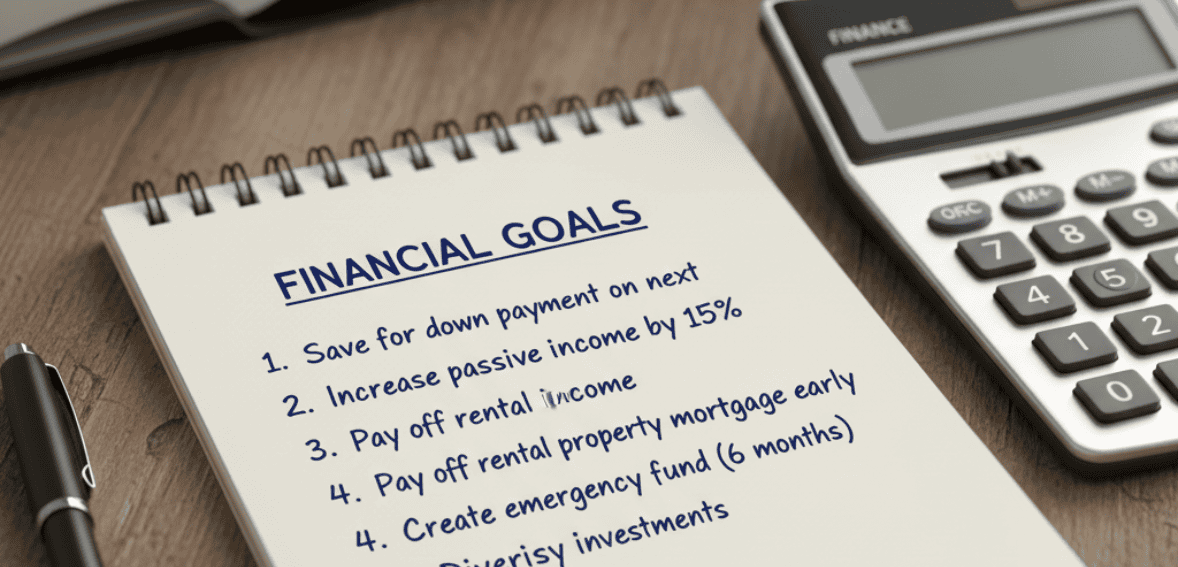
strategies to scale rental portfolio for small landlords.

From One to Many: A Small Landlord’s Guide to Scaling a Single-Family Rental Portfolio

Most landlords start the same way: one property, one tenant, one small step into the world of rental income. Managing that first home feels exciting and manageable. You’re handling repairs, collecting rent, learning the basics sometimes by trial and error. But somewhere along the way, you start thinking about the next step. Maybe it’s after you realize the first property is cash-flowing well. Maybe it’s after you see appreciation rising in your market. Or maybe you simply want more stability than one rental can ever provide.

Whatever the reason, scaling from one single-family rental to a small portfolio is a major shift. It requires more planning, clearer goals, stronger systems, and a different mindset. Owning one rental is hands-on. Owning several becomes a small business.

The good news? Most landlords in the U.S. start exactly where you are. According to Pew Research, individuals own about 70% of rental properties; many own only one or two homes. That means the path from “just one” to a full portfolio is extremely common. The challenge is figuring out how to do it without becoming overwhelmed.

Laying the Foundation: Know Why You Want to Scale

setting investment goals for rental property scaling strategy.

Before purchasing your second or third rental, take time to understand what you’re actually trying to build. “Scaling a rental portfolio” sounds impressive, but it means different things depending on your goals.

Ask yourself:

  • Do you want long-term cash flow?
  • Are you aiming for appreciation?
  • Do you want a portfolio you’ll pass on to your family?
  • Are you preparing for retirement income?
  • Do you want to replace your 9–5 completely?

Your scale rental portfolio strategy depends on this clarity. Growing for the wrong reasons or without any real direction is one of the fastest ways to get stuck with properties that drain time, money, and energy.

When goals are clear, your decision-making becomes steadier. You’re no longer buying because a deal “looks good.” You’re buying because it actually aligns with what you want the portfolio to become.

Financing Your Growth Intelligently

financing choices that support single family rentals growth.

Once you know where you’re headed, the next question is: How are you going to finance that growth? This is where smart landlords take advantage of tools available to them instead of relying on savings alone.

A few common strategies:

• Using Equity from Your First Property

If your existing home has appreciated, you can tap into that equity through a HELOC or cash-out refinance. Many landlords use appreciation from the first rental to fuel the purchase of the next one.

• The BRRRR Method

Buy, Rehab, Rent, Refinance, Repeat a strategy popular among small investors trying to move quickly. It rewards you for improving properties and recycling your capital. When executed well, it accelerates portfolio growth faster than traditional buying.

• Working With Local Lenders

Small landlords often do better building relationships with community banks or credit unions than relying solely on major lenders. Smaller institutions understand local markets better and are often more flexible with property-based lending.

• Keeping Cash Reserves Healthy

Scaling means more responsibility. Vacancies, repairs, and maintenance multiply with each property. Good landlords grow with a buffer, not by stretching themselves thin.

Good financing is not only about accessing money it’s about protecting yourself from risk while building steadily.

Managing Risk When You Grow from One Rental to Several

small landlord tips for managing risk while scaling a rental portfolio.

Growth multiplies opportunity, but it also multiplies exposure. A portfolio of five rentals will give you more income but also five roofs, five HVAC units, five sets of tenants, and five potential problems.

Before you scale, make sure you have systems in place to reduce risk:

  • Strong screening standards
  • A reliable emergency fund
  • Clear lease agreements
  • Scheduled maintenance routines
  • Knowledge of landlord-tenant laws in your state

When you own just one property, it’s easy to “wing it.” But when you own several, that same approach becomes chaotic. Smart landlords build structure early, not later.

A stable portfolio isn’t built on aggressive buying, it’s built on repeatable systems that prevent small issues from turning into expensive surprises.

Operational Efficiency: The Point Where Most Small Landlords Struggle

using digital tools to streamline single family growth.

Going from one rental to many seems exciting until the responsibilities start stacking. When you own one single-family rental, you can remember everything in your head. Rent due dates, tenant names, repair history it’s all manageable.

But once you hit two or three properties, the mental load grows fast.

This is usually the moment when landlords either:

  1. Burn out, or
  2. Become organized and efficient

And that’s where digital tools matter.

Modern portfolio owners use platforms for:

Tools like CloudRentalManager are designed for this type of small landlord scaling workflow, helping owners stay organized instead of juggling emails, texts, spreadsheets, and paper leases.

This isn’t about “being high-tech.” It’s about staying sane.

The faster you adopt systems that reduce your day-to-day workload, the easier it becomes to grow without feeling overwhelmed.

Understanding Portfolio Performance: Which Properties Actually Deserve to Stay?

KPIs that guide rental property scaling strategy.

Growing a portfolio doesn’t mean keeping every property forever. Sometimes the house you start with isn’t the house that should stay in your long-term plan.

To know which rentals are worth scaling around, landlords track key metrics:

  • Cash flow
  • Cash-on-cash return
  • Occupancy
  • Rent growth
  • Maintenance costs
  • Appreciation over time

This is where small landlords become investors. Data replaces gut feeling.

Excalibur Homes, in their guidance for portfolio scaling, emphasizes reviewing every property regularly. It’s not unusual for landlords to discover that one unit consistently underperforms. Sometimes the best scaling move isn’t buying another house, it’s selling the wrong one.

Portfolio reviews, especially when supported by software analytics, help landlords make decisions based on performance instead of emotion or habit.

When Systems Replace Stress: Growing Without Burning Out

Most small landlords hit a wall at the same point: around the second or third property. The phone calls double. The repairs double. The reminders double. The paperwork doubles.

But the hours in your day? They stay exactly the same.

This is where efficiency becomes more important than enthusiasm.

A landlord managing one rental can do everything manually. Many do — texting tenants, keeping receipts in a drawer, noting lease dates on a calendar. But once you reach multiple units, the smallest inefficiency starts to snowball.

That’s why growth isn’t really about buying more houses. It’s about building systems that prevent you from drowning in tasks.

This includes:

  • Automating rent reminders
  • Storing documents digitally
  • Setting maintenance schedules
  • Keeping all communications in one place
  • Tracking income and expenses without spreadsheets

None of this feels revolutionary. But when you add properties, these small changes determine whether you grow comfortably or collapse under the weight of minor details.

Scaling a rental portfolio is possible for anyone; the difference is whether you’re willing to build the operational backbone to support that growth.

Screening Tenants as You Scale: Consistency Saves You Later

One thing new landlords don’t always realize is that tenant selection becomes even more important as your portfolio grows. A single problem tenant is manageable when you only have one property. But when you’re juggling several, you can’t afford disruptions.

That’s why consistency in screening matters.

When you scale your single-family rentals, your screening process should be:

  • Documented
  • Repeatable
  • Fair
  • Compliant
  • The same for every property
  • The same for every applicant

A clear screening standard protects you and ensures long-term stability. You don’t want portfolio growth to be derailed by frequent turnovers or preventable issues.

Think of tenant screening the same way you think about financing or repairs: it’s part of the foundation of your scaling strategy, not an afterthought.

The Turning Point: When Should a Small Landlord Hire Help?

Many landlords assume “small investor” means “do everything yourself.” That works for a while until it doesn’t.

There are a few signals that tell you it’s time to consider support:

  • You’re missing maintenance requests
  • You’re struggling to track rent consistently
  • You can’t keep up with communication
  • Turnover feels chaotic
  • Paperwork is everywhere
  • You’re constantly reacting instead of planning

Support doesn’t have to mean hiring a full property manager. For many growing portfolios, help looks like:

  • A virtual assistant for admin work
  • A leasing agent during busy seasons
  • A reliable handyman for recurring tasks
  • Partnering with another investor
  • Using software to automate the repetitive parts

There’s no “right” moment to ask for help. But there’s a wrong moment waiting until you’re overwhelmed.

Scaling becomes healthier when you stop trying to do everything alone. Growth requires capacity. Capacity requires support.

Knowing Your Metrics: The Numbers That Tell You When to Scale

practical small landlord tips for evaluating properties when scaling.

If you want your rental business to be more than luck, you have to know your numbers. It’s the only way to see whether your properties are actually supporting your goals or just creating more work.

Some of the most important KPIs for scaling a rental property portfolio include:

  • Cash flow: Is each property contributing, or is one consistently draining money?
  • Occupancy: Are your properties staying filled, or are there quiet months?
  • Cash-on-cash return: For every dollar you put in, what are you getting back?
  • Maintenance ratios: How much does each home cost to keep in good shape?
  • Rent-to-value ratio: Is rent keeping pace with property values?
  • Appreciation trends: Is the neighborhood improving or plateauing?

Small landlords who want to become multi-property owners rely on data, not instinct. That’s also why portfolio tracking software matters: it helps you see which homes deserve more investment, which ones may need adjustments, and which ones aren’t carrying their weight.

The difference between a landlord and a long-term investor is simple: landlords react; investors measure.

When a Rental Doesn’t Fit Your Future Plan Anymore

Scaling isn’t only about adding more houses. Sometimes it’s about letting one go.

Many landlords discover that their first rental, the one that taught them everything, isn’t actually the right fit for the next stage.

Maybe:

  • The cash flow isn’t strong
  • The maintenance is too frequent
  • The neighborhood is changing
  • Appreciation has stalled
  • The tenants churn too often
  • Rent growth is slower than expected

Portfolio growth includes pruning. Selling one property to reinvest in a better one is a sign of a maturing investor not a mistake.

Excalibur Homes notes that landlords who regularly review performance are more likely to achieve steady long-term returns. Keeping an underperformer out of sentimental attachment slows everything down. When you scale rental portfolio operations, each property needs to contribute meaningfully.

Scaling is a strategy, not a collection.

When Should You Consider Professional Management?

At some point, the math becomes simple: The portfolio grows, but your time does not.

Some landlords hire property managers when they hit four units. Others wait until ten. Some never hire one at all because they prefer full control and enjoy the hands-on work.

There’s no universal rule but there are signs that your portfolio has reached the point where management support might help:

  • Your phone is ringing more than your day job allows
  • You’re responding to maintenance calls at inconvenient times
  • You’re handling tenant disputes more than once a month
  • You’re spending weekends doing paperwork
  • You can’t remember which lease expires when
  • Your portfolio income doesn’t match the time you’re spending

Professional management doesn’t mean leaving. It means stepping into the role of investor instead of daily operator.

And ironically, many landlords find that once they hire help, they scale faster, not slower because their time becomes available for strategy instead of stress.

Scaling Single-Family Rentals With Purpose

Going from one rental to many is not about buying quickly, it’s about building deliberately. A rushed portfolio is a fragile portfolio. A thoughtful one becomes passive income, long-term wealth, and a foundation for generational security.

Small landlords grow strongest when they:

  • Start with clear goals
  • Build systems early
  • Automate what can be automated
  • Stay disciplined about screening
  • Review performance regularly
  • Keep finances strategic, not emotional
  • Know when to get help
  • Track the metrics that matter

The first property teaches you the basics. The next teaches you who you are as an investor.

Your portfolio doesn’t need to be huge to be successful, it just needs to be intentional. Growth isn’t measured by how many doors you own. It’s measured by how well those doors support the life you’re trying to build.

Conclusion

Scaling a single-family rental portfolio isn’t a race, it’s a series of steady steps that build on each other. Most landlords start small, and there’s nothing wrong with that. What matters is how you grow, not how quickly you add doors. A second property feels almost identical to the first, but somewhere around your third or fourth home, everything changes. You stop thinking like a one-property owner and start thinking like someone building an actual business.

The landlords who scale successfully aren’t the ones who sprint; they’re the ones who stay organized, track their numbers, automate the repetitive parts, and keep their decisions tied to clear goals. They protect themselves with strong screening practices, healthy reserves, and simple systems that make day-to-day tasks manageable. They know when a property is helping their future and when it’s time to let one go.

If there’s one lesson worth holding onto, it’s this: growth should make your life better, not heavier. Adding rentals should create stability, not stress. And the sooner you build the structure that supports multiple properties, the sooner you can enjoy the freedom and financial security you set out to create in the first place.

From one rental to many, the path is open as long as you grow with intention.

FAQs:

What’s the first step to scaling a single-family rental portfolio?
The first step is to solidify your strategy and finances. This means setting a clear goal for how many properties or what income you want, and ensuring you have financing in place (savings, loans, or investment partners). Many small landlords start by leveraging equity from their first property or using the “Buy, Rehab, Rent, Refinance, repeat (BRRRR)” strategy to acquire additional rentals. Having a strong financial plan and cushion for vacancies or repairs is essential before scaling up.

How can I efficiently manage multiple rental properties as a single landlord?
Organization and technology are key. Using a property management software like CloudRentalManager can centralize rent collection, maintenance requests, and tenant communications across all your units, saving you time. Establish a routine for important tasks: e.g., conduct regular inspections, automate rent reminders, and have go-to contractors for repairs. Some landlords also create a standard workflow for tenant screening and lease signing (leveraging e-signatures and online applications) to keep processes consistent as they add properties.

What are common challenges when scaling from one property to many?
Common challenges include time management (more units mean more tasks and potential issues), maintenance coordination (keeping up with repairs across properties), and tenant management (handling multiple tenant relationships and inquiries). Financially, managing cash flow becomes trickier – you must budget for multiple mortgages, taxes, and upkeep. There’s also a learning curve in dealing with different local regulations or HOA rules for properties in various locations. Planning for these challenges by having systems (or hiring assistance) in place can mitigate growing pains.

At what point should I consider hiring a property manager?
If managing the day-to-day tasks begins to consume too much of your time or expertise, it may be time to consider professional management. A rule of thumb some landlords use is that beyond 3-5 properties (especially if they’re not geographically close), the workload can justify a property manager. Look at your profit margins too – if a management fee (often 8-10% of rent) is affordable and frees you to focus on acquiring more properties or your full-time job, it could be worthwhile. CloudRentalManager also offers solutions to automate many tasks, which might delay the need for a manager until your portfolio is larger.

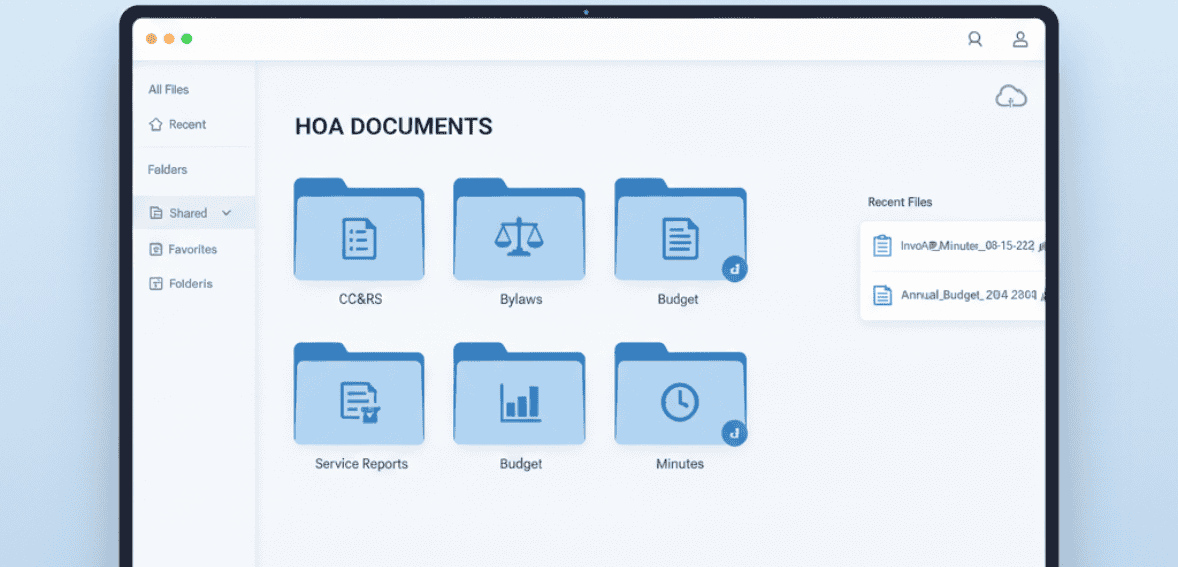
HOA management software helping board members review community documents.

Modern HOA Management with Cloud Software: Best Practices for Community Associations

Community associations today are managing more responsibilities than ever before. There are dues to collect, architectural requests to review, violations to document, budgets to maintain, and residents who expect faster, clearer communication. Years ago, most HOAs relied on paper files, phone chains, and monthly meetings to stay organized. But with the size of communities growing nationwide and with nearly a third of Americans now living in an association-managed neighborhood, those old processes simply aren’t enough anymore.

This is why many communities are turning toward HOA management software. Digital tools give boards, residents, and property managers a way to work together without relying on piles of paperwork or one person trying to keep track of everything manually. Cloud platforms make information accessible from anywhere, supporting more transparent communication, better documentation, and faster decision-making.

But using software alone doesn’t solve everything. It’s how the community uses it and how prepared the board is to shift toward modern systems that determines whether technology becomes a real advantage.

The Shift Toward Digital Portals in Community Associations

Digital portals in HOA management software for dues and communication.

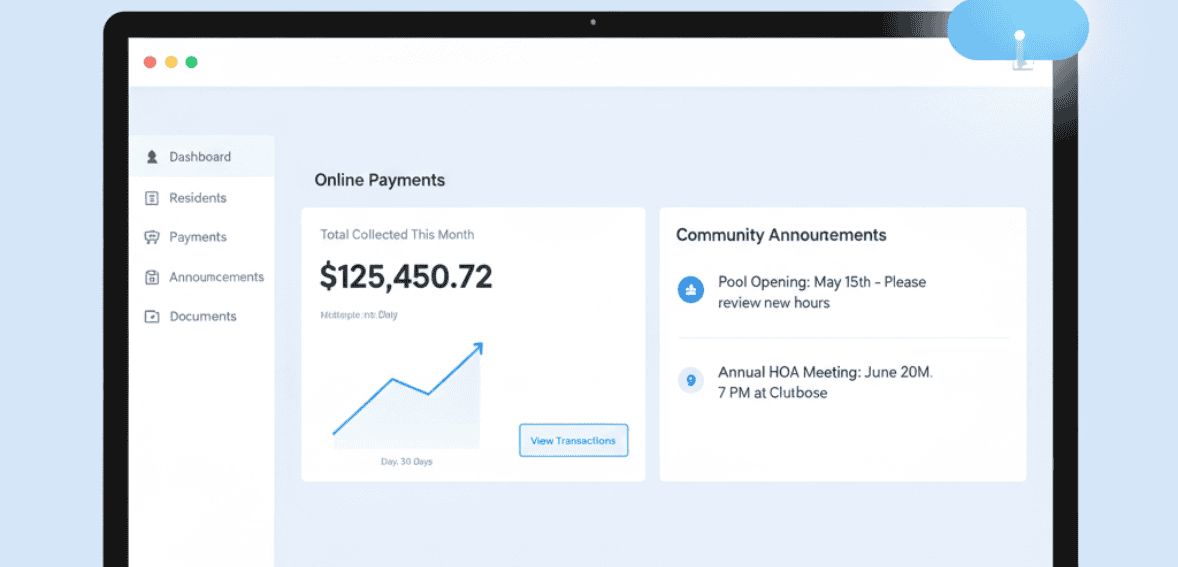
How residents interact with their HOA has changed. Most homeowners want the ability to check their dues, review documents, submit requests, and receive updates without waiting for paper notices or office hours. Digital portals have become the centerpiece of modern association communication because they bring those conveniences to one place.

With HOA management software, communities can offer:

  • Online dues and assessment payments
  • Automatic reminders for balances
  • Access to bylaws, CC&Rs, and meeting minutes
  • Community announcements posted instantly
  • Maintenance or architectural requests submitted online
  • Digital approval workflows for the board
  • Resident directories and communication logs

For residents, it reduces frustration. They no longer have to ask, “Where do I pay?”, “When is the next meeting?”, or “Who do I contact about this request?” For board members, it reduces repetitive tasks and cuts down on scattered email chains.

Digital portals also improve record-keeping. Instead of relying on emails saved on one board member’s personal computer, everything stays stored in a central cloud location where future board members can access it without losing any history.

It’s not just a convenience, it’s good governance.

Improving Financial Transparency Through Digital Tools

Cloud HOA management improving financial reporting for boards.

Finances are one of the biggest responsibilities in HOA management, and they’re also one of the most common sources of conflict. Homeowners want clarity on where their dues go. Boards need accurate financial data to make decisions. Property managers need up-to-date ledgers and clean documentation.

Cloud-based platforms provide far better visibility than paper systems or simple spreadsheets. They allow associations to:

  • Track payments in real time
  • Generate financial reports without manual entry
  • Manage late fees accurately
  • Forecast budgets using data trends
  • Categorize expenses clearly
  • Store receipts and vendor invoices digitally

When a homeowner wants to know how assessments were used, the board can share detailed reports without digging through old binders. When auditors review annual records, everything is organized and timestamped. When a new treasurer joins, they don’t start blind they inherit a structured system.

Modern HOAs are expected to run with the same financial clarity as small organizations, and digital tools make that far easier to achieve.

Community Communication That Actually Reaches Residents

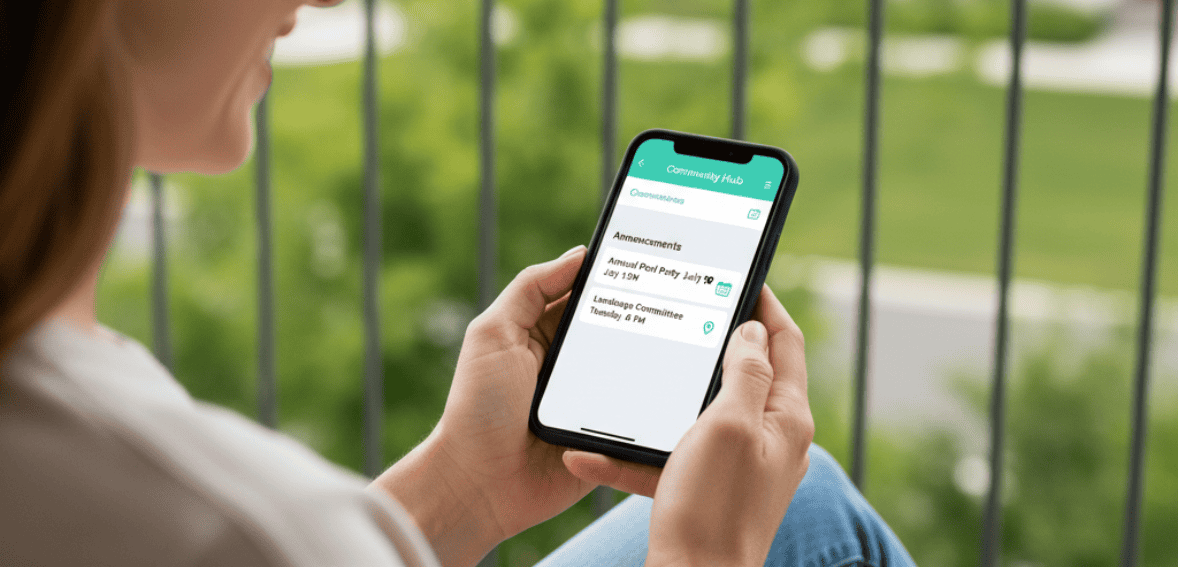
Resident checking HOA announcements on a mobile app

Traditional HOAs often struggle with communication. Notices get lost. Emails go unread. Newsletters are sent once every few months and rarely solve day-to-day issues. But communities run more smoothly when residents feel informed, heard, and connected.

Cloud platforms support more flexible, immediate communication such as:

  • Broadcast announcements
  • Automated reminders
  • Emergency alerts
  • Event updates
  • Maintenance schedules
  • Rule and policy updates

This helps reduce misunderstandings and improves community cohesion. Issues like gate repairs, landscaping schedules, amenity closures, or meeting changes reach everyone quickly instead of relying on word-of-mouth.

It also becomes easier for residents to communicate. Instead of calling the board president or sending messages through unofficial channels, they can submit questions or requests through the same platform, creating a clear communication record for future reference.

Governance and Compliance: Staying On Top of CC&Rs

HOA best practices for consistent CC&R enforcement using digital tools.

The backbone of every HOA is its governing documents, the CC&Rs, bylaws, rules, and architectural guidelines. But staying compliant with these documents isn’t always simple. Boards must be consistent, fair, and documentation-heavy when enforcing rules.

Modern community association tools help boards keep better track of:

  • Violation notices
  • Follow-up reminders
  • Photos or evidence
  • Correspondence with homeowners
  • Timelines for appeals
  • Compliance logs

Digital tracking protects both the board and the resident. It prevents accusations of favoritism or inconsistent enforcement. When every violation is documented the same way, with timestamps and clear records, decisions become easier to defend and manage.

Compliance doesn’t stop at internal rules. HOAs must also follow state laws, Fair Housing regulations, and proper lien or collection processes. Digital storage ensures that governing documents, legal templates, and updated policies stay organized and accessible to the entire board.

Better governance starts with reliable documentation, and cloud systems make that possible without overwhelming volunteers.

How Cloud Tools Support Architectural Review Workflows

ARC (Architectural Review Committee) requests are one of the most time-consuming administrative tasks. Homeowners submit forms, wait for approvals, send clarification questions, and hope the board receives everything correctly.

With cloud-based HOA management systems, this becomes more structured:

  • Homeowners upload plans or documents directly
  • ARC members receive automated notifications
  • Comments and decisions stay logged
  • Approvals can be sent digitally
  • Timelines stay visible to everyone involved

This reduces delays and avoids disputes about whether a request was received or lost. It also allows future board members to look back on past decisions and maintain consistency.

Architectural workflows often involve multiple people, and digital systems prevent steps from slipping through the cracks.

Working With Property Managers: A Stronger Collaboration

Cloud HOA management improving collaboration with property managers.

Many associations rely on property management companies to handle maintenance, resident communication, and financial operations. But even the best managers struggle when information is scattered across personal emails or physical files.

Cloud platforms give HOA boards and managers a shared workspace where both sides can see:

  • Open tasks
  • Maintenance schedules
  • Vendor invoices
  • Financial reports
  • Resident requests
  • Violation logs
  • Upcoming deadlines

This creates transparency on both ends. Boards know what managers are handling. Managers know what the board expects. And residents benefit from smoother, faster communication because everyone is aligned.

It also helps prevent gaps when a board changes members or a management company transitions responsibilities. The software preserves all community history so nothing important gets lost during the hand-off.

Better tools mean fewer misunderstandings and a healthier relationship between the board and the management team.

The Scale of HOA Communities Today

A look at national data shows how important effective management has become. According to the Community Associations Institute, the United States has over 358,000 community associations, with 74 million residents living in HOA or condo communities. That’s over a quarter of the population.

As associations grow larger and more complex, old systems can’t handle the volume of information. More residents means more dues, more violations, more documents, and more day-to-day decisions and boards are expected to manage it all while maintaining fairness and transparency.

This is why boards are turning toward structured, digital solutions that help them stay organized. These communities operate like small businesses, and they require tools that reflect that level of responsibility.

Documentation That Stays Organized, Even When Boards Change

One challenge almost every HOA faces is the turnover of board members. Volunteers come and go, and when responsibilities shift, so does the risk of losing important information. In some communities, documents end up scattered across old email accounts, personal laptops, or paper folders passed from one person to the next.

Cloud-based systems take this problem off the table. Instead of relying on an individual board member to store files, everything remains in a central place accessible to future boards without confusion. Meeting minutes, budgets, policies, CC&Rs, architectural history, financial reports, committee notes, vendor records all of it can be saved in a digital environment that doesn’t depend on who is currently serving.

This continuity matters. A well-run community isn’t built on memory; it’s built on consistent records. When new members join, they can understand past decisions quickly. They see the entire picture instead of piecing together bits of information from different sources.

Digital archives also help prevent disputes. When a resident asks why an architectural decision was made two years ago, or whether a fee increase was approved properly, the board can pull the exact documentation instead of relying on recollection. This protects the community and maintains credibility.

A More Predictable Maintenance Workflow

Maintenance is one of the biggest responsibilities for any association, and it can become chaotic when handled through scattered communication. Work orders get delayed because the information isn’t clear. Vendors show up without full instructions. Residents don’t know when repairs will occur. And board members lose track of which tasks are completed or still pending.

With HOA management software, maintenance becomes easier to coordinate because it follows a clear, centralized workflow.

Boards and managers can:

  • Log maintenance requests as they come in
  • Categorize them by urgency
  • Assign them to vendors or staff
  • Track all updates in one thread
  • Attach photos or documents
  • Mark tasks as completed with timestamps

Residents don’t have to keep checking in; they see updates through their portal. Vendors don’t rely on verbal instructions; everything is documented. Board members don’t wonder whether something is done the system shows the entire history.

This level of organization reduces back-and-forth communication and prevents small tasks from slipping through the cracks. It also helps the board identify patterns, like repeated issues in certain buildings or aging infrastructure that may need long-term planning.

Most modern cloud-based tools or Cloud Platforms for Predictive Repairs like: IoT sensors, machine learning (ML), and advanced artificial intelligence (AI) to predict equipment failures. After detecting failures, these systems notify the property managers and landlords, suggesting quick actional insights and recommendations to address the issue. 

Enforcement That Stays Consistent and Fair

Enforcing rules is one of the hardest parts of serving on an HOA board. No one enjoys sending violation notices, and no one wants to be accused of targeting certain residents unfairly. But if CC&Rs aren’t enforced, the community’s standards begin to erode, and property values can be affected.

Digital systems make enforcement more objective because:

  • All violations are documented the same way
  • Photos can be attached directly
  • Notices are timestamped
  • Follow-up reminders appear automatically
  • Communication stays logged

This makes it easier to maintain fairness. If one resident receives a notice for an unapproved structure or visible maintenance issue, and another resident has the same issue, the board has a clear system for addressing both equally.

Digital documentation helps protect everyone. It protects residents from inconsistent enforcement. It protects board members from misunderstandings. And it protects the association in disputes.

Good compliance isn’t about being strict, it’s about being consistent. Cloud systems help achieve that consistency without asking volunteers to track everything manually.

Financial Planning With Real Data, Not Guessing

Annual budgeting can feel overwhelming if the board doesn’t have clean financial data. Traditional HOAs often relied on paper statements, handwritten ledgers, or scattered spreadsheets. These methods make it difficult to spot trends or forecast costs confidently.

Modern tools give boards a clearer financial picture. They can view:

  • Current assessment income
  • Delinquency rates
  • Maintenance spending
  • Reserve fund balances
  • Recurring expenses
  • Year-over-year comparisons

With a stronger grasp of the numbers, boards can make decisions that support long-term stability instead of reacting to issues in the moment. They can adjust dues gradually instead of making sudden increases. They can plan resurfacing, repainting, or structural maintenance years ahead. They can evaluate whether vendor contracts remain cost-effective.

Such planning builds trust with homeowners. People are more comfortable with dues increases when they understand why they’re necessary and when they see that the board is managing funds responsibly.

Simplifying Resident Requests and Keeping Everything in One Thread

Community association tools keeping HOA records organized and accessible

Homeowners contact their HOA for many reasons: architectural questions, parking concerns, landscaping issues, noise complaints, amenity reservations, and more. Managing these requests through email can get complicated, especially when multiple people are involved.

Digital systems streamline this by creating a single communication thread for each issue. Residents submit requests through their portal, and the board or manager responds in the same space. All updates, attachments, and confirmations stay connected to that request.

This avoids common problems like:

  • Lost emails
  • Multiple board members replying separately
  • Residents contacting the wrong person
  • Unclear timelines
  • Conversations spread across different platforms

Centralizing communication helps the board stay organized and ensures residents feel heard. It also builds a documented history that future boards can reference when similar issues come up.

Transparency That Builds Trust

One of the biggest frustrations residents have with HOAs is not knowing what’s happening behind the scenes. When communication is unclear or infrequent, misunderstandings grow. But when communities adopt cloud tools, transparency becomes easier without increasing workload.

Boards can share:

  • Meeting summaries
  • Community updates
  • Maintenance timelines
  • Financial reports
  • Rule changes
  • Upcoming projects

Not every resident will read every update, but having the option available improves the overall climate of the community. People feel reassured when they know decisions aren’t happening in isolation.

Transparency doesn’t mean revealing sensitive information, it simply means keeping the community informed so residents understand how their dues are used and how decisions are made.

Adapting to the Growing Scale of Community Associations

There are more HOAs today than ever. With over 358,000 associations across the U.S. and 74 million residents living in HOA-governed communities, the responsibilities placed on volunteer boards have increased significantly.

These communities operate like small organizations with real financial, administrative, and legal obligations. As the scale grows, so does the need for systems that support accurate record-keeping and consistent operations.

Cloud tools help HOAs manage this growing complexity without placing unrealistic expectations on board members. Most people serving on boards are volunteers. They have full-time jobs, families and limited hours. Digital systems lighten that load by handling the routine administrative tasks so the board can focus on decision-making rather than paperwork.

Conclusion

Modern HOAs are expected to be well-organized, communicative, transparent, and consistent qualities that are difficult to maintain using outdated paper systems. Cloud-based platforms help community associations meet those expectations without overwhelming volunteer leaders or property managers.

With centralized communication, digital portals, structured enforcement workflows, organized archives, and accessible financial records, HOAs gain the stability they need to operate  smoothly. These tools support better planning, clearer documentation, and healthier relationships between the board, residents, and management teams.

As more associations embrace digital tools, communities become easier to manage and far more enjoyable to live in.

In the United States, the property management industry is in continuous growth and generates 16% of the country’s GDP. While this is a field that’s ripe with profitable opportunities, it can be difficult for a property manager to fulfill the multiple duties required of them, especially as their list of properties grows.

FAQs:

What are the key differences between HOA management and rental property management?
An HOA (Homeowners Association) is a community-led entity that sets and enforces rules (CC&Rs) for all properties in a neighborhood, focusing on common areas and community standards. Property management, by contrast, handles individual rental units and tenants. HOAs govern through elected boards and community votes, while property managers operate within HOA guidelines to maintain properties and serve owners. Essentially, HOAs set the rules, and property managers ensure those rules are followed.

How can cloud software benefit HOA boards and residents?
Cloud-based HOA management software (like CloudRentalManager’s community association module) centralizes tasks such as collecting dues, sending notices, and sharing documents. This provides 24/7 portal access for residents to pay fees or report issues, and it gives board members streamlined tools for tracking compliance and maintenance requests. The result is faster communication and improved transparency, which boosts resident satisfaction.

What best practices should HOA boards follow to improve operations?
Key best practices include maintaining clear, written community guidelines; communicating regularly with homeowners; enforcing rules consistently and fairly; and planning ahead with reserve funds for maintenance. Utilizing software to automate reminders (for dues or rule violations) and record all decisions (meeting minutes, votes) helps ensure consistency and legal compliance.

How do HOA boards handle rule enforcement and disputes?
HOAs typically have the authority to issue warning letters and fines to homeowners (or landlords) if community rules are violated. In serious cases, HOAs can place liens on properties for nonpayment of dues or major violations. It’s important for boards to establish an escalation process – starting with polite notices, then formal warnings, and only resorting to fines or legal action if necessary. Clear communication and offering a hearing or mediation for disputes can resolve many issues amicably.

Can one software system manage both HOAs and rental units together?
Yes, some property management platforms (including CloudRentalManager) offer integrated solutions for both rental management and HOA management. This means a property manager or landlord who oversees rental units in HOA communities can track tenant issues, maintenance, as well as HOA communications and dues in one place. Such integration avoids double data entry and ensures that HOA rules (parking policies, pet restrictions, etc.) are automatically factored into tenant communications and lease terms.

Training Your Team for Tech-Driven Property Management: Onboarding Software and Embracing Change

Adopting new technology can unlock major benefits for property management firms. Increased efficiency, better tenant communication, streamlined rent collection, and accurate maintenance tracking are just a few of the advantages. But simply investing in software isn’t enough. Real transformation only happens when your team understands, accepts, and properly uses the tools available to them. This is where thoughtful training becomes critical. A well-executed onboarding plan can mean the difference between a software investment that transforms your business and one that ends in confusion, frustration, and limited adoption.

Recognizing the Need for Training

Introducing software alone doesn’t automatically improve your processes. Without proper training, even the most advanced tools can “fall flat.” Many property management businesses invest in platforms designed to reduce workload, only to find their staff clinging to spreadsheets, duplicating work, or reverting to outdated methods. This is not a tech problem—it’s a training problem.

When teams are inadequately trained, resistance to change becomes common. Staff may ignore new features, fail to input data correctly, or express anxiety about job security. Others may only use the bare minimum features, leaving the software’s full potential untapped. Without a clear plan for training and change management, technology adoption in property management often fails to deliver the expected return on investment.

Developing a Training Plan

A successful transition to a new system starts with a structured plan. A well-organized training process helps your staff build confidence, understand their role within the platform, and see the benefits firsthand.

Involve Key Stakeholders Early

Change is more likely to succeed when those affected feel included. Before rolling out a new property management system, involve key stakeholders in the decision-making process. Explain why the change is happening, what problems it will solve, and how it benefits both staff and tenants. Involving leasing agents, maintenance coordinators, and back-office personnel early ensures better buy-in when the system goes live.

Create a Training Timeline

Training should not be a one-day crash course. Schedule multiple sessions across several weeks, allowing staff to absorb and practice new information gradually. Start with an overview of the software, then break it into smaller, manageable modules over time. Building in space for hands-on practice will reduce stress and create a more supportive learning environment.

Role-Based Training

Different roles within your company will use the software in different ways. Leasing agents need to know how to manage applications, screen tenants, and generate leases. Accountants require familiarity with ledgers, payment reports, and reconciliation. Customizing training based on job functions makes it more relevant and effective. Everyone feels more prepared when they know how the software supports their specific responsibilities.

Provide Diverse Learning Resources

People learn in different ways. Offering a mix of live demonstrations, user manuals, short video tutorials, and printable cheat sheets ensures broader understanding. Staff can reference the format that works best for them, whether they prefer visual aids or hands-on walkthroughs. The more resources you provide, the easier it becomes for your team to revisit topics and retain what they’ve learned.

Use Sandbox/Trial Runs

A sandbox environment allows your team to experiment without risk. Let staff test the software using fake tenants, properties, or scenarios. This trial setting gives everyone the chance to make mistakes and ask questions before going live with real data. It builds confidence and eliminates the fear of “breaking” something important.

Encouraging Adoption and Reducing Resistance

Even with great tools and thorough training, resistance is natural. Some staff may worry that automation will replace their role, while others may feel overwhelmed by having to learn something new. Addressing these concerns is vital to ensure successful software adoption.

Techniques for Smoother Change

Appointing “software champions” within your team is a smart way to encourage adoption. These are power users who embrace the new system quickly and are willing to support their colleagues. Having someone in the office who understands both the software and the work culture can ease the transition.

Dedicate time for open Q&A sessions during the training period. Let staff express their concerns and confusion without judgment. Reassure them that the software is a tool to assist—not replace—them. Emphasize the benefits they’ll experience directly, such as reduced overtime, easier remote work, and fewer manual tasks.

Transparency is essential. Share the full picture with your staff: why the software was chosen, how it helps tenants, and what improvements are expected. Early involvement and honest communication create trust, reduce resistance, and lay the groundwork for successful technology adoption in property management.

training

Ongoing Support and Refresher Training

Training doesn’t end after onboarding. In fact, the weeks and months after implementation are just as important. Continuous support helps reinforce what was learned and encourages long-term adoption.

Keeping the Momentum Going

Make it clear that asking questions is welcome—even encouraged. Staff may hesitate to speak up if they feel they “should already know” something. Create a culture where learning is ongoing and mistakes are seen as growth opportunities.

Consider setting up periodic refresher sessions or drop-in hours where employees can revisit features or ask about new updates. Encourage cross-training, where team members share tips or shortcuts they’ve discovered. This helps build confidence and fosters a collaborative learning environment.

Most property management software vendors also offer extensive online help resources—use them. Tutorials, FAQs, webinars, and customer support lines are all there to help your team succeed. Regular reminders to use these tools can reduce dependence on internal staff for answers and keep your whole team up to date.

Monitoring Usage and Success

After implementing your property management system, it’s important to evaluate whether your team is using it effectively. Data and feedback will help you assess how well the training worked and where additional support may be needed.

Measuring Impact and Addressing Gaps

Many property management systems have built-in dashboards that track usage. You can see how often certain features are used, how many users are active, or whether functions like digital payments or automated notices are being utilized. If 80 percent of tenants are still mailing in checks, it might mean staff needs to promote online payments more actively or get additional training on setting up autopay features.

Surveys and team meetings can also surface problems. Ask direct questions like, “What’s been difficult to learn?” or “What features do you avoid using and why?” This feedback helps tailor future training sessions and remove roadblocks.

Celebrating small wins is just as important as fixing issues. If maintenance requests are resolved faster, or tenant communications have become more streamlined, share that data with your team. Knowing their efforts are making a real difference helps reinforce adoption and build momentum.

training

Handling Common Challenges

Not everyone will adapt at the same pace. Some staff may feel overwhelmed, while others might resist the change entirely. By anticipating common issues, you can respond with empathy and practical solutions.

Helping the Whole Team Succeed

Older employees or those less comfortable with technology may need extra support. Be patient and pair them with a more tech-savvy colleague for mentorship. Offer to record sessions so they can revisit training at their own pace.

Information overload is another risk. Avoid overwhelming staff with every feature all at once. Start with core functions—such as rent collection, maintenance tracking, and tenant communication—and add more advanced features later. This staged rollout allows for gradual learning and deeper understanding.

Expect a temporary dip in productivity. Learning something new takes time. Acknowledge this upfront and consider lightening the workload during training. Set realistic expectations and assure your team that the short-term learning curve will lead to long-term efficiency.

Lastly, promote a culture where asking for help is encouraged. Staff should never feel they have to work around the system or create unofficial methods. The goal is to make the software the go-to solution for daily tasks—not something to avoid.

Keeping Up with Updates

Technology doesn’t stand still. The software you implement today will continue to evolve, and staying current ensures your team gets the most value from it. Make a plan for long-term engagement and update readiness.

training

Assigning Ownership for Ongoing Learning

Designate someone on your team to monitor software updates and feature releases. This person can subscribe to the vendor’s newsletters, attend webinars, and read release notes. Their job is not only to stay informed but to share what they learn with the rest of the team.

Once new features are identified, hold short training sessions or distribute update summaries. Some property management systems release video demos with each update—use those to show your staff what’s new and why it matters.

Keeping your team informed about improvements ensures you’re not missing out on functionality you’re already paying for. It also helps avoid confusion when the system interface changes or new buttons appear. The goal is to treat software as a living tool that evolves with your business.

Building a Culture That Embraces Change

At its core, successful property management software training is about more than just checking off a box. It is about creating a team culture that welcomes innovation, adapts to new tools, and sees technology as an ally.

Encourage curiosity by rewarding experimentation. Create feedback loops so staff can recommend improvements or flag recurring issues. Include software usage and proficiency as part of regular performance reviews—not to punish, but to support continuous development.

When staff feels empowered, included, and supported, they’re far more likely to engage with the software fully. That engagement translates into better tenant experiences, more efficient operations, and a property management company that is truly built for the future.

Conclusion

Implementing property management software is a major step toward modernizing and scaling your operations. But the real magic happens only when your team knows how to use it effectively. Property management software training isn’t a one-time event. It’s an ongoing process that includes thoughtful onboarding, continuous support, and regular updates.

From reducing resistance and encouraging adoption to tracking usage and celebrating success, every part of the training journey plays a role in shaping your team’s comfort and confidence with new tools. By investing in training and embracing change as a shared goal, you ensure that your technology adoption property management strategy is built on a strong foundation.

In a market where efficiency and tenant satisfaction are key to growth, training your team for tech-driven property management is not just smart—it’s essential. With the right approach, your staff won’t just learn the software. They’ll own it, improve with it, and help drive your business forward in the digital age.

Frequently Asked Questions

Why is property management software training necessary if the system is user-friendly?

Even user-friendly software comes with a learning curve. Without proper training, staff may misuse features, overlook key tools, or revert to old habits. Training ensures that the entire team understands how to use the system correctly, maximizing the return on investment and improving operational efficiency.

How long does it typically take for a team to fully adopt a new property management system?

The timeline can vary based on the size of the team, the complexity of the software, and the pace of the training plan. Most companies begin to see confident usage within four to six weeks if training is structured, role-specific, and includes time for hands-on practice and follow-up support.

What’s the best way to reduce resistance when implementing property management software?

Open communication is key. Involve team members early, explain the benefits clearly, and address concerns honestly. Assign internal “software champions” who can support others and promote a positive attitude toward the transition. Reassuring staff that the system is meant to help, not replace them, can also ease resistance.

How can I ensure the team continues using the software correctly after training ends?

Set up periodic check-ins, encourage ongoing questions, and track usage metrics to identify gaps. You can also hold short refresher sessions or share vendor updates. Reinforcing learning through regular feedback and celebrating software-related wins keeps engagement high over time.

What if some employees struggle with learning the new system?

Offer additional support, such as pairing them with more tech-savvy colleagues, providing extra practice time, or using simplified cheat sheets. Everyone learns differently, so offering various resources—videos, guides, one-on-one coaching—helps ensure no one is left behind during the transition.

Scaling Your Property Management Business: Using Software to Grow from a Dozen Units to a Large Portfolio

In the early stages of running a property management company, it’s easy to feel like you have everything under control. You might use a spreadsheet to track rent payments, respond to tenant emails manually, and jot down maintenance requests in a notebook. But as your business grows from a handful of units to dozens—or even hundreds—that system becomes unsustainable. The secret to scaling your property management business lies not just in adding more properties, but in having the right infrastructure to manage them efficiently. And today, that infrastructure is software.

From Spreadsheets to Centralized Software

As your property management portfolio expands, the systems that once worked well begin to fall short. Managing tasks manually or with basic tools may seem efficient at first, but over time, they slow down operations and limit growth potential.

Why Manual Methods Become a Bottleneck

When you’re managing a few properties, a spreadsheet can feel like a perfectly acceptable solution. But as your portfolio grows past ten or twelve units, the cracks begin to show. You start duplicating data, making input errors, and spending more time digging for information than acting on it. Something as simple as forgetting to log a late fee or double-booking a maintenance contractor can cause unnecessary delays and tenant dissatisfaction.

More importantly, the time you spend on clerical work increases. Every lease renewal, maintenance request, or tenant communication adds to your workload. When multiple team members get involved, the lack of a centralized system creates chaos. You find yourself answering the same questions multiple times or fixing errors caused by outdated information.

When It’s Time to Upgrade

Most property managers realize they need robust property management software when they hit a specific tipping point. This usually happens when managing more than 20 units or coordinating with a team. If you find yourself constantly buried in paperwork, struggling to stay organized, or needing help to deliver consistent service across all your properties, that’s your signal. Upgrading to a professional property management system at this stage doesn’t just help—it becomes essential for future growth.

property

Process Automation and Efficiency

Efficiency is the bedrock of scale. If your team is constantly overwhelmed with manual tasks, growing your unit count will only amplify the strain. That’s why automation becomes crucial as you scale your property management business.

Freeing Up Time with Technology

As your business expands, your time becomes your most valuable asset. You need to move from working in the business to working on the business. Property management software helps you get there by automating the routine tasks that consume hours each week.

Automated rent reminders reduce the need for follow-up calls or emails. Late fees can be posted automatically, ensuring consistency and eliminating awkward conversations. Maintenance requests submitted through the tenant portal can trigger workflows that assign contractors, notify tenants, and track progress until resolution. You can send batch messages to tenants about inspections, policy changes, or rent increases without composing each message individually.

These automations don’t just save time. They eliminate inconsistency and improve tenant experience. In fact, companies leveraging technology and data saw operational efficiency improve by 20% in their first year. That kind of improvement is the difference between struggling to keep up and confidently scaling your rental portfolio.

Standardizing Operations

Growth brings more units, more tenants, and more moving parts. Without consistent processes, quality and control start to slip. Software ensures that every part of your business follows the same proven workflow.

property

Creating Repeatable, Reliable Processes

As your business grows, every unit added should follow a consistent process. If one property gets a comprehensive move-in checklist and another does not, you risk disputes, missed documentation, and uneven service quality. Software enforces standardization by embedding repeatable workflows into your daily operations.

Digital leasing workflows guide every lease through the same steps—application, background check, approval, signing, and onboarding. Tenant move-outs can automatically trigger an inspection, cleaning order, and security deposit reconciliation. These processes can be customized once and reused for every property, ensuring no step is missed.

Successful property management firms often credit standardized procedures as the foundation of their growth. Some even create operations manuals that align with software workflows, reinforcing their systems and helping new employees get up to speed faster.

Multi-Property, Multi-Owner Management

Managing a single building is one thing. Handling multiple properties, for different owners, in different locations, is a whole different challenge. That’s when powerful, centralized software becomes your best asset.

Simplifying Complex Portfolios

Scaling your business usually means adding not just more units but also more variety. You may manage different property types, serve multiple owners, or work across several locations. Without the right tools, managing such complexity becomes nearly impossible.

Property management software for growth offers built-in support for multi-owner portfolios. With owner portals, each client can log in to view performance reports, financial statements, and upcoming repairs for their specific properties. You can assign different bank accounts for different owners, ensuring accurate fund distribution and accounting.

For managers operating in multiple regions, the software allows for location tagging, enabling you to assign tasks to the nearest team member or vendor. Having a portfolio-level view means you can monitor the entire operation from one dashboard while diving into individual property data as needed. This kind of scalability is what allows a company to expand its operations without multiplying its stress.

Team Collaboration and Scaling Staff

Growth demands more than just better tools. It also means building a capable team and ensuring they work together effectively. Software plays a vital role in enabling that collaboration.

Everyone on the Same Page

As your team grows, communication becomes more complicated. A solo manager can keep everything in their head, but once you bring in assistants, maintenance coordinators, and leasing agents, you need a centralized platform to keep everyone aligned.

Modern property management platforms offer role-based access and task management tools. Each team member can log in with permissions appropriate to their role. Maintenance staff can view and update work orders. Leasing agents can access tenant applications and move-in details. Accountants can manage payments and reconciliation. Everyone sees the same data, updated in real time, minimizing miscommunication.

Task assignments, internal notes, and status updates ensure that no job falls through the cracks. This level of internal collaboration is crucial when growing a property management company, especially when your team works remotely or covers multiple locations.

Analytics for Strategic Growth

To truly scale, you need to think beyond daily operations. Strategic growth comes from using data to make better decisions. And that’s where analytics becomes indispensable.

Using Data to Drive Smart Decisions

Scaling rental portfolios requires more than just adding doors. It means knowing which properties to prioritize, which owners to work with, and which areas offer the best return. This is where analytics comes in.

Property management software includes dashboards and reporting tools that break down occupancy rates, maintenance costs, rent collection trends, and profit margins per unit or per owner. You can compare neighborhoods to identify those with the lowest delinquency or see which properties generate the most late payment issues.

These insights help you focus your marketing on high-performing areas, negotiate better terms with owners, or rework your lease agreements to reduce risk. Some systems even allow scenario modeling. Want to double your unit count next year? The system can show how that would affect staffing needs, rent roll, or maintenance workload. Data-driven strategy is a hallmark of scaling up, and companies that use data effectively see operations improve by 20% or more.

Avoiding Growing Pains

Scaling a business introduces new complexity. But the right technology helps ensure you grow with confidence and avoid common missteps that derail expanding property managers.

Common Pitfalls and How Software Prevents Them

Every growing business experiences friction, especially during transitions. But many of the common pitfalls in expanding property management operations can be avoided with the right systems in place.

Losing the personal touch is one concern. Tenants might feel like just another number as the company grows. Using CRM features in your software, you can keep detailed notes on tenant preferences, birthdays, past issues, and communication history. This lets your team maintain personalized service even as the number of tenants increases.

Compliance oversight becomes a bigger issue when managing in different cities or states. With property management software, you can receive updates on local law changes and set reminders for required inspections or registrations. Automated lease templates can be updated to match local ordinances, reducing legal risk.

Tracking tasks manually gets harder as complexity increases. But with built-in task management, recurring reminders, and progress updates, your team stays on track. Whether it is a routine inspection, a lease renewal, or a vendor invoice, the system ensures it is done on time and correctly.

Preparing for Long-Term Expansion

Scaling is not just about adding more units today. It is about setting up systems that support growth tomorrow. That means thinking about where your business is heading and making sure your tools can go the distance.

Planning for the Next Phase of Growth

As your business scales from managing a dozen units to overseeing hundreds, your focus should shift from putting out fires to building a resilient and scalable operation. Software enables that shift by removing the bottlenecks of manual work and providing clarity through data.

You’ll also be able to forecast better. By modeling different scenarios, you can see how expanding into short-term rentals, commercial units, or new geographic regions might impact your team and your bottom line. You can test ideas before making expensive commitments.

Moreover, when you decide to raise capital, partner with investors, or sell your business, having strong systems and clean data makes your company more attractive. Investors look for operational maturity, and robust software is a sign that your business can handle growth without imploding.

Choosing the Right Property Management Software for Growth

Finding the right platform is a decision that can define your business’s ability to grow. Not all tools are created equal, so choosing one that aligns with your vision is critical.

What to Look For

Not all software is built for scaling. As you search for the right solution, look for features that support automation, team collaboration, financial management, and multi-owner functionality. Mobile access is also key, as your team may work from the field or different offices.

Ease of use matters too. If your team struggles to navigate the system, it slows you down. Choose a platform with good training resources, strong support, and a roadmap of future updates.

Make sure the software integrates with your existing tools, such as accounting systems, marketing platforms, or background check providers. Integration reduces redundancy and ensures that all parts of your business speak the same language.

Maintaining Quality as You Grow

Delivering excellent service while expanding rapidly is not easy. But it is possible when you embed quality into your systems, not just your intentions.

Scaling Without Sacrificing Service

One of the biggest fears property managers have is that quality will suffer as quantity increases. Software helps you avoid that by embedding quality into every step of the process. It ensures that every lease follows the same standard. Every maintenance issue gets tracked to completion. Every owner receives timely reports.

Consistency builds trust with tenants and property owners alike. It reduces disputes, enhances reputation, and leads to more referrals. With software doing the heavy lifting, your team can focus on delivering excellent service rather than fighting fires.

Conclusion

Growing a property management company from a dozen units to a large portfolio is a journey filled with opportunity—and risk. The key to scaling successfully lies in building the right foundation, and today, that foundation is software. Property management software for growth allows you to automate, standardize, and optimize your operations. It enables real-time collaboration, delivers actionable insights, and protects your service quality as you expand.

Whether you’re aiming to scale property management business efforts across multiple locations, take on new owners, or simply free yourself from daily administrative tasks, the right technology can make the difference. It transforms complexity into clarity and chaos into control.

In a competitive market, where margins are tight and customer expectations are high, leveraging the full power of software is not just a smart move. It is the only way to scale efficiently, sustainably, and successfully.

Frequently Asked Questions

What is the best time to switch from spreadsheets to property management software?

The ideal time is when managing your portfolio starts to consume too much time or create errors. Typically, this happens when you’re managing more than 20 units or coordinating tasks among multiple team members. If you’re spending more time on administrative work than strategic planning or customer service, it’s time to upgrade.

Can property management software help me grow my portfolio faster?

Yes, by automating routine tasks and improving operational efficiency, software frees up your time and resources to focus on acquiring more units, serving more owners, and expanding into new areas. It also helps you identify profitable opportunities using real-time analytics and reporting tools.

How does software improve communication with tenants and property owners?

Modern property management platforms include tenant and owner portals, enabling seamless communication. Tenants can submit maintenance requests, pay rent, and receive automated notifications. Owners can log in to view reports, track financials, and get updates about their properties—all without needing direct calls or emails.

Is it difficult to train staff on new property management software?

Most platforms are designed to be user-friendly, and many offer onboarding support, tutorials, and live customer service. With role-based access and simple interfaces, even team members with minimal tech experience can get up to speed quickly. Training your staff early ensures smoother operations as you scale.

What should I look for when choosing software to scale my property management business?

Key features include automation tools, multi-user access, task management, maintenance tracking, analytics dashboards, and integration with accounting systems. Also, look for mobile accessibility and scalability, so the software grows with your business without needing frequent upgrades or replacements.

Enhancing Tenant Experience through Technology: Portals, Mobile Apps, and Self-Service Tools

The modern rental market is shaped not just by location and pricing, but also by the experience tenants have throughout their lease. Today’s renters, especially millennials and Gen Z, expect digital convenience, transparency, and quick communication. For property managers, meeting these expectations is no longer optional. Technology has become a key driver in delivering a seamless tenant journey, from move-in to move-out.

Using platforms like portals, mobile apps, and automation tools, property managers can offer convenience, strengthen tenant relationships, and drive long-term retention. These digital tools empower tenants while streamlining operations for landlords. 

technology

Tenant Portals and Mobile Apps Make Property Services Accessible

In a digital-first world, tenants don’t want to chase down their managers to get a copy of their lease or ask about a maintenance request. They want fast, 24/7 access to their rental information and services. That’s exactly what tenant portals and mobile apps are designed to offer.

What Is a Tenant Portal?

A tenant portal is a secure online platform or mobile app that connects residents directly with the property management system. Tenants can log in to view their payment history, check their rent balance, download documents such as leases and receipts, or even submit maintenance requests. Some platforms also support messaging features, where tenants can contact the property manager or receive real-time updates on building notices.

These tools provide major tenant portal benefits, especially by reducing the need for in-person office visits or lengthy phone calls. Tenants enjoy the convenience of managing rental-related tasks on their own schedule, and property managers benefit from reduced administrative burden.

Meeting Expectations for Transparency and Self-Service

With self-service tools built into the portal or app, tenants can take care of everyday tasks without waiting for business hours. Whether it’s downloading their rent receipt, updating contact information, or reviewing community guidelines, residents appreciate having access at their fingertips. This level of convenience contributes to a smoother experience and builds trust with the property management team.

technology

Online Rent Payments Offer Simplicity and Peace of Mind

One of the most appreciated features in rental tech today is the ability to pay rent online. As digital banking and contactless payments become the norm, tenants expect the same level of convenience when paying for their homes.

How Digital Payments Improve the Experience

By offering rent payment options through ACH, debit card, or credit card, property managers give tenants flexibility and control. Tenants no longer need to write checks or visit an office to make a payment. Instead, they can pay from their phone or laptop in just a few clicks.

This ease of payment adds directly to the tenant experience property management teams are aiming to improve. Many platforms also include features like autopay, which reduces the risk of late fees, and payment reminders, which help tenants stay on schedule. These capabilities create a smoother process for both sides.

Less Friction, Fewer Late Payments

When the payment process is straightforward and timely, it reduces tenant stress. At the same time, it supports the financial health of the property by lowering instances of late or missed payments. Property managers can spend less time chasing rent and more time focusing on service quality and retention efforts.

technology

Maintenance Request Tracking Builds Tenant Trust

A major source of frustration for renters is maintenance delays or poor communication around repair requests. With traditional systems, tenants might call or email an issue, only to wonder when it will be addressed. Today’s platforms solve this problem by making the process more transparent.

Submitting and Tracking Requests Online

Tenants can now submit maintenance requests directly through the portal or app. Some platforms even allow tenants to upload photos of the issue, making it easier for maintenance teams to assess the situation in advance. Once submitted, the request is logged into the system, and tenants can track its progress—from acknowledgment to resolution.

This transparency significantly improves tenant satisfaction rentals. Tenants feel reassured that their concern has been received and is being acted upon, which reduces uncertainty and stress.

Feedback and Ratings Close the Loop

Certain property management systems include post-repair surveys or allow tenants to rate the maintenance service they received. This feedback not only helps improve internal processes but also demonstrates that management values the tenant’s opinion. These closing steps add a sense of completeness to the maintenance interaction, enhancing overall satisfaction.

Communication and Notifications Keep Tenants Informed

One of the most essential aspects of managing a rental property is timely communication. From emergency repairs to community announcements, being able to reach tenants quickly and clearly is crucial.

Mass Announcements and Push Notifications

Using tenant communication software, property managers can send out mass messages about important updates, such as maintenance schedules, weather alerts, or service interruptions. Notifications can be delivered via email, text message, or app push notification, depending on tenant preferences.

This improves transparency and fosters a better relationship between tenants and managers. Being informed prevents confusion and frustration, especially when issues like water outages or repair work occur.

Two-Way Messaging Enhances Responsiveness

Some platforms support two-way messaging between tenants and property staff, either through direct chat or integrated messaging tools. Tenants can ask questions or raise concerns and receive responses in a timely manner. In certain systems, AI chatbots can handle frequently asked questions, offering immediate answers even outside of office hours.

This functionality ensures communication is not just efficient, but also documented. Both parties benefit from a clear record of interactions, which can help resolve disputes or clarify expectations.

Community Engagement Adds Value Beyond the Lease

While basic services are essential, community-building features can elevate the resident experience. Creating a sense of belonging leads to stronger emotional ties and ultimately better lease retention.

Digital Tools for Community Features

Some tenant communication software includes community features such as digital bulletin boards, neighborhood calendars, or in-app referral programs. These tools give tenants a sense of being part of something larger than just their unit. Managers can also use these tools to organize contests, share news, or promote resident events.

Even when such features are not built-in, property managers can still use the communication tools to foster community. Sending birthday wishes, holiday greetings, or hosting resident appreciation days through the app helps create meaningful interactions.

Building Relationships That Support Retention

Tenants who feel like they are part of a connected, responsive community are far more likely to stay. Investing in community-building tools is one of the more underrated ways to improve tenant satisfaction rentals. It reflects a shift from transactional property management to one that values long-term relationships.

Personalization and Self-Service Empower Tenants

One of the main reasons residents enjoy digital tools is the control they offer. Resident self-service tools reduce dependence on property staff and allow tenants to manage their own living experience with confidence.

Managing Preferences and Appointments

From updating personal details to setting preferences for communication, tenants can fine-tune their settings according to their lifestyle. Some systems even allow residents to choose time slots for maintenance appointments, which adds a level of predictability and respect for their schedule.

Access to Records and Documentation

Tenants can access important records such as past rent payments, lease agreements, or notices anytime through the app or portal. This ensures they always have the information they need without having to wait for office hours or depend on staff.

Giving tenants the ability to handle things on their own builds trust and reinforces a positive relationship. It’s another step toward building a better tenant experience property management teams aim for.

The Business Impact: Retention and Positive Reviews

While all these features benefit the tenant, they also deliver measurable outcomes for property managers. A good tenant experience has a direct impact on business performance, especially in areas like lease renewals and online reputation.

Higher Retention, Lower Turnover Costs

When tenants are happy with their rental experience, they are more likely to renew their lease. This helps avoid the time and cost involved in marketing the unit again, screening new tenants, and preparing the space for re-occupancy. According to industry insights, properties that actively use digital tools to engage tenants often report higher retention rates.

Even a small improvement in retention can lead to significant savings over time. For example, if your turnover costs average $1,500 per unit, retaining just five more tenants per year saves $7,500.

Reputation Drives Referrals and Leads

Today’s renters pay attention to online reviews. Satisfied tenants often leave positive reviews when they feel heard, respected, and well-served. They also refer friends and family to properties they trust. Platforms that offer surveys, testimonial features, or links to review sites help capitalize on this goodwill.

When residents consistently use tenant communication software and are happy with the experience, that story gets shared. Whether on social media or through word-of-mouth, a strong tenant experience drives organic growth.

Looking Ahead: Technology as a Long-Term Strategy

Technology adoption is no longer a luxury in the rental market. It’s a requirement for keeping pace with changing tenant expectations. Renters are used to using mobile apps to order food, pay bills, and book services. They now expect that same convenience from their property management experience.

Embracing tools like tenant portals, mobile apps, and resident self-service tools is a strategic decision. These tools reduce the burden on staff, improve operational efficiency, and create a better living experience for tenants. Whether it’s offering 24/7 rent payment access, real-time communication, or digital maintenance tracking, technology helps properties stand out in a competitive market.

The goal is simple: meet tenants where they are and give them control. When that happens, everyone benefits—residents feel respected, property managers gain efficiency, and businesses see better retention and reputation outcomes.

Frequently Asked Questions

What is a tenant portal?

A tenant portal is a secure online platform or mobile app where renters can manage various aspects of their lease. It allows tenants to pay rent, submit maintenance requests, view their ledger, download documents like receipts or lease agreements, and communicate directly with property management. These portals offer 24/7 access, making it easy for tenants to handle rental tasks without visiting the office or calling during business hours.

How do mobile apps benefit renters?

Mobile apps enhance the tenant experience by providing on-the-go access to essential services. Through the app, renters can pay rent, receive updates, request maintenance, and message management. This immediate access increases convenience, reduces delays, and supports a self-service lifestyle that today’s tenants expect.

Can I pay rent online using these tools?

Yes, most tenant portals and apps allow online rent payments using ACH transfers, credit cards, or debit cards. These platforms also offer helpful features like autopay, instant payment confirmations, and reminders before the due date. This simplifies the process, reduces the risk of late fees, and removes the hassle of paper checks.

How do maintenance requests work in tenant portals?

Tenants can report maintenance issues directly through the portal or app, often with the option to attach photos. Once submitted, the request is logged and trackable, so tenants can monitor progress and get real-time updates. Some systems even let tenants rate the repair experience afterward, giving them a voice and helping property managers maintain high service standards.

Do these platforms support two-way communication?

Yes, many tenant communication tools support two-way messaging between renters and property managers. Tenants can ask questions or raise concerns and receive replies within the app or via email or text. Some platforms also offer AI chatbots for instant answers to frequently asked questions, improving responsiveness even outside office hours.

What are the benefits of resident self-service tools?

Resident self-service tools give tenants the power to manage their own rental experience. These tools let tenants update contact information, download rent receipts, schedule maintenance, or choose communication preferences—all without needing assistance. This autonomy not only increases convenience but also builds trust and satisfaction.

How does technology improve tenant satisfaction?

Marketing & Lead Management for Rentals: Integrating Property Management Software with Digital Tools

The rental housing industry has evolved rapidly in the past few years, driven by changing tenant expectations and a shift toward digital convenience. As renters now expect fast responses, mobile-friendly listings, and seamless application processes, property managers are under pressure to keep up. This is where integrating property management software with digital marketing tools becomes not just helpful but necessary.

Rental businesses, whether managing a handful of units or hundreds, need effective systems to handle listing distribution, lead capture, tenant screening, and communication. Doing all this manually is not only time-consuming but also prone to costly errors and missed opportunities. Thankfully, modern rental property marketing software is designed to make this process efficient, consistent, and scalable.

Marketing

Online Listing Syndication for Maximum Visibility

A major challenge for property managers is ensuring their listings reach the right audience. Most renters begin their search online, often browsing multiple platforms like Zillow, Apartments.com, Rent.com, and Craigslist. Manually posting to each site takes time, creates room for inconsistencies, and often delays the listing process.

One-Click Syndication and Broader Reach

One of the biggest advantages of rental property marketing software is the ability to syndicate listings across multiple platforms in one click. With this feature, property managers can create a listing once and publish it to dozens of rental websites simultaneously. This improves consistency, saves time, and ensures faster exposure of the vacancy.

Professional Listings with Built-In Application Tools

These platforms also help enhance the quality of the listings. Instead of plain text ads, property managers can create visually appealing listing pages with high-resolution photos, descriptions, location maps, and clearly stated rental criteria. Many software options include built-in application buttons so prospects can apply directly from the listing. These professional pages reflect well on the property and attract higher-quality leads.

Lead Tracking and CRM Tools That Centralize Inquiries

Once listings are live, the next challenge is managing incoming interest. Prospective tenants may inquire via listing sites, your own website, social media, or referrals. Without a system in place, these leads can easily get lost in email inboxes or overlooked in call logs.

Centralized Dashboard for Inbound Inquiries

Modern lead tracking for property managers is often handled through an integrated CRM system within the property management software. All inquiries—regardless of where they originate—are captured and displayed in a single dashboard. This allows property managers to quickly view, respond to, and track the status of each lead.

Status Updates and Automated Follow-Ups

These systems allow for tagging leads by stage, such as “New Inquiry,” “Showing Scheduled,” or “Application Submitted.” Managers can then automate follow-ups like sending reminders before scheduled showings or responding instantly to new leads with auto-generated texts or emails. This kind of organization prevents hot leads from going cold and improves the chances of converting interest into occupancy.

Streamlining the Tenant Application Pipeline

Once a lead shows interest and is ready to apply, the next phase of the journey begins. In a manual process, this could involve paperwork, printing forms, scanning IDs, and many back-and-forth emails. However, most tenant leads management tools within rental software aim to eliminate these inefficiencies.

Mobile-Friendly Applications and Self-Tours

With integrated application tools, renters can apply online from their phone, tablet, or computer. These applications are automatically fed into the system, pre-filled with the listing information. Some advanced platforms also allow renters to schedule self-guided tours using a secure app, further reducing friction in the leasing process.

Screening and Conversion Made Easy

Once the application is submitted, the property manager can initiate background and credit checks using integrated screening tools. If approved, the software can immediately convert the lead into a tenant profile, carrying forward application data into the lease agreement and resident portal. This seamless pipeline reduces paperwork and creates a more pleasant experience for both the manager and the renter.

Marketing

Integrating with Broader Digital Marketing Channels

While software takes care of operational efficiency, visibility is still key. Advanced users can take advantage of digital integrations that enhance digital marketing for rentals and track campaign performance.

Website Plugins and Social Media Sharing

Many platforms allow embedding rental listings directly onto the property manager’s website via plugins or widgets. This ensures listings stay updated in real time without having to manually edit the site. In addition, property managers can share listings directly to social media platforms like Facebook Marketplace or Instagram, leveraging organic reach and engagement.

Campaign Tracking and Analytics Integration

Some rental software tools offer integration with Google Ads, Google Analytics, or UTM tracking systems. This means you can track exactly where your leads are coming from—be it paid ads, organic search, or social referrals. With this information, marketing teams can assess which campaigns or channels are most effective and refine their strategies accordingly.

Automated Communication for Better Engagement

Tenant communication is one of the most time-consuming parts of rental management. Whether it’s answering common questions or scheduling multiple appointments, delays can result in lost leads.

Smart Templates and Scheduled Messaging

Automated communication tools within rental property marketing software allow managers to create reusable templates for frequent questions such as “Is this unit pet-friendly?” or “What’s the security deposit?” These templates ensure consistency and save time.

Messages can also be scheduled in advance, such as appointment reminders or rent promotions. Sending a bulk email or SMS campaign to a group of prospects about an upcoming open house can increase attendance without requiring hours of manual outreach.

Personalized Yet Scalable Interactions

Despite being automated, these systems are designed to feel personal. Dynamic tags in messages can insert the prospect’s name, the unit they’re interested in, and even custom links for application or scheduling. This creates the impression of personal service while still being scalable.

Managing Reputation and Generating Referrals

Marketing doesn’t stop once a lease is signed. Happy tenants are one of the most powerful tools for filling future vacancies. A strong online reputation and effective tenant leads management strategy can bring in a steady stream of referred or repeat renters.

Gathering Feedback and Showcasing Testimonials

While not all property software includes review management, some allow you to send surveys or feedback forms to tenants. This feedback can be used internally for improvement or externally as testimonials on your website or listings. Encouraging tenants to leave reviews on platforms like Google, Yelp, or Facebook can significantly boost credibility with future renters.

Turning Satisfied Tenants into Promoters

Even if the software doesn’t directly handle review aggregation, it can support email campaigns that ask satisfied renters to share their experience or refer a friend. These subtle efforts, when automated and tracked, help create a positive feedback loop that supports long-term growth.

Measuring Marketing ROI with Reporting Tools

The final, and arguably most critical, aspect of any rental marketing strategy is performance tracking. It’s not enough to just list a property and hope it fills. Property managers need to understand what’s working and what’s not.

Traffic, Conversion, and Source Reporting

Good rental property marketing software includes reporting dashboards that show metrics like listing views, number of inquiries, lead-to-application conversion rate, and cost per lead. If one listing site is consistently generating quality applications while another draws few clicks, the marketing budget can be reallocated accordingly.

Optimizing Strategies Based on Data

Managers can compare seasonal trends, test different photos or headlines, and see how small tweaks impact performance. Over time, this data allows them to fine-tune their marketing mix, save on acquisition costs, and reduce vacancy periods. With more precise control over their rental listing syndication strategy, they can scale effectively.

The Future of Marketing and Lead Management in Rentals

As the rental industry becomes more digital and competitive, relying on spreadsheets, inboxes, and manual effort is no longer sustainable. Renters expect a streamlined experience, and property managers need tools that can deliver it efficiently. Integrating property management software with digital marketing tools creates a powerful system that attracts, manages, and converts leads with far less effort.

By embracing automation, centralization, and data insights, rental businesses position themselves to grow sustainably while delivering the kind of experience today’s renters demand. Whether it’s through more effective lead tracking for property managers or better use of digital marketing for rentals, these tools aren’t just nice to have—they’re the future of smart property management.

Frequently Asked Questions

What is rental property marketing software and how does it help landlords?

Rental property marketing software is a digital tool that helps landlords and property managers promote vacant units, manage leads, and streamline communication with prospects. It enables users to create professional listings, syndicate them across rental sites, track inquiries, automate follow-ups, and collect applications—all from a single platform. This leads to faster leasing and improved operational efficiency.

How does lead tracking for property managers improve occupancy rates?

Lead tracking for property managers ensures that all inquiries from different channels—such as listing sites, websites, or social media—are captured in one place. This centralized system allows managers to monitor each lead’s journey, send timely reminders, and follow up efficiently. By reducing the chances of missed communication, it increases the likelihood of converting prospects into tenants.

Can rental listing syndication really save time?

Yes. Rental listing syndication allows property managers to publish a single listing across multiple rental platforms with one click. Instead of manually entering the same information into each site, syndication ensures broader exposure with minimal effort. It also maintains consistency across platforms, which improves the listing’s credibility and reach.

How does digital marketing for rentals work with property management software?

Digital marketing for rentals is enhanced when integrated with property management software. Users can share listings on social platforms, embed them into websites, run paid campaigns, and track which channels generate the most leads. Software integrations with Google Ads or analytics tools also provide insight into marketing ROI, helping optimize future campaigns for better results.

Ensuring Legal Compliance in Property Management: Software Tools for Landlord-Tenant Law and Accounting

Managing rental properties is about more than just collecting rent and fixing leaky faucets. Behind the scenes, property managers must juggle complex legal responsibilities, accounting requirements, and strict regulatory standards. Failing to meet these obligations can result in fines, lawsuits, and damaged reputations. That’s why using the right technology is becoming essential. Modern software solutions are transforming how landlords and property managers handle property management compliance.

With the right tools in place, managers can reduce legal risk, streamline operations, and stay confidently aligned with evolving regulations. From lease management to trust accounting and Fair Housing practices, software plays a critical role in helping teams operate responsibly and transparently.

property

Automated Record-Keeping and Audit Trails

Documentation is the foundation of legal protection in property management. Without clear records of leases, payments, notices, and communication, it becomes difficult to resolve disputes or demonstrate compliance during audits. This is where software-based record-keeping becomes indispensable.

Most modern property management platforms offer built-in logging of all key interactions. These include timestamped messages, digital copies of notices and inspections, payment histories, and maintenance logs. Having a digital audit trail ensures that every action is verifiable and accessible.

For instance, if a tenant claims they were not given proper notice before a rent increase or inspection, a timestamped message from the platform can provide proof. Similarly, if an accident occurs on the property, maintenance history reports can show what preventive steps were taken and when.

This level of precision greatly reduces human error, which is one of the most common causes of legal trouble in real estate. With automated logging and backup storage, managers gain peace of mind and a defensible position should any legal questions arise.

By embracing digital recordkeeping, teams can fulfill landlord legal requirements with less manual work and greater confidence.

Lease Compliance and Automated Alerts

Leases form the backbone of the landlord-tenant relationship. They must be accurate, compliant, and managed carefully. Property management software ensures that lease compliance is not left to chance by offering automated alerts and legally sound templates.

Critical dates like lease renewals, termination notices, and rent adjustments are tracked automatically. The system sends reminders when action is due, so managers do not miss deadlines or unintentionally breach lease terms. This is particularly important in rent-controlled or legally regulated markets, where even a few days’ delay could trigger penalties.

Software also provides customizable lease templates that are updated in line with local laws. These templates can include required disclosures, clauses, and formatting standards, helping maintain rental property law compliance without manual research.

By automating these processes, software reduces the risk of overlooked deadlines and outdated agreements. It ensures that leases remain aligned with current regulations and that all tenants receive consistent, compliant treatment. For growing portfolios, this becomes essential in maintaining a scalable, legally sound operation.

property

Fair Housing and Screening Compliance

One of the most critical areas of property management compliance is adherence to Fair Housing laws. Discrimination, even unintentional, can lead to costly lawsuits and public scrutiny. That’s why more managers are turning to software to standardize their screening and leasing procedures.

Many platforms now include built-in tools to support fair housing regulations property management. These features ensure all applicants go through the same process, with objective, consistent criteria applied to every file. When a tenant is rejected, the system prompts users to select from pre-approved reasons that are legally compliant, and records that decision in the tenant file.

Some software even flags potentially discriminatory language or decisions in notes and communications. This allows managers to catch issues before they escalate into violations.

In addition to legal protection, consistent, transparent screening improves tenant trust. When applicants see that they are evaluated based on business rules—not personal bias—it reinforces the professionalism of the landlord or management company.

Documenting these procedures is also helpful in defending decisions, should a rejected applicant raise concerns. Using software for screening ensures that data backs every decision, which is a key part of demonstrating compliance with fair housing regulations property management.

Trust Accounting and Financial Compliance

Handling money—especially other people’s money—comes with serious responsibilities. Property managers often manage client funds such as rent payments, security deposits, or maintenance reserves. These funds must be handled in accordance with strict accounting rules, often under trust accounting laws.

Property management software with dedicated trust accounting modules separates owner funds, tenant deposits, and operating capital. This structure prevents commingling of funds and provides clean records for audits and tax reporting.

Platforms also generate detailed financial reports, including owner statements, rent rolls, bank reconciliations, and expense breakdowns. These records help meet landlord legal requirements and simplify year-end accounting tasks.

Many systems also support features like automatic interest tracking on security deposits (as required in some states), and generation of IRS 1099 forms for owners and contractors. For property managers responsible for multiple clients, this level of automation ensures property management software accounting is both compliant and efficient.

Trust accounting is an area where mistakes can have major consequences. Software reduces the chances of human error and ensures clean books that hold up under financial scrutiny.

property

Maintenance and Safety Regulations

Complying with maintenance and safety laws is not just about tenant comfort—it is a legal responsibility. From elevator inspections to smoke detector testing, a wide range of regulations must be followed regularly. Software helps property managers schedule, track, and document these essential tasks.

For example, a platform might remind staff to check fire alarms every six months, service pools weekly, or conduct annual pest control. Once tasks are completed, the software logs them with timestamps and technician notes, creating a permanent record.

This documentation is key in proving rental property law compliance. If a tenant is injured due to a safety issue, having a clear record of prior maintenance can serve as legal defense.

Incident reporting tools can also be part of the system. If something goes wrong—like a slip-and-fall or broken lock—having a history of maintenance requests and response times helps establish that reasonable steps were taken.

Software systems that handle maintenance not only improve operational efficiency but also reduce legal exposure. By aligning maintenance schedules with safety regulations, managers can uphold their duty of care and minimize liability.

Staying Updated with Law Changes

Keeping track of every new law, ordinance, or court ruling can be overwhelming, especially when managing properties across multiple regions. Fortunately, many cloud-based property platforms now provide automatic updates, alerts, or guidance to keep users informed of changing regulations.

For example, if a state passes new rules around eviction notice periods, the software may update its lease templates or notify users with a summary of the change. Some platforms include legal content libraries or compliance dashboards, helping managers stay informed without having to search through government websites or legal bulletins.

This feature is especially valuable in times of rapid change, such as during public health emergencies or housing reform cycles. Timely alerts can help managers adapt lease terms, revise notices, or pause evictions in compliance with temporary moratoriums.

By outsourcing legal monitoring to the software, property managers can focus more on operations while trusting that they are aligned with current laws. It’s a powerful benefit that turns reactive compliance into proactive risk management.

property

Privacy and Data Security Compliance

With the rise of digital management tools comes a new responsibility: protecting tenant and owner data. Personal details like social security numbers, bank accounts, and application history are sensitive and must be handled in compliance with privacy laws such as the General Data Protection Regulation (GDPR) or state-specific rules like the California Consumer Privacy Act (CCPA).

Property management software helps maintain property management compliance in this area through built-in security features. These include encrypted data storage, secure tenant portals, role-based access controls, and audit logs of who accessed what information and when.

Secure platforms also help build tenant trust. When renters know their personal data is being stored and shared safely, they are more likely to engage with online portals and payment tools.

Complying with privacy regulations is more than a legal requirement—it’s a fundamental part of professional and ethical property management. Using software with strong security measures ensures managers are not only efficient but responsible with their digital tools.

Building Legal Confidence Through Software

For property managers, the landscape of rental property law compliance is only growing more complex. Laws change, responsibilities increase, and tenants are more informed about their rights than ever. The pressure to operate responsibly is real—but so is the opportunity to lead with confidence.

Software bridges the gap between legal complexity and everyday operations. Whether it’s ensuring timely notices, documenting maintenance, or producing audit-ready financials, platforms are turning compliance from a burden into a built-in feature.

Adopting these tools is not just about convenience. It’s about reducing risk, protecting your business, and delivering service that respects both the law and your clients. In a world where legal missteps can cost thousands, investing in technology is one of the smartest things a property manager can do.

Final Thoughts: Making Compliance a Core Competency

Legal compliance in property management is no longer something to handle reactively. It must be baked into every process—from leasing and accounting to maintenance and communications. With the right software, achieving this integration is not only possible but also practical.

Property management compliance software does more than organize documents. It safeguards legal standing, ensures financial accuracy, and promotes fair, transparent practices. It supports adherence to landlord legal requirements, simplifies property management software accounting, and enforces fair housing regulations property management without guesswork.

As legal environments continue to evolve, property managers who rely on modern platforms will be better prepared to adapt, avoid disputes, and demonstrate professionalism in every interaction.

In the end, good compliance is not just about avoiding problems. It’s about building trust, maintaining integrity, and running a property business that stands on solid ground—legally and ethically.

FAQs

How does property management software support legal compliance?

Property management software offers built-in tools for tracking leases, notices, payments, and maintenance with timestamped records. This creates a digital audit trail that helps prove compliance with safety, financial, and communication laws. Automated reminders and standardized processes reduce human error and help property managers stay aligned with legal timelines.

What are the benefits of using software for landlord legal requirements?

Software reduces the manual burden of staying compliant by automating lease tracking, accounting, document management, and safety scheduling. For example, digital lease templates can include required clauses and disclosures, while trust accounting features help separate client funds. These tools help avoid legal missteps and make compliance more scalable.

How does software help with fair housing regulations in property management?

Property management platforms standardize tenant screening with consistent criteria, helping ensure unbiased evaluations. Many systems include built-in checks or alerts that flag potentially discriminatory language or decisions. Data-driven documentation supports fair housing compliance by showing that decisions were based on business rules rather than personal bias.

Why is trust accounting important in property management?

Trust accounting ensures that tenant and owner funds are held separately and managed in compliance with financial laws. Software with trust accounting features automates bank reconciliations, tracks deposits and expenses, and provides detailed reports. This makes audits easier and helps avoid legal violations related to fund mismanagement.

How do software tools handle updates to rental property law?

Cloud-based software often updates lease templates, workflows, and alerts based on changes to local and federal rental laws. This ensures property managers are working with the most current compliance requirements without having to track every legal change manually. It reduces risk and saves significant time.

Sustainable Property Management: Using Software to Go Green and Boost Efficiency

The demand for sustainable practices is rising across every industry, and real estate is no exception. Today, property owners and managers are being asked to do more than just maintain buildings. They’re expected to reduce environmental impact, save energy, and support community well-being—all while improving operational efficiency. This is where sustainable property management plays a powerful role.

Modern software solutions are helping transform property management into a greener, more efficient discipline. From reducing paper waste and tracking energy usage to engaging tenants and staying compliant with environmental regulations, technology is unlocking new ways to manage properties with the planet in mind.

Energy Efficiency and Utility Tracking

Monitoring energy consumption is one of the cornerstones of sustainable property management. Traditionally, energy usage data was hard to collect and analyze. But with property management software and IoT integrations, that is rapidly changing. Managers can now track real-time energy performance across multiple buildings, set usage benchmarks, and receive alerts when consumption exceeds expected levels.

These systems offer features such as automated utility billing, detailed analytics dashboards, and anomaly detection. For example, if a property’s HVAC system begins consuming more power than usual, the software can alert the maintenance team to investigate. This reduces waste and helps avoid long-term damage.

According to the U.S. Department of Energy, sustainable buildings can reduce energy use by up to 50%. This is not only good for the planet but also for the bottom line. Utility expenses are a major operating cost, and reducing them adds immediate value to any real estate portfolio.

With energy efficient property software, retrofitting decisions can be data-driven. Managers can identify which units are ripe for insulation improvements, lighting upgrades, or smart thermostat installations. Software tools can track the return on investment (ROI) from each retrofit, helping justify further green investments.

Paperless Office and Digital Lease Management

Another quick win for both sustainability and operational efficiency is going paperless. Traditionally, property management has involved huge amounts of paperwork—from lease agreements and maintenance records to tenant communication and compliance documentation.

Modern eco-friendly rental management systems eliminate this clutter by digitizing it. Cloud-based platforms now support e-signatures, secure document storage, and online tenant portals. This shift not only saves thousands of sheets of paper each year but also drastically improves workflow efficiency.

Going paperless with software is a smart and simple step toward green property management practices. It makes it easier to access records, reduces physical storage needs, and minimizes printing and mailing costs. Digital lease management allows tenants to sign documents remotely, access files at any time, and submit forms without stepping into an office.

This is particularly useful for larger portfolios with multiple properties. With centralized systems, managers can access and organize documents from any location, speeding up lease renewals, rent processing, and reporting.

Beyond saving trees, these paperless solutions represent a shift toward modern, responsive management that today’s tenants expect.

Waste Reduction and Recycling Through Software

Waste management is often overlooked in discussions about property operations, but it plays a key role in reducing environmental impact. Software tools are now making it easier to schedule, track, and optimize waste collection, recycling, and composting across residential and commercial buildings.

Some platforms are designed specifically to support sustainable waste services. They allow managers to coordinate pickups, monitor recycling rates, and flag buildings where waste reduction targets are not being met. Others integrate with city services or third-party vendors to streamline pickup scheduling and reporting.

Resident engagement is another important piece. Property management apps can include recycling guides, reminders, or even gamified features that encourage tenants to participate in eco-friendly programs. Points systems, badges, or community leader boards can turn recycling into a friendly competition and increase participation rates.

The use of software in this area is especially valuable for multi-family properties, where tenant behavior directly influences sustainability outcomes. Encouraging residents to separate compost from garbage or break down packaging before disposal becomes easier when information is accessible and interactive.

By leveraging these tools, property managers can align waste strategies with broader sustainability in real estate operations, improving their eco-credentials while reducing service costs.

Green Maintenance Scheduling

Efficient building systems are essential for minimizing energy use and extending equipment life. This is where preventive maintenance takes center stage—and where software can be a valuable partner.

Maintenance software enables teams to create and manage schedules for inspections, servicing, and repairs. Regularly changing HVAC filters, servicing boilers, or cleaning ductwork can drastically improve system efficiency. Instead of relying on memory or spreadsheets, automated reminders help keep everything on track.

When equipment runs optimally, it consumes less energy, needs fewer emergency repairs, and lasts longer. This ties directly into energy efficient property software, which tracks both performance and maintenance outcomes over time.

Another area where technology helps is planning and coordinating green upgrades. If a property is switching to LED lighting or installing solar panels, software can help manage vendor timelines, project budgets, and ROI tracking. The ability to monitor savings and efficiency gains makes it easier to justify and replicate these initiatives across other properties.

Using data-driven maintenance not only supports sustainable property management but also boosts tenant satisfaction. When systems run smoothly, there are fewer disruptions and complaints. This improves retention, reduces churn, and contributes to long-term cost savings.

Tenant Engagement in Sustainability

Sustainability works best when everyone is on board—including the people living or working in the building. Many modern property management platforms come with resident portals and communication tools that can support eco-conscious living.

These tools allow property managers to share water-saving tips, energy conservation reminders, or updates on building-wide green initiatives. Tenants can also track their own energy usage if smart meters are integrated, giving them visibility into their consumption and the ability to make informed choices.

A well-designed tenant engagement strategy reinforces the brand’s environmental values. It also builds community. For example, a portal might include a digital bulletin board where tenants can share second-hand goods, rideshare opportunities, or local green events.

More importantly, this kind of communication adds marketing value. A recent survey showed that 73% of millennials are willing to pay more for eco-friendly homes. Highlighting green features through tenant communication platforms can increase property desirability and support pricing strategies.

By involving tenants directly, property managers create shared responsibility for sustainability. This is one of the most effective ways to turn green property management practices into a long-term competitive advantage.

Compliance and Green Certifications

Environmental regulations are tightening around the world. In cities like New York, Local Law 97 requires buildings over a certain size to reduce greenhouse gas emissions, with stiff penalties for noncompliance. Meeting these standards requires precise data and documentation—something software is well-suited to handle.

Property management platforms can track energy consumption, carbon output, and historical usage trends to ensure compliance. Dashboards offer insights at both the building and portfolio level, making it easier to identify problem areas and plan corrective action.

Beyond compliance, software helps properties qualify for green building certifications like LEED, ENERGY STAR, or BREEAM. These certifications require detailed data on energy usage, materials, water consumption, and more. Centralized software systems can collect, format, and submit this data efficiently, removing manual errors and speeding up approval.

Being certified as a green building is more than just a label. It can improve property value, lower insurance premiums, and attract better tenants. For property owners, it is an investment that pays off both financially and reputationally.

Using software to manage this process aligns perfectly with sustainable property management, where the goal is not just to comply with minimum standards but to exceed them with smart, efficient practices.

Software as a Driver of Innovation in Real Estate Sustainability

The shift toward sustainability in real estate operations is not just about being eco-friendly. It’s about becoming smarter, more adaptive, and future-ready. Software is the tool that enables this transformation.

What makes property management software so powerful is its scalability. A single dashboard can give managers insight into hundreds of properties, with the ability to set goals, run comparisons, and make data-backed decisions in real time.

These platforms also support long-term planning. Whether you are managing a single building or a nationwide portfolio, software helps forecast utility costs, measure tenant satisfaction, and test different sustainability strategies.

Integration with other systems is also improving. Smart thermostats, energy meters, solar inverters, and EV charging stations can all feed data into centralized platforms. This creates a full view of property performance and helps managers identify which technologies are most effective in practice.

The more data that is available, the more accurate and customized the solutions become. From retrofits and maintenance to leasing and compliance, software ensures every sustainability decision is informed, trackable, and aligned with broader business goals.

Financial Benefits of Going Green with Software

Cost savings are a major driver of the move toward eco-friendly rental management. By using software to optimize utility usage, digitize records, and reduce maintenance issues, properties can become far more efficient and profitable.

Let’s consider the potential numbers. Reducing energy use by 20% in a commercial building could save tens of thousands of dollars per year. Avoiding one major system failure thanks to preventive maintenance could save even more. Eliminating paper leases and postage might cut administrative costs by 30% or more.

Green certifications, too, often result in rental premiums. Many renters, especially younger demographics, actively seek out sustainable living spaces. Buildings that demonstrate their environmental efforts through resident portals and visible upgrades stand out in competitive markets.

Software also helps reduce staffing costs by automating routine tasks and streamlining communication. Instead of chasing down late rent, printing notices, or juggling spreadsheets, property teams can focus on strategy and service.

All of this translates into better financial performance. Sustainable property management is not just about doing the right thing. It is about building a stronger, leaner business.

Overcoming Adoption Barriers

Despite the clear advantages, some property owners and managers hesitate to adopt new software. Concerns about cost, training time, or integration with existing systems often hold teams back. But these barriers are becoming easier to overcome.

Many cloud-based platforms now offer modular pricing, allowing users to pay only for the features they need. Setup is becoming faster, with pre-built templates and user-friendly dashboards. Training resources are usually included, and dedicated support teams help guide users through the transition.

In fact, the transition to sustainable property management software can be surprisingly smooth. Many vendors offer data migration, API integrations, and step-by-step implementation plans. What once took months now takes weeks or even days.

The key is to focus on long-term value rather than short-term disruption. With the right planning and support, software adoption becomes a catalyst for cultural change, positioning the business for growth in a green economy.

Building a Culture of Sustainability

Technology can only go so far without a cultural shift. To truly benefit from green property management practices, the entire organization—from the C-suite to the maintenance crew—needs to align around sustainability goals.

Software helps reinforce this culture. By making energy usage visible, automating green tasks, and showcasing progress, digital tools turn sustainability from an abstract idea into daily action. Team members are more likely to support initiatives when they see results in real time.

Leadership can also use software reports to celebrate successes and track team performance. Recognition programs, tenant feedback, and public commitments to sustainability build momentum and accountability.

This cultural buy-in is what separates trend-followers from true innovators in sustainability in real estate operations. It ensures that the green transformation is not just technical but also deeply human.

Final Thoughts: Where Green Meets Smart

Sustainability is no longer optional in property management. It is a defining factor in tenant attraction, regulatory compliance, and long-term financial health. And the best way to make sustainability real, measurable, and scalable is through software.

From tracking energy use to encouraging recycling, from going paperless to earning green certifications, sustainable property management tools provide the foundation for lasting environmental impact and operational excellence.

As the real estate industry continues to evolve, those who embrace eco-friendly rental management and leverage energy efficient property software will be better equipped to meet the demands of modern tenants and environmental standards.

FAQs

How can property management software improve energy efficiency?

Property management software can monitor and analyze energy usage across properties using IoT integrations and real-time data tracking. It helps detect abnormal consumption, automate utility billing, and identify inefficient systems. With access to usage trends, managers can plan retrofits, like installing smart thermostats or LED lighting. According to the U.S. Department of Energy, energy-efficient buildings can reduce utility bills by 30–50%, making software tools critical for achieving those savings.

What are the benefits of green property management?

Green property management improves operational efficiency, attracts eco-conscious tenants, and ensures compliance with local environmental laws. It also helps reduce waste, lower utility costs, and extend the lifespan of building systems. Data shows that 73% of millennials are willing to pay more for sustainable housing, making eco-friendly practices not just good for the planet but a smart business move too.

What features should I look for in sustainable property management software?

Look for platforms with energy tracking dashboards, digital lease and document management, preventive maintenance scheduling, and resident communication tools. Integration with smart meters, recycling services, and compliance reporting systems can further support sustainable property management goals. Cloud-based access and mobile support also enhance adoption and ease of use.

Can going paperless really make a difference in sustainability?

Yes. Moving to digital leases, e-signatures, and cloud-based records significantly reduces paper waste and storage needs. It streamlines communication and reduces mailing costs, while also shrinking a property’s carbon footprint. Going paperless is often one of the quickest wins in green property management, with both environmental and operational benefits.

How does software support compliance with energy and emissions laws?

Modern property management systems help track emissions, monitor energy usage, and generate reports required for local compliance (e.g., NYC’s Local Law 97). These systems can also assist in meeting green building certifications like LEED or ENERGY STAR by collecting and organizing the necessary sustainability data.

AI-Powered Property Management: Automation and Intelligence in Real Estate Operations

AI is rapidly transforming how property managers oversee rentals, tenants, and assets. From identifying reliable renters to optimizing rent prices and handling maintenance, AI is automating the most time-consuming aspects of real estate operations. What once required hours of manual effort and intuition can now be handled faster, more accurately, and with far better insights.

AI property management is no longer just a trend for tech-savvy landlords or large real estate firms. Even small-scale managers are finding that AI tools offer practical advantages that improve profitability, boost tenant satisfaction, and reduce stress. With the right systems in place, AI enables property managers to make smarter decisions, deliver better service, and operate more efficiently.

AI in Tenant Screening

Finding the right tenant is one of the most important, and risky decisions a landlord can make. Traditional screening methods often involve manual checks, subjective assessments, and time-consuming paperwork. But AI is changing that by automating the process through intelligent pattern recognition and real-time data analysis.

Smarter, Faster Screening with AI

AI tenant screening software can analyze thousands of data points in minutes. It reviews credit reports, criminal records, eviction history, rental behavior, and even social signals to assess risk levels. Unlike basic scorecards, AI models can spot patterns in applicant behavior that correlate with long-term reliability, on-time payments, and property care.

Instead of reviewing each application manually, property managers receive a ranked list of applicants, highlighting who best matches the ideal profile. This reduces time-to-lease and lowers the chances of accepting high-risk tenants.

Reducing Human Bias and Default Risk

AI also helps reduce unconscious bias in screening. By focusing on data-driven indicators rather than personal impressions, managers can make fairer, more consistent decisions. This leads to a more transparent process while also reducing the risk of tenant disputes or future evictions.

Incorporating AI in real estate management also means fewer payment issues down the line. Because AI can identify potential red flags early, it significantly lowers the chances of leasing to tenants who might default or damage the property.

Predictive Maintenance with AI

Maintenance is a constant concern in property management. While reactive repairs are costly and disruptive, scheduled maintenance often wastes resources. AI introduces a third option—predictive maintenance, which finds the right balance by forecasting issues before they escalate.

Using Data to Anticipate Breakdowns

By collecting and analyzing data from past work orders, equipment sensors, and tenant reports, AI systems can predict when certain assets are likely to fail. This is the core of predictive analytics rental technology. For instance, if HVAC units typically fail after 5,000 hours of use and the current usage trends suggest one is nearing that point, AI will flag it for inspection.

This allows property managers to intervene early, schedule cost-effective repairs, and avoid emergency breakdowns. A single proactive fix on a water heater or elevator can prevent thousands in water damage, tenant dissatisfaction, or liability claims.

Improving Asset Longevity and Cost Control

Proactive maintenance powered by AI extends the lifespan of appliances, infrastructure, and mechanical systems. Managers can better allocate resources, plan annual budgets, and reduce unexpected expenses. Tenants also benefit from fewer disruptions and faster service.

As AI becomes more integrated into AI property management, predictive maintenance will likely become the standard rather than the exception.

Dynamic Pricing and Rental Market Forecasting

Setting the right rent is both an art and a science. If rent is set too high, vacancies increase. If it’s too low, revenue is left on the table. AI eliminates the guesswork by using predictive analytics rental tools to recommend optimal pricing in real time.

Real-Time Pricing with AI

Using market data, historical rent trends, local events, supply and demand shifts, and competitor pricing, AI models dynamically adjust rental rates. This is similar to how airlines and hotels price their offerings based on real-time factors.

For example, if nearby units are being listed at higher prices during a busy season or local event, the system may recommend a price adjustment for your property. AI constantly updates its models, so pricing decisions are always based on the latest information—not outdated spreadsheets.

Maximizing Revenue and Occupancy

AI-driven pricing helps property owners maintain competitive rates while also reducing vacancies. The key benefit is maximizing income across an entire portfolio without sacrificing occupancy.

Dynamic pricing is now an integral feature in property management automation platforms, especially for landlords managing multiple units in urban markets or vacation rentals where price sensitivity is high.

AI Chatbots and Virtual Assistants

Tenants expect fast, 24/7 communication, but it’s nearly impossible for human managers to be available at all hours. That’s where AI-powered chatbots and virtual assistants step in.

Always-On Support for Tenants

AI chatbots can answer common questions, schedule showings, log maintenance requests, and provide updates on lease terms. Tenants don’t have to wait for business hours to get help, and property managers are free from repetitive tasks.

These virtual assistants can be embedded into property websites, resident portals, or even integrated with messaging apps. Their ability to handle thousands of conversations simultaneously makes them incredibly efficient.

Freeing Up Staff Time

With routine tasks automated, staff can focus on higher-level operations like inspections, financial planning, or tenant engagement. In larger operations, AI bots act as the first line of support, escalating complex or sensitive issues to human managers.

AI property management tools like virtual assistants are becoming key differentiators in tenant satisfaction, especially for younger renters who prefer digital communication over phone calls or emails.

Data Analytics and Decision Support

AI’s ability to turn complex datasets into actionable insights is one of its most valuable contributions to AI in real estate management. Whether it’s tracking expenses, forecasting income, or identifying operational inefficiencies, AI dashboards provide a clear picture of business health.

Visualizing Trends and Performance

Modern property management software includes AI-powered dashboards that show trends in occupancy, rental income, maintenance requests, and tenant retention. These dashboards help managers identify patterns—such as seasonal dips in revenue or rising maintenance costs in a specific building.

For example, if a building consistently reports high electricity usage compared to similar units, the manager can investigate insulation, appliance efficiency, or tenant behavior. In some cases, integrating AI energy systems has resulted in 10 to 30 percent savings on utility bills.

Forecasting for Strategic Planning

AI tools can also forecast future cash flow, rent growth, and capital needs based on past trends and external economic factors. This supports long-term planning and helps property owners make informed investment decisions.

By combining these insights with predictive analytics rental models, managers can optimize operations, reduce risk, and increase portfolio performance across the board.

Addressing Challenges and Best Practices

While the benefits of AI property management are clear, adoption still comes with challenges. These include technical complexity, upfront investment, and concerns about data privacy. Understanding these barriers—and how to address them—is key to successful implementation.

Managing the AI Learning Curve

AI systems require time and data to function at full potential. New users may feel overwhelmed by dashboards, data feeds, and algorithm recommendations. It’s important to start with simple tools that solve clear problems, such as AI chatbots or tenant screening software.

Training and support are essential. Most providers offer onboarding programs to help property teams get comfortable with the technology.

Balancing Automation with Human Judgment

AI is a powerful assistant, but it should not replace human decision-making entirely. Managers should always review AI-generated recommendations, especially in sensitive areas like rent increases or tenant rejections. Combining data output with personal experience ensures better outcomes.

For instance, a candidate flagged as moderate risk by AI tenant screening software might still be an excellent fit when reviewed in context. AI should inform, not dictate, the final decision.

Ensuring Data Privacy and Compliance

Tenant data is sensitive, and landlords must ensure that AI tools comply with data protection laws. Choosing platforms with transparent privacy policies, encrypted storage, and user consent protocols is essential.

This is especially important when dealing with background checks, biometric systems, or smart home integrations. Being upfront with tenants about how data is collected and used fosters trust and reduces liability.

Starting with Pilot Programs

Instead of deploying AI across an entire portfolio at once, many landlords start with a pilot program. This could involve testing dynamic pricing on a single property or using AI chatbots on one website. Pilot programs allow for adjustments and learning without significant risk.

As confidence grows and ROI becomes clear, more features can be rolled out gradually. This staged approach helps managers adapt and reduces resistance from staff or tenants.

Conclusion: The Future of Smart Property Management

AI is not replacing property managers—it is empowering them. Through automation, predictive insights, and intelligent communication tools, AI is helping managers do more with less while keeping tenants satisfied and properties profitable.

AI property management is becoming the new standard for operations that are efficient, scalable, and responsive. Tools like AI tenant screening software, dynamic pricing engines, virtual assistants, and predictive maintenance platforms are no longer reserved for large firms. They are accessible to any landlord willing to embrace technology.

While challenges exist, they are manageable with thoughtful planning and a commitment to blending AI with human experience. The future of AI in real estate management is not just about convenience—it’s about making better decisions, avoiding costly mistakes, and delivering the kind of service today’s renters expect.

By investing in property management automation, owners and managers can stay ahead of the curve, reduce risk, and build smarter, more resilient portfolios.

FAQ: AI and Automation in Property Management

How does AI help in tenant screening?

AI tenant screening software automates the background check process by analyzing credit history, rental patterns, and risk indicators. It reduces time spent reviewing applications and helps identify the most reliable tenants while minimizing human bias.

Can AI really predict maintenance issues?

Yes, through predictive analytics rental platforms, AI can analyze maintenance logs and sensor data to forecast equipment failures. This allows for proactive repairs, reducing the cost and inconvenience of emergency fixes.

Is AI property management suitable for small landlords?

Absolutely. While enterprise-level features exist, many AI property management tools are designed for individual landlords and small property managers. Starting with features like smart rent pricing or AI chatbots can bring immediate benefits.

What are the risks of relying on AI in real estate?

Potential challenges include the learning curve, privacy concerns, and overreliance on data without human oversight. Best practices include starting with pilot programs, using secure platforms, and combining AI insights with human judgment.

What is the biggest benefit of property management automation?

Property management automation saves time and improves efficiency. From screening tenants to handling inquiries and forecasting cash flow, AI reduces manual tasks and supports smarter, data-backed decisions.