
Every landlord eventually reaches a crossroads with their payment platform. Maybe the fees have quietly crept up. Maybe the deposit timelines are frustrating. Maybe your portfolio has grown, and your current system simply can't k...
Property management software has become one of the most important investments for landlords, property investors, and growing real estate businesses today. As the rental market becomes increasingly competitive and operational effi...
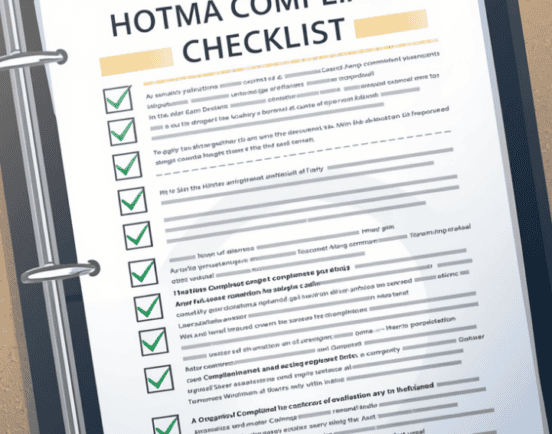
Affordable housing managers are entering one of the most important compliance periods in recent years. The Housing Opportunity Through Modernization Act (HOTMA) continues to reshape how income, assets, and tenant eligibility are ...

Getting hit with a surprise late fee is frustrating. Getting hit with three of them stacked on top of each other? That’s a lawsuit waiting to happen. If you’re a landlord, property manager, or small business owner collecting ...
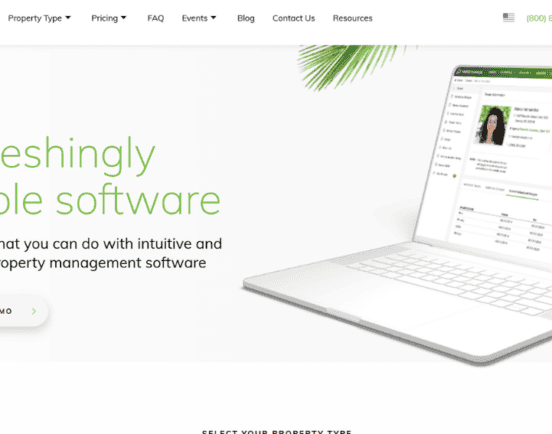
If you manage a small or mid-sized rental portfolio, you have probably run into the same frustration: you sign up for property management software, only to discover that the pricing model punishes you for not having enough units....

Getting tenants to actually use your property management portal feels like pushing a boulder up a hill. You set it up, send the login details, and then watch half your residents still slide paper checks under the door or call the...
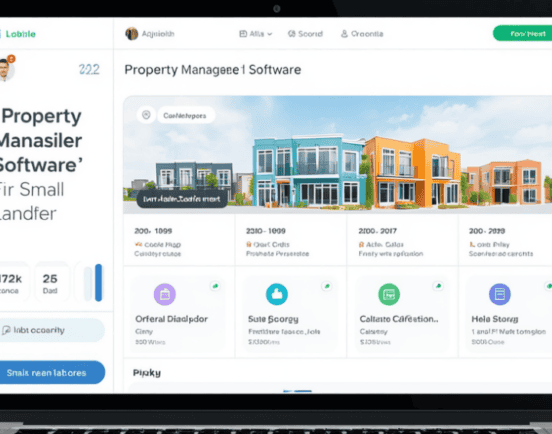
There's a moment every self-managing landlord eventually hits. The spreadsheet that once felt like a smart, scrappy solution starts fighting back. A rent payment gets logged in the wrong cell. A lease renewal slips through the cr...
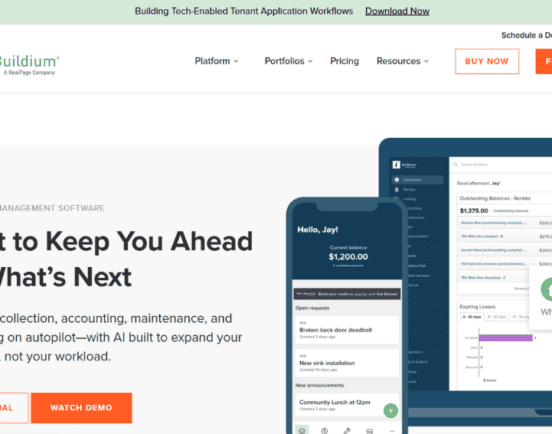
The problem isn’t too few tools. It’s too many tools that don’t integrate well. Leasing is in one system. Maintenance is in another. Payments are in yet another portal. Reporting is somewhere else. That patchwork delays and...