Category Archives: Rental Property Management

Cloud Tools

How Cloud Tools Simplify Rent Collection and Financial Reporting

Today, taking care of rental properties is much different than how it was traditionally done. Many of the new cloud-based property management tools have brought such improvements in the areas of property management that everything is easier and better for both the landlord and property manager.

Cloud tools for rent collection and financial reporting have recently emerged in the United States with much hype owing to their ability to and many advantages such as automated, real-time tracking, and improved data security.

Understanding Rent Collection Services

Rent Collection

Rent collection was already a nightmare for landlords. Sometimes, landlords would have to wait for their tenants to mail the checks or to make the physical road trip to collect cash. Besides being slow, there were issues like lost mail and bounced checks with this procedure. All in all, it was an agonizing ordeal, which was then made worse by scheduling. To add to that, security issues relating to cash handling and personal check data became a major concern.

Since the break of COVID-19, people who fall under different age brackets have been using cashless compared to before. Of course, cash use among older people is still higher than younger ones, but it has not always been this way. Cash was used to a similar extent by young adults (18-24) and persons over 55 before the pandemic. However, from 2019 to 2022, cash use reduced most among young adults: a drop by 20%. People aged 35-44 reduced their cash use by 7%, whereas 11% was reduced among those aged 45-54.

Modern tenants, it appears, are now preferring to pay their rent via online payment methods rather than using cheques or cash. Online rent collection has become, in fact, not only a convenience but an essential means for landlords to run their businesses with ease. Online rent collection services also speed up the collection process, providing safety and organization.

They send automatic reminders to pay rent, help keep track of payments, and consider reducing late payments, all of which save paperwork time for landlords and enable them to get paid with more reliability. Besides aiding landlords, these online services facilitate rent collection for tech-savvy tenants.

Both tenants and landlords find it very helpful to use the online rent collection: tenants can pay rent through the Internet instead of cash or checks. The system will remind the tenants when the rent is due, while automatically providing the option to add late fees when applicable.

Tenants will be able to make payments through credit card, debit card, or transfer from a bank. A landlord can see all payments in one place and track who has paid without roll-paper use. It saves time for the landlord to stand in line with papers.

Benefits of Online Rent Collection Services

Benefits of Online Rent Collection Services

1. Enhanced Productivity

Today, landlords enjoy online rent collection services that help streamline rent payment processing by automating all repeated processes. This means more time savings and less manual intervention. This software does more than just collect payments; it reminds dues and enables property managers to focus on more important things, such as tenant relations and maintenance.

Such services would provide the landlords with full and real-time status of the payments made by tenants, with the understanding that a single portal would help to identify and resolve any such discrepancies pretty fast. This clarity will keep all anger from burning and help ease the payment disputes into much more effective rental income management.

2. Better Cashflow

Other major advantages of online rent collections include improved cash flow with advanced automation. This can reduce the incidence of late payments simply by providing incentives for tenants to make electronic payments on time.

Research shows that tenants who use digital methods for payments are 50% more likely to pay on time compared to those who still rely on checks. Cash flow is much more predictable and thus can take care of many property expenses, thereby financially securing both landlords and tenants.

3. Tenant Convenience

Tenants also appreciate the ease of digital payment options. Paying by credit card, debit card, or bank transfer is as seamless as online shopping. Therefore, tenant satisfaction is likely to lead to high customer retention and minimal turnover. Addressing the contemporary needs of tenants will undoubtedly improve the overall experience of tenants.

4. Automated Notifications and Reminders

By automating messages as reminders to pay, online rent-collecting services have greatly simplified the lives of landlords vis-a-vis paying tenants. No tenant can ever forget about the due date, and this almost eliminates the chances of tenants misusing their rent. It can minimize the number of late payments.

The reminders work on their own when set up, thus relieving the landlord from following up. A clear definition of the purpose that notices are serving during late payment makes the whole renting process less cumbersome to property management.

5. Increased Protection

This majorly deters online transaction security because most trusted rent collection websites demand high-end encryption and other security measures to make online transactions extremely secure for all kinds of financial transactions.

It will give lesser protection against asset theft and loss, which usually come along with traditional payment modes such as checks and cash. However, such methods do not only safeguard the aforementioned people but also inherently secure the information of both landlord and tenant by their adherence to industry standards as far as safe transaction is concerned.

6. Information and Evaluation

The benefits of online rent collection include great data and reporting tools that reveal extremely deep insights to landlords into the payment history and trends. This makes it possible for the landlord to know which properties tend to experience late payments frequently and where the problems can be resolved upfront.

One would have an easy time when filing taxes and accounting because payments are consolidated to simplify cash management by landlords. With a very clear grip on the financial trends, landlords can easily make future investment decisions.

What Is a Cloud Property Management Software? How Does this Software Works?

An ideal cloud property management system is a system that runs on internet servers and is accessible from any internet connection. It is connected thoroughly and easily to other services such as payment facilities, maintenance tools, and accounting software.

Security and privacy are ensured using strong security measures and password-protection systems. Thus, it is entirely safe for property managers to store private information about tenants and finances. Cloud property management software is a boon in making routine tasks automatic and providing immediate access to information. Generally, some popular systems include Yardi, AppFolio, and Buildium, among many others.

Features of Cloud Software That Are Useful

Cloud property management systems are valuable because they make work easier by doing tasks automatically, letting you access information instantly from anywhere, and keeping everything in one place. The real power comes from their specific tools and features.

1. Simplified Access for Tenants and Owners

Modern property management platforms create a seamless experience. Instead of visiting the office, tenants and owners can access everything they need—leases, documents, payment history—through intuitive online portals.

2. Streamlined Rent Collection

Rent collection becomes easier and more reliable. These systems automate payment reminders, track who has paid, and provide clear records—helping both tenants stay on schedule and managers stay organized.

3. Faster, Transparent Maintenance

Maintenance requests are submitted online, assigned instantly to staff or contractors, and updated in real time. Tenants receive notifications throughout the process, improving trust and communication.

By automating the dull tasks, managers are left to think about what is truly important; retaining good tenants and growing business

What Advantages Do Cloud-Based Rent Collection Software Offer?

Cloud-based tools for collecting rent have become the norm in the industry for their convenience and flexibility. Property managers can access all tenant and payment information while in the office, at home, or on the road. Such software provides real-time data through updates, which improves communication between finance teams, tenants, and property managers. In contrast, solutions implemented on-premise restrict access to a particular physical location, making it challenging for the team to keep current on portfolio performance. The demand for high accessibility and communication in property management generally manifests itself in the transition to the cloud.

Cloud technologies overturned the conventional method of collecting rent by making accessible a variety of payment options and automated reminders, with immediate tracking of payments received or not. Consequently, landlords spend less time worrying about missed payments and less administrative overhead while improving cash flow through timely payments from tenants.

When it comes to financial reports, cloud-based platforms bundle together the accounting functionality, prepare comprehensive reports, and give a helping hand when it comes to taxes. By bringing financial data under one roof with high-security levels, these tools make it easy and secure to manage rental income and expenses. On the whole, one could point out that cloud tools have made complete modern property management all about comfort, efficiency, and better access to finances.

Improving Financial Reporting Using Cloud-Based Tools

Cloud-based platforms allow for much more than collecting rent: they offer integrated accounting features that simplify financial reporting. Landlords can generate property financial reports to provide comprehensive details on income, expenses, and overall financial health to aid informed decision-making along with ensuring the financial stability of the rental property itself.

Moreover, assisting in tax preparations is very advantageous for cloud tools. Since all financial data is in cloud space, properly organized, and securely stored, landlords can lay hands on information for tax-filing purposes while avoiding errors. Encryption and access controls are applied to keep sensitive financial information protected from threats.

Top Rent Collection Apps

Rent-collection apps save landlords time on trips to the bank and endlessly wait for a check in the mail. They also enable tenants to pay promptly. These apps are so handy that can be used to deal with most of the day-to-day matters concerning rent collection, like keeping track of who has paid and interacting with tenants right from the phone.

• Stessa

• Buildium

• PayYourRent

• TenantCloud

• TurboTenant

• Rentec Direct

• Zillow Rental Manager

• RentRedi

• Zelle

• PayPal

• Venmo

Cloud Technology’s Role in Financial Reporting

Cloud Technology’s Role in Financial Reporting

Financial data is now able to be tremendously managed in the business using cloud computing. Most organizations are changing traditional on-premise systems into cloud-based platforms. Important financial operations such as forecasting, accounting, and compliance reporting now can be performed in real time.

Such cloud technology makes the management of financial data much easier than ever before because it directly affects the accuracy and efficiency of financial reporting. Overall, it is nothing more than cutting-edge cloud computing that enhances access to vital data while simplifying financial processes.

1. Improved Accessibility

Users of many cloud technologies are now able to access financial data and applications from throughout the world wherever there is an internet connection. Enhanced accessibility is the primary advantage of this.

The big advantage is that users are no longer expected to globally wait for access on-site for too long, thereby ensuring timely reporting based on updated information. Especially for organizations having multiple sites or working with remote users, this flexibility becomes highly beneficial.

2. Instantaneous Cooperation

Another significant advantage provided by cloud technologies is the ability to work with teams in real-time. This allows teams of finance professionals to work on documents, analysis, and reporting without having to deal with version control issues. This collaborative environment greatly contributes to the accuracy of financial reporting while reducing bottlenecks.

3. Tracking Compliance and Automatic Updates

Also, within the context of compliance tracking and automated upgrades, cloud-based financial solutions excel. The constant updates pushed by the vendors will help businesses remain compliant by adapting to new rules without burdening their workforce with continuous checking.

4. Cost-Effectiveness

Another benefit of cloud technology is its cost-saving ability. Cloud-based financial reporting solutions are operated by subscription and hence save heavy hardware and software capital expenses, as opposed to conventional ones.

Businesses, therefore, only need to pay for what they require, allowing a reduction in the initial capital costs and the ongoing costs of ownership. Another advantage of cloud environments allow these companies to intelligently scale up or down their resource utilization without putting pressure on their budgets.

Adherence to and Maintaining Compliance with Cloud Technology Regulations

With cloud-enabled systems, companies are on track to integrate their financial data and create improved compliance tracking and monitoring. The organization of several systems is no longer needed; 100% visibility over transactional logs and audit trails can be achieved directly. Modern cloud platforms will generate automated reports and alerts; thus, it will allow a business to set notifications on compliance thresholds and transactional balances.

The needs to mitigate risks and penalties are done. Security measures by cloud service providers include encryption, multi-factor authentication, and regular audits that protect sensitive financial information. The cloud solution also provides audit readiness with inbuilt tracking of financial transactions and user interaction for easy generation of comprehensive reports.

What Makes a Cloud-Based Property Management System the Better Option?

Moving to a cloud-based system for managing properties offers key advantages: where someone can work from anywhere and save money.

1. More Efficient Communication

A cloud-based property management system (CBPMS) has solved the problem of effective communication in property management by providing a single platform for owners, tenants, and property managers to have transparent and real-time communication.

This technology allows tenants to raise issues quickly and for owners to receive performance metrics without engaging the management directly; it also allows property managers to disseminate announcements, track maintenance requests, and provide updates on repairs.

2. Accessibility

CBPMS allows property managers to do their job effectively and remotely, as the mobile nature of the solution is a game changer. With 85% of property managers saying technology has made them far more productive, this flexibility is paramount.

The system manages everything from rental applications to maintenance requests all through a mobile app. For tenants, mobile access also makes it easy to pay rent, request maintenance, and find out the status of their accounts.

3. Savings on Expenses

Another major advantage of moving to a cloud system is cost savings. Cloud systems are different as they work on a subscription model that includes updates and support, whereas with traditional on-premise software, and can have a heavy investment in hardware and IT support.

Under this model, it is estimated that property management costs can be reduced by 30% and emerge as a very scalable and affordable solution for property managers, whether large or small.

Conclusion

It has brought a lot of revolution between landlords and property managers concerning rent collection and financing reports in the USA due to the cloud incorporation into property management. With these tools, landlords are also facilitated in managing open transactions due to enhanced cash flow and improved security. On this note, tenants, too, will consider paying their rent online to satisfy their digital lifestyles.

Thus, cloud tools not only cater to a slimmer operation but also curtail the overhead headaches suffered by landlords so that all can be diverted toward property management’s more critical concerns. As they increase, so are the opportunities for tenants to pay their rent online. Adopting such cloud-based platforms will not only keep a landlord ahead in a competitive market but also fulfill the ever-changing demands of the new-age tenants today. Therefore, the future of property management encompasses the use of technology to create easy, safe, and tenant-friendly conditions.

cloud-based management

Boosting Efficiency in Rental Operations with Cloud-Based Management Systems

The management of rental properties in the USA is in transition because of cloud-based management technologies. These provide a vastly different approach to executing property management procedures. Hence, all put together, this means streamlined processes; therefore, they significantly increase efficiency. The very implementation of this technology brings about decreased pricing, thereby making property management an economically feasible option. This also has raised the tenant satisfaction level, thereby fortifying the fact that these changes are transforming the renting ecosystem for the better.

Cloud-based management solutions have turned the rental market upside down and have offered quite a lot of benefits to improve daily operations and efficiencies. Those solutions concentrate on numerous operations, automate mundane tasks, and encourage better communication, thus changing the operational environment for the rental business.

Understanding Rental Operations

The rental sector includes companies that rent or lease machinery, vehicles, and buildings. These organizations operate in a dynamic environment requiring the efficient management of multiple tasks, such as inventory control, contract management, invoicing procedures, maintenance scheduling, and customer support. Inefficiencies in any of these areas of operation can result in substantial monetary losses and diminished customer satisfaction.

Emergence of Cloud-Based Management Systems

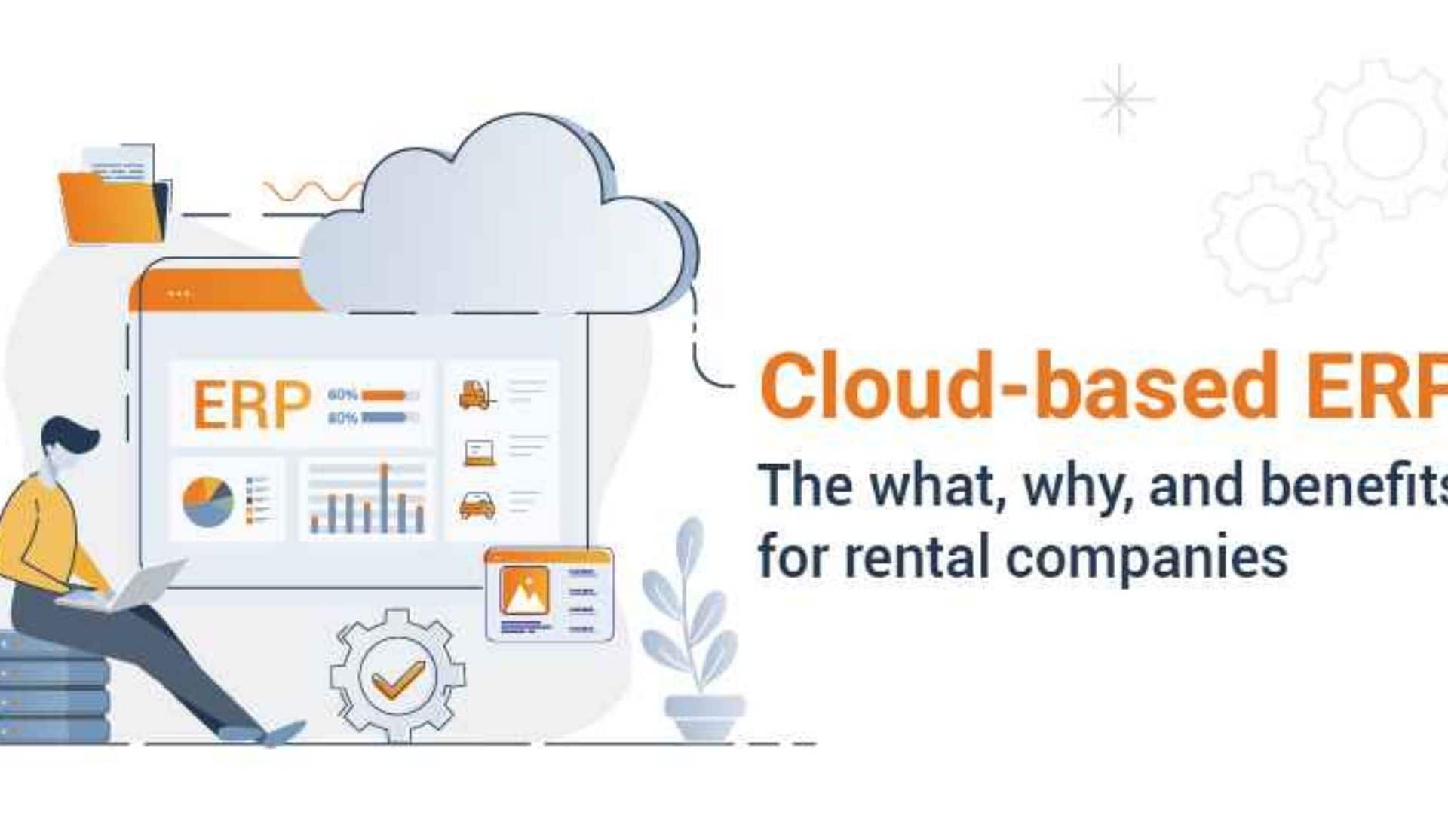
More and more rental companies are now resorting to cloud-based ERP software to solve operational predicaments. These applications integrate several business processes into one unified platform, thus facilitating operations and enhancing global efficiency. Unlike the case of traditional (Enterprise Resource Planning) ERPs, which require owner-hosted installations, cloud ERP runs on vendor servers accessed via the Internet. As a result, this eliminates heavy hardware investments and provides the flexibility for companies to access their data anytime and from anywhere.

Regarding the advancements and the efficiency made with the installation of these technologies, especially in the scope of rental practice in the USA, there are a good number of improvements including huge cost savings, tenant satisfaction, and data security. Cloud-based management tools are, therefore, the avenue for improving the performance and efficiency of rental businesses.

How do Cloud-Based Management Systems boost the Efficiency of Rental Operations?

Improvement of Assessment Management

Cloud-based enterprise resource planning systems allow companies to manage their assets through real-time tracking of asset location, usage, and maintenance schedules; hence, preventing asset misplacement and improving their utilization.

Centralized Management

Rental management tools have their benefits in the centralization of property management tasks. Such a web-based platform allows property managers to access critical information from anywhere, thus organizing tasks, tracking maintenance schedules, managing leases, and communicating with tenants. This centralization reduces the manual approach to record-keeping and lessens the administrative burden.

Cloud-based management solutions provide centralized service for all rental operations. This centralization allows property managers to access important information from anywhere, such as financials, tenant information, and maintenance requests. This makes manual record-keeping redundant and greatly reduces administrative burdens. Property managers can now manage multiple properties from a single interface, simplified work processes, and consistencies in their operations.

Streamline Maintenance Operations

In addition, Cloud ERP integrates all business processes into one single platform with little manual data entry required and further breaking down the operational silos. This way, businesses can handle contracts, payment processing, maintenance scheduling, and customer inquiries all in one workflow, increasing productivity.

Maintenance management is a critical piece of property management, and rental management applications facilitate this. These applications let property managers raise maintenance requests, track maintenance requests, schedule appointments, and ensure that resolutions are executed on time. Therefore, optimizing maintenance operations reduces property manager downtime, reduces repair costs, and enhances tenant living conditions.

Enhancing Decision Making

Informed decision-making relies heavily on real-time data and analytics made possible through Cloud ERP. Timely data access allows companies to forecast demand, optimize pricing, and control inventories more effectively. These capabilities amalgamate to provide better operational efficiency and support strategic planning.

Enhancing Communication

Communication plays a very important role in the rental business, which is why rental management tools are valuable in improving communication among property managers, tenants, and maintenance teams. Online portals, messaging systems, and tracking for maintenance requests add to effective communication, which translates into greater tenant satisfaction and more transparency and accountability within the rental process.

Automation of Routine Tasks

The cloud-based management system allows for the automation of routine tasks as one of its core advantages. Such processes include the collection of rent, calculations of late payment fees, and reminders for tenants. Various other activities are streamlined, thereby greatly reducing human errors that may result in late payments. This, in effect, makes for more efficient operations but also allows property managers to focus more of their time on strategic business matters.

Data Analysis and Insights

Cloud-based management tools foster superior data analysis. The organizations keep detailed information and insights on pricing, market trends, tenant needs, and vacancy percentages. Data provides informed decisions to the organization on how to adjust rental prices and alter advertising campaigns to capture fresh tenants. Market players who understand the role of the data and are willing to invest quite some money into analytics can steal a march on their counterparts by using data for competitive advantage and income improvement.

Cost Savings

Cloud-based software programs empower rental organizations to realize substantial savings from administrative expenditures. Property management may be made more cost-effective by automating storage operations and enabling maintenance management to be streamlined. This transformation from manual to digital systems has the potential to enhance not only space for physical storage but also many seemingly tedious clerical functions. This in turn provides great room for growth with two principal advantages: virtually no capital of incremental cost for expansion.

The use of cloud ERP solutions for cloud service might be cost-saving for rental-management businesses by cutting back IT infrastructure spending. Most ERP solution vendors offer flexible payment terms that make it more affordable for rental enterprises to acquire cloud ERP applications.

Scalability

Cloud ERP solutions allow flexibility within rental businesses, scaling the operations to meet changes in demand. This flexibility becomes pertinent during seasonal changes when businesses can align their resources accordingly.

Enhanced Security

Property management organizations keep security as their priority. Cloud-based management software includes enhanced security features such as encryption of data, automated backups, and secure access restrictions. These serve to protect critical tenant and financial information against unauthorized access and cyber threats, thereby enhancing confidence and ensuring operational integrity.

Increased Tenant Satisfaction

Ultimately, tenant satisfaction is a cardinal target for property management organizations. With cloud-based platforms, a tenant’s experience improves through interactive web interfaces for payments, maintenance requests, and interaction. With more transparency and efficiency come better tenant retention and positive reviews.

Why Should Rental Operations opt for Cloud-Based Management Systems?

Cloud-based management systems present unique opportunities for rental businesses aspiring to achieve higher efficiencies, and they allow the smooth functioning of business operations, facilitate decision-making processes and provide a framework that could meet the speed requirements of growth. The process of evolution in the rental industry will, therefore, provide insight for the affected businesses in applying cloud ERP to face future challenges in retaining competitiveness. The cloud-based management system also provides solutions that include real-time operational visibility, seamless integration of systems, and analytical abilities that contribute to enhanced productivity.

Many rental operations have, with the help of cloud-based systems, been revolutionized, whereby repairs can now not only be tracked but also scheduled effectively, thus reducing downtime and repair costs. The sheer extent of these systems’ data analysis capabilities enables property managers to make decisions based on market trends, tenant preferences, and vacancy rates. This, in turn, permits optimizing rental pricing and marketing strategies.

By their very essence, cloud-based management systems offer significant cost-saving possibilities: from reducing manual processes to removing physical storage space and administrative resourcing to being expandable without heavy financial investment. Security is surely a big issue here as well: the systems are outfitted with data encryption, periodic backups, and secure access controls.

Conclusion

In conclusion, cloud-based management solutions are changing the rental property management profession in the U.S. by centralizing operations, automating tedious tasks, improving communication, and supplying data insights. As technology progresses, cloud-based management solutions are going to take center stage while fostering industry expectations for efficiency and quality.

The incorporation of cloud-based systems in management applications is said to have completely transformed property management in the USA concerning improving operations, automating mundane tasks, improving communication, and giving valuable insights through data. They have centralized operations, putting the workflows into a neater order and lessening the burden of administration. They have also improved communication between property managers, tenants, and maintenance: ultimately improving tenant satisfaction and retention rates.

Rent Collection Software

Automating Rent Collection: How Cloud Software Reduces Late Payments


Today, the buzz around automatic rent collection by cloud-based rent collection software is growing louder every day, and for good reason. Sticking to traditional methods like paper checks, cash, or money orders is more than a hassle. These outdated processes are prone to delays, errors, and many back-and-forth that strain everyone involved.

This can leave property managers with extra administrative tasks, sour tenant relationships, and overall operational inefficiencies. That’s why more and more landlords and property managers are ditching the manual ways and embracing cloud-based platforms to streamline rent collection. This transformative leap helps reduce late payments, improve transparency, cut down overhead expenses, and sharpen the efficiency of day-to-day property management.

With most multi-family housing operators struggling with late rent payments and property managers spending hours each month chasing overdue payments, updating accounts, and coordinating with tenants – the threat to the cash flow is real. With features like real-time tracking, automated reminders, and secure online payment channels, cloud-based automation software emerges as a top-tier solution. This system empowers property managers to stay on top of rent, cut costs, and satisfy tenants.


Understanding the Rental Market and Its Challenges

To fully comprehend how cloud-based automation can tackle late payments, it’s important first to take a step back and understand the size and challenges of the rental market. In the U.S., there are approximately 44 million renter households, many of which are managed by small to mid-sized landlords overseeing fewer than 50 units. With limited resources at their disposal, these property managers often fall back on manual processes to manage rent, which inevitably opens the door to mistakes and delays in rent collection. for 11 seconds.

Late rent payments can take a serious toll on cash flow, which property owners rely on to meet essential expenses like maintenance, property taxes, and mortgages. When tenants fall behind, landlords often end up tapping into personal reserves, creating financial stress and uncertainty. Tensions can then build between tenants and landlords, leaving both sides frustrated. By switching to automated, cloud-based solutions, property managers can dramatically cut down on administrative tasks, maintain healthier tenant relationships, and keep their finances more predictable.


Key Features of Cloud-Based Rent Collection Software

Cloud-based rent collection platforms typically combine several functionalities to make the rental payment process seamless and transparent. The following features are commonly found in popular solutions:

  • Online Payment Portals: Tenants can pay rent securely using credit/debit cards, ACH bank transfers, or digital wallets. This convenience often leads to higher on-time payment rates.

  • Automated Payment Reminders: The software sends out scheduled or triggered reminders via email, SMS, or in-app notifications, prompting tenants to pay before the due date.

  • Recurring Payment Setup: Tenants can set up recurring payments so that the rent is automatically deducted each month—removing the possibility of forgetting or delaying.

  • Real-Time Reporting and Analytics: Property managers gain access to dashboards that display rent collection status, late fees, and other relevant metrics in real time.

  • Secure Data Storage: Sensitive payment information is encrypted and stored in secure servers, minimizing the risk of data breaches.

  • Integration with Accounting Systems: Many platforms integrate with popular accounting tools such as QuickBooks, Xero, or FreshBooks, ensuring accurate financial records and easy reconciliation.

How Automation Reduces Late Payments

One of the biggest benefits of automating rent collection is the drastic reduction in late payments. Traditional models rely heavily on tenants remembering due dates, physically mailing checks, or making trips to a drop-off location. Delays can stem from postal issues, personal oversight, or logistical hurdles. Whereas, cloud-based automated systems streamline every step:


  • Automated Reminders: Rather than relying on manual follow-ups, property managers can preset automatically dispatched reminders. These frequent prompts help tenants remember upcoming payments without needing landlord intervention.

  • Convenient Payment Methods: Tenants can pay through various methods, including ACH transfers or credit cards. This flexibility substantially increases the likelihood of on-time payments, as tenants can choose the most convenient option.

  • Recurring Payments: By scheduling recurring payments, tenants remove the possibility of missed deadlines due to busy schedules. Once set, the rent is deducted automatically.

  • Immediate Confirmation: Tenants receive instant confirmation that their payment was successful, reducing uncertainty about whether the landlord has received the rent.

Impact on Landlords and Property Managers

Late payments disrupt monthly cash flow and require additional resources to track and manage. Landlords often spend hours sending reminders, making phone calls, or initiating eviction processes for chronic late payers. These activities reduce the time they could spend on other critical functions like property upkeep, marketing, and tenant engagement.

This time saving translates into increased profitability and a more robust focus on tenant satisfaction and property improvements.

Benefits for Tenants

Automated rent collection software isn’t just a win for property owners and managers—it also offers significant benefits for tenants. With the convenience of mobile apps and online portals, tenants can pay their rent from anywhere, negating the need for physically mailing in checks or the risk of dealing with delays. Plus, for those living paycheck to paycheck, the ability to pay via debit or credit cards allows them to manage their cash flow more effectively when unexpected costs pop up.

These automatic rent collection software systems also make record-keeping a breeze for tenants. Instant digital receipts are generated, and most platforms let tenants monitor their payment history and outstanding balances. This added transparency strengthens the landlord-tenant relationship. For landlords, offering automated payment systems could be an enticing way to boost tenant retention and keep their occupancy rates high.

While many assume that automated rent collection primarily benefits landlords and property managers, tenants also come ahead. With web-based portals and mobile apps, they can handle rent payments from virtually anywhere, eliminating the need to drop off checks or wrestle with postage. Plus, those living paycheck to paycheck can tap into credit or debit cards to cover rent when unexpected costs arise, giving them extra breathing room in their budget.

Automated systems also shine a light on record-keeping. Digital receipts get issued instantly, and most platforms make it easy for tenants to view past payments and any outstanding balances. This level of transparency goes a long way in fostering healthier landlord-tenant relationships. Offering automated rent payment options can be a strong selling point for landlords aiming to boost tenant satisfaction and retention.

Security and Compliance

A significant concern for landlords and tenants is the security of financial transactions. Traditional methods like mailing checks come with their own risks, such as checks being lost or stolen in the mail. Cloud-based automation software addresses these concerns using advanced encryption protocols to protect data at rest and in transit. Additionally, payment processors often comply with standards such as PCI DSS (Payment Card Industry Data Security Standard), ensuring that credit card information is handled securely.

Compliance with regulations is another advantage. Many jurisdictions require property managers to keep accurate and transparent records for a set number of years. Automated rent collection platforms not only store all transactions in an easily accessible format but also provide audit trails that can simplify legal and financial compliance. As an example, some advanced solutions integrate with eSignature applications for lease agreements, ensuring that all documentation—from lease signing to rent payments—occurs in one unified, compliant environment.

Cost Savings and ROI

Although implementing a cloud-based rent collection system comes with subscription fees or transaction costs, the return on investment (ROI) often justifies the expense. By reducing late payments, automating reminders, and minimizing the administrative time spent on collection, property managers can recoup costs quickly. Furthermore, some platforms provide bulk payment discounts or flat monthly fees, which become more economical as more units are added.

Reduced printing costs (for checks, notices, receipts), postage fees, and bookkeeping hours contribute to it. These savings can be substantial for property management companies overseeing hundreds or thousands of units.

Scalability for Growing Portfolios

For landlords and property management companies looking to expand their portfolios, scalability is a key consideration. Manually collecting rent from a handful of tenants can already be cumbersome; scaling that approach for hundreds or thousands of units is nearly impossible without significant overhead. Cloud-based platforms are designed to grow alongside a business. Adding new properties, creating additional unit listings, or onboarding new tenants is generally as simple as entering the data into the system.

Because everything is stored in the cloud, investing in more physical servers or reconfiguring on-site systems is unnecessary. This model ensures that property managers pay for only what they use. If the portfolio shrinks or grows, the software can quickly adapt, making it an attractive solution for large and small-scale operations.

Enhanced Reporting and Data Analytics

Another distinct advantage of automated rent collection software is the wealth of data it generates. Property managers can analyze payment patterns, identify trends in late payments, and determine which units or properties are consistently underperforming. This actionable data can guide strategic decision-making. For instance, if a particular property has a higher rate of late payments, the manager might investigate underlying causes—perhaps a mismatch between due dates and tenant pay cycles or external economic factors in the area.

Using analytics dashboards, property managers can set benchmarks for timely payments and generate automated reports for stakeholders or investors. Some platforms use predictive analytics to forecast potential late payments based on tenant history. By recognizing tenants who regularly pay after the grace period, property managers can proactively reach out or adjust lease terms to align with their payment cycles.

Streamlined Communication

Automated rent collection often comes packaged with communication features that keep tenants and landlords in sync. Beyond payment reminders, these platforms can send notifications about upcoming inspections, community events, or maintenance schedules. Landlords can also securely share documents like lease renewals or addendums for digital signatures.

In a digital age where tenants expect instant communication, offering a centralized portal or mobile app can significantly improve satisfaction. By leveraging these communication channels, landlords can ensure that tenants remain informed and less likely to miss critical deadlines or notices.

Reducing Fraud and Payment Disputes

While not exceedingly common, fraud activities can still occur in rent collection. Some malicious individuals may attempt to pass counterfeit checks or claim a payment was never received. With automated online payments, these risks diminish significantly. Digital payment platforms automatically provide timestamps, transaction IDs, and digital receipts, making it far more difficult for either party to dispute the transaction without substantial evidence.

In cases where disputes arise—such as a tenant claiming they paid on time—property managers can quickly pull up the transaction history to verify the exact date and time of payment. This level of transparency and traceability makes the resolution process faster and more objective. As a result, conflicts are minimized, and the landlord-tenant relationship remains more professional and less prone to miscommunication.

Best Practices for Implementation

To maximize the benefits of automated rent collection, property managers should follow these best practices:

  • Comprehensive Onboarding: Provide clear instructions, video tutorials, or live demonstrations for tenants unfamiliar with digital payment platforms.

  • Clear Communication of Fees: If credit card transaction fees or convenience charges apply, ensure these are explicitly stated to avoid tenant dissatisfaction.

  • Multiple Payment Options: Offer a range of payment methods—ACH, credit/debit cards, and digital wallets—to cater to various tenant preferences.

  • Consistent Enforcement of Late Fees: An automated system should integrate clearly with your late fee policy. Ensure tenants know how and when fees are applied.

  • Regular System Updates: Keep the software updated and monitor for new features or security patches that can optimize performance.

  • Support Channels: Ensure tenants have access to reliable customer support if they encounter issues with the payment portal.

Metrics to Track After Adoption

After implementing a cloud-based automated system, property managers should keep an eye on several key performance indicators (KPIs) to measure success:

  • Late Payment Rate: Measure any decrease in the percentage of late rent payments over time.

  • Time Spent on Rent Collection: Track reductions in administrative hours devoted to collecting and processing rent.

  • Tenant Satisfaction Scores: Survey tenants periodically to gauge their experience with the payment platform.

  • Number of Payment Disputes: Observe whether disputes related to rent payments decrease after automation.

  • Fee Revenue vs. Platform Costs: Balance any additional revenue from late fees with the platform’s ongoing subscription and transaction costs.

While much of the focus has been on the U.S. rental market, automated rent collection is also gaining momentum worldwide. Property managers and landlords are similarly discovering the advantages of cloud-based solutions in countries such as the United Kingdom, Canada, Australia, and parts of Asia. However, cultural nuances—like a greater reliance on cash transactions in some regions—mean that adoption rates can vary.

In emerging markets, mobile money solutions (like M-Pesa in Kenya) are paving the way for secure, instant rent transfers without traditional banking infrastructure. These innovative payment models highlight the global potential for automated rent collection as landlords worldwide seek to reduce late payments, improve efficiency, and enhance tenant satisfaction.

Conclusion

Automating rent collection through cloud-based software has transformed the way landlords and property managers handle payments. By reducing late payments, improving efficiency, and offering tenants convenient payment options, these platforms help stabilize cash flow and minimize administrative burdens.

Features like automated reminders, real-time tracking, and secure payment processing enhance transparency and reduce disputes. While the initial investment may include subscription fees, the long-term benefits—such as time savings, improved tenant satisfaction, and better financial management—often outweigh the costs. As rental markets evolve, adopting digital payment solutions will continue to be a key factor in streamlining operations and ensuring consistent rent collection.

Rent Ledger

What Is a Rent Ledger? Tips to Record Rent Payments With Ease

Just as a well-organized dashboard is crucial for a driver, a robust rent ledger is essential for landlords. This specialized accounting system provides real-time insights into rental income, expenses, and tenant accounts. By tracking rent payments, late fees, and other financial transactions, a rent ledger empowers landlords to make informed decisions and ensure the smooth operation of their rental businesses.

In the following article, we’ll explore the intricacies of rent ledgers and how to utilize them to optimize your rental property management effectively.

What Is a Rent Ledger?

A rent ledger is a detailed record that documents all tenant rental payments throughout a lease agreement. It serves as a comprehensive financial diary for a rental property, recording each transaction related to rent, including payments, late fees, and other charges. A rent ledger functions like a bookkeeping ledger but is specifically tailored for managing rental income and expenses.

These ledgers can exist in two primary formats: physical and digital, each with distinct advantages and disadvantages.

What Is a Rent Ledger

Physical Rent Ledgers

Traditionally, rent ledgers were maintained as physical documents. This could involve a simple notebook, a pre-printed ledger book, or index cards. Entries are made manually, and dates, payment amounts, payment methods (cash, check, money order), and any outstanding balances are recorded.

A physical ledger’s primary advantage is its tangible nature. It provides a readily accessible, hard-copy record that some landlords find reassuring. A physical ledger can be a practical solution in areas with limited internet access or for those less comfortable with technology.

 However, physical ledgers are highly susceptible to damage or loss due to fire, water, or misplacement. Manual entry increases the risk of human error, making it difficult to ensure accuracy. Storage can become an issue over time as records accumulate. Sharing information with tenants or other parties requires photocopying or in-person review. Furthermore, generating reports or analyzing trends is a laborious manual process.

Digital Rent Ledgers

Modern technology offers digital rent ledgers, electronic records stored on computers, dedicated software, or cloud-based platforms. These systems provide a range of functionalities beyond simple record-keeping.

Digital ledgers offer significantly enhanced security through password protection, data encryption, and regular backups, mitigating the risk of loss or damage. Automated calculations minimize errors and provide real-time tracking of rent payments, outstanding balances, and late fees. Many platforms offer features like automated rent reminders, online payment processing, and report generation.

Digital Rent Ledgers

This streamlines rent collection, reduces administrative burden, and provides valuable insights into rental income and tenant payment behavior. Digital records can be easily shared electronically with tenants, accountants, or legal representatives, facilitating transparency and efficient communication. In disputes, digital records are more readily admissible as evidence in court than potentially altered or damaged physical records. Cloud-based solutions offer accessibility from anywhere with an internet connection, providing flexibility for landlords managing properties remotely.

However, using new software can involve a learning curve. Some software solutions involve subscription fees, adding to the cost of doing business, though many affordable or even free options exist. Data security is paramount; choosing a reputable software provider with robust security measures is crucial to protecting sensitive financial information.

Hybrid Solutions and Software Integration

Some software solutions offer a hybrid approach, allowing for digital record-keeping and the generation of printable reports or statements that can serve as physical backups. This can benefit landlords who prefer the reassurance of a physical copy while still leveraging the advantages of digital management.

Integration with other property management tools, such as accounting software or tenant screening services, further enhances efficiency and provides a comprehensive view of rental operations.

Why Do You Need a Rent Ledger?

Why Do You Need a Rent Ledger

  1. Clear Way to Track Payments:

 A rent ledger provides a clear, chronological record of when payments are made, which can be vital for landlords and tenants to ensure that all parties understand payment status. This clarity helps in preventing disputes regarding missed or late payments.

  1. Evidence of Payment:

A rent ledger is a tangible proof that payments have been made. In cases of eviction or disputes over payment, this document can be crucial in court to demonstrate compliance with lease terms.

  1. Monitor Lease Term:

 By maintaining a rent ledger, landlords can easily track the progression of a lease term, ensuring they are aware of when renewals or terminations are due. This helps in planning property management strategies.

  1. Track Security Deposits:

The ledger can include details on security deposits, documenting the initial deposit, any deductions for damages or unpaid rent upon tenant move-out, and the return of the remaining balance. This transparency is key in avoiding conflicts over deposit returns.

  1. Identify Opportunities for Growth:

 Analyzing a rent ledger over time can reveal patterns in payment behaviors, tenant retention, and the property’s overall financial performance. Landlords can use this information to adjust rental rates, improve tenant management strategies, or plan property expansions.

Rent Ledger vs. Rent Roll: Understanding the Key Differences

Pricing and Availability​

While often used interchangeably, rent ledgers and rent rolls serve distinct purposes in property management. A rent ledger is a detailed financial record for each tenant, tracking rent payments, late fees, security deposits, maintenance costs, and other charges. These ledgers are crucial for financial tracking, tenant accountability, legal proceedings, and tax preparation.

On the other hand, a rent roll provides a comprehensive overview of a property’s rental units, including unit information, tenant details, rental income, vacancy status, and lease expiration dates. Rent rolls are essential for property valuation, financial forecasting, portfolio management, and investor reporting.

While both tools are valuable for property managers, rent ledgers focus on individual tenant accounts and financial transactions. In contrast, rent rolls provide a high-level view of the property’s overall performance. Both can help property managers optimize operations, maximize rental income, and minimize potential risks.

What Information Do Rent Ledgers Contain?

A rent ledger provides a detailed record of all financial transactions related to a rental property. It typically includes the following information:

  • Tenant Name: The full legal name(s) of the individual(s) or entity responsible for the lease agreement.
  • Property Address: The complete address of the rental unit, including street address, city, state, and ZIP code.
  • Rent Amount: The agreed-upon monthly or weekly rent amount.
  • Due Date: The specific date on which rent payments are expected to be made each month or week.
  • Payment Date: The actual date on which each rent payment was received.
  • Payment Amount: The exact amount of rent paid in each transaction.
  • Payment Method: The method used for payment (cash, check, online transfer, etc.).
  • Receipt Number: A unique identifier for each payment, if applicable.
  • Balance: The current balance of the tenant’s account reflects any outstanding rent, late fees, or security deposits.
  • Late Fees: Any additional charges imposed for late rent payments.
  • Other Fees: Any other fees or charges that may apply, such as pet fees, utility charges, or administrative fees.
  • Specific Notes: A section for recording relevant notes or comments, such as maintenance requests, lease violations, or essential communications with the tenant.

How to Create a Rent Ledger?

  1. Select the Right Tool for Your Needs

For small-scale landlords, a simple notebook or pre-formatted ledger book might suffice. However, spreadsheet software like Microsoft Excel or Google Sheets can be a valuable tool for larger operations or those seeking automation. Customizable templates allow you to input data and automatically calculate balances.

For even greater efficiency, property management software like Buildium, AppFolio, or Rentec Direct can automate many aspects of ledger management, including reminders, reporting, and integration with payment systems.

  1. Structure Your Ledger Effectively

Start by creating headers for each information you need to track, such as tenant name, property address, rent amount, and payment dates. Then, input the initial tenant and property information at the beginning of the ledger.

  1. Maintain Accurate and Timely Records

 Update your ledger promptly once a payment is received to ensure accuracy. Double-check all entries to avoid errors that could lead to disputes or miscalculations.

  1. Conduct Regular Reviews

Review your ledger monthly to verify that all payments are recorded and to address any discrepancies immediately. At the end of each year, summarize the ledger to gain insights into financial performance and tenant behavior over time.

  1. Prioritize Backup and Security

If you use digital tools, ensure regular backups to prevent data loss. Store physical ledgers in a safe, lockable place. Consider creating digital scans for added security.

  1. Build Transparency with Tenants

Provide tenants with access or summaries of the ledger if they request it. This enhances transparency, builds trust, and fosters a positive landlord-tenant relationship.

Example of a Rent Ledger Entry

DatePayment DateDescriptionPayment AmountPayment MethodLate FeeBalance DueNotes
2024-07-012024-07-01Rent Payment$1,500Check$0$0Check #1234
2024-08-012024-08-05Rent Payment$1,500Online Transfer$50$50Paid 4 days late, late fee applied.
2024-09-012024-09-01Rent Payment$1,500Cash$0$0Receipt #5678

Conclusion

Maintaining an accurate rent ledger is essential for successful rental property management. Regardless of the format—whether traditional, digital, or a combination of both—the primary goal is to create a clear and accessible account of all financial transactions related to each tenancy. A well-maintained rent ledger is vital for various reasons: it helps track payments, provides evidence in legal situations, monitors lease terms, manages security deposits, and reveals growth opportunities.

By meticulously recording tenant information, payment methods, balances, and applicable fees, landlords can enhance transparency with tenants, reduce disputes, and gain insights into their rental business’s financial well-being. Ultimately, investing time in developing and regularly updating a rent ledger results in smoother operations, improved financial control, and a more positive landlord-tenant relationship.

Frequently Asked Questions

Reconcile by comparing ledger entries with bank deposits, checking for timing differences, fees, or data entry errors. For significant errors, meticulously document everything and consult an accountant or lawyer if needed.

Record partial payments clearly in the ledger, noting the amount and remaining balance. Accepting partial rent can sometimes waive eviction rights, so understand your local laws and consult legal counsel if necessary.

Analyze payment trends, average rent, vacancy periods, and late fees to project income and budget effectively. Combine this with expense data to make informed rental rates, marketing, and property improvement decisions.

Property Management Software in Germany

Market Leaders in Property Management Software in Germany

Germany’s property management market is a key driver of growth within the European real estate sector, offering essential services for managing both residential and commercial properties. This dynamic market covers a range of activities, including property leasing, rent collection, maintenance, and tenant relations. Key players in the industry are instrumental in advancing the sector, supported by a strong real estate market, increasing urbanization, and a stable economic environment.

The sector’s evolution has been shaped by regulatory measures such as the “ordered principle” for rented dwellings, which has significantly impacted real estate agencies. The industry’s growth is further propelled by strict regulations and a focus on sustainability, driving continuous innovation. With a projected Compound Annual Growth Rate (CAGR) of about 4% from 2022 to 2028, the market is expected to expand, fueled by increased construction activity and favorable mortgage conditions. Technological advancements, particularly in Intelligent Property Management Software, are also crucial in enhancing operational efficiency.

Recent Developments in Property Management Software in Germany

Recent developments in Europe’s tech landscape are significantly impacting the property management sector, particularly in Germany. In early 2021, Intel announced plans to invest USD 20 billion in constructing eight chip plant facilities across Belgium, Germany, France, and the Netherlands. This massive investment is set to generate increased demand for specialized security services within facility management.

Meanwhile, Germany’s vibrant Fintech scene continues to thrive, led by innovative startups. By September 2019, the country boasted 202 property-focused Fintech startups, offering a range of disruptive PropTech solutions from online listing services to property management SaaS products and crowdfunding platforms.

Further bolstering this technological advancement, Google opened a new Google Cloud region in Berlin-Brandenburg in August 2021, with a commitment to invest approximately EUR 1 billion by 2030 in digital infrastructure and renewable energy, supporting Germany’s transition towards a digital and sustainable economy. These developments underscore a broader trend of digital transformation and sustainability within the German property management industry.

Future outlook for Germany's property management market

Future outlook for Germany's property management market​

The future outlook for Germany’s property management market is marked by a projected Compound Annual Growth Rate (CAGR) of approximately 4% from 2022 to 2028. This growth trajectory is anticipated to be primarily fuelled by the integration of cutting-edge technologies poised to transform the industry. Adopting artificial intelligence, the Internet of Things (IoT), and blockchain technologies is expected to automate key property management tasks such as rent collection, maintenance scheduling, and property inspections, significantly enhancing operational efficiencies and reducing costs.

Sustainability has also emerged as a critical focus area within the real estate sector, driven by increasing environmental awareness and stringent regulatory frameworks. Property managers are expected to adopt more eco-friendly practices and work towards obtaining green certifications for their properties to align with market demands and regulatory standards.

Moreover, the rise in smart building technologies is anticipated to revolutionize tenant experiences and operational processes. Innovations such as smart security systems, advanced energy management solutions, and interactive tenant engagement platforms are likely to become staples in property management services, enhancing both efficiency and tenant satisfaction.

Demographic shifts, including an aging population and changes in family structures, are also expected to influence housing preferences significantly in the coming years. Property managers must remain adaptable, offering more flexible housing options such as co-living spaces, serviced apartments, and senior living facilities to cater to these evolving needs. This dynamic approach will be essential for staying competitive in a rapidly changing market landscape.

Now, we will explore the market leaders in property management software in Germany.

Immoware24 

Immoware24   is a cloud-based property management software Germany that has established itself as one of the leaders in Germany. The platform caters to property management firms, real estate agents, and housing associations. Immoware24 allows users to manage everything from tenant communication to financial reporting, all within an intuitive, easy-to-use interface.

Features

Comprehensive tenant management: Immoware24 allows property managers to store detailed tenant profiles, track lease terms, and manage rental agreements. With a centralized system, it becomes easier to communicate with tenants, automate rent collection, and handle lease renewals.

Financial management tools: One of Immoware24’s biggest strengths is its accounting features. These include automated invoicing, real-time financial reports, and the ability to track rent payments, service charges, and other expenses. Users can generate balance sheets and income statements directly within the platform.

Maintenance and repair tracking: Immoware24 includes a module for managing maintenance requests. This feature allows users to track repair work, assign tasks to contractors, and monitor the status of jobs. Property managers can receive notifications when a new maintenance issue arises, ensuring a swift response.

Document management: Immoware24 allows users to store documents such as lease agreements, property deeds, and legal correspondence securely. Documents can be categorized and easily retrieved when needed, enhancing organization and accessibility.

Customizable reports: Users can generate a variety of reports that provide insights into rent payments, occupancy rates, maintenance costs, and financial performance.

Pricing

Immoware24 offers a range of pricing plans based on the size of the business and the number of managed properties. The base plan starts at around €50 per month, and customized pricing is available for larger enterprises. Larger property management companies or real estate agents managing multiple properties can expect higher subscription tiers with additional functionality.

Unique Selling Points

Cloud-based accessibility: Being cloud-based, Immoware24 can be accessed from anywhere with an internet connection, which provides flexibility to property managers who may need to work remotely.

Integration with third-party applications: Immoware24 integrates with popular accounting software such as DATEV, simplifying the process of syncing financial data and reducing manual data entry.

Scalability: The platform grows with your business, making it suitable for small property managers as well as large real estate firms.

2. Haufe Property Management 

Haufe Property Management   is part of the Haufe Group, a leading business software provider in Germany. Haufe’s property management software Germany is particularly well-suited for real estate professionals looking for a comprehensive system that can handle everything from financial management to tenant communication. This software is ideal for medium to large real estate management companies seeking to digitize their operations fully.

Features

Property and tenant management: Haufe Property Management helps real estate managers maintain accurate records of tenants, property units, and lease agreements. It also provides tools for tracking rent payments, deposits, and overdue balances.

Financial and accounting features: One of the strengths of the Haufe platform is its robust accounting system, which integrates with the company’s larger ecosystem. Users can manage expenses, generate invoices, and keep track of rent payments and service charges. The system also allows for detailed financial reporting that can be shared with stakeholders or used for auditing purposes.

Integration with Haufe ecosystem: Haufe’s property management software Germany integrates seamlessly with other products from Haufe, such as HR management and payroll software. This offers a comprehensive solution for real estate firms that also need to manage their internal workforce.

Mobile app support: The software provides mobile access through a dedicated app, allowing property managers to oversee their operations on the go. Users can monitor rent payments, access tenant information, and communicate with contractors directly from their mobile devices.

Legal and compliance management: The software assists property managers in keeping track of German legal requirements, including housing regulations, tenant rights, and taxation.

Pricing

Haufe Property Management typically offers customized pricing based on the size and specific needs of the business. Since the Haufe Group provides a broad spectrum of business solutions, they can bundle packages that include property management alongside HR, accounting, and payroll tools.

Unique Selling Points

Complete business solution: The integration with other Haufe software products makes this a compelling choice for large companies that need to manage property operations and back-office tasks like accounting, payroll, and HR.

Advanced reporting tools: Haufe’s software allows for the generation of highly customizable financial and property performance reports, giving users insights into operational efficiency and profit margins.

Industry expertise: Haufe Property Management comes from a well-established company that has decades of experience in developing software solutions, giving users access to high-quality training resources and customer support.

3. FIO Systems 

FIO Systems is another top contender in property management software Germany. With an emphasis on flexibility and modularity, FIO Systems is built to cater to the needs of both residential and commercial property managers. Its cloud-based platform offers a range of modules that can be customized based on the size and type of property portfolio.

Features

Customizable dashboards: FIO Systems allows users to set up customizable dashboards that offer at-a-glance views of critical property management metrics. These dashboards can be tailored to highlight specific information like tenant payment statuses, maintenance requests, and lease renewals.

Financial management: Like many of its competitors, FIO Systems provides a robust financial management module. The software automates rent collection, tracks utility expenses, and generates financial reports. Integration with third-party accounting software like DATEV enhances its financial capabilities.

Tenant communication tools: FIO Systems includes a tenant portal where tenants can log in to pay rent, submit maintenance requests, or update their lease information. This portal is an excellent way to keep tenants engaged and reduce administrative overhead.

Document storage and compliance management: The software includes a document management system where users can upload and categorize essential documents like lease agreements, service contracts, and legal paperwork. It also includes features for tracking property inspections and ensuring compliance with local regulations.

Task automation: FIO Systems enables users to automate routine tasks like sending out rent reminders or maintenance schedules. This saves property managers time and reduces the risk of human error.

Pricing

FIO Systems operates on a subscription model with pricing that depends on the number of properties under management and the specific modules required. The company provides a personalized quote based on the user’s needs.

Unique Selling Points

Modular approach: FIO Systems is highly modular, allowing property managers to add or remove features based on their specific requirements. This ensures users only pay for the features they need.

Integration with industry-standard tools: The software integrates with several third-party accounting and CRM tools, allowing users to streamline their business processes.

Strong customer support: FIO Systems offers excellent customer support and training programs to ensure that clients can fully utilize the platform’s capabilities.

4. DOMUS 4000 

DOMUS 4000 is a market leader in property management software Germany, offering a comprehensive platform for managing residential and commercial properties. Known for its user-friendly design and powerful features, DOMUS 4000 is widely used by property managers, real estate agents, and housing associations.

Features

Property and tenant management: DOMUS 4000 includes a range of tools for managing tenants and properties. This includes the ability to track rent payments, lease terms, and tenant profiles. Users can also automate rent collection and lease renewals, streamlining many administrative tasks.

Integrated accounting system: The software comes with a fully integrated accounting system that handles rent collection, invoicing, expense tracking, and financial reporting. This reduces the need for external accounting software and ensures that all financial data is easily accessible.

Maintenance and repair management: Property managers can track maintenance requests, assign jobs to contractors, and monitor the status of repairs. This feature ensures that maintenance issues are addressed promptly, improving tenant satisfaction and reducing potential damage to properties.

Advanced reporting and analytics: DOMUS 4000 provides users with a range of reporting tools that offer insights into property performance, rent collection, and occupancy rates. Customizable reports can be generated based on specific needs, helping property managers make informed decisions.

Mobile app support: The software offers mobile app support, allowing users to access key features on their smartphones and tablets. This is particularly useful for property managers who are frequently on the move.

Pricing

DOMUS 4000 operates on a tiered pricing model, with costs varying depending on the size of the property portfolio and the specific features required. The basic package starts at approximately €80 per month, with additional costs for advanced features or larger property portfolios.

Unique Selling Points

All-in-one solution: DOMUS 4000 is a comprehensive platform that covers everything from property management to accounting, making it an all-in-one solution for real estate firms.

User-friendly interface: The software is known for its intuitive design, making it easy for property managers to navigate and use even without extensive training.

Strong analytics capabilities: DOMUS 4000’s reporting and analytics features are some of the most advanced in the industry, providing property managers with valuable insights into their operations.

5. PROPstack 

PROPstack   is a cloud-based property management platform designed for the German real estate market. It is particularly well-suited for larger property portfolios and real estate firms that need a robust, scalable solution. PROPstack combines property management with advanced data analytics, making it a powerful tool for those looking to optimize their operations.

Features

Portfolio management: PROPstack offers comprehensive tools for managing large property portfolios. Users can track tenant details, lease agreements, and property performance metrics, all from a centralized dashboard.

Financial and accounting tools: The software includes a range of financial management tools, including rent collection, invoicing, expense tracking, and budget management. Users can generate detailed financial reports, which can be shared with investors or used for auditing purposes.

Data analytics: One of PROPstack’s unique selling points is its advanced data analytics capabilities. The software provides users with insights into property performance, market trends, and tenant behaviour, helping them make data-driven decisions.

Tenant and lease management: PROPstack makes it easy to manage tenant details, lease agreements, and rent payments. The software includes automated reminders for rent collection and lease renewals, ensuring that nothing falls through the cracks.

Integration with third-party tools: PROPstack integrates with several popular third-party applications, including accounting software and customer relationship management (CRM) tools. This makes it easier for users to streamline their business processes.

Pricing

PROPstack offers customized pricing based on the size and needs of the real estate firm. The software is available on a subscription basis, with larger property portfolios attracting higher fees.

Unique Selling Points

Advanced data analytics: PROPstack stands out for its focus on data analytics, providing users with valuable insights that can help optimize property performance and improve tenant satisfaction.

Scalability: The platform is designed to grow with the business, making it a good choice for real estate firms with large and diverse property portfolios.

Integration with external tools: PROPstack’s ability to integrate with other software solutions makes it a versatile tool that can adapt to the needs of various property management firms.

Conclusion

The property management software market in Germany is characterized by dynamic growth and innovation, driven by advancements in technology and evolving regulatory demands. Leading platforms such as Immoware24, Haufe Property Management, FIO Systems, DOMUS 4000, and PROPstack offer diverse solutions tailored to both residential and commercial property management needs. These software solutions excel in features like financial management, tenant communication, and compliance tracking, each with unique strengths to cater to various scales and complexities of property portfolios.

As the market continues to expand, driven by trends like digital transformation and sustainability, property management software is set to play an increasingly pivotal role in enhancing operational efficiency and tenant satisfaction. Embracing these technologies will be crucial for property managers looking to stay competitive in a rapidly evolving industry landscape.

Frequently Asked Questions

Immoware24 can manage both residential and commercial properties, making it versatile for various property management needs, including tenant communication, lease management, and financial reporting.

DOMUS 4000’s comprehensive features, including advanced reporting and analytics, integrated accounting, and maintenance management, make it well-suited for large property management firms with complex needs.

Haufe Property Management offers extensive customer support, including training resources and assistance with software integration, ensuring users can fully utilize the platform’s capabilities.

Review Quicken Property Management Software

A Deep Dive into Reviews of Quicken Property Management Software

Quicken, originally launched in 1983 as a simple financial management software, has grown significantly over the years. The software now offers multiple tiers of services, including specialized tools for managing rental properties. While Quicken is often recognized for its personal finance capabilities, it has expanded to serve the needs of property managers, landlords, and small business owners looking to streamline their financial tracking.

Quicken’s property management features can be found primarily in their Home & Business edition, which offers tools specifically designed to track rental property income and expenses. This addition to Quicken’s traditional suite makes it a dual-purpose software solution for users who require both personal financial management and rental property tracking.

Key Features of Quicken Property Management Software

Quicken Property Management Software is a versatile tool that simplifies financial management for property managers, particularly those with a small portfolio. While it doesn’t offer the full scope of a dedicated property management system, it excels in tracking income, expenses, and tenant information, making it a strong contender for landlords managing a few rental units.

1. Expense and Income Tracking 

A standout feature of Quicken is its ability to track all financial transactions in one place. For property managers, this includes the ability to categorize and track rent payments, maintenance costs, and property-specific expenses. Each transaction can be tagged to specific properties, ensuring accurate financial reporting.

This functionality allows landlords to monitor their income versus expenses and generate reports that can help make tax season easier. Being able to group expenses by property is a critical aspect for individuals managing multiple rental units.

2. Tenant Management 

Quicken simplifies the process of tenant management by allowing users to record tenant details, including payment history and lease agreements. Additionally, users can automate rent reminders and track late payments.

While Quicken is not a fully-fledged property management platform like Buildium or AppFolio, it does offer enough tenant tracking tools to make life easier for smaller landlords with a few rental units.

3. Reporting and Financial Insights 

Quicken provides an array of financial reports, including cash flow, profit/loss, and tax summary reports. These reports can be filtered to include rental property information, giving landlords insight into the performance of their properties.

The ability to generate rental property-specific reports is invaluable during tax preparation or when preparing documents for a lender. Quicken also integrates with TurboTax, streamlining tax filing for those who use both software.

4. Bill and Payment Management 

Quicken’s Bill Manager feature allows users to set up online bill payments directly from their accounts, monitor due dates, and ensure timely payments. For landlords, this feature is helpful for tracking recurring expenses such as mortgage payments, utility bills, and repair costs.

However, some users have noted that while Bill Manager works well with standard bank accounts, they have encountered difficulties when trying to sync PayPal or other third-party accounts. This has led to minor frustrations, particularly for those who use alternative payment methods for managing their finances.

5. Cloud Sync and Mobile Access 

One of Quicken’s more recent upgrades is its cloud sync functionality. Users can now access their financial data across multiple devices, including smartphones and tablets. This is particularly useful for property managers who may need to access tenant information or financial reports while on-site at a rental property.

Although Quicken’s mobile app is not as robust as its desktop counterpart, it allows for viewing transactions, tracking expenses, and updating account balances on the go. For landlords who prefer managing their properties remotely, the mobile accessibility is a valuable addition.

6. Investment Tracking 

Another feature that sets Quicken apart from other property management software is its robust investment tracking tools. For landlords who also have investment portfolios, Quicken allows for tracking stocks, bonds, and other investment assets in one place. This holistic view of both personal finances and property management can be appealing to individuals juggling multiple financial responsibilities.

Customer Reviews of Quicken Property Management Software

Following is the Quicken Property Management Software review.

Review 1: Best Desktop Accounting Software 

This review praises Quicken’s ease of use and affordability, particularly for those managing multiple business or personal accounts. The reviewer highlights the cloud backup feature and excellent customer service, but notes the lack of a password vault recovery option.

Pros: Ease of use, affordable, supports multiple accounts, excellent customer service.

Cons: No option to recover password vault.

Reason for Choosing Quicken: It’s an improved version of the old Quicken software.

Reason for Switching: More affordable than competitors.

Review 2: Disappointing Customer Support 

This review expresses deep dissatisfaction with Quicken’s support for bill pay services. Despite using Quicken since 1993, the reviewer experienced a frustrating two-month process to set up online bill pay, facing multiple obstacles with customer support.

Pros: Long history of effective use for business finances and tax preparation.

Cons: Poor customer service, delays in bill pay setup, unclear communication about required documents.

Conclusion: The reviewer is considering abandoning Quicken due to poor service.

Review 3: A New Way to Budget 

The reviewer had initial difficulties using Quicken but appreciated its customer support. Over time, they found it transformative for business accounting.

Pros: Streamlined business accounting, comprehensive financial tools.

Cons: Steep learning curve.

Conclusion: After overcoming initial challenges, Quicken has become an essential tool.

Review 4: Great Program for Office Use 

After testing Quicken in their office, the reviewer adopted it across their business due to its ease of use and adaptability.

Pros: Easy to self-learn and teach to others, smooth setup, and data conversion.

Cons: None reported.

Reason for Choosing Quicken: Easier to learn than alternatives.

Review 5: Simple, Effective for Small Businesses 

Quicken is described as an ideal solution for small businesses due to its simplicity and essential features. However, the reviewer warns that it may not be suitable for larger enterprises.

Pros: Simple, straightforward, suited for small businesses.

Cons: Not suitable for mid-sized or larger businesses.

Reason for Choosing Quicken: Ease of use and exactly the features needed.

Review 6: Dislikes Monthly Fees 

The reviewer enjoys Quicken but is frustrated by the subscription model for connecting bank accounts.

Pros: Easy to use, helpful for accounting needs.

Cons: Monthly fees for automatic bank connections are a burden for small businesses.

Reason for Choosing Quicken: Initially chosen for its affordability and free bank connections, but switched due to fees.

Review 7: Quicken Home & Business – Good but Could Be Great 

The reviewer appreciates Quicken’s ability to manage finances but criticizes its outdated interface and cloud features.

Pros: Manages finances in one tool.

Cons: Dated interface and unreliable cloud functionality.

Review 8: Easier to Learn than QuickBooks 

This review highlights Quicken’s simplicity, particularly for tracking expenses across multiple accounts, though it lacks certain business features.

Pros: Easy account updates, effective for multiple accounts.

Cons: Lacks profit and loss statements for businesses.

Reason for Switching: Simpler than QuickBooks for expense tracking.

Review 9: Business Malpractice 

The reviewer feels wronged by Quicken’s switch to a subscription model after they had initially purchased the software.

Pros: Helps with weekly tax record keeping.

Cons: Forced subscription model after initial purchase, lack of transparency.

Review 10: Goodbye Quicken Due to Subscription 

After 20 years of using Quicken for checkbook management, the reviewer switched to another software due to the intrusive subscription renewal reminders.

Pros: Simple for checkbook management.

Cons: Annoying renewal prompts.

Review 11: Reliable Connections After Many Years 

This long-time user appreciates Quicken’s improved connection with financial institutions but finds the subscription expensive and customer service lacking.

Pros: Consistent connection to financial institutions, good reporting capabilities, effective cloud sync.

Cons: Expensive subscription, slow customer service.

Review 12: Easiest Management for Small Businesses 

This review highlights Quicken’s ease of use for small business management, though it lacks advanced accounting features like payroll.

Pros: Double-entry system without complexities, easy to use.

Cons: No payroll or accounts receivable/payable systems.

Review 13: Powerful and Easy to Use 

The reviewer appreciates Quicken as a full accounting system without the complexity of QuickBooks, though the lack of intuitive customization is a drawback.

Pros: Comprehensive accounting for small businesses.

Cons: Customization can be difficult.

Review 14: Disappointed 

The reviewer is frustrated by Quicken’s inability to print 1099 forms, which they consider unacceptable.

Pros: Easy to download transactions.

Cons: Inability to print necessary forms like 1099-NEC or MISC.

Review 15: Good Alternative to Excel, Beware of Bugs 

The reviewer finds Quicken to be an affordable alternative to Excel for property management but warns about bugs in the software.

Pros: Affordable, helps manage tenants and expenses effectively.

Cons: Bugs can affect the experience.

Positive Feedback:

Ease of use: One of the primary highlights in user reviews is the software’s ease of use. Landlords appreciate how user-friendly the interface is, even for those who may not be technologically savvy. Managing rental properties can be a complex task, and Quicken’s simple design helps streamline that process.

Comprehensive financial tracking: Many users praise the software for its ability to manage both personal and rental property finances in one platform. This makes it easier for users to have a consolidated view of their overall financial health.

Affordability: Compared to other property management software tools, Quicken is often highlighted for its affordability. Small landlords, in particular, find Quicken an accessible option for keeping their rental finances in order without breaking the bank.

Negative Feedback:

Limited scalability: While Quicken is effective for small portfolios, some users report that it lacks features necessary for managing larger property portfolios. As a result, landlords with a growing number of properties may outgrow Quicken’s capabilities and need to seek more scalable alternatives.

Lack of cloud-based features: Another point of criticism is the lack of real-time cloud-based access. Although Quicken has introduced mobile access, users still feel that the software is somewhat limited in terms of remote access and collaboration compared to fully cloud-based property management systems.

Compatibility issues: Some users have reported issues with exporting data or integrating with other software systems. While Quicken is well-optimized for tax reporting, a few users have mentioned difficulties when attempting to use data across multiple platforms or applications.

How Quicken Compares to Competitors?

When it comes to property management software, there are numerous options in the market. Quicken’s key advantage is its dual-purpose use—offering both personal financial management and rental property management. This makes it stand out from competitors like   Buildium and AppFolio, which are designed exclusively for property management.

Pros of Quicken over Competitors:

 Affordability: Quicken is priced much lower than most full-scale property management systems. It’s ideal for landlords with a handful of properties who do not need an expansive set of features.

Personal finance tools: Unlike competitors that are strictly property-focused, Quicken offers tools that help users manage their personal finances alongside their rental properties, making it ideal for part-time landlords.

Cons of Quicken over Competitors:

Feature set: While Quicken covers the basics well, it lacks some of the advanced features found in more comprehensive property management systems like Tenant Portal, Maintenance Tracking, or Online Payment Integration offered by competitors like   Buildium and TenantCloud.

Cloud capabilities: Competitors like AppFolio offer cloud-based, real-time collaboration features that allow property managers to work remotely and across multiple devices seamlessly. Quicken’s lack of a fully cloud-based option can be a disadvantage for those who need to manage their properties on the go.

Pricing and Availability

Pricing and Availability​

Quicken Home & Business, which includes the Rental Property Management feature, typically costs around $99.99 per year. While this is a relatively low price point compared to dedicated property management software, it is important to consider the trade-offs in terms of scalability and advanced functionality.

For landlords who need more extensive property management tools, it may be worth considering alternatives like Cozy (which offers free basic services but charges for payment processing and credit reports) or Buildium (which starts at $50 per month but includes more advanced features like tenant screening and a tenant portal).

Conclusion

Quicken Property Management Software Reviews reveal a versatile yet affordable solution for landlords managing a few rental units. With features like expense and income tracking, tenant management, and financial reporting, Quicken offers essential tools for managing rental properties while also catering to personal finances. Although praised for its ease of use and comprehensive financial tracking, some users find its scalability limited, making it less suitable for larger property portfolios.

Additionally, the lack of advanced property management features, such as tenant portals and online payment integration, is noted in reviews. Despite these limitations, Quicken remains an ideal choice for small landlords seeking an affordable, user-friendly software for managing both personal and rental finances.

Frequently Asked Questions

Yes, Quicken is known for its intuitive, user-friendly design, making it easy for landlords, even those without extensive tech skills. The software simplifies tasks like tracking expenses, managing tenant information, and generating financial reports, making property management more straightforward.

Yes, Quicken’s mobile app allows users to access financial data, track expenses, and update account balances on the go. The app syncs with the desktop version via the cloud, making it convenient for property managers who need to manage their rental properties remotely or on-site.

Yes, Quicken enables users to categorize and tag rental property expenses, such as maintenance, repairs, and utilities. These expenses can be tracked for individual properties, providing accurate financial data. This feature is especially useful during tax season or when preparing reports for property performance assessments.

South Africa Property Management Software

Exploring Property Management Software Options in South Africa

South Africa is a rapidly evolving market, and property management software (PMS) has become a vital tool for enhancing operational efficiency. South Africa property management software manages multiple tasks ranging from tenant management and lease tracking to maintenance requests and financial oversight. 

The South African property market is diverse, with various software solutions catering to different needs and preferences. This article analyzes some of the top property management software options available in South Africa, examining their features and benefits to help property managers make informed decisions. By exploring solutions like Prop Data, WeconnectU, RentMaster, and PropertyPilot, this guide aims to provide insights into how these tools can optimize property management practices and drive operational success.

The Importance of Property Management Software

Before delving into specific options, it is essential to understand the importance of property management software. Effective PMS enables property managers to automate tasks, reduce manual errors, and enhance communication with tenants and service providers. Key benefits include:

Efficiency: Automating tasks like rent collection, tenant screening, and maintenance tracking saves time and reduces the burden on property managers.

Data centralization: Property management software allows managers to store all important information in one place, making it easy to access data when needed.

Financial tracking: With built-in accounting features, PMS ensures that property managers keep track of rent payments, expenses, and profit margins efficiently.

Compliance: The legal requirements around property management, such as safety inspections and tax reporting, can be easily managed using PMS solutions that offer compliance tracking features.

Key Features to Look for in Property Management Software

Key Features to Look for in Property Management Software​

Before choosing a property management system, it is important to consider the key features that can help in streamlining property management tasks. Some of the key features to look for include:

Tenant and lease tracking: This feature helps property managers maintain a record of tenants, lease agreements, rent due dates, and lease renewals.

Maintenance management: Property management software should provide tools to handle maintenance requests, assign tasks to vendors, and track the completion of repairs.

Accounting integration: Built-in accounting tools help in tracking income and expenses, generating financial reports, and simplifying tax preparation.

Reporting and analytics: Reporting features provide insights into the property’s performance, enabling managers to make informed decisions.

Cloud-based accessibility: Cloud-based systems allow property managers to access the software from anywhere, enabling remote management.

Compliance management: Ensuring that the software helps with legal and regulatory compliance is crucial for avoiding fines and legal challenges.

South Africa Property Management Software - Top 4 Options

Top Property Management Software in South Africa​

Prop Data

Prop Data stands out as a premier property management software South Africa tailored specifically for the South African market. This platform is designed to meet the unique needs of local property managers and real estate professionals, offering a robust set of tools that streamline property management tasks.

Features: 

Property management: Comprehensive tools for managing properties, including leasing, maintenance, and tenant management.

Financial management: Features for handling invoicing, payments, and financial reporting to streamline accounting processes.

Tenant and lease tracking: Tools for tracking tenant details, lease agreements, and renewal dates to ensure smooth operations.

Maintenance management: Systems for reporting and managing maintenance requests, including tracking progress and costs.

Reporting and analytics: Customizable reports and analytics to gain insights into property performance, financial health, and operational efficiency.

Document management: Centralized storage for important documents related to properties, tenants, and transactions.

User-friendly interface: An intuitive interface designed to simplify complex property management tasks.

Cloud-based accessibility: Access to the software from any location via the cloud, ensuring flexibility and convenience.

Integration capabilities: Ability to integrate with other business systems and software for seamless operations.

Mobile access: Features designed for mobile use, allowing management on-the-go.

Benefits

 Automated routine tasks: Reduces manual errors and saves time by automating repetitive tasks.

Local compliance: Ensures adherence to South African regulations, minimizing legal risks.

Scalability: Supports growth, accommodating increasing property management needs without major system changes.

Strategic insights: Provides detailed analytics for informed decision-making and understanding market trends.

Enhanced tenant satisfaction: Streamlines communication and service delivery, improving tenant retention rates.

RentMaster

RentMaster is a property management software South Africa specifically designed for the South African property market. It offers a suite of features tailored to streamline property management tasks, making it a practical choice for property managers seeking efficiency and affordability.

Features

Automated rental reminders: Sends automatic notifications to tenants about upcoming rent due dates, helping to reduce late payments.

Customizable lease agreements: Offers a feature for creating and managing customized lease agreements tailored to different property types and tenant needs.

Online tenant portal: Provides tenants with an online portal where they can view their lease details, make payments, and submit maintenance requests.

Integrated SMS and email communication: Facilitates communication with tenants through integrated SMS and email services for reminders, updates, and notices.

Expense tracking and budgeting: Includes tools for tracking property-related expenses and setting budgets to monitor financial health and manage costs effectively.

Automated financial reconciliation: Features automated reconciliation of rent payments and expenses, reducing manual entry and errors in financial records.

Advanced tenant screening: Offers comprehensive tenant screening services, including credit and background checks, to ensure reliable tenants.

Customizable reporting templates: Allows users to create and save custom reporting templates to meet specific reporting needs and preferences.

Integration with payment gateways: Supports integration with various payment gateways to facilitate secure and convenient online rent payments.

Real-time data syncing: Ensures that all data is updated in real time across all devices, providing accurate and current information for property management.

Benefits:

Tailored to the South African market: Designed specifically for local needs, ensuring compliance with South African property management practices and regulations.

User-friendly interface: Features an intuitive and easy-to-navigate interface, making it accessible for users with varying levels of technical expertise.

Affordable pricing: Offers cost-effective solutions for small to medium-sized property managers, providing good value for money without compromising on essential features.

PropertyPilot

PropertyPilot delivers a robust property management solution designed specifically for the South African property market. The platform is tailored to meet the needs of local property managers and real estate professionals, providing a range of features that enhance property management efficiency.

Features: 

 Dynamic property matching: Utilizes advanced algorithms to match tenants with properties based on specific criteria, improving rental satisfaction and efficiency.

Interactive property maps: Integrates interactive maps to visually display property locations and nearby amenities, enhancing property searches for potential tenants.

Smart lease management: Features AI-driven lease management tools that predict lease renewal probabilities and optimize lease terms based on historical data.

Integrated virtual tours: Offers built-in virtual tour capabilities, allowing prospective tenants to view properties online in 360 degrees, enhancing the property viewing experience.

Automated rental price adjustments: Provides automated recommendations for adjusting rental prices based on market trends and property performance data.

Tenant onboarding automation: Streamlines the tenant onboarding process with automated workflows, including document collection, background checks, and lease signing.

Customizable property widgets: Allows users to create and integrate customizable widgets on property listings and portals, such as mortgage calculators and application forms.

Real-time market data integration: Integrates real-time market data and trends directly into the platform, helping property managers stay updated with current market conditions.

Ai-powered maintenance predictions: Uses AI to predict potential maintenance issues before they arise, based on historical data and property conditions.

In-depth compliance tracking: Provides specialized tools for tracking and managing regulatory compliance, including automated alerts for upcoming deadlines and required documentation.

Benefits:

 Localized features and support: PropertyPilot is tailored for the South African market, ensuring that its features and support are aligned with local property management practices and regulations.

Competitive pricing with flexible plans: The software offers a range of pricing plans to suit different budgets, making it a cost-effective choice for property managers of various sizes.

Strong user interface and ease of use: PropertyPilot is known for its intuitive user interface, which simplifies navigation and makes the software accessible even to users with limited technical expertise.

WeconnectU

WeconnectU offers a robust Community Management Solution specifically designed for the management of Body Corporate and Homeowners Associations (HOA). This powerful platform integrates advanced features to simplify and streamline the complex dynamics of property management.

Features:

Debit order management through netcash: WeconnectU’s Community Management Solution integrates with Netcash for streamlined debit order collections. This feature allows automatic running of recurring debit orders, batched transactions, and easy reconciliation with comprehensive Netcash reporting tools, all without manual batch file submissions.

Cloud-based solution: WeconnectU provides a cloud-based platform that ensures accessibility from anywhere at any time, provided there is internet connectivity. Users benefit from automatic updates to the latest software versions and features, ensuring smooth operations without any disruptions.

Custom built accounting system: Specifically designed for the property management industry, WeconnectU’s double-entry accounting system offers a complete financial solution tailored for Body Corporate and HOA management. It supports efficient bulk payment and statement processing and accommodates both central trust and individual bank accounts, including separate handling of reserve fund accounts and budgets as required by law.

Intelligent dashboards: WeconnectU’s intelligent dashboards provide essential insights into key performance indicators (KPIs) necessary for successful property management. These multi-layered management dashboards allow for real-time monitoring of your entire business, individual portfolios, or specific communities, helping to maintain a clear focus on crucial metrics.

Benefits:

 Pay the right creditor: Ensures accurate payments to the correct creditor every time.

Convenient to pay: Simplifies the payment process, making it more convenient for managers and clients.

Files are kept safe: Utilizes robust security measures to ensure all files and data are securely stored.

Protect your business: Enhances business protection with secure, reliable operations and compliance support.

Automated reconciliation: Streamlines the reconciliation process, reducing manual effort and increasing accuracy.

Issue an invoice for easy online payment: Allows for the quick issuance of invoices for hassle-free online payments by clients.

Offer multiple payment options: Provides flexibility in payment methods, catering to different client preferences and enhancing payment efficiency.

Choosing the Right Property Management Software

Selecting the right property management software South Africa depends on the size of your portfolio, the type of properties you manage, and your specific needs. Some factors to consider when choosing property management software include:

Size of portfolio: Large property portfolios may require more advanced features, such as detailed financial reporting and maintenance tracking.

Type of properties: Residential, commercial, and industrial properties have different management requirements. Choose a system that caters to your specific property type.

Budget: Different property management software solutions come at varying price points. Consider your budget and the features you need before making a decision.

User experience: The software should be easy to use, with an intuitive interface that allows property managers to navigate the system without extensive training.

Integration capabilities: If you are already using other software tools (such as accounting software), ensure that the property management system you choose integrates seamlessly with your existing systems.

The Future of Property Management Software in South Africa

The Future of Property Management Software in South Africa​

The future of property management software in South Africa is set to be shaped by several transformative trends that will redefine the industry. As technology continues to advance, property management solutions are becoming more sophisticated, offering enhanced features and capabilities tailored to the evolving needs of the market.

Cloud-based solutions: It will remain at the forefront, providing property managers with flexibility and accessibility. The ability to access data and perform tasks from anywhere will be increasingly valuable, especially as remote work and multi-site management become more common.

Artificial intelligence (ai): It is poised to revolutionize property management by automating routine tasks, such as maintenance requests and tenant communications. AI-driven insights will enable property managers to optimize operations, from predictive maintenance to dynamic pricing strategies.

Mobile accessibility: It will become even more critical, with property management software offering seamless mobile experiences for both managers and tenants. Mobile apps will enhance on-the-go management and streamline tenant interactions.

Sustainability: It plays a key role, with software solutions incorporating features to track and reduce energy consumption and promote eco-friendly practices.

Conclusion

Choosing the right property management software in South Africa is crucial for enhancing efficiency and effectiveness in managing diverse property types. Each software option discussed—Prop Data, Prop Data Solutions, WeconnectU, RentMaster, and PropertyPilot—offers unique features tailored to different needs, from advanced maintenance tracking and cloud-based accessibility to mobile payment solutions and dynamic property matching.

The benefits of these software solutions extend beyond mere task automation; they provide comprehensive tools for financial management, tenant satisfaction, and regulatory compliance. As the property management industry continues to grow, embracing a solution that aligns with your specific needs can lead to streamlined operations and improved management outcomes.

By considering factors such as local support, scalability, and integration capabilities, property managers can select a software solution that not only meets their current requirements but also adapts to future demands, driving sustained success in an ever-evolving market.

Frequently Asked Questions

Property management software is a digital tool designed to streamline various tasks involved in managing properties, including tenant and lease tracking, maintenance management, financial reporting, and compliance.

It can automate routine tasks, reduce manual errors, centralize data, track financials efficiently, and ensure compliance with legal requirements, ultimately improving operational efficiency.

AI can enhance property management by automating tasks like maintenance requests, optimizing lease management, and providing predictive insights for decision-making.

Property Management Software in Kenya

Features and Reviews of Property Management Software in Kenya

Managing properties efficiently is crucial for landlords and property managers worldwide. Competition and the requirement for efficiency have led to adopting property management software in Kenya. 

From tenant and lease tracking to financial management and maintenance oversight, these tools streamline operations and enhance communication between landlords, tenants, and service providers. This article explores the features of such software, analyzes specific systems like CentraHub REMS and Bomahut PMS, and evaluates user feedback to provide a comprehensive overview of Kenya’s current property management software.

Key Features of Property Management Software in Kenya

Property management software Kenya integrates numerous functionalities that are essential for efficient operation. Here are the pivotal features:

Tenant and lease tracking: Software tools offer robust databases that allow property managers to keep detailed records of tenants and lease agreements. This is vital for maintaining lease timelines, renewals, and tenant histories.

Rent collection and accounting: These systems automate rent collection, making the process less cumbersome and more accurate. They often support various payment methods, including mobile payments like M-Pesa, and are integrated with accounting modules to handle financial reporting.

Maintenance management: Proactive maintenance management features enable property managers to keep track of repair needs and schedule maintenance tasks efficiently, ensuring that properties remain in optimal condition.

Tenant communication: Effective communication channels within the software allow for seamless interactions with tenants, which can include notifications about due payments, maintenance updates, and general announcements.

Reporting and analytics: Advanced analytics and reporting capabilities help property managers gain insights into the financial performance and operational aspects of their properties.

Document management: These platforms typically provide options to store and manage important documents such as contracts, tenant documentation, and compliance certificates in a centralized, secure environment.

Online portals: Tenant and owner portals provide direct access to important information, enhancing transparency and improving service delivery.

Integration with other systems: The best property management software solutions offer integration capabilities with other systems such as CRM software, financial systems, and other operational tools, creating a cohesive management experience.

CentraHub REMS (Real Estate Management System)

Top Property Management Softwares in Dubai​

CentraHub REMS is a comprehensive real estate management solution that integrates multiple functionalities required for efficient property management. This cloud-based system is designed to streamline operations, enhance tenant relations, and optimize financial management for real estate businesses of all sizes.

Key Features of CentraHub REMS

CentraHub REMS offers a wide array of features that cater to all aspects of real estate management, making it a robust tool for property managers:

Comprehensive property management: The system provides an all-encompassing view of properties, enabling managers to track, analyze, and manage real estate assets efficiently.

Tenant management system: CentraHub REMS includes tools to manage tenant details, communications, and transactions, which helps in maintaining positive tenant relationships and minimizing turnover.

Lease management software: It allows for meticulous tracking and management of leases, from initiation to renewal or termination, ensuring compliance and timely notifications.

Property maintenance software: This feature ensures that all maintenance requests are logged, assigned, and resolved promptly, keeping the property in optimal condition and tenants satisfied.

Online property management: The cloud-based nature of CentraHub REMS allows property managers to access the system anytime and from anywhere, enhancing flexibility and immediate response capabilities.

Property accounting software: Integrated accounting tools facilitate accurate financial tracking, budget management, and real-time reporting, which are essential for financial planning and analysis.

Brokerage management software: It also caters to real estate brokers by managing sales transactions, commissions, and client interactions, which enhances the efficiency of sales operations.

Property CRM: The built-in CRM capabilities improve customer relations through effective communication, marketing, and lead management strategies.

Cloud-based property management software: Being cloud-based, it reduces IT overhead, enhances data security, and provides scalability options to accommodate business growth.

Reviews of CentraHub REMS

Positive Feedback 

 User-friendly interface: Users widely appreciate the intuitive design of CentraHub REMS, which simplifies complex property management tasks, making the system accessible to users of varying technical skills.

Comprehensive features: The extensive range of features, from lease management to financial reporting, is highly praised. It provides users with a one-stop solution for all property management needs.

Online payment integration: The integration with online payment platforms is noted for its effectiveness in simplifying the rent collection process, enhancing both convenience and financial efficiency.

Negative Feedback 

 Customization Limitations: While the system offers a broad suite of features, some users have expressed concerns over limited customization options, which may not fully meet specific business requirements.

Pricing Concerns: Some users consider CentraHub REMS’s pricing structure somewhat high, potentially making it out of reach for smaller property management firms or startups.

Bomahut Property Management System

Bomahut PMS leverages advanced technology to simplify rental management, making it an indispensable tool for property managers looking to optimize their operations. As one of the leading property management software Kenya, Bomahut PMS offers robust solutions that enable property managers to handle everything from tenant billing to rent collection and maintenance management with unprecedented ease.

This software is designed to put property management on autopilot, allowing managers of anywhere from 50 to over 200 units to maximize their rental profits efficiently.

Key Features of Bomahut Property Management System

Bomahut PMS is packed with a range of features designed to streamline the property management processes.

Rent/utility fee collection: Integrates with popular payment systems like Mpesa and major banks (Equity, KCB, Cooperative), automatically recording payments and notifying managers about which tenant has paid, thus eliminating the common issues of disputed payments or lost receipts.

Invoice/receipt management: The system supports a paperless operation with SMS invoices and receipts, allowing property managers to send billing information directly to tenants via SMS, enhancing convenience and reducing paper waste.

Updated tenant records: Maintains digitized and accurate tenant records and account balances that are easily accessible and manageable. This feature aids in quickly resolving any disputes related to account balances and keeps financial records organized.

Sms services: Enables property managers to communicate with tenants through SMS regarding balance updates, announcements, and more, directly from the office or home, saving valuable time that would otherwise be spent on physical visits.

Automated property management tasks: Automates routine tasks like payment reminders, payment recording, and receipt dispatching, which significantly reduces the workload on property managers and allows them to manage more properties more effectively.

Reports and statements: Allows for the instant generation of detailed tenant, property, and landlord statements at the click of a button, facilitating better financial management and transparency.

Payment’s integration: Similar to rent collection, this feature supports integration with various payment methods, ensuring that all financial transactions are captured accurately in the system.

Reviews of Bomahut PMS

Users have consistently praised Bomahut PMS for its transformative impact on property management, citing several key benefits:

Automation of financial management: The platform effectively alleviates the mental strain associated with managing multiple properties. Users appreciate the system’s ability to automate complex financial tasks, reducing the need for manual intervention and ensuring that support is always available when needed.

Simplified invoicing: The ability to generate bulk invoices for rent and utilities is seen as a major advantage. This feature not only saves time but also eliminates the errors commonly associated with manual invoicing, making the process far more efficient.

Effective payment reminders: The system’s automated payment reminders have proven to be highly effective in improving rent collection rates. Users have found it easier to keep track of tenant payments, quickly identify overdue accounts, and take necessary actions to maintain financial stability.

Streamlined tenant management: Bomahut PMS simplifies tenant management by automating routine tasks such as rent and utility bill invoicing. The ability to send bulk reminders further enhances efficiency, allowing property managers to focus on other critical aspects of their operations.

Kayapro Property Management Software

Kayapro Property Management Software​

Kayapro PMS stands out in the competitive landscape of property management systems by offering a highly intuitive and comprehensive platform. Designed to cater to the evolving needs of modern property managers, Kayapro PMS facilitates seamless management of rental properties through advanced technological solutions.

This system is renowned for its robust functionality and user-friendly interface, making it a preferred choice for property managers who need an efficient, scalable, and integrated property management solution.

Key Features of Kayapro360's Rental Property Management Software

Kayapro360’s software brings a plethora of features designed to streamline the complex tasks of property management:

Comprehensive tenant management: Centralizes tenant data, including contact details, lease terms, and payment records, ensuring easy access and management. Built-in tools for communicating directly with tenants enhance engagement and ensure that all parties are well-informed.

Automated rent collection: Integrates with various payment platforms like M-Pesa, allowing for automatic rent collection and minimizing payment delays. Automated reminders notify tenants of upcoming dues, reducing the incidence of late payments.

Efficient rent reminders: Sends timely SMS and email reminders to ensure tenants are always aware of payment deadlines. Managers can tailor reminder settings according to specific needs and tenant agreements, ensuring flexibility and effectiveness.

Detailed financial reporting: Generates comprehensive reports, including income statements and balance sheets, aiding in financial assessment and strategy. The software also offers tools for tracking financial performance, helping managers make informed operational decisions.

Streamlined maintenance tracking: Efficiently tracks maintenance requests to ensure timely responses and resolution, maintaining property integrity. Quick and effective issue resolution boosts tenant satisfaction and retention.

Cloud-based accessibility: The cloud-based nature of the software ensures that managers can operate their portfolio from any location, using any device. This feature keeps managers informed and in control, regardless of their physical location.

User-friendly interface: The platform is designed for ease of use, requiring minimal training to navigate effectively. It focuses on essential functionalities that enhance property management efficiency.

24/7 customer support: Dedicated assistance provides continuous support to address any issues promptly. This ensures operational continuity by resolving problems quickly and efficiently, minimizing downtime and keeping the property management process running smoothly.

User Reviews of Kayapro PMS

Positive Feedback

Ease of use: Users consistently commend the software for its intuitive design, which simplifies complex property management tasks.

Efficient tenant management: The robust tenant management tools are praised for helping keep tenant records organized and improving communication.

Improved rent collection: The integration with payment systems has notably reduced the administrative burden and enhanced the efficiency of rent collection processes.

Areas for Improvement

 Customer Support: Some users have noted delays in customer support response times, suggesting a need for faster service to enhance user satisfaction.

Feature Set: Feedback from certain users indicates a desire for more advanced features and customization options to cater to specific management needs.

Real Estate Management Software

Real estate management software has transformed how property management firms handle their operations, offering powerful tools that streamline complex processes and enhance efficiency.

These software solutions provide comprehensive features covering every aspect of managing properties, from financial transactions and tenant management to document storage and compliance, making them indispensable in today’s fast-paced real estate market.

Key Features of Real Estate Management Software

Real estate management software integrates various functionalities to support property managers in maintaining efficiency and organization:

Accounting and budgeting: The software includes a fully integrated financial module that supports efficient bookkeeping workflows, bank reconciliations, and detailed financial reporting, such as profit and loss statements and balance sheets. This ensures that property managers have a clear overview of their financial health at all times.

Rent payment processing: It simplifies the collection of rent by offering seamless payment processing methods, including online payments via platforms like M-Pesa. This feature ensures regular and efficient rent collection, significantly reducing the manual effort required in managing these transactions.

Tenant management: The software allows property managers to easily create and maintain a comprehensive tenant database, which includes names, contact details, service and payment histories, rent schedules, and plan renewals. This centralization of tenant information facilitates better management and communication.

Document management: Essential documents such as lease agreements, official notices, and insurance papers are systematically managed within the software. This not only ensures easy access and security but also aids in compliance and record-keeping.

Landlord expenses and payments management: All expenses and payments related to landlords are meticulously tracked and managed, providing clear and detailed financial oversight.

Landlord statement: Detailed statements that outline what is payable, what has been deducted, and what has been paid to the landlord’s account are readily generated, offering transparency and clarity for both managers and landlords.

Water/electricity billing management: For properties with metered utilities, the software can manage and bill these utilities efficiently, reducing the complexities involved in utility management.

Notifications and alerts management: Ensures all stakeholders are kept informed of important information and updates.

Analytics: Provides deep insights into various aspects of property management, aiding in data-driven decision-making.

Reporting: Generates comprehensive reports on various operational metrics.

Integration with third-party software: Enhances functionality by allowing integration with other business applications.

Sms and email: Facilitates direct communication with tenants and landlords through built-in SMS and email modules.

Reviews of Real Estate Management Software Users

Efficiency in automation: Many users praise the software for automating repetitive tasks, such as rent collection, lease renewals, and maintenance management, significantly reducing the administrative burden for property managers.

Comprehensive features: Users find the all-in-one nature beneficial, offering essential tools like accounting, tenant portals, and document management, which enhance operational efficiency. However, some premium features may come at an extra cost, which limits accessibility.

User experience: While some systems are intuitive with smooth onboarding processes, others face criticism for being difficult to navigate, particularly in lease management tools.

Payment processing issues: A common complaint involves delays in payment processing and difficulty in managing financial tasks like refunds and escrow.

Cost vs. Functionality: There are affordable options, but advanced functionalities often require higher-priced plans, creating challenges for small firms.

Robisearch Property Management Software

Robisearch Property Management Software​

Robisearch PMS has carved a niche for itself as a premier property management system (PMS) recognized for its affordability in Dar es Salaam, unparalleled speed in Juja and Machakos, and convenience in Ruiru. Touted as the best PMS in multiple cities across Kenya, including Nairobi, Kikuyu, Malindi, and Kitui, Robisearch has expanded its reach to provide top-notch services throughout East Africa.

This includes being the most cost-effective rental software in Kampala and the leading accommodation software in Arusha, demonstrating its widespread acclaim and adoption.

Key Features of Robisearch PMS

Robisearch PMS integrates a comprehensive suite of features designed to streamline property management processes:

Receipting of tenant payments: The system ensures that all tenant payments are accurately recorded and receipts are issued instantly, providing clear financial accountability.

Invoice generation: Automates the creation of invoices for rent and utilities, facilitating timely and professional billing.

Accounting: Offers robust accounting features that help manage and report on the financial health of properties, including tracking income and expenditures.

Maintaining key property details: Keeps detailed records of property specifications and status, ensuring all relevant data is easily accessible for management decisions.

Digital paper trail for compliance: Ensures all transactions and interactions are logged, creating a compliant digital paper trail that meets regulatory standards.

Records of property occupants: Maintains up-to-date records of all current and past tenants, enhancing security and operational transparency.

Management of room booking and renting: Streamlines the process of booking and renting rooms, ideal for properties with short-term leasing options or hotel operations.

Managing tenancy agreements and leases: Automates and manages the lifecycle of tenancy agreements and leases from initiation through to renewal or termination.

Reviews of Robisearch PMS

Robisearch PMS has consistently been hailed as a leading digital customer feedback platform across various regions, including Nairobi, Kisumu, Mombasa, and broader East Africa.

Key highlights from user reviews include:

Comprehensive digital solutions: Users across Kenya and East Africa praise Robisearch for providing a comprehensive digital platform that streamlines property management and customer interactions.

Affordability and accessibility: Particularly noted in Dar es Salaam and Nairobi, Robisearch offers affordable solutions that do not compromise on functionality, making advanced property management accessible to a broader audience.

Regional best: Whether it’s the best accommodation software in Arusha or the most efficient rental software in Nyeri, Robisearch is recognized for its top-tier performance and customer satisfaction in multiple cities and regions.

Innovative customer interaction: The platform’s integration of digital suggestion boxes and online customer platforms enhances interactive communication and feedback collection, significantly improving service delivery and customer satisfaction.

Conclusion

The adoption of property management software in Kenya’s real estate market has revolutionized property management. These tools offer comprehensive features that simplify tenant and lease tracking, rent collection, maintenance management, and financial reporting, among other things. Systems like CentraHub REMS and Bomahut PMS have emerged as powerful solutions, catering to diverse property management needs with their robust functionalities and user-friendly interfaces.

While some challenges, such as customization limitations and pricing concerns, persist, the overall benefits of these systems in enhancing efficiency, communication, and financial management are undeniable. As the market continues to evolve, these software solutions will likely play an even more significant role in optimizing property management practices across Kenya.

Frequently Asked Questions

Yes, property management software typically includes features for automating rent collection and integrating with accounting modules to manage financial reporting, making the process more efficient and accurate.

These tools include built-in communication channels that allow for seamless interactions with tenants, including notifications about due payments, maintenance updates, and general announcements.

Yes, although some systems may have pricing structures that are more suitable for larger firms, there are also affordable options that cater to the needs of smaller property management firms, offering essential features without overwhelming costs.

Rent Manager Software

Rent Manager Software: Features and Benefits

Rent Manager Property Management Software is designed to meet the needs of property managers and landlords. It offers a comprehensive suite of tools that streamline various aspects of property management, from accounting and tenant management to maintenance and marketing.

Below, we will examine the features and benefits of rent manager property management software and explore its capabilities in detail.

A Brief History of Rent Manager Software

Rent Manager Property Management Software is designed to help landlords and property managers streamline their operations. Rent Manager’s growth and development can be tracked through several key phases:

Early Beginnings (1980s-1990s):
Rent Manager was initially developed by a company named   Condo Manager, which was founded in 1986. The software was created to address the need for a comprehensive management solution for residential properties.


Evolution and Expansion (2000s):

In the early 2000s, the software was rebranded as Rent Manager. The company behind Rent Manager, now known as Nexis Systems, focused on expanding its capabilities, incorporating features such as online payments, maintenance tracking, 
and detailed reporting. This period marked significant growth and adoption in the property management industry.

Technological Advancements (2010s):

During the 2010s, Rent Manager continued to evolve with technological advancements. The software introduced cloud-based solutions, allowing users to access their property management tools anywhere. Mobile apps and integrations with other systems became a key focus, enhancing the user experience.

Modern Era (2020s-present):

Modern Era (2020s-present):

In recent years, Rent Manager has continued to innovate by integrating with various third-party services, expanding its functionality to include marketing tools, tenant screening, and advanced analytics. The platform has also emphasized security and compliance to meet industry standards and user expectations.

Rent Manager’s history reflects its adaptation to changing technologies and user needs, establishing it as a prominent player in the property management software market.

Throughout its growth and development, Rent Manager has adapted to changing technologies and market demands, positioning itself as a leading property management software solution.

Top 10 Amazing Features of Rent Management Software

Rent Manager Property Management software offers many features that not only streamlines workflow but also, in many ways, helps your bottom line in many ways:

Tenant Management

Rent Manager is designed to streamline the management of tenants and leases, providing property managers with essential tools for tenant screening, lease agreements, rent collection, and communication. The software facilitates the application process by collecting and reviewing rental applications, which include personal information, employment details, and previous rental history. It also conducts criminal background checks to ensure tenant safety and property security.


Rent Manager assesses tenants’ credit scores to evaluate their financial reliability and risk of defaulting on rent. Additionally, it performs reference checks by contacting previous landlords and employers to verify tenants’ rental history and job stability.


Rent Manager supports the drafting of comprehensive lease agreements, which cover rent terms, security deposits, maintenance responsibilities, and other property rules. The software also manages lease renewals and negotiates amendments, ensuring that all changes comply with legal standards and rental laws at the local, state, and federal levels. Rent Manager offers various payment methods, including online payments, checks, and electronic transfers, to facilitate rent collection. It enforces late fee policies to encourage timely payments and manages security deposits according to legal requirements, ensuring they are returned appropriately at the end of the lease.

Property Maintenance and Repairs

Rent manager software takes care of regular inspection, maintenance scheduling and finding out relevant vendors for the task.

  • Routine Inspections: Conduct regular property inspections to ensure upkeep and identify potential issues before they become major problems.
  • Move-In/Move-Out Inspections: Document property conditions at the beginning and end of tenancies to manage wear and tear and determine deposit deductions.
  • Preventive Maintenance: Develop and implement a preventive maintenance schedule for systems like HVAC, plumbing, and electrical.
  • Emergency Repairs: Address urgent repairs quickly to prevent damage and tenant dissatisfaction.
  • Contractor Selection: Identify, vet, and negotiate with contractors and service providers for maintenance and repairs.
  • Quality Control: Monitor the quality of work performed by contractors to ensure it meets property standards.

Financial Management

Rent Manager includes a comprehensive Budgeting and Accounting module that works well with other property management functions such as:


  • Expense management,
  • Bookkeeping,
  • Forecasting,
  • Financial statements,
  • Tax documentation.


The software features a full general ledger for detailed financial transaction tracking and offers customizable financial reports, allowing users to generate balance sheets, income statements, and cash flow reports tailored to their needs. Rent Manager simplifies the management of vendor bills and tenant payments, supports electronic payment processing (including ACH and credit card payments), and offers automated rent invoicing and receipt generation.

Legal Compliance

Rent Manager includes features for regulatory compliance, eviction management, and related documentation to support property managers. The software helps users stay informed about local, state, and federal rental laws, ensuring that property management practices comply with these regulations.


It also ensures compliance with Fair Housing Act regulations, preventing discriminatory practices in tenant selection. Rent Manager guides property managers through the legal processes for evictions, including notice requirements, court filings, and potential representation. Additionally, it maintains detailed records of all eviction proceedings and communications to support legal compliance and documentation needs.

Technology Integration

Rent Manager continuously upgrades its software and portal to ensure data safety and security. It leverages property management software to streamline operations, manage leases, track rent payments, and handle maintenance requests. Data security is a priority, as well as protecting both tenant and financial information.

  • Tenant Access: Provide tenants with online portals for paying rent, submitting maintenance requests, and accessing lease documents.
  • Owner Access: Offer property owners access to financial reports, maintenance records, and other relevant information.


Emergency Management

Rent Manager software is well-prepared for emergencies, with protocols in place for issues like plumbing leaks, electrical failures, and natural disasters. The software maintains a list of emergency contacts, including contractors and service providers, for urgent situations. Tenants have 24/7 access to emergency support through phone, email, or online systems, ensuring prompt response to urgent issues to minimize damage and inconvenience.

Performance Reports

Rent Manager integrates features that provide comprehensive performance reports. It tracks and reports on occupancy rates, identifying trends in vacancy or tenant turnover. Additionally, property managers can review and analyze property expenses to manage costs effectively and identify areas for improvement.

Marketing and Leasing

Rent Manager offers features to assist with marketing properties, property tours, advertising, promotion, and managing leads. The software allows you to create and manage property listings on online platforms such as rental websites, social media, and local classifieds.

To attract potential tenants, you can develop high-quality photos, virtual tours, and descriptive text. Scheduling and conducting property tours are streamlined to ensure properties are clean and presentable for showings. Additionally, Rent Manager facilitates follow-up communication with interested parties and handles application processing efficiently.

  • Advertising: Utilize various marketing channels, such as online ads, local publications, and community bulletin boards.
  • Promotions: Implement promotional offers or incentives to attract tenants and reduce vacancy rates.

Analysis Reports

The software includes market analysis features to enhance decision-making. Competitor analysis helps property managers stay competitive by analyzing competitor properties and rental rates. Investment analysis tools allow for the evaluation of potential investments or property improvements based on market trends and performance data.

Tenant Retention

Rent Manager software helps foster healthy relationships with tenants and the community. Providing exceptional customer service builds positive relationships with tenants, encouraging lease renewals. Collecting and addressing tenant feedback helps improve property management practices.

  • Events: Organize community events or initiatives to foster a sense of belonging among tenants.
  • Amenities: Enhance property amenities or services to improve tenant satisfaction and retention.

Inventory and Equipment Management with Advanced Features

Rent Manager software provides inventory control and better equipment management by tracking and managing inventory of property-related supplies and equipment. It maintains and manages property equipment efficiently, ensuring everything is in good condition and accounted for.

Rent Manager encompasses several advanced features:

  • Multi-Location and Portfolio Management: Manage properties across multiple locations and oversee an entire property portfolio.
  • Customizable Invoices and Document Templates: Create and manage invoices and documents with customizable templates.
  • CRM (Customer Relationship Management): Maintain a database of tenants, owners, and prospects, including lead management, customer support, and contact management.
  • Survey Management: Create and distribute surveys to gather feedback from tenants and owners.

Benefits of Using Rent Manager Software

Benefits of Using Rent Manager Software

Efficiency and Automation

One of the primary benefits of Rent Manager is the automation of repetitive tasks, such as rent invoicing and payment processing. This not only saves time but also reduces the likelihood of errors. The software’s comprehensive feature set means that property managers can manage multiple aspects of their operations from a single platform, increasing overall efficiency.

Scalability

Rent Manager is designed to be scalable, making it suitable for property management businesses of all sizes. Whether managing a small portfolio or a large multi-property operation, the software can be customized to fit specific needs. It offers flexible pricing options, including perpetual licenses and subscription-based models, to accommodate different budgets.

Improved Communication

The software’s communication tools enhance interaction between property managers and tenants. Automated notifications, email and text messaging capabilities, and the tenant portal facilitate timely and efficient communication. This can lead to improved tenant satisfaction and retention.

Data-Driven Decision Making

The robust reporting and analytics feature of Rent Manager provide property managers with valuable insights into their operations. By analysing data on financial performance, tenant behaviour, and maintenance costs, managers can make informed decisions to optimize their property management strategies.

Security and Compliance

Rent Manager prioritizes data security and compliance. The software includes features for managing sensitive information securely and supports compliance with various regulations, such as those related to data protection and financial reporting. Regular updates ensure that the software stays current with industry standards.

. Mobility and Accessibility

With the mobile application integrated with the rent management software, property managers have the flexibility to manage their operations from anywhere. The app includes features for accessing tenant information, processing payments, and managing maintenance requests on the go. This mobility is particularly beneficial for field staff and managers who need to stay connected while away from the office.

Case Studies and Success Stories

We have provided few case studies for better review purpose.

Case Study 1: Parakeet Communities

Parakeet Communities, a manufactured housing provider, faced challenges in managing multiple locations and ensuring consistent tenant experiences. By implementing Rent Manager Property Management Software, they streamlined their operations, improved tenant communications, and enhanced financial oversight.

The software’s comprehensive reporting tools enabled them to identify growth opportunities and optimize their portfolio management.

Here is a look at the key results that Parakeet experienced throughout the implementation:

  • Rent Manager improved management efficiency across multiple locations, reducing administrative tasks.
  • Automated notifications and online portals increased tenant satisfaction by 20%.
  • Robust financial tools reduced accounting errors by 15% and improved cash flow management.
  • Detailed reports identified growth opportunities, leading to a 10% portfolio expansion.
  • Analytics tools improved property performance and increased profitability by 12%.

Case Study 2: Irish Jones Property Management

Irish Jones, a property management company, required a scalable solution to manage their expanding portfolio. Rent Manager Property Management Software has provided the flexibility needed to accommodate their growth, offering tools for efficient maintenance management, tenant screening, and financial reporting.

The software’s mobile app allowed their team to manage properties on the go, improving response times and overall efficiency.

Here is a look at the key results that Irish Jones experienced throughout the implementation:

  • Rent Manager provided the flexibility to support a 25% portfolio expansion while maintaining efficiency.
  • Streamlined maintenance processes led to a 30% reduction in service request response times.
  • Improved tenant screening processes reduced default rates by 15%.
  • Advanced financial reporting tools improved financial accuracy and insights.
  • The mobile app increased property management efficiency, boosting team productivity by 20%.

Conclusion

Rent Manager Property Management Software is a versatile and comprehensive property management software solution that offers a wide range of features to streamline operations. From accounting and tenant management to maintenance and marketing, the software provides tools to improve efficiency, enhance communication, and support data-driven decision-making.

Its scalability and flexibility make it a suitable choice for property management businesses of all sizes, while its focus on security and compliance ensures that sensitive information is protected. Whether accessed via desktop or mobile, Rent Manager empowers property managers to manage their portfolios effectively and efficiently.

Frequently Asked Questions

Rent Manager offers a comprehensive tenant screening process that includes credit checks, criminal background checks, and reference checks. This helps property managers ensure that potential tenants meet financial and safety standards before signing a lease.

The system allows for the collection and review of rental applications, and the integration with background and credit check services ensures thorough evaluations.

Yes, Rent Manager is designed to handle property management across multiple locations. Its multi-location and portfolio management features enable property managers to oversee various properties and manage operations efficiently from a single platform.

This is particularly useful for property management companies that operate across different regions or have a large number of properties.

A mobile app integrated with cloud-based software allows property managers to access essential features on the go. Users can view tenant information, process payments, manage maintenance requests, and generate reports from their mobile devices.

This flexibility is especially beneficial for field staff and managers who need to stay connected while away from the office, ensuring timely responses and efficient management.

Rent Manager offers robust financial reporting and analysis tools, including profit and loss statements, balance sheets, and cash flow reports. The software also supports budget creation, expense management, and forecasting.

Users can generate customizable financial reports and perform market and investment analysis to make informed decisions about their property management strategies.

Rent Manager helps property managers stay compliant with rental laws and regulations by offering features for tracking and managing legal requirements.

The software provides tools to ensure adherence to local, state, and federal rental laws, including Fair Housing regulations. It also supports eviction management and maintains detailed records of legal proceedings, helping users navigate complex compliance issues.

Improving Property Inspections with Specialized Software

Improving Property Inspections with Specialized Software

Property inspections are a cornerstone of effective property management, influencing everything from maintenance and repair decisions to tenant satisfaction and property valuation. Traditionally, inspections have been carried out using manual methods—paper forms, handwritten notes, and verbal reports.

While these methods have served their purpose, they are increasingly being overshadowed by specialized Property Management Inspection Software that offers substantial improvements in efficiency, accuracy, and overall effectiveness.

In this article, we will explore the evolution from traditional inspection methods to the use of specialized software, examining the challenges of manual inspections, the advantages of modern software, and how the right tools can elevate property management practices.

We’ll also look at key criteria for choosing the best software, its essential features, and how its implementation can transform both individual performance and team productivity. Finally, we’ll delve into real-world success stories to illustrate the tangible benefits of adopting such technology.

The Need for Property Inspections with Specialized Software

The Need for Property Inspections with Specialized Software

Challenges in Traditional Inspections

Manual Errors: One of the significant drawbacks of traditional property inspections is the high likelihood of human error. Manual data entry, handwritten notes, and physical forms can result in inaccuracies and inconsistencies. These errors can lead to miscommunication, incomplete reports, and, ultimately, costly mistakes in property management decisions.

Inefficiency: Traditional inspection processes are often slow and cumbersome. Inspectors must fill out forms by hand, take photos using separate devices, and then manually compile all information into a report. This process is time-consuming and prone to delays, which can affect the overall efficiency of property management operations.

Difficulty in Data Management: Managing physical documents can be challenging and disorganized. Paper forms can easily be misplaced, damaged, or lost. Additionally, integrating data from various sources into a comprehensive report requires significant manual effort, increasing the risk of errors and inconsistencies.

Limited Real-Time Collaboration: Traditional methods lack real-time collaboration capabilities. Inspectors often work in isolation, and information is not shared immediately with other team members or stakeholders. This lack of real-time communication can hinder decision-making and delay responses to issues.

Advantages of Property Inspections with Specialized Software

Enhanced Accuracy: Specialized Property Management Inspection Software dramatically reduces human error through automation. By standardizing data entry and integrating advanced verification tools, the software ensures that information is accurate and consistent. This leads to more reliable reports and better-informed decision-making.

Increased Efficiency: Automation significantly speeds up the inspection process. With features such as digital forms, real-time data entry, and automated report generation, inspectors can complete their tasks more quickly and efficiently. This increased efficiency translates to faster turnaround times and improved service for clients.

Improved Data Management: Cloud-based property management software centralizes data storage, making it easily accessible and organized. Inspectors can upload and retrieve information from any location, and data can be integrated seamlessly into comprehensive reports. This centralized approach reduces the risk of data loss and enhances overall data management.

Real-Time Collaboration: Real-time updates and notifications facilitate immediate communication between team members. Inspectors can share information as soon as it is collected, enabling prompt responses to any issues or concerns. This real-time collaboration improves coordination and ensures that all stakeholders are informed and engaged throughout the inspection process.

Benefits of Specialized Property Management Inspection Software

Benefits of Specialized Property Management Inspection Software

Level Up Workplace Collaboration Standards

Modern Property Management Inspection Software enhances workplace collaboration by providing real-time access to inspection data and facilitating communication among team members. Features such as shared dashboards, instant messaging, and collaborative tools help ensure everyone involved in the inspection process is on the same page. This improved collaboration leads to more coordinated efforts, quicker problem resolution, and a more efficient workflow.

Easy Data Exchanges

With cloud-based solutions, data can be easily exchanged between inspectors, property managers, and other stakeholders. Inspectors can upload data from the field, and property managers can access it immediately. This seamless data exchange eliminates the need for manual data transfer and reduces the risk of errors or delays.

Get a Competitive Edge

Adopting advanced Property Management Inspection Software provides a competitive advantage by demonstrating a commitment to modern technology and efficiency. This technological edge can attract more clients and set your services apart from competitors who rely on outdated methods. Additionally, the increased efficiency and accuracy offered by the software can enhance client satisfaction and build a positive reputation.

Improved Accessibility

Mobile compatibility ensures that inspectors can access and update data from any location. Whether on-site or working remotely, inspectors can use their mobile devices to enter information, take photos, and generate reports. This improved accessibility enhances flexibility and allows for more efficient inspections.

Live Dashboard

A live dashboard provides real-time visibility into ongoing inspections, key metrics, and overall performance. Property managers can monitor the status of inspections, track progress, and identify potential issues at a glance. This feature enables proactive management and ensures that inspections are completed on schedule.

Produce Professional Inspection Reports

Specialized software generates high-quality, professional inspection reports that include detailed findings, photos, and notes. These reports are customizable and can be tailored to meet specific client requirements. The ability to produce well-organized and visually appealing reports enhances the credibility of the inspection process and provides clients with clear and actionable insights.

Designed for Professional Inspectors

The software is specifically designed for professional inspectors. It offers customizable checklists, automated reminders, and seamless integration with other systems. These tools streamline the inspection process and support the high standards required by professional inspectors.

Criteria for Choosing the Best Property Inspections with Specialized Software

Criteria for Choosing the Best Property Inspections with Specialized Software

 Workflow Templetization

The best Property Management Inspection Software should offer customizable templates for various types of inspections. This allows you to standardize workflows, ensure consistency, and tailor the software to meet specific needs. Customizable templates improve efficiency and accuracy by providing a structured approach to inspections.

Ease of Tenant Communication

Effective tenant communication features are essential for maintaining positive relationships and addressing issues promptly. Look for software that includes automated notifications, feedback collection, and communication tools to facilitate tenant interactions and keep them informed throughout the inspection process.

How Fast It Is to Complete an Inspection

Speed is a critical factor in the efficiency of property inspections. Choose software that accelerates the inspection process through automation and efficient data entry methods. Faster completion times contribute to increased productivity and quicker turnaround for clients.

Inspection Report Readability

The readability of inspection reports impacts client satisfaction and the clarity of the information provided. Select software that generates clear, professional, and easy-to-read reports. Features such as customizable report templates and visual aids enhance the quality and usefulness of the reports.

Customization Options

Customization options are crucial for tailoring the software to specific needs and property types. Look for software that allows you to create and modify checklists, templates, and reports. Customization enhances the relevance and effectiveness of the inspection process.

Ease of Syncing Between Mobile and Desktop

Seamless synchronization between mobile and desktop platforms ensures that data is consistently updated and accessible across different devices. This feature prevents discrepancies and ensures data integrity, allowing inspectors and property managers to work efficiently from any location.

Value-Add Services

Consider additional features and value-added services that enhance the software’s functionality. These may include integrated billing and invoicing, advanced analytics, and customer support. Value-added services improve overall efficiency and provide additional benefits to users.

Comparison of Popular Software Solutions

Several Property Management Inspection Software solutions are available on the market, each offering different features and pricing. Popular options include Inspectorate, HappyCo, and Spectora. Comparing these solutions based on features, user reviews, and pricing can help you identify the best fit for your needs.

Features of Property Inspections with Specialized Software

Features of Property Inspections with Specialized Software

 Real-Time Notifications and Updates

Real-time notifications inform all stakeholders about inspection status, changes, and updates. This feature facilitates timely decision-making and ensures that everyone involved is aware of any developments in the inspection process.

Different Content Formats Support and Streamlined Uploading of Photos and Videos

The software should support various content formats and enable easy uploading of photos and videos. This ensures comprehensive documentation and enhances the quality of inspection reports by providing visual evidence and detailed information.

Automated Features

Automated features, such as content format adjustment, reminder setups, and scheduling, reduce manual effort and streamline the inspection process. Automation helps ensure that tasks are completed efficiently and on schedule.

Seamless Voice-to-Text Transcription

Voice-to-text transcription allows inspectors to quickly document their observations by speaking into their devices. This feature saves time and improves data accuracy by reducing the need for manual typing.

Software and Platform Compatibility, as well as Advanced Integration

Compatibility with other software and platforms and advanced integration capabilities ensure that the inspection software can work effectively within your existing systems. This feature facilitates data sharing and improves overall efficiency.

Cloud Storage

Cloud storage provides secure, accessible, and centralized data management. It reduces the risk of data loss and allows for easy retrieval of inspection information from any location.

Data Confidentiality and Security

Robust security features, such as encryption and access controls, protect sensitive data and ensure compliance with data protection regulations. Data confidentiality and security are essential for maintaining trust and safeguarding information.

Comprehensive Reporting

Comprehensive reporting features include customizable templates, detailed findings, and visual aids. These features enhance the quality and usefulness of inspection reports, providing clients with clear and actionable insights.

Online Report Editing

Online report editing allows for real-time modifications and updates to reports. This feature ensures that information remains accurate and current, allowing for timely corrections and adjustments.

Custom and Ready-Made Checklists and Reports

The availability of custom and ready-made checklists and reports ensures that the software meets diverse inspection needs and preferences. Customization options enhance the relevance and effectiveness of the inspection process.

Real-Time Synchronization

Real-time synchronization ensures that data is consistently updated across all devices and platforms. This feature prevents discrepancies and ensures all stakeholders access the most current information.

Built-In Billing & Invoicing

Integrated billing and invoicing features streamline financial transactions and improve overall administrative efficiency. This feature simplifies the billing process and ensures accurate invoicing for inspection services.

Implementing Specialized Software

Planning: Develop a detailed plan for integrating the software into your workflow. This plan should include timelines, objectives, and resource allocation. Effective planning ensures a smooth transition and minimizes disruptions to your operations.

Training: Provide comprehensive training for all users to ensure they are familiar with the software’s features and functionalities. Training should cover all aspects of the software, including data entry, report generation, and collaboration tools. Proper training enhances user proficiency and ensures that the software is used effectively.

Customization: Configure the software to meet your needs by setting up templates, checklists, and reporting options. Customization ensures the software aligns with your workflow and enhances its relevance and effectiveness.

Testing: Conduct thorough testing to identify and resolve issues before fully deploying the software. Testing should include all features and functionalities to ensure the software performs as expected and meets your requirements.

Feedback and Adjustment: Gather user feedback and make necessary adjustments to optimize the software’s performance and usability. Continuous improvement based on user feedback ensures that the software remains effective and meets evolving needs.

Property Inspections with Specialized Software Can Make You a Better Property Manager

Property Inspections with Specialized Software Can Make You a Better Property Manager

Frees Up Your Valuable Time: By automating routine tasks and streamlining processes, Property Management Inspection Software frees up valuable time for property managers. This allows them to focus on strategic activities, such as client relations and property improvement, rather than administrative tasks.

Improves Communication with the Property Owner: Effective communication features, such as real-time updates and automated notifications, enhance interactions with property owners. Property managers can keep owners informed about inspection results, maintenance needs, and other important information, leading to better relationships and increased trust.

Ensures That You Won’t Forget Anything: With comprehensive checklists and automated reminders, the software helps ensure that no critical tasks or details are overlooked during inspections. This leads to more thorough and accurate evaluations, reducing the risk of missed issues or incomplete reports.

Gives You a Competitive Edge: Leveraging advanced technology and efficient processes provides a competitive edge in the property management industry. By adopting specialized software, property managers can demonstrate their commitment to excellence, attract more clients, and differentiate themselves from competitors who rely on outdated methods.

Conclusion

Specialized Property Management Inspection Software represents a significant advancement in property management. This software enhances accuracy, efficiency, and overall effectiveness by addressing the challenges of traditional inspection methods and offering numerous benefits. The advantages of adopting specialized software are clear, from improving workplace collaboration and data management to providing a competitive edge and boosting team productivity. As the property management industry evolves, embracing such technology will be crucial for staying ahead and delivering exceptional service. The right software can transform inspection processes, elevate performance, and ultimately contribute to the success and growth of property management operations.