
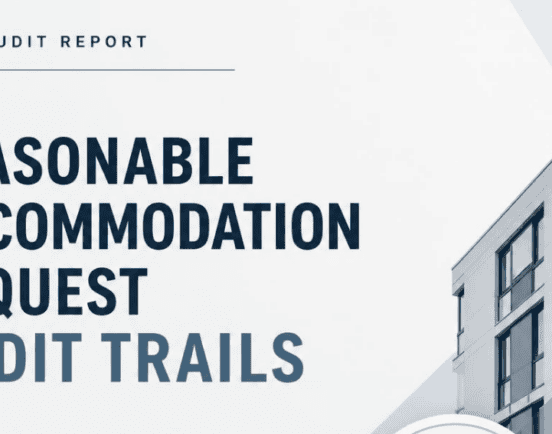
Imagine a former tenant files a Fair Housing complaint a year and a half after they’ve moved out, claiming you denied their request for an assigned parking space at the building entrance. You recall the request and are sure it ...
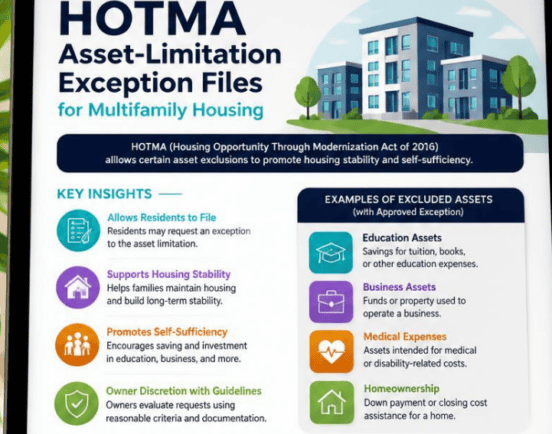
Imagine a long-time resident sitting across from your leasing staff at her annual recertification. She sold a small piece of land last year. On paper, her net family assets now cross a federal line. Do you terminate her assistanc...
You outgrow QuickBooks when you start handling trust accounting, owner statements, owner 1099s, or a HUD chart of accounts. Key takeawaysReport rent payments of $2,000 or more per Box 1 of Form 1099-MISC for payments made after De...

Hand the vendor one property's prior-year CAM reconciliation and make them run it live in the demo. Whatever breaks is what you'd have bought. Key takeawaysCommercial-native platforms model CAM recovery as a lease obligation so th...
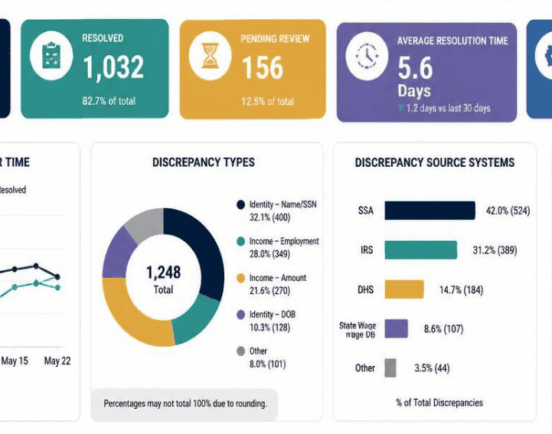
Managing affordable housing is hard enough without a surprise audit finding. Yet many owners and agents lose points during a Management and Occupancy Review for one avoidable reason. They cannot show clean, well-organized resolut...
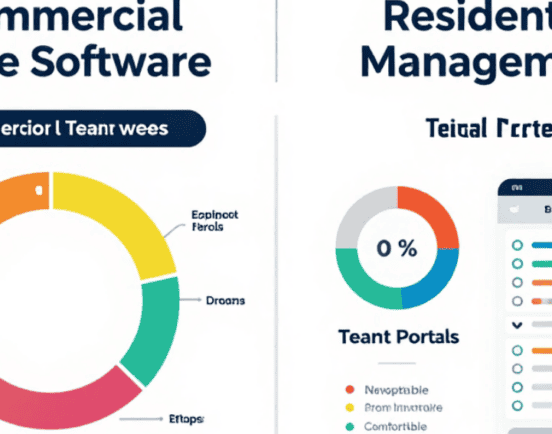
Choosing the wrong software can quietly cost you money. A missed rent escalation. An unbilled expense. A lease renewal that slips past its deadline. These mistakes add up fast. And they usually happen when a property manager forc...
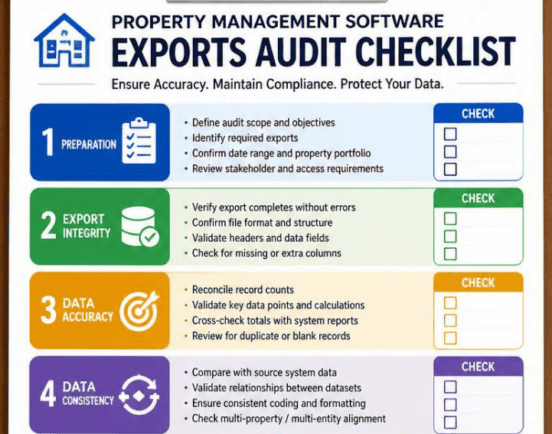
Imagine canceling your property management platform and discovering that five years of tenant ledgers, lease documents, and owner statements are trapped inside it. No clean download. No usable file. Just a login screen you no lon...
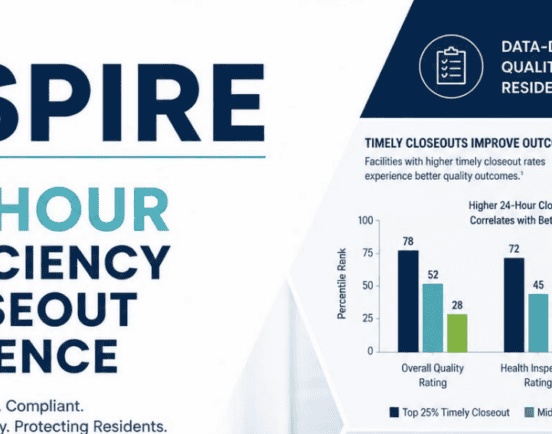
The clock starts the second the inspector hands you the Health and Safety Report. You have 24-hours. Not to schedule the repair. Not to open a work order. To fix the hazard and start proving it happened. That pressure trips up...