Tag Archives: rental property management

Renters

Amenities that Wow: Attracting Modern Renters with the Right Perks 

New wave of competition has overtaken multifamily housing due to the increased number of available units across major metropolitan areas. The expectations of renters continue to evolve with the change in today’s renters’ demographics. Offering a clean apartment at an affordable price cannot attract modern renters. They need newly designed amenities based on lifestyle trends identified through research in 2026, that will have a positive impact on long-term asset value. 

Today’s renters are looking to evaluate a community, including convenience, sustainability, health, technology integration, and social interaction. Property managers must recognize that modern apartment amenities constitute not only aesthetic enhancements but also serve as significant amenity strategies for multifamily properties. 

This article will help property owners understand the types of amenities that offer great value and attract modern renters. It will also provide insights on how to prepare one’s apartment community for the changes expected from the new generations of renters.

1. The New Reality of Attracting Modern Renters 

The supply growth that has occurred in multiple U.S. markets over the past few years has led to increased competition. Prospective residents can compare multiple communities online within minutes. Attracting modern renters needs to develop unique points of difference that extend beyond its pricing structure. 

The main factors that determine how renters make their housing decisions are: 

  • Remote and hybrid work flexibility. 
  • Sustainability awareness. 
  • Desire for community and connection. 
  • Demand for frictionless technology. 
  • Rising cost sensitivity. 

In 2026, the renters choose their housing based on experiences that offer more value than its physical space. The property evaluation process requires users to assess their daily activities through the building’s different spaces instead of their residential area size. 

For operators, this shift requires moving beyond generic amenities and toward intentional design aligned with target demographics.

2. Understanding Renter Lifestyle Trends 2026 

A modern renter’s search starts with an understanding of the behavioral trends driving their interest. 

1. Hybrid Work as the Norm 

Renters come to expect both a place to work from home and a dedicated place to work outside of their apartment. In some instances, employees are coming back to their offices, while remote work is still a requirement. Modern amenities are designed to support the trend of remote working, including: 

  • Co-working spaces with private workstations. 
  • Soundproof meeting spaces. 
  • High-speed internet in all common areas.
  • Meeting rooms that can be reserved. 

When able to offer the above amenities, the property owner creates a website for the community that acts as a hub of productivity.  

2. Sustainability as a Baseline Expectation 

Green initiatives are no longer a niche distinction. Energy-efficient appliances, smart thermostats, LED light fixtures, EV charging stations, and water-saving fixtures are increasingly being seen as the norm. From an amenity strategy standpoint and utilizing a multifamily property strategy, sustainability accomplishes two objectives: 

  • Allowing the owner to reduce operating costs. 
  • Improving the rental property’s appeal. 

Sustainability in today’s rental market also extends to renters’ priorities and values. Amenities that offer a visible commitment to the environment, such as recycling, bike racks, and community gardens, are ideal examples of this type of amenity. 

A post-COVID environment created new expectations among renters regarding their health and improved wellness. These new expectations exceeded the traditional apartment fitness center. Wellness-oriented modern amenities include, but are not limited to the following: 

  • Yoga studios and meditation rooms. 
  • Outdoor fitness areas. 
  • Green walking path areas. 
  • HEPA air filters in common areas. 

Properties that are designed with a focus on wellness are more successful in attracting modern renters who desire to live a balanced lifestyle. 

3. Modern Apartment Amenities That Drive Leasing Velocity 

Many amenities help attract residents while increasing occupancy and revenue. The most important ones have a significant impact on attracting modern renters. The following list includes the common types of technology-enabled features that help attract modern renters: 

  • Harnessing smart locks. 
  • Mobile app access control. 
  • Package lockers with notification. 
  • Smart lighting or thermostats. 

These top technologies provide absolute convenience and security for renters, while reducing the friction with normal day-to-day operations on behalf of property owners. 

1.High-Quality Fitness Centers 

The modern renter expects more than a treadmill room. Competitive communities now offer: 

  • Commercial-grade equipment. 
  • On-demand fitness classes. 
  • Dedicated stretching areas. 
  • A 24/7 access. 

In many submarkets, upgraded fitness spaces are considered essential for attracting modern renters. 

2.Community-Oriented Spaces 

Renter lifestyle trends for 2026 feature social relationships as a repeating element. Therefore, how gathering spaces are planned will have a significant impact on renewal rates. Luxury apartments commonly include amenities such as: 

  • Rooftop lounges. 
  • Grilling areas outside. 
  • Clubhouses with large kitchens are used for entertainment. 
  • Game and media rooms. 

These types of amenities promote interaction between residents to create a better sense of community among all residents while attracting modern renters. 

4. Luxury Apartment Perks Differentiate Premium Properties 

The baseline amenities for class A and high-end developments are not enough to keep prospective renters engaged. The amenities at luxury buildings need to create a customized lifestyle for the resident. The following amenities should be included for a resort:  

  • Resort-style pools with cottages. 
  • Porter service. 
  • On-site coffee house.  
  • Pet spa or dog park.  
  • Golf simulator and paddle tennis court.   

Not all markets will provide access to these types of opportunities at an economic price point. Identifying the appropriate balance of investment towards those expected rent premiums requires a detailed approach to creating unique multifamily property amenities.  

5. The Role of Technology in Attracting Modern Renters 
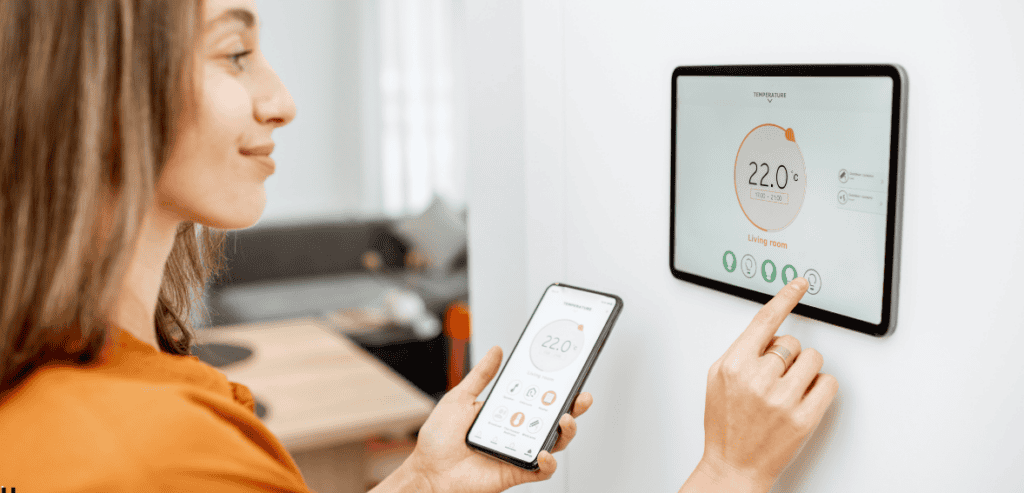
The use of technology has switched from being optional to a requirement. In today’s world, potential renters are more frequently evaluating digital touchpoints before visiting a property. Examples of key digital agents are: 

  • Online leasing platforms. 
  • Virtual tours. 
  • Self-guided tour options 
  • Resident mobile applications. 
  • Automated maintenance tracking. 

These features help property managers in attracting modern renters wanting a seamless digital experience with their new home. 

In addition to technology, the unit continues to reinforce how a renter perceives the property. For example, smart thermostats and keyless entries reflect the modernity and safety of an apartment. From an operational standpoint, technology reduces staffing burden and improves the quality of the residents’ experience. 

6. Sustainability as a Competitive Advantage

As a result of rising awareness surrounding environmental issues, renters’ preferences continue to be influenced by sustainability. Properties that incorporate sustainable development into their business model face marketing and financial benefits. 

Landlords and tenants benefit from lower utility costs through the use of energy and water-efficient appliances. Visible initiatives enhance a property’s brand and aid in attracting modern renters who place high importance on living sustainably. 

The most successful ways to incorporate durability into a rental property development include: 

  • Installing solar panels when possible. 
  • Providing electric vehicle (EV) charging stations. 
  • Using Energy Star-certified appliances. 
  • Implementing smart irrigation systems and waste diversion programs. 

As we approach 2026, it is expected that the trend of lifestyle will not be celebrated but rather become the expected norm among renters. Communities that choose to ignore this shift will likely appear to be outdated. 

7. Amenities Attracting Modern Renters in Workforce Housing 

Workforce housing and luxury apartments appeal to different renter types. However, both types of renters demand first and foremost amenities. Value is important to the renters living in workforce housing; hence, the amenities attracting modern renters to your property are as follows: 

  • Reliable high-speed internet. 
  • Fitness center with functional equipment. 
  • Secure package management. 
  • On-site laundry or in-unit washer and dryer. 
  • Adequate parking facility. 

The best way to attract modern renters who reside in mid-market segments is to provide reliable and convenient amenities, rather than extravagant ones. Therefore, the focus of the strategy should be on long-life and low-maintenance cost amenities which have an overall high perceived value. 

8. Designing a Multifamily Property Amenities Strategy 

When developing an amenities strategy for multifamily apartments, it’s important for the amenities to fit within the long-term positioning of assets. In general, an amenity strategy should follow these five steps:  

1.Conduct Market Research 

Research competitors in the submarket to determine which of the modern apartment amenities are common and which are unique.   

2.Survey Residents

Surveys of current residents will help identify the amenities that are desirable for renters in the specific market.

3.Complete Cost-Benefit Modeling 

Estimate capital costs, operating costs, and potential rental premiums for each amenity. Not all trendy or desirable features provide the benefits to NOI (Net Operating Income).  

4.Develop a Scalability and Maintenance Plan  

Over time, high-touch amenities require high-maintenance and a lot of resources from the profit earned.  

5.Aligning With the Brand 

Amenities should be congruent with your brand message. For example, if you are a “health and wellness” brand, you need to include items that promote health and wellness. 

A strategically aligned amenity strategy attracting modern renters will demonstrate a measurable improvement in the overall performance. 

9. Common Mistakes in Amenity Planning 

Even seasoned builders make the subsequent avoidable mistakes in developing amenity packages: 

  • Imitating what competitors do, with no unique characteristics. 
  • Investing a large amount of money into features that are hardly ever utilized. 
  • Ignoring the effect of maintenance on the amenities. 
  • Not effectively promoting the amenities. 
  • Underestimating the impact of technology. 

10. Conclusion 

In order to maintain continued growth in attracting modern renters, properties need to review and evaluate their performance metrics on an ongoing basis.

Generic amenity packages are a thing of the past. Builders must implement purposefully created amenities based on data, demographic analysis, and operational excellence to attract modern renters. Amenities should adapt to trends in remote work, wellness, sustainability, and seamless integration with technology to complement this lifestyle change. While additional perks may increase the perception of luxury apartments, they will only enhance the property’s standing. 

According to the Renter Lifestyle Trends 2026, renting should continue to emphasize experience, flexibility, and environmental responsibility when making leasing decisions. A well-constructed property amenity plan blends innovation with financial care and has a direct impact on both the satisfaction of renters and the performance of the asset. 

Therefore, successfully attracting modern renters views their amenities as strategic differentiators and how they contribute to the overall resident journey from the initial visit to re-signing the lease. 

11. FAQs 

What are the amenities that help in attracting modern renters? 

Amenities that help in attracting modern renters include the use of new technologies, the ability to use an area dedicated to fitness or relaxation, and the presence of environmentally friendly apartments. 

Do luxury apartment amenities mean higher rent? 

Not always. Luxury apartment amenities need to match the local market and demographic needs if they are worthy of a rent increase. And if not, there can be little or no return on investment. 

How can apartment operators determine which amenities will attract renters in their market? 

Market analysis, competitor analysis, and resident surveys are key elements of developing an apartment amenities plan that is data-driven and based upon the needs of the renters in the local area. 

Are sustainable or environmentally friendly features important for attracting modern renters? 

Yes. The expectation of having sustainable options has gone from being rare to being common. Renters are increasingly choosing to rent an apartment based on its energy-efficient appliances, EV charging stations, and water conservation initiatives. 

How often should an operator update their amenities strategy? 

Operators should evaluate their apartment amenities strategy on an annual basis. Each evaluation should include a review of the latest apartment tenants’ lifestyle trends, performance data of the apartment, and current competing apartments.
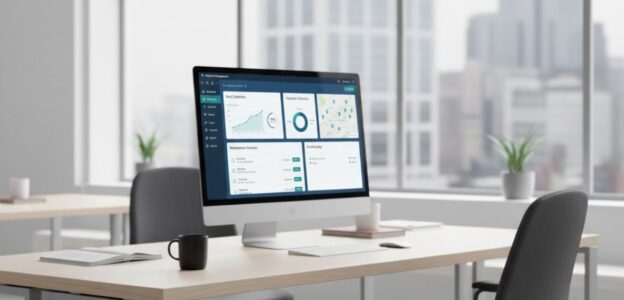
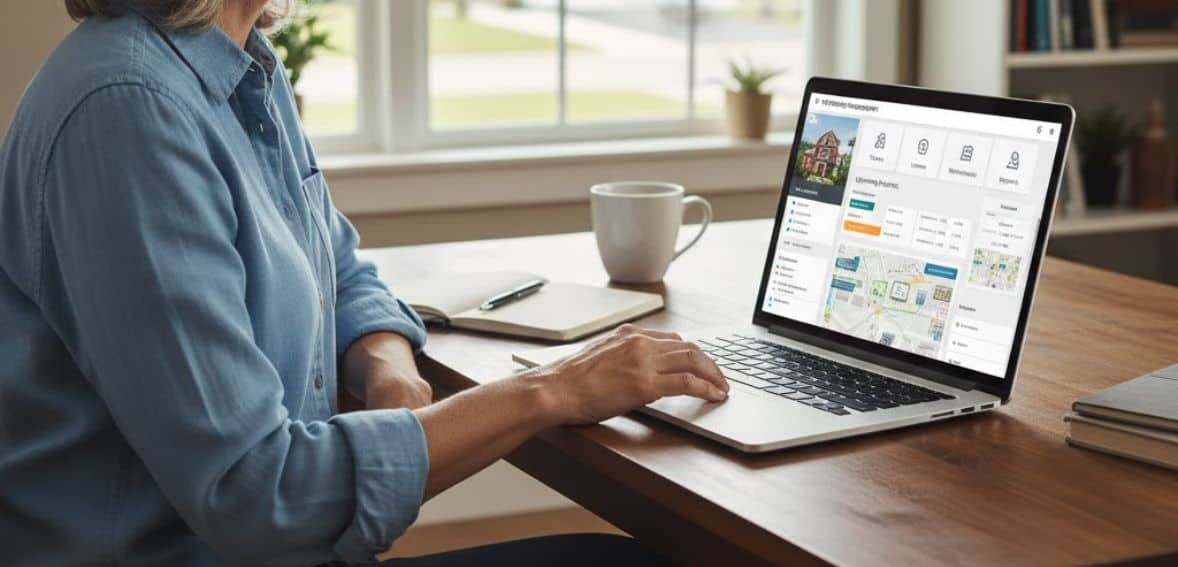
When to Upgrade Your Property Management Software (and Signs You’ve Outgrown Your Current System)

Knowing when to replace your property management software is the key to keeping your business running efficiently. When your portfolio expands, older systems can slow down operations, cause errors, and frustrate tenants or employees. Being aware of the signs that your current software does not suffice anymore ensures you invest in a solution that increases efficiency, enhances communication, and is capable of long-term growth.

Old System vs Modern Property Management Software

FeatureOld SystemModern Property Management Software
Booking Management
Manually tracking bookings across Airbnb, Vrbo, and Booking.com
Channel management that syncs calendars and avoids double bookings
Guest CommunicationGuest messages scattered across multiple inboxesUnified inbox with automated guest messaging and templates
Payments
Manual payment requests and tracking
Online guest payments with automated reminders and secure processing
Financial Management
Spreadsheets for expenses and revenue
Real-time financial reporting and owner dashboards
Maintenance Requests
Guests call, text, or email to report issues
Automated maintenance requests with vendor assignments and tracking
Accessibility
No mobile access, tied to your desktop
Mobile-friendly app that keeps managers, cleaners, and co-hosts connected
Integrations
Limited integrations with other tools
Centralized system connected to OTAs, smart locks, accounting, and cleaning apps
Cost Efficiency
Rising costs with no added features
Transparent pricing with automation and core features included

Indications That You’ve Grown Out of Your Existing Property Management System

Updating Property management software

Communication With Owners and Guests Feels Cluttered

Effective communication lies at the core of every effective short-term rental business. But when you’re struggling back and forth between Airbnb, Vrbo, Booking.com, SMS messages, and email, communication can become strained. This wastes time and causes you and your customers a lot of stress. The modern property management software makes it easy by consolidating all your messages in a single inbox.

You can view all your conversations in one spot, send speedy replies, and even program responses to answer those frequent questions. Owners also have their very own portal to access bookings, revenue, and reports, to stay updated without endless follow-ups. With a unified system communication becomes effortless, saving hours each week while improving guest satisfaction and owner relationships.

Your Payment Process Needs an Upgrade

Chasing payments, sending invoices, and managing late fees manually can become a daily headache. If your current system still relies on manual tracking, it’s time for an upgrade. An updated property management software simplifies collecting payments fast and securely.

Visitors can pay online with credit cards, ACH transfers, or e-checks. You can also automatically send rent reminders and generate payment reports with no additional effort.Also with an integrated owner portal, property owners can view real-time payment information and statements. This transparency eliminates confusion and strengthens your trust with your clients.

You Don’t Have Clear Financial Insight

Operating a rental company with no proper financial information means chasing your destination blindly. If your software doesn’t provide you with real-time insight into income and expenses, you have no choice but to work with spreadsheets and guesswork.

Modern property management software has integrated accounting and reporting capabilities that reveal where your money’s coming from in real time. You can monitor revenue, expenses, taxes, and profits from a single dashboard, which allows you to make better and quicker business decisions. It’s simpler with these insights to predict income, spot trends, and remain in complete command of your finances.

Your System Isn’t Mobile-Ready

Sometimes guests arrive early, cleaners require instant updates, and even some bookings occur at odd times. If your software isn’t mobile-friendly, you’re one step behind.

A mobile-optimized property management platform allows you to do all this from your smartphone, you can confirm reservations, assign maintenance, message guests, and check reports all from the comfort of your mobile. Your staff can also use the same system from their devices, to ensure everyone is in sync.

Managing Various Types of Properties Becomes a Challenge

When your business expands, you’ll probably be working with a combination of various properties—apartments, villas, or even hotels. But not all platforms are designed to accommodate this type of variety. A dynamic property management platform will easily transition between property types.

It’ll allow you to adjust specific pricing, automate guest communication, and monitor performance for listings in one location. With an updated system, you can scale your business with confidence without requiring individual tools for each type of property.

Your Software Doesn’t Integrate with Other Tools

If you find yourself constantly struggling between various platforms for bookings, accounting, pricing, and cleaning, then your system isn’t working for you—it’s working against you.Today’s rental software is the central platform, integrating all your business operations in one platform.

It ties into OTAs, payment gateways, accounting platforms, and smart devices such as locks and thermostats for you to work seamlessly. This eliminates redundant work and lost data between systems.When all systems are integrated, you save time, minimize errors, and provide guests with a more streamlined experience from reservation to checkout.

Security and Compliance are Falling Behind

Each reservation contains sensitive information—credit card numbers, contact data, and IDs. Without adequate safeguarding, you expose yourself to loss of reputation and guest trust.

A protected, cloud-based property management solution shields information through encryption, secure payment processing, and rigorous access controls. It also allows you to meet local privacy and payment standards, keeping both you and your guests secure.

Increasing Costs without Actual Value

If your software is becoming increasingly pricey without introducing new functionality, it’s time to rethink. Paying for added-cost features such as automated messaging or reporting eats into profit.

Search for a platform that offers clear and transparent pricing and continuous updates. A great provider introduces new functionality to aid your growth, without any hidden fees to complicate scaling.

Why Upgrading Your Property Management System Is Worth It

Property management software

An updated property management system streamlines the tasks of collecting rent, scheduling maintenance, and performing tenant screenings, allowing for more critical work to be accomplished. It will also make accounting easier by producing invoices, monitoring payments, and mailing monthly statements automatically. This reduces errors, accelerates cash collection, and conserves time spent on financial handling.

But outdated solutions can be restrictive as they are only accessible from one site, are more expensive to maintain, and are hard to scale as your company expands. A cloud-based property management system eliminates these issues. Data can be accessed anywhere, it is easy to integrate with other software such as payment processors, and it includes automatic data backup and updating, which saves time and money.

Another significant advantage of contemporary software is enhanced data reporting and management. Rather than merely storing data, newer systems take it one step further by analysing it to provide useful information. You can get in-depth reports on rent, maintenance requirements, and property performance to enable you to make better and quicker business decisions.

Improved systems also enhance tenant and employee satisfaction. Tenants can simply log in via online portals or mobile applications to see rent payment history, maintenance reports, or inspection schedules without being on-site. For employees, mobile access enables them to work effectively from anywhere, minimizing errors and enhancing productivity.

Security and compliance are other major advantages. Updated systems allow you to monitor tasks such as insurance renewals, smoke detector checks, and pool safety certifications, so you never fall behind deadlines. Cloud platforms also include robust data security in the form of encryption, authentication, and automatic backups, which protect sensitive tenant and property information.

Lastly, updating your property management software saves costs in the long term. Automation is time-saving, increases efficiency, and improves tenant retention. Most contemporary systems also feature AI driven management tools for predictive maintenance, so you can identify and repair issues before they become costly. Overall, a contemporary, cloud-based property management system can make your business quicker, wiser, and more sustainable.

Features You Should Look for in an Updated Property Management System

Real estate

When updating a property management system, it’s essential to select one that not only meets your present requirements but also facilitates growth. One of the leading features to search for is the ability to obtain access to historical reconciliations. This enables you to quickly retrieve old bank statements and financial transactions without going through files, making it simpler to monitor performance and remain audit-ready.

Monthly financial statements are a necessity, too. The system must automatically generate detailed reports listing rent payments, expenses, balances, and charges for every unit. Customizing these reports means you will always have the correct and current financial information to suit your preferred format.

Tenant charge management is also critical. Seek out software that allows you to add distinct charges or credits to every tenant account with ease. This maintains accurate billing and promotes transparency for both tenants and owners. Effective payable management is a capability that can save you hours of labor. The top property management systems enable you to input invoices, automate payments, and even print checks from the platform.

Add built-in bill payment features—such as electronic funds transfers or automatic check mailing—to further simplify your workflow. For extra safety, ensure the system allows the assignment of a single point of contact (SPOC) for online payment processing. This guarantees that only approved users handle sensitive payment arrangements. Digital check image access is another helpful feature, providing clarity and effortless record-keeping for each transaction.

Finally, consider a system that stores all owner and tenant information in an organized and easily adaptable manner. Selecting a property management system with such functionalities will save you time, minimize errors, and help you manage your properties better—all from a single, centralized dashboard.

Types of Property Management Software

Types of software for real estate

Property management software exists in various forms to suit different needs and sizes of properties.

  • Residential PMS: Simplifies the management of apartments, houses, or complexes. It manages rent collection, communication with tenants, maintenance requests, payments to vendors, screening of tenants, and everyday tasks via web or mobile applications.
  • Commercial PMS: Suitable for offices, shopping areas, industrial premises, and malls. It assists with administration, maintenance monitoring, and financial reporting.
  • Community PMS: Handles common areas within communities such as condos or townhomes. It addresses amenities, rule enforcement, and community money issues.
  • Vacation Rental PMS: Ideal for short-term rentals, Airbnb, and holiday homes. It handles bookings, listings, guest messages, and property maintenance in one platform.

Integration with Other Systems

Real estate

Having a property management software that integrates seamlessly with other systems makes it easier to handle properties. Integration enables various tools to exchange information, reducing time and errors. For instance, integration with accounting software guarantees complete financial data accuracy and transparency.

Integration with a CRM facilitates more efficient handling of tenant communications and relationships. Power BI tools can offer real-time dashboards for rapid insights and decision-making. Marketing platform integrations enable promotion of vacancies, and payment gateway connections enable easy online rent collection and security.

New Trends in Property Management Software

Property management software continues to improve with new technology, providing smarter and more effective ways of managing properties. Artificial intelligence and machine learning are utilized to forecast maintenance requirements, price optimization, and identify market trends before they occur. Not to forget Blockchain is assisting in the safety of lease transactions and agreements, making records more efficient and transparent.

Additionally big data provides bespoke property suggestions, providing tenants with a more intelligent search experience. Mobile apps enable managers to do tasks remotely, while virtual reality provides remote property tours, allowing prospective tenants to view spaces without visiting in person.

Conclusion

Upgrading your property management software can completely change the way you do business. A new system enhances efficiency, elevates tenant and staff satisfaction, and delivers improved financial insights. An investment in the correct software means easier operations, minimized errors, and a scalable solution that adapts to your expanding portfolio. Take the transition today and stay ahead in managing your properties with confidence.

FAQs

What are the signs that I should upgrade my property management software?

If your system is slow, not automated, or can’t handle multiple properties well, it’s time to upgrade.

Can multiple types of properties be managed with modern property management software?

Yes, most contemporary solutions enable you to manage residential, commercial, and vacation rentals all in one place.

Is cloud-based software better than server-based solutions?

Cloud-based software includes mobile access, real-time updates, and integration compared to conventional server-based systems.

Does an upgraded system assist in tenant communication?

Yes, it offers unified inboxes, automated messaging, and tenant and owner portals that facilitate smooth communication.

Will updating enhance financial management?

Yes, updated software offers real-time reporting, automated billing, and comprehensive insights to enhance accounting and tracking.

Property Manager

How to Find and Hire the Best Property Managers in Your Area

Finding a reliable, capable property manager can turn property ownership from a labor-intensive task into a seamless source of passive income. Tenant relations, maintenance, rent collection, leasing, legal compliance, and even emergency repairs are all handled by a property manager, who acts as your local eyes and ears.

According to Investopedia, when owners lack a local presence or would rather not manage daily operations, property management is frequently best outsourced. Selecting the right expert is crucial to protecting your property and your peace of mind, regardless of whether you’re a first-time landlord or growing your real estate portfolio.

Begin with a Strategic Search: Local Referrals and Directories

Begin with a Strategic Search: Local Referrals and Directories

When you’re ready to find a trusted property manager, starting local is often the smartest approach. Searchable directories of nearby property managers with reviews, price comparisons, and contact details are available on websites such as Zillow and All Property Management.

Managers who are members of the National Association of Residential Property Managers (NARPM) are screened and held to ethical standards, so if professional accreditation is important to you, look for them. It is very helpful to get recommendations from other property owners or real estate experts.

Rather than joining a big company where your asset is just one of many, experience gained over dinner or at a networking event might lead you to a boutique manager who handles each property as if it were their own.

Vetting Candidates: Questions That Reveal Quality and Fit

The key to a successful search is not only who answers, but also who is aware of your objectives and the kind of property you are looking for. Arrange for your shortlisted candidates to have interviews.

Pose targeted queries: How much time does it take to fill a position? What standards do you apply when screening potential tenants? How do you manage price changes and rent adjustments? Discussions on Reddit emphasize that an in-depth discussion, usually lasting an hour, can disclose a manager’s responsiveness and depth of process.

Examine how many units they oversee and how many employees they have. Lower attention to each property may result from a large portfolio. A smaller manager, on the other hand, might provide a customized strategy; just make sure they can grow with your company. Stability and adaptability are guaranteed by the harmony between professionalism and individualized care.

Understanding Services, Costs, and Contracts

Understanding Services, Costs, and Contracts

Usually costing between 4% and 12% of monthly rent, property management also comes with extra fees for setup, leases, vacancies, and maintenance coordination. The time savings and avoidance of empty months or tenant disputes may make these fees seem excessive, but they are well worth the investment.

Carefully go over service agreements. Are regular property inspections covered by the contract? Do repair authorizations have a cap ,or are they clear? Does the property manager have any go-to suppliers that provide high-quality work at a reduced price? What are the procedures for rent disputes or evictions? Clarity and regular communication are essential for preventing miscommunications and expensive surprises, as the TransUnion team emphasizes.

Credentials and Industry Standards

While many top managers are certified by trade associations such as IREM or NARPM, not all advisors will have official credentials. For instance, IREM’s Certified Property Manager (CPM) designation indicates a high level of expertise in property assets, ethics, and education.

Credentials show dedication, but daily behavior is the true test. Request reports of previous problems, such as maintenance schedules, turnover metrics, or emergency repairs. To learn about responsiveness, transparency, and tenant satisfaction, have direct conversations with current landlords who have collaborated with the candidate.

Balancing Local Knowledge with Future Needs

Employing a manager with local knowledge can make all the difference if your properties are dispersed throughout different states or cities. They can adjust marketing strategies to local rental laws, market rates, and landlord-tenant codes. But you also want someone who can grow with you, like recommending vetted colleagues in other areas or acting as your multi-market partner.

You can make sure you’re not constrained by location by striking a balance between local presence and scalable structure. Similar to Airbnb’s quality and proximity-focused co-host model, many landlords now utilize co-host networks or real estate platforms that pair owners with high-performing, small-scale managers in their local area. As your real estate investing strategy expands across cities or states, working with local experts who can scale with your portfolio becomes critical to long-term success.

Real-World Pitfalls: Why Not All Property Managers Are Equal

Real-World Pitfalls: Why Not All Property Managers Are Equal

Even managers with extensive training can make mistakes. Stories of neglect—ignored maintenance, mysterious charges, or owners left chasing unpaid rent—are highlighted in international reports. Subcontractor kickbacks, unclear fee structures, or inadequate oversight are the root causes of many issues.

Making decisions only based on cost or location may result in annoyance and legal risk. Find a person who is willing to share the rent roll data, vendor invoices, back-end logs, and inspection summaries to prevent these problems. Make sure the partnership is based on mutual respect rather than merely a contract.

Building Trust Through Client–Manager Relationship

Building Trust Through Client–Manager Relationship

A successful property manager turns into an extension of you. Communication and trust must be the cornerstones of this. Establish clear escalation procedures for emergencies, plan frequent performance evaluations, and decide on financial thresholds for repairs.

Gaining familiarity with the decision-making process can help you avoid unpleasant surprises, regardless of your level of involvement. Your workflow can be made more transparent and simple with a cloud-based portal for online approvals, digital statements, and tenant requests.

How Property Managers Handle Tenant Relations Can Make or Break Your Investment

Tenant relations is one of the most overlooked yet important facets of property management. Occupancy rates, internet reviews, and long-term profitability are all directly impacted by a manager’s interactions with tenants, including how they handle complaints, enforce lease terms, and resolve conflicts. Tenants who experience neglect or poor treatment are more likely to terminate their leases early, postpone rent, or post unfavorable reviews online, all of which can turn off potential candidates.

Spend some time learning about the communication style of the tenants when you interview property managers. Do they use threats or empathy when reminding people? Do they follow up after the job is completed and react quickly to maintenance issues? Request examples of how they have helped a good tenant through a difficult time or defused a heated argument.

A company’s values are frequently more evident in the way these stories are told than in a slick website or five-star review. Additionally, managers who perform post-move-out surveys or exit interviews can give you information about how the tenant is feeling about the property.

Small but significant improvements, such as installing a safe package drop box or enhancing the landscaping, can be guided by that data and not only support higher rent but also increase the property’s appeal through word-of-mouth. These soft skills are essential in a market where tenants frequently shop on their phones and vacate within a year. They serve as the cornerstone of sustained success.

How Modern Technology Can Boost Efficiency and Owner Peace of Mind

An exceptional property manager stands out by using technology to increase transparency and streamline operations. From a single platform, tools like Buildium, AppFolio, or Propertyware facilitate the automation of rent collection, maintenance tracking, lease document management, and the creation of clear owner reports. In addition to saving time, this lowers errors and raises tenant satisfaction.

Owners have real-time access to financials and performance metrics, and tenants can track progress and submit repair requests. Additionally, advanced features start screenings, automate late fees, and track vendor dependability. Technology makes sure that nothing is overlooked.

Above all, it fosters trust. You’ll always have the information you require, when you need it, saving you the trouble of searching for updates and providing you with complete insight into your investment. Tech-forward solutions not only save time but also optimize property inspections, maintenance tracking, and tenant communication—ensuring no detail is missed in the day-to-day operation of your rental.

When The Relationship Isn’t Working: How and When to Reevaluate

Over time, even the best tenancy experiences changes. A need for a reevaluation may be indicated by high turnover, unresolved maintenance issues, or inconsistent statements. It makes sense to audit your management team annually, much like real estate investors reassess underperforming assets.

You can check up-to-date reviews and customer satisfaction ratings on sites like Yelp, RateMyAgent, or NARPM listings. Transition strategies, such as how the next manager will seamlessly handle tenant transition or onboarding, should be in place if performance is lagging.

Working With Rental Agents vs. Full-Service Property Managers

Working With Rental Agents vs. Full-Service Property Managers

Some owners decide to work with a tenant’s agent to find renters and manage check-ins when they own a property through short-term listings or platforms like Airbnb—without committing to full-service property management. Although this model gives you more flexibility, it also puts more of the burden of continuing tenant care on you.

Whether you want operational partnership or transactional assistance will ultimately determine the best course of action.

Conclusion: How to Hire With Confidence

The process of selecting the best property manager involves combining research, interviews, and expectations that are in line. Start with a reliable resource or recommendation. Look for proven methods and local knowledge. Inquire directly about openings, screening, upkeep, and costs. Put transparency ahead of low prices.

Additionally, keep in mind that the best managers protect and responsibly grow your asset rather than merely filling units. You can find a partner who will safeguard your investment and increase your peace of mind by carefully considering the hiring process. Your property can prosper with the correct manager, and your job becomes less demanding and more strategic.

Should I Accept Rent in Cash?

Some landlords still do it the old-fashioned way – they collect rent in cash. It’s quick and simple, and might seem easy for small properties or tight-knit tenants. You count some bills and sign some fake signature and there you go.

But let’s be real—it’s 2025. Is accepting cash in rent still smart?

Nowadays, with digital rent collection tools springing up everywhere, the game has changed. They help us do things easier, faster, and most importantly safer. Whether you own one or 20 units, chances are you’ve thought about whether it’s time to make a change.

Cash may feel simple, but is it working for you?

In this blog post, we’ll run through it. The pros. The risks and why modern payment tool collection make it a breeze to accept payment. Let’s discuss what’s best for you – collecting rent in cash or digitally.

rent in cash

Pros of Accepting Rent in Cash

Let us discuss with the pros first. Collecting rent in cash can be beneficial and some landlords still benefit from this arrangement. Here’s why.

Immediate Payment, No Waiting

The moment you get rent in cash, the process is complete. No more having to wait three business days. Never experience the frustration of waiting for a bank transfer that hasn’t arrived yet. You can receive the cash in your hand right away. It is useful if your bills are approaching due, you need cash for repairs, or you just need immediate access to money. When we have cash, we have money we can use right now. No middleman. No delay. Landlords handling only a few rentals usually care most about getting things done rapidly.

No Processing Fees

Have you ever felt annoyed by having to pay credit card fees? Or the little fees that banks apply to ACH transfers? Such issues are not present when you collect rent in cash.

You can protect all the money your tenant provides. Every dollar. It really adds up the more time goes on, especially when you are running out of profit. Eliminating such extra costs seems like a great benefit for small landlords. Every month, you won’t lose 2–3% just to get your payment. It’s simple and the cash belongs completely to you.

Simplicity for Some Tenants

For many tenants, technology is not simple to access. A few individuals decide not to use credit cards. A number of people do not own a bank account. For people renting, the main choice is to pay rent in cash. This situation arises mostly in areas where not everyone is familiar with technology or has access to it. However, it’s also true that certain people believe in cash more than in digital alternatives. It’s based on their experiences.

rent in cash

Accepting the things they believe helps you find a common starting point with them. Doing this can enhance trust, help the landlord and tenant get along, and improve rent payment.

Risks of Accepting Cash Payments

Let’s face it—accepting rent in cash can be a real problem. Things that once were simple can now quickly turn into a problem. Here are the risks you face if you choose to take money in cash in 2025.

Security & Theft Risks

Cash is easily susceptible to theft and loss. As soon as your cash gets lost or stolen, you will not have it anymore. There’s no way to go back after making a transaction. If you have rent money or leave it in cash, you are only putting yourself at risk. There are also safety considerations, not only money issues. Troubles can occur when others realize you have a lot of money.

No Proof of Payment

Here’s where things get messy. Let’s say a tenant hands you cash. A month later, they claim they already paid. You say they didn’t. They say they did. Without a solid paper trail—like a digital receipt—you’ve got nothing to prove your side. And that’s a stressful place to be. Disputes over rent can spiral quickly, especially if there’s no clear documentation.

Tax Reporting Challenges

rent in cash

Handling taxes is not simple if you have a lot of cash. It is your responsibility to note down every payment you make. Skipped a few steps? That’s trouble. You are required by the IRS to have detailed information. If there is something wrong with the figures, it may lead to concerns. If you don’t keep track of amounts and records well, it can appear as if you are lying. You definitely don’t want that to happen during an audit.

Legal & Regulatory Red Flags

Depending on where you live, too much unreported cash can look suspicious. Some cities now require documented rent receipts. Others tie eviction protection and rent caps to proper paperwork. No record? You could lose your legal standing fast.

Why Digital Payments Are a Better Choice?

You won’t need to worry about cash, payments, or “you didn’t get my money” issues if you use digital. There are several cloud tools simplifying rental collection and financial reporting. They are safer, cleaner, and convenient for you. Here is why you should consider:

Built-In Payment Tracking

No more paper notebooks. You don’t have to guess anymore. You don’t have to track any details on your own, as digital platforms manage all the records for you. All payments are logged right away. A confirmation is sent to both you and your tenant. There’s no doubt about who sent money, when the transaction took place, or the amount transferred. When you have your rent in cash, you need to maintain records but that issue is resolved with digital payments.

Payment History Helps in Legal Disputes

Suppose we face difficulties that we didn’t expect while collecting rent in cash. Your tenant isn’t paying on time or is giving less money than the set amount. Showing proof of rent in cash can be quite complicated. But digital payments are not like this. You can review all your transactions with info like time, cost, and the documents received. If you need to face legal concerns, the information you have online can help and protect you. You can rely on the evidence.

Recurring Payments for Hassle-Free Collection

An outstanding feature is Auto-pay. The majority of digital rent platforms allow tenants to have payments made regularly. So, the rent gets paid on schedule, without you having to do a thing. It also makes sure your tenants meet their obligations. Those days of forgetting things and sending “Oops, I forgot!” texts are over. The platform commonly takes care of late fees, if you charge any.

rent in cash

How Payment Processors Simplify Rent Collection?

Payment processors are the tech behind your rent payments. Think Stripe, Square, or PayPal. They securely move money from your tenant’s account to yours.

But there are rental-specific tools too. Cozy, Avail, and RentRedi focus on landlords. They make rent collection easy and safe.

These platforms handle the money transfer so you don’t have to worry. No cash handling. No trips to the bank.

Options Tailored for Landlords

Some platforms go beyond payments. Rentec Direct, Buildium, and AppFolio combine rent collection with property management. Here are some property management trends for 2025 that can you need to keep an eye.

You can send invoices, track late fees, and manage leases all in one place.

This means less juggling between apps and spreadsheets. It’s all streamlined for landlords like you.

Faster Payments with Less Admin Work

No more counting rent in cash or chasing checks. Money goes straight into your account—sometimes the same day. That frees up your time and energy. You get paid faster and with less hassle. That’s a win-win.

Addressing Common Concerns About Digital Rent Payments

“What If My Tenant Doesn’t Use Digital Tools?”

Not everyone is tech-savvy. Some tenants might prefer rent in cash or checks.

Offer hybrid options like bank deposits, money orders, or apps like Venmo and Zelle.

You can also help by showing tenants how to use these tools. A little guidance goes a long way.

“Aren’t There Processing Fees?”

Yes, digital payments often have processing fees. But many landlords treat these fees as tax-deductible expenses. Some even include them in the lease or share them with tenants. The convenience usually outweighs the cost.

“Is It Safe?”

Digital platforms use bank-level encryption. They offer strong fraud protection. Carrying rent in cash puts you at risk, but these tools keep your money secure. You’re safer with digital payments than with piles of bills in your pocket.

Best Practices If You Still Accept Rent In Cash

Always Issue a Receipt

If you take rent in cash, always give a receipt. Use a numbered receipt book to keep things organized.

Make sure your tenant signs it, too. Keep a copy for yourself.

This simple step protects you both if questions come up later.

rent in cash

Store Cash in a Safe Place

Don’t leave cash lying around—especially not at home or in your car.

Keep it in a locked safe or secure box. Deposit the money into your business bank account as soon as possible.

The less cash you hold, the less risk you face.

Track Payments Digitally Too

Even with cash, you need a digital record. Use a spreadsheet or bookkeeping software.

Record dates, amounts, and tenant info to stay organized.

Good records make tax time easier and help avoid confusion.

Conclusion

Cash has some clear benefits. It’s quick, fee-free, and works for tenants without bank accounts.

But honestly, the risks often outweigh the perks. Safety, proof of payment, and legal headaches come with cash.

Digital payments bring peace of mind. They’re secure, fast, and professional.

For today’s landlords, going digital isn’t just a nice option—it’s a smart move.

If you want fewer hassles and more control, it’s time to make the switch.

Frequently Asked Questions

1. Is it legal to accept rent in cash?
 Yes, it’s legal in most places. But check local laws. Some require receipts or digital records.

2. What’s the safest way to accept cash rent?
 Always issue a signed receipt. Store cash securely and deposit it quickly into your bank.

3. How can I prove a tenant paid rent in cash?
 Keep a receipt signed by the tenant. Also, maintain a payment log to back up your records.

4. Are digital rent payments secure?
 Absolutely. They use encryption and fraud protection, making them safer than handling cash.

5. Can I charge tenants fees for using digital payments?
 Some landlords do. Fees are often tax-deductible or split with tenants. Be clear in your lease terms.