Category Archives: Property Management

Integrating Smart Home Technology

Is Integrating Smart Home Technology the Key to Attracting High-Value Tenants and Streamlining Property Maintenance?

For property managers having “smart homes” in their portfolio is a strategic way stand out in the competitive rental market. High‐value tenants—often characterized by their willingness to pay a premium for quality amenities—are looking for modern conveniences that enhance comfort and reduce energy costs.

Simultaneously, property managers seek systems that reduce manual labor, facilitate proactive maintenance, and ultimately improve the bottom line. Smart home technology offers both these benefits by providing features such as remote access, automated control of appliances, predictive maintenance alerts, and enhanced security measures.

According to multiple industry surveys, a significant percentage of modern tenants expect smart features in their rental units. For instance, research shows that as many as 82% of renters desire at least one smart device in their home, with even higher preferences among tech‐savvy millennials. With the proven potential to save energy, improve safety, and provide real‐time property monitoring, smart systems are increasingly seen as essential for attracting high-quality tenants and managing properties more efficiently.

The Role of Smart Home Technology in Attracting High‐Value Tenants

smart home technology

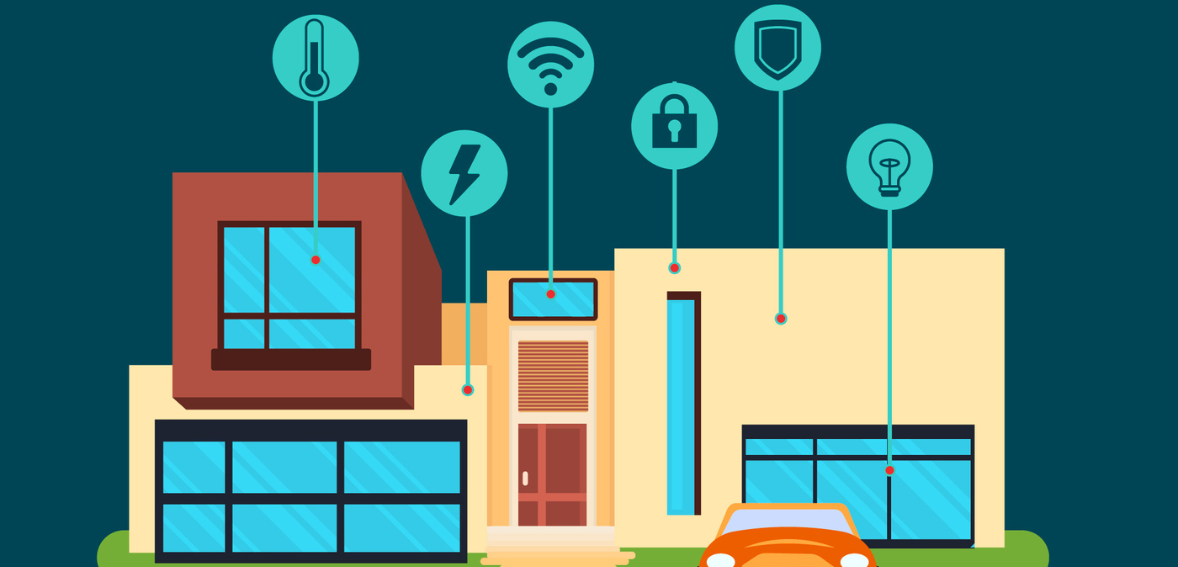
Modern renters prioritize convenience, security, and cost savings, and smart home technology caters to these needs in several ways. Convenience is addressed through features like keyless entry systems, remote-controlled thermostats, and automated lighting systems, all of which can be controlled via smartphone apps, simplifying daily routines and enhancing the living experience. Security is improved with devices such as video doorbells, surveillance cameras, and smart locks, providing 24/7 monitoring and instant alerts.

These systems reduce risks compared to traditional mechanical locks, boosting tenant confidence in the safety of the property. Energy efficiency is another key benefit, as devices like smart thermostats and energy monitoring systems optimize heating, cooling, and lighting. Studies show that smart thermostats can reduce heating gas consumption by 10-12.5% and cooling electricity use by 13-14%, lowering utility bills while appealing to eco-conscious tenants.

According to a survey, 82% of renters want smart home devices, but nearly half don’t currently have them, indicating a significant market gap and opportunity for property managers. Additionally, a Schlage study revealed that 86% of millennial renters in multifamily units are willing to pay more for a “smart” apartment, which suggests that integrating such technologies can justify premium rental rates.

High-value tenants are not only attracted to advanced features at move-in but also by the ongoing benefits that smart home technology provides. These devices improve daily living by enabling automated routines, such as scheduled temperature adjustments and lighting controls, which enhance comfort. Energy-efficient devices reduce monthly utility costs, a key consideration for budget-conscious renters.

Enhanced security features contribute to a safer living environment, which is crucial for tenant satisfaction and retention. Research shows that properties with smart devices tend to have lower vacancy rates and higher tenant retention. In fact, smart home-enabled properties can increase rental fees by up to 30% while reducing turnover, directly supporting a stable cash flow for property managers.

Streamlining Property Maintenance Through Smart Technology

One of the most significant benefits of smart home technology is its ability to transition property maintenance from reactive to proactive. Property managers can use sensors and IoT devices to monitor the condition of appliances, HVAC systems, and other critical infrastructure in real time. Key aspects include:

1. Predictive Maintenance Alerts: Smart sensors can detect anomalies—such as unexpected temperature fluctuations, water leaks, or unusual equipment vibrations—and trigger alerts before a minor issue escalates into a costly repair. For instance, smart water leak detectors can notify property managers at the first sign of a leak, thereby preventing significant water damage and reducing repair costs.

2. Data-Driven Scheduling: By analyzing historical performance data and current usage patterns, AI-powered platforms can predict when equipment is likely to fail or require servicing. This allows maintenance teams to schedule repairs during low-occupancy periods, minimizing tenant disruption and extending the lifespan of property assets.

3. Reduced Downtime: Proactive maintenance reduces emergency repair situations and unscheduled downtime, both of which can negatively impact tenant satisfaction and increase overall operating costs.

Advanced property management software platforms integrate smart home technology with maintenance management systems. These systems can:

1. Automatically Log and Prioritize Requests: When a smart device detects an issue (e.g., a malfunctioning HVAC system), the system can automatically generate a maintenance ticket, prioritize the request based on severity, and even dispatch the appropriate contractor.

2. Maintain Detailed Records: Digital logs of maintenance activities help property managers track repairs, predict future issues, and budget for replacements or upgrades.

3. Enhance Communication: Integrated platforms facilitate seamless communication between tenants, property managers, and service providers, ensuring that maintenance issues are addressed promptly.

Home automation of maintenance workflows not only improves efficiency but also contributes to cost savings by reducing the need for manual intervention and lowering labor costs.

Key Smart Home Devices and Their Impact

Smart home technology comprises a range of devices that work together to deliver improved functionality and energy savings. The following are some of the most impactful components:

1. Smart Thermostats

Smart thermostats, such as the Nest Learning Thermostat and ecobee devices, have been shown to provide measurable energy savings. Research indicates that Nest users can reduce heating gas consumption by around 10% and cooling electricity usage by approximately 17.5% when compared to traditional thermostats. In a separate study of ecobee devices, users saw average electricity savings of 16% and gas savings of 10%.

These devices automatically adjust temperatures based on occupants’ behavior, ensuring comfort while minimizing energy consumption. Additionally, both tenants and property managers can control these systems remotely through smartphone apps, offering added flexibility and convenience.

2. Smart Locks and Access Control

Smart locks and keyless entry systems are gaining popularity in rental properties due to several key benefits. These systems enhance security by allowing tenants to use codes, biometrics, or smartphone apps for access, which minimizes the risks associated with lost keys and unauthorized entries.

They also streamline the turnover process for property managers who can remotely update access codes, thereby simplifying the move-in and move-out process and reducing the need for on-site visits. Additionally, these systems are increasingly appealing to tenants; a study found that over 61% of millennials are likely to opt for rentals that offer keyless entry, indicating a strong preference for smart-enabled properties.

3. Smart Security Cameras and Video Doorbells

Security is a key concern for tenants, and smart security systems play a crucial role in increasing property value. With 24/7 monitoring, security cameras and video doorbells provide real-time surveillance, alerting property managers or homeowners to any suspicious activity. In addition, recorded footage can be used as evidence in cases of vandalism or theft, strengthening overall property security.

These enhanced security features not only improve safety but are also directly associated with higher tenant satisfaction and retention rates.

4. Smart Lighting and Energy Management Systems

Energy-efficient lighting systems are increasingly favored in properties for their ability to reduce utility costs while adding to the modern appeal of the space. These systems feature automated controls that adjust the brightness based on occupancy or the time of day, effectively reducing energy consumption. When integrated with energy management platforms, these lighting systems can provide detailed usage data, facilitating further cost reductions.

Additionally, the eco-friendly appeal of energy-efficient upgrades is significant among eco-conscious tenants and can also contribute to a property’s green certifications, enhancing its overall value and attractiveness.

5. Additional Devices: Leak Detectors, Smoke Alarms, and Environmental Sensors

Other smart devices enhance both tenant safety and property management efficiency:

Leak Detectors: Early detection of water leaks helps prevent extensive water damage and reduces repair costs.
Smart Smoke and CO Detectors: These devices send immediate alerts in the event of a fire or carbon monoxide leak, ensuring tenant safety.
Environmental Sensors: Devices that monitor indoor air quality, humidity, and temperature contribute to overall comfort and energy savings.

Financial Benefits and Return on Investment

Integrating smart home technology into rental properties offers substantial financial benefits and a compelling return on investment (ROI).

Increased Rental Income:

Properties equipped with smart home features can command higher rental rates. Tenants are willing to pay a premium for conveniences such as energy savings and enhanced security. In competitive rental markets, offering smart technology can set a property apart, attracting quality tenants seeking a tech-forward living experience.

Reduced Operational Costs:

Implementing smart home devices can lead to significant reductions in operational costs. Smart thermostats and lighting systems help optimize energy consumption, which in turn lowers utility bills. Properties that use smart thermostats in common areas, for example, experience annual energy cost savings of 18% to 20%. Additionally, smart leak detectors and smoke alarms provide early warnings, enabling quick action to prevent costly repairs.

With the average cost of fixing a multi-unit leak at $12,000, early detection proves to be financially beneficial. Moreover, the enhanced security and monitoring capabilities of smart devices can result in lower insurance premiums, as properties with these features are less vulnerable to theft or damage.

Quantifiable ROI:

Investing in smart home technology offers measurable returns. The ROI timeline varies based on initial costs and rental premiums, but for many property investors, the payback period is typically under five years. Since most smart devices last over ten years, they provide long-term benefits. Additionally, smart home features enhance property appeal and market value, attracting tech-savvy tenants and potentially increasing resale values.

Conclusion

Integrating smart home technology into rental properties offers substantial benefits for both property managers and tenants. By providing modern conveniences, enhanced security, and energy efficiency, smart home features cater to the needs of high-value tenants while justifying premium rental rates.

Property managers also stand to gain from the operational efficiencies smart systems provide, such as proactive maintenance, reduced downtime, and lower overall costs. With a growing demand for tech-enabled living spaces, the strategic adoption of smart home devices is proving to be a valuable investment, not only in attracting quality tenants but also in boosting long-term property value and profitability.

Frequently Asked Questions

How can property managers secure smart home devices to protect tenants’ privacy?

To protect tenant privacy, property managers should ensure regular firmware updates, change default passwords, secure the home network, limit third-party access, and educate tenants on securing their personal devices. These measures help safeguard against security vulnerabilities.

What are the costs and ROI of implementing smart home technologies for property managers?

While the initial cost of smart home devices can be high, they can lead to higher rental income, lower operational costs, and reduced maintenance expenses. Many property managers find that the return on investment is typically under five years, with long-term savings and increased property appeal.

How can smart home technology improve energy efficiency in rental properties?

Smart home technology, such as smart thermostats and lighting systems, helps optimize energy use, reducing utility bills for tenants and property managers. Devices can adjust temperatures and lighting based on occupancy, leading to energy savings and improved efficiency.

Property Inspection Practices

Best Practices for Effective Property Inspection, Maintenance Tracking, and Tenant Communication

A good management plan for a rental in the USA requires attention to detail, good communication, and following up on the best methods to check the properties, maintain tracking, and communicate with tenants.

Regular property checks can catch issues early on before they become expensive to fix and keep tenants satisfied and safe. Good records of maintenance keep the property running beautifully, save money, and make everything more efficient. Good communication on the part of property managers goes a long way toward strengthening relationships with tenants, preventing confusion, and altogether making renting a better experience.

By following these processes, property managers preserve their properties’ worth, keep tenants satisfied, and provide them with better homes.

Understanding Property Inspection

Property Inspection

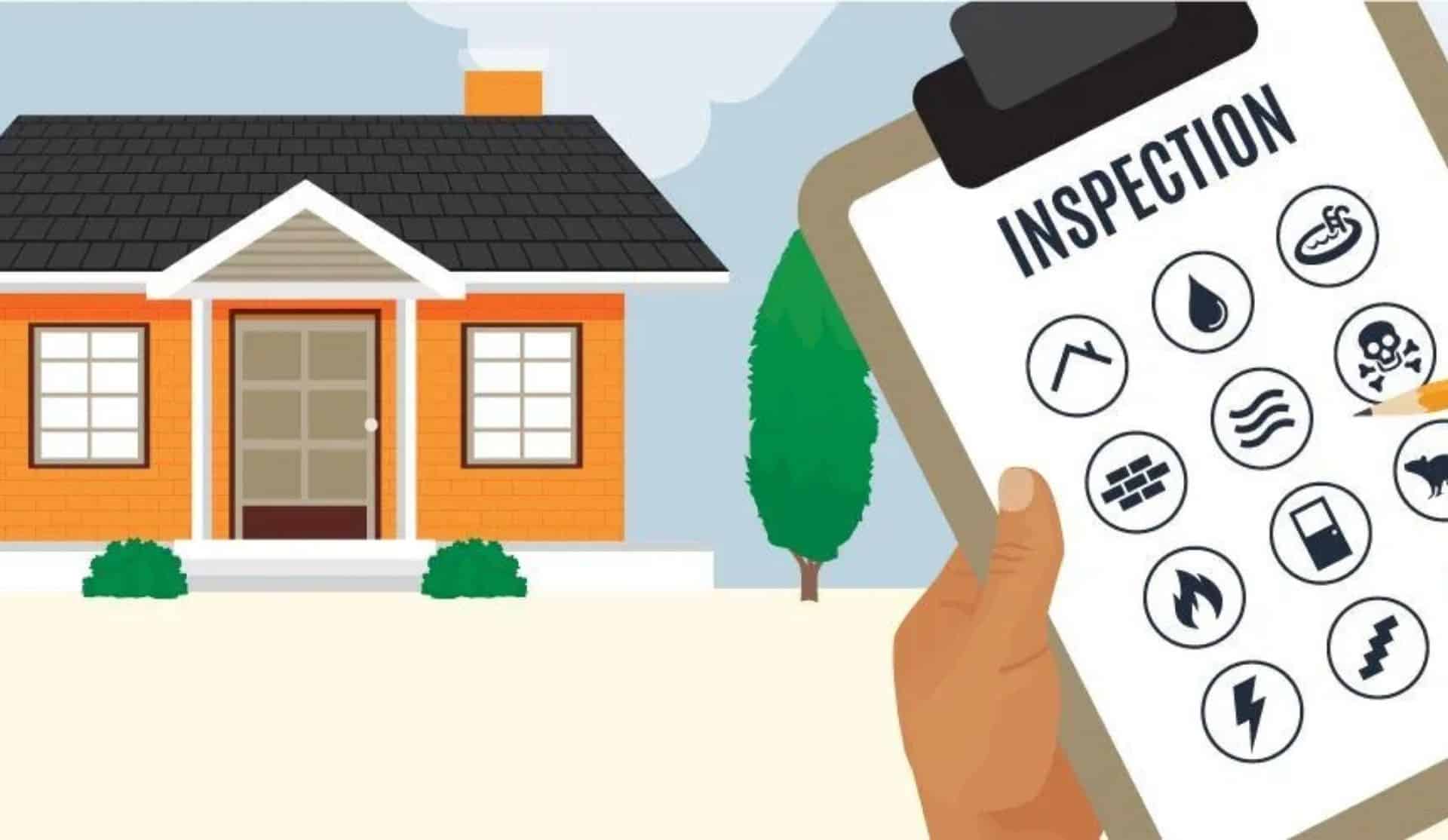
A property inspection broadly analyzes a rental property to determine its condition, check for potential problems, and check that it satisfies all lease obligations. These inspections may take place before, during, and after a tenant vacates. By conducting such inspections, the landlords ensure the preservation of their investment and the constant upkeep of their property.

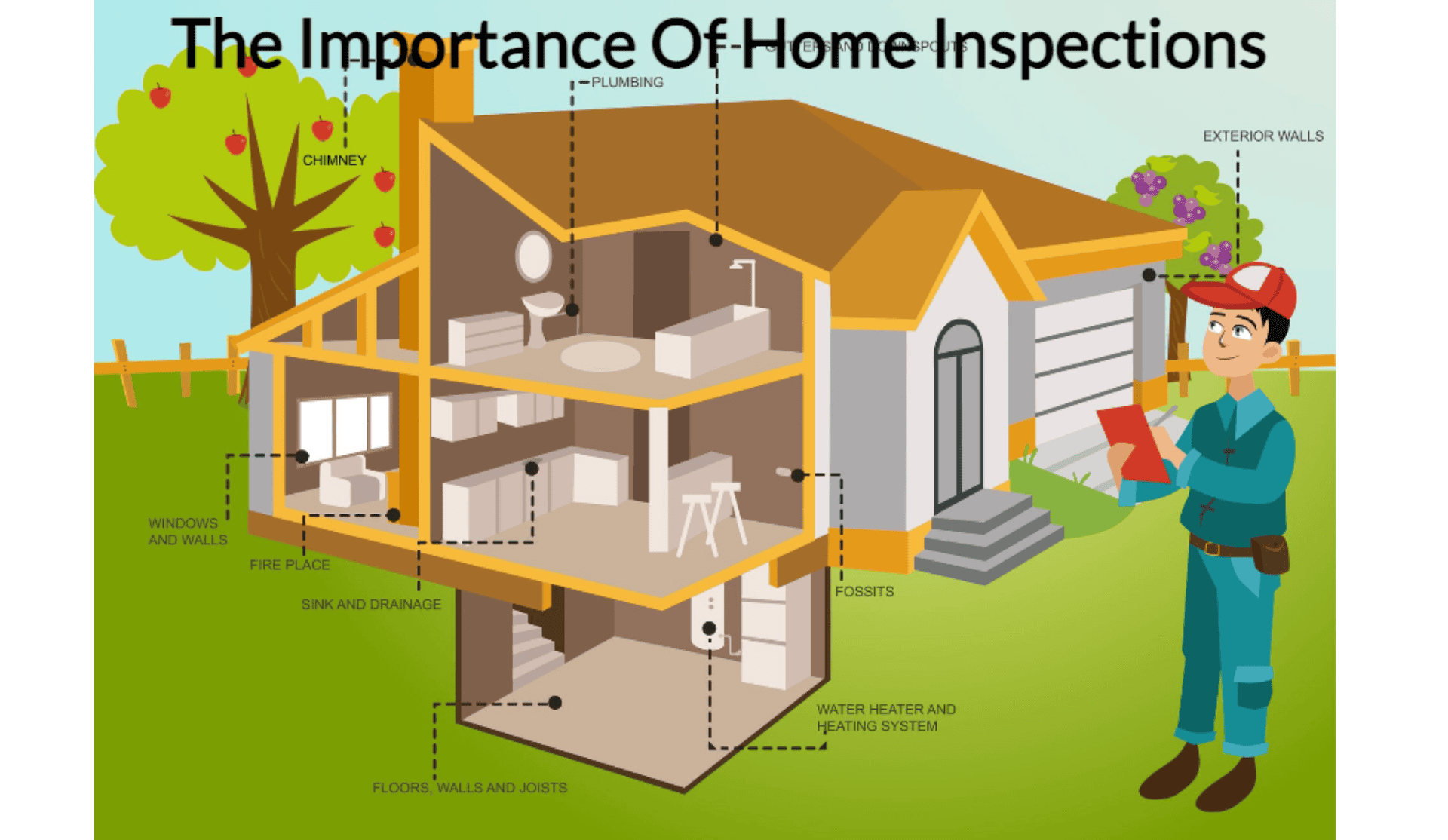
A home inspection is a complete check of a house’s parts and systems by a licensed inspector. It finds current and possible problems with the house, from small fixes to big safety issues. The inspector looks for damage in: The base, frame, and overall structure of the roof and attic space Water pipes, electrical wiring, and heating/cooling systems Kitchen appliances, windows, and doors Inside and outside conditions Safety risks like mold, harmful gases, or pests. The inspection usually takes 2-3 hours, based on house size and condition. After the inspection, get a detailed report of what was found.

Importance of Property Inspection

When it comes to real estate transactions, property inspections are a big deal. They help to detect problems early on, thereby limiting highly expensive repairs later on. Inspections help the buyer discover hidden problems that may affect the value of a property, ensuring that the price is justifiable.

On the other hand, inspections can help sellers identify and fix issues before putting their home on the market, thereby making the selling process much easier. In general, inspections are a win-win for everyone.

When hiring a property inspector, it is essential to ensure that the inspector is licensed and experienced in residential inspections. He or she should be proficient at spotting problems involving plumbing, electrical systems, roofing, HVAC, or foundation integrity. Comments and recommendations should be sought, and then check their thorough knowledge of local building codes.

Best Practices of Property Inspection

1. Carefully Go Over the Inspection Report

After the property inspection, take the time to go through their report. Typically, the report will provide specific findings, with photographs illustrating the issues, grading the severity to prioritize repairs, and then recommending appropriate repair options. Inquire if there is anything that needs the inspector to explain further.

2. Pay Attention to the Property’s Important Areas

Some specific areas of the home will require more scrutiny during an inspection due to their potential costs or safety considerations. The foundation should have a close look for any cracks or structural issues since these can be very expensive to repair. Roofing is also critical; leaks, missing shingles, or signs of wear that might contribute to water damage should all be in the inspectors’ sights. Plumbing problems like leaks and outdated piping can lead to troublesome repairs if they are not caught early.

3. Avoid Ignoring the Follow-Up Exam

With electrical systems, one should be alert to old wiring and safety hazards. HVAC systems need to be working well enough to ensure comfort; the functioning of windows and doors merits checking if they seal and insulate properly to prevent energy inefficiencies. Finally, watch out for pest signs, as they may render considerable damage over time.

4. Recognize the Negotiations and Costs

It is also important to look at a few maintenance issues that arise during a property inspection, where repairs may be needed therefore, he has to follow up concerning the inspection that ensure that everything has properly been fixed and thus prevent any hidden problems from returning.

5. If Necessary, Do Specialized Inspections

Problems discovered during home inspections may cause lengthy talks between prospective buyers and sellers. To make such a scenario more unlikely, buyers request sellers to either remedy the issue or reduce the price as a solution to cover recouping repair costs. They might also need longer before the closing date to finish fixing things. However, buyers can avoid this if they undergo pre-list pre-inspection and immediately take care of the problems.

The regular inspection will not include all the hidden dangers associated with a home. Special inspections can assess special considerations, such as:

— Termites and others

— Radon gas-level test

— Mold test in water-damaged areas

— Older homes’ sewer and plumbing issues may have a blockage or leak.

6. Record the Results for Future Use

Keeping a copy of the inspection report along with follow-up inspections is highly likely to be beneficial at later periods in the becoming of future repair work, insurance claims, or selling that particular property in the future. They will also act as references for ongoing maintenance and future upgrades.

Property Inspection Types

Property inspections can fall under different categories, each type serving entirely different functions. There are mid-tenancy inspections, for instance, HMO quarterly inspections, and inspections involved in insurance claims. Each inspection has its checklist, tailored to a specific purpose.

Solid routine property inspections are a must for landlords since they also help maintain the property’s condition while detecting probable defects early enough to make repairs and save costs and time in the future.

Landlord Responsibilities and Tenant Rights

Safety checks and repairs are essential in keeping the property safe. Tenants have a right to live peacefully in the premises they rent, and no one can enter without their permission except for emergencies, even the landlord. Again, landlords should not be stepping into their tenants’ homes without prior consent and should respect the tenants’ private lives.

Home inspection is critical whether one is buying or selling a home. To make the most of it:

• Choose an inspector wisely
• Be there during the inspection
• Read the entire report carefully

This way whatever there is to know about the house is understood without any unpleasant surprises. A detailed inspection allows buyers and sellers to rest assured a home is in good condition and safe.

Understanding Maintenance Tracking

Maintenance Tracking

Maintenance tracking solutions streamline routine maintenance and repairs, reducing service downtime, increasing customer satisfaction, reducing costs, and ensuring regulatory compliance, providing a centralized hub for efficient operations. Here are the components of maintenance tracking:

1. Management of work orders

These are, of course, from the title, can be understood as, a system for maintaining work orders aside from the activities of the technician. Moreover, it talks about the importance of tracking progress and offers features in parts ordering & inventory management.

2. Management of inventories

Unidirectional-wise, for inventory control, use barcode readers or manual entry to make sure to have enough supply for the maintenance of equipment. This keeps inventory organized by ensuring that parts are kept on hand when they are needed.

3. Management of Cost

The computerized tracking of all costs involved in the maintenance of assets was also applied. This will include costs incurred in buying a new asset, repairing parts, hiring maintenance personnel, and training employees on repair procedures. From an overall perspective, the system certainly will be meant to keep the maintenance management system streamlined and efficient.

Types of Maintenance Tracking System

1. Traditional System

Paperwork is still the most common means of logging maintenance. This means capturing things like dates and tasks in writing or on spreadsheets. While this method seems easy enough to use and understand, it has its issues:

Managers need reminders to document maintenance-related information manually. If they miss out or fall behind, the entire system collapses. Looking for parts takes ages. Technicians don’t see what’s available and have to track down records before contacting suppliers. Delays occur since everything needs to be written down. When technicians submit service requests, they have to wait longer for approval.

2. Computer System

Doing things manually is much less efficient than using a computer system. It puts all the information at everyone’s fingertips in one place. The system works by itself once the technicians input data. The system looks for a supplier gets a manager’s approval and places an order in case a part is to be replaced. All this happens at once, avoiding delays and saving time.

3. Mixed or Hybrid System

Mixed systems allow the manual entry of certain data while scanning barcodes on work orders or equipment documents for further information. Depending on the frequency of inspections and maintenance of the equipment, this system requires an individual to scan the information into the database amounting to about daily or weekly jobs.

Maintenance Tracking System Implementation

Before purchasing a maintenance tracking system, ensure it is necessary and meets their requirements. Plan a routine maintenance schedule to facilitate seamless operations setup of an appropriate system that solves business issues- could even hire someone who can develop software. Setting it up is quick and easy. Training employees so they can use it effectively and provide feedback.

Ensure thorough test runs of the system for proper functionality before preventing all smaller issues from growing into bigger problems. Test it before the long roll-out process goes on into all departments until everyone uses it. While setup time depends on the resources, the use of the system will be easy.

Use Property Management Software

Maintenance is streamlined with software tools such as DoorLoop or MaintainX. These tools automate maintenance requests and help keep track of work orders, as well as manage the payment of vendors. Streamlining this process allows for real-time work order status updates, greatly increasing efficiency and communication. In essence, introducing such software means smoother operations and better management of maintenance activities.

Preventive Maintenance

Preventive maintenance has several advantages beyond cost savings. One main benefit is fewer emergency repairs. Regular maintenance detects and resolves minor problems before they escalate to large ones. For instance, maintenance could avoid a major HVAC repair during the hottest summer months, which are invariably the costliest ones.

Another major benefit is the extended life of equipment. Water heaters that are maintained well may last 15 years or more; those that are put under neglect tend to break down within 8 to 10 years. Systems that are regularly maintained will have much longer lives.

Areas for Preventive Maintenance: Key Points to Consider

HVAC systems that get regular maintenance run for an extended period, and they tend to work very well. Maintain air filters and vents, and check the thermostat and drain lines every three months. Have a technician come by every six months to check and clean the whole system from the refrigerant to the condenser coils and moving parts.

Check monthly for leaking pipes and toilets and check the caulk around tubs and sinks. Use drain cleaner now and then and check the water heater for pressure and rust. Check for damage once every six months on walls inside and outside.

Understanding Tenant Communication

Tenant Communication

Effective communication about all difficulties faced by tenants, and addressing them appropriately, is evident in a good landlord-tenant relationship, which contributes to better management of operations. Although most NGO works are collected with other duties like collecting rent, studying applicants, managing finances, or pursuing more properties, strong communication, and the lucidness they offer make a big difference in long-term relationships.

Degradation of relationships comprises serious injuries to both parties in damage that can be done to the relationship at times, thus pointing to communication as top priority.

Strategies For Effective Communication with Tenants

1. Provide Tenant Education

It is of prime importance to inform tenants of the rental policy, rules, and procedures for maintenance work, and their rights. Such understanding of the tenant’s duties per se, will lessen any event with miscommunication during the hiring period.

2. Record Maintenance

Concerning Making Maintenance Records, Work Orders, and Tenant Communications All Be Contained within One Centralized System for Property Management. That way, an interested employee can easily access or refer to it. This means it’s easier for property managers to find whatever they want.

With the entire information present in one location, decision-making is more effective and informed. Centralized documentation thus efficiently places all operations directing them and improving communication within the management team.

3. Being Friendly but also Maintaining a Professional Profile

For landlords, tenant-related issues might not be very important. But good communication is very important for building a solid relationship with the tenants. Professional landlords should be friendly and approachable; otherwise, tenants can become troublesome with a standoffish approach.

A good lease outlines general rules and specific rules, including amounts to be paid in rent and late fees. Reminding a tenant of these specific rules in a friendly way can help reinforce them and prompt landlords to predict and tackle problems more timely.

4. Contact Regularly

Regular contact with tenants can nip many underlying issues in the bud. For example, a good tenant may pay on time and suddenly default, and in such a case, the landlord may be more inclined to be flexible and to work with the tenant rather than jump through hoops to chase out the tenant through late notices or eviction.

Good property management software will provide reminders for tenant contact, save time, and allow tenants their usernames and passwords to log in and check their payment history, maintenance requests, and lease information.

5. Loyalty Reward for Good Tenants

Good tenants are those who pay their rent on time, keep the property clean and nicely maintained—don’t require too much attention from their landlords during the tenancy. This contact lets relationships continue to develop.

A few check-in calls a couple of months apart, a nice thank-you note sent out at year’s end, or a small holiday gift will go a long way in showing caring without being too costly. It helps confirm a tenant’s value and appreciation.

6. Keeping an eye on the Response Time

To contact and address tenant messages within 24 hours, so that they will see that they care for things and that problems are being handled.

Provides updates and announcements from an email and online systems to make clear and understandable. They send messages with an added personal touch-through birthday greetings and lining up regular contact visits for that neighborly feel.

7. High Technology

It involves high technology, like sending automatic messages about a tenant’s rental dues and maintenance notices, as well as video calling to conduct a remote mission.

They provide a hearing to complaints and help to a just conclusion after discussions. An entire record of the conversation is maintained for future reference. The organization further promotes tenant feedback through surveys to improve service and express their value of customers’ opinions.

8. Clear and Communicable Communication

The company offers various communication methods, including email for transferring lease agreements and notices, phone for urgent matters, an online portal for rent payments, repair logs, and messaging, and a mobile app for managing rental requirements from any location, ensuring efficient and convenient communication.

9. Sensitive to Cultures

It promotes a respectful environment by cultivating cultures where communication is sensitive to context. Employees go for constant training on how to communicate and serve customers well for the betterment of their services to tenants. They cultivate openness and honesty about policies as a starting point for building trust.

10. Communication Plans In case of Emergencies

In case of emergencies, plans are put in place, making it easy for the tenants to know how to reach them in times of emergencies. Regular tenant board meetings provide feedback on issues and property updates. Organized communication records create clean and organized environments.

Conclusion

Home inspections become a faster, better process through cloud tools. These digital solutions allow faster viewing of detailed property inspection reports for both buyers and sellers, facilitate collaboration, and streamline paperwork further.

Whether a first buyer or selling property, it is required to learn how to run different inspections, schedule, and track maintenance, and communicate with the tenants properly so that they can avoid surprise repairs, safety issues, and real property worth. Technology makes all of this easier for the modern customer who expects a more digital experience. With the tools and techniques in use, everyone in the transaction chain-from the seller to the buyer and agent-can enjoy a more seamless experience.

Cloud Tools

How Cloud Tools Simplify Rent Collection and Financial Reporting

Today, taking care of rental properties is much different than how it was traditionally done. Many of the new cloud-based property management tools have brought such improvements in the areas of property management that everything is easier and better for both the landlord and property manager.

Cloud tools for rent collection and financial reporting have recently emerged in the United States with much hype owing to their ability to and many advantages such as automated, real-time tracking, and improved data security.

Understanding Rent Collection Services

Rent Collection

Rent collection was already a nightmare for landlords. Sometimes, landlords would have to wait for their tenants to mail the checks or to make the physical road trip to collect cash. Besides being slow, there were issues like lost mail and bounced checks with this procedure. All in all, it was an agonizing ordeal, which was then made worse by scheduling. To add to that, security issues relating to cash handling and personal check data became a major concern.

Since the break of COVID-19, people who fall under different age brackets have been using cashless compared to before. Of course, cash use among older people is still higher than younger ones, but it has not always been this way. Cash was used to a similar extent by young adults (18-24) and persons over 55 before the pandemic. However, from 2019 to 2022, cash use reduced most among young adults: a drop by 20%. People aged 35-44 reduced their cash use by 7%, whereas 11% was reduced among those aged 45-54.

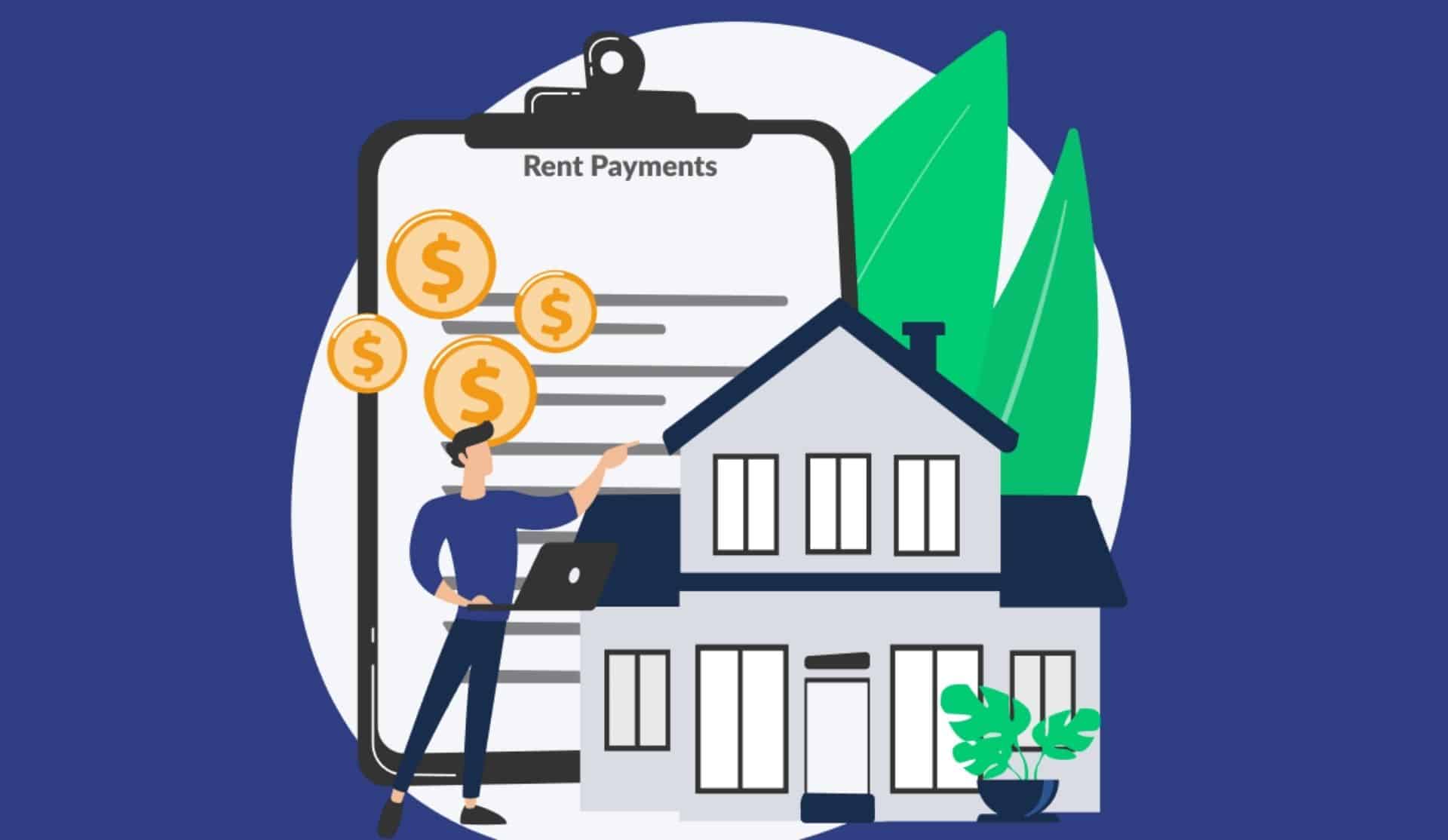
Modern tenants, it appears, are now preferring to pay their rent via online payment methods rather than using cheques or cash. Online rent collection has become, in fact, not only a convenience but an essential means for landlords to run their businesses with ease. Online rent collection services also speed up the collection process, providing safety and organization.

They send automatic reminders to pay rent, help keep track of payments, and consider reducing late payments, all of which save paperwork time for landlords and enable them to get paid with more reliability. Besides aiding landlords, these online services facilitate rent collection for tech-savvy tenants.

Both tenants and landlords find it very helpful to use the online rent collection: tenants can pay rent through the Internet instead of cash or checks. The system will remind the tenants when the rent is due, while automatically providing the option to add late fees when applicable.

Tenants will be able to make payments through credit card, debit card, or transfer from a bank. A landlord can see all payments in one place and track who has paid without roll-paper use. It saves time for the landlord to stand in line with papers.

Benefits of Online Rent Collection Services

Benefits of Online Rent Collection Services

1. Enhanced Productivity

Today, landlords enjoy online rent collection services that help streamline rent payment processing by automating all repeated processes. This means more time savings and less manual intervention. This software does more than just collect payments; it reminds dues and enables property managers to focus on more important things, such as tenant relations and maintenance.

Such services would provide the landlords with full and real-time status of the payments made by tenants, with the understanding that a single portal would help to identify and resolve any such discrepancies pretty fast. This clarity will keep all anger from burning and help ease the payment disputes into much more effective rental income management.

2. Better Cashflow

Other major advantages of online rent collections include improved cash flow with advanced automation. This can reduce the incidence of late payments simply by providing incentives for tenants to make electronic payments on time.

Research shows that tenants who use digital methods for payments are 50% more likely to pay on time compared to those who still rely on checks. Cash flow is much more predictable and thus can take care of many property expenses, thereby financially securing both landlords and tenants.

3. Tenant Convenience

Tenants also appreciate the ease of digital payment options. Paying by credit card, debit card, or bank transfer is as seamless as online shopping. Therefore, tenant satisfaction is likely to lead to high customer retention and minimal turnover. Addressing the contemporary needs of tenants will undoubtedly improve the overall experience of tenants.

4. Automated Notifications and Reminders

By automating messages as reminders to pay, online rent-collecting services have greatly simplified the lives of landlords vis-a-vis paying tenants. No tenant can ever forget about the due date, and this almost eliminates the chances of tenants misusing their rent. It can minimize the number of late payments.

The reminders work on their own when set up, thus relieving the landlord from following up. A clear definition of the purpose that notices are serving during late payment makes the whole renting process less cumbersome to property management.

5. Increased Protection

This majorly deters online transaction security because most trusted rent collection websites demand high-end encryption and other security measures to make online transactions extremely secure for all kinds of financial transactions.

It will give lesser protection against asset theft and loss, which usually come along with traditional payment modes such as checks and cash. However, such methods do not only safeguard the aforementioned people but also inherently secure the information of both landlord and tenant by their adherence to industry standards as far as safe transaction is concerned.

6. Information and Evaluation

The benefits of online rent collection include great data and reporting tools that reveal extremely deep insights to landlords into the payment history and trends. This makes it possible for the landlord to know which properties tend to experience late payments frequently and where the problems can be resolved upfront.

One would have an easy time when filing taxes and accounting because payments are consolidated to simplify cash management by landlords. With a very clear grip on the financial trends, landlords can easily make future investment decisions.

What Is a Cloud Property Management Software? How Does this Software Works?

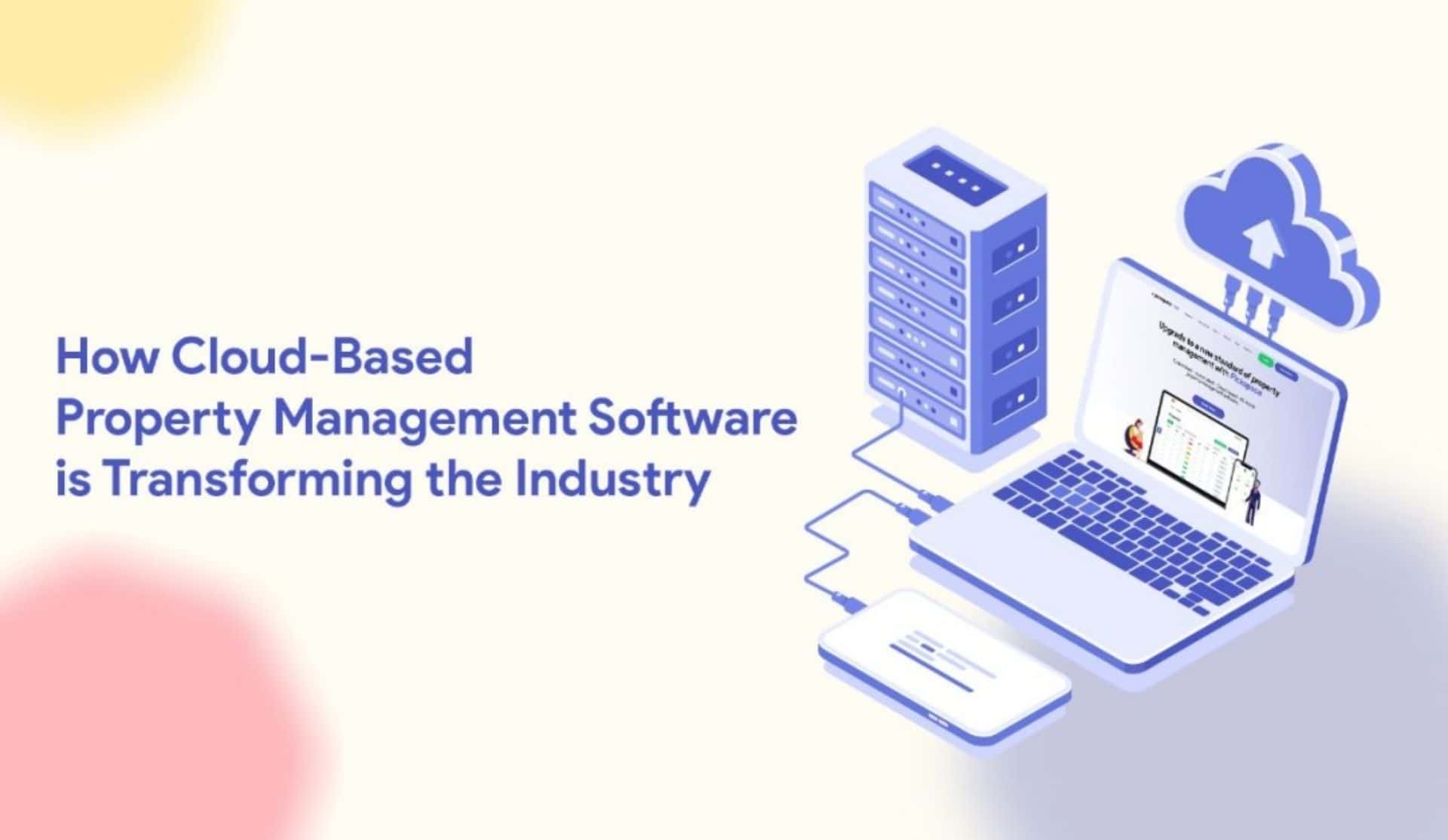
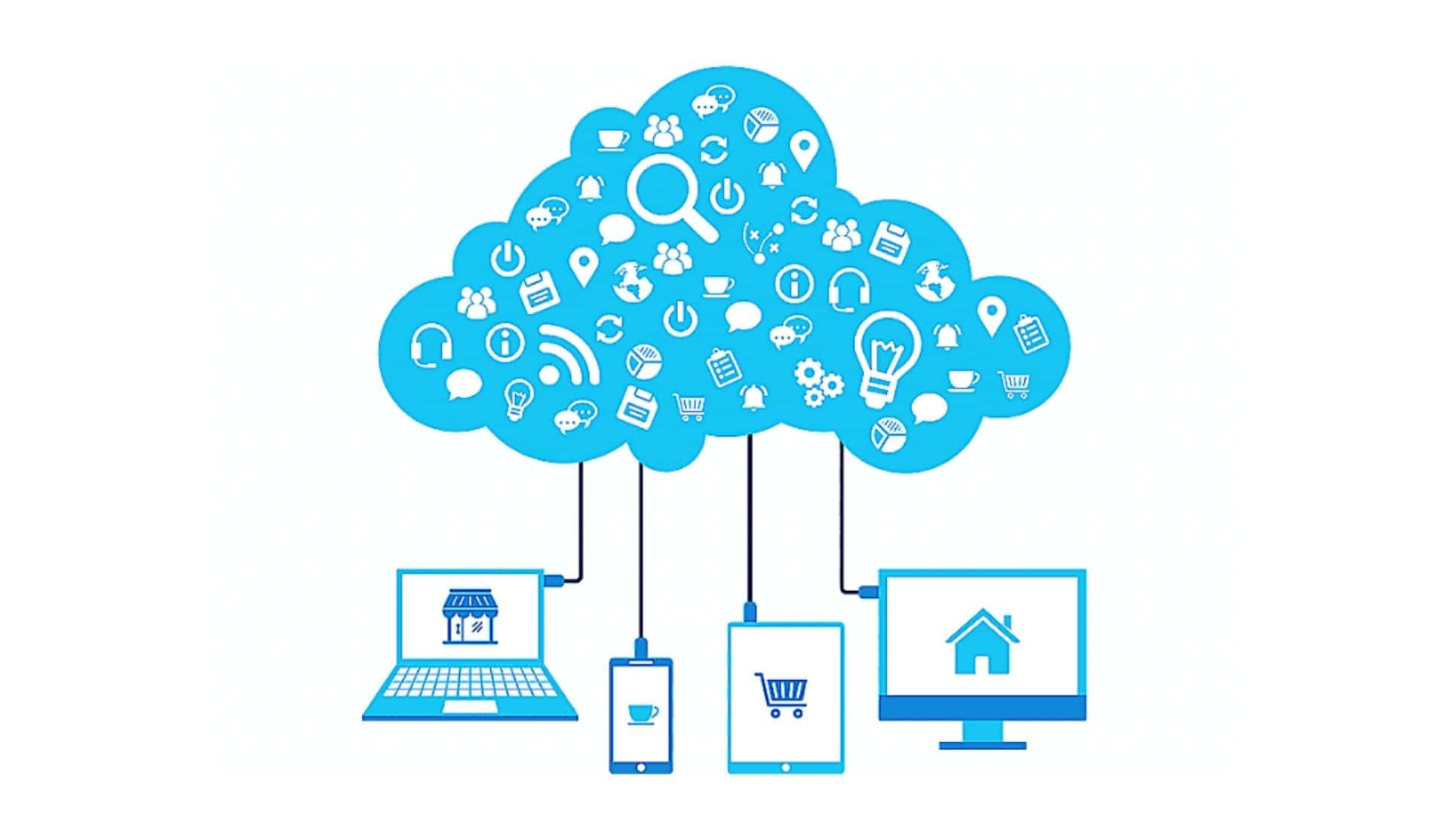
An ideal cloud property management system is a system that runs on internet servers and is accessible from any internet connection. It is connected thoroughly and easily to other services such as payment facilities, maintenance tools, and accounting software.

Security and privacy are ensured using strong security measures and password-protection systems. Thus, it is entirely safe for property managers to store private information about tenants and finances. Cloud property management software is a boon in making routine tasks automatic and providing immediate access to information. Generally, some popular systems include Yardi, AppFolio, and Buildium, among many others.

Features of Cloud Software That Are Useful

Cloud property management systems are valuable because they make work easier by doing tasks automatically, letting you access information instantly from anywhere, and keeping everything in one place. The real power comes from their specific tools and features.

1. Simplified Access for Tenants and Owners

Modern property management platforms create a seamless experience. Instead of visiting the office, tenants and owners can access everything they need—leases, documents, payment history—through intuitive online portals.

2. Streamlined Rent Collection

Rent collection becomes easier and more reliable. These systems automate payment reminders, track who has paid, and provide clear records—helping both tenants stay on schedule and managers stay organized.

3. Faster, Transparent Maintenance

Maintenance requests are submitted online, assigned instantly to staff or contractors, and updated in real time. Tenants receive notifications throughout the process, improving trust and communication.

By automating the dull tasks, managers are left to think about what is truly important; retaining good tenants and growing business

What Advantages Do Cloud-Based Rent Collection Software Offer?

Cloud-based tools for collecting rent have become the norm in the industry for their convenience and flexibility. Property managers can access all tenant and payment information while in the office, at home, or on the road. Such software provides real-time data through updates, which improves communication between finance teams, tenants, and property managers. In contrast, solutions implemented on-premise restrict access to a particular physical location, making it challenging for the team to keep current on portfolio performance. The demand for high accessibility and communication in property management generally manifests itself in the transition to the cloud.

Cloud technologies overturned the conventional method of collecting rent by making accessible a variety of payment options and automated reminders, with immediate tracking of payments received or not. Consequently, landlords spend less time worrying about missed payments and less administrative overhead while improving cash flow through timely payments from tenants.

When it comes to financial reports, cloud-based platforms bundle together the accounting functionality, prepare comprehensive reports, and give a helping hand when it comes to taxes. By bringing financial data under one roof with high-security levels, these tools make it easy and secure to manage rental income and expenses. On the whole, one could point out that cloud tools have made complete modern property management all about comfort, efficiency, and better access to finances.

Improving Financial Reporting Using Cloud-Based Tools

Cloud-based platforms allow for much more than collecting rent: they offer integrated accounting features that simplify financial reporting. Landlords can generate property financial reports to provide comprehensive details on income, expenses, and overall financial health to aid informed decision-making along with ensuring the financial stability of the rental property itself.

Moreover, assisting in tax preparations is very advantageous for cloud tools. Since all financial data is in cloud space, properly organized, and securely stored, landlords can lay hands on information for tax-filing purposes while avoiding errors. Encryption and access controls are applied to keep sensitive financial information protected from threats.

Top Rent Collection Apps

Rent-collection apps save landlords time on trips to the bank and endlessly wait for a check in the mail. They also enable tenants to pay promptly. These apps are so handy that can be used to deal with most of the day-to-day matters concerning rent collection, like keeping track of who has paid and interacting with tenants right from the phone.

• Stessa

• Buildium

• PayYourRent

• TenantCloud

• TurboTenant

• Rentec Direct

• Zillow Rental Manager

• RentRedi

• Zelle

• PayPal

• Venmo

Cloud Technology’s Role in Financial Reporting

Cloud Technology’s Role in Financial Reporting

Financial data is now able to be tremendously managed in the business using cloud computing. Most organizations are changing traditional on-premise systems into cloud-based platforms. Important financial operations such as forecasting, accounting, and compliance reporting now can be performed in real time.

Such cloud technology makes the management of financial data much easier than ever before because it directly affects the accuracy and efficiency of financial reporting. Overall, it is nothing more than cutting-edge cloud computing that enhances access to vital data while simplifying financial processes.

1. Improved Accessibility

Users of many cloud technologies are now able to access financial data and applications from throughout the world wherever there is an internet connection. Enhanced accessibility is the primary advantage of this.

The big advantage is that users are no longer expected to globally wait for access on-site for too long, thereby ensuring timely reporting based on updated information. Especially for organizations having multiple sites or working with remote users, this flexibility becomes highly beneficial.

2. Instantaneous Cooperation

Another significant advantage provided by cloud technologies is the ability to work with teams in real-time. This allows teams of finance professionals to work on documents, analysis, and reporting without having to deal with version control issues. This collaborative environment greatly contributes to the accuracy of financial reporting while reducing bottlenecks.

3. Tracking Compliance and Automatic Updates

Also, within the context of compliance tracking and automated upgrades, cloud-based financial solutions excel. The constant updates pushed by the vendors will help businesses remain compliant by adapting to new rules without burdening their workforce with continuous checking.

4. Cost-Effectiveness

Another benefit of cloud technology is its cost-saving ability. Cloud-based financial reporting solutions are operated by subscription and hence save heavy hardware and software capital expenses, as opposed to conventional ones.

Businesses, therefore, only need to pay for what they require, allowing a reduction in the initial capital costs and the ongoing costs of ownership. Another advantage of cloud environments allow these companies to intelligently scale up or down their resource utilization without putting pressure on their budgets.

Adherence to and Maintaining Compliance with Cloud Technology Regulations

With cloud-enabled systems, companies are on track to integrate their financial data and create improved compliance tracking and monitoring. The organization of several systems is no longer needed; 100% visibility over transactional logs and audit trails can be achieved directly. Modern cloud platforms will generate automated reports and alerts; thus, it will allow a business to set notifications on compliance thresholds and transactional balances.

The needs to mitigate risks and penalties are done. Security measures by cloud service providers include encryption, multi-factor authentication, and regular audits that protect sensitive financial information. The cloud solution also provides audit readiness with inbuilt tracking of financial transactions and user interaction for easy generation of comprehensive reports.

What Makes a Cloud-Based Property Management System the Better Option?

Moving to a cloud-based system for managing properties offers key advantages: where someone can work from anywhere and save money.

1. More Efficient Communication

A cloud-based property management system (CBPMS) has solved the problem of effective communication in property management by providing a single platform for owners, tenants, and property managers to have transparent and real-time communication.

This technology allows tenants to raise issues quickly and for owners to receive performance metrics without engaging the management directly; it also allows property managers to disseminate announcements, track maintenance requests, and provide updates on repairs.

2. Accessibility

CBPMS allows property managers to do their job effectively and remotely, as the mobile nature of the solution is a game changer. With 85% of property managers saying technology has made them far more productive, this flexibility is paramount.

The system manages everything from rental applications to maintenance requests all through a mobile app. For tenants, mobile access also makes it easy to pay rent, request maintenance, and find out the status of their accounts.

3. Savings on Expenses

Another major advantage of moving to a cloud system is cost savings. Cloud systems are different as they work on a subscription model that includes updates and support, whereas with traditional on-premise software, and can have a heavy investment in hardware and IT support.

Under this model, it is estimated that property management costs can be reduced by 30% and emerge as a very scalable and affordable solution for property managers, whether large or small.

Conclusion

It has brought a lot of revolution between landlords and property managers concerning rent collection and financing reports in the USA due to the cloud incorporation into property management. With these tools, landlords are also facilitated in managing open transactions due to enhanced cash flow and improved security. On this note, tenants, too, will consider paying their rent online to satisfy their digital lifestyles.

Thus, cloud tools not only cater to a slimmer operation but also curtail the overhead headaches suffered by landlords so that all can be diverted toward property management’s more critical concerns. As they increase, so are the opportunities for tenants to pay their rent online. Adopting such cloud-based platforms will not only keep a landlord ahead in a competitive market but also fulfill the ever-changing demands of the new-age tenants today. Therefore, the future of property management encompasses the use of technology to create easy, safe, and tenant-friendly conditions.

cloud-based management

Boosting Efficiency in Rental Operations with Cloud-Based Management Systems

The management of rental properties in the USA is in transition because of cloud-based management technologies. These provide a vastly different approach to executing property management procedures. Hence, all put together, this means streamlined processes; therefore, they significantly increase efficiency. The very implementation of this technology brings about decreased pricing, thereby making property management an economically feasible option. This also has raised the tenant satisfaction level, thereby fortifying the fact that these changes are transforming the renting ecosystem for the better.

Cloud-based management solutions have turned the rental market upside down and have offered quite a lot of benefits to improve daily operations and efficiencies. Those solutions concentrate on numerous operations, automate mundane tasks, and encourage better communication, thus changing the operational environment for the rental business.

Understanding Rental Operations

The rental sector includes companies that rent or lease machinery, vehicles, and buildings. These organizations operate in a dynamic environment requiring the efficient management of multiple tasks, such as inventory control, contract management, invoicing procedures, maintenance scheduling, and customer support. Inefficiencies in any of these areas of operation can result in substantial monetary losses and diminished customer satisfaction.

Emergence of Cloud-Based Management Systems

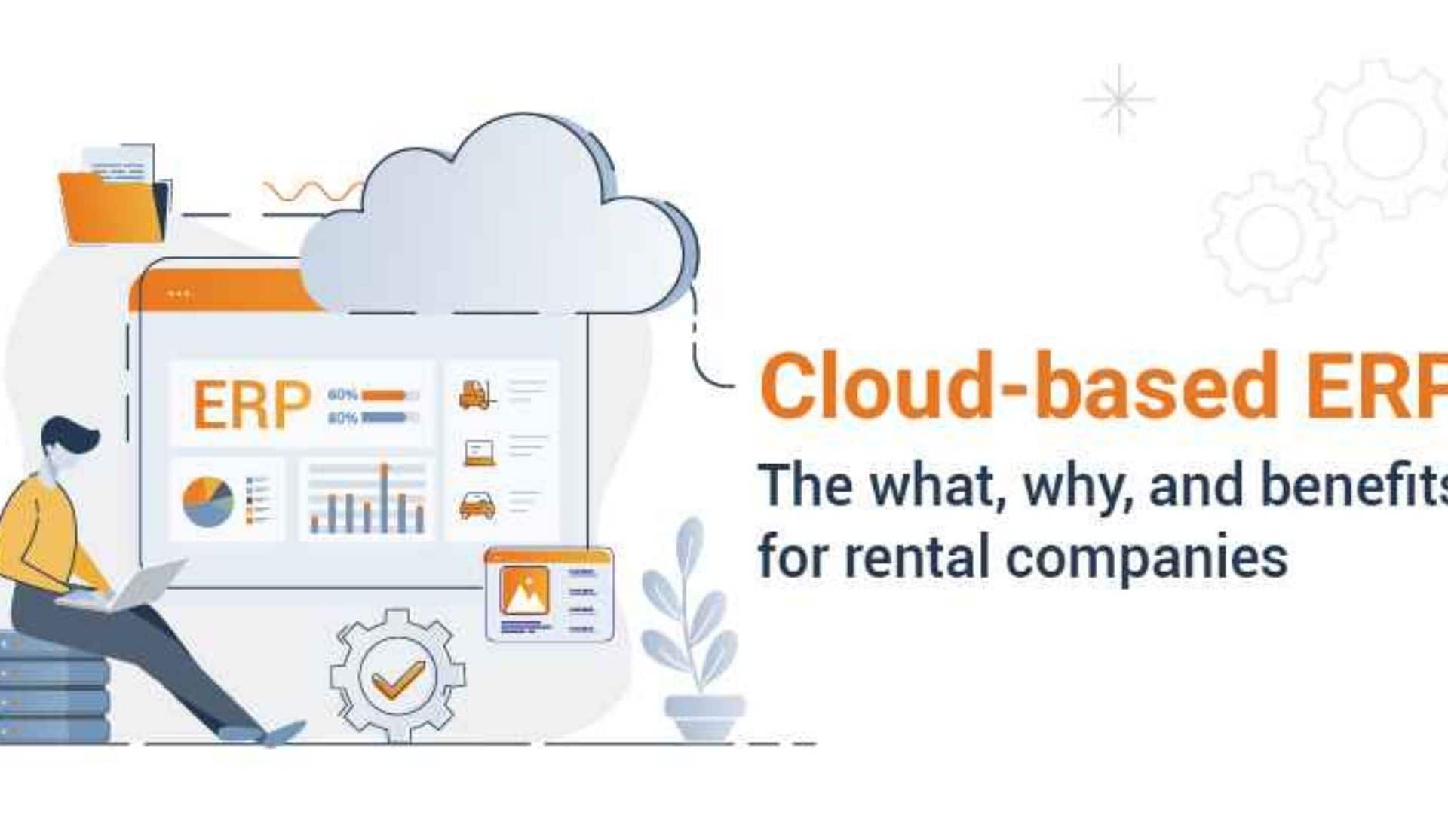
More and more rental companies are now resorting to cloud-based ERP software to solve operational predicaments. These applications integrate several business processes into one unified platform, thus facilitating operations and enhancing global efficiency. Unlike the case of traditional (Enterprise Resource Planning) ERPs, which require owner-hosted installations, cloud ERP runs on vendor servers accessed via the Internet. As a result, this eliminates heavy hardware investments and provides the flexibility for companies to access their data anytime and from anywhere.

Regarding the advancements and the efficiency made with the installation of these technologies, especially in the scope of rental practice in the USA, there are a good number of improvements including huge cost savings, tenant satisfaction, and data security. Cloud-based management tools are, therefore, the avenue for improving the performance and efficiency of rental businesses.

How do Cloud-Based Management Systems boost the Efficiency of Rental Operations?

Improvement of Assessment Management

Cloud-based enterprise resource planning systems allow companies to manage their assets through real-time tracking of asset location, usage, and maintenance schedules; hence, preventing asset misplacement and improving their utilization.

Centralized Management

Rental management tools have their benefits in the centralization of property management tasks. Such a web-based platform allows property managers to access critical information from anywhere, thus organizing tasks, tracking maintenance schedules, managing leases, and communicating with tenants. This centralization reduces the manual approach to record-keeping and lessens the administrative burden.

Cloud-based management solutions provide centralized service for all rental operations. This centralization allows property managers to access important information from anywhere, such as financials, tenant information, and maintenance requests. This makes manual record-keeping redundant and greatly reduces administrative burdens. Property managers can now manage multiple properties from a single interface, simplified work processes, and consistencies in their operations.

Streamline Maintenance Operations

In addition, Cloud ERP integrates all business processes into one single platform with little manual data entry required and further breaking down the operational silos. This way, businesses can handle contracts, payment processing, maintenance scheduling, and customer inquiries all in one workflow, increasing productivity.

Maintenance management is a critical piece of property management, and rental management applications facilitate this. These applications let property managers raise maintenance requests, track maintenance requests, schedule appointments, and ensure that resolutions are executed on time. Therefore, optimizing maintenance operations reduces property manager downtime, reduces repair costs, and enhances tenant living conditions.

Enhancing Decision Making

Informed decision-making relies heavily on real-time data and analytics made possible through Cloud ERP. Timely data access allows companies to forecast demand, optimize pricing, and control inventories more effectively. These capabilities amalgamate to provide better operational efficiency and support strategic planning.

Enhancing Communication

Communication plays a very important role in the rental business, which is why rental management tools are valuable in improving communication among property managers, tenants, and maintenance teams. Online portals, messaging systems, and tracking for maintenance requests add to effective communication, which translates into greater tenant satisfaction and more transparency and accountability within the rental process.

Automation of Routine Tasks

The cloud-based management system allows for the automation of routine tasks as one of its core advantages. Such processes include the collection of rent, calculations of late payment fees, and reminders for tenants. Various other activities are streamlined, thereby greatly reducing human errors that may result in late payments. This, in effect, makes for more efficient operations but also allows property managers to focus more of their time on strategic business matters.

Data Analysis and Insights

Cloud-based management tools foster superior data analysis. The organizations keep detailed information and insights on pricing, market trends, tenant needs, and vacancy percentages. Data provides informed decisions to the organization on how to adjust rental prices and alter advertising campaigns to capture fresh tenants. Market players who understand the role of the data and are willing to invest quite some money into analytics can steal a march on their counterparts by using data for competitive advantage and income improvement.

Cost Savings

Cloud-based software programs empower rental organizations to realize substantial savings from administrative expenditures. Property management may be made more cost-effective by automating storage operations and enabling maintenance management to be streamlined. This transformation from manual to digital systems has the potential to enhance not only space for physical storage but also many seemingly tedious clerical functions. This in turn provides great room for growth with two principal advantages: virtually no capital of incremental cost for expansion.

The use of cloud ERP solutions for cloud service might be cost-saving for rental-management businesses by cutting back IT infrastructure spending. Most ERP solution vendors offer flexible payment terms that make it more affordable for rental enterprises to acquire cloud ERP applications.

Scalability

Cloud ERP solutions allow flexibility within rental businesses, scaling the operations to meet changes in demand. This flexibility becomes pertinent during seasonal changes when businesses can align their resources accordingly.

Enhanced Security

Property management organizations keep security as their priority. Cloud-based management software includes enhanced security features such as encryption of data, automated backups, and secure access restrictions. These serve to protect critical tenant and financial information against unauthorized access and cyber threats, thereby enhancing confidence and ensuring operational integrity.

Increased Tenant Satisfaction

Ultimately, tenant satisfaction is a cardinal target for property management organizations. With cloud-based platforms, a tenant’s experience improves through interactive web interfaces for payments, maintenance requests, and interaction. With more transparency and efficiency come better tenant retention and positive reviews.

Why Should Rental Operations opt for Cloud-Based Management Systems?

Cloud-based management systems present unique opportunities for rental businesses aspiring to achieve higher efficiencies, and they allow the smooth functioning of business operations, facilitate decision-making processes and provide a framework that could meet the speed requirements of growth. The process of evolution in the rental industry will, therefore, provide insight for the affected businesses in applying cloud ERP to face future challenges in retaining competitiveness. The cloud-based management system also provides solutions that include real-time operational visibility, seamless integration of systems, and analytical abilities that contribute to enhanced productivity.

Many rental operations have, with the help of cloud-based systems, been revolutionized, whereby repairs can now not only be tracked but also scheduled effectively, thus reducing downtime and repair costs. The sheer extent of these systems’ data analysis capabilities enables property managers to make decisions based on market trends, tenant preferences, and vacancy rates. This, in turn, permits optimizing rental pricing and marketing strategies.

By their very essence, cloud-based management systems offer significant cost-saving possibilities: from reducing manual processes to removing physical storage space and administrative resourcing to being expandable without heavy financial investment. Security is surely a big issue here as well: the systems are outfitted with data encryption, periodic backups, and secure access controls.

Conclusion

In conclusion, cloud-based management solutions are changing the rental property management profession in the U.S. by centralizing operations, automating tedious tasks, improving communication, and supplying data insights. As technology progresses, cloud-based management solutions are going to take center stage while fostering industry expectations for efficiency and quality.

The incorporation of cloud-based systems in management applications is said to have completely transformed property management in the USA concerning improving operations, automating mundane tasks, improving communication, and giving valuable insights through data. They have centralized operations, putting the workflows into a neater order and lessening the burden of administration. They have also improved communication between property managers, tenants, and maintenance: ultimately improving tenant satisfaction and retention rates.

Smart Rental Maintenance

Smart Maintenance: IoT + Cloud Platforms for Predictive Repairs


The property rental industry has undergone a complete overhaul in the past decade amidst the technological revolution. This radical transformation is fueled by integrating cloud-based software and predictive analysis. Property managers and landlords are adopting these smart rental maintenance platforms to upgrade from the old model of rental maintenance, most popularly the “reactive model.”

Most modern cloud-based tools leverage IoT sensors, machine learning (ML), and advanced artificial intelligence (AI) to predict equipment failures. After detecting failures, these systems notify the property managers and landlords, suggesting quick actional insights and recommendations to address the issue. 

This article will cover the basic concept of predictive maintenance, how cloud-based technology adds its bit, and more. 

The Evolution of Rental Maintenance

The Evolution of Rental Maintenance

Five to six years back, maintenance was done when the issues were staring at you. Property managers and landlords had to wait for the repairs to emerge organically, following a reactive approach. This leads to two problems: first, you don’t know the severity of the issue, and second, you don’t know how much time it will take for you to solve that issue. You may be able to see the faults in this system; it invites dissatisfied tenants, rushed repairs, and unpredictable costs. 

Let’s see how this reactive approach developed into a preventive, which is now being replaced with the predictive approach as we speak:


  • Reactive Maintenance: 

As mentioned, most rental businesses ran on the “if it’s not broken, don’t fix it” idea. Once the tenant notices some malfunction, be it a leaky faucet or a failing HVAC system, they would submit a request. 

While it seems straightforward, it’s not; this approach often yields higher costs in the long run because deferred problems can worsen, requiring more complex (and expensive) interventions.


  • Preventive Maintenance: 

Over time, the landlords and property managers shifted from a reactive approach to a preventive approach as anticipating specific recurring issues was possible. So, property managers stopped waiting for the repairs to emerge instead, they began to implement scheduled maintenance routines like changing HVAC filters every few months, clearing gutters periodically, or checking smoke alarms quarterly. 

While it was a proactive approach, preventive maintenance relies on fixed schedules and generalized assumptions. This model lacks the nuanced insights of real-time data, leading us back to zero again.


  • Predictive Maintenance: 

Now comes the more action-oriented stage. With advancements in sensors, cloud computing, machine learning, and, most recently, AI, a new paradigm emerged. Instead of taking action periodically or only when needed, property managers can now use real-time data to predict an issue before it happens. 

Predictive maintenance optimizes timing, addresses problems immediately, and extends the life of key systems and equipment. Cloud-based systems centralize data from dispersed properties into a unified dashboard, enabling real-time monitoring and analysis. This eliminates the need for on-premise servers, reducing infrastructure costs while improving scalability. For example, these platforms use IoT-enabled devices to monitor HVAC systems, plumbing, and appliances in real time, flagging anomalies such as unusual vibrations or temperature fluctuations.

Predictive maintenance can be scaled across large property portfolios thanks to the proliferation of sensors and the ability to automate data collection. Consequently, property managers are increasingly attracted to these robust, data-driven solutions—paving the way for next-generation rental management.

Understanding Predictive Maintenance

Understanding Predictive Maintenance

Here’s the basics of how the actual system works:

  • Data Collection:
    Predictive maintenance begins with gathering data. IoT sensors embedded in vital systems collect these data points. It can be embedded in HVAC units, electrical circuits, water pumps, or structural elements. After the initial setup, it’s time to collect real-time information about temperature, vibrations, humidity, voltage, and operational cycles. This data is then transmitted to the cloud, where it is crunched and processed.

  • Condition Monitoring:
    Cloud-based platforms compare incoming data against predetermined benchmarks or historical performance metrics. This is happening constantly in the background, so the software detects and flags even the tiny variations that might signal early stages of failures.

  • Diagnostic and Prognostic Analytics:
    Using advanced analytical models, including AI and ML, cloud-based platforms predict how long certain components can function before requiring maintenance. Diagnostics pinpoint the exact failure modes, and prognostics estimate the timeframe of failure.

  • Actionable Insights:
    Predictive maintenance software generates alerts for property managers, letting them know which system or component might need attention and when. This data can also be tied to an automated workflow, which promptly schedules technicians and ensures they have the right parts.

The Role of Cloud-based Software in Rental Property Maintenance

While predictive maintenance is revolutionary, cloud-based platforms genuinely bring these insights to life in a practical, scalable manner. Traditional property management software solutions often operate offline or run on on-premises servers, limiting their capabilities. Cloud-based solutions, however, offer several distinct advantages that foster efficient predictive maintenance:

  • Real-time Data Integration

Property managers can centralize all property-related information—like sensor readings, maintenance logs, and inventory lists—by hosting data in the cloud in one secure location. These data streams can be continuously updated through the cloud, enabling managers to respond to an evolving maintenance situation in real-time


  • Scalability and Flexibility

As a property management portfolio grows, so does the quantity of data generated. A cloud-based system scales seamlessly, accommodating more sensor devices, properties, and users. Upgrades and maintenance of the software platform do not disrupt day-to-day operations; these updates happen automatically and continuously, keeping the system current.

  • Reduced Upfront Costs

Property managers using cloud-based platforms typically pay subscription fees instead of investing in large servers or robust local IT infrastructures, turning capital expenditures into more predictable operating costs. This subscription model also means property managers benefit from immediate access to software updates, new features, and support services.

  • Enhanced Collaboration

Software solutions hosted in the cloud can be accessed from anywhere as long there is an internet connection. This is particularly important in property management, where many players in the system, such as builders, maintenance staff, suppliers, property managers, and tenants, may need to access important information at crucial times. 

For example, landlords, property managers, and tenants can track the entire process of the maintenance request from their mobile devices or tablets. They can ask for updates from within the system and get real-time updates on the move. 


  • Data Security and Regulatory Compliance

Reputable cloud service providers invest significantly in robust security protocols—firewalls, encryption, and identity management—to protect user data. They also ensure compliance with data storage and tenant information privacy regulatory requirements. This level of data protection is often challenging to match with in-house systems, particularly for small or medium-sized property management companies.

Benefits of Smart Rental Maintenance for Predictive Repairs

Benefits of Smart Rental Maintenance for Predictive Repairs

Implementing innovative rental maintenance strategies that leverage rental cloud-based software for predictive repairs delivers a wide range of benefits for both property owners/managers and tenants. Below are some of the significant advantages:

Cost Savings

Predictive maintenance reduces the total cost of asset ownership by catching minor issues early, preventing those issues from escalating into full-blown, expensive repairs. Not only do maintenance interventions become more targeted, but they also occur at times when parts and labor can be scheduled efficiently, further lowering costs.

Prolonged Asset Lifespan

Equipment such as HVAC systems, elevators, water heaters, and major appliances operate more efficiently and last longer when maintained based on real-time performance data. With the ability to identify early degradation, property managers can reduce wear and tear, boosting the longevity of capital-intensive equipment.

Reduced Downtime

Unplanned downtime due to sudden equipment failure can be highly disruptive—particularly for large apartment complexes or commercial rental buildings. By predicting failures before they happen, cloud-based software empowers property managers to schedule repairs during low-occupancy or off-peak hours, limiting tenant disruptions.

Improved Tenant Satisfaction

Tenants increasingly expect seamless living experiences. With predictive maintenance, breakdowns are minimized or addressed more quickly when they occur. Moreover, high-quality maintenance that keeps buildings well-functioning and safe leads to happier residents and potentially higher tenant retention rates.

Environmental Sustainability

Well-maintained HVAC units or water systems function with greater energy efficiency and fewer leaks, reducing resource consumption. Smart maintenance programs can actively monitor consumption, ensuring the property’s environmental impact remains as low as possible.

Actionable Reporting and Compliance

Cloud-based systems simplify compliance with local regulations. Automated record-keeping ensures you have a trail of performed maintenance, safety checks, or inspections. All data is easily retrievable from a single platform during audits or regulatory checks.

Conclusion

Integrating IoT-enabled devices and cloud-based platforms is transforming the property rental industry by advancing reactive and predictive maintenance strategies. Predictive maintenance minimizes costs and prolongs the lifespan of critical systems but also reduces downtime, enhances tenant satisfaction, and supports environmental sustainability.

Cloud-based solutions are the backbone of this transformation, offering real-time data integration, scalability, remote accessibility, and robust security features. By harnessing the power of advanced analytics, property managers can address potential issues before they escalate, ensuring properties remain efficient and well-maintained.

As the adoption of these innovative maintenance technologies continues to grow, they are proving to be indispensable tools for modern property management, paving the way for a more proactive, efficient, and tenant-focused rental industry.

Frequently Asked Questions

IoT sensors monitor equipment in real-time, collecting data on temperature and energy use parameters. This data is analyzed in the cloud to predict failures, allowing property managers to schedule maintenance, reduce costs, and improve asset longevity.

Key components include IoT sensors to track equipment, reliable connectivity to transmit data, a cloud-based platform for data aggregation, analytics tools to detect issues, and user interfaces for property managers to monitor and act on alerts.

Cloud platforms centralize data from multiple properties, making managing equipment without additional infrastructure easier. They also offer subscription models, turning high upfront costs into affordable operational expenses and automatically updating software.

Rental Industry Trends

Rental Industry Trends for 2025

The rental industry trends in 2025 are seeing some significant changes amid economic shifts, rising demands, and technological advancements. Property managers and owners may face challenges adapting to these developments to remain competitive and meet the tenants’ expectations in 2025.

In this article, we will go through rental industry trends and tips to implement the trends that can be the key to your rental property management success. Keep reading to position your properties for sustained success in a tough and competitive market. 

2025 Rental Industry Trends: What to Expect

From lower construction costs of apartments to increased demand for affordable housing, here are some key developments and innovations expected to shape the rental industry in 2025:

Surge in Apartment Availability and its Impact on Rental Prices

2025 will start with an influx of apartments in the market across the United States. The expected number of total units to be pushed into the market is around 500,000, maintaining the mark set in 2024 with record-high completions of around 599,000.

However, the new apartments’ construction pace has slowed, with starts dropping to their lowest since early 2013, suggesting fewer new builds in the future.

The large number of new apartments available in 2025 could lead to lower rent increases, especially in areas where a lot of new housing is being added. For example, New York is expected to see nearly 35,000 new units, an 84.5% increase from 2024, while Los Angeles is set to add about 18,700 units, more than doubling its total from the previous year. With a surplus of new apartments in these cities, renters might find more deals as landlords try to keep their units filled.

On the other hand, in areas where fewer new apartments are being built, rent increases are likely to be more in line with the trends of the 2010s. Overall, nearly half of the top 50 U.S. markets are expected to see rent increases of between 2% and 3% in 2025, with more than 35% possibly seeing increases above 3%.

Eco-Friendly Rentals Gain Popularity

Eco-Friendly Rentals Gain Popularity

The rental market in 2024 is seeing a shift towards more sustainable living choices, with both renters and vacationers increasingly opting for eco-friendly accommodations. This change is noticeable in both the residential and holiday rental sectors.

Tenants are increasingly choosing homes with energy-saving appliances, eco-friendly building materials, and access to parks and natural surroundings. Developers are catching on and are starting to build properties that include these green features to attract these eco-conscious renters.

Similarly, there’s a growing demand for places that are kind to the environment in the vacation rental market. Travelers are looking for spots that use renewable energy and have effective waste management practices, reflecting a larger trend towards environmentally aware lifestyles.

For rental businesses, leaning into this eco-friendly wave is a smart move. Properties highlighting their green credentials draw in environmentally minded customers and boost the business’s overall image. By adopting energy-efficient tech, smart home features, and sustainable building materials, rental offerings stand out in a crowded market and appeal to a growing demographic of eco-aware clients.

Property Management Goes Digital

By 2025, managing properties is expected to become much more efficient through sophisticated software and automation. These technologies are designed to streamline everyday tasks for landlords and property managers, including collecting rent, handling maintenance requests, signing leases, and communicating with tenants. Automation is set to lighten the administrative load, freeing up property managers to concentrate on the more strategic aspects of managing properties.

Online portals are quickly becoming a norm, making it easier for tenants to pay rent, request repairs, and contact their landlords online. This shift not only makes daily operations smoother but also boosts tenant satisfaction by providing services that are convenient and easy to access. Additionally, the use of AI-driven virtual assistants and chatbots is on the rise, offering quick and tailored responses to tenant questions, which can improve the overall tenant experience and help keep them longer.

Adopting these digital tools is part of a larger move towards digital transformation in the property management sector, aimed at meeting the changing needs of tenants and enhancing the quality of service provided.

Growing Need for Affordable Housing

As economic uncertainties and inflation continue to impact renters nationwide, the demand for affordable rental housing is rising. This trend has been compounded by rent increases outstripping wage growth; from 2007 to 2024, rents have risen 17.6% faster than hourly wages.

To effectively respond to these challenges, here are a few strategies to consider:

  • Market Research: It’s vital to keep tabs on local rental markets to set rent prices that are both affordable for tenants and profitable for landlords.
  • Cost-Saving Features: Incorporating energy-efficient appliances and sustainable building materials can lower utility costs for tenants and make your properties more attractive.
  • Government Programs: Look into federal and state programs offering incentives for affordable housing, like tax credits or grants. These can greatly support your efforts to meet the demand for reasonably priced rentals.

Rental Market Stays Robust with Strong Household Growth and Home Prices

Rental Market Stays Robust with Strong Household Growth and Home Prices

Due to several influential factors, the U.S. rental market continues to see strong demand. As of September 2024, the number of U.S. households has reached approximately 132.5 million, showcasing continuous growth in household formation.

The cost differences between renting and buying a home continue to shape housing decisions. For example, in San Jose, CA, renting can be significantly cheaper than owning, with monthly cost differences reaching as high as $11,303.

Demographic trends also play a crucial role in boosting rental demand. Significant segments of the U.S. population, particularly young adults and seniors, often prefer renting due to its flexibility and lower initial costs. Together, these factors keep the rental demand vigorous across various U.S. regions.

Tech-Driven Rental Experiences

By 2025, technology has significantly reshaped the rental industry, boosting efficiency and customer satisfaction. Today, customers expect swift and streamlined processes for booking or renting everything from vacation homes to industrial equipment. Key technological advancements include automation, AI, and blockchain, which drive this transformation.

Automation and AI are revolutionizing operations by automating routine tasks, which saves time and reduces effort. AI tools are now adept at handling tenant screening, lease management, and maintenance scheduling, which enhances decision-making and improves tenant experiences. Additionally, smart home technologies like smart thermostats, lighting, and locks provide tenants with more control and convenience and promote energy efficiency.

Blockchain technology is improving security and transparency in rental transactions. It supports secure lease agreements, minimizes fraud, and maintains data integrity. Smart contracts facilitate automated legal agreements, and property titles and transaction histories are securely stored on the blockchain, streamlining property transactions and cutting down the need for intermediaries.

Digital marketplaces have also transformed the rental sector by connecting rental companies with customers via online platforms. This change has made it easier for customers to explore and rent items remotely, enhancing accessibility and convenience for everyone involved.

Subscription-Based Rental Models on the Rise

In 2024, subscription-based rental models will become increasingly popular across different industries, including fashion, automotive, and technology. This trend reflects a growing consumer shift toward preferring access to products over owning them, aligning with modern desires for flexibility and convenience.

In fashion, services like Rent the Runway offer subscription plans that let customers rent clothing and accessories. This approach provides access to a broad selection of designer items without requiring a purchase, appealing to those who value variety and sustainability in their wardrobes.

The automotive industry has also adopted subscription services, providing flexible vehicle access without long-term commitments. For example, companies like Loopit offer various car subscription models that allow consumers to switch cars or modify their plans as needed, offering greater convenience and adaptability.

In the technology sector, companies are offering subscriptions for high-end gaming PCs. For instance, NZXT allows users to rent top-performance equipment monthly, making cutting-edge technology affordable without the hefty initial investment.

These subscription-based models benefit businesses by creating a consistent revenue stream and building customer loyalty through continuous value and customization to meet individual needs. As consumer preferences lean more towards flexibility and access, subscription-based rentals are expected to grow even more popular across various sectors.

Renters Choosing to Stay Put More Often

Renters Choosing to Stay Put More Often

Recent studies show that more renters are opting to stay in their current homes rather than move, influenced by economic conditions and property management tactics. According to a survey, 47% of renters plan to stay put from mid-2024 to mid-2025, marking the highest retention rate since 2021. This indicates that property management efforts to keep residents are working well.

One major reason for this trend is the cost difference between what current tenants pay and what new tenants would pay. The Federal Reserve Bank of Cleveland notes that, as of September 2024, existing tenants pay about 5.5% less than new tenants—a gap that, although narrower than during the peak of the pandemic, still encourages renters to stay in their current homes to avoid higher expenses related to moving.

The U.S. Census Bureau also points to a broader trend of declining renter mobility, with the percentage of renters moving annually decreasing by nine percentage points over the last two decades. This trend reflects a societal shift towards greater stability and the financial implications of moving.

Rental Property Owners Looking to Expand

Recent findings show that rental property owners are increasingly interested in growing their portfolios. According to a recent survey, 44% of owners plan to acquire new properties within the next two years, an increase of 9 percentage points since 2023.

The expectation of falling interest rates drives this surge in interest. The Federal Reserve has hinted at a cautious approach to lowering rates, with forecasts pointing to a federal funds rate of around 3.9% by the end of 2025, down from the current 4.25% to 4.50%.

With lower interest rates, borrowing costs decrease, making investing in property more appealing. This favorable financial climate is prompting investors wary of high rates to consider returning to the market. Additionally, predictions of mortgage rates stabilizing around 5.8% by the end of 2025 further strengthen this optimistic outlook for property investments.

Easing Zoning Restrictions to Boost Housing Production

To tackle the persistent housing shortage, especially in urban areas, state and local governments across the U.S. are revising zoning laws to support more housing development. These changes are designed to overcome the limits set by traditional single-family zoning, which has often restricted housing density and added to housing shortages.

For example, Oregon passed the House Bill 2001, which mandates that cities allow not only duplexes but also, in larger cities, triplexes and fourplexes in areas previously designated for single-family homes only. This law effectively ends exclusive single-family zoning throughout the state.

California has taken similar steps by promoting the construction of accessory dwelling units (ADUs) and passing Senate Bill 9, which lets property owners subdivide single-family lots to build more units. These initiatives aim to increase housing availability and make homes more affordable in a state with significant housing needs.

On a city level, Minneapolis has eliminated single-family zoning, allowing the development of duplexes and triplexes throughout the city to enhance housing diversity and affordability.

These zoning reforms represent a broader effort to reduce regulatory barriers, encourage higher-density housing, and address the national housing crunch. By allowing a greater variety of housing types to be built, these policy changes aim to meet the varying needs of communities and improve access to affordable housing.

AI Tools Gain Traction in Real Estate Communications and Marketing

AI Tools Gain Traction in Real Estate Communications and Marketing

AI is also making significant inroads in enhancing communication and marketing strategies. AI is not about replacing human interaction; it aids professionals by taking over routine tasks, allowing them to concentrate on building client relationships and applying their expert knowledge. This trend is expected to continue its growth through 2025.

AI is streamlining various tasks, such as drafting documents and managing client communications. For instance, JLL’s Chief Marketing Officer, Siddharth Taparia, has highlighted how AI has drastically reduced the time needed to prepare Memorandums of Understanding from months to hours. Plus, over 400 marketing staff members at JLL use AI tools daily, enhancing their efficiency and effectiveness.

Real estate agencies also turn to AI-driven chatbots to manage initial client inquiries, providing round-the-clock support and allowing human agents to focus on more complex concerns. Additionally, AI is improving property listings by creating high-quality images and virtual tours, offering potential buyers a more engaging viewing experience.

By automating routine activities and providing advanced data analysis, AI enables real estate professionals to spend more time on client interaction and strategic decision-making. As AI technology advances, its role in enhancing real estate communications and marketing is poised to grow, creating new efficiencies and opportunities for better client service.

Conclusion

The rental industry in 2025 is undergoing significant transformations, driven by shifts in supply, tenant preferences, and technological advancements. Property owners and managers face opportunities and challenges as they navigate changes such as increased apartment availability, growing demand for eco-friendly and affordable housing, and the rise of digital tools for property management. Embracing these trends can enhance competitiveness, improve tenant satisfaction, and ensure long-term profitability.

Whether it involves adopting green building practices, leveraging AI and automation, or exploring new business models like subscriptions, the key to success lies in adapting to evolving market dynamics. By staying informed and proactive, rental property stakeholders can position themselves to thrive in a competitive and ever-changing market environment.

Frequently Asked Questions

The rise in available apartments, especially in cities like New York and Los Angeles, is expected to slow rental price growth. To attract tenants in these markets, property managers may need to develop competitive pricing strategies and add amenities.

Technology will drive efficiency with tools like online rent payments, AI-powered support, and virtual tours. These innovations streamline operations and enhance the tenant experience, making them essential for staying competitive.

Property managers can attract environmentally conscious tenants by offering energy-efficient appliances, solar panels, and sustainable building features. Certifications like LEED or Energy Star and proximity to parks or transit also appeal to eco-focused renters.

How to Calculate Rent for a House: The Perfect Guide

How to Calculate Rent for a House: The Perfect Guide

Setting the appropriate rental rate for your property is crucial for the success of your business as a landlord or property manager. An optimal rental rate helps attract reliable tenants and ensures steady profits, whereas a poorly set rate may lead to vacancies and financial difficulties.

Consider your property’s specific features, location, value, amenities, and condition to determine the most effective rental rate. If you are uncertain about how to start this process, this article is for you. This article provides a guide on evaluating factors, methods for setting house rent, and strategies to calculate rent for a house and attract quality tenants.

Factors That Affect How Much You Can Charge for Rent

Factors That Affect How Much You Can Charge for Rent

When setting the price for renting out a property, several things come into play. Let’s break them down:

Property Value

A straightforward way to figure out rent is to take about 0.8% to 1.1% of the property’s market value monthly. For instance, if a house is worth $300,000, the monthly rent could be between $2,400 and $3,300. This method ensures the rent is in line with the property is worth and gives the owner a fair return.

Location

Where the property is located dramatically affects how much you can charge. City properties or popular neighborhoods usually have higher rents than rural ones. Being close to downtown, with good schools, nice amenities, reliable public transport, and safe neighborhoods, makes a place more appealing and can drive up rent.

Property Size and Condition

Both the size and the state of the property are essential:

Size: Bigger places with more bedrooms and bathrooms generally go for higher rents because they offer more space and utility.

Condition: Properties in good shape with modern features and updated appliances can attract tenants willing to pay more. If a home is newly renovated or has sought-after features like energy-efficient appliances, it can also fetch a higher rent.

Market Demand

Supply and demand in the rental market directly affect prices; landlords can charge more if more people are looking for places than there are available. This often happens in areas with growing job opportunities or where more people are moving in.

If there are more rental homes than people looking for them, landlords might lower prices to attract tenants.

Comparable Rentals

Looking at similar rental properties in the area can help set a competitive price. Comparing things like size, condition, location, and amenities helps landlords find a fair price that matches the local market. Tools like Zillow’s Rent Zestimate are helpful because they provide price estimates based on local data and trends.

Economic Factors

Overall economic conditions also play a role:

Interest Rates: Higher interest rates can lead to more people renting because buying homes becomes more expensive, which can push up rental prices.

Inflation: If the cost of living goes up, landlords might increase rents to cover their rising expenses.

Employment Rates: Areas with better job opportunities usually see higher rents because more people need places to live.

Government Policies and Regulations

Laws and policies can affect rental prices ,too:

Rent Control: Some places limit how much rents can go up each year, which can affect how much income a landlord can get.

Zoning Laws: Local zoning rules can limit the number of rental properties available, influencing rent prices.

Simple Methods to Calculate Rent

Calculate Rent for a House

Setting the right rent for a property can be done in a few ways, each giving helpful information. Let’s look at some standard methods:

Percentage of Property Value

A simple approach is to charge rent between 0.8% and 1.1% of the monthly market value. For example, if a house is valued at $300,000, the monthly rent could be between $2,400 and $3,300. This method ties the rent to the property’s value, providing a clear basis for the price.

Rental Yield Calculation

Rental yield measures the annual income from rent as a percentage of the property’s purchase price. Here’s how you calculate it:

(Annual Rental Income ÷ Property Purchase Price) × 100

Example: If a property is bought for $200,000 and it brings in $18,000 a year in rent:

($18,000 ÷ $200,000) × 100 = 9%

This helps investors see the return on their investment compared to the property’s price.

Comparative Market Analysis (CMA)

This method involves looking at similar properties nearby to gauge going rents. You take into account:

Property size
Condition
Amenities

By comparing these elements, landlords can set a competitive and fair rent in the market.

Online Rent Calculators

Online tools can quickly give rent estimates based on property details and location. Sites like Zillow have calculators that use market data to suggest potential rents. These tools consider similar properties and trends in the area, helping landlords make knowledgeable choices.

Combining these methods can provide a well-rounded view, leading to more precise and competitive pricing for your rental property.

Rental Returns Across U.S. Cities

Rental returns, or how much income a property generates compared to its cost, differ from city to city based on factors like property prices, rent demand, and the local economy. Here’s a quick look at what you can expect in various cities:

New York City

Rental yields in New York City vary significantly depending on the borough and property size. In Manhattan, studio apartments have an average rental yield of 6.11%, while 1-bedroom units yield 4.81%. Larger apartments show declining yields, with 2-bedroom units at 3.28%, 3-bedroom units at 2.08%, and 4+ bedroom units at 1.20%. Queens and Brooklyn show higher yields for smaller units, such as studios and 1-bedroom apartments, with averages of 6.05% and 6.05%, respectively. However, larger units in these boroughs show moderate to lower returns, indicating a preference for investing in smaller properties to maximize rental income.

Portland, Oregon

Portland demonstrates a favorable rental yield environment, particularly for studio apartments, with an average yield of 8.05%. 1-bedroom units follow with 5.41%, while 2-bedroom and 3-bedroom units yield 5.63% and 5.36%, respectively. With an average rental yield of 6.11%, Portland’s rental market favors smaller properties for investors looking to achieve higher returns.

Philadelphia, Pennsylvania

Philadelphia boasts some of the highest rental yields among U.S. cities, with studio apartments yielding 9.85% and 3-bedroom units offering an impressive 9.88%. Smaller properties like 1-bedroom units (6.71%) and 2-bedroom units (7.53%) also perform well. Larger properties yield slightly lower returns, with 4+ bedroom units averaging 6.95%. The city’s overall rental yield stands at 7.89%, making it an attractive option for investors.

Houston, Texas

Houston’s rental market provides strong returns, with 1-bedroom units leading at 9.67%. Studio apartments yield significantly lower returns at 3.00%, while 2-bedroom and 3-bedroom units offer robust yields of 8.39% and 7.56%, respectively. Larger properties, such as 4+ bedroom units, average 6.41%. Houston’s overall rental yield of 7.01% underscores its potential for solid investment opportunities.

Atlanta, Georgia

Atlanta offers competitive rental yields, with 3-bedroom units providing the highest returns at 8.27%. Smaller properties, such as 1-bedroom and 2-bedroom units, yield 7.26% and 6.65%, respectively. Larger properties also perform well, with 4+ bedroom units yielding an average of 6.90%. The city’s overall rental yield of 7.27% highlights its balanced investment landscape.

Chicago, Illinois

Chicago stands out with high rental yields, particularly for 1-bedroom units, which average 9.98%. Two-bedroom units yield 7.79%, while 3-bedroom units provide slightly lower returns at 6.45%. The overall rental yield of 8.18% makes Chicago a compelling choice for investors seeking high-performing rental properties.

Miami, Florida

Miami’s rental market is characterized by strong returns for smaller properties, with studio apartments yielding 9.00% and 1-bedroom units offering 8.53%. Larger properties, such as 2-bedroom units, yield 6.81%, while 3-bedroom and 4+ bedroom units average 6.63% and 6.92%, respectively. The overall rental yield of 7.38% reflects Miami’s appeal as an investment destination.

Los Angeles, California

Rental yields in Los Angeles are comparatively modest, with 1-bedroom units offering the highest returns at 5.03%. Studio apartments yield 3.84%, while 2-bedroom and 3-bedroom units provide slightly lower yields of 4.83% and 4.44%, respectively. Larger properties, such as 4+ bedroom units, average a yield of 3.02%. The overall rental yield of 4.62% suggests limited opportunities for high returns, favoring smaller property investments.

How to Attract Reliable Tenants?

How to Attract Reliable Tenants?

Attracting good tenants is crucial for a successful rental property business. Here are some practical strategies to help you find responsible renters:

Keep the Property in Good Shape

Regular maintenance and quick repairs make your property more attractive. Keeping your property in top condition shows potential tenants that you are a caring and responsible landlord, encouraging them to take good care of the place, too.

Set the Right Rent

Charge a fair rent by checking what other landlords are asking for similar properties in your area. Setting a competitive rent helps draw a larger pool of interested renters, ensuring you don’t scare away good candidates by pricing too high or leaving money on the table by charging too little.

Market Smartly

Use online listings to your advantage by posting high-quality photos and detailed property descriptions. Professional pictures and thorough information can make your listing stand out, which attracts more potential tenants.

Thoroughly Screen Applicants

Always run background and credit checks on prospective tenants to verify they have a solid track record of paying on time and taking care of rental properties. This step is crucial in choosing tenants who will likely continue these good habits at your property.

Offer Extras

Consider including benefits like free Wi-Fi or covering utility costs. These incentives can set your property apart, attracting tenants who appreciate extra value.

These tips can help you attract and keep dependable tenants, making your rental property more stable and profitable.

Conclusion

Determining the appropriate rent for your property involves analyzing several key factors, including market trends, property features, and economic conditions. By evaluating property value, location, size, and market demand, you can set a competitive price that attracts reliable tenants while ensuring profitability.

Employing strategies such as comparative market analysis, rental yield calculations, and online tools can provide valuable insights for pricing decisions.

Maintaining the property, setting fair rent, and implementing thorough tenant screening processes are essential for attracting and retaining responsible tenants. A well-managed property ensures steady income and contributes to long-term investment success.

By combining these practices, landlords and property managers can create a sustainable approach to property rental, balancing the needs of tenants with business profitability.

Frequently Asked Questions

Rental demand often peaks in summer (May to July), allowing for higher rates, while slower months like November to January may require lower rates to attract tenants and minimize vacancies.

Yes, modern renovations like new floors or appliances can justify higher rent. Unique features such as great views, balconies, or additional amenities also add value and should be factored into your pricing.

Local rental comps help you set a competitive price by comparing your property’s size, features, and amenities to similar listings. This ensures your rent attracts tenants while aligning with market trends.

Rent Ledger

What Is a Rent Ledger? Tips to Record Rent Payments With Ease

Just as a well-organized dashboard is crucial for a driver, a robust rent ledger is essential for landlords. This specialized accounting system provides real-time insights into rental income, expenses, and tenant accounts. By tracking rent payments, late fees, and other financial transactions, a rent ledger empowers landlords to make informed decisions and ensure the smooth operation of their rental businesses.

In the following article, we’ll explore the intricacies of rent ledgers and how to utilize them to optimize your rental property management effectively.

What Is a Rent Ledger?

A rent ledger is a detailed record that documents all tenant rental payments throughout a lease agreement. It serves as a comprehensive financial diary for a rental property, recording each transaction related to rent, including payments, late fees, and other charges. A rent ledger functions like a bookkeeping ledger but is specifically tailored for managing rental income and expenses.

These ledgers can exist in two primary formats: physical and digital, each with distinct advantages and disadvantages.

What Is a Rent Ledger

Physical Rent Ledgers

Traditionally, rent ledgers were maintained as physical documents. This could involve a simple notebook, a pre-printed ledger book, or index cards. Entries are made manually, and dates, payment amounts, payment methods (cash, check, money order), and any outstanding balances are recorded.

A physical ledger’s primary advantage is its tangible nature. It provides a readily accessible, hard-copy record that some landlords find reassuring. A physical ledger can be a practical solution in areas with limited internet access or for those less comfortable with technology.

 However, physical ledgers are highly susceptible to damage or loss due to fire, water, or misplacement. Manual entry increases the risk of human error, making it difficult to ensure accuracy. Storage can become an issue over time as records accumulate. Sharing information with tenants or other parties requires photocopying or in-person review. Furthermore, generating reports or analyzing trends is a laborious manual process.

Digital Rent Ledgers

Modern technology offers digital rent ledgers, electronic records stored on computers, dedicated software, or cloud-based platforms. These systems provide a range of functionalities beyond simple record-keeping.

Digital ledgers offer significantly enhanced security through password protection, data encryption, and regular backups, mitigating the risk of loss or damage. Automated calculations minimize errors and provide real-time tracking of rent payments, outstanding balances, and late fees. Many platforms offer features like automated rent reminders, online payment processing, and report generation.

Digital Rent Ledgers

This streamlines rent collection, reduces administrative burden, and provides valuable insights into rental income and tenant payment behavior. Digital records can be easily shared electronically with tenants, accountants, or legal representatives, facilitating transparency and efficient communication. In disputes, digital records are more readily admissible as evidence in court than potentially altered or damaged physical records. Cloud-based solutions offer accessibility from anywhere with an internet connection, providing flexibility for landlords managing properties remotely.

However, using new software can involve a learning curve. Some software solutions involve subscription fees, adding to the cost of doing business, though many affordable or even free options exist. Data security is paramount; choosing a reputable software provider with robust security measures is crucial to protecting sensitive financial information.

Hybrid Solutions and Software Integration

Some software solutions offer a hybrid approach, allowing for digital record-keeping and the generation of printable reports or statements that can serve as physical backups. This can benefit landlords who prefer the reassurance of a physical copy while still leveraging the advantages of digital management.

Integration with other property management tools, such as accounting software or tenant screening services, further enhances efficiency and provides a comprehensive view of rental operations.

Why Do You Need a Rent Ledger?

Why Do You Need a Rent Ledger

  1. Clear Way to Track Payments:

 A rent ledger provides a clear, chronological record of when payments are made, which can be vital for landlords and tenants to ensure that all parties understand payment status. This clarity helps in preventing disputes regarding missed or late payments.

  1. Evidence of Payment:

A rent ledger is a tangible proof that payments have been made. In cases of eviction or disputes over payment, this document can be crucial in court to demonstrate compliance with lease terms.

  1. Monitor Lease Term:

 By maintaining a rent ledger, landlords can easily track the progression of a lease term, ensuring they are aware of when renewals or terminations are due. This helps in planning property management strategies.

  1. Track Security Deposits:

The ledger can include details on security deposits, documenting the initial deposit, any deductions for damages or unpaid rent upon tenant move-out, and the return of the remaining balance. This transparency is key in avoiding conflicts over deposit returns.

  1. Identify Opportunities for Growth:

 Analyzing a rent ledger over time can reveal patterns in payment behaviors, tenant retention, and the property’s overall financial performance. Landlords can use this information to adjust rental rates, improve tenant management strategies, or plan property expansions.

Rent Ledger vs. Rent Roll: Understanding the Key Differences

Pricing and Availability​

While often used interchangeably, rent ledgers and rent rolls serve distinct purposes in property management. A rent ledger is a detailed financial record for each tenant, tracking rent payments, late fees, security deposits, maintenance costs, and other charges. These ledgers are crucial for financial tracking, tenant accountability, legal proceedings, and tax preparation.

On the other hand, a rent roll provides a comprehensive overview of a property’s rental units, including unit information, tenant details, rental income, vacancy status, and lease expiration dates. Rent rolls are essential for property valuation, financial forecasting, portfolio management, and investor reporting.

While both tools are valuable for property managers, rent ledgers focus on individual tenant accounts and financial transactions. In contrast, rent rolls provide a high-level view of the property’s overall performance. Both can help property managers optimize operations, maximize rental income, and minimize potential risks.

What Information Do Rent Ledgers Contain?

A rent ledger provides a detailed record of all financial transactions related to a rental property. It typically includes the following information:

  • Tenant Name: The full legal name(s) of the individual(s) or entity responsible for the lease agreement.
  • Property Address: The complete address of the rental unit, including street address, city, state, and ZIP code.
  • Rent Amount: The agreed-upon monthly or weekly rent amount.
  • Due Date: The specific date on which rent payments are expected to be made each month or week.
  • Payment Date: The actual date on which each rent payment was received.
  • Payment Amount: The exact amount of rent paid in each transaction.
  • Payment Method: The method used for payment (cash, check, online transfer, etc.).
  • Receipt Number: A unique identifier for each payment, if applicable.
  • Balance: The current balance of the tenant’s account reflects any outstanding rent, late fees, or security deposits.
  • Late Fees: Any additional charges imposed for late rent payments.
  • Other Fees: Any other fees or charges that may apply, such as pet fees, utility charges, or administrative fees.
  • Specific Notes: A section for recording relevant notes or comments, such as maintenance requests, lease violations, or essential communications with the tenant.

How to Create a Rent Ledger?

  1. Select the Right Tool for Your Needs

For small-scale landlords, a simple notebook or pre-formatted ledger book might suffice. However, spreadsheet software like Microsoft Excel or Google Sheets can be a valuable tool for larger operations or those seeking automation. Customizable templates allow you to input data and automatically calculate balances.

For even greater efficiency, property management software like Buildium, AppFolio, or Rentec Direct can automate many aspects of ledger management, including reminders, reporting, and integration with payment systems.

  1. Structure Your Ledger Effectively

Start by creating headers for each information you need to track, such as tenant name, property address, rent amount, and payment dates. Then, input the initial tenant and property information at the beginning of the ledger.

  1. Maintain Accurate and Timely Records

 Update your ledger promptly once a payment is received to ensure accuracy. Double-check all entries to avoid errors that could lead to disputes or miscalculations.

  1. Conduct Regular Reviews

Review your ledger monthly to verify that all payments are recorded and to address any discrepancies immediately. At the end of each year, summarize the ledger to gain insights into financial performance and tenant behavior over time.

  1. Prioritize Backup and Security

If you use digital tools, ensure regular backups to prevent data loss. Store physical ledgers in a safe, lockable place. Consider creating digital scans for added security.

  1. Build Transparency with Tenants

Provide tenants with access or summaries of the ledger if they request it. This enhances transparency, builds trust, and fosters a positive landlord-tenant relationship.

Example of a Rent Ledger Entry

DatePayment DateDescriptionPayment AmountPayment MethodLate FeeBalance DueNotes
2024-07-012024-07-01Rent Payment$1,500Check$0$0Check #1234
2024-08-012024-08-05Rent Payment$1,500Online Transfer$50$50Paid 4 days late, late fee applied.
2024-09-012024-09-01Rent Payment$1,500Cash$0$0Receipt #5678

Conclusion

Maintaining an accurate rent ledger is essential for successful rental property management. Regardless of the format—whether traditional, digital, or a combination of both—the primary goal is to create a clear and accessible account of all financial transactions related to each tenancy. A well-maintained rent ledger is vital for various reasons: it helps track payments, provides evidence in legal situations, monitors lease terms, manages security deposits, and reveals growth opportunities.

By meticulously recording tenant information, payment methods, balances, and applicable fees, landlords can enhance transparency with tenants, reduce disputes, and gain insights into their rental business’s financial well-being. Ultimately, investing time in developing and regularly updating a rent ledger results in smoother operations, improved financial control, and a more positive landlord-tenant relationship.

Frequently Asked Questions

Reconcile by comparing ledger entries with bank deposits, checking for timing differences, fees, or data entry errors. For significant errors, meticulously document everything and consult an accountant or lawyer if needed.

Record partial payments clearly in the ledger, noting the amount and remaining balance. Accepting partial rent can sometimes waive eviction rights, so understand your local laws and consult legal counsel if necessary.

Analyze payment trends, average rent, vacancy periods, and late fees to project income and budget effectively. Combine this with expense data to make informed rental rates, marketing, and property improvement decisions.

Property Management Software in Germany

Market Leaders in Property Management Software in Germany

Germany’s property management market is a key driver of growth within the European real estate sector, offering essential services for managing both residential and commercial properties. This dynamic market covers a range of activities, including property leasing, rent collection, maintenance, and tenant relations. Key players in the industry are instrumental in advancing the sector, supported by a strong real estate market, increasing urbanization, and a stable economic environment.

The sector’s evolution has been shaped by regulatory measures such as the “ordered principle” for rented dwellings, which has significantly impacted real estate agencies. The industry’s growth is further propelled by strict regulations and a focus on sustainability, driving continuous innovation. With a projected Compound Annual Growth Rate (CAGR) of about 4% from 2022 to 2028, the market is expected to expand, fueled by increased construction activity and favorable mortgage conditions. Technological advancements, particularly in Intelligent Property Management Software, are also crucial in enhancing operational efficiency.

Recent Developments in Property Management Software in Germany

Recent developments in Europe’s tech landscape are significantly impacting the property management sector, particularly in Germany. In early 2021, Intel announced plans to invest USD 20 billion in constructing eight chip plant facilities across Belgium, Germany, France, and the Netherlands. This massive investment is set to generate increased demand for specialized security services within facility management.

Meanwhile, Germany’s vibrant Fintech scene continues to thrive, led by innovative startups. By September 2019, the country boasted 202 property-focused Fintech startups, offering a range of disruptive PropTech solutions from online listing services to property management SaaS products and crowdfunding platforms.

Further bolstering this technological advancement, Google opened a new Google Cloud region in Berlin-Brandenburg in August 2021, with a commitment to invest approximately EUR 1 billion by 2030 in digital infrastructure and renewable energy, supporting Germany’s transition towards a digital and sustainable economy. These developments underscore a broader trend of digital transformation and sustainability within the German property management industry.

Future outlook for Germany's property management market

Future outlook for Germany's property management market​

The future outlook for Germany’s property management market is marked by a projected Compound Annual Growth Rate (CAGR) of approximately 4% from 2022 to 2028. This growth trajectory is anticipated to be primarily fuelled by the integration of cutting-edge technologies poised to transform the industry. Adopting artificial intelligence, the Internet of Things (IoT), and blockchain technologies is expected to automate key property management tasks such as rent collection, maintenance scheduling, and property inspections, significantly enhancing operational efficiencies and reducing costs.

Sustainability has also emerged as a critical focus area within the real estate sector, driven by increasing environmental awareness and stringent regulatory frameworks. Property managers are expected to adopt more eco-friendly practices and work towards obtaining green certifications for their properties to align with market demands and regulatory standards.

Moreover, the rise in smart building technologies is anticipated to revolutionize tenant experiences and operational processes. Innovations such as smart security systems, advanced energy management solutions, and interactive tenant engagement platforms are likely to become staples in property management services, enhancing both efficiency and tenant satisfaction.

Demographic shifts, including an aging population and changes in family structures, are also expected to influence housing preferences significantly in the coming years. Property managers must remain adaptable, offering more flexible housing options such as co-living spaces, serviced apartments, and senior living facilities to cater to these evolving needs. This dynamic approach will be essential for staying competitive in a rapidly changing market landscape.

Now, we will explore the market leaders in property management software in Germany.

Immoware24 

Immoware24   is a cloud-based property management software Germany that has established itself as one of the leaders in Germany. The platform caters to property management firms, real estate agents, and housing associations. Immoware24 allows users to manage everything from tenant communication to financial reporting, all within an intuitive, easy-to-use interface.

Features

Comprehensive tenant management: Immoware24 allows property managers to store detailed tenant profiles, track lease terms, and manage rental agreements. With a centralized system, it becomes easier to communicate with tenants, automate rent collection, and handle lease renewals.

Financial management tools: One of Immoware24’s biggest strengths is its accounting features. These include automated invoicing, real-time financial reports, and the ability to track rent payments, service charges, and other expenses. Users can generate balance sheets and income statements directly within the platform.

Maintenance and repair tracking: Immoware24 includes a module for managing maintenance requests. This feature allows users to track repair work, assign tasks to contractors, and monitor the status of jobs. Property managers can receive notifications when a new maintenance issue arises, ensuring a swift response.

Document management: Immoware24 allows users to store documents such as lease agreements, property deeds, and legal correspondence securely. Documents can be categorized and easily retrieved when needed, enhancing organization and accessibility.

Customizable reports: Users can generate a variety of reports that provide insights into rent payments, occupancy rates, maintenance costs, and financial performance.

Pricing

Immoware24 offers a range of pricing plans based on the size of the business and the number of managed properties. The base plan starts at around €50 per month, and customized pricing is available for larger enterprises. Larger property management companies or real estate agents managing multiple properties can expect higher subscription tiers with additional functionality.

Unique Selling Points

Cloud-based accessibility: Being cloud-based, Immoware24 can be accessed from anywhere with an internet connection, which provides flexibility to property managers who may need to work remotely.

Integration with third-party applications: Immoware24 integrates with popular accounting software such as DATEV, simplifying the process of syncing financial data and reducing manual data entry.

Scalability: The platform grows with your business, making it suitable for small property managers as well as large real estate firms.

2. Haufe Property Management 

Haufe Property Management   is part of the Haufe Group, a leading business software provider in Germany. Haufe’s property management software Germany is particularly well-suited for real estate professionals looking for a comprehensive system that can handle everything from financial management to tenant communication. This software is ideal for medium to large real estate management companies seeking to digitize their operations fully.

Features

Property and tenant management: Haufe Property Management helps real estate managers maintain accurate records of tenants, property units, and lease agreements. It also provides tools for tracking rent payments, deposits, and overdue balances.


Financial and accounting features: One of the strengths of the Haufe platform is its robust accounting system, which integrates with the company’s larger ecosystem. Users can manage expenses, generate invoices, and keep track of rent payments and service charges. The system also allows for detailed financial reporting that can be shared with stakeholders or used for auditing purposes.

Integration with Haufe ecosystem: Haufe’s property management software Germany integrates seamlessly with other products from Haufe, such as HR management and payroll software. This offers a comprehensive solution for real estate firms that also need to manage their internal workforce.

Mobile app support: The software provides mobile access through a dedicated app, allowing property managers to oversee their operations on the go. Users can monitor rent payments, access tenant information, and communicate with contractors directly from their mobile devices.

Legal and compliance management: The software assists property managers in keeping track of German legal requirements, including housing regulations, tenant rights, and taxation.

Pricing

Haufe Property Management typically offers customized pricing based on the size and specific needs of the business. Since the Haufe Group provides a broad spectrum of business solutions, they can bundle packages that include property management alongside HR, accounting, and payroll tools.

Unique Selling Points

Complete business solution: The integration with other Haufe software products makes this a compelling choice for large companies that need to manage property operations and back-office tasks like accounting, payroll, and HR.

Advanced reporting tools: Haufe’s software allows for the generation of highly customizable financial and property performance reports, giving users insights into operational efficiency and profit margins.

Industry expertise: Haufe Property Management comes from a well-established company that has decades of experience in developing software solutions, giving users access to high-quality training resources and customer support.

3. FIO Systems 

FIO Systems is another top contender in property management software Germany. With an emphasis on flexibility and modularity, FIO Systems is built to cater to the needs of both residential and commercial property managers. Its cloud-based platform offers a range of modules that can be customized based on the size and type of property portfolio.

Features

Customizable dashboards: FIO Systems allows users to set up customizable dashboards that offer at-a-glance views of critical property management metrics. These dashboards can be tailored to highlight specific information like tenant payment statuses, maintenance requests, and lease renewals.

Financial management: Like many of its competitors, FIO Systems provides a robust financial management module. The software automates rent collection, tracks utility expenses, and generates financial reports. Integration with third-party accounting software like DATEV enhances its financial capabilities.

Tenant communication tools: FIO Systems includes a tenant portal where tenants can log in to pay rent, submit maintenance requests, or update their lease information. This portal is an excellent way to keep tenants engaged and reduce administrative overhead.

Document storage and compliance management: The software includes a document management system where users can upload and categorize essential documents like lease agreements, service contracts, and legal paperwork. It also includes features for tracking property inspections and ensuring compliance with local regulations.

Task automation: FIO Systems enables users to automate routine tasks like sending out rent reminders or maintenance schedules. This saves property managers time and reduces the risk of human error.

Pricing

FIO Systems operates on a subscription model with pricing that depends on the number of properties under management and the specific modules required. The company provides a personalized quote based on the user’s needs.

Unique Selling Points

Modular approach: FIO Systems is highly modular, allowing property managers to add or remove features based on their specific requirements. This ensures users only pay for the features they need.

Integration with industry-standard tools: The software integrates with several third-party accounting and CRM tools, allowing users to streamline their business processes.

Strong customer support: FIO Systems offers excellent customer support and training programs to ensure that clients can fully utilize the platform’s capabilities.

4. DOMUS 4000 

DOMUS 4000 is a market leader in property management software Germany, offering a comprehensive platform for managing residential and commercial properties. Known for its user-friendly design and powerful features, DOMUS 4000 is widely used by property managers, real estate agents, and housing associations.

Features

Property and tenant management: DOMUS 4000 includes a range of tools for managing tenants and properties. This includes the ability to track rent payments, lease terms, and tenant profiles. Users can also automate rent collection and lease renewals, streamlining many administrative tasks.

Integrated accounting system: The software comes with a fully integrated accounting system that handles rent collection, invoicing, expense tracking, and financial reporting. This reduces the need for external accounting software and ensures that all financial data is easily accessible.

Maintenance and repair management: Property managers can track maintenance requests, assign jobs to contractors, and monitor the status of repairs. This feature ensures that maintenance issues are addressed promptly, improving tenant satisfaction and reducing potential damage to properties.

Advanced reporting and analytics: DOMUS 4000 provides users with a range of reporting tools that offer insights into property performance, rent collection, and occupancy rates. Customizable reports can be generated based on specific needs, helping property managers make informed decisions.

Mobile app support: The software offers mobile app support, allowing users to access key features on their smartphones and tablets. This is particularly useful for property managers who are frequently on the move.

Pricing

DOMUS 4000 operates on a tiered pricing model, with costs varying depending on the size of the property portfolio and the specific features required. The basic package starts at approximately €80 per month, with additional costs for advanced features or larger property portfolios.

Unique Selling Points

All-in-one solution: DOMUS 4000 is a comprehensive platform that covers everything from property management to accounting, making it an all-in-one solution for real estate firms.

User-friendly interface: The software is known for its intuitive design, making it easy for property managers to navigate and use even without extensive training.

Strong analytics capabilities: DOMUS 4000’s reporting and analytics features are some of the most advanced in the industry, providing property managers with valuable insights into their operations.

5. PROPstack 

PROPstack   is a cloud-based property management platform designed for the German real estate market. It is particularly well-suited for larger property portfolios and real estate firms that need a robust, scalable solution. PROPstack combines property management with advanced data analytics, making it a powerful tool for those looking to optimize their operations.

Features

Portfolio management: PROPstack offers comprehensive tools for managing large property portfolios. Users can track tenant details, lease agreements, and property performance metrics, all from a centralized dashboard.

Financial and accounting tools: The software includes a range of financial management tools, including rent collection, invoicing, expense tracking, and budget management. Users can generate detailed financial reports, which can be shared with investors or used for auditing purposes.

Data analytics: One of PROPstack’s unique selling points is its advanced data analytics capabilities. The software provides users with insights into property performance, market trends, and tenant behaviour, helping them make data-driven decisions.

Tenant and lease management: PROPstack makes it easy to manage tenant details, lease agreements, and rent payments. The software includes automated reminders for rent collection and lease renewals, ensuring that nothing falls through the cracks.

Integration with third-party tools: PROPstack integrates with several popular third-party applications, including accounting software and customer relationship management (CRM) tools. This makes it easier for users to streamline their business processes.

Pricing

PROPstack offers customized pricing based on the size and needs of the real estate firm. The software is available on a subscription basis, with larger property portfolios attracting higher fees.

Unique Selling Points

Advanced data analytics: PROPstack stands out for its focus on data analytics, providing users with valuable insights that can help optimize property performance and improve tenant satisfaction.

Scalability: The platform is designed to grow with the business, making it a good choice for real estate firms with large and diverse property portfolios.

Integration with external tools: PROPstack’s ability to integrate with other software solutions makes it a versatile tool that can adapt to the needs of various property management firms.

Conclusion

The property management software market in Germany is characterized by dynamic growth and innovation, driven by advancements in technology and evolving regulatory demands. Leading platforms such as Immoware24, Haufe Property Management, FIO Systems, DOMUS 4000, and PROPstack offer diverse solutions tailored to both residential and commercial property management needs. These software solutions excel in features like financial management, tenant communication, and compliance tracking, each with unique strengths to cater to various scales and complexities of property portfolios.

As the market continues to expand, driven by trends like digital transformation and sustainability, property management software is set to play an increasingly pivotal role in enhancing operational efficiency and tenant satisfaction. Embracing these technologies will be crucial for property managers looking to stay competitive in a rapidly evolving industry landscape.

Frequently Asked Questions

Immoware24 can manage both residential and commercial properties, making it versatile for various property management needs, including tenant communication, lease management, and financial reporting.

DOMUS 4000’s comprehensive features, including advanced reporting and analytics, integrated accounting, and maintenance management, make it well-suited for large property management firms with complex needs.

Haufe Property Management offers extensive customer support, including training resources and assistance with software integration, ensuring users can fully utilize the platform’s capabilities.

Review Quicken Property Management Software

A Deep Dive into Reviews of Quicken Property Management Software

Quicken, originally launched in 1983 as a simple financial management software, has grown significantly over the years. The software now offers multiple tiers of services, including specialized tools for managing rental properties. While Quicken is often recognized for its personal finance capabilities, it has expanded to serve the needs of property managers, landlords, and small business owners looking to streamline their financial tracking.

Quicken’s property management features can be found primarily in their Home & Business edition, which offers tools specifically designed to track rental property income and expenses. This addition to Quicken’s traditional suite makes it a dual-purpose software solution for users who require both personal financial management and rental property tracking.

Key Features of Quicken Property Management Software

Quicken Property Management Software is a versatile tool that simplifies financial management for property managers, particularly those with a small portfolio. While it doesn’t offer the full scope of a dedicated property management system, it excels in tracking income, expenses, and tenant information, making it a strong contender for landlords managing a few rental units.

1. Expense and Income Tracking 

A standout feature of Quicken is its ability to track all financial transactions in one place. For property managers, this includes the ability to categorize and track rent payments, maintenance costs, and property-specific expenses. Each transaction can be tagged to specific properties, ensuring accurate financial reporting.

This functionality allows landlords to monitor their income versus expenses and generate reports that can help make tax season easier. Being able to group expenses by property is a critical aspect for individuals managing multiple rental units.

2. Tenant Management 

Quicken simplifies the process of tenant management by allowing users to record tenant details, including payment history and lease agreements. Additionally, users can automate rent reminders and track late payments.

While Quicken is not a fully-fledged property management platform like Buildium or AppFolio, it does offer enough tenant tracking tools to make life easier for smaller landlords with a few rental units.

3. Reporting and Financial Insights 

Quicken provides an array of financial reports, including cash flow, profit/loss, and tax summary reports. These reports can be filtered to include rental property information, giving landlords insight into the performance of their properties.

The ability to generate rental property-specific reports is invaluable during tax preparation or when preparing documents for a lender. Quicken also integrates with TurboTax, streamlining tax filing for those who use both software.

4. Bill and Payment Management 

Quicken’s Bill Manager feature allows users to set up online bill payments directly from their accounts, monitor due dates, and ensure timely payments. For landlords, this feature is helpful for tracking recurring expenses such as mortgage payments, utility bills, and repair costs.

However, some users have noted that while Bill Manager works well with standard bank accounts, they have encountered difficulties when trying to sync PayPal or other third-party accounts. This has led to minor frustrations, particularly for those who use alternative payment methods for managing their finances.

5. Cloud Sync and Mobile Access 

One of Quicken’s more recent upgrades is its cloud sync functionality. Users can now access their financial data across multiple devices, including smartphones and tablets. This is particularly useful for property managers who may need to access tenant information or financial reports while on-site at a rental property.

Although Quicken’s mobile app is not as robust as its desktop counterpart, it allows for viewing transactions, tracking expenses, and updating account balances on the go. For landlords who prefer managing their properties remotely, the mobile accessibility is a valuable addition.

6. Investment Tracking 

Another feature that sets Quicken apart from other property management software is its robust investment tracking tools. For landlords who also have investment portfolios, Quicken allows for tracking stocks, bonds, and other investment assets in one place. This holistic view of both personal finances and property management can be appealing to individuals juggling multiple financial responsibilities.

Customer Reviews of Quicken Property Management Software

Following is the Quicken Property Management Software review.

Review 1: Best Desktop Accounting Software 

This review praises Quicken’s ease of use and affordability, particularly for those managing multiple business or personal accounts. The reviewer highlights the cloud backup feature and excellent customer service, but notes the lack of a password vault recovery option.

Pros: Ease of use, affordable, supports multiple accounts, excellent customer service.

Cons: No option to recover password vault.

Reason for Choosing Quicken: It’s an improved version of the old Quicken software.

Reason for Switching: More affordable than competitors.

Review 2: Disappointing Customer Support 

This review expresses deep dissatisfaction with Quicken’s support for bill pay services. Despite using Quicken since 1993, the reviewer experienced a frustrating two-month process to set up online bill pay, facing multiple obstacles with customer support.

Pros: Long history of effective use for business finances and tax preparation.

Cons: Poor customer service, delays in bill pay setup, unclear communication about required documents.

Conclusion: The reviewer is considering abandoning Quicken due to poor service.

Review 3: A New Way to Budget 

The reviewer had initial difficulties using Quicken but appreciated its customer support. Over time, they found it transformative for business accounting.

Pros: Streamlined business accounting, comprehensive financial tools.

Cons: Steep learning curve.

Conclusion: After overcoming initial challenges, Quicken has become an essential tool.

Review 4: Great Program for Office Use 

After testing Quicken in their office, the reviewer adopted it across their business due to its ease of use and adaptability.

Pros: Easy to self-learn and teach to others, smooth setup, and data conversion.

Cons: None reported.

Reason for Choosing Quicken: Easier to learn than alternatives.

Review 5: Simple, Effective for Small Businesses 

Quicken is described as an ideal solution for small businesses due to its simplicity and essential features. However, the reviewer warns that it may not be suitable for larger enterprises.

Pros: Simple, straightforward, suited for small businesses.

Cons: Not suitable for mid-sized or larger businesses.

Reason for Choosing Quicken: Ease of use and exactly the features needed.

Review 6: Dislikes Monthly Fees 

The reviewer enjoys Quicken but is frustrated by the subscription model for connecting bank accounts.

Pros: Easy to use, helpful for accounting needs.

Cons: Monthly fees for automatic bank connections are a burden for small businesses.

Reason for Choosing Quicken: Initially chosen for its affordability and free bank connections, but switched due to fees.

Review 7: Quicken Home & Business – Good but Could Be Great 

The reviewer appreciates Quicken’s ability to manage finances but criticizes its outdated interface and cloud features.

Pros: Manages finances in one tool.

Cons: Dated interface and unreliable cloud functionality.

Review 8: Easier to Learn than QuickBooks 

This review highlights Quicken’s simplicity, particularly for tracking expenses across multiple accounts, though it lacks certain business features.

Pros: Easy account updates, effective for multiple accounts.

Cons: Lacks profit and loss statements for businesses.

Reason for Switching: Simpler than QuickBooks for expense tracking.

Review 9: Business Malpractice 

The reviewer feels wronged by Quicken’s switch to a subscription model after they had initially purchased the software.

Pros: Helps with weekly tax record keeping.

Cons: Forced subscription model after initial purchase, lack of transparency.

Review 10: Goodbye Quicken Due to Subscription 

After 20 years of using Quicken for checkbook management, the reviewer switched to another software due to the intrusive subscription renewal reminders.

Pros: Simple for checkbook management.

Cons: Annoying renewal prompts.

Review 11: Reliable Connections After Many Years 

This long-time user appreciates Quicken’s improved connection with financial institutions but finds the subscription expensive and customer service lacking.

Pros: Consistent connection to financial institutions, good reporting capabilities, effective cloud sync.

Cons: Expensive subscription, slow customer service.

Review 12: Easiest Management for Small Businesses 

This review highlights Quicken’s ease of use for small business management, though it lacks advanced accounting features like payroll.

Pros: Double-entry system without complexities, easy to use.

Cons: No payroll or accounts receivable/payable systems.

Review 13: Powerful and Easy to Use 

The reviewer appreciates Quicken as a full accounting system without the complexity of QuickBooks, though the lack of intuitive customization is a drawback.

Pros: Comprehensive accounting for small businesses.

Cons: Customization can be difficult.

Review 14: Disappointed 

The reviewer is frustrated by Quicken’s inability to print 1099 forms, which they consider unacceptable.

Pros: Easy to download transactions.

Cons: Inability to print necessary forms like 1099-NEC or MISC.

Review 15: Good Alternative to Excel, Beware of Bugs 

The reviewer finds Quicken to be an affordable alternative to Excel for property management but warns about bugs in the software.

Pros: Affordable, helps manage tenants and expenses effectively.

Cons: Bugs can affect the experience.

Positive Feedback:

Ease of use: One of the primary highlights in user reviews is the software’s ease of use. Landlords appreciate how user-friendly the interface is, even for those who may not be technologically savvy. Managing rental properties can be a complex task, and Quicken’s simple design helps streamline that process.

Comprehensive financial tracking: Many users praise the software for its ability to manage both personal and rental property finances in one platform. This makes it easier for users to have a consolidated view of their overall financial health.

Affordability: Compared to other property management software tools, Quicken is often highlighted for its affordability. Small landlords, in particular, find Quicken an accessible option for keeping their rental finances in order without breaking the bank.

Negative Feedback:

Limited scalability: While Quicken is effective for small portfolios, some users report that it lacks features necessary for managing larger property portfolios. As a result, landlords with a growing number of properties may outgrow Quicken’s capabilities and need to seek more scalable alternatives.

Lack of cloud-based features: Another point of criticism is the lack of real-time cloud-based access. Although Quicken has introduced mobile access, users still feel that the software is somewhat limited in terms of remote access and collaboration compared to fully cloud-based property management systems.

Compatibility issues: Some users have reported issues with exporting data or integrating with other software systems. While Quicken is well-optimized for tax reporting, a few users have mentioned difficulties when attempting to use data across multiple platforms or applications.

How Quicken Compares to Competitors?

When it comes to property management software, there are numerous options in the market. Quicken’s key advantage is its dual-purpose use—offering both personal financial management and rental property management. This makes it stand out from competitors like   Buildium and AppFolio, which are designed exclusively for property management.

Pros of Quicken over Competitors:

 Affordability: Quicken is priced much lower than most full-scale property management systems. It’s ideal for landlords with a handful of properties who do not need an expansive set of features.

Personal finance tools: Unlike competitors that are strictly property-focused, Quicken offers tools that help users manage their personal finances alongside their rental properties, making it ideal for part-time landlords.

Cons of Quicken over Competitors:

Feature set: While Quicken covers the basics well, it lacks some of the advanced features found in more comprehensive property management systems like Tenant Portal, Maintenance Tracking, or Online Payment Integration offered by competitors like   Buildium and TenantCloud.

Cloud capabilities: Competitors like AppFolio offer cloud-based, real-time collaboration features that allow property managers to work remotely and across multiple devices seamlessly. Quicken’s lack of a fully cloud-based option can be a disadvantage for those who need to manage their properties on the go.

Pricing and Availability

Pricing and Availability​

Quicken Home & Business, which includes the Rental Property Management feature, typically costs around $99.99 per year. While this is a relatively low price point compared to dedicated property management software, it is important to consider the trade-offs in terms of scalability and advanced functionality.

For landlords who need more extensive property management tools, it may be worth considering alternatives like Cozy (which offers free basic services but charges for payment processing and credit reports) or Buildium (which starts at $50 per month but includes more advanced features like tenant screening and a tenant portal).

Conclusion

Quicken Property Management Software Reviews reveal a versatile yet affordable solution for landlords managing a few rental units. With features like expense and income tracking, tenant management, and financial reporting, Quicken offers essential tools for managing rental properties while also catering to personal finances. Although praised for its ease of use and comprehensive financial tracking, some users find its scalability limited, making it less suitable for larger property portfolios.

Additionally, the lack of advanced property management features, such as tenant portals and online payment integration, is noted in reviews. Despite these limitations, Quicken remains an ideal choice for small landlords seeking an affordable, user-friendly software for managing both personal and rental finances.

Frequently Asked Questions

Yes, Quicken is known for its intuitive, user-friendly design, making it easy for landlords, even those without extensive tech skills. The software simplifies tasks like tracking expenses, managing tenant information, and generating financial reports, making property management more straightforward.

Yes, Quicken’s mobile app allows users to access financial data, track expenses, and update account balances on the go. The app syncs with the desktop version via the cloud, making it convenient for property managers who need to manage their rental properties remotely or on-site.

Yes, Quicken enables users to categorize and tag rental property expenses, such as maintenance, repairs, and utilities. These expenses can be tracked for individual properties, providing accurate financial data. This feature is especially useful during tax season or when preparing reports for property performance assessments.