Category Archives: Property Management

Airbnb Rental Management

Enhancing Airbnb Rental Management Through Software Solutions

Airbnb Rental Management can be as challenging as it is rewarding, especially as the market for short-term rentals grows increasingly competitive. Leveraging the right technology is essential to maintaining a high standard of guest satisfaction while optimizing the operational efficiency of your rental properties. Property management software tailored specifically for Airbnb rentals offers a comprehensive solution, automating and streamlining the myriad tasks of managing short-term rental properties.

From scheduling cleanings to managing bookings across multiple platforms, this software saves time and enhances the overall guest experience, making it indispensable for Airbnb hosts. This article explores the integral features, benefits, and considerations of choosing the ideal property management software for Airbnb rentals, ensuring hosts can maximize their rental success in this dynamic market.

What is Rental Property Management Software?

What is Rental Property Management Software?

Rental property management software is an indispensable tool for landlords and property managers. This specialized software automates tasks such as listing properties, screening tenants, managing leases, collecting rent, scheduling maintenance, and generating financial reports. By centralizing these functions, property management software significantly enhances the efficiency and effectiveness of managing rental properties, making it an essential asset for anyone involved in rental management.

Key Features of Property Management Software for Airbnb Rentals

Multi-Calendar and Unified Inbox

The multi-calendar function is one of the standout features of advanced Airbnb property management software. This tool is indispensable for property managers overseeing multiple listings. It integrates all property calendars into a single dashboard, allowing managers to view and control all properties’ availability and occupancy rates at a glance. This holistic view helps in avoiding double bookings and optimizes vacancy periods.

In addition to the multi-calendar, a unified inbox is another critical component. This feature consolidates all guest communications from various platforms into one centralized interface. Whether it’s inquiry responses, booking confirmations, or check-in instructions, having a unified inbox ensures that all communications are managed efficiently and promptly. This integration significantly reduces the risk of overlooked messages and enhances the responsiveness of property managers, thereby improving guest relations and satisfaction.

Advanced Reporting and Smart Automation

Airbnb property management software also comes equipped with advanced reporting capabilities. These tools provide comprehensive analytics on various aspects, such as occupancy rates, revenue trends, and guest demographics. Such detailed insights are crucial for property managers to make data-driven decisions that can enhance operational efficiency and optimize pricing strategies.

Furthermore, smart automation plays a pivotal role in streamlining day-to-day operations. Property managers can save significant amounts of time by automating repetitive tasks like sending guest communications, adjusting pricing based on market trends, and scheduling maintenance. These automations facilitate operational efficiency and ensure a consistent level of service, enhancing guest satisfaction and ultimately leading to higher profitability.

Reviews Management

Effective guest review management is essential for maintaining and enhancing Airbnb’s online reputation. Property management software Airbnb typically includes robust tools that aggregate and manage reviews from various online platforms. This functionality lets property managers keep a pulse on guest feedback, enabling them to address concerns and engage with reviewers promptly.

Property managers can foster a positive reputation by actively managing reviews and encouraging more bookings. Additionally, responding to reviews can demonstrate to potential guests that the managers are attentive and committed to providing a high-quality experience, further boosting occupancy rates and profitability.

Incorporating these features into your Airbnb management strategy through specialized property management software can transform how you manage rentals, improving efficiency, guest satisfaction, and revenue.

Comparative Analysis of Top Airbnb Management Software

Evaluating different Airbnb management software options is crucial for optimizing the efficiency and profitability of your rental properties. Among the leading contenders in the market are Guesty, Lodgify, Hostfully, Hostaway, and DoorLoop. Each platform offers a suite of distinct features tailored to streamline various facets of property management.

Guesty stands out with its robust automation tools, particularly for messaging and guest communications. This software facilitates seamless interaction with guests from booking to checkout, ensuring a high level of service without the constant need for manual intervention. Additionally, Guesty’s dynamic pricing tool helps hosts optimize their rates based on market trends and demand patterns.

Lodgify focuses on providing hosts with an easy-to-use website builder that integrates directly with their booking system. This allows property managers to create a personalized online presence, complete with booking functionality. Lodgify also offers extensive marketing tools, helping hosts increase visibility and attract more guests.

Hostfully is renowned for its comprehensive property management features, including a centralized calendar that integrates bookings from multiple platforms. This feature is invaluable for hosts managing listings on both Airbnb and other vacation rental sites. Hostfully also provides detailed performance analytics that helps hosts understand their operations and identify areas for improvement.

Hostaway emphasizes scalability, making it ideal for hosts who manage multiple properties. Its key features include centralized reservations, automated task scheduling, and maintenance management, which are critical for keeping operations smooth across several locations. Hostaway also integrates with major booking platforms, ensuring widespread exposure for your listings.

DoorLoop excels in the maintenance aspect of property management. It provides tools for scheduling repairs and regular maintenance, ensuring that properties are always in top condition for guests. DoorLoop’s financial management features are also notable, offering detailed expense tracking and revenue management capabilities.

Each of these solutions brings something unique to the table, but choosing the right property management software for Airbnb, like these, hinges on identifying which features align best with your specific management needs and goals. By leveraging the right Property Management Software Airbnb, hosts can significantly enhance their operational efficiency and guest satisfaction, leading to higher occupancy rates and increased revenue.

Benefits of Using Management Software for Airbnb Rentals

{"type":"elementor","siteurl":"https://cloudrentalmanager.com/wp-json/","elements":[{"id":"bea45a6","elType":"widget","isInner":false,"isLocked":false,"settings":{"title":"Use Cases of Property Management Software","link":{"url":"","is_external":"","nofollow":"","custom_attributes":""},"size":"default","header_size":"h2","align":"","align_tablet":"","align_mobile":"","title_color":"#03212D","typography_typography":"custom","typography_font_family":"Roboto","typography_font_size":{"unit":"px","size":23,"sizes":[]},"typography_font_size_tablet":{"unit":"px","size":"","sizes":[]},"typography_font_size_mobile":{"unit":"px","size":"","sizes":[]},"typography_font_weight":"600","typography_text_transform":"","typography_font_style":"","typography_text_decoration":"","typography_line_height":{"unit":"px","size":"","sizes":[]},"typography_line_height_tablet":{"unit":"em","size":"","sizes":[]},"typography_line_height_mobile":{"unit":"em","size":"","sizes":[]},"typography_letter_spacing":{"unit":"px","size":"","sizes":[]},"typography_letter_spacing_tablet":{"unit":"px","size":"","sizes":[]},"typography_letter_spacing_mobile":{"unit":"px","size":"","sizes":[]},"typography_word_spacing":{"unit":"px","size":"","sizes":[]},"typography_word_spacing_tablet":{"unit":"em","size":"","sizes":[]},"typography_word_spacing_mobile":{"unit":"em","size":"","sizes":[]},"text_stroke_text_stroke_type":"","text_stroke_text_stroke":{"unit":"px","size":"","sizes":[]},"text_stroke_text_stroke_tablet":{"unit":"px","size":"","sizes":[]},"text_stroke_text_stroke_mobile":{"unit":"px","size":"","sizes":[]},"text_stroke_stroke_color":"#000","text_shadow_text_shadow_type":"","text_shadow_text_shadow":{"horizontal":0,"vertical":0,"blur":10,"color":"rgba(0,0,0,0.3)"},"blend_mode":"","_title":"","_margin":{"unit":"px","top":"","right":"","bottom":"","left":"","isLinked":true},"_margin_tablet":{"unit":"px","top":"","right":"","bottom":"","left":"","isLinked":true},"_margin_mobile":{"unit":"px","top":"","right":"","bottom":"","left":"","isLinked":true},"_padding":{"unit":"px","top":"","right":"","bottom":"","left":"","isLinked":true},"_padding_tablet":{"unit":"px","top":"","right":"","bottom":"","left":"","isLinked":true},"_padding_mobile":{"unit":"px","top":"","right":"","bottom":"","left":"","isLinked":true},"_element_width":"","_element_width_tablet":"","_element_width_mobile":"","_element_custom_width":{"unit":"%","size":"","sizes":[]},"_element_custom_width_tablet":{"unit":"px","size":"","sizes":[]},"_element_custom_width_mobile":{"unit":"px","size":"","sizes":[]},"_element_vertical_align":"","_element_vertical_align_tablet":"","_element_vertical_align_mobile":"","_position":"","_offset_orientation_h":"start","_offset_x":{"unit":"px","size":0,"sizes":[]},"_offset_x_tablet":{"unit":"px","size":"","sizes":[]},"_offset_x_mobile":{"unit":"px","size":"","sizes":[]},"_offset_x_end":{"unit":"px","size":0,"sizes":[]},"_offset_x_end_tablet":{"unit":"px","size":"","sizes":[]},"_offset_x_end_mobile":{"unit":"px","size":"","sizes":[]},"_offset_orientation_v":"start","_offset_y":{"unit":"px","size":0,"sizes":[]},"_offset_y_tablet":{"unit":"px","size":"","sizes":[]},"_offset_y_mobile":{"unit":"px","size":"","sizes":[]},"_offset_y_end":{"unit":"px","size":0,"sizes":[]},"_offset_y_end_tablet":{"unit":"px","size":"","sizes":[]},"_offset_y_end_mobile":{"unit":"px","size":"","sizes":[]},"_z_index":"","_z_index_tablet":"","_z_index_mobile":"","_element_id":"","_css_classes":"","_animation":"","_animation_tablet":"","_animation_mobile":"","animation_duration":"","_animation_delay":"","_transform_rotate_popover":"","_transform_rotateZ_effect":{"unit":"px","size":"","sizes":[]},"_transform_rotateZ_effect_tablet":{"unit":"deg","size":"","sizes":[]},"_transform_rotateZ_effect_mobile":{"unit":"deg","size":"","sizes":[]},"_transform_rotate_3d":"","_transform_rotateX_effect":{"unit":"px","size":"","sizes":[]},"_transform_rotateX_effect_tablet":{"unit":"deg","size":"","sizes":[]},"_transform_rotateX_effect_mobile":{"unit":"deg","size":"","sizes":[]},"_transform_rotateY_effect":{"unit":"px","size":"","sizes":[]},"_transform_rotateY_effect_tablet":{"unit":"deg","size":"","sizes":[]},"_transform_rotateY_effect_mobile":{"unit":"deg","size":"","sizes":[]},"_transform_perspective_effect":{"unit":"px","size":"","sizes":[]},"_transform_perspective_effect_tablet":{"unit":"px","size":"","sizes":[]},"_transform_perspective_effect_mobile":{"unit":"px","size":"","sizes":[]},"_transform_translate_popover":"","_transform_translateX_effect":{"unit":"px","size":"","sizes":[]},"_transform_translateX_effect_tablet":{"unit":"px","size":"","sizes":[]},"_transform_translateX_effect_mobile":{"unit":"px","size":"","sizes":[]},"_transform_translateY_effect":{"unit":"px","size":"","sizes":[]},"_transform_translateY_effect_tablet":{"unit":"px","size":"","sizes":[]},"_transform_translateY_effect_mobile":{"unit":"px","size":"","sizes":[]},"_transform_scale_popover":"","_transform_keep_proportions":"yes","_transform_scale_effect":{"unit":"px","size":"","sizes":[]},"_transform_scale_effect_tablet":{"unit":"px","size":"","sizes":[]},"_transform_scale_effect_mobile":{"unit":"px","size":"","sizes":[]},"_transform_scaleX_effect":{"unit":"px","size":"","sizes":[]},"_transform_scaleX_effect_tablet":{"unit":"px","size":"","sizes":[]},"_transform_scaleX_effect_mobile":{"unit":"px","size":"","sizes":[]},"_transform_scaleY_effect":{"unit":"px","size":"","sizes":[]},"_transform_scaleY_effect_tablet":{"unit":"px","size":"","sizes":[]},"_transform_scaleY_effect_mobile":{"unit":"px","size":"","sizes":[]},"_transform_skew_popover":"","_transform_skewX_effect":{"unit":"px","size":"","sizes":[]},"_transform_skewX_effect_tablet":{"unit":"deg","size":"","sizes":[]},"_transform_skewX_effect_mobile":{"unit":"deg","size":"","sizes":[]},"_transform_skewY_effect":{"unit":"px","size":"","sizes":[]},"_transform_skewY_effect_tablet":{"unit":"deg","size":"","sizes":[]},"_transform_skewY_effect_mobile":{"unit":"deg","size":"","sizes":[]},"_transform_flipX_effect":"","_transform_flipY_effect":"","_transform_rotate_popover_hover":"","_transform_rotateZ_effect_hover":{"unit":"px","size":"","sizes":[]},"_transform_rotateZ_effect_hover_tablet":{"unit":"deg","size":"","sizes":[]},"_transform_rotateZ_effect_hover_mobile":{"unit":"deg","size":"","sizes":[]},"_transform_rotate_3d_hover":"","_transform_rotateX_effect_hover":{"unit":"px","size":"","sizes":[]},"_transform_rotateX_effect_hover_tablet":{"unit":"deg","size":"","sizes":[]},"_transform_rotateX_effect_hover_mobile":{"unit":"deg","size":"","sizes":[]},"_transform_rotateY_effect_hover":{"unit":"px","size":"","sizes":[]},"_transform_rotateY_effect_hover_tablet":{"unit":"deg","size":"","sizes":[]},"_transform_rotateY_effect_hover_mobile":{"unit":"deg","size":"","sizes":[]},"_transform_perspective_effect_hover":{"unit":"px","size":"","sizes":[]},"_transform_perspective_effect_hover_tablet":{"unit":"px","size":"","sizes":[]},"_transform_perspective_effect_hover_mobile":{"unit":"px","size":"","sizes":[]},"_transform_translate_popover_hover":"","_transform_translateX_effect_hover":{"unit":"px","size":"","sizes":[]},"_transform_translateX_effect_hover_tablet":{"unit":"px","size":"","sizes":[]},"_transform_translateX_effect_hover_mobile":{"unit":"px","size":"","sizes":[]},"_transform_translateY_effect_hover":{"unit":"px","size":"","sizes":[]},"_transform_translateY_effect_hover_tablet":{"unit":"px","size":"","sizes":[]},"_transform_translateY_effect_hover_mobile":{"unit":"px","size":"","sizes":[]},"_transform_scale_popover_hover":"","_transform_keep_proportions_hover":"yes","_transform_scale_effect_hover":{"unit":"px","size":"","sizes":[]},"_transform_scale_effect_hover_tablet":{"unit":"px","size":"","sizes":[]},"_transform_scale_effect_hover_mobile":{"unit":"px","size":"","sizes":[]},"_transform_scaleX_effect_hover":{"unit":"px","size":"","sizes":[]},"_transform_scaleX_effect_hover_tablet":{"unit":"px","size":"","sizes":[]},"_transform_scaleX_effect_hover_mobile":{"unit":"px","size":"","sizes":[]},"_transform_scaleY_effect_hover":{"unit":"px","size":"","sizes":[]},"_transform_scaleY_effect_hover_tablet":{"unit":"px","size":"","sizes":[]},"_transform_scaleY_effect_hover_mobile":{"unit":"px","size":"","sizes":[]},"_transform_skew_popover_hover":"","_transform_skewX_effect_hover":{"unit":"px","size":"","sizes":[]},"_transform_skewX_effect_hover_tablet":{"unit":"deg","size":"","sizes":[]},"_transform_skewX_effect_hover_mobile":{"unit":"deg","size":"","sizes":[]},"_transform_skewY_effect_hover":{"unit":"px","size":"","sizes":[]},"_transform_skewY_effect_hover_tablet":{"unit":"deg","size":"","sizes":[]},"_transform_skewY_effect_hover_mobile":{"unit":"deg","size":"","sizes":[]},"_transform_flipX_effect_hover":"","_transform_flipY_effect_hover":"","_transform_transition_hover":{"unit":"px","size":"","sizes":[]},"motion_fx_transform_x_anchor_point":"","motion_fx_transform_x_anchor_point_tablet":"","motion_fx_transform_x_anchor_point_mobile":"","motion_fx_transform_y_anchor_point":"","motion_fx_transform_y_anchor_point_tablet":"","motion_fx_transform_y_anchor_point_mobile":"","_background_background":"","_background_color":"","_background_color_stop":{"unit":"%","size":0,"sizes":[]},"_background_color_stop_tablet":{"unit":"%"},"_background_color_stop_mobile":{"unit":"%"},"_background_color_b":"#f2295b","_background_color_b_stop":{"unit":"%","size":100,"sizes":[]},"_background_color_b_stop_tablet":{"unit":"%"},"_background_color_b_stop_mobile":{"unit":"%"},"_background_gradient_type":"linear","_background_gradient_angle":{"unit":"deg","size":180,"sizes":[]},"_background_gradient_angle_tablet":{"unit":"deg"},"_background_gradient_angle_mobile":{"unit":"deg"},"_background_gradient_position":"center center","_background_image":{"url":"","id":"","size":""},"_background_image_tablet":{"url":"","id":"","size":""},"_background_image_mobile":{"url":"","id":"","size":""},"_background_position":"","_background_position_tablet":"","_background_position_mobile":"","_background_xpos":{"unit":"px","size":0,"sizes":[]},"_background_xpos_tablet":{"unit":"px","size":0,"sizes":[]},"_background_xpos_mobile":{"unit":"px","size":0,"sizes":[]},"_background_ypos":{"unit":"px","size":0,"sizes":[]},"_background_ypos_tablet":{"unit":"px","size":0,"sizes":[]},"_background_ypos_mobile":{"unit":"px","size":0,"sizes":[]},"_background_attachment":"","_background_repeat":"","_background_repeat_tablet":"","_background_repeat_mobile":"","_background_size":"","_background_size_tablet":"","_background_size_mobile":"","_background_bg_width":{"unit":"%","size":100,"sizes":[]},"_background_bg_width_tablet":{"unit":"px","size":"","sizes":[]},"_background_bg_width_mobile":{"unit":"px","size":"","sizes":[]},"_background_video_link":"","_background_video_start":"","_background_video_end":"","_background_play_once":"","_background_play_on_mobile":"","_background_privacy_mode":"","_background_video_fallback":{"url":"","id":"","size":""},"_background_slideshow_gallery":[],"_background_slideshow_loop":"yes","_background_slideshow_slide_duration":5000,"_background_slideshow_slide_transition":"fade","_background_slideshow_transition_duration":500,"_background_slideshow_background_size":"","_background_slideshow_background_size_tablet":"","_background_slideshow_background_size_mobile":"","_background_slideshow_background_position":"","_background_slideshow_background_position_tablet":"","_background_slideshow_background_position_mobile":"","_background_slideshow_lazyload":"","_background_slideshow_ken_burns":"","_background_slideshow_ken_burns_zoom_direction":"in","_background_hover_background":"","_background_hover_color":"","_background_hover_color_stop":{"unit":"%","size":0,"sizes":[]},"_background_hover_color_stop_tablet":{"unit":"%"},"_background_hover_color_stop_mobile":{"unit":"%"},"_background_hover_color_b":"#f2295b","_background_hover_color_b_stop":{"unit":"%","size":100,"sizes":[]},"_background_hover_color_b_stop_tablet":{"unit":"%"},"_background_hover_color_b_stop_mobile":{"unit":"%"},"_background_hover_gradient_type":"linear","_background_hover_gradient_angle":{"unit":"deg","size":180,"sizes":[]},"_background_hover_gradient_angle_tablet":{"unit":"deg"},"_background_hover_gradient_angle_mobile":{"unit":"deg"},"_background_hover_gradient_position":"center center","_background_hover_image":{"url":"","id":"","size":""},"_background_hover_image_tablet":{"url":"","id":"","size":""},"_background_hover_image_mobile":{"url":"","id":"","size":""},"_background_hover_position":"","_background_hover_position_tablet":"","_background_hover_position_mobile":"","_background_hover_xpos":{"unit":"px","size":0,"sizes":[]},"_background_hover_xpos_tablet":{"unit":"px","size":0,"sizes":[]},"_background_hover_xpos_mobile":{"unit":"px","size":0,"sizes":[]},"_background_hover_ypos":{"unit":"px","size":0,"sizes":[]},"_background_hover_ypos_tablet":{"unit":"px","size":0,"sizes":[]},"_background_hover_ypos_mobile":{"unit":"px","size":0,"sizes":[]},"_background_hover_attachment":"","_background_hover_repeat":"","_background_hover_repeat_tablet":"","_background_hover_repeat_mobile":"","_background_hover_size":"","_background_hover_size_tablet":"","_background_hover_size_mobile":"","_background_hover_bg_width":{"unit":"%","size":100,"sizes":[]},"_background_hover_bg_width_tablet":{"unit":"px","size":"","sizes":[]},"_background_hover_bg_width_mobile":{"unit":"px","size":"","sizes":[]},"_background_hover_video_link":"","_background_hover_video_start":"","_background_hover_video_end":"","_background_hover_play_once":"","_background_hover_play_on_mobile":"","_background_hover_privacy_mode":"","_background_hover_video_fallback":{"url":"","id":"","size":""},"_background_hover_slideshow_gallery":[],"_background_hover_slideshow_loop":"yes","_background_hover_slideshow_slide_duration":5000,"_background_hover_slideshow_slide_transition":"fade","_background_hover_slideshow_transition_duration":500,"_background_hover_slideshow_background_size":"","_background_hover_slideshow_background_size_tablet":"","_background_hover_slideshow_background_size_mobile":"","_background_hover_slideshow_background_position":"","_background_hover_slideshow_background_position_tablet":"","_background_hover_slideshow_background_position_mobile":"","_background_hover_slideshow_lazyload":"","_background_hover_slideshow_ken_burns":"","_background_hover_slideshow_ken_burns_zoom_direction":"in","_background_hover_transition":{"unit":"px","size":"","sizes":[]},"_border_border":"","_border_width":{"unit":"px","top":"","right":"","bottom":"","left":"","isLinked":true},"_border_width_tablet":{"unit":"px","top":"","right":"","bottom":"","left":"","isLinked":true},"_border_width_mobile":{"unit":"px","top":"","right":"","bottom":"","left":"","isLinked":true},"_border_color":"","_border_radius":{"unit":"px","top":"","right":"","bottom":"","left":"","isLinked":true},"_border_radius_tablet":{"unit":"px","top":"","right":"","bottom":"","left":"","isLinked":true},"_border_radius_mobile":{"unit":"px","top":"","right":"","bottom":"","left":"","isLinked":true},"_box_shadow_box_shadow_type":"","_box_shadow_box_shadow":{"horizontal":0,"vertical":0,"blur":10,"spread":0,"color":"rgba(0,0,0,0.5)"},"_box_shadow_box_shadow_position":" ","_border_hover_border":"","_border_hover_width":{"unit":"px","top":"","right":"","bottom":"","left":"","isLinked":true},"_border_hover_width_tablet":{"unit":"px","top":"","right":"","bottom":"","left":"","isLinked":true},"_border_hover_width_mobile":{"unit":"px","top":"","right":"","bottom":"","left":"","isLinked":true},"_border_hover_color":"","_border_radius_hover":{"unit":"px","top":"","right":"","bottom":"","left":"","isLinked":true},"_border_radius_hover_tablet":{"unit":"px","top":"","right":"","bottom":"","left":"","isLinked":true},"_border_radius_hover_mobile":{"unit":"px","top":"","right":"","bottom":"","left":"","isLinked":true},"_box_shadow_hover_box_shadow_type":"","_box_shadow_hover_box_shadow":{"horizontal":0,"vertical":0,"blur":10,"spread":0,"color":"rgba(0,0,0,0.5)"},"_box_shadow_hover_box_shadow_position":" ","_border_hover_transition":{"unit":"px","size":"","sizes":[]},"_mask_switch":"","_mask_shape":"circle","_mask_image":{"url":"","id":"","size":""},"_mask_notice":"","_mask_size":"contain","_mask_size_tablet":"","_mask_size_mobile":"","_mask_size_scale":{"unit":"%","size":100,"sizes":[]},"_mask_size_scale_tablet":{"unit":"px","size":"","sizes":[]},"_mask_size_scale_mobile":{"unit":"px","size":"","sizes":[]},"_mask_position":"center center","_mask_position_tablet":"","_mask_position_mobile":"","_mask_position_x":{"unit":"%","size":0,"sizes":[]},"_mask_position_x_tablet":{"unit":"px","size":"","sizes":[]},"_mask_position_x_mobile":{"unit":"px","size":"","sizes":[]},"_mask_position_y":{"unit":"%","size":0,"sizes":[]},"_mask_position_y_tablet":{"unit":"px","size":"","sizes":[]},"_mask_position_y_mobile":{"unit":"px","size":"","sizes":[]},"_mask_repeat":"no-repeat","_mask_repeat_tablet":"","_mask_repeat_mobile":"","hide_desktop":"","hide_tablet":"","hide_mobile":""},"defaultEditSettings":{"defaultEditRoute":"content"},"elements":[],"widgetType":"heading","editSettings":{"defaultEditRoute":"content","panel":{"activeTab":"content","activeSection":"section_title"}},"htmlCache":"\t\t\n\t\t\tUse Cases of Property Management Software\t\t\n\t\t"}]}

Property management software for Airbnb rentals streamlines various aspects of managing short-term rental properties. Here’s a more detailed exploration of the benefits such software offers:

Automated Communications: 

One of the primary advantages of Airbnb’s property management software is the automation of communications. This feature allows hosts to set up automated responses to common inquiries, saving time and ensuring that guests receive prompt replies. This can enhance guest satisfaction by providing immediate interaction and assistance. Moreover, automated messaging tools can help maintain a consistent communication flow, reminding guests about check-in procedures, house rules, and check-out instructions without manual intervention.

Multiple Platform Management: 

Property management software becomes indispensable for hosts listing their properties on multiple platforms besides Airbnb, such as Booking.com or Vrbo. It offers a master calendar consolidating bookings from all platforms, preventing double bookings and scheduling conflicts. This centralized approach to managing reservations ensures that hosts can easily update availability and streamline the management of multiple listings, significantly reducing the administrative burden.

Dynamic Pricing: 

Dynamic pricing tools are another significant benefit of using property management software. These tools analyze real-time market data to adjust the pricing of listings automatically. Factors like local events, seasonal demand, and overall market trends are considered to optimize pricing strategies. This ensures that the property remains competitive, maximizing revenue by adjusting prices when demand spikes and reducing them to attract bookings during slower periods.

Team and Payment Management: 

Managing a rental property involves coordinating with cleaning crews, maintenance staff, and other service providers. Property management software simplifies this process by centralizing team coordination tools, task scheduling, and progress tracking. Additionally, it facilitates the handling of payments, both incoming from guests and outgoing to contractors or service providers. This integration of operational and financial processes enhances overall efficiency and ensures smoother operations.

Performance Analytics: 

Finally, access to detailed performance analytics is a crucial advantage offered by property management software Airbnb. These analytics provide insights into various metrics, such as occupancy rates, average nightly rates, and seasonal performance trends. Understanding these aspects helps hosts make informed decisions that can improve service quality, optimize pricing, and, ultimately, enhance mental performance.

By leveraging these advanced features, property management software for Airbnb simplifies rental properties management and contributes to a more profitable and professional hosting experience.

Future Trends in Airbnb Rental Management

Benefits of Using Management Software for Airbnb Rentals

The future landscape of Airbnb rental management is rapidly evolving, driven by technological advancements and shifting guest expectations. One of the primary trends is the increased use of automation in managing bookings, guest communications, and operational tasks. Automation tools, often part of the comprehensive Property Management Software Airbnb, enable hosts to minimize manual input, reduce errors, and ensure a seamless experience for both the guest and the manager.

Furthermore, integrating smart home technology is becoming standard in Airbnb properties. Smart locks, thermostats, lighting, and even appliances that can be controlled remotely enhance guest convenience and improve energy efficiency. These technologies allow property managers to offer personalized experiences—such as customizing temperature and lighting prior to arrival—while also monitoring and managing property conditions remotely, reducing the need for on-site visits.

Lastly, a significant shift towards sustainability is influencing property management strategies. More Airbnb hosts are adopting green practices, such as installing energy-efficient systems, using eco-friendly cleaning products, and encouraging recycling. This appeals to the environmentally conscious traveler and helps hosts reduce operational costs.

These trends, powered by innovations in property management software and smart technology, are setting a new standard in hospitality. They offer property managers unprecedented opportunities to enhance guest satisfaction, streamline operations, and boost profitability in the competitive Airbnb market.

Choosing the Right Software for Your Needs

Selecting the ideal property management software demands a comprehensive approach that starts with a deep understanding of your business needs and the specific characteristics of your clientele. This process is especially crucial for those managing properties on platforms like Airbnb, as the demands and expectations can vary significantly from traditional rental management.

The first step in this journey is to articulate your business requirements clearly. Consider the volume and type of properties you manage, the complexity of your daily operations, and any unique challenges you face. This clarity will guide you in identifying non-negotiable software features, such as automated booking systems, integrated communication tools, or robust financial reporting functionalities tailored to platforms like Airbnb.

Next, develop an in-depth profile of your clientele. Understanding your guests’ demographics, preferences, and expectations, particularly those booking through Airbnb, will help you pinpoint features that enhance their experience and streamline your interactions with them. For instance, multilingual support and currency conversion features might be essential if your properties cater to international tourists.

Creating a checklist of essential features is a critical step. This list should be prioritized based on your operational needs and customer service goals. Essential features might include real-time availability updates, easy check-in and check-out processes, efficient maintenance management, and dynamic pricing tools compatible with Property Management Software Airbnb setups.

Thorough market research is indispensable. Investigate different software solutions, focusing on those that offer specialized capabilities for managing Airbnb properties. Read user reviews, check ratings, and seek feedback from industry peers with firsthand experience with the software.

Finally, evaluate each software option’s potential return on investment (ROI). Consider both the direct costs, such as subscription fees, and indirect costs, like training time and potential downtime during software implementation. Balance these against the expected efficiency gains, improved customer satisfaction, and increased booking rates through Airbnb, which could lead to higher overall profitability.

Conclusion

Selecting the right property management software for Airbnb rentals is more than just a technological investment; it’s a strategic decision that can significantly influence the success of your rental business. As the short-term rental market continues to expand and evolve, embracing these digital tools will streamline operations and enhance the guest experience, thereby setting your properties apart in a competitive landscape. By carefully considering your specific needs, evaluating the features of various software solutions, and aligning them with the expectations of your guests, you can effectively optimize your operational workflow and maximize profitability.

Ultimately, the goal is to ensure that both hosts and guests alike benefit from a seamless, efficient, and enjoyable rental experience, making the investment in quality property management software a wise choice for any ambitious Airbnb host.

Frequently Asked Questions

The best property management software for Airbnb hosts depends on the specific needs of the property manager. Popular options like Guesty, Lodgify, and Hostaway offer a range of features tailored to Airbnb rentals, such as multi-calendar synchronization, dynamic pricing tools, and unified communication platforms. Evaluating your specific requirements, such as the number of properties, type of guests, and desired automation level, will help determine the most suitable software for your needs.

Property management software enhances guest satisfaction by streamlining communication, ensuring accurate booking calendars, and automating routine tasks. Features like automated messaging respond to guest inquiries promptly, while dynamic pricing tools adjust rates to market conditions, offering competitive pricing. Additionally, efficient management of cleanings and maintenance ensures that properties are in excellent condition upon guest arrival, significantly improving their overall experience.

Yes, many property management software solutions are designed to integrate seamlessly with multiple rental platforms such as Booking.com, Vrbo, and others. This capability allows hosts to manage all their listings from a single dashboard, ensuring consistent information across all platforms and significantly reducing the risk of double bookings or scheduling conflicts.

The costs of using Airbnb property management software vary depending on the provider and the range of features offered. Most platforms operate on a subscription model, with fees based on the number of properties managed or the volume of bookings handled. Some may offer basic packages for smaller hosts and more advanced features, including automation and analytics, for professional property managers at a higher cost. It’s important to consider the return on investment, as the right software can lead to increased efficiency, higher occupancy rates, and improved guest satisfaction, ultimately justifying the expense.

Specialized Management Software

Optimizing Your Rental Business with Specialized Management Software

In the competitive rental property industry, efficiency and effectiveness are paramount. Traditional property management methods often struggle to keep pace with modern demands. Specialized Management Software offers a solution that transforms cumbersome administrative tasks into streamlined processes.

These software solutions provide numerous benefits, including centralized management of multiple properties, automated financial reporting, and enhanced tenant communication. Property managers can focus on strategic growth and tenant satisfaction by automating routine tasks, reducing errors, and saving time.

This guide explores the impact of rental property management software, compares leading solutions, and highlights key considerations for choosing the best software for your needs. Whether managing a small residential portfolio or a large commercial estate, this guide will help you optimize operations and achieve more tremendous success.

Optimizing Your Operations with Top-Tier Rental Property Management Software

In the rental property management market, integrating advanced automated systems tailored specifically for this industry has revolutionized how property managers handle their responsibilities. These modern software solutions are designed to tackle the complexities of managing multiple properties, ensuring seamless communication with tenants, and facilitating prompt rent collection. Such systems have transformed potentially overwhelming administrative burdens into streamlined, manageable tasks.

The Transformational Impact of Rental Property Management Software

The role of property management software in the rental industry cannot be overstated. By automating day-to-day operations, these systems allow property managers and landlords to focus more on strategic growth and less on routine tasks. Here’s how modern software solutions are making a significant impact:

Centralized Management of Multiple Properties

One of the most significant challenges in property management is handling multiple properties efficiently. Modern software solutions offer centralized platforms that integrate all aspects of property management—from tenant screening to lease termination—into one easy-to-use dashboard. This centralized approach ensures that managers can oversee various properties simultaneously without the risk of overlooking critical details.

Enhanced Tenant Communication

Effective communication with tenants is crucial for maintaining positive relationships and ensuring operational smoothness. Today’s property management systems include built-in communication tools such as email, SMS, and in-app messaging, making it easier than ever to send timely notifications, respond to tenant queries, and manage communication logs systematically.

Streamlined Rent Collection Processes

Collecting rent on time is a core function of property management that directly affects cash flow. Advanced rental management software automates this process by setting up payment reminders, processing online payments, and tracking transaction histories. These features minimize late payments and reduce the administrative hassle associated with manual rent collection.

Automated Financial Reporting and Analytics

With integrated accounting features, modern property management software automates financial tracking and reporting. Managers can generate real-time financial reports that provide insights into income, expenses, and profitability. This not only helps in keeping accurate financial records but also assists in making informed financial decisions based on comprehensive analytics.

Efficiency in Maintenance and Repair Management

Maintaining property conditions is essential for tenant satisfaction and property value preservation. Property management software typically includes maintenance request tracking, vendor management, and schedule coordination features. These tools help address repair issues promptly and efficiently, reducing downtime and tenant complaints.

The Essentials of Identifying the Best Rental Property Management Software

Selecting the ideal rental property management software requires a detailed examination of several critical features that significantly impact operational efficiency and profitability. Here’s an expanded look at these essential characteristics:

Easy-to-use Interface: 

The user interface of your property management software should be intuitive and user-friendly. This ensures that users can navigate the platform smoothly, without the need for extensive training. The design should be clear and straightforward, allowing new users to quickly become proficient, which is particularly important in reducing the time spent on routine tasks.

Tenant and Lease Administration: 

Effective management of tenants and leases is fundamental to running a successful rental business. The software should offer robust functionalities to handle tenant applications, lease agreements, and renewals seamlessly. This includes easy access to and secure storage of tenant information and lease documents. Look for features that automate and streamline these processes to minimize errors and save time.

Streamlined Rent Collection and Accounting: 

Automating rent collection and financial tracking is crucial for maintaining consistent cash flow and accurate financial records. The best software solutions provide automated billing systems, payment processing, and financial reporting tools that deliver precise and up-to-date financial data. This not only simplifies the monthly rent collection process but also enhances the accuracy of your financial reporting, aiding in better financial management and planning.

Maintenance and Work Order Management: 

Prompt and efficient handling of maintenance requests is essential for tenant satisfaction and the upkeep of the property. Look for software that allows tenants to easily submit maintenance requests and enables property managers to track and manage these orders efficiently. Good software should help coordinate between parties, schedule repairs, and ensure that all maintenance issues are resolved quickly to maintain property value and tenant happiness.

Communication Tools: 

Strong communication channels are vital for any property management operation. The software should include tools that facilitate clear, timely, and effective communication with tenants. Features might include automated notices, email integration, and perhaps a dedicated tenant portal where communications can be managed centrally. This ensures all parties stay informed and can respond promptly to any issues or updates.

Reporting and Analytics: 

To effectively manage a rental property business, you need access to detailed analytics and comprehensive reporting capabilities. The best property management software will offer a range of reports that provide insights into various aspects of your business, such as occupancy rates, financial performance, and tenant demographics. These tools are invaluable for making informed decisions that drive business growth and improve operational strategies.

A Comprehensive Comparison of Best Software Rental Property Management Solutions

When selecting the best property management rental software, it’s crucial to compare various options to find the one that best fits your needs.

UnitConnect

UnitConnect offers a comprehensive suite of features that are ideal for property management, making it an excellent choice for those who prioritize ease of use and comprehensive functionality.

Rent Manager

Known for its scalability and flexibility, Rent Manager suits a wide range of property types but may require more time to learn.

Buildium

Buildium provides solid property management features, though some users find its interface less intuitive compared to competitors like UnitConnect.

Rentec Direct

Rentec Direct offers essential property management features at an affordable price, making it a good option for those with budget constraints.

AppFolio

AppFolio serves various property types with a wide array of features but may be cost-prohibitive for smaller operations.

Which Type of Rental Software is the Best for You and Your Business?

Choosing the right property management rental software is critical for streamlining operations and maximizing efficiency. There are three primary types of software to consider: custom-built solutions, niche-specific software, and generic rental software. Each type comes with distinct advantages and disadvantages, which are influenced by various factors including cost, scalability, and the specific needs of your industry.

Custom-Built Software: 

Custom-built software is designed specifically for your business, ensuring that every feature and function is tailored to meet your operational needs. This bespoke approach can significantly enhance workflow efficiency and offer unique solutions that are not available in off-the-shelf software. However, the main drawback of custom software is its high cost. Development can be expensive and time-consuming, requiring substantial initial investment and ongoing maintenance costs. Additionally, due to their tailored nature, custom solutions may lack the flexibility to quickly adapt to new industry standards or technological advancements.

Niche Software: 

Niche-specific software is developed to address the needs of a particular industry or sector. This type of software includes specialized features optimized for specific business models or regulatory requirements, which can be a major advantage for businesses in niche markets. For example, a property management system designed for vacation rentals might include integrated booking systems or dynamic pricing tools that are not found in more generic software. However, while niche software can offer deep functionality in certain areas, it might carry a higher price tag compared to generic solutions and be less flexible in terms of broader applicability.

Generic Rental Software: 

Generic rental software provides a more balanced approach, designed to cater to a wide range of property management needs. These systems are generally more affordable than niche or custom options and offer sufficient functionality for many businesses. The versatility of generic software makes it suitable for property managers who handle diverse portfolios, including residential, commercial, and vacation properties. However, the downside is that it may not address all the specific nuances of a particular industry, potentially requiring additional customization or supplementary tools to meet specialized needs fully.

Considerations for Choosing Rental Software

When selecting property management rental software, it’s vital to assess several key factors contributing to its effectiveness and alignment with your business operations. Here are some detailed considerations:

Integration Capabilities

The chosen software should be able to integrate smoothly with your existing systems and platforms. This includes compatibility with accounting software, customer relationship management (CRM) systems, and other operational tools you currently use. Effective integration will ensure that data flows seamlessly between systems, reducing manual data entry and the potential for errors.

Scalability

As your business grows, your software should be able to accommodate increasing demands without compromising performance. This means looking for solutions that can handle a larger number of properties, more complex portfolios, and a growing number of users without requiring frequent upgrades or complete system changes.

Ease of User Training

The software should be intuitive and user-friendly, minimizing the learning curve for your team. Consider software that offers comprehensive training resources, such as tutorials, webinars, and customer support. An easy-to-learn system reduces the time and cost associated with training new staff and helps existing employees adapt quickly to updates or new features.

Conclusion

Selecting the right rental property management software is a curcial decision that can significantly impact the operational efficiency, tenant satisfaction, and overall success of your rental business. With the array of options available, from custom-built solutions tailored to your specific needs, to versatile generic software capable of managing diverse property types, the choice hinges on a thorough understanding of your business requirements, budget constraints, and long-term growth aspirations.

Whether you opt for a niche-specific system with advanced features or a more affordable generic platform, the ultimate goal is to enhance your operational workflows, streamline communication, and ensure robust financial management. By carefully evaluating the software’s integration capabilities, scalability, and ease of use, you can make an informed decision that aligns with your strategic objectives and sets the stage for sustained success in the competitive world of rental property management.

Frequently Asked Questions

Centralized Management: Streamlines operations by integrating all aspects of property management into one platform.

Automated Financial Reporting: Enhances accuracy in financial tracking and facilitates informed decision-making through real-time data analytics.

Improved Tenant Communication: Built-in communication tools like email, SMS, and in-app messaging simplify interactions and help maintain positive tenant relationships.

Efficient Rent Collection: Automates the rent collection process, reducing the incidence of late payments and simplifying financial management.

Rental property management software improves tenant satisfaction by facilitating quicker response times to maintenance requests, simplifying rent payments, and providing clear, direct communication channels. These tools help ensure that tenant concerns are addressed promptly and efficiently, which helps maintain high levels of tenant retention and satisfaction.

What should I look for when choosing rental property management software?

User Interface: The software should be intuitive and easy to navigate to reduce the learning curve for users.

Customization and Scalability: It should be customizable to fit your specific needs and scalable to accommodate growth.

Comprehensive Features: Look for software that covers all aspects of property management including tenant and lease management, financial tracking, and maintenance scheduling.

Integration Capabilities: Ensure it can integrate seamlessly with other tools you use like accounting software or CRM systems.

Investing in custom-built software can be worthwhile if your property management needs are highly specific and not adequately addressed by off-the-shelf solutions. Custom software allows for tailoring to exact requirements, potentially improving workflow efficiency significantly. However, it requires a higher initial investment and longer development time. The decision should be based on a cost-benefit analysis considering your specific operational needs and financial capacity.

Top Property Management Software Companies

Top Property Management Software Companies: A Comparative Analysis

Property management software companies have emerged as crucial allies for those overseeing residential and commercial properties in the real estate sector. These companies develop comprehensive solutions that automate complex processes, enhance tenant communications, and provide detailed financial analytics, which is crucial for effective property management.

This comparative analysis of different property management companies will explore the top property management software companies, examining their unique features, ease of use, and pricing structures. By identifying which software aligns best with different management needs, this guide aims to equip property managers with the tools necessary to optimize their operations, improve tenant satisfaction, and maintain financial health across their portfolios.

Introduction to Property Management Software

Property management software is an indispensable resource for property managers, designed to handle the intricacies of managing both residential and commercial properties. It acts as a comprehensive platform that aids in a variety of operational tasks, including key processes such as tenant screening and the drafting of leasing agreements.

Additionally, this software boosts the efficiency of property maintenance and repairs, ensuring that issues are addressed promptly and effectively. This is crucial for maintaining the longevity of property assets and enhancing tenant satisfaction.

Beyond the operational scope, property management software provides robust financial reporting tools. These tools offer detailed insights into properties’ financial performance, facilitating better financial planning and budget management.

As the real estate industry continues to expand and the responsibilities of property management grow more complex, the demand for sophisticated and reliable property management software has surged, making it a vital component in the arsenal of today’s property managers.

Essential Features of Top Property Management Software

Essential Features of Top Property Management Software

To effectively evaluate the various property management software options available, it’s crucial to first understand the essential features that are characteristic of the best systems in the market. These features not only enhance operational efficiency but also contribute to better management of properties and relationships with tenants and owners.

Accounting and Financial Management: 

Top property management software should offer comprehensive accounting tools that streamline the process of managing financial transactions. This includes automated rent collection, which minimizes delays and errors; expense tracking, to maintain clear records of property costs; and detailed financial reporting, which provides insights into the financial health of the property portfolio. These features help in making informed decisions and ensuring compliance with financial regulations.

Tenant and Lease Management: 

Efficient management of tenants and leases is crucial for any property manager. Advanced software should provide a centralized database for storing tenant information, enabling quick access and management of details such as contact information, rental history, and payment records. The system should also support the management of lease agreements—from initial drafting and signing to tracking renewals and terminations—streamlining these processes to avoid legal pitfalls and ensure continuity of tenancy.

Maintenance Management: 

A robust property management system should include a maintenance module that allows both tenants and management to report maintenance issues easily. This feature should support the tracking of each issue from initial report to resolution, including scheduling repairs, dispatching service providers, and following up on completed work. Efficient maintenance management ensures a quicker response to tenant needs, preserving the value and habitability of the property.

Communication Tools: 

Effective communication channels are essential in property management. The software should offer integrated tools that facilitate seamless communication among tenants, property managers, property owners, and service providers. Features might include automated notifications, email and SMS messaging capabilities, and portals for direct messages. This ensures that all parties are informed and can communicate conveniently and efficiently.

Payment Solutions: 

Modern property management software should provide secure and reliable online payment systems that handle transactions such as rent payments, security deposits, and other fees. These systems should support multiple payment methods, including credit cards and direct bank transfers, and offer features like automatic billing and payment reminders to reduce late payments and financial discrepancies.

In-Depth Analysis of Top Property Management Software Companies

Our team of experts have listed some of the most popular property software companies for property managers. 

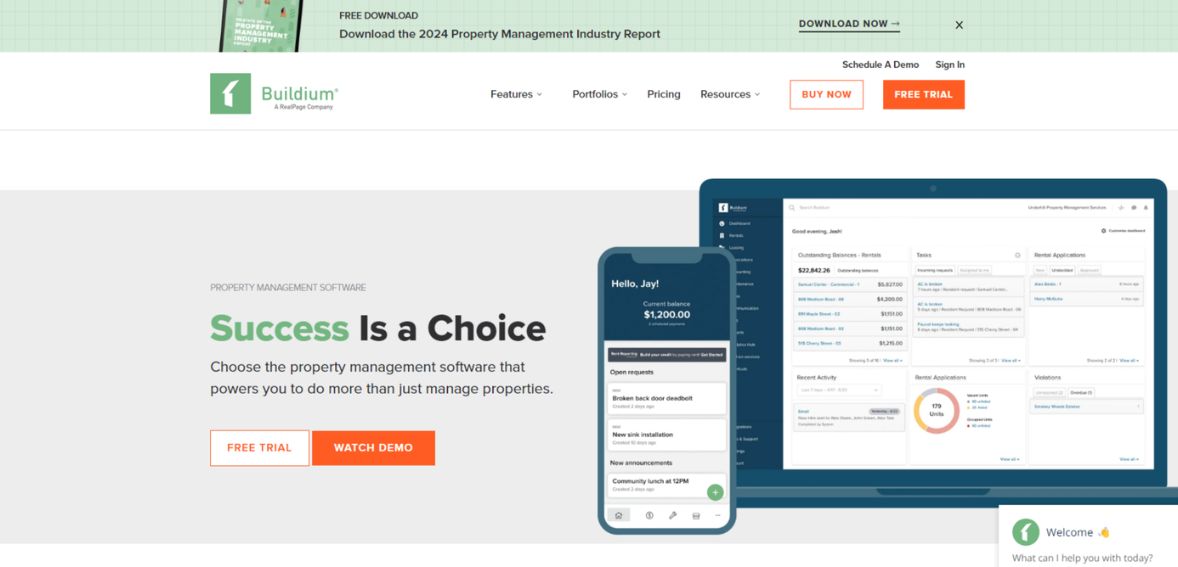
Buildium

Features: Buildium provides a comprehensive set of tools tailored for various property types, from residential units to commercial spaces. It includes advanced tenant screening to ensure property managers select qualified tenants, online rent and fee payment systems, and an efficient maintenance request tracker. Its standout feature is its specialized tools for managing community associations, a boon for managing condominiums and homeowners’ associations.

Ease of Use: The platform’s intuitive user interface makes it user-friendly for both seasoned property managers and novices. Its layout is engineered for straightforward navigation, streamlining daily operations and reducing operational complexity.

Pricing: Buildium employs a scalable tiered pricing model. The basic tier is cost-effective for smaller property portfolios, while higher tiers offer more advanced features for larger operations, making Buildium adaptable as business needs evolve.

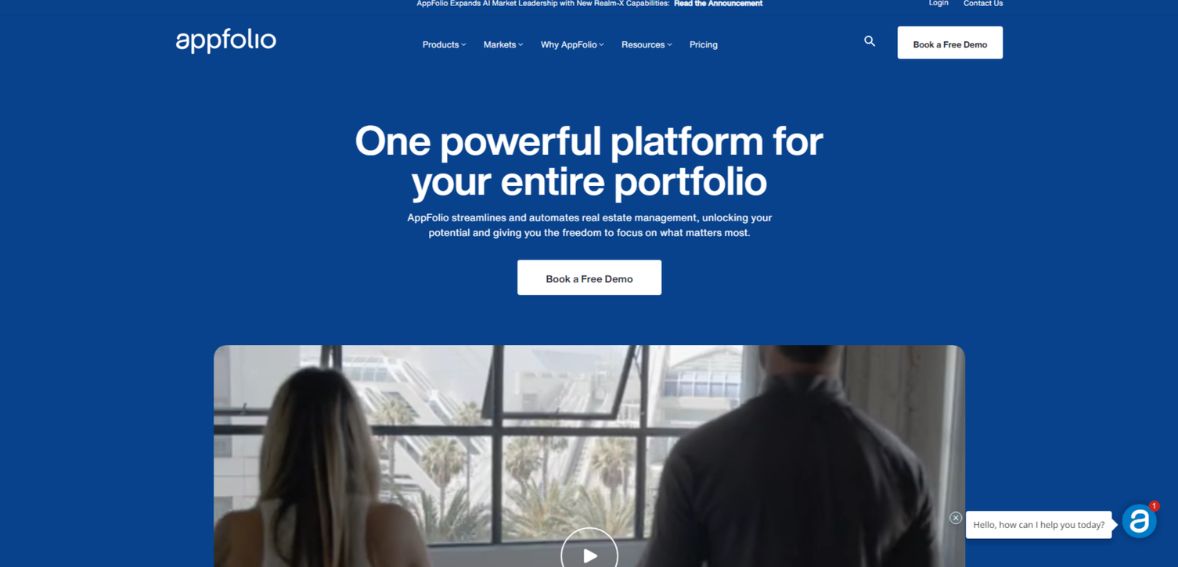
Appfolio

Features: Appfolio offers a holistic property management solution that supports various housing types including residential, commercial, student, and community living spaces. It is renowned for its excellent mobile support, allowing managers to remotely manage their operations without sacrificing functionality.

Ease of Use: The software focuses on a seamless user experience with significant automation of routine tasks such as tenant communications, maintenance scheduling, and financial reporting, which significantly reduces the managerial burden.

Pricing: Appfolio’s pricing includes a base monthly fee, which can be high for smaller portfolios but provides substantial value through its extensive features and enhanced operational efficiency.

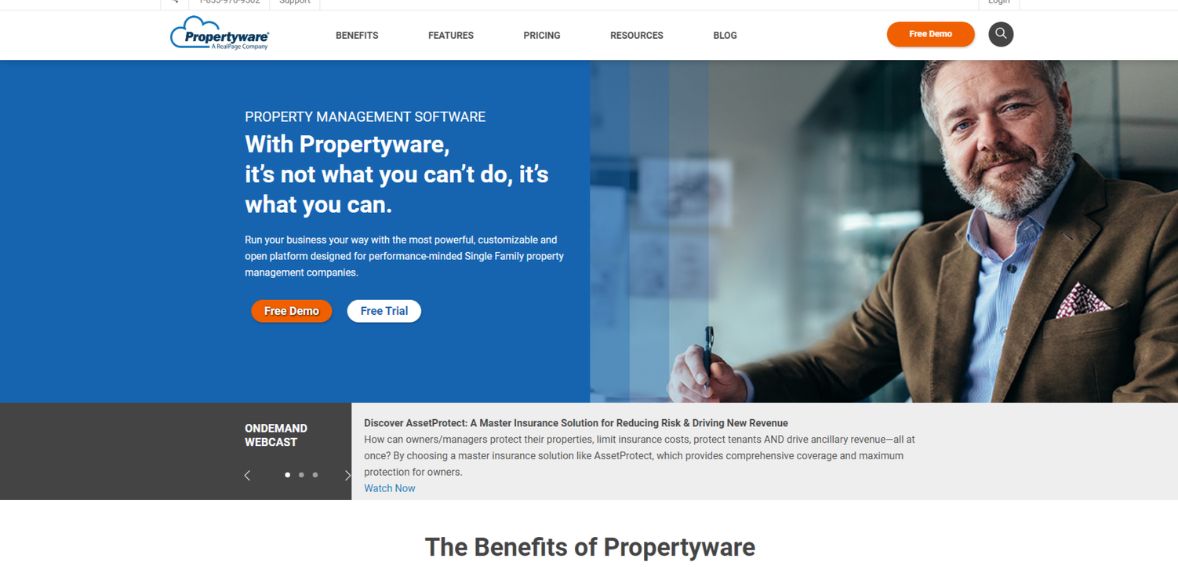
Propertyware

Propertyware

Features: Focused on single-family properties, Propertyware offers extensive customization, allowing users to tailor the software to meet specific operational needs. This flexibility is particularly beneficial for managers with unique management requirements.

Ease of Use: Propertyware provides extensive training resources to ensure users can fully leverage its capabilities, including online tutorials and robust customer support.

Pricing: Geared towards larger portfolios, Propertyware’s pricing model is structured to benefit volume, making it potentially costly for managers with fewer properties.

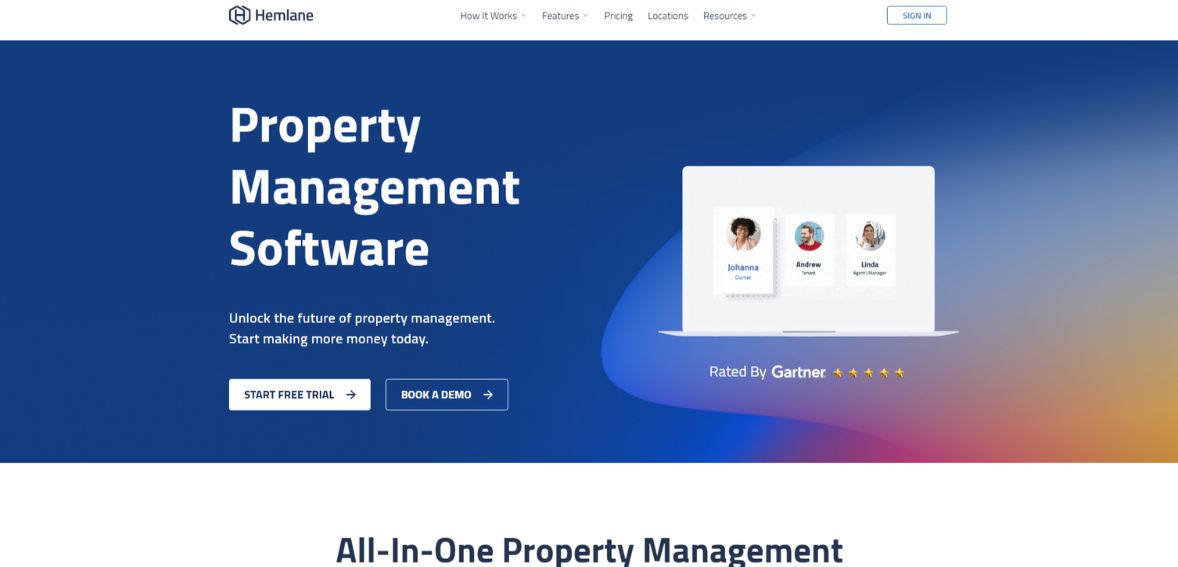
Hemlane

Hemlane

Features: Hemlane is ideal for those seeking a mix of autonomous and assisted management. It offers unique services like coordination with local agents for property showings, which is invaluable for managers who cannot be physically present.

Ease of Use: Hemlane focuses on simplicity and operational efficiency, making it accessible for users with limited technical expertise.

Pricing: Although Hemlane’s pricing is on the higher end, the distinct advantages it provides, especially to mid-sized portfolios, are well worth the investment.

Rentec Direct

Features: Rentec Direct strikes a good balance with strong accounting tools and functionalities for both residential and commercial properties. It excels in areas like online payment processing and maintenance management.

Ease of Use: Despite an older interface, Rentec Direct remains user-friendly, supported by both desktop and mobile platforms which facilitate access to its full range of features.

Pricing: With competitive pricing, Rentec Direct is an attractive option for property managers handling small to medium-sized portfolios, offering scalable plans based on unit count.

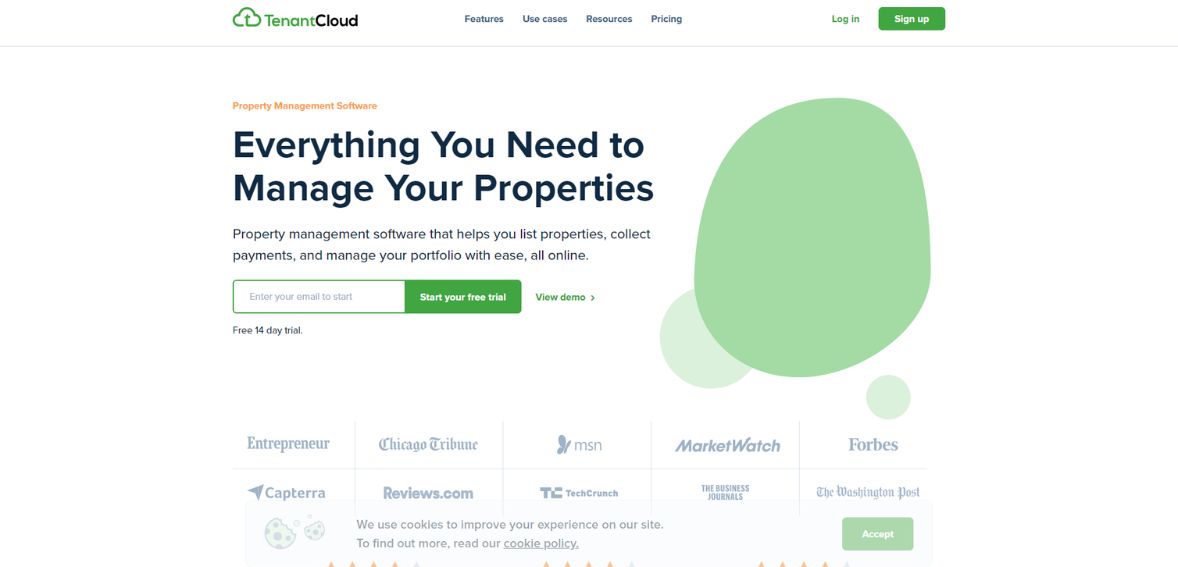
TenantCloud

TenantCloud

Features: TenantCloud is notable for its free plan, which supports up to 75 units and includes basic accounting, online rent payments, and maintenance management. This makes it suitable for small landlords or those starting out.

Ease of Use: TenantCloud is ideal for landlords who prefer ease over extensive features. It is known for its straightforward setup and simple interface.

Pricing: TenantCloud’s free plan is a significant draw, with affordable paid plans that offer more features, making it one of the most budget-friendly options available.

ResMan

ResMan

Features: ResMan caters well to multifamily property management with specialized tools for budgeting, accounting, and compliance, especially useful for properties that need to meet specific compliance standards.

Ease of Use: ResMan is user-friendly, focusing on enhancing the management experience for both property managers and tenants.

Pricing: ResMan does not list pricing publicly, requiring potential users to contact their sales team for custom quotes, which can be a barrier for those looking to make quick comparisons.

DoorLoop

Features: DoorLoop offers comprehensive property management capabilities, including a robust accounting suite, maintenance management, QuickBooks integration, and a tenant portal.

Ease of Use: DoorLoop boasts a highly intuitive interface that simplifies complex property management tasks, making it accessible to users of all skill levels.

Pricing: Starting at $59 per month for up to 20 properties, DoorLoop’s pricing is competitive, particularly given the extensive features it provides.

Choosing the Right Software

Selecting the ideal property management software requires careful consideration of various factors to ensure it aligns with your business needs. Here’s a detailed approach:

Choosing the Right Software

Selecting the ideal property management software requires careful consideration of various factors to ensure it aligns with your business needs. Here’s a detailed approach:

Portfolio Size and Type

The nature and volume of properties you manage play a crucial role in determining the most suitable software. Software solutions vary greatly—some are tailored specifically for small residential portfolios, offering features like lease tracking and tenant communication, while others are built to handle large commercial properties with capabilities for handling complex lease structures and maintenance operations. It is essential to choose software that not only meets your current needs but is also scalable to accommodate future portfolio expansion.

Budget Constraints

Financial considerations are paramount. Start by evaluating the total cost of ownership of the software, which includes upfront purchase costs, ongoing maintenance fees, and any additional charges for updates or customer support. Compare these costs against your allocated budget to assess affordability. Remember, investing in a slightly more expensive option that offers comprehensive features and robust support may yield better long-term value than a cheaper, less capable version.

Specific Needs and Customization

Every property management operation has unique requirements. It’s important to consider what specific functionalities your business needs. This could include the ability to integrate with existing systems (like accounting software or ERP systems), support for regulatory compliance (such as data security standards or housing regulations), or specific tools for property marketing and tenant screening. Look for software that offers customization options that can tailor the platform to your particular operational needs, enhancing efficiency and effectiveness.

Property Management Software Trends

As the property management and real estate industry continues to evolve post-COVID-19, several key trends have emerged, reshaping how property management software is developed and utilized. These trends not only reflect changes in property types and tenant demographics but also underscore the technological advancements influencing the market.

Increased Occupancy in Central Business Districts (CBDs)

Recent data indicates a significant recovery in occupancy rates within CBDs, contrasting sharply with the downturn observed in 2020. From a -3.9% decline to a 1.5% increase in occupancy from 2020 to 2021, CBD office rentals are expected to continue this upward trend. This resurgence is driven by a combination of employment growth, business opportunities, and the unique appeal of urban centers. Property management software has had to adapt, offering more robust features to handle the complexities of managing high-demand urban properties.

The Rise of Millennial Tenants

The demographic landscape of tenants is shifting notably towards Millennials, who, as digital natives, show distinct preferences in their rental choices. In 2021, rental applications from high-earning Millennials surged by 20%, outpacing the growth of Generation X at 12% and Baby Boomers at 7%. This shift is prompting property managers to adapt their software to cater to the tech-savvy generation with features that support mobile access, online transactions, and digital communication.

Demand for Smart Homes

The demand for smart home technology is another significant trend, with a 2021 survey from Security.org revealing that 78% of homebuyers are willing to pay more for homes equipped with smart devices. This trend is most pronounced among Millennials, with 77% expressing a preference for homes that incorporate smart technology. This preference influences property management software companies to integrate smart home management capabilities, enabling property managers to offer cutting-edge technology to attract and retain this key demographic.

Conclusion

This guide has walked you through the capabilities, advantages, and pricing strategies of some of the top property management software companies. Each offers unique tools tailored to meet the demands of diverse real estate portfolios. When choosing the right property management software, it’s essential to align the software’s features with your specific business needs, consider financial implications, and evaluate the potential for scalability.

By meticulously selecting a system that complements your operational style and growth objectives, you can leverage technology to streamline management tasks, enhance tenant relations, and maintain a robust financial standing. The right property management software simplifies the complexities of managing properties and serves as a strategic asset in the competitive real estate market.

Frequently Asked Questions

Property management software provides several benefits including streamlining daily operations, improving financial tracking and reporting, enhancing tenant communication, and automating routine tasks like rent collection and maintenance management. These systems help property managers save time, reduce errors, and increase efficiency, allowing them to focus more on strategic aspects of property management such as tenant satisfaction and portfolio growth.

Choosing the right property management software depends on several factors: the size and type of properties you manage, your specific management needs, and your budget. Evaluate each software’s features against your requirements, consider its scalability for future growth, and assess its integration capabilities with your existing systems. It’s also crucial to consider the software’s ease of use and the quality of customer support offered.

Most top property management software solutions offer integration capabilities with various other tools, such as accounting software, email marketing platforms, and various ERP systems. These integrations help streamline workflows, ensure data consistency across different platforms, and enhance overall operational efficiency. Before selecting software, check its compatibility with your current tools and consider whether integration will require additional customization or costs.

Yes, even for small portfolios, property management software can be a worthwhile investment. It can automate many of the manual tasks associated with property management, such as lease management, rent collection, and maintenance requests, freeing up more time for you to focus on expanding your business or improving tenant relationships. Many software options offer scalable pricing models, so you can start with basic features and upgrade as your portfolio grows.

Airbnb Management

The Benefits of Using Specialized Airbnb Management Software

Managing an Airbnb property involves various tasks such as booking management, customer interactions, pricing strategies, and property maintenance. These responsibilities can be overwhelming without the right tools. To address this, many hosts use specialized Airbnb management software. This technology offers a suite of powerful tools designed to simplify and streamline the hosting process. 

By automating booking schedules, facilitating communication with guests, adjusting pricing dynamically based on demand, and organizing maintenance tasks, the software helps hosts save time and reduce stress. Moreover, it can provide valuable insights through analytics, helping hosts make informed decisions to maximize their property’s profitability. With these tools, property management becomes more efficient, allowing hosts to focus on providing an excellent guest experience and growing their business. Keep on reading to learn more about the benefits of having a Property Management Software for Airbnb. 

What is Airbnb Management Software?

What is Airbnb Management Software?

Property Management Software for Airbnb is a specialized property management system tailored for short-term rental properties on platforms like Airbnb. This software integrates key functionalities to streamline managing listings, bookings, guest communications, and financials in a single platform. It automates repetitive tasks, such as updating calendars and sending messages to guests, reducing the administrative burden on hosts and minimizing human error. 

Additionally, it often includes features for dynamic pricing adjustments, task management for property maintenance, and performance analytics. These tools help hosts maintain high efficiency, enhance guest experiences, and improve profitability. By centralizing and automating essential tasks, Airbnb management software allows hosts to focus more on growing their business and less on day-to-day operations.

How Does Airbnb Management Software Work?

Airbnb management software serves as a central hub for all hosting activities, streamlining the process of managing short-term rental properties. Connecting directly with Airbnb’s API (Application Programming Interface) ensures seamless data synchronization across multiple listings and platforms. Here’s a detailed look at how it functions:


  • Booking Management

The primary function of Property Management Software for Airbnb is to manage bookings efficiently. The software automatically updates your calendar with reservations from Airbnb and other integrated platforms, ensuring your availability is always accurate and up-to-date. This automation significantly reduces the risk of double bookings, which can lead to customer dissatisfaction and potential financial losses. 

In addition to real-time updates, the software often includes features like automated confirmation emails and reminders for upcoming stays, helping hosts stay organized and prepared. By consolidating all booking information into one centralized platform, the software allows hosts to easily have a clear overview of their property’s occupancy and manage their schedule.


  • Guest Communication

Effective communication with guests is crucial for a successful hosting experience. Airbnb management software automates many aspects of guest communication, ensuring timely and professional interactions. Automated messaging features allow hosts to send pre-written responses to common inquiries, check-in instructions, and thank-you notes without manual intervention. 

This not only saves time but also ensures consistency in communication. Additionally, the software can send follow-up messages to gather reviews or provide information about local attractions and services, enhancing the overall guest experience. By centralizing all guest communications in one platform, hosts can easily track conversation histories, manage inquiries, and ensure that no message goes unanswered.


  • Financial Tracking

Managing the financial aspects of a short-term rental property can be complex, but Airbnb management software simplifies this process with comprehensive financial tracking tools. The software provides dashboards that display key financial metrics such as earnings, expenses, and occupancy rates. Hosts can view detailed reports that break down revenue by listing, date range, or booking source, helping them understand their income streams better. 

Expense tracking features allow hosts to log maintenance costs, cleaning fees, and other operational expenses, providing a clear picture of their profitability. Some Property Management Software for Airbnb also integrate with accounting software or offer built-in invoicing capabilities, making it easier to manage taxes and financial reporting. By offering a centralized view of financial data, the software empowers hosts to make informed decisions and optimize their rental business for maximum profitability.

How to Find the Best Airbnb Management Software for Your Business

How to Find the Best Airbnb Management Software for Your Business

Finding the right software involves several steps, each crucial to ensuring you choose a solution that meets your specific needs.


  • Identify Your Needs and Goals

To find the best Airbnb management software, start by assessing your business needs. Pinpoint areas where you need enhancement, such as improving booking schedules, adjusting pricing dynamically based on market conditions, or streamlining communication with guests. 

Consider whether you need features like automatic messaging, revenue management, or cleaning schedule coordination. A clear understanding of your business objectives and pain points will help you select software that meets your specific requirements.


  • Compare Different Tools

Once you know what you need, compare various Property Management Software for Airbnb options. Check each tool’s features, such as calendar management, financial reporting, guest vetting, and more. See how these features match up with your identified needs. Evaluating the software’s integration capabilities with other tools you currently use, like electronic lock systems or accounting software, is also beneficial. Comparing these elements will help you narrow down your choices to those that best fit your business model.


  • Try a Free Version If Available

Many software providers offer a free trial period. Take advantage of this offer to test the software in a real-world setting. A trial allows you to evaluate how well the software interfaces with your operations without the commitment of a full purchase. Pay attention to how it integrates with your existing processes and whether it genuinely addresses your identified issues. This hands-on experience is invaluable in making an informed decision.


  • Simplicity and Usability

Choose a software that is user-friendly and straightforward. An intuitive interface and ease of use are crucial as they can significantly reduce training time and eliminate errors. Software that is complicated may deter you from using it to its full potential. Check if the software has a clean layout, logical navigation, and accessible customer support to help you with any questions you might have.


  • Transparent Term Contracts

Ensure the software provider offers transparent and reasonable terms. Read the contract carefully and look out for any hidden fees or clauses that could lock you into an unfavorable long-term commitment. Preferably, opt for software that allows you to cancel anytime or offers a month-to-month payment plan. This flexibility can be particularly useful if your business needs change over time.


  • Pricing

Assess the pricing structures of the software solutions you are considering. Determine whether the cost is justified by the features provided. Sometimes, a higher price might be worthwhile if the software offers comprehensive solutions that can significantly boost your operational efficiency and guest satisfaction. However, be mindful of your budget and ensure that the software delivers value proportionate to its cost.


  • Customer Feedback/Reviews

Look at feedback and reviews from other Airbnb hosts who have used the management software. Reviews can provide insights into the software’s reliability, ease of use, and the quality of customer support. They can also highlight any recurring issues other users have faced, which might impact your decision. Platforms like Capterra, G2, or even Airbnb community forums can be valuable resources for genuine reviews.


  • How is Customer Support?

Evaluate the quality of customer support offered by the software provider. Good customer support should be accessible, responsive, and helpful. Ensure there are multiple ways to contact support (such as email, phone, and live chat) and that help is available during your business hours. Effective support is crucial for resolving any issues quickly and preventing disruptions in your service to guests.


  • Dynamic Pricing

Dynamic pricing can significantly increase your revenue by adjusting rental prices in real time based on market demand, local events, and seasonality. Look for software that includes robust dynamic pricing tools that can automatically suggest optimal pricing. This feature should be customizable to your specific market and property characteristics to maximize your income potential.


  1. Listing Optimization

Some management software offers features to enhance the visibility and appeal of your listing. These tools might include SEO strategies for Airbnb search, template optimization for descriptions, and automated photo updates. Effective listing optimization can lead to higher visibility, more bookings, and potentially higher ratings, which are crucial for maintaining a competitive edge on the platform.

A Look at the Benefits of Using Specialized Airbnb Management Software

  1. Higher Income: Using Property Management Software for Airbnb with automated tools like dynamic pricing ensures that your rates are competitive, adapting to market conditions such as peak travel times or local events. This not only maximizes your revenue by capturing the highest possible rate during high-demand periods but also adjusts prices in real-time to maintain competitiveness, potentially increasing your overall income.

  1. Automate Responses for Better Communication: Immediate, automated responses to guest inquiries help maintain a high level of communication. This responsiveness can greatly improve guest satisfaction, as they feel their needs and questions are promptly addressed. This can lead to better reviews and increased repeat bookings, as guests appreciate efficient and reliable communication.

  1. Positive Customer Experience: Airbnb management software streamlines booking, check-in, and check-out processes, reducing the likelihood of errors and delays. By ensuring a smooth operation, guest experiences are enhanced, leading to higher satisfaction rates. A positive customer experience is crucial for reputation, encouraging guests to return and recommend your property to others.

  1. More (Improved) Reviews: Positive guest experiences directly influence the quality of reviews. Satisfied guests are more inclined to leave favorable feedback, which can significantly boost your property’s visibility and attractiveness on rental platforms. Positive reviews are a key factor prospective guests consider before booking, thus improving your chances of securing new reservations.

  1. Easily Manage Multiple Vacation Rental Platforms and Listings: With management software, you can centralize the administration of listings across multiple platforms such as Airbnb, Booking.com, and VRBO. This consolidation significantly reduces the administrative burden and potential for errors, making it easier to synchronize calendars, manage bookings, and update listings simultaneously.

  1. Boosts Your Airbnb Ranking: Effective property management leads to better guest reviews and higher overall satisfaction, both of which are important metrics in Airbnb’s search algorithm. Higher rankings in search results mean more visibility for your listings, which can lead to more bookings and potentially higher earnings.
  1. Advanced Pricing Tools and Features: Implement sophisticated pricing strategies utilizing the software’s comprehensive market data and trends. These tools analyze numerous factors that influence pricing, allowing you to optimize your rates not just based on demand but also considering competitors’ pricing, seasonality, and special events, ensuring you maximize your revenue.

  1. Easily Manage Team Members and Payments: Coordinate tasks and schedules among team members, including cleaners, maintenance staff, and property managers. The software also simplifies the payment process for these services and guest transactions by automating invoicing and payment collection, reducing time spent on financial administration.

  1. Repeat Business and Financial Transparency: Airbnb management software helps build guest loyalty through consistent, high-quality service and maintains transparent financial records for each transaction. Clear financial tracking aids in maintaining a transparent overview of earnings and expenses, which is essential for effective business management and long-term planning.

  1. Hassle-Free Management: Reduce the day-to-day operational stress associated with manual management tasks. Automating repetitive tasks like guest communication, scheduling cleanings, and updating booking calendars can free up your time, allowing you to focus on growing your business and enhancing guest experiences.

  1. Preventative Maintenance: Regularly schedule and monitor maintenance tasks through the software to keep properties in optimal condition. Preventative maintenance helps avoid emergency repairs that can be costly and disrupt guest stays, ensuring that the property remains attractive and functional, thereby supporting a consistent level of guest satisfaction.

  1. Profit Monitoring: Use detailed reports and analytics to monitor your properties’ profitability closely. These insights help you understand financial performance and identify areas for cost reduction or potential revenue increases, enabling more strategic business decisions.

  1. Integrate with Third Parties: Connect seamlessly with third-party services such as cleaning crews, key management systems, and guest experience enhancers. This integration helps streamline various aspects of property management, from ensuring that properties are clean before guest arrival to enhancing the overall guest experience, which can differentiate your property from competitors.

Common Mistakes to Avoid in Your Airbnb Management

Common Airbnb Mistakes to Avoid in Your Management

Don’t Use Low-Quality Pictures

High-quality images are crucial in the vacation rental industry. They are often the first impression potential guests have of your property. 

Good quality photographs accurately convey the aesthetics and amenities of your property, helping to set realistic expectations. They also play a vital role in attracting guests by highlighting the unique and appealing aspects of your space. Investing in professional photography can significantly boost your property’s appeal, potentially increasing bookings and allowing you to command higher prices.

Lack of Research

Conducting inadequate market research can significantly impact your rental business’s success. Without a solid understanding of the local rental market, hosts might set prices that are either too high, which discourages potential bookings, or too low, which cuts into potential profits. 

Furthermore, failing to understand what competitors offer can prevent you from capitalizing on your property’s unique features or adding amenities that could set your listing apart. Effective market research includes analyzing competitors’ pricing, understanding guest preferences in the area, and identifying trends in guest feedback, which can guide strategic decisions about pricing and marketing.

Bad Designing of Your Place

The interior design of your rental plays a pivotal role in its success. Properties that feature professional, appealing, and thematic designs tend to attract more interest, leading to higher booking rates. Good design goes beyond mere aesthetics; it includes functional elements that enhance guest comfort and convenience. 

Investing in design means considering layout, furniture, decor, and even small details that contribute to the overall ambiance and guest experience. Well-designed spaces not only photograph better but also receive more positive reviews, which can further elevate your property’s attractiveness on rental platforms.

Inadequate PMS Features

Choosing a Property Management System (PMS) that lacks essential features can seriously hinder the efficiency and effectiveness of your rental management. An inadequate PMS may not support necessary operations such as automated booking confirmations, synchronized calendars across platforms, dynamic pricing adjustments, or comprehensive financial reporting. 

This can lead to operational gaps like double bookings, pricing errors, or missed revenue opportunities. When selecting a PMS, ensure it offers comprehensive functionalities that address all aspects of your business needs, from guest communication and booking management to revenue tracking and maintenance scheduling, thus optimizing your property management strategy and streamlining your operations.

Conclusion

Specialized Property Management Software for Airbnb offers a comprehensive solution for hosts looking to streamline operations, enhance guest experiences, and boost their rental income. By automating routine tasks, providing powerful pricing tools, and centralizing property management functions, this software helps hosts focus more on hospitality and less on the logistics of property management. 

As the vacation rental market grows, such specialized software becomes increasingly important in maintaining a competitive edge and ensuring business sustainability.

Frequently Asked Questions

An Airbnb property manager handles listing management, pricing, guest communication, cleaning and maintenance, check-ins and check-outs, and guest reviews. They ensure the property is well-maintained and guests have a positive experience.

An Airbnb management service boosts rental income through dynamic pricing, optimized listings, effective marketing, and ensuring high occupancy rates. Their market expertise helps set competitive rates and attract more bookings.

Look for experience, good reviews, and a range of services. Evaluate their communication, marketing approach, and transparency in pricing. A proven track record and clear responsibilities are essential for a good fit.

MRI Property Management

An In-depth Review of MRI Property Management Software

In the dynamic and detail-oriented world of property management, selecting the right software is more than just a technical decision; it’s a strategic one that can significantly impact the efficiency and profitability of operations. Among the various solutions available today, MRI Property Management Software stands out as a comprehensive tool designed to address the unique challenges of managing diverse property portfolios. This article offers an in-depth review of MRI Property Management Software, delving into its features, functionality, pricing structure, and the pros and cons of integrating it into your real estate business.

We’ll also explore how it compares to other prominent software in the market, providing property managers with the information needed to make an informed choice about the tools they rely on to streamline their operations and enhance tenant relations. Whether you manage residential, commercial, or mixed-use properties, understanding the capabilities of MRI Property Management Software could be the key to unlocking new levels of operational success.

What Is MRI Property Management Software?

MRI Property Management Software forms a crucial part of the MRI Real Estate Software suite, specifically tailored for real estate entities that oversee various property types, including commercial offices and retail spaces. This software is meticulously designed to streamline operations and strengthen business relationships, thereby future-proofing business activities. By integrating MRI’s platform, real estate businesses can expect substantial gains in efficiency and time management, which translates into enhanced operational effectiveness.

A standout feature of MRI Property Management Software is its Platform X. This bespoke data repository is engineered for exceptional security, incorporating single sign-on authentication to ensure data integrity and safety. Platform X is not just about security; it is equally acclaimed for its extensive automation features. These features enable property managers to delegate routine operational tasks to the system, freeing them up to concentrate on more strategic and high-value activities.

Support services are a cornerstone of the MRI experience, underscoring their commitment to user satisfaction. MRI Property Management Software offers a robust support network that includes email, FAQs, phone, chat support, and an extensive knowledge base. This array of support options guarantees that users have access to help and guidance whenever required, making the implementation and daily use of the Property Management Software MRI both smooth and efficient.

MRI Software Features

Integrated Accounting System

MRI Property Management Software excels with its integrated accounting system, serving as the foundation for robust financial management within the real estate sector. This system encompasses modules for accounts receivable, profit and loss statements, general ledger, and balance sheets. The precision and comprehensiveness of MRI’s accounting suite ensure accurate financial tracking and facilitate the easy generation of customizable reports. These features are vital for property managers who require detailed and specific financial data to make informed decisions, streamline operations, and improve financial accountability.

Resident and Tenant Portals

MRI’s resident and tenant portals are specifically engineered to enhance the living and management experience by providing essential communication and transaction tools. These portals offer online payment functionalities that simplify the rent collection process and information sharing features that keep tenants informed about important updates and notifications. This integration significantly enhances tenant satisfaction and streamlines various aspects of property management, making it easier for managers to maintain high levels of tenant engagement and satisfaction.

Mobile Apps & Solutions

Acknowledging the shift towards mobile integration in property management, MRI has developed a comprehensive suite of mobile applications and web-based solutions. These tools are designed to bring traditional property management practices into the modern age, offering unparalleled flexibility and accessibility. Property managers and tenants benefit from the ability to perform essential tasks on-the-go, from any location, enhancing efficiency and responsiveness in property management operations.

Asset and Facilities Management

MRI’s asset and facilities management features provide a proactive approach to maintaining property value and operational efficiency. With tools for detailed asset inventory and streamlined facilities management, MRI helps property managers anticipate and mitigate potential maintenance issues before they escalate into costly repairs, ensuring the longevity and profitability of property investments.

AI Lease Management

Utilizing advanced artificial intelligence technology, MRI’s AI Lease Management system offers a centralized solution for managing leases across multiple properties efficiently. This system ensures that all necessary lease-related actions are performed accurately and on time, based on real-time data, thereby optimizing property management workflows and reducing administrative overhead.

Energy Management and Portfolio Analytics

MRI also includes powerful tools for energy management and portfolio analytics, which are essential for making informed decisions that optimize property performance. These tools help property managers reduce energy costs, comply with sustainability standards, and maximize the operational efficiency of their properties through data-driven insights.

Property Marketing

The MRI Findspace tool is a standout feature for property marketing within MRI’s suite. This tool facilitates quick vacancy filling by enhancing property listings with attractive, easy-to-navigate interfaces. By streamlining the marketing and leasing process, MRI Findspace helps property managers attract and secure potential tenants more efficiently, reducing downtime and increasing revenue potential.

Incorporating these advanced features, MRI Property Management Software MRI not only simplifies the complexities of property management but also enhances the profitability and sustainability of real estate investments.

MRI Pricing: An Overview

Understanding the pricing structure of MRI Property Management Software can be somewhat challenging, as the details are not readily available on their website. Unlike many other software providers, MRI does not openly disclose specific pricing plans or licensing fees. This lack of transparency means that potential users must engage directly with the MRI team to gain insight into the costs associated with the software.

How MRI Pricing Works

MRI opts for a tailored pricing model, which means that the cost of using the software can vary significantly depending on the specific needs and scale of your property management operations. The pricing may depend on factors such as the number of properties managed, the range of features required, and the level of customer support desired. This bespoke approach allows MRI to offer solutions that are closely aligned with the unique requirements of different property managers, but it also adds a layer of complexity when trying to estimate expenses upfront.

Contacting MRI for Pricing Details

To obtain precise pricing information, property managers must contact MRI directly. This process typically involves submitting details about your business and scheduling a consultation. During this interaction, the MRI team will provide a customized quote based on your operational requirements.

No Free Trial but Demo Available

MRI does not offer a standard free trial, which is often a helpful feature for users to test software before committing financially. However, MRI provides potential customers with the opportunity to request a demo. This demo allows users to see the software in action, offering insights into how it can be integrated into their operations and what benefits it might bring. This step is crucial for making an informed decision, especially in the absence of transparent pricing.

MRI Property Management Software Review: Detailed Pros and Cons

Pros of MRI Property Management Software

  • Comprehensive Implementation Support: One of the standout features of MRI Property Management Software is the extensive support provided during the implementation phase. MRI’s team offers detailed guidance and assistance, ensuring that the integration of their software into your existing systems is smooth and efficient. This support is crucial for organizations transitioning from manual processes or different software, minimizing downtime and potential disruptions.
  • Accurate Real-Time Data: MRI Property Management Software excels in delivering accurate, real-time data which is essential for making informed business decisions. This capability allows property managers to access up-to-date information on occupancy rates, financial performance, and maintenance schedules at any moment, facilitating proactive management and rapid response to any emerging issues.
  • High Customization Options: The software’s high level of customization is a significant advantage for businesses with unique operational needs. MRI allows users to tailor features and functionalities to align perfectly with their specific requirements, ensuring that the software adapts to the business, rather than the business having to adapt to the software.
  • Dedicated Account Management: MRI provides dedicated account managers who are committed to understanding the specific needs of each client. These managers act as a direct point of contact and are available to help with any issues or needs that arise, ensuring personalized service and attention.

Cons of MRI Property Management Software

  1. Slow Introduction of New Features: While MRI consistently updates its software, there is a notable delay in the rollout of new features compared to industry standards. This slower pace can be a drawback for businesses looking for cutting-edge capabilities that keep pace rapidly evolving property management demands.
  2. Inconsistent Customer Support: Although MRI offers dedicated account management, the general customer support service can sometimes be slow and unresponsive. Users have reported delays in receiving help for critical issues, which can lead to operational inefficiencies and frustration among users.
  3. Persistent System Glitches: Users have experienced persistent glitches within the software, which can disrupt the day-to-day management of properties. These glitches, while typically minor, can accumulate to create a significant burden on users, requiring frequent patches and workarounds.
  4. Complex User Interface: The user interface of MRI Property Management Software, despite its robust features, could be more intuitive. New users may find the learning curve steep, and even experienced users may feel that navigating the system is not as seamless as it could be. Improvements in user interface design could enhance user experience and operational efficiency.

Three Competitors to Consider

While MRI Property Management Software is a strong contender in the market, it is not the only option available for property managers. Here are three viable alternatives that each bring their own unique strengths to the table:

DoorLoop

Specifically tailored for property management, DoorLoop presents an extensive suite of features that enhance every aspect of property management. With capabilities including automated rent collection, advanced maintenance request handling, comprehensive accounting solutions, and innovative marketing tools, DoorLoop ensures a streamlined operational flow. The software also boasts numerous integrations, allowing for seamless connectivity with other platforms. Priced competitively at $59 per month for managing up to the first 20 properties, DoorLoop also offers a 50% discount for the first two months. This pricing strategy, combined with its robust features, makes DoorLoop a focused and user-friendly alternative to traditional property management solutions like Property Management Software MRI.

TurboTenant

Renowned for its efficiency in streamlining the application process, TurboTenant offers a range of features that include tenant screening, online rent payments, and detailed advertising capabilities. While it may lack some core functionalities such as sophisticated accounting tools, its affordability and ease of use make it a compelling choice for many property managers. TurboTenant’s design focuses on simplifying the leasing process, thereby reducing the administrative burden and enhancing the user experience for both managers and tenants.

Landlordy

Perfect for property managers who are often on-the-go, Landlordy provides a mobile-first approach with its app-based platform. This solution is especially effective for managing smaller portfolios and offers features geared towards facilitating tenant payments, maintenance management, and robust communication tools. Its pricing model is based on one-time payments for different tiers of service, making Landlordy a cost-effective option for property managers who prioritize flexibility and mobility in their management tools.

Each of these alternatives to Property Management Software MRI offers distinct advantages that can cater to different needs and preferences within the realm of property management, providing efficient, cost-effective, and tailored solutions that challenge the conventional options available in the market.

Conclusion

Selecting the right property management software is crucial for any real estate business aiming to optimize operations and enhance tenant satisfaction. MRI Property Management Software, with its comprehensive suite of features and dedicated support system, presents a strong option for those managing diverse property portfolios. While it may come with its challenges, such as a steep learning curve and occasional system glitches, the benefits of real-time data access, high customization, and extensive automation capabilities make it a viable choice.

As the property management industry continues to evolve, MRI’s ability to integrate advanced technologies and provide scalable solutions positions it as a forward-thinking tool that can adapt to the growing needs of real estate professionals. Property managers must weigh these advantages against the software’s drawbacks and consider their unique operational needs when deciding if MRI is the best fit for their business. With the right software, property management can transform from a complex chore into a streamlined, profitable operation.

Frequently Asked Questions

What types of properties can be managed using MRI Property Management Software? 

MRI Property Management Software is versatile enough to manage a wide range of property types, including residential, commercial, and mixed-use properties. It is especially well-suited for managing large portfolios that include commercial offices and retail spaces due to its robust accounting and operational features.

Does MRI Property Management Software integrate with other business tools and platforms? 

Yes, MRI Property Management Software offers extensive integration capabilities with other business tools and platforms. This includes CRM systems, financial software, and various third-party applications that are essential for real estate operations, enhancing overall efficiency and data consistency across different business functions.

How does MRI Property Management Software handle data security and privacy? 

MRI Property Management Software prioritizes data security and privacy with features like Platform X, which provides a highly secure data environment with single sign-on authentication and rigorous data access controls. This ensures that sensitive property and tenant information is protected against unauthorized access and data breaches.

Can I try MRI Property Management Software before making a purchase? 

While MRI does not offer a standard free trial, they do provide potential customers with the option to request a demo. This demo session helps users understand the software’s interface and features, allowing them to assess its suitability for their specific property management needs before committing to a purchase.

Online Property Management

Advantages of Using Online Property Management Software

In the real estate market, efficiency and effectiveness are crucial. Property management software online emerges as a revolutionary tool that transforms the traditional ways of managing rental properties. This comprehensive system simplifies the complex tasks associated with property management and enhances overall operational efficiency. Through this article, we’ll delve into the nuances of online Property Management Software, exploring its definition, utility, pivotal features, and the myriad advantages it offers to property managers, investors, and tenants alike.

The Challenges of Rental Property Management

Maintaining the physical condition of properties is another critical responsibility. This involves regular inspections and addressing maintenance issues promptly to prevent small problems from escalating into major repairs. The unpredictable nature of emergency maintenance, such as sudden plumbing leaks or electrical failures, requires managers to have a responsive and reliable network of service professionals. This is crucial not only for the preservation of the property but also for tenant satisfaction and retention.

Tenant management adds another layer of complexity. It starts with screening potential tenants—a process that needs to be thorough to ensure reliability and compatibility—and extends to ongoing relationship management. Effective communication is essential here, as it fosters a positive landlord-tenant relationship and helps swiftly resolve any disputes or concerns that arise.

Legal compliance and financial management are foundational to successful property management. Staying updated with ever-changing property laws and regulations is mandatory to avoid legal pitfalls. Financially, property managers must adeptly handle budgets, rental income, and expenses. This often involves using specialized property management software to track financial health and streamline operations.

What is an Online Property Management Software?

What is an Online Property Management Software?

Property management software is a specialised digital platform that serves as an indispensable tool for landlords and property management companies looking to streamline the operations of managing rental properties. This software essentially functions as a comprehensive system that integrates all aspects of property management into a unified interface, simplifying what are traditionally complex and time-consuming tasks.

The capabilities of property management software are extensive. It aids in tenant screening processes by automating background checks and credit reports, ensuring that potential tenants meet specific criteria set by the property manager. Once tenants are onboarded, the software facilitates efficient rent collection through digital payment options, which reduces delays and financial discrepancies. This is particularly beneficial in maintaining steady cash flow and financial stability.

Maintenance management is another critical feature. The software allows for the logging of maintenance requests by tenants, automates the scheduling of repairs, and tracks the status of ongoing maintenance activities. This not only helps in addressing issues promptly but also in maintaining historical records of property upkeep, which is crucial for long-term property management.

Moreover, property management software online provides robust financial reporting tools. These tools generate detailed reports on income, expenses, and profitability, which are vital for financial planning and analysis. The software also ensures compliance with housing regulations and legal standards by keeping track of relevant documents and deadlines.

Use Cases of Property Management Software

Property Management Software Online offers versatile applications across various real estate market segments. Here’s a deeper look into how different stakeholders leverage these tools:

1. Real Estate Investment Firms and Companies

Real estate investment firms and companies benefit immensely from property management software. These platforms are particularly effective for:

  • Portfolio Management: They provide tools to oversee extensive portfolios, enabling firms to monitor and manage multiple properties from a single dashboard. This centralization simplifies the assessment of property performance and financials across different locations.
  • Asset Enhancement: The software includes features for improving asset value through strategic maintenance and upgrades guided by analytics and performance data.
  • Operational Efficiency: Automation of routine tasks like rent collection, lease management, and expense tracking reduces administrative burdens and enhances operational workflows.

2. Tenants

For tenants, property management software simplifies many aspects of the rental experience:

  • Rent Payments: Tenants can pay rent online through secure portals, eliminating the need for physical checks or in-person payments.
  • Maintenance Requests: The software allows tenants to submit maintenance requests digitally, track progress, and receive updates. This streamlines communication and ensures quicker response times.
  • Communication Channels: Enhanced communication features enable direct messaging with landlords or property managers, fostering better relationships and quicker resolution of issues.

3. Commercial and Retail Properties

Commercial and retail property managers use this software to handle complex operations that are typical in business environments:

  • Lease Administration: Tools are available for managing lease agreements, including initiation, renewals, and terminations, which are critical in maintaining tenant relationships and occupancy rates.
  • Maintenance Coordination: The software helps schedule and track maintenance and repair work, which is crucial for keeping properties in optimal condition to support business activities.
  • Financial Reporting: Detailed financial reporting aids in the management of income and expenditures, which are crucial for budgeting and financial planning in commercial settings.

4. Student Housing

Managing student housing presents unique challenges, which are effectively addressed by property management software:

  • High Turnover Management: With a high rate of tenant turnover, the software supports efficient management of lease terms, room assignments, and tenant transitions at the end of each academic term.
  • Room Assignments and Damage Assessments: Specialised features help streamline the allocation of rooms and handle end-of-term inspections to assess and document damages, facilitating faster resolution and deposit returns.

Each use case demonstrates the adaptability and importance of property management software in enhancing the operational capabilities of different real estate sectors, improving the experiences of both managers and tenants and contributing to the overall efficiency and profitability of property management practices.

Features Property Management Software Offers

How Does Maintenance Management Software Help Streamline the Process?

Effective property management software offers a comprehensive suite of features that streamline the multitude of tasks involved in managing rental properties. Here’s an elaboration of each feature:

  1. Accounting: This feature includes tools for meticulously tracking and managing all financial transactions related to property management. It enables the creation and monitoring of budgets and the processing of rent payments. Such tools often integrate with accounting software or have built-in capabilities to ensure accurate financial reporting and facilitate easier tax preparation.
  2. Marketing: Marketing tools within property management software help in promoting properties effectively. This includes managing property listings across multiple platforms, crafting marketing campaigns, and reaching potential tenants through digital advertising. These tools help increase visibility and attract a larger pool of prospective renters.
  3. Leasing: This function automates the processing of lease agreements, from drafting and signing to renewals. It typically includes features for tenant screening, managing applications, and ensuring all leasing activities comply with relevant laws and regulations. Automation helps reduce errors and save time during the leasing process.
  4. Reporting and Analytics: These tools provide data-driven insights into various aspects of property management such as property performance, occupancy rates, and financial health. By analysing this data, property managers can make informed decisions to enhance profitability and operational efficiency.
  5. Maintenance: Maintenance management features coordinate repair works, track maintenance requests, and manage interactions with vendors. They ensure timely responses to tenant maintenance issues and help in maintaining the property’s value and tenant satisfaction.
  6. Rent Collection: Automated rent collection systems streamline the process of collecting rent, issuing receipts, and managing overdue payments. These systems can include features for setting up recurring payments, sending reminders to tenants, and generating financial reports related to rent collection.
  7. Expense Management: This feature involves tracking and analysing all expenses related to property management. It aids in budgeting and financial planning by providing a clear view of where funds are being spent and identifying potential areas for cost savings.
  8. Reminders and Updates: Notification systems within property management software send alerts for important events such as lease renewals, maintenance schedules, and payment due dates. This helps ensure that critical tasks are not overlooked and that the property is managed proactively.
  9. Document Management: Secure storage and easy access to critical documents like lease agreements, tenant records, and compliance documents are facilitated by this feature. It ensures that documents are safe, organised, and easily retrievable when needed, which is crucial for legal compliance and efficient management.
  10. Data Security: Strong security protocols protect sensitive information stored within the software. This includes tenant personal data, financial information, and other confidential data. Ensuring compliance with privacy laws and safeguarding against data breaches are critical aspects of this feature.

These features collectively enhance the efficiency, compliance, and profitability of property management operations, making sophisticated property management software a vital tool for property managers

Advantages of Using Property Management Software

Advantages of Using Property Management Software

Automation of Routine Tasks : Online property management software automates several routine tasks, including rent collection and maintenance management. This automation reduces the incidence of manual errors and saves time, allowing property managers to focus on more strategic activities. For example, automated rent collection ensures timely payments through scheduled reminders and automatic debits, reducing the need for manual follow-ups.

Streamlined Maintenance Management: This software provides an efficient system for tracking and resolving maintenance issues. It allows tenants to report problems through the platform, automatically notifying maintenance staff and tracking the progress of repairs. This streamlined process not only enhances tenant satisfaction by ensuring quick responses to maintenance requests but also aids in the overall upkeep and value retention of the property.

Remote Access: Property managers can access the software from any location, which offers flexibility and ensures continuous management operations, even when managers are not on-site. This remote access feature is particularly beneficial in scenarios where immediate decisions or actions are required, providing managers the ability to respond swiftly regardless of their physical location.

Scalability and Growth: As property portfolios grow, the need for a scalable management solution becomes crucial. Online property management software can easily be scaled to accommodate increasing numbers of properties or units without a significant addition of resources or decline in performance, thereby supporting business growth without compromising efficiency.

Secure Document Management: The software enhances the security and accessibility of critical documents, such as lease agreements, tenant information, and financial records. With features like encrypted data storage and cloud backups, property managers can ensure that documents are both secure from unauthorized access and readily available when needed.

Improved Data Insights: Through data analytics and reporting tools, Property Management Software Online offers valuable insights that aid in better decision-making and optimization of property performance. Managers can analyze trends, track performance metrics, and generate reports that help in understanding the financial health, operational efficiency, and market positioning of their properties.

Simplified Accounting: This software streamlines financial operations by automating tasks such as invoicing, payment tracking, and financial reporting. The integration of accounting features ensures accuracy in financial documentation and simplifies the complex processes of financial management, making it easier to maintain fiscal control and compliance.

Integration with Third-party Apps: Many online property management systems offer integration capabilities with third-party applications like email marketing tools, payment gateways, and CRM systems. This integration extends the functionality of the property management software, allowing for a more comprehensive management approach that covers various aspects of property management beyond just rental and maintenance.

Enhanced Security Features: Online property management software includes robust security measures to protect against data breaches and ensure compliance with regulatory standards such as GDPR. Features like multi-factor authentication, continuous monitoring, and secure data encryption play a critical role in safeguarding sensitive information.

Marketing and Advertising Tools: The software often features integrated marketing and advertising tools that help streamline the tenant acquisition process. These tools may include capabilities for creating and publishing rental listings, managing applications, and conducting background checks, all within the same platform, thereby enhancing the efficiency of tenant onboarding.

Conclusion

The advent of has markedly influenced the evolution of property management. This technology not only addresses the traditional challenges faced in the industry but also propels property management into a new era of efficiency and effectiveness. By harnessing the power of this software, property managers can optimize their operations, reduce costs, and improve tenant relations, ultimately enhancing the profitability and longevity of their real estate investments.

Frequently Asked Question

The primary benefit is the automation of routine tasks, such as rent collection and maintenance management, which saves time and reduces manual errors, allowing property managers to focus on more strategic activities.

The software streamlines maintenance management by efficiently tracking and resolving issues, which enhances tenant satisfaction through quicker response times and better communication channels.

Yes, it helps ensure legal compliance by maintaining updated records of all necessary documents and transactions and by keeping property managers informed about the latest property laws and regulations.

Yes, it is versatile and can effectively be used for various property types, including residential, commercial, and student housing, adapting to the specific needs and operations of each sector.

The Impact of Mobile Apps on Contractor Efficiency

The field of mobile app development holds significant potential due to the range of devices available for developers to target. Developers expect the number of connected devices to increase as the industry grows, extending beyond smartphones and tablets to include televisions, connected cars, gaming consoles, and VR devices. This expansion opens up substantial market opportunities in the impact of mobile apps on contractor efficiency, providing specialized tools that enhance productivity and streamline project management.

Mobile apps are becoming crucial in the construction sector. Construction projects often involve complex coordination of people and resources, and traditional methods like books, spreadsheets, or direct communication could be more efficient and convenient. Adopting smartphone apps and tablets offers a powerful way to improve efficiency, cut costs, and speed up project completion.

Construction professionals should consider partnering with a leading company specializing in mobile applications and cloud-based software development to fully benefit from these technological advances. Such a company provides access to advanced expertise and customized solutions that can significantly enhance operations and contribute to success in a dynamic industry.

Why Does the Construction Industry Benefit From Mobile Technology?

impact of mobile apps on contractor efficiency

While projects are meticulously designed and planned in offices, they are successfully executed on-site. A well-crafted plan can falter if the team doesn’t effectively carry it out on the ground.

This is where construction management techniques play a crucial role. Managing construction projects has always been demanding, with project managers needing to oversee teams, subcontractors, and daily progress closely. The advent of digitalization is beginning to streamline this process.

Consider this: isn’t bringing a mobile phone or tablet to the worksite more convenient than a laptop? Wouldn’t project management be smoother in a mobile app-based environment? Imagine having a single dashboard where you can view and assign tasks seamlessly instead of navigating multiple browser windows with different data sets. This shift is not some far-off future concept but a current trend the industry embraces today.

Understanding the Impact of Mobile Applications in the Construction Industry

Investing in mobile apps for construction business management is highly beneficial as they are user-friendly and deliver immediate notifications with updates directly from the site.

Mobile construction management apps enhance productivity by offering tailored listings of site activities specific to your role, eliminating the need to filter through tasks not pertinent to you. Additionally, these apps facilitate the sharing of critical information, such as photos, for each task, enabling faster decision-making.

Considering these advantages, here are some key points on why adopting mobile applications and cloud-based construction management solutions for your project is a great investment.

– Enhanced Communication 

Mobile apps are integral in the construction industry for sharing daily reports among stakeholders. This tool improves communication and collaboration among project participants.

Mobile apps reduce the likelihood of errors and discrepancies by giving all stakeholders real-time access to information. Regular information exchanges through these apps help identify and address problem areas quickly, thus preventing potential delays. The efficient sharing of reports and updates among team members, contractors, clients, and other involved parties ensures effective communication and promotes a proactive approach to project management.

– Contract Management

Mobile tools support staff in tasks such as updating contract-compliance checklists and collecting data related to communications with clients and contractors during contract renegotiations. These tools simplify the process, ensuring that all critical contractual obligations are met and streamlining communication between parties. 

Using mobile applications, construction professionals can effectively manage contract-related tasks, uphold compliance, and document important information. This enhances project transparency, reduces risks, and strengthens relationships with clients and contractors. 

– Maximizing Resource Utilization

Resource utilization is critical in the construction industry, where there is a high demand for time and materials. Mobile apps are essential for maximizing resource utilization as they provide real-time insights into inventory management, equipment tracking, and workforce allocation.

Construction companies can reduce waste and use their resources more efficiently by monitoring inventory levels, tracking equipment, and optimizing schedules. Mobile apps offer data-driven insights that help businesses make decisions that enhance profitability and sustainability.

– Reduced Delays 

Tracking various aspects of the construction process, such as progress, deficiencies, or incidents, is crucial to minimizing project delays. Using mobile forms to collect this data and making it available to all relevant parties provides important insights, highlighting issues that could impede progress. Quickly collecting and disseminating critical information helps keep construction projects on track. Mobile forms facilitate thorough documentation and analysis of project data, enabling timely problem identification and the implementation of necessary corrections.

This efficient method of information tracking leads to better project management and decision-making, helping to ensure that construction projects proceed smoothly and adhere to their planned schedules.

– Cost-Savings

The construction industry is known for its complexity and high costs. Mobile apps help to reduce these costs by providing several financial benefits. One major advantage is the reduction of paper usage. By digitizing processes, companies save significantly on printing and storage costs. This also reduces the risk of losing or damaging important documents.

Mobile apps also improve inventory management by providing instant access to data on materials and equipment. This allows companies to maintain only the necessary levels of inventory, avoiding over-purchasing and minimizing waste.

Furthermore, mobile apps enable better tracking and analysis of project expenses. This is crucial for effective financial planning and budget management. Construction companies can enhance their profitability in a competitive market by optimizing these areas.

– Direct, Improved Service:

The construction industry is highly competitive, and staying ahead requires proactive strategies. Being informed about upcoming projects and client needs before competitors can significantly benefit your business. Digital solutions enhance customer relationship management by allowing companies to analyze customer data effectively.

Construction mobile apps offer a platform that facilitates the continuous generation of information, which helps improve customer service and build loyalty. For instance, a mobile app that provides immediate cost-saving suggestions after inputting building data and current energy prices can quickly persuade customers, potentially leading to immediate purchase decisions.

– Improved Accountability of Field Staff

Monitoring the time that field staff spend on-site is another benefit of using mobile applications, which enhances accountability and helps reduce labor costs. Mobile timesheets that accurately record punch-in and punch-out times contribute to cost reductions.

Additionally, construction staff can use mobile forms to document work progress with photos, providing clear transparency for management and clients.

– Increased On-Site Productivity and Efficiency:

Traditionally, construction professionals depended on physical paperwork, blueprints, and manual processes for project management and tracking. Mobile apps have transformed this practice by introducing convenient digital solutions. 

Construction management apps allow on-site teams to access blueprints, specifications, and documents directly on their mobile devices, removing the need for physical copies. Features such as task management, progress tracking, and punch-list creation, facilitated by real-time access to information, have greatly improved on-site efficiency and productivity.

– Simplified Document Management

Effective document management applications assist in uploading documents, tracking modifications, and maintaining a record of all decisions while ensuring easy access to historical records.

Utilizing mobile apps to collect data directly at the job site enhances accuracy and reduces problems associated with manual documentation, such as unclear handwriting and inconsistent data. Capturing photos, GPS locations, time stamps, and invoices on-site creates a reliable and clear audit trail for the project. This level of documentation provides necessary accountability to clients and can be crucial in legal contexts.

– Enhanced Safety and Risk Management

Safety is crucial in the construction industry, and mobile apps have significantly contributed to creating safer work environments. These apps come equipped with features like hazard reporting tools, safety checklists, and incident management systems, enabling construction professionals to identify potential risks and implement preventive measures quickly. 

Workers on-site can report safety incidents or hazards directly through these apps, facilitating immediate communication and action. This proactive approach to safety has not only decreased accidents and injuries but has also reduced legal and financial risks for construction companies.

– Leveraging Advanced Technologies

Mobile apps’ adaptability allows them to integrate advanced technologies tailored to the construction industry’s needs. Technologies such as augmented reality for on-site visualization and IoT for smart asset management enhance the functionality of these apps, providing significant benefits.

Construction companies can maintain a competitive edge in a quickly changing market by focusing on innovation and utilizing mobile app development services. Mobile apps can improve safety measures, streamline processes, and optimize resource use, opening up a wide range of possibilities for addressing the unique challenges of the construction sector.

– Improved Client Engagement and Satisfaction

In the highly competitive field of commercial construction, client satisfaction is a critical indicator of success. Mobile apps have transformed client interactions with construction projects by providing a more transparent and interactive experience. Apps that include 3D visualization, virtual reality (VR), and augmented reality (AR) capabilities allow clients to see the finished product before it physically exists. 

This improves communication, facilitates the early detection of necessary design modifications, and ensures that client expectations match the final products. Mobile apps, by elevating client engagement and satisfaction, have proven essential for securing repeat business and cultivating long-term client relationships.

– Streamlined Equipment Management

Efficient equipment scheduling and maintenance are vital for a construction company’s success, as they directly influence its profitability. Mobile solutions offer an effective method for tracking and managing equipment usage and hours, which simplifies processes and improves planning and utilization. Through mobile applications, construction companies can easily log equipment use, record hours, and keep track of maintenance schedules.

Access to real-time equipment data and usage logs allows project managers to make well-informed decisions about resource allocation and ensure maximum equipment utilization. Mobile solutions also support proactive maintenance by sending reminders and notifications for upcoming maintenance tasks, thus minimizing the likelihood of unexpected breakdowns and expensive repairs.

By using mobile apps to improve equipment scheduling and maintenance, construction companies can enhance operational efficiency, minimize downtime, and optimize resource usage. These improvements improve project planning, cost management, and overall profitability.

– Real-Time Data and Analytics

Data-driven decision-making is essential for effective project management. Mobile apps have emerged as vital tools for gathering, analyzing, and utilizing project data in real-time. Apps tailored for construction allow project managers to observe and track key performance indicators such as project timelines, budget usage, resource distribution, and quality control metrics. 

By accessing these analytics on mobile devices, decision-makers can make timely and informed decisions, identify process bottlenecks, and take corrective actions, which enhances project execution efficiency.

Conclusion

The integration of mobile apps into the construction industry has revolutionized project management and execution. These applications enhance communication, streamline document management, and improve safety and accountability. By digitizing traditionally manual processes, they also offer substantial cost savings and increase on-site productivity. 

Mobile apps allow real-time data access and analytics, enabling informed decision-making and efficient project management. Embracing mobile technology simplifies operations and ensures better client engagement and satisfaction. Construction professionals should leverage these tools to stay competitive, improve efficiency, and achieve greater project success.

Frequently Asked Questions

Mobile apps let contractors submit reports, logs, and checklists directly from their devices. Apps like Connecteam allow real-time submissions, reducing manual data entry and errors and ensuring supervisors receive instant updates.

Look for features like scheduling and time tracking, invoicing and expense tracking, secure document management, integrated communication tools, task management, and reporting and analytics.

Potential drawbacks include data security risks, compatibility issues with existing systems, and the cost of high-quality apps. It’s important to evaluate the cost-benefit ratio before committing to an app.

Yes, apps offer features for creating customized training materials, including videos, quizzes, and forms. These tools ensure consistent and thorough training, which can be completed directly from mobile devices, saving time and maintaining high safety and efficiency standards.

Apps for Property Management

The Impact of Mobile Apps on Property Management

Mobile apps benefit real estate agents and impact how they search and manage properties. These property management apps provide immediate updates on new listings and relevant properties, helping agents better meet their client’s needs and manage their time. This article explores the role of mobile property management and discusses the advantages of developing a real estate mobile app. Continue reading for more insights.

Why Are Mobile Apps for Property Management Popular?

Why Are Mobile Apps for Property Management Popular? Technology’s rapid advancement has significantly impacted everyone’s expectations, including property agents and buyers. This shift has made transactions require speed and efficiency, particularly in real estate. As a result, mobile property management has become vital for modern real estate businesses to operate effectively. These mobile apps are now primarily used for communication with clients and driving revenue. The benefits provided by these apps include increased accessibility, allowing users to engage with services whenever they choose; an enhanced customer experience through real-time communication that improves interactions between buyers and sellers; and targeted outreach, which ensures that marketing efforts reach those most likely to be interested in the services offered. Additionally, these apps facilitate faster transactions by optimizing processes shortening rental or sales cycles. They also support customer loyalty through special offers and promotions that reward users, and in-app marketing efforts help promote services directly. Furthermore, the use of apps contributes to greater brand visibility and recognition in the competitive market.

Advantages of a Mobile App for Property Management

Advantages of a Mobile App for Property Management Mobile property management offers numerous potential advantages that continue to grow alongside technological advancements. Let’s explore some of the benefits they provide to businesses:
  • Cost and Time Efficiency: Mobile apps allow real estate agents to reach potential clients directly by uploading property photos and details to the app, eliminating the cost of traditional methods like flyers and brochures. Updates about property availability can be made in real-time, reducing the need for paper and contributing to environmental conservation.
  • Streamlined Management: In the vast and ever-growing real estate market, mobile apps are crucial in efficiently managing customer interactions. Users can quickly search and filter properties, simplifying the browsing experience and boosting sales by swiftly presenting a wide array of options.
  • Quick Decision Making: With all the necessary tools, clients can make quick decisions without visiting multiple properties. Features like mortgage calculators, map integrations, and detailed property information are easily accessible, enabling users to evaluate their options efficiently.
  • Enhanced User Engagement: Real estate apps increase visibility and provide an interactive platform facilitating direct communication between clients and property owners. Features such as instant messaging and contact sharing within the app enhance user engagement by providing a seamless connection experience.
  • Building a Client Base: Mobile apps effectively build a solid client base, keeping your business within easy reach and aiding brand recognition. The persistence of apps on users’ devices is a continual reminder of the services offered, potentially increasing the likelihood of future transactions.

What Is the Impact of Mobile Apps on Property Management Businesses?

What Is the Impact of Mobile Apps on Property Management Businesses? Property management software impacts your business in many ways, directly affecting your bottom line. Here are some of the ways it influences your business:

Enhanced Efficiency:

A real estate mobile app acts as a conduit for interaction between buyers and sellers directly within the app. This allows both parties to communicate quickly, which promotes smoother exchanges and improves the efficiency of their experience from their homes. Real estate agents also benefit by accessing property listings remotely and improving client communication. A mobile app can significantly improve how real estate businesses and their clients operate by simplifying how they meet their specific needs. It enables them to perform essential tasks more effectively and efficiently.

Better Information Access:

Real estate mobile apps significantly enhance information access, reshaping user experience with transformative effects. These apps serve as a centralized platform, offering property listings, detailed descriptions, high-quality images, and virtual tours, thus providing users with a comprehensive view of the market at their fingertips. Features like GPS integration for location-based searches enrich user interaction, offering an immersive experience that allows potential buyers to explore properties virtually anywhere. Real-time updates and personalized recommendations refine the user experience, ensuring buyers and sellers can access the latest information and tailored options that meet their needs. This level of detailed, immediate information facilitates more informed decision-making, significantly smoothing the process of buying or selling properties.

In-app Mortgage Calculator for Better Understanding:

As do mortgage rates, real estate prices and bank interest rates frequently change. Consequently, advanced real estate apps often include a mortgage and property valuation calculator that reflects current market rates. Prospective home loan buyers can also use mobile banking apps to calculate these rates and submit inquiries. This capability is crucial for prospective homebuyers and real estate investors, enabling them to make informed decisions swiftly. These tools streamline the process of mortgage rate calculation and property valuation, enhancing efficiency and accuracy in financial planning and transactions.

Automated Processes:

Integrating automation into real estate applications improves efficiency and simplifies tasks for buyers and sellers. Automation of property searches, document handling, and scheduling appointments reduces the need for manual involvement, decreases errors, and saves time. Automated alerts and updates inform users promptly, improving decision-making speed and the overall experience. Robotic Process Automation (RPA) in these applications efficiently handles repetitive tasks, including data entry, tenant onboarding, and payment reminders, which typically require considerable time and effort. Automation also improves client management, as RPA bots efficiently compare properties and handle client interactions. Real estate professionals can devote more time to engaging customers and enhancing service by automating routine tasks. Using third-party tools or creating tailored automation solutions can further improve these processes. These enhancements help manage workflows, financial transactions, and client relationships by systematizing interactions and data through Customer Relationship Management (CRM) systems.

Virtual Tours of Properties:

Thanks to virtual reality (VR) and augmented reality (AR)- based mobile applications, customers can now virtually visit their desired properties from home. They can assess the neighborhood and explore the interior features of the property using 360-degree photography and VR/AR technologies. This allows potential buyers to view properties directly on their mobile devices without traveling physically.

Digital Documentation:

Mobile applications enable the scanning and converting of paper documents into digital formats for storage. Digital copies can be duplicated and shared with many people without degrading quality. Cloud storage solutions like Google Drive let you save documents online, eliminating concerns about losing important information. These services allow you to access your documents from anywhere globally, providing the flexibility to buy and manage real estate anywhere.

Rent Collection and Financial Management:

Rent Collection and Financial Management: Mobile apps streamline rent collection and financial management processes. Tenants can conveniently make rent payments online through secure payment gateways integrated into the app. Property managers can easily monitor rent payments, generate financial reports, and send automated rent reminders, minimizing administrative tasks and ensuring prompt payments. Tenants can pay rent using various methods, including credit/debit cards, ACH transfers, and electronic checks. This flexibility allows tenants to choose their preferred payment method, reducing the risk of late payments. Many mobile maintenance management apps also offer automated rent reminders to tenants, facilitating on-time payments. Furthermore, landlords receive real-time notifications regarding any updates related to payments. Rent collection apps employ robust encryption and security protocols to safeguard sensitive financial data. They also ensure adherence to local and federal regulations, reassuring landlords and tenants.

Effective Marketing:

Property mobile tenant portal apps often include push notification features integrated into their architecture. These features enable real estate businesses to efficiently promote new property listings, discount opportunities, or launch announcements directly to users via their mobile apps. This direct communication offers realtors a cost-effective method of marketing their offerings effectively.

Online Property Listings:

Mobile apps offer a robust platform for property managers to showcase listings and prospective tenants to search for properties. Property details, including comprehensive descriptions, high-quality photos, and virtual tours, provide a thorough view of each property. This accessibility allows tenants to easily filter properties based on their preferences, such as location, price range, and amenities. Direct communication channels within the mobile maintenance management app enable prospective tenants to contact property managers swiftly, facilitating efficient inquiries and viewings.

Streamlined Maintenance Requests:

Tenants can initiate maintenance requests conveniently from their smartphones through mobile apps. They can detail the issue, attach relevant photos or videos to illustrate the problem accurately, and monitor the status of their requests in real-time. Property managers leverage these apps to streamline the handling of maintenance tasks, promptly assign repairs to qualified personnel or vendors, and provide regular updates to tenants regarding the progress and completion of their requests. This efficient system enhances tenant satisfaction by ensuring timely resolution of maintenance issues while optimizing property management operations.

Real-Time Analytics and Reporting:

Mobile tenant portal app empowers property managers with advanced real-time analytics and reporting capabilities. These features provide comprehensive insights into various aspects of property management, including occupancy rates, rental income streams, operational expenses, and overall property performance metrics. Property managers gain valuable insights that facilitate informed decision-making by accessing up-to-date data through intuitive dashboards and detailed reports. The analytics tools allow managers to identify trends in market demand and tenant behavior, enabling them to adjust rental pricing strategies accordingly. Moreover, detailed financial reports assist in budget planning, expense tracking, and forecasting future revenue streams. This data-driven approach enhances operational efficiency and supports proactive management strategies to optimize property performance and maximize profitability.

Conclusion

Mobile maintenance management has revolutionized property management by enhancing efficiency, accessibility, and user experience. They streamline the processes for both real estate agents and clients, providing real-time updates, virtual tours, and automated functionalities. These apps facilitate quicker decision-making, better client engagement, and effective marketing. Features like digital documentation, online rent collection, and real-time analytics further contribute to operational effectiveness and customer satisfaction. By integrating these technological advancements, property management businesses can optimize operations, reduce costs, and improve service delivery, leading to a more dynamic and responsive real estate market. 

Frequently Asked Questions


Mobile apps allow real-time tracking of vacancies, rent payments, and maintenance requests from anywhere. They enhance communication between landlords and tenants, streamline rent collection and invoice generation, and improve document management.

Common features include listing and advertising vacancies, processing online applications and payments, and conducting tenant screenings. They also enable users to submit and track maintenance requests and manage work orders.

Apps reduce workload and streamline operations but don’t replace property managers. Professional managers handle complex tasks, interact with tenants, and manage daily operations requiring a personal touch or expert oversight.

Buyers should consider their property portfolio size, needed tasks, and budget. They should also check if the app integrates with other tools they use and offers features to address their specific operational challenges.

Tenant Management: From Screening to Retention

Tenant Management: From Screening to Retention

Managing tenants is one of the most challenging aspects of owning rental properties. It involves several key steps: finding the right tenants, ensuring they are suitable, and keeping them satisfied to encourage long-term stays. The process starts with tenant screening. This crucial step involves checking whether potential renters are reliable and responsible. Effective screening helps identify tenants who are likely to pay rent on time, take care of the property, and adhere to lease terms. Once you have secured good tenants, the next goal is to retain them. Satisfied tenants are more likely to continue renting from you, reducing turnover and vacancy rates. Keeping tenants content involves addressing their concerns promptly, maintaining the property well, and fostering good communication. Effective tenant management software can greatly simplify these tasks. This software reduces administrative burdens by automating and streamlining processes such as tenant screening, rent collection, and maintenance requests. It helps reduce vacancies, improve tenant-landlord relationships, and ultimately create a more successful rental business. Here’s how:

Simplified Tenant Screening and Onboarding

Simplified Tenant Screening and Onboarding The benchmark for any landlord is thorough tenant screening. This is crucial for securing a responsible and reliable tenant who remains manageable throughout their tenancy. Tenant management software enhances tenant screening by automating and consolidating various essential checks. Here’s how it improves the process:
  • Automated Background Checks: The software performs comprehensive background checks, including criminal history, credit score, eviction history, and rental history. By accessing extensive databases, the software quickly produces detailed reports, enabling property managers to evaluate potential tenants effectively. This automation saves a significant amount of time compared to manual checks.
  • Credit Checks: Tenant management software assesses applicants’ financial reliability by examining their credit history, outstanding debts, and payment patterns. This helps landlords understand the financial risk associated with prospective tenants and make informed decisions about their ability to meet rental obligations on time.
  • Employment and Income Verification: The software verifies an applicant’s current employment status and income, ensuring they can afford the rental payments. This step is essential in reducing financial risks by confirming the tenant has a stable income source.
  • Eviction History Search: The software includes checks to identify any past lease violations or evictions. This helps property managers avoid tenants with a history of problematic behavior, thus protecting their property and other tenants.
  • Integrated Workflows: Property management software simplifies the entire screening process by combining these checks into a single platform. Managers can review applications, communicate with applicants, and make decisions all within one system, improving efficiency and reducing errors.
  • Consistency and Fairness: The software ensures that all applicants are screened consistently using predefined criteria, maintaining fairness and compliance with legal standards.
Implementing these steps reduces the likelihood of late payments, property damage, or eviction. Spending a few minutes on thorough tenant screening can save significant time, money, and stress later. Additionally, suppose a tenant is renewing a lease. In that case, it is advisable to conduct another screening to ensure they remain an ideal candidate for your property, as their circumstances may have changed.

Flexible, Accommodating, and Automated Processes With Scalability

Flexible, Accommodating, and Automated Processes With Scalability Tenant management software greatly enhances property managers’ flexibility and efficiency by automating many administrative tasks, such as rent collection, maintenance scheduling, and tenant communications. This automation minimizes the need for manual intervention, allowing property managers to address issues promptly and effectively. With cloud-based platforms, property managers can access their management systems from anywhere, enabling quick responses to tenant needs and property issues. This capability is particularly beneficial for managing multiple properties across various locations. These systems also include integrated accounting and bookkeeping features, which help property managers maintain accurate financial records, track expenses, and manage budgets more effectively. Automated financial reporting provides real-time insights into cash flow and property performance. Additionally, property management software simplifies the management of both short-term and long-term leases. Managers can easily update availability, handle bookings, and manage lease agreements, making accommodating different types of tenants easier. The software also improves communication between property managers and tenants by sending automated reminders for rent payments, maintenance schedules, and lease renewals, ensuring tenants are always informed. CRM features help maintain detailed tenant profiles, enhance personalized interactions, and improve tenant satisfaction. As a property portfolio grows, tenant management software can scale to accommodate the increasing number of properties without significantly increasing workload. Features such as virtual payment cards, sub-accounts for different properties, and centralized data management support growth and ensure smooth operations.

Online Rental Payment Processes

Streamlining rental payment processes benefits landlords and tenants by increasing convenience, reducing errors, and improving management efficiency. Tenants can schedule recurring payments, eliminating the need for manual transactions and reducing the risk of late payments. Payment platforms like PayPal, Venmo, and Zelle offer various funding options, including bank accounts, credit cards, and digital wallets, catering to different tenant preferences. Automated reminders for rent due dates and lease renewals ensure timely payments. These reminders can be sent via email or SMS, reducing late payments and the need for landlords to follow up. This automation improves tenant compliance and satisfaction. Digitizing application forms and lease agreements simplifies the onboarding process for new tenants. Electronic signatures and digital document management ensure that lease agreements are securely stored and easily accessible, reducing the administrative burden on landlords and minimizing errors associated with paper-based processes.

Streamlined Property Maintenance

Proper maintenance is one of the crucial tenant retention strategies for keeping your rental property in good condition and ensuring tenant satisfaction. Property management software plays a crucial role in this process by detecting problems early through regular inspections and promptly addressing repair requests, which shows tenants that their comfort and safety are a priority. This software significantly improves efficiency by automating and centralizing key maintenance processes. It allows for the quick creation and assignment of work orders, ensuring tasks are tracked from the initial request to completion with real-time updates. This ensures tasks are noticed, and timely repairs are made. Additionally, property management software supports scheduling routine inspections and preventive maintenance tasks. By addressing issues early, property managers can extend the lifespan of equipment and reduce emergency repair costs. The software also facilitates better management of maintenance staff and external vendors by tracking availability, qualifications, and workload. This optimization ensures that the right personnel are assigned to each job, enhancing efficiency and service quality. Effective maintenance helps manage minor problems, protect your investment, and ensure happy tenants with longer tenancies and fewer vacancies.

Easy Management of Renter’s Insurance Program

Easy Management of Renter’s Insurance Program Renters’ insurance benefits both landlords and tenants by protecting against unexpected events like theft or fire. Requiring renters’ insurance demonstrates a commitment to tenants’ security and well-being, leading to longer tenancies and a more stable rental experience for everyone. Property management software can greatly improve the implementation and management of a renters’ insurance program, benefiting property managers and tenants. The software centralizes management functions, enabling property managers to incorporate insurance options into their systems, monitor compliance, and automate reminders for insurance renewals. This promotes continuous coverage and adherence to leasing terms. Tenants also benefit from the software, as it facilitates easy access to insurance via tenant portals, making purchasing or renewing policies more straightforward. Furthermore, the software mitigates risks for property managers by covering costs associated with damages or accidents caused by tenants, which could otherwise result in financial losses. Additionally, the software connects with multiple insurance providers, providing competitive rates and better coverage options that improve tenant satisfaction and retention. Incorporating renters insurance into tenant management software streamlines administrative duties, decreases workload, and enhances operational efficiency, allowing managers to concentrate on other essential aspects of property management.

Security-Centered Solution

Property management software dramatically improves security for both data and physical properties. Cloud-based systems offer robust security features that help protect all assets. These systems secure data using encryption and advanced authentication methods. Data stored in the cloud is encrypted, making it hard for unauthorized users to access. Additionally, these systems often use multi-factor authentication and other controls to ensure that only approved users can see sensitive information. The software includes automatic security updates and real-time monitoring to maintain system integrity and guard against new threats. Cloud-based systems update continuously, which helps protect against cyber threats more effectively than traditional systems. They can also use AI to detect unusual behavior or unauthorized access attempts, addressing threats early to improve security management. Plus, the software allows for remote property access management with smart locks and surveillance systems. These features provide real-time alerts and detailed access logs, aiding in the quick resolution of security issues or investigation of suspicious activities. Property management software centralizes management tasks and significantly enhances security measures, offering protection against digital and physical threats and creating a safer environment for property managers and tenants.

Implementation of a Rewards System for Enhanced Tenant Experience

Implementation of a Rewards System for Enhanced Tenant Experience Property management software can significantly enhance the management and administration of tenant rewards systems. Such software typically includes features that automate the tracking of tenant behavior that could qualify for rewards, such as on-time rent payments or participation in community initiatives. This automation streamlines the process and ensures accuracy in reward allocation. Furthermore, these systems can integrate various functionalities that support a rewards system, like communication tools and data analytics. For instance, property managers can easily send automated notifications to tenants about upcoming opportunities to earn rewards or updates on their rewards status. Data analytics features can provide insights into the effectiveness of the rewards program, enabling property managers to make data-driven decisions to improve tenant engagement and satisfaction. Additionally, online portals, often a component of tenant management software, allow tenants to view their rewards balance, track their progress towards different rewards, and redeem rewards conveniently. This level of transparency and ease of access can increase tenant participation and satisfaction, ultimately fostering a positive relationship between property managers and tenants. By leveraging these tools, property management software facilitates a more engaging and rewarding living environment, helps retain tenants, and reduces turnover rates, which are crucial for maintaining a profitable property management business.

Get Real-Time Feedback and Act on It

Property management software is an effective tool for gathering immediate feedback from tenants and responding to it swiftly. These systems provide a range of integrated features that enable quick communication and effective handling of tenant feedback, helping property managers maintain high satisfaction levels and promptly resolve any issues. Property management software’s key benefit is its ability to automate and streamline communication channels. Features such as mobile apps and online portals allow tenants to easily submit maintenance requests, complaints, or feedback from their devices. These software solutions also include real-time alert systems. For instance, property managers receive instant notifications when a tenant submits feedback or a maintenance request.  Property management systems further aid in data collection and analysis, enabling managers to track and assess trends in tenant feedback. Additionally, these platforms often facilitate creating and managing digital documentation, like inspection reports and maintenance records, which are available immediately.

Conclusion

Tenant management is a multifaceted task involving careful tenant screening, retention efforts, and effective property management software. Thorough screening helps identify reliable tenants while maintaining open communication and prompt maintenance fosters tenant satisfaction. Property management software enhances these processes by automating background checks, rent collection, and maintenance requests, ensuring efficiency and accuracy. It also facilitates the management of renters’ insurance, security measures, and tenant rewards programs, contributing to a stable and profitable rental business. By integrating these tools, landlords can streamline operations, improve tenant relationships, and reduce vacancy rates, ultimately leading to a more successful and sustainable property management endeavor.

Frequently Asked Questions 

Tenant screening software offers comprehensive checks, including credit reports, eviction history, and criminal background checks. It helps landlords set specific criteria to filter candidates and provides advanced analytics for better decision-making.

Tenant management software streamlines tasks like rent collection, lease management, and maintenance requests. Key features include automatic rent payments, accounting integration, eLeasing tools, tenant portals, and automated marketing for listings.

The software enhances tenant retention strategies by improving communication and service delivery. It helps property managers respond to maintenance requests, streamline lease renewals, and maintain fair rental rates. Features for community building and feedback collection also boost tenant satisfaction.

Property managers should consider software that integrates with existing systems, is user-friendly, and offers features that meet their needs. Essential factors include pricing transparency, customer support, scalability, mobile access, and robust security features.

property management efficiency

How Property Management Software Improves Efficiency

Maintaining high levels of organizational efficiency and effectiveness is crucial in the ever-challenging and competitive property management world. Property managers shoulder diverse responsibilities, from overseeing lease agreements to managing maintenance requests and promoting open communication with tenants.

Property management software acts as a linchpin in all of this, offering a robust and comprehensive platform specifically engineered to elevate the execution of property management tasks. The following discussion will thoroughly explore how adopting all-in-one software can enhance property management efficiency.

Understanding Property Management Software and What It Offers

Property management software is a specialized tool designed to help property managers efficiently oversee rental properties, tenants, leases, maintenance activities, and financial records. It streamlines various management aspects, easing the daily tasks faced by property managers.

The software automates routine functions, freeing up property managers to focus on strategic activities like business growth and enhancing tenant relationships.

Understanding Property Management Software and What It Offers

Key Features of Property Management Software

  • Maintenance Management: This feature allows for the oversight and tracking of maintenance requests, work orders, and contractor information, ensuring timely and effective issue resolution.
  • Lease and Tenant Tracking: Managers can keep detailed records of tenant information, lease agreements, and rent collections, ensuring that all lease-related data is current and easily accessible.
  • Communication Tools: These tools facilitate clear and consistent communication between property managers, tenants, and landlords, allowing for the sending of notifications, reminders, and updates.
  • Document Management: This provides a centralized digital space for storing and managing important documents such as leases, contracts, and inspection reports, which simplifies access and distribution.
  • Financial Management: This function streamlines financial tasks like rent collection, expense tracking, and financial statement generation, helping managers maintain accurate financial records and make informed decisions.

Property Management Software Boosts Efficiency in Many Ways

In the fast-moving property management industry, streamlining operations and enhancing property management efficiency are crucial. Managing multiple properties, tenants, and maintenance requests can become complex. Utilizing effective real estate property management software helps property managers focus on key aspects of their role, such as providing top-notch service to renters and property owners.

Explore some of the key ways in which property management software technology can enhance real estate management:

1.    Task Automation

Property management software significantly reduces manual effort by automating various tasks, freeing up time for managers. It can automatically notify tenants about upcoming rent payments, send maintenance reminders, and offer pre-set responses to frequently asked questions. This automation, which we will discuss in further sections, reduces the likelihood of errors and ensures that essential tasks are consistently addressed.

By automating these processes, property managers can allocate more time to other critical activities such as developing marketing strategies, enhancing tenant relationships, and conducting market analysis. This shift not only boosts productivity but also enhances the overall efficiency, positively impacting the company’s profitability. Furthermore, property management software aids managers in refining their operations and making informed decisions based on data.

Adopting a property management system can be transformative, enabling managers to streamline their operations and increase productivity.


2.    Streamlined Tenant Screening and Onboarding Processes

A standout feature of top-tier property management software is its capacity to enhance the efficiency of the tenant screening and onboarding process. This software integrates comprehensive background checks, credit assessments, and verification of rental history, enabling property managers to swiftly and accurately identify reliable tenants. This can lead to a decrease in issues such as late payments, property damage, and potential evictions.

Furthermore, the software includes features for automatic lease creation and supports electronic signatures, which simplifies the onboarding process. This not only saves time but also reduces the administrative burden on property managers while providing a smooth experience for new tenants. These capabilities ensure that the transition from applicant to tenant is both efficient and well-organized, benefiting all parties involved.


3.    Automated Financial Management

Property management software can automate various tasks, including rent collection and accounting, eliminating the need for manual tracking and data entry. This software enables rent automation, which reduces the likelihood of missed payments and allows property managers to monitor and reconcile incoming funds easily. It also provides comprehensive financial reports, simplifying the tracking of income, expenses, and profitability for each property.

Tenants can set up automatic monthly payments using methods such as ACH, credit cards, and direct bank transfers. This ensures timely rent collection and reduces late payments. Plus, the software includes advanced accounting tools designed for property management. These tools can manage tasks like tracking rental income, handling expenses, and automating financial reporting. Effective software also integrates seamlessly with broader accounting systems like QuickBooks to enhance overall management.

Financial reports generated by these systems allow property managers to monitor profitability, manage expenses, and prepare for tax season more efficiently. These reports are customizable and accessible in real-time, keeping all stakeholders well-informed.

Additionally, with mobile support, property managers and tenants can manage payments and access financial statements on the go, which increases convenience and flexibility. Many software options include mobile apps that offer extensive functionality, improving communication and financial management directly from a smartphone.

Adopting this type of software not only streamlines the rent collection process but also integrates the entire accounting workflow into one platform, minimizing errors and saving time. This digital approach helps property managers stay organized and responsive, enhancing financial management and tenant satisfaction.

4.    Streamlined Maintenance and Repair Management

Effective maintenance and timely repair are essential for maintaining tenant satisfaction and preserving property value. Top property management software provides a platform that allows tenants to submit maintenance requests online easily. These requests are automatically routed to the appropriate vendor or maintenance team. Property managers can oversee the status of each request, communicate updates to tenants, and ensure repairs are carried out promptly and efficiently.

Key Features of Effective Maintenance and Repair Management in Software:

  • Online Maintenance Requests: Tenants can file repair requests online, which promotes prompt reporting and adds convenience.
  • Automated Work Order Management: The system automatically creates a work order upon receipt of a maintenance request and assigns it to suitable maintenance personnel or a vendor.
  • Real-Time Tracking: Property managers can monitor the status of maintenance requests in real-time, facilitating timely interventions and consistent follow-up.
  • Vendor Management: The software often includes capabilities to manage relationships with contractors and vendors, enabling performance tracking and compliance checks.

These maintenance management software enhance property management by seamlessly integrating maintenance requests, swiftly assigning work orders, and updating tenants with real-time repair progress. This approach expedites the repair process, enhances transparency, and improves communication with tenants.

Additionally, the software includes a comprehensive computerized maintenance management system (CMMS), which supports preventive maintenance schedules and asset management, further improving property management efficiency.

5.    Improved Communication and Collaboration

Effective communication and collaboration are essential for successful property management. Property and maintenance management software significantly boosts these areas by offering advanced communication tools that facilitate streamlined interactions among tenants, property managers, and vendors.

These platforms typically feature integrated email, messaging, and document-sharing capabilities. These tools enable real-time interactions, allowing for quick responses and efficient information exchange. These tools focus on centralizing communication, enabling property managers to effectively oversee tasks, track team progress, and engage with tenants and property owners.

Additionally, these software tools support enhanced teamwork by allowing property managers and their teams to manage tasks and projects collaboratively. This includes organizing maintenance, handling lease agreements, and conducting financial reporting—all accessible in real-time. Such features promote a unified work environment and ensure that all team members are well-coordinated and informed.

6.    Analytics to Boost Efficiency

In the current digital landscape, property managers depend significantly on maintenance management software to enhance operational efficiency and profitability. These systems are equipped with various features and functionalities tailored to optimize workflow and boost revenue. One of the most critical components of these software systems is their advanced analytical tools. These tools allow real estate professionals to delve into large data sets to uncover ways to improve efficiency.

By utilizing analytics, property managers can discern the causes of maintenance task delays or spot deficiencies in tenant communication. This insight enables them to make decisions that directly improve operational effectiveness and positively influence their financial results.

Property management software allows managers to refine their operations, pinpoint areas for improvement, and enhance business processes for superior outcomes.

Conclusion

Property management software is a vital tool that significantly enhances efficiency in the property management sector. By automating routine tasks, it frees up property managers to focus on strategic activities, ultimately boosting productivity. The software’s features, such as maintenance management, lease and tenant tracking, communication tools, document management, and financial management, streamline daily operations, reduce errors, and ensure consistency.

Automated financial management simplifies rent automation and accounting, while advanced analytics provide insights for optimizing workflow and improving profitability. Additionally, improved communication tools facilitate better interaction among tenants, property managers, and vendors, fostering a more collaborative environment.

Overall, adopting property management software not only streamlines various processes but also enhances decision-making and operational efficiency. This digital approach supports property managers in maintaining high levels of organization and effectiveness, leading to better tenant satisfaction and increased profitability.

Frequently Asked Questions

Property management software consolidates all property data and tasks into a centralized platform, automating daily activities like rent collection, maintenance requests, and lease management. This increases efficiency and reduces errors.

Automation helps schedule maintenance, track payments, and manage lease renewals without manual effort. It saves time, reduces repetitive tasks for managers, and ensures accuracy and timely execution.

Yes, it enhances communication by providing platforms for direct interaction between tenants, landlords, and maintenance teams. Features like automated notifications and integrated messaging systems make communication more efficient.

The software provides real-time data and analytics, offering detailed insights through customizable reports and dashboards. This helps property managers make informed decisions and improve financial and operational management.